Lightweight Sherwani Styles That Offer Royal Elegance and All-Day Comfort
A lightweight sherwani can deliver royal elegance without discomfort. Discover how modern fabrics, smart tailoring, and refined details create a look that feels as good as it looks.
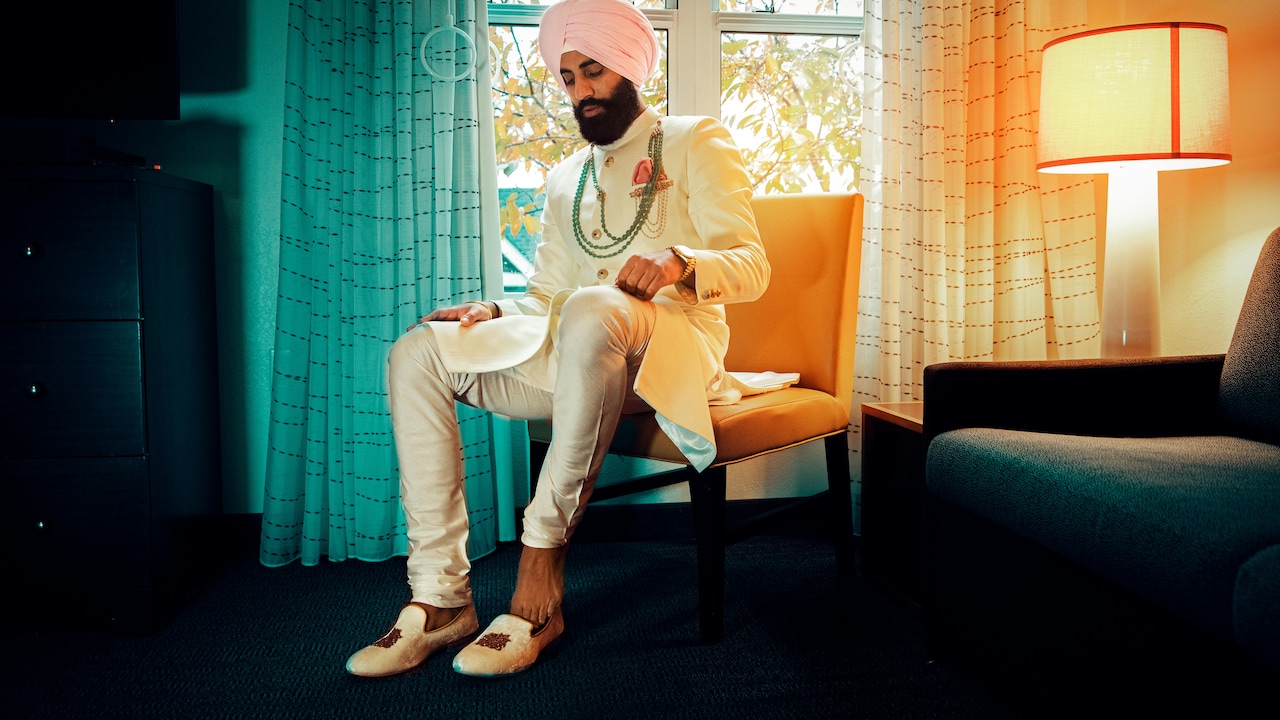
You Can Look Like Royalty In A Lightweight Sherwani That Balances Grandeur With Physical Comfort.
Few garments command attention like a sherwani. The moment it slips on, posture changes, shoulders square up, and confidence follows. Weddings, festivals, and milestone celebrations often stretch across long hours, bright lights, and packed venues. Heavy fabrics, stiff linings, and layered silhouettes once defined luxury, yet they often turned joy into endurance tests.
Modern craftsmanship has rewritten that story. Designers now focus on lightweight structures that respect tradition while supporting ease of movement. Comfort no longer competes with elegance; it walks alongside it. From breezy daytime pheras to late-night receptions, a well-chosen sherwani allows every moment to shine without distraction.
This article explores how a lightweight sherwani can still feel opulent, look ceremonial, and handle real-world wear. Expect fabric insights, styling tips, and cultural nods that feel familiar, warm, and practical. Royalty, after all, never looks uncomfortable.
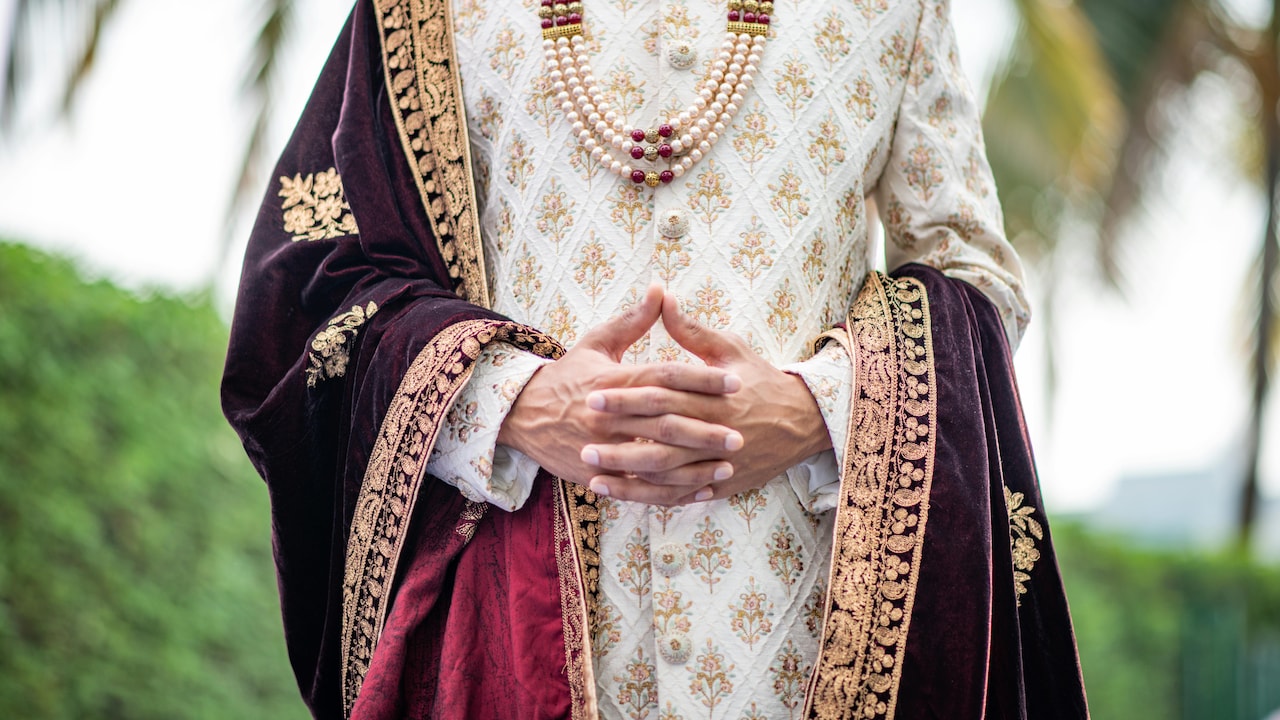
Look Like Royalty In A Lightweight Sherwani That Balances Grandeur With Physical Comfort
Photo Credit: Pexels
The Elements That Define a Truly Comfortable Yet Grand Sherwani
1. Fabric First: Where Comfort Truly Begins
Every great sherwani starts with the right fabric. Breathable materials such as cotton, silk, chanderi, linen blends, and fine jacquards offer structure without weight. These fabrics allow air to circulate, which matters during long ceremonies under warm lights or outdoor mandaps.
Texture plays a quiet but powerful role. Slightly slubbed weaves or matte finishes add depth without bulk. They also photograph beautifully, catching light softly rather than glaring. Designers often reinforce key areas like collars and plackets while keeping the body fluid. This balance maintains shape without trapping heat.
Seasonal thinking helps too. Summer weddings benefit from lighter counts and minimal lining. Winter celebrations allow slightly denser weaves while still avoiding stiffness. A thoughtful fabric choice prevents constant adjusting, sweating, or fatigue. Comfort stays invisible, yet it transforms the entire experience. When fabric works with the body, confidence follows naturally.
2. Tailoring That Moves With the Body
Fit defines how regal a sherwani feels. Too tight, and movement suffers. Too loose, and the look loses authority. Modern tailoring focuses on clean lines that follow natural posture while allowing easy motion.
Strategic darts, softened shoulders, and tapered waists create shape without restriction. Armholes sit higher to enable movement during greetings, rituals, or dance. Sleeves allow bending without pulling. These details often go unnoticed, yet they bring comfort across hours.
Length matters too. A well-balanced sherwani falls just above the knee or slightly below, depending on height. This proportion flatters the frame and prevents heaviness around the legs. Side slits support walking and sitting with ease.
Good tailoring feels like quiet support. It allows standing tall during ceremonies and relaxed enjoyment later. When the garment adapts to movement, elegance stays effortless.
3. Minimal Weight, Maximum Impact Embellishments
Opulence often hides in detail rather than excess. Lightweight sherwanis embrace this idea by using refined embellishments that add richness without burden. Fine embroidery, subtle zardozi accents, and delicate threadwork replace dense, all-over designs.
Placement matters more than quantity. Ornate plackets, cuffs, or collars draw attention upward, framing the face. Sparse motifs across the body maintain visual interest while keeping the fabric light. Tone-on-tone embroidery adds sophistication without overpowering the look.
Modern techniques use lighter metallic threads and flatter embroidery styles. These reduce weight and prevent stiffness. Handcrafted elements still shine, yet they allow the garment to drape naturally.
This approach respects tradition while aligning with comfort. Grandeur no longer relies on heaviness. Instead, it speaks through restraint, precision, and thoughtful craftsmanship that feels luxurious and wearable.
4. Colour Palettes That Feel Regal Yet Relaxed
Colour shapes mood instantly. Lightweight sherwanis often shine in softer, elegant shades that reflect light and heat gently. Ivory, sand, blush, sage, powder blue, and muted gold feel festive without overwhelming the senses.
Darker tones also work when handled carefully. Deep maroon, forest green, or midnight blue looks rich in lighter fabrics with minimal embellishment. These shades suit evening functions and cooler venues.
Colour psychology plays a role. Lighter hues convey calm and openness during daytime rituals. Rich jewel tones add drama for receptions. Thoughtful colour selection enhances presence without shouting for attention.
Season, venue, and personal style guide the choice. A well-chosen shade complements skin tone, photographs beautifully, and stays comfortable through changing light. Regal style often whispers rather than roars.
5. Layering Smartly Without Bulk
Layering elevates a sherwani, yet it often adds weight. Smart styling solves this challenge. Lightweight stoles, dupattas, or waistcoats add dimension without overheating.
Sheer fabrics such as organza or fine silk blends work well for stoles. They drape gracefully and stay breathable. Waistcoats crafted from lighter materials introduce contrast while keeping the core comfortable.
Even inner kurtas matter. Soft cotton-silk blends reduce friction and absorb moisture. This base layer supports comfort throughout the day.
Layering should feel intentional, not excessive. Each element must earn its place. When layers complement rather than compete, the outfit feels complete and balanced. Elegance thrives when every addition serves both style and comfort.
6. Buttons, Closures, and Small Comfort Wins
Small details often decide long-term comfort. Buttons crafted from lightweight materials reduce strain along the placket. Fabric-covered buttons prevent irritation and maintain visual harmony.
Hidden hooks and breathable interlinings support the structure without stiffness. Thoughtful closures allow quick adjustments between events. These features matter during packed schedules and costume changes.
Collars deserve special attention. A well-designed bandhgala or open collar supports the neck gently without choking. Soft linings prevent itching and redness.
These details rarely appear in conversations, yet they shape the wearing experience. Comfort grows from such quiet choices. When every closure feels easy, confidence stays intact from start to finish.
7. Footwear and Accessories That Support the Look
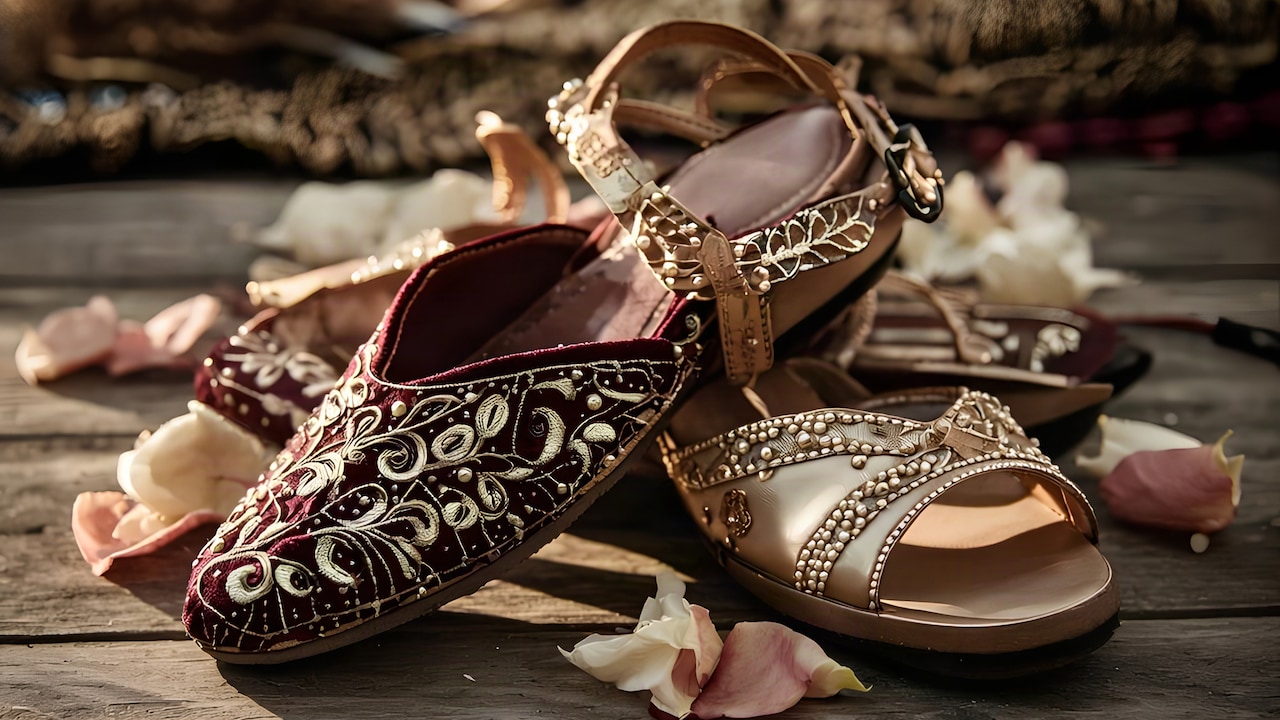
A lightweight sherwani pairs best with equally thoughtful accessories. Heavy jewellery or rigid footwear can undo comfort gains quickly. Mojris or juttis crafted from soft leather or fabric offer flexibility and breathability.
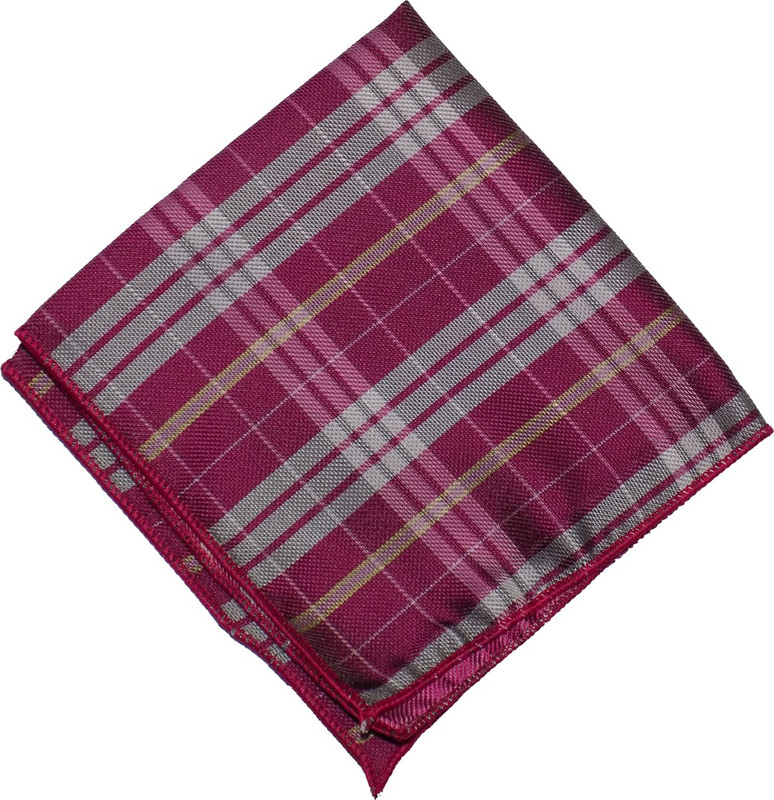
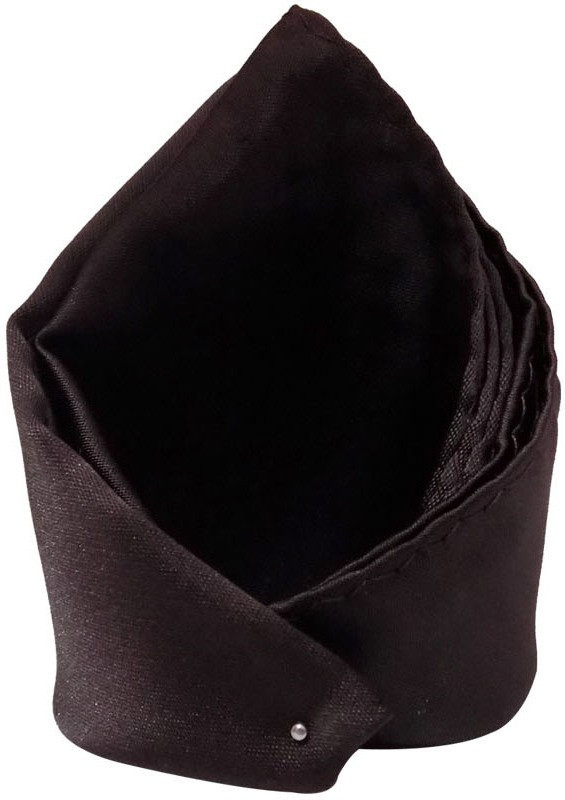
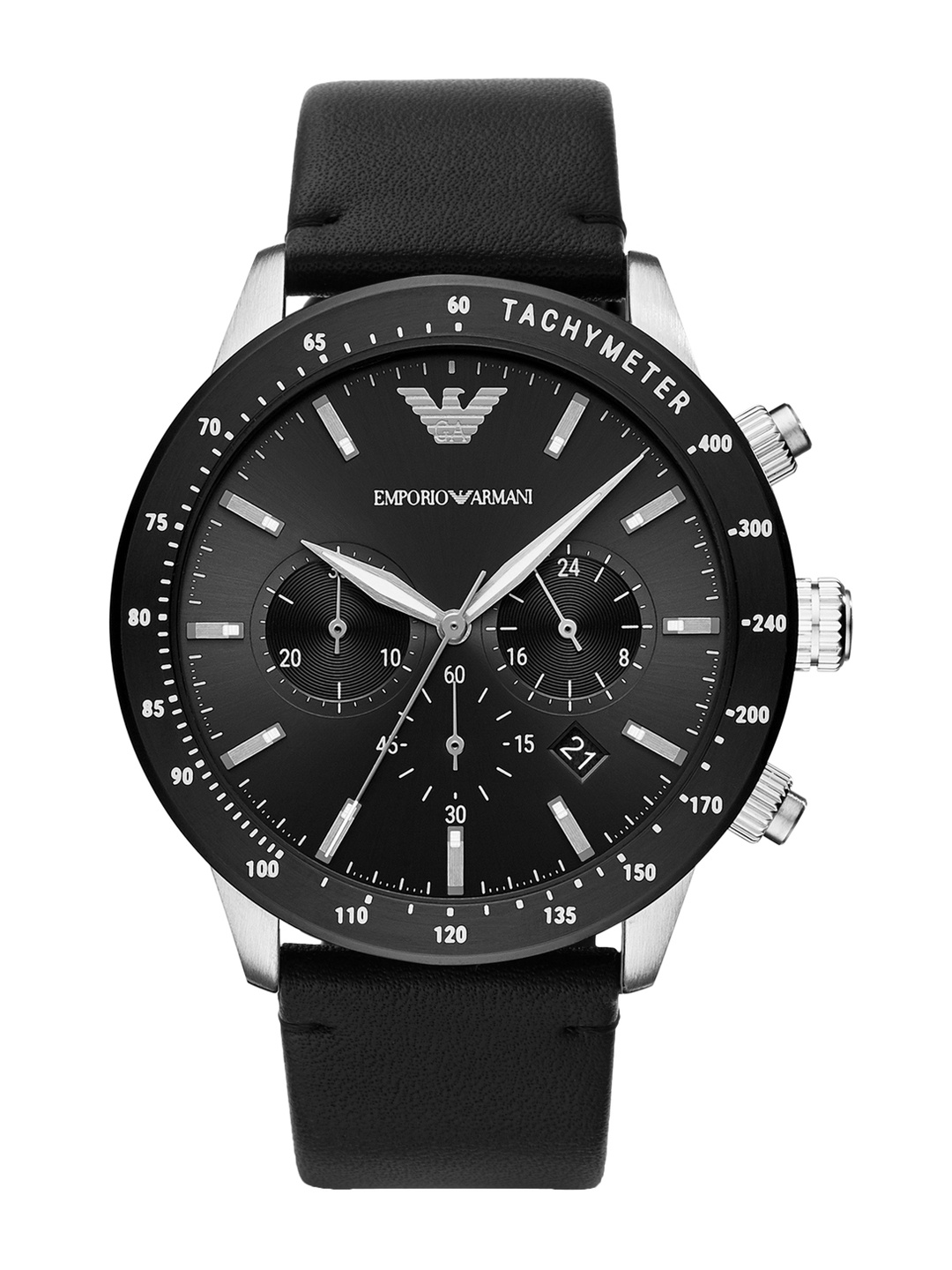
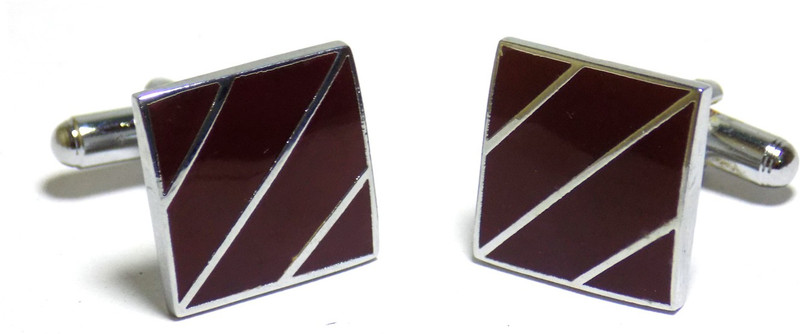
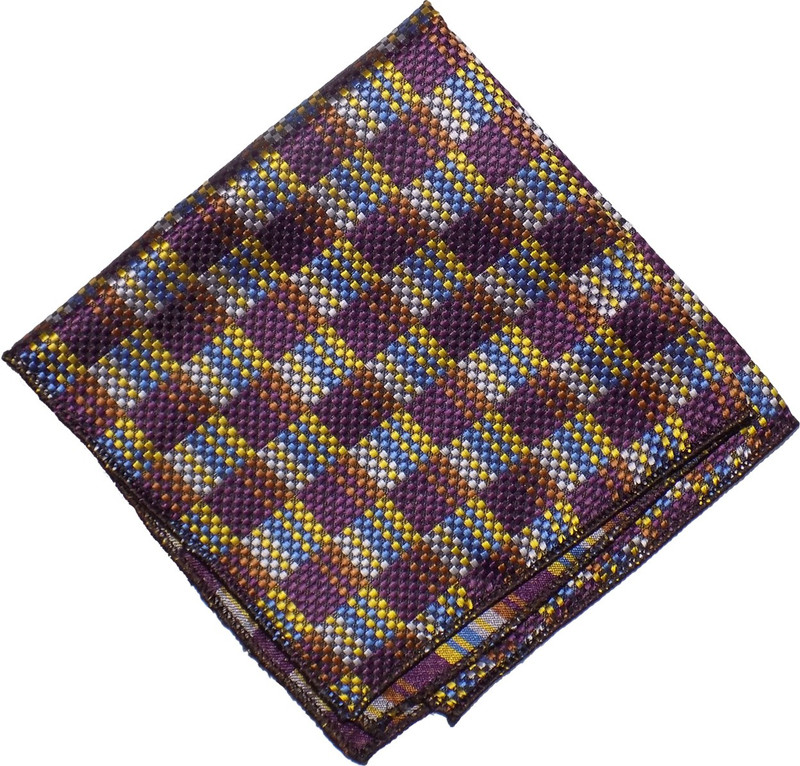
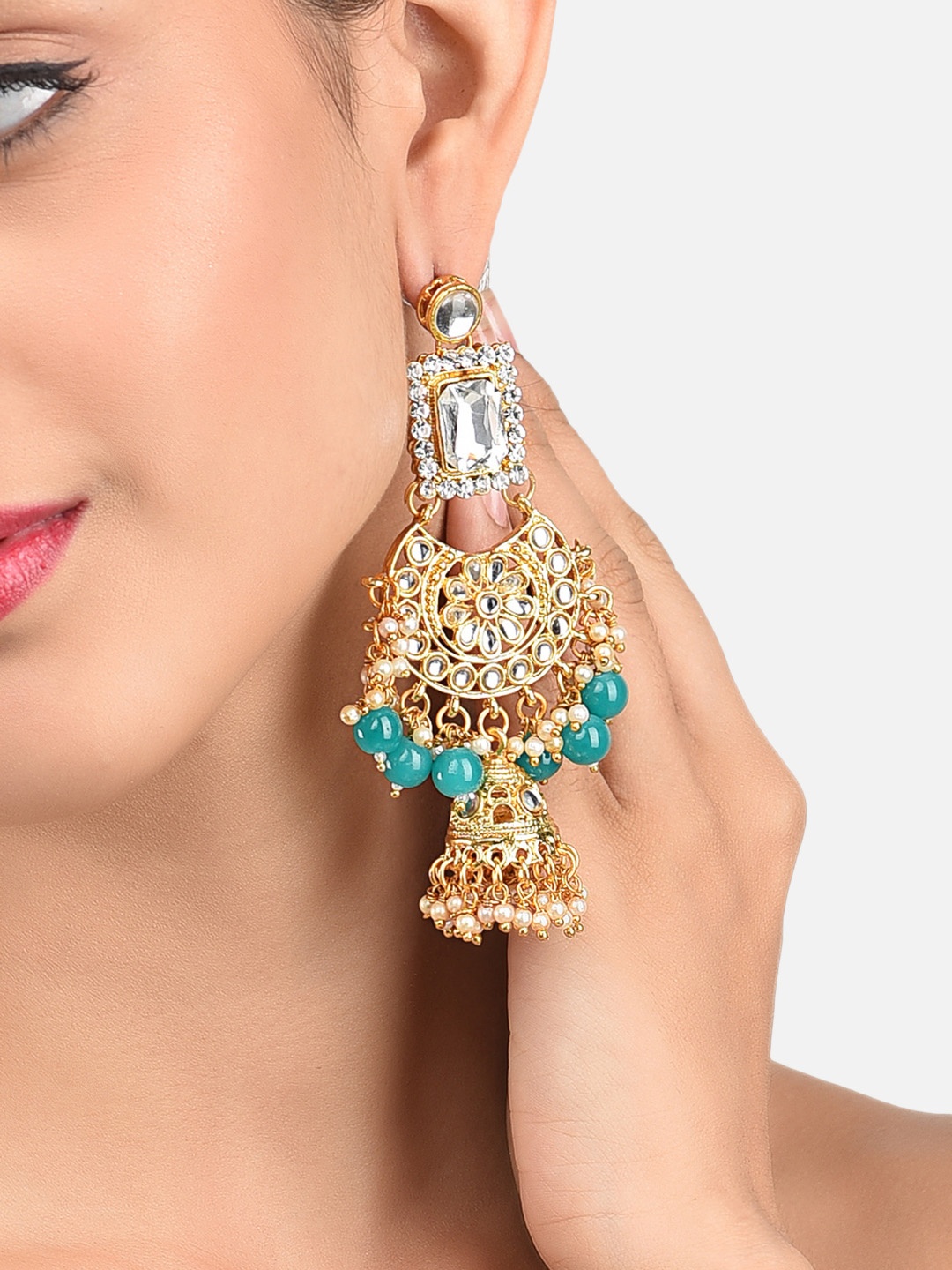
Accessories should enhance, not dominate. A single statement brooch, a pearl string, or a classic watch adds personality without clutter. Pocket squares in breathable fabrics introduce colour subtly.
Headgear, when chosen, should feel balanced. Lightweight saafas or turbans in airy weaves maintain tradition without discomfort. Secure wrapping prevents constant adjustments.
Harmony between outfit and accessories creates ease. When every element works together, the entire ensemble feels intentional and refined.
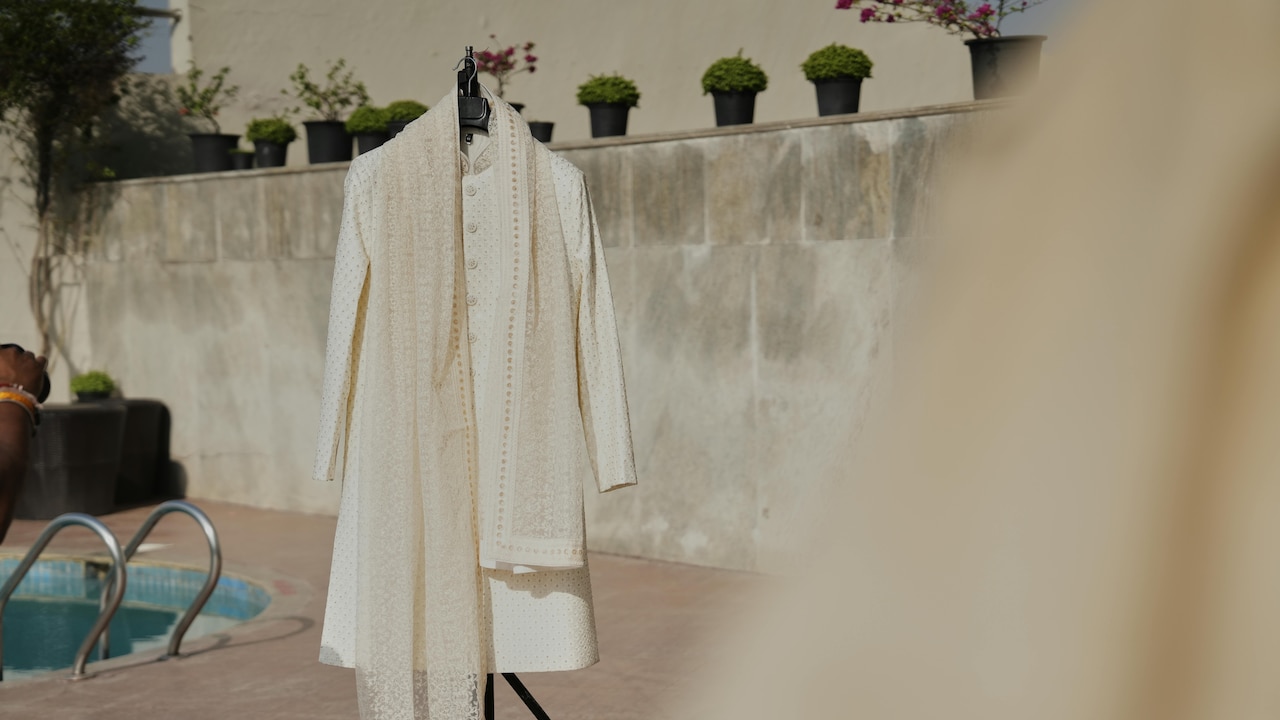
Look Like Royalty In A Lightweight Sherwani That Balances Grandeur With Physical Comfort
Photo Credit: Pexels
8. Dressing for Long Celebrations and Real Movement
Celebrations often stretch across rituals, greetings, meals, and dance floors. A lightweight sherwani supports this rhythm. Breathable fabrics prevent fatigue. Flexible tailoring allows sitting cross-legged, standing for photos, and moving freely.
Moisture-wicking inner layers and minimal lining reduce discomfort during crowded moments. Side slits and thoughtful cuts ease movement during lively celebrations.
Practicality never dulls elegance. Instead, it enhances enjoyment. When the outfit supports participation, memories feel richer. Comfort allows presence, laughter, and genuine connection. That ease reflects outward, making the look feel natural rather than forced.
9. Cultural Pride with Contemporary Sensibility
A sherwani carries heritage in every seam. Modern lightweight designs honour that legacy while embracing present-day needs. Traditional motifs, hand embroidery, and classic silhouettes remain intact, yet designers reinterpret them through lighter methods.
This balance speaks to evolving celebrations. Families blend rituals with modern venues and schedules. Clothing adapts accordingly. A sherwani today reflects respect for roots and awareness of comfort.
Wearing such a garment feels like carrying history forward with confidence. It celebrates continuity while welcoming change. That blend resonates deeply during meaningful milestones.
10. Investing Wisely in a Versatile Sherwani
A lightweight sherwani often proves more versatile than its heavier counterparts. It adapts across seasons, venues, and functions. With thoughtful styling, it works for weddings, festive gatherings, and formal celebrations.
Quality craftsmanship justifies the investment. Prices vary widely, from ₹15,000 for simpler designs to ₹80,000 or more for detailed handwork. Choosing timeless colours and restrained embellishments extends longevity.
Proper care preserves beauty. Gentle cleaning, careful storage, and occasional airing keep fabrics fresh. This attention ensures the sherwani remains ready for future celebrations.
Versatility adds emotional value. A garment that supports multiple memories feels special. Comfort ensures those memories stay joyful.
Products Related To This Article
1. DIAMOND Indo Western Embroidered Sherwani
2. Ethzy Self Design Sherwani
3. SAIFOO Solid Sherwani
4. Brand Boy Floral Print Sherwani
5. ALJAAMI Sherwani achkan Solid Sherwani
Royalty never looks strained or uncomfortable. A lightweight sherwani captures that truth perfectly. Through breathable fabrics, thoughtful tailoring, refined embellishments, and smart styling, modern design delivers grandeur without sacrifice.
Comfort allows confidence. Confidence elevates presence. Together, they transform a ceremonial outfit into a lived experience. Long hours feel lighter. Smiles come easier. Celebrations feel fuller.
Choosing such a sherwani reflects awareness, taste, and respect for both tradition and personal well-being. Elegance, after all, shines brightest when it feels effortless.
(Disclaimer: This article may include references to or features of products and services made available through affiliate marketing campaigns. NDTV Convergence Limited (“NDTV”) strives to maintain editorial independence while participating in such campaigns. NDTV does not assume responsibility for the performance or claims of any featured products or services.)