Does Linen Always Stretch With Wear? 10 Trouser-Fit Myths Explained
Does linen really stretch with wear? Discover the truth behind 10 common trouser-fit myths, from tight waistbands and baggy knees to shrinkage, sizing and shape retention.
Does Linen Always Stretch With Wear? 10 Trouser-Fit Myths Explained
Few fabrics divide a wardrobe quite like linen. It looks effortlessly polished at a Sunday brunch, survives sultry afternoons better than many heavier fabrics, and somehow makes an ordinary shirt-and-trouser combination feel ready for a seaside holiday. Then there are the creases, the softened knees, and that moment halfway through the day when the fit appears slightly different from the one seen in the mirror that morning. That change often leads to one familiar conclusion: linen stretches. The truth is more interesting. Linen fibres behave differently from elastic fabrics, and what feels like stretching may actually be the relaxing cloth, bending or adapting to movement. Trouser construction matters too. A loose weave, blended fabric or poorly chosen size can change the experience dramatically. Before writing off a pair as “too stretchy” or buying one size smaller in anticipation, it helps to separate fabric behaviour from fitting-room folklore.
Does Linen Always Stretch With Wear? 10 Trouser-Fit Myths Explained; Photo Credit: Pexels
Understanding How Linen Trousers Really Fit And Feel
1. Linen Always Stretches A Full Size With Wear
This is probably the biggest linen-trouser myth of all. Pure linen does relax during wear, but it does not normally stretch in the dramatic way that an elastane-rich pair of trousers might.
Linen fibres have relatively little natural elasticity. What changes is often the structure of the cloth. Sitting, walking, climbing stairs and spending an hour in traffic can encourage the weave to loosen slightly around high-movement areas such as the knees, hips and seat. The trousers may therefore feel more relaxed by evening.
That does not mean a well-fitting 32-inch waist suddenly becomes a 34-inch one.
The difference is usually modest and depends on weave, garment construction and how closely the trousers fitted to begin with. A softer, loosely woven linen may appear to give more than a tightly woven fabric.
Buying trousers noticeably smaller because they are expected to “stretch out” can backfire spectacularly. A waistband digging into the stomach during a long wedding lunch is hardly the relaxed linen experience anyone had in mind.
Also Read: Top Affordable Linen Pants For Men Combining Breathable Fabric And Relaxed Fit
2. Linen Trousers Should Feel Tight When New
The logic sounds reasonable: if linen loosens, surely a snug starting point prevents sagging later. Unfortunately, this approach often turns sensible shopping into a test of endurance.
Linen trousers should fit comfortably from the beginning. The waistband needs to sit securely without pinching, while the hips and thighs should allow normal movement. If sitting down requires strategic breathing, the trousers are too small.
Yes, some relaxation can happen through the day. However, that change will not magically correct a garment that pulls across the hips or strains at the zip.
Look at the fabric around the crotch and pockets. Horizontal pulling lines, pockets flaring open or a waistband folding over are useful clues that the fit is too tight.
A properly fitted pair may feel slightly crisper when freshly washed and pressed, then soften after an hour or two. That is normal.
Think “comfortable and shaped” rather than “tight enough to survive future stretching”. Linen already brings enough drama through enthusiastic creasing. The waistband need not join the performance.
3. Baggy Knees Mean The Linen Is Poor Quality
Knees are among the hardest-working areas on any pair of trousers. Every cab ride, office chair, café stool and cross-legged conversation asks the fabric to bend repeatedly in exactly the same place.
Naturally, linen can develop some temporary fullness around the knees.
That alone does not prove the fabric is cheap. Linen has low elasticity, meaning it does not spring back as quickly as certain synthetic fibres. Repeated bending can leave visible shaping until the garment rests, hangs or goes through its next wash.
Quality still matters, of course. Better fabric, thoughtful cutting and good construction can help trousers retain a cleaner silhouette. A very loose weave may distort more easily than a denser one.
Fit is equally important. Trousers stretched tightly across the thighs and knees face greater tension during movement, which can make knee bulges more obvious.
So a little softness around the knees after a long day is not a textile emergency. It is often simply evidence that someone actually wore the trousers rather than standing elegantly beside a wardrobe all afternoon.
Does Linen Always Stretch With Wear? 10 Trouser-Fit Myths Explained; Photo Credit: Pexels
4. A Linen Blend Will Never Lose Its Shape
Adding another fibre to linen can change how trousers behave, but the word “blend” is not a magic anti-sagging spell.
Linen may be mixed with cotton, viscose, polyester or elastane, and each combination creates different results. Cotton can make the fabric feel familiar and slightly softer. Viscose often adds fluidity and drape. Polyester may improve crease resistance and shape retention, while a small amount of elastane introduces noticeable stretch.
Yet blended trousers can still relax during wear.
Much depends on the percentages involved. A fabric containing 90 per cent linen and a small amount of another fibre will probably behave more like linen than a heavily blended fabric designed for stretch and recovery.
Construction also matters. Two pairs carrying similar fibre labels can feel completely different because of weave density, fabric weight and finishing.
Rather than assuming “linen blend” means permanently crisp trousers, check the composition label and try the garment while sitting and walking. The body gives a far more useful review than a swing tag ever could.
5. Linen Trousers Shrink Once And Never Again
Linen can shrink, especially when exposed to heat, but the story does not always end after the first wash.
Many ready-to-wear fabrics receive treatments intended to reduce major shrinkage before they reach the shop floor. Even so, repeated hot washes or aggressive tumble drying can gradually alter dimensions and texture.
The greatest risk usually comes from heat rather than ordinary wear.
A pair that fits perfectly before washing may return slightly shorter or tighter if treated more enthusiastically than the care label recommends. That can create an odd cycle: trousers feel snug after washing, loosen during wear, then tighten again after the next wash. It is easy to interpret this as extreme stretching when the real cause is the repeated contrast between washing and wearing.
Cool or lukewarm water and gentler drying usually serve linen well, subject to the garment's specific care instructions.
There is also no prize for testing linen's tolerance with the hottest possible wash. A ₹4,000 pair of trousers should not become an accidental experiment in fabric engineering.
6. Loose Linen Trousers Cannot Become Too Loose
A relaxed cut and a poor fit are not the same thing.
Wide-leg and easy-fitting linen trousers need deliberate proportions. The waistband should still anchor the garment, the rise should sit correctly, and the fabric should fall cleanly rather than gathering unpredictably around the hips.
When trousers begin slightly too large, the natural relaxation of linen can exaggerate that looseness. By late afternoon, an already generous seat may appear droopy, while a loose waistband may require repeated adjustment.
This explains why simply sizing up for comfort is not always the smartest solution.
Instead, focus on where the trousers are supposed to feel relaxed. A wide leg can offer plenty of air without leaving a gap at the waist. A roomy thigh can coexist with a well-fitted seat.
Tailoring can also rescue an otherwise excellent pair. Taking in the waist slightly may cost far less than replacing trousers that have perfect fabric and length.
Relaxed dressing should feel intentional. There is a fine line between breezy summer tailoring and trousers that appear to be quietly escaping.
7. The Waistband Will Stretch As Much As The Legs
Not necessarily. The waistband and trouser legs often behave very differently because they are built differently.
A waistband may contain interfacing, extra layers, seams, closures, and sometimes internal reinforcement. These elements can restrict movement far more than the single or double layers of fabric found elsewhere.
As a result, trousers might soften around the thighs and seat while the waistband stays stubbornly familiar.
This is particularly important when choosing between sizes. Anyone hoping that a tight linen waistband will eventually become dramatically more comfortable may be disappointed. Minor relaxation is possible, but structural components can limit it.
Elasticated or partially elasticated waists are different again. Their flexibility comes primarily from the elastic construction rather than the linen fibres themselves.
When trying trousers, test the waistband while sitting. Standing in front of a mirror tells only half the story. A fit that feels fine upright may become surprisingly argumentative once lunch arrives.
The best waistband should stay secure without demanding attention. Clothes have many jobs. Reminding their wearer of every extra spoonful of biryani should not be one of them.
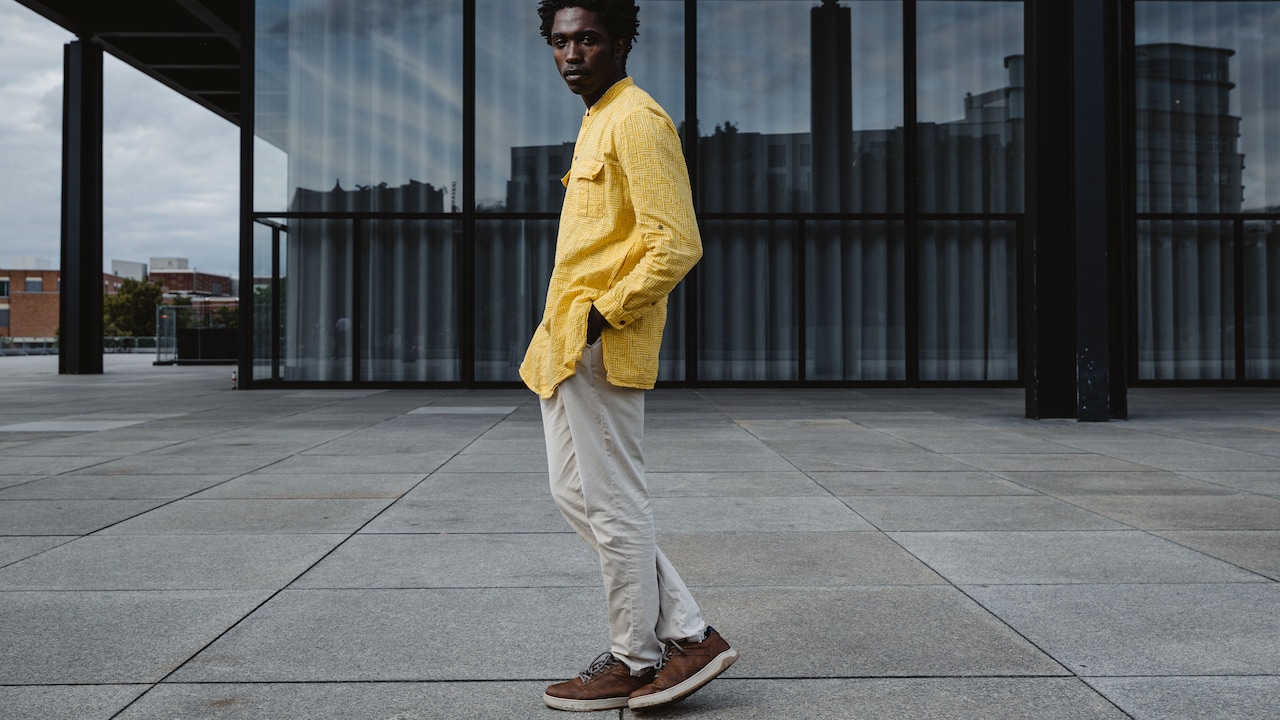
Does Linen Always Stretch With Wear? 10 Trouser-Fit Myths Explained; Photo Credit: Pexels
8. Creases Mean The Trousers Have Stretched Out
Linen creases easily, and those creases can make the silhouette appear more relaxed. Still, wrinkling and stretching are not the same physical change.
Linen fibres are relatively stiff, and the fabric develops characteristic folds when compressed during sitting or movement. Those folds catch light differently, creating shadows and irregular lines that can make trousers look softer, wider or less structured.
A deeply creased knee may therefore seem baggy even when the garment measurements have barely changed.
This distinction matters because creases are part of linen's personality. Trying to keep linen trousers perfectly smooth from breakfast until dinner can become an exhausting hobby.
Steaming or ironing can restore a sharper finish when required, although many people prefer the slightly lived-in appearance. The trick is distinguishing natural wrinkling from genuine fit problems.
If the waistband is sliding, the seat has become noticeably droopy or excess fabric is pooling where it did not before, fit deserves attention. If there are simply elegant little creases after two hours in a chair, linen is behaving exactly like linen.
9. Washing Will Permanently Restore Stretched Linen
Washing can help linen fibres and the fabric structure settle after wear. Trousers that looked slightly softened at the knees or seat may emerge feeling firmer and more structured again.
But washing is not a permanent reset button.
Once the trousers return to everyday movement, some relaxation can reappear. That cycle is normal for many natural-fibre garments. Freshly laundered linen often feels crisp; worn linen feels softer and more moulded to the body.
Problems arise when washing becomes an attempt to shrink poorly fitting trousers into submission.
Using high heat to make oversized trousers smaller can produce unpredictable results. Length may shrink more noticeably than expected, seams may react differently, and the overall finish can change. Suddenly the waist is acceptable but the hem seems ready for monsoon puddles several centimetres sooner.
If trousers remain consistently too loose, alteration offers more control than repeated hot washing.
Laundry should maintain a garment, not negotiate its size every weekend. Start with the right fit, follow the care instructions and let washing refresh the fabric rather than redesign it.
10. One Linen Trouser Size Works Across Every Brand
Perhaps no clothing myth survives fitting rooms more stubbornly than faith in the number printed on a size label.
A size 32 in one brand can fit differently from a size 32 elsewhere. Rise, waistband construction, thigh width, fabric weight and pattern design all influence how trousers sit on the body. Even two linen styles from the same label may not fit alike.
That makes buying purely by familiar size risky, particularly online.
Garment measurements are more useful. Waist, hip, rise and inseam figures offer a clearer starting point, though trying the trousers remains ideal when possible. Pay attention to fibre composition too. A pure linen pair and a linen-elastane blend can behave quite differently despite sharing the same labelled size.
Body shape matters as much as numbers. Someone may need extra room through the thighs without requiring a larger waist, while another person may prefer a higher rise for comfort.
A label should guide the purchase, not win an argument with the mirror. If the trousers fit beautifully, nobody at the café knows what size is stitched inside them anyway.
Products Related To This Article
1. Roadster The Lifestyle Co Men Relaxed Fit Linen Trousers
2. Chemistry Women Linen Cotton Loose Fit Pleated Trousers
3. Powerlook Beige Natural Linen Solid Trousers
4. Roadster The Life Co. Women Loose Fit Pleated Trousers
5. Mast & Harbour Men Relaxed Straight Leg Trousers
6. Chemistry Women Relaxed Loose Fit Pleated Trousers
7. CAVALLO by Linen Club Men Slim Fit Easy Wash Chinos Cotton Linen Trousers
So, does linen always stretch with wear? Not quite. Linen can relax, soften and mould itself slightly around areas that move frequently, but it does not automatically expand by a full size. Much of what gets called “stretching” comes from the weave relaxing, creases changing the silhouette or a garment starting with the wrong fit.
The safest approach is wonderfully uncomplicated: buy linen trousers that feel comfortable from the first wear. Do not depend on future stretching to rescue a tight waistband, and do not assume every softened knee signals poor quality. Check the composition, consider the cut and treat the care label as useful information rather than decorative poetry.
Linen was never meant to behave like a rigid office uniform. Its charm lies partly in the way it softens through the day and carries a few wrinkles without embarrassment.
Choose the right fit, and those little changes feel less like flaws and more like character. After all, summer dressing should involve enjoying the day, not repeatedly checking whether the trousers have moved half an inch.
(Disclaimer: This article may include references to or features of products and services made available through affiliate marketing campaigns. NDTV Convergence Limited (“NDTV”) strives to maintain editorial independence while participating in such campaigns. NDTV does not assume responsibility for the performance or claims of any featured products or services.)