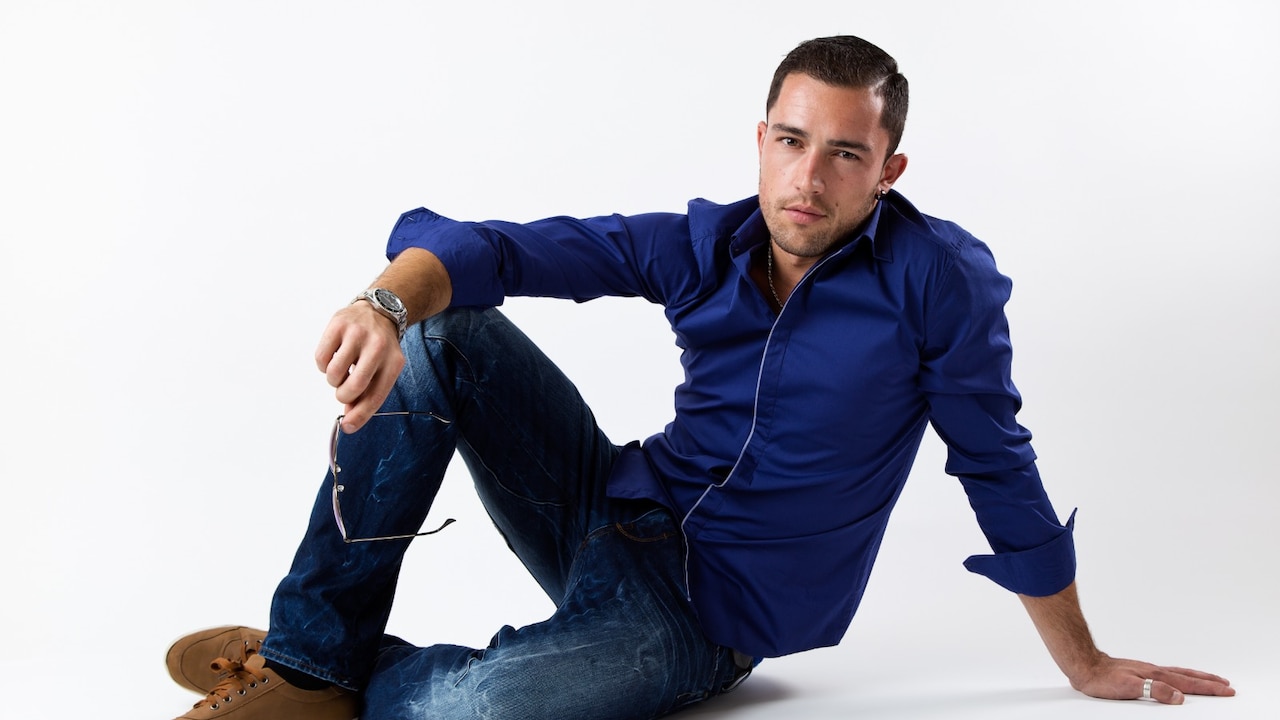
Men's Winter Sweatshirts That Don't Pill After Repeated Washing
Discover men’s winter sweatshirts that resist pilling even after repeated washes. Learn how fabric, knit quality, and care choices help sweatshirts stay smooth, durable and winter-ready.

Men's Winter Sweatshirts That Don't Pill And Stay Smooth Even After Repeated Washing.
Winter wardrobes always begin with high hopes. A new sweatshirt feels plush, fits just right, and promises comfort on foggy mornings and late-night tea breaks. A few washes later, disappointment creeps in. Tiny fabric balls appear, the surface looks fuzzy, and suddenly that once-smart sweatshirt feels strictly “home wear”.
Pilling remains one of the most common frustrations with winter clothing. It sneaks up quietly, especially on sweatshirts worn often and washed frequently. From daily office commutes to long bike rides and weekend lounging, sweatshirts face constant friction. The good news is that pilling is not inevitable.
The secret lies in understanding fabric quality, construction, and care. Some sweatshirts are built to age gracefully, staying smooth and presentable season after season. This article breaks down exactly what to look for and why it matters, helping winter essentials remain dependable rather than disposable.

Winter Men's Sweatshirts That Don't Pill After Repeated Washing
Photo Credit: Pexels
What Makes A Winter Sweatshirt Truly Pill-Resistant?
1. Fabric Quality Makes All the Difference
Pilling begins at the fibre level. Short, weak fibres tend to break and tangle, forming those irritating little balls on the surface. Sweatshirts made with longer, stronger fibres resist this process far better. High-grade cotton, compact yarns, and blended fabrics with strength-focused compositions tend to perform well over time.
Many assume thicker fabric automatically means better quality. That's not always true. A lightweight sweatshirt made from premium yarn often outlasts a bulky one spun from inferior fibres. The feel offers clues too. Smooth, tightly packed surfaces usually signal stronger construction, while overly fluffy textures may pill faster.
When shopping, gently rub the fabric between fingers. Excessive fuzzing at this stage suggests future trouble. A good sweatshirt should feel firm yet soft, without shedding fibres easily. Paying attention here saves money later, as fewer replacements mean more value per wear during the colder months.
2. Cotton Sweatshirts: Choose the Right Kind
Cotton remains a winter favourite thanks to breathability and comfort. However, not all cotton behaves the same way after repeated washing. Combed cotton, where shorter fibres are removed during processing, stands up better to friction and washing cycles.
Ring-spun cotton also deserves attention. This technique twists fibres tightly, creating a smoother, stronger yarn that resists pilling effectively. Sweatshirts made with these cotton types feel softer over time rather than rougher, which makes them ideal for daily use.
Pure cotton does require mindful care. Harsh detergents and rough wash cycles can weaken fibres prematurely. Still, when sourced and processed well, cotton sweatshirts strike a balance between warmth, comfort, and durability. They work beautifully for mild winters and layered looks without the fear of fabric ageing overnight.
3. Blended Fabrics That Hold Their Shape
Fabric blends often get an unfair reputation, yet many modern blends outperform pure fabrics in longevity. Cotton blended with polyester or elastane often resists pilling better than cotton alone. The synthetic fibres add strength and flexibility, helping the sweatshirt maintain its structure.
Polyester fibres, when used sparingly and intelligently, anchor cotton fibres in place. This reduces surface friction and prevents loose ends from tangling. The result feels smoother even after multiple washes.
The key lies in balance. A blend should enhance comfort, not overpower it. Sweatshirts with excessive synthetic content may trap heat or feel stiff. Well-designed blends remain breathable, soft, and resilient, perfect for long winter days that start outdoors and end indoors.
4. Knit Density and Construction Matter
Beyond fabric composition, how the sweatshirt is knitted plays a vital role. Tightly knitted fabrics leave less room for fibres to escape and form pills. Loose knits, though cosy initially, often pill faster due to constant movement between fibres.
Interlock and French terry constructions generally outperform brushed fleece in pilling resistance. While fleece feels irresistibly soft at first touch, its brushed surface encourages fibre breakage over time. French terry, with its looped interior, balances warmth with durability.
Seams and finishing details also offer clues. Reinforced stitching and clean edges suggest careful manufacturing. A sweatshirt built with attention to structure usually lasts longer, handling repeated wear and washing without losing shape or surface smoothness.
5. The Role of Weight and GSM
Fabric weight, often measured as GSM (grams per square metre), influences durability. Extremely low GSM fabrics may wear out quickly, while excessively heavy ones can feel cumbersome. A mid-range GSM sweatshirt offers warmth without compromising longevity.
Sweatshirts around 280–320 GSM tend to perform well during winters. They provide insulation while maintaining breathability and structural integrity. This weight range handles washing better, as the fabric retains its density rather than thinning unevenly.
Heavier doesn't always mean better, especially for daily wear. A balanced GSM ensures the sweatshirt remains versatile, suitable for early mornings, evening walks, and indoor comfort without sagging or fuzzing after a few weeks of use.
6. Colour and Dye Quality Influence Longevity
Colour choice might seem purely aesthetic, yet it affects how the wear shows over time. Darker shades often mask minor pilling better than lighter ones. However, high-quality dyes play a larger role in preserving the sweatshirt's appearance.
Poor dyeing processes weaken fibres, making them more prone to breakage. Sweatshirts with rich, even colour penetration usually signal better dye quality. These fabrics maintain both colour and texture despite repeated washes.
Neutral tones like charcoal, navy, and earthy greens remain forgiving and versatile. They pair easily with winter wardrobes and age gracefully. Choosing colours wisely extends not just style relevance but also visual freshness throughout the season.
7. Fit and Friction: An Overlooked Factor
Pilling thrives on friction. Areas that rub frequently, underarms, sides, cuffs, pill faster, especially in ill-fitting sweatshirts. An overly tight fit increases constant rubbing, while excessively loose silhouettes create fabric-on-fabric movement.
A well-fitted sweatshirt minimises unnecessary friction. It drapes comfortably without clinging or flapping. This reduces stress on fibres and extends surface smoothness. Raglan sleeves, for instance, distribute movement better than set-in sleeves.
Layering habits also matters. Wearing rough jackets or backpacks directly over sweatshirts accelerates pilling. Thoughtful layering choices help sweatshirts retain their finish, especially during daily commutes and travel.
8. Washing Practices That Protect Fabric
Even the best sweatshirt suffers under poor washing habits. Hot water, heavy detergents, and aggressive cycles weaken fibres. Gentle, cold washes preserve fabric strength and prevent premature pilling.
Turning sweatshirts inside out before washing reduces surface friction. Washing similar fabrics together avoids abrasion from zippers or rough materials. Liquid detergents dissolve better and remain gentler on fibres compared to harsh powders.
Air drying works best. High heat from dryers damages fibres and encourages fuzzing. A simple habit shift here keeps sweatshirts looking new longer. Good care transforms a single winter purchase into a multi-season staple.
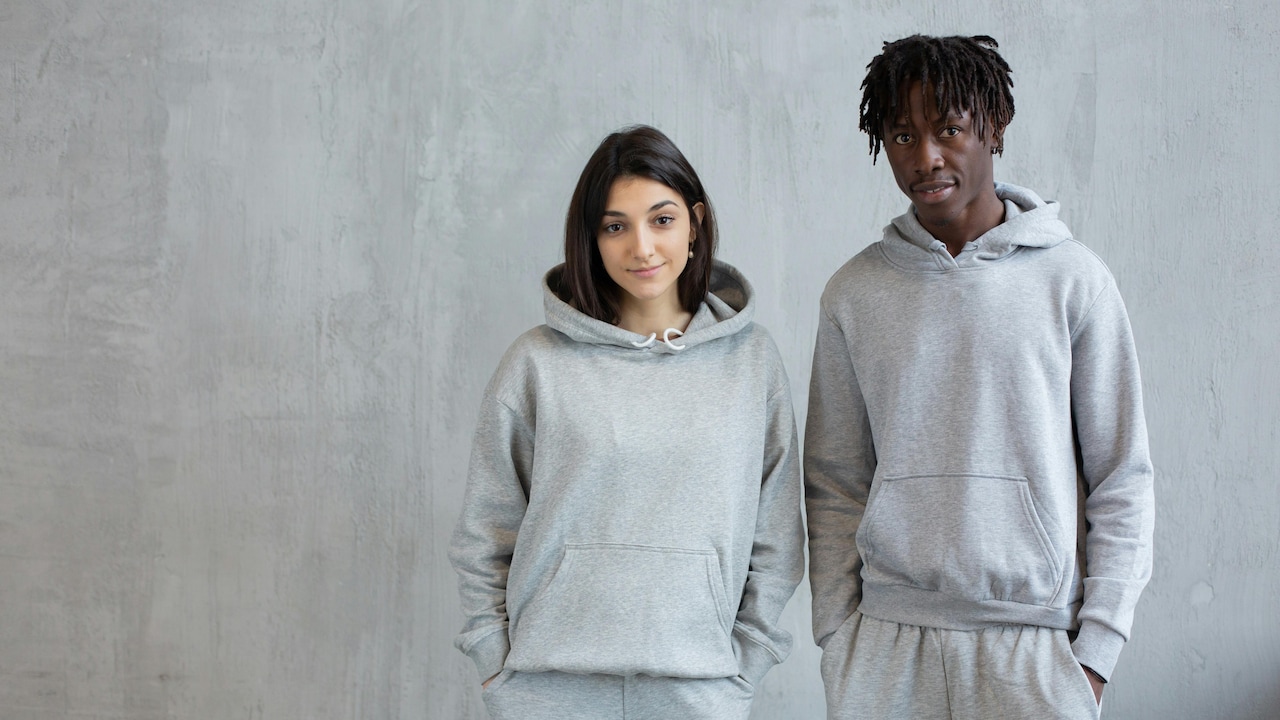
Winter Men's Sweatshirts That Don't Pill After Repeated Washing
Photo Credit: Pexels
9. Price vs Value: Spending Wisely
A higher price tag does not always guarantee quality, yet extremely cheap options often cut corners. Value lies in construction, fabric, and finish rather than brand hype. A sweatshirt priced at ₹1,800 that lasts three winters offers better value than one at ₹900 that pills within a month.
Touch, stretch, and inspect before buying whenever possible. Online descriptions that mention combed cotton, anti-pilling treatment, or compact yarns usually signal better quality. Reading care instructions also reveals how much thought went into durability.
Smart spending focuses on cost per wear. A dependable sweatshirt becomes part of daily life, worn during work-from-home days, evening strolls, and weekend errands, making quality worth prioritising.
10. Seasonal Versatility and Long-Term Style
A sweatshirt that resists pilling earns its place beyond one winter. Clean surfaces and structured shapes allow easy styling with jeans, chinos, or layered under jackets. It transitions from casual outings to relaxed social settings without looking worn out.
Timeless designs age better than trend-heavy graphics. Minimal branding, solid colours, and classic cuts ensure relevance year after year. This approach reduces wardrobe fatigue and unnecessary spending.
Winter clothing should feel reassuring, not disposable. A sweatshirt that remains smooth after repeated washing becomes more than clothing; it becomes a familiar comfort during cold mornings and quiet evenings, proving that thoughtful choices truly pay off.
Products Related To This Article
1. Roadster Women Olive Green Solid Hooded Sweatshirt
2. H&M Hoodie
3. Glitchez Hooded Front-Open Ribbed Crop Sweatshirt
4. PERF Men Sweatshirt
5. ADBUCKS Hooded Sweatshirt
6. NOBERO Hooded Long Sleeve Sweatshirt
7. Chemistry Brand Logo Embroidered Shirt Collar Sweatshirt
Pilling may seem like a small issue, yet it has a big impact on how winter clothing feels and looks. Sweatshirts that resist pilling share common traits: quality fibres, thoughtful construction, balanced weight, and mindful care. Understanding these factors transforms shopping from guesswork into confidence.
A good sweatshirt supports daily routines without demanding constant replacement. It stays presentable, comfortable, and reliable through countless washes and wears. With the right choices, winter wardrobes feel lighter on the pocket and richer in comfort.
Smooth fabric, lasting warmth, and dependable style, those are the quiet victories of choosing sweatshirts that truly stand the test of time.
(Disclaimer: This article may include references to or features of products and services made available through affiliate marketing campaigns. NDTV Convergence Limited (“NDTV”) strives to maintain editorial independence while participating in such campaigns. NDTV does not assume responsibility for the performance or claims of any featured products or services.)