Why Mesh Running Shoes Breathe Better Than Knit Sneakers
Mesh running shoes stay cooler and drier thanks to their open weave design. Discover why mesh offers better airflow, faster moisture evaporation and greater comfort than knit sneakers during runs and everyday wear.
Mesh Running Shoes vs Knit Sneakers: Which Breathes Better For Runners?
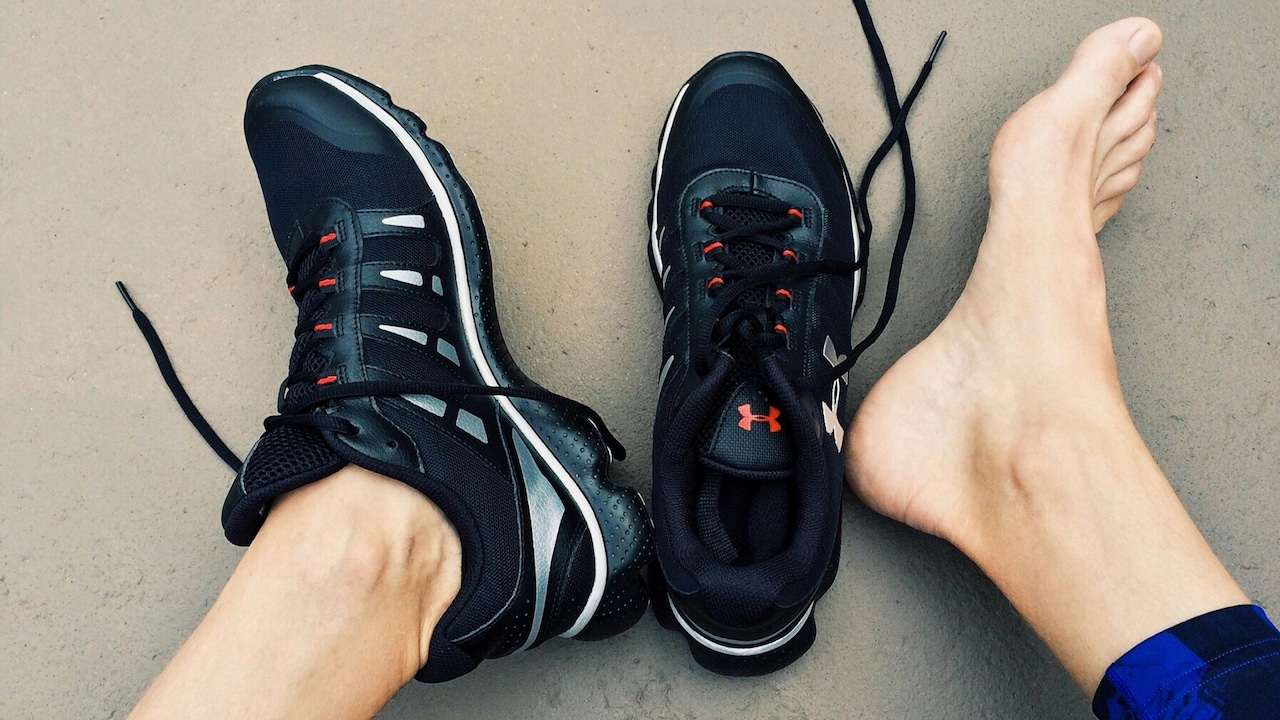
Early morning runners weaving through busy parks and evening joggers pacing along coastal promenades share a common challenge: heat. Feet trap warmth faster than expected, and poorly ventilated shoes quickly turn a refreshing run into an uncomfortable experience.
Footwear technology has changed rapidly over the past decade. Sleek knit sneakers have captured attention with their sock-like fit and stylish appearance. Yet seasoned runners and fitness enthusiasts often return to a classic material that quietly outperforms newer trends, mesh.
Mesh running shoes appear simple at first glance, but the design hides impressive functionality. Tiny perforations, lightweight fabrics and layered structures allow air to circulate freely. The result feels noticeably cooler during long runs, brisk walks or daily commuting.
Understanding why mesh breathes better than knit sneakers requires a closer look at airflow, fabric engineering and real-world conditions. From crowded metro stations to humid monsoon evenings, footwear comfort matters more than marketing buzz. The following insights reveal why mesh continues to earn loyalty among runners, trainers and everyday walkers alike.

Why Mesh Running Shoes Breathe Better Than Knit Sneakers
Photo Credit: Pexels
Key Reasons Mesh Running Shoes Stay Cooler Than Knit Sneakers
Open Weave Structure Allows Natural Airflow
The most obvious advantage of mesh lies in its open weave structure. Unlike knit sneakers, which often feature tightly interlocked yarns, mesh uses a pattern of small, evenly spaced holes. These openings act like miniature ventilation windows for the foot.
Air moves freely through these gaps as the foot lifts and lands during each stride. With every step, fresh air enters the shoe while warm air escapes. This constant circulation prevents heat from building up inside the footwear.
During long jogs along bustling city roads or park trails, feet generate considerable warmth. A tightly woven upper traps that heat. Mesh, on the other hand, creates a breathable environment that allows heat to dissipate quickly.
Runners often notice the difference within minutes. Instead of feeling like the shoe is hugging the foot too tightly, mesh creates a lighter, airier sensation. Even during a quick evening run after a humid day, feet remain noticeably cooler.
This simple structural advantage explains why many performance-focused running shoes still rely heavily on mesh. Fashion trends may shift, but airflow remains essential for comfort.
Faster Heat Dissipation During Runs
Heat management plays a critical role in running comfort. Feet contain numerous sweat glands and generate warmth rapidly during physical activity. Without proper ventilation, that heat accumulates inside the shoe.
Mesh materials help disperse heat almost instantly. The porous fabric acts like a cooling channel, allowing warm air to escape before it builds up. Knit sneakers, by contrast, often retain warmth because the fibres sit closer together.
Consider a midday run on a sunlit pavement. Even with lightweight clothing, body temperature rises quickly. When shoes trap heat, feet begin to feel heavy and uncomfortable. Mesh uppers prevent that problem by maintaining airflow throughout the run.
Athletes often compare the experience to wearing breathable sportswear rather than thick fabric. The difference feels subtle at first but becomes significant over longer distances.
Effective heat dissipation also reduces fatigue. Cooler feet remain more comfortable, allowing runners to maintain pace and focus. That simple advantage often makes mesh the preferred option for endurance training.
Superior Moisture Evaporation
Sweat forms naturally during any physical activity. When moisture lingers inside shoes, discomfort follows quickly. Damp footwear causes friction, irritation and an unpleasant sticky sensation.
Mesh running shoes tackle this issue through rapid moisture evaporation. The open structure allows sweat vapour to escape almost immediately after it forms. Air circulation accelerates the drying process, keeping the interior environment balanced.
Knit sneakers, although flexible, tend to absorb moisture more easily. Once the fibres soak up sweat, drying takes longer. The result feels heavier and less comfortable during extended activity.
Picture a runner completing a 5-kilometre loop around a neighbourhood park. With knit shoes, feet may feel damp halfway through the session. Mesh footwear helps prevent that buildup, allowing the skin to breathe naturally.
Quick moisture evaporation also contributes to overall hygiene. Dry environments discourage odour-causing bacteria. Over time, this small advantage makes mesh shoes feel fresher after repeated use.
Lightweight Construction Enhances Ventilation
Weight matters more than most people realise when selecting running shoes. A lighter shoe naturally promotes better airflow and comfort.
Mesh fabrics weigh significantly less than dense knit materials. Because the material uses thin strands arranged in a perforated pattern, less fabric covers the foot. That reduced density contributes to improved ventilation.
The lighter construction also enhances running efficiency. Each stride requires less effort when footwear feels featherlight. Runners often describe mesh shoes as feeling barely there.
Morning runners navigating crowded streets or jogging through public gardens appreciate this difference. A breathable, lightweight shoe reduces the sense of fatigue during longer sessions.
Even daily walkers benefit from this design. Commuters covering several kilometres between metro stations and workplaces find mesh footwear far more comfortable than heavier knit alternatives.
Lightness and breathability work together to create a cooler, more pleasant running experience.
Better Performance In Humid Weather
Humidity presents one of the toughest challenges for runners. When moisture fills the air, sweat evaporates slowly. Shoes that trap heat become uncomfortable very quickly.
Mesh running shoes excel in humid conditions because their ventilation system works continuously. Even when the surrounding air feels heavy, the open weave still encourages airflow around the foot.
Knit sneakers struggle in these environments. Their tighter fibres restrict ventilation, which allows sweat to accumulate inside the shoe. The result feels clammy and unpleasant.
Imagine jogging along a seaside promenade after sunset. The breeze feels pleasant, yet the humidity remains high. Mesh shoes allow that breeze to pass directly through the upper material, offering noticeable relief.
For runners who train during monsoon months or coastal evenings, this advantage becomes crucial. Proper airflow helps maintain comfort even when weather conditions become challenging.
Reduced Risk Of Blisters
Blisters often arise from a combination of moisture, heat and friction. When feet remain damp inside shoes, the skin softens and becomes more vulnerable to irritation.
Mesh running shoes reduce this risk by maintaining a cooler and drier environment. Air circulation keeps moisture levels low, preventing the skin from becoming overly soft.
Knit sneakers sometimes create a snug fit that holds moisture close to the foot. While the sock-like design feels comfortable initially, prolonged dampness increases friction.
During longer runs, this difference becomes noticeable. Mesh footwear allows the skin to stay dry, reducing the chances of painful hotspots forming on the heel or toes.
Regular runners often learn this lesson quickly. A single blister can disrupt an entire training schedule. Breathable mesh uppers quietly prevent that issue by improving airflow and reducing sweat buildup.
Comfort, after all, plays a major role in consistent exercise habits.
Easier Cleaning And Faster Drying
Running shoes rarely stay spotless for long. Dusty pavements, unexpected puddles and muddy trails quickly leave their mark. Footwear that dries quickly becomes far easier to maintain.
Mesh materials absorb less water compared with many knit fabrics. When shoes get wet, the porous structure allows moisture to drain and evaporate rapidly.
A quick rinse after a muddy run usually leaves mesh shoes ready to wear again by the next morning. Knit sneakers may take significantly longer to dry because the fibres hold onto moisture.
This convenience matters for people who exercise regularly. Waiting days for shoes to dry disrupts the routine. Mesh footwear simplifies maintenance while keeping the shoes fresh.
Even casual walkers appreciate this benefit during rainy seasons. Wet footwear dries overnight instead of remaining damp and uncomfortable.
Improved Comfort During Long Runs
Long-distance running demands footwear that remains comfortable hour after hour. Small discomforts become major distractions during extended sessions.
Mesh uppers adapt well to prolonged movement. The breathable fabric reduces internal heat while maintaining gentle flexibility. This balance keeps feet comfortable even during long training runs.
Knit sneakers provide flexibility but often sacrifice ventilation. As the temperature rises inside the shoe, discomfort slowly builds. Runners begin adjusting their stride or loosening laces, which disrupts rhythm.
Mesh shoes prevent this scenario by maintaining airflow throughout the run. Feet remain cooler and lighter, allowing runners to focus on pace and endurance rather than discomfort.
Whether completing a half-marathon training run or a relaxed weekend jog, breathable footwear plays a quiet yet crucial role in performance.
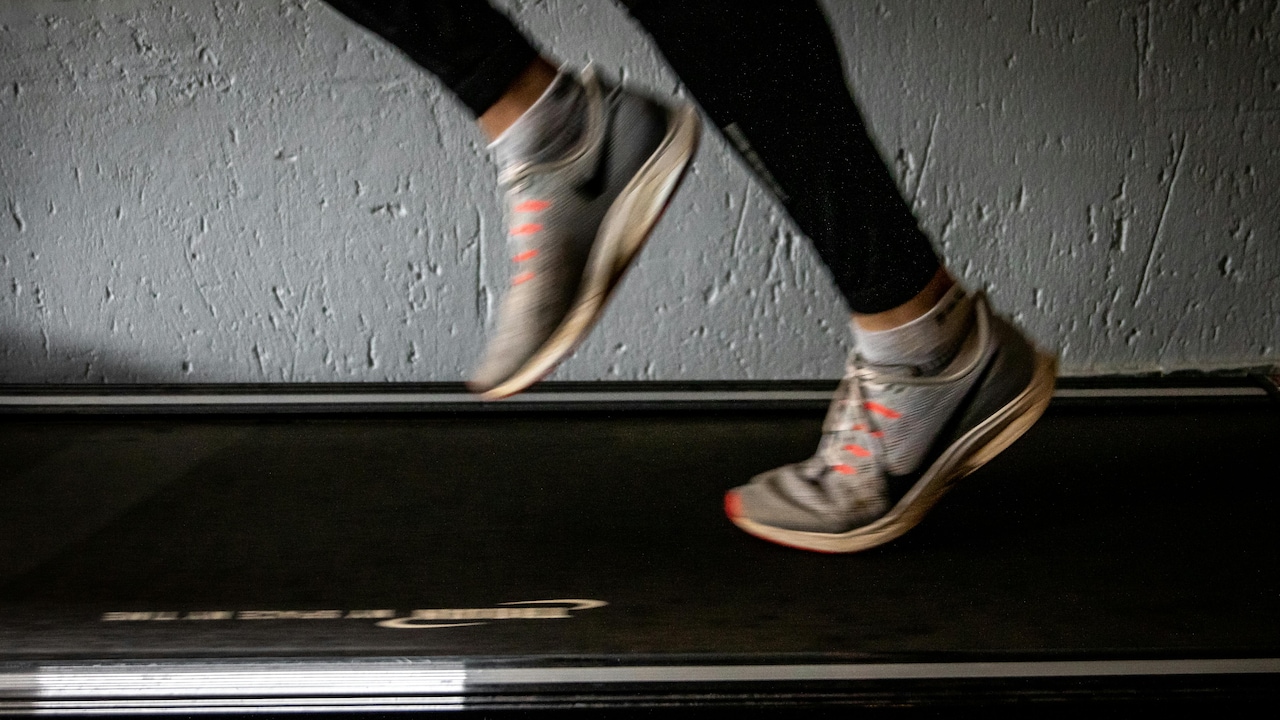
Why Mesh Running Shoes Breathe Better Than Knit Sneakers
Photo Credit: Pexels
Ideal For Everyday Active Lifestyles
Not everyone wearing running shoes plans to complete marathons. Many people simply need comfortable footwear for daily movement.
City life often involves long walks, crowded public transport and hours spent on the move. Breathable shoes make those routines far more pleasant.
Mesh running shoes adapt well to everyday activities. From morning errands to evening fitness classes, the airflow keeps feet comfortable throughout the day.
Knit sneakers may look stylish, but their warmth can feel excessive during extended wear. Mesh designs strike a better balance between practicality and comfort.
Even during casual outings or shopping trips, breathable footwear prevents the heavy, sweaty sensation that sometimes accompanies tightly woven shoes.
Practical comfort often outweighs pure aesthetics when choosing everyday footwear.
Proven Design Trusted By Runners
Trends come and go in the footwear industry. Bold colours, futuristic materials and innovative shapes appear each season. Yet certain design principles remain reliable.
Mesh has supported running shoes for decades because it simply works. Engineers continue refining the material with stronger fibres and improved layering techniques, but the core idea remains unchanged.
Professional runners and beginners alike rely on mesh for dependable breathability. Brands invest heavily in new knit technologies, yet many performance models still feature mesh panels or full mesh uppers.
This enduring presence speaks volumes. When comfort, airflow and practicality matter most, mesh consistently delivers.
Experienced runners often recognise this reliability. Fashion may influence occasional purchases, but breathable mesh frequently becomes the go-to choice for serious training.
Products Related To This Article
1. Puma Galaxis Pro Men Performance Boost Running Shoes
2. Longwalk Women Mesh Running Non-Marking Shoes
3. Killer Men Mesh Running Shoes
4. HRX by Hrithik Roshan Women Comfortable Running Shoes
5. Skechers Men Go Run Consistent Running Shoes
Running footwear continues to evolve with new materials and stylish innovations. Knit sneakers attract attention with sleek designs and flexible construction. Yet breathability remains one of the most important qualities in any running shoe.
Mesh running shoes excel precisely because of their simple yet effective design. The open weave structure allows air to circulate freely, preventing heat and moisture from accumulating around the foot. This constant airflow keeps runners cooler, reduces sweat buildup and lowers the risk of blisters.
From humid evenings to long weekend runs, breathable footwear makes a noticeable difference. Mesh also offers practical benefits beyond performance, including lighter weight, quicker drying and easier maintenance.
In the end, comfort often wins over fashion trends. When feet stay cool and dry, every step feels lighter and more enjoyable. That simple advantage explains why mesh running shoes continue to breathe easier, and perform better, than many knit sneakers.
(Disclaimer: This article may include references to or features of products and services made available through affiliate marketing campaigns. NDTV Convergence Limited (“NDTV”) strives to maintain editorial independence while participating in such campaigns. NDTV does not assume responsibility for the performance or claims of any featured products or services.)