One-Toe Flats Hurting? Causes of Toe Bite and Fit Fixes That Work
Understand why one-toe flats cause painful toe bite and learn practical, easy fit fixes that keep your feet comfortable all day.
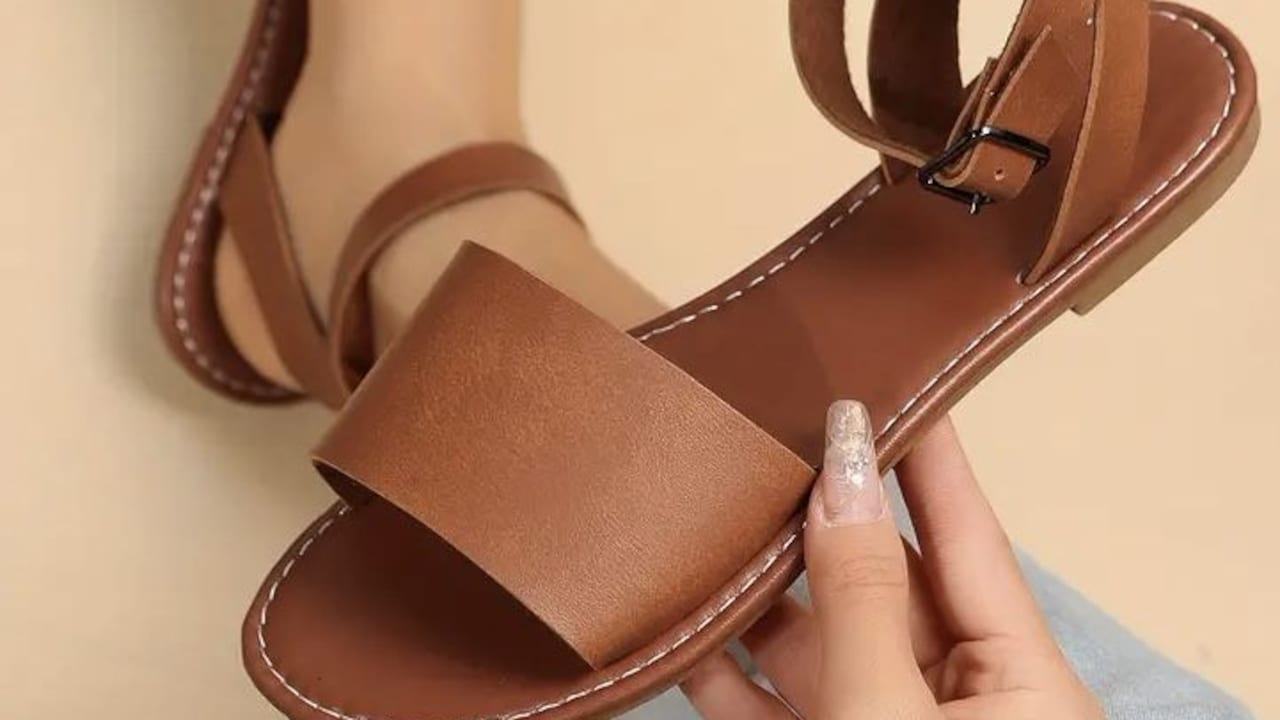
Relief for one-toe flats: why toe bite happens and simple fit tweaks to make them comfortable.
One-toe flats hold a special place in wardrobes. They pair effortlessly with kurtas, sarees, palazzos, and even jeans. A quick slip-on before stepping out for work, weddings, or festive shopping feels convenient. Trouble begins when the design hugs the toe too tightly or rubs at the wrong angle. The result often shows up as a toe bite, soreness, or raw skin by lunchtime.
Many assume pain comes with beauty. That idea needs retiring. Footwear should support movement, not punish it. One-toe flats demand a specific fit because they balance structure with openness. When that balance tips, discomfort follows.
This article breaks down common causes of toe bite and offers realistic, easy-to-follow fixes. The aim stays simple: enjoy the charm of one-toe flats without the wince, the band-aids, or the slow walk home. So, fix those painful one-toe flats by understanding these common toe bite causes and discover practical, foot-friendly fit solutions that truly work.
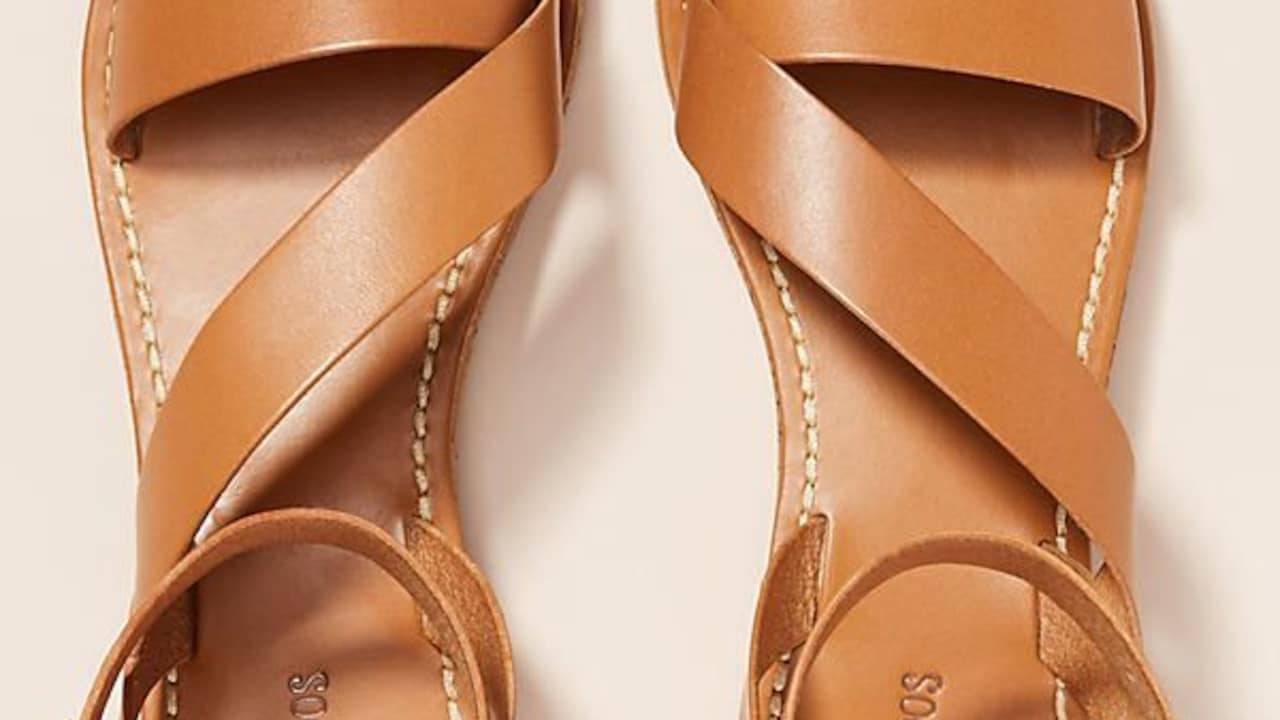
Relief for one-toe flats: why toe bite happens and simple fit tweaks to make them comfortable.; Photo Credit: Pexels
From Toe Bite To All-Day Comfort: What Makes the Difference
1. Understand Why One-Toe Flats Cause Toe Bite
One-toe flats differ from regular sandals or juttis. The single strap or enclosed toe section places pressure on a very specific part of the foot. When that area feels tight, friction builds quickly. Sweat, heat, and movement only add fuel to the problem.
Most toe bite issues start with design. Narrow toe boxes, stiff materials, or sharp inner seams often create hotspots. Feet also swell during the day, especially in warm weather or after long hours on the move. A pair that feels fine in the morning can turn cruel by afternoon.
Foot shape matters too. Some have wider forefeet or prominent toe joints. One-toe flats rarely adapt unless chosen carefully. Ignoring this leads to skin rubbing against unforgiving edges.
Recognising the root cause prevents repeating the mistake. Pain does not mean weak feet or poor tolerance. It usually means the shoe does not match the foot. Once this truth sinks in, finding solutions feels less frustrating and far more empowering.
2. Choose the Right Size, Not the Hopeful One
Sizing often becomes a guessing game with flats. Many pick a snug pair, hoping it will “open up” later. That gamble rarely pays off. One-toe flats lack laces or buckles to adjust fit, so size accuracy matters more than usual.
Feet expand slightly by evening. Shopping later in the day gives a more realistic idea of fit. Toes should sit comfortably without pressing against the edges. A tiny gap around the toe area often saves a lot of pain later.
Avoid relying solely on size numbers. Brands vary, and traditional footwear sizing can differ widely. Walk around the shop, not just stand still. Notice any pinching or rubbing, even if mild. That mild discomfort rarely stays mild.
A good fit feels secure but forgiving. The foot should not spill over the sole or feel trapped. Choosing comfort over vanity ensures the flats stay wearable beyond the first outing.
Also Read: Budget Beauties: Explore Latest Flat Footwear For Women Under ₹550 On Myntra
3. Material Matters More Than Style
That glossy finish or intricate embroidery may steal attention, but material decides comfort. Hard synthetic materials often look neat yet lack flexibility. They rub instead of adapting, leading to a toe bite within hours.
Soft leather, suede, or fabric-lined options mould better to the foot shape. They allow a slight stretch and reduce friction. Even within budget-friendly ranges, better materials exist. Spending ₹300–₹500 more often saves repeated discomfort and medical creams later.
Check the inner lining too. Rough stitching or exposed seams spell trouble. Running a finger along the inside reveals potential problem spots. If it scratches the finger, it will irritate the skin even more.
Breathable materials help manage sweat, which otherwise worsens friction. During long days or festive seasons, this small detail makes a big difference. Prioritising material quality transforms one-toe flats from occasional wear to dependable favourites.
4. Break Them In Before the Big Day
New shoes and long events rarely mix well. One-toe flats need time to adjust, and so do feet. Wearing them straight to a wedding or a full workday invites disaster.
Breaking them in at home works wonders. Short walks around the house help soften stiff areas. Thick socks worn briefly can gently stretch tight spots without damaging the shoe. Flexing the sole by hand loosens rigidity.
Some swear by wearing them during light errands before committing to long hours. This approach allows early detection of trouble areas. Applying a thin layer of coconut oil to problem spots before short wear can reduce friction.
Patience during this phase prevents regret later. Treat new flats like new friendships. A little time and understanding early on create lasting comfort.
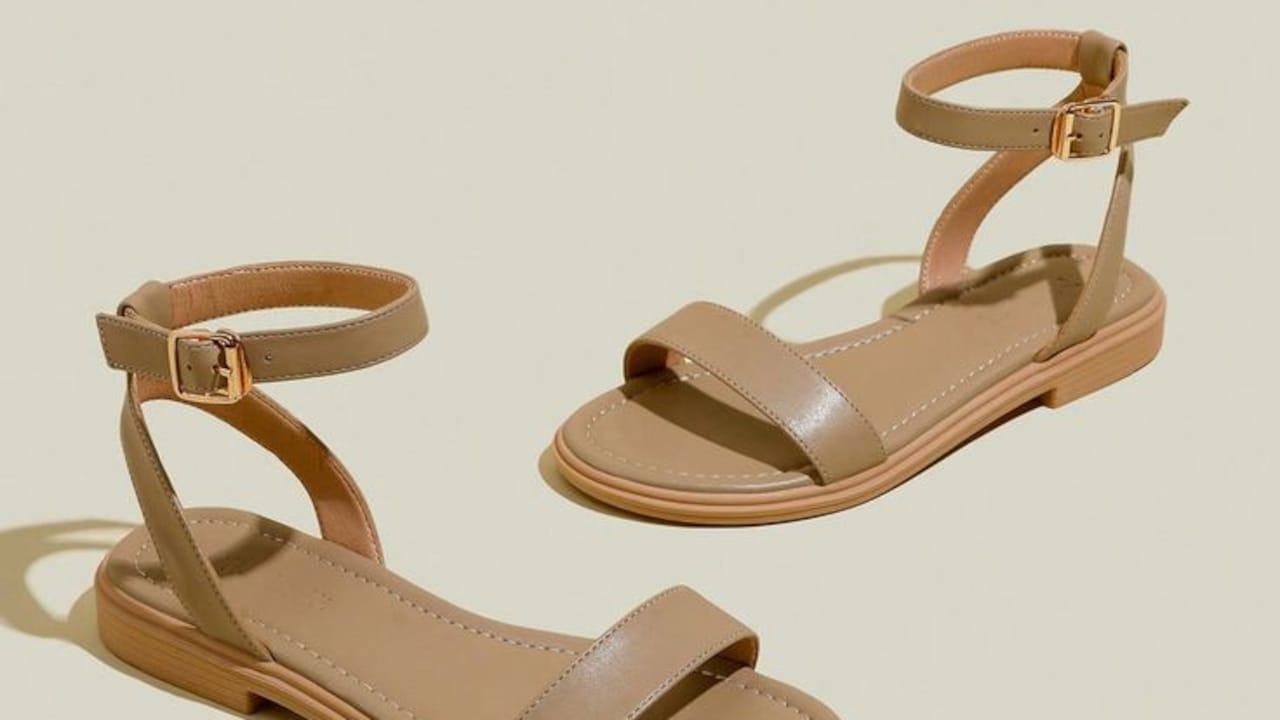
Relief for one-toe flats: why toe bite happens and simple fit tweaks to make them comfortable.; Photo Credit: Pexels
5. Use Protective Barriers Smartly
Sometimes the shoe stays perfect, yet the foot needs backup. Protective barriers step in here. Silicone toe guards, gel pads, or even transparent tape create a cushion between skin and shoe.
These solutions work best when used proactively, not after damage occurs. Applying them before the first sign of pain keeps skin intact. They remain discreet and do not alter their appearance.
Many affordable options cost under ₹200 and last for weeks. Keeping a pair handy feels like carrying an umbrella during monsoon season. It may not rain every day, but preparedness pays off.
Avoid bulky pads that change fit drastically. Thin, flexible options work better with one-toe designs. The aim stays simple: reduce friction, not crowd the shoe. With the right barrier, even tricky flats feel kinder.
6. Pay Attention to Foot Care
Healthy skin handles friction better than dry, cracked skin. Regular foot care reduces the risk of a toe bite significantly. Moisturising feet daily keeps skin supple and resilient.
Exfoliating once a week removes dead skin that tends to peel or rub off. Simple home remedies like soaking feet in warm water with a pinch of salt work well. Dry thoroughly, especially between toes.
Trim nails carefully. Long or uneven nails push toes forward, increasing pressure against the shoe. This often leads to discomfort blamed on footwear rather than grooming.
Applying a light foot powder during hot days controls sweat. Less moisture equals less friction. Thoughtful foot care supports every pair of shoes, making one-toe flats far more forgiving.
7. Adjust the Fit with Professional Help
When love for a particular pair runs deep, professional cobblers offer solutions. Minor adjustments can make a world of difference. Stretching the toe area slightly or softening stiff edges often solves persistent pain.
Local shoe repair shops handle such requests regularly. The cost usually stays around ₹150–₹300, far less than replacing the pair. Explaining the exact problem area helps achieve better results.
Some professionals add soft lining or padding inside the toe section. This invisible fix enhances comfort without altering appearance. It proves especially useful for leather flats.
Instead of abandoning beautiful footwear, exploring these services extends usability. A skilled cobbler often understands feet better than glossy advertisements ever will.
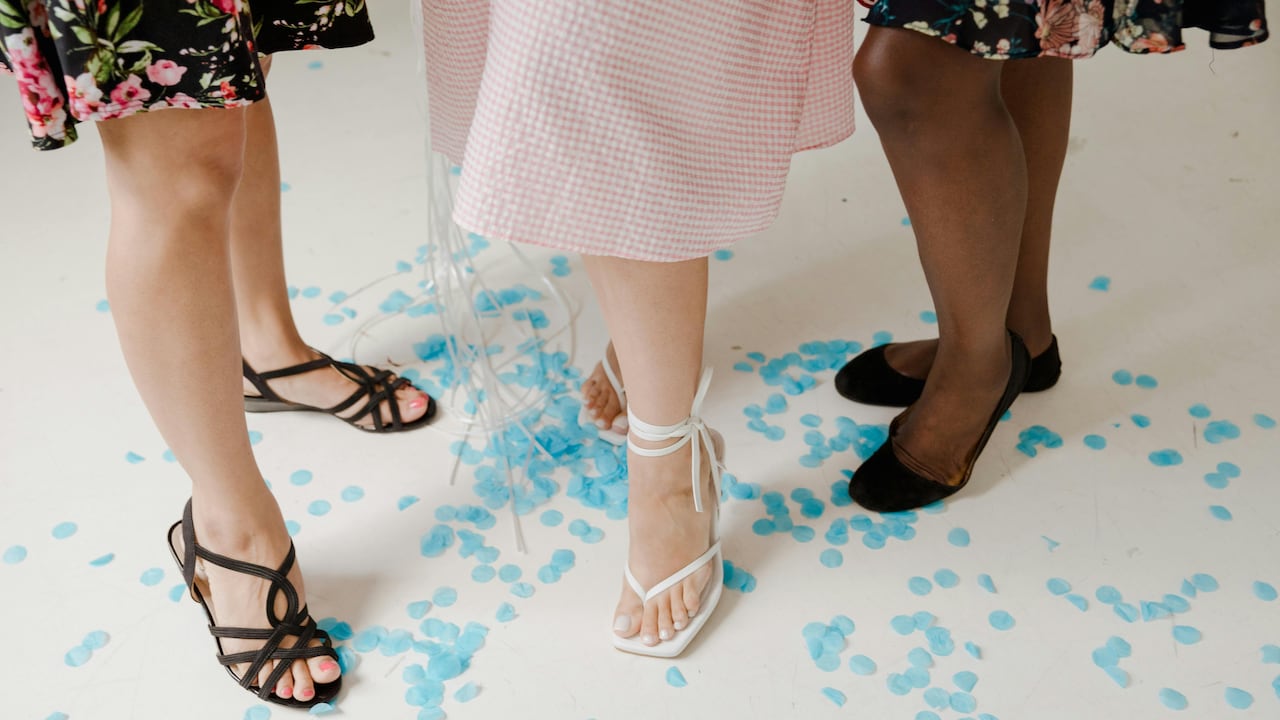
Relief for one-toe flats: why toe bite happens and simple fit tweaks to make them comfortable.; Photo Credit: Pexels
8. Rotate Footwear to Avoid Pressure Points
Wearing the same style repeatedly stresses the same areas of the foot. One-toe flats focus pressure on a specific point, so rotation matters.
Alternating footwear allows skin to recover. Mixing flats with sandals, kolhapuris, or cushioned slip-ons reduces repetitive friction. Even a one-day break helps.
This habit proves useful during busy weeks filled with events or travel. Carrying a backup pair during long outings prevents suffering through the day.
Feet, like the rest of the body, need variety. Rotation keeps them happier and reduces the chances of developing chronic soreness. Fashion remains flexible when comfort leads the way.
9. Listen to Early Warning Signs
Pain rarely appears without warning. Tingling, warmth, or mild redness signal trouble ahead. Ignoring these signs invites blisters and wounds.
The moment discomfort appears, action helps. Removing the shoe briefly, applying balm, or adjusting padding prevents escalation. Waiting until pain peaks limits options.
Many push through discomfort out of habit or social pressure. That mindset needs changing. Comfort does not equal compromise. It reflects smart choices.
Learning to listen to feet builds long-term awareness. This awareness influences future purchases and habits. Over time, toe bite becomes a rare memory rather than a recurring complaint.
10. Choose Design with Comfort in Mind
Not all one-toe flats share the same design logic. Some offer wider toe openings, softer curves, or adjustable straps disguised as design elements. These features matter more than ornamentation.
Rounded edges feel gentler than sharp cuts. Slightly raised soles reduce pressure on the forefoot. Even a few millimetres make walking easier.
Trying different styles within the same category reveals surprising comfort variations. Avoid settling for the first attractive pair. Exploration pays off.
Comfort-focused design ensures one-toe flats complement daily life rather than complicate it. Style shines brighter when comfort supports every step.
Products Related To This Article
1. CAI Tan Thong Strap Flats
2. Mochi Women Leather One Toe Flats
3. El Paso Women One Toe Flats
4. Anouk Embellished One Toe Flats
5. Bata Women Tan Laser Cuts One Toe Flats
6. House of Pataudi Women Leather One Toe Kolhapuri Flats
7. DressBerry Women Embellished One Toe Flats
One-toe flats deserve their place as versatile wardrobe staples. Pain should never feel like a requirement for elegance. Toe bite often stems from small oversights rather than unavoidable design flaws. Footwear should support daily journeys, celebrations, and long conversations without distraction. When one-toe flats fit right, they move from the back of the cupboard to the front with ease.
(Disclaimer: This article may include references to or features of products and services made available through affiliate marketing campaigns. NDTV Convergence Limited (“NDTV”) strives to maintain editorial independence while participating in such campaigns. NDTV does not assume responsibility for the performance or claims of any featured products or services.)