How To Keep Palazzo Trousers From Clinging: 10 Fixes For Humidity, Fabric And Fit
Keep palazzo trousers from clinging in humid weather with 10 practical fixes covering breathable fabrics, better fits, static control, smart layering, washing and styling.
How To Keep Palazzo Trousers From Clinging: 10 Fixes For Humidity, Fabric And Fit
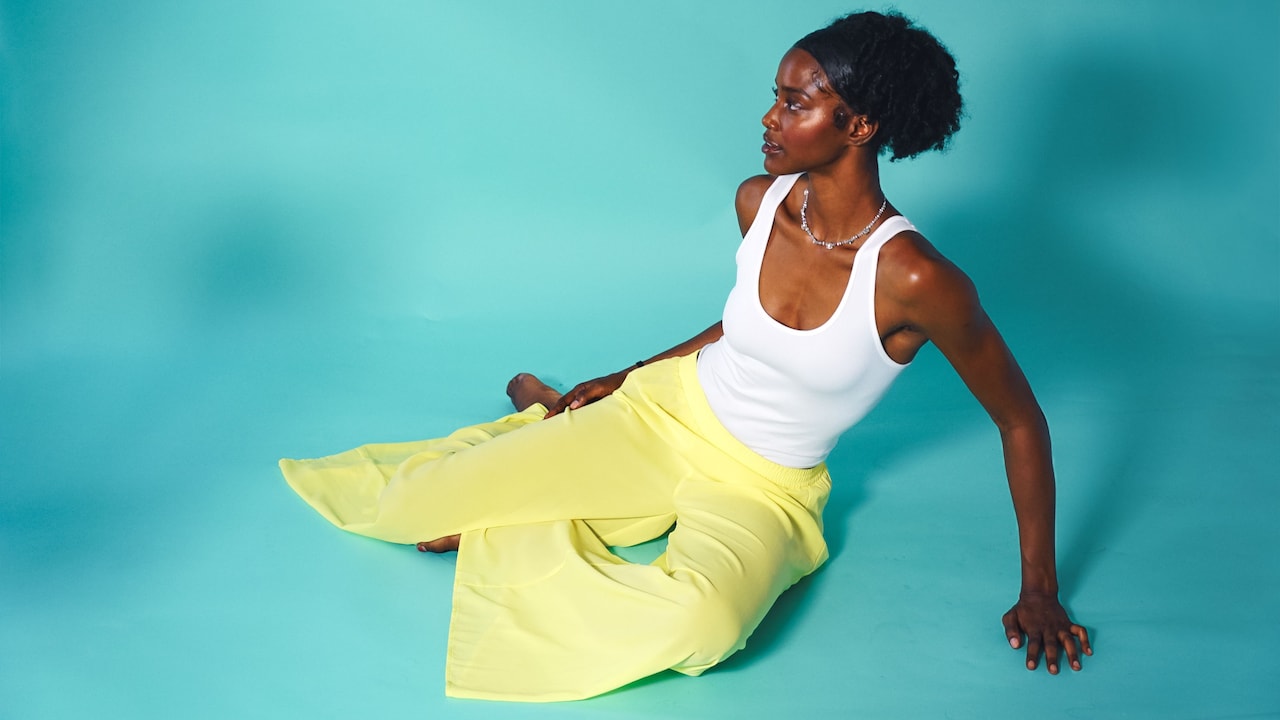
Palazzo trousers have earned their place in everyday wardrobes for good reason. They look polished without feeling restrictive, pair just as easily with a cotton kurta as with a fitted shirt, and offer welcome breathing room on scorching afternoons. At least, that is the dream. Then humidity arrives. Suddenly, those wonderfully fluid trousers seem determined to attach themselves to the calves. Fabric gathers around the knees, static makes the hem behave strangely, and every few steps involve an discreet attempt to shake the material loose. Add a crowded metro journey, an outdoor lunch or a long wedding function, and the irritation becomes difficult to ignore.
How To Keep Palazzo Trousers From Clinging: 10 Fixes For Humidity, Fabric And Fit
Photo Credit: Pexels
Clinging usually comes down to three things: moisture, fabric behaviour and fit. Fortunately, none of them requires abandoning palazzos altogether. Small changes in what you buy, what you wear underneath and how you care for the garment can make a surprisingly big difference. Here are ten practical ways to bring back the effortless drape palazzo trousers are supposed to have.
10 Easy Ways To Stop Palazzo Trousers From Clinging
1. Choose Breathable Natural Fabrics
Fabric choice makes the biggest difference when the weather feels more like a steam room than a pleasant summer day. Lightweight cotton, linen and breathable cotton blends allow air to circulate around the legs. They also absorb some moisture rather than trapping it against the skin, which helps prevent fabric from sticking every time the temperature climbs.
Pure polyester palazzos may look beautifully fluid on a hanger, but they can become less charming after twenty minutes outdoors. Synthetic fibres often hold heat and moisture close to the body. The result can be that familiar cling around the thighs and calves.
Look for fabrics with a slightly crisp or textured finish. Cotton slub, linen blends and handloom-style weaves usually maintain a little space between skin and cloth. That tiny gap matters.
For occasions that demand a dressier finish, cotton-satin blends or lightweight viscose mixed with natural fibres can offer a good compromise. The goal is not simply choosing the thinnest material available. A breathable fabric with enough body to fall cleanly will usually perform better than something flimsy that collapses against damp skin.
2. Avoid Fabrics That Are Too Thin
It is tempting to assume that thinner trousers automatically feel cooler. Unfortunately, ultra-light fabric can create another problem: it tends to cling to every curve, particularly once moisture enters the picture.
Very fine rayon, cheap jersey and feather-light synthetic crepe may look graceful while standing still. Start walking through humid weather, though, and the material can twist around the legs like an overenthusiastic curtain.
A slightly heavier fabric often hangs better because gravity helps it maintain its shape. This does not mean choosing thick material. Nobody wants upholstery-weight palazzos in 35°C heat. Instead, look for medium-light fabrics that feel airy but still have structure when held up.
Try the scrunch test while shopping. Gather a small section of the fabric in your hand, release it and watch what happens. If it immediately collapses into itself and stays crumpled, it may cling easily. If it opens back out and falls smoothly, chances are better that it will behave well when worn.
A little substance can create far more elegance than extreme thinness.
3. Give Your Legs A Little More Room
Palazzos should skim rather than squeeze. When the cut sits too close around the hips, thighs or knees, the fabric has fewer opportunities to fall away from the body. Add perspiration and movement, and cling becomes almost inevitable.
Pay attention to the upper half of the trousers, not just the dramatic width near the hem. Some designs look generously flared from the knee downward while remaining surprisingly narrow through the thigh. That shape may work beautifully in cooler conditions but feel frustrating during muggy weather.
A relaxed cut allows air to move between the fabric and skin. It also gives the trousers enough space to swing naturally while walking.
Sizing up can occasionally help, but blindly buying a larger size may leave the waistband loose. A better solution is finding a cut with more ease through the seat and thigh while keeping the waist properly fitted.
Tailoring can also rescue an almost-perfect pair. If there is spare seam allowance, a local tailor may be able to release the side seams slightly for a modest charge. Sometimes one extra centimetre of breathing room transforms the entire experience.
4. Wear Breathable Shorts Underneath
What sits beneath palazzo trousers can matter almost as much as the trousers themselves. Long synthetic shapewear may create a smooth outline, but in humid conditions it can also trap warmth and increase sweating. That moisture then encourages the outer fabric to cling.
Light cotton or moisture-wicking slip shorts can provide a useful barrier between skin and trousers. They reduce direct contact, help manage perspiration and make movement more comfortable, especially during long days.
The trick is keeping the inner layer thin. Bulky shorts defeat the airy appeal of palazzos and can create visible lines. Choose something close-fitting without being restrictive, preferably ending high enough to remain invisible beneath the flowing fabric.
A breathable petticoat-style culotte can also work under semi-sheer palazzos. This is particularly useful with pale linen or delicate festive fabrics where transparency is an issue.
The right underlayer should almost disappear once worn. No bunching, no squeezing and certainly no sensation of wearing thermal armour beneath summer trousers. Think of it as quiet backstage support: doing useful work without demanding attention.
5. Use A Little Anti-Chafing Powder
Humidity encourages both skin friction and fabric cling, particularly around the inner thighs. A small amount of body powder can help keep the area drier and reduce the tacky feeling that makes fabric stick.
Apply a light dusting before getting dressed, concentrating on areas that tend to perspire most. Less is better. Too much powder can collect inside dark trousers or leave visible marks, especially when combined with sweat.
Choose a product designed for body use rather than improvising with whatever happens to be sitting near the dressing table. Talc-free body powders, corn-starch-based options and dedicated anti-chafing powders are widely available at different price points. Many basic choices cost well under ₹500.
Powder works best as a preventative measure rather than an emergency fix halfway through the day. Once trousers are already damp, adding more products can become messy.
For very humid days, combining breathable fabric with a light powder and suitable undergarments offers better results than relying on any single trick. Think of cling prevention as teamwork. No heroic bottle of powder can rescue poorly fitted polyester from peak monsoon weather on its own.
How To Keep Palazzo Trousers From Clinging: 10 Fixes For Humidity, Fabric And Fit
Photo Credit: Pexels
6. Tackle Static Before Leaving Home
Not every case of clinging comes from sweat. Sometimes static electricity is the culprit, especially with polyester, chiffon and synthetic blends. The fabric may stick to the legs even in an air-conditioned room, creating that odd sensation of trousers following every movement far too enthusiastically.
A little moisture usually helps neutralise static. Lightly mist the inside of the trousers with plain water from a spray bottle, then allow them to dry for a minute before dressing. The fabric should feel barely damp, not freshly rescued from a washing machine.
Running a metal hanger along the inside of the garment can also help discharge static electricity. It sounds surprisingly old-fashioned, but it can be useful when a synthetic pair suddenly becomes clingy before an event.
Moisturising the legs lightly may help too, although heavy creams can worsen sticking. Choose a fast-absorbing lotion and give it enough time to sink in before putting the trousers on.
Static can be unpredictable, particularly in air-conditioned environments. Treating the garment before heading out is much easier than wrestling with fabric around the ankles during dinner.
7. Wash Palazzo Trousers With Care
Laundry habits can quietly change how trousers behave. Too much detergent, fabric softener residue or rough drying can affect the surface of the fibres, sometimes making synthetic palazzos more prone to static and cling.
Follow the care label first. Delicate viscose, rayon and blended fabrics often prefer gentle washing in cool water. A mild detergent is usually enough. More detergent does not mean cleaner clothes; it often means more residue left behind.
Fabric softener deserves particular caution. Although it can reduce static in some materials, excessive use may coat breathable fibres and change the way they absorb moisture. With cotton and linen trousers, keeping washing simple often preserves their natural feel.
Shake the trousers well before drying so the legs are not twisted together. Air-drying them on a hanger can help maintain the drape and prevent deep folds. Avoid leaving delicate fabrics crushed in a laundry basket for hours after washing.
Good garment care sounds less exciting than a clever fashion hack, but it often produces better long-term results. A pair that has been washed thoughtfully will usually hang, move and feel better than one repeatedly subjected to laundry chaos.
Also Read: The Comfort Of Palazzos: Why These Pants Are Perfect For Summer, Monsoon And All Other Seasons
8. Steam Instead Of Over-Ironing
Creases can make palazzo trousers fold inward and cling in awkward places. At the same time, aggressively ironing delicate fabrics may flatten their natural texture, leaving them more likely to sit closely against the body.
A garment steamer offers a useful middle ground. Steam relaxes wrinkles without pressing every fibre completely flat. Once the fabric cools, it often regains a softer, more fluid drape.
No steamer? Hanging the trousers in the bathroom while taking a warm shower can loosen mild creases. It will not replace proper steaming for a badly wrinkled pair, but it can help before a casual outing.
If ironing is necessary, use the correct heat setting and avoid repeatedly pressing the same section. Linen can handle more heat, while viscose and synthetic blends need greater care. Ironing the trousers inside out can also protect delicate finishes.
After steaming or ironing, hang them for a few minutes before wearing. Pulling warm trousers straight on can encourage creases to form around the knees and hips.
Smooth fabric has room to move. Crumpled fabric tends to catch, fold and cling, usually at the exact moment one wants to look effortlessly put together.
How To Keep Palazzo Trousers From Clinging: 10 Fixes For Humidity, Fabric And Fit
Photo Credit: Pexels
9. Check The Length And Hem Weight
Palazzo trousers that are too long do more than sweep up dust from the pavement. Excess fabric can gather around the ankles, interrupt the natural swing of the legs and pull material inward as you walk.
The ideal length depends on footwear, but the hem should usually skim rather than drag. When wearing flats, excessive pooling is a sign that alterations may help. With heels, the trousers can sit longer, though they should still move freely without getting trapped beneath the shoe.
A slightly substantial hem can also improve drape. Some lightweight palazzos benefit from a deeper folded hem because it adds a small amount of weight near the bottom. That helps the trouser legs fall downward rather than floating inward.
A competent tailor can often adjust the length or deepen the hem without changing the character of the garment. Such alterations are usually straightforward and far less expensive than replacing a favourite pair.
Before shortening anything, wear the trousers with the footwear you use most often. Otherwise, a perfect hem with sandals can suddenly become awkwardly short once wedges appear.
Sometimes cling is not really a fabric problem. It is simply gravity asking for better assistance.
10. Build Your Outfit Around The Weather
Some days demand fashion diplomacy. When the forecast promises intense humidity, choosing an outfit that works with the weather rather than fighting it can save plenty of frustration.
Pair palazzos with breathable tops so the entire outfit remains comfortable. A light cotton shirt, airy kurta, linen blouse or sleeveless top can help the body regulate heat better than layers of synthetic fabric. Less overheating generally means less perspiration, and less perspiration means fewer opportunities for trousers to cling.
Footwear matters too. Heavy shoes and thick socks can make the whole body feel warmer. Open sandals, comfortable flats or breathable slip-ons often suit palazzos naturally while keeping things cooler.
For long outdoor events, carrying a small handkerchief or absorbent cloth can be surprisingly useful. A quick visit to the washroom to dab away excess moisture can reset the outfit more effectively than constantly tugging at the trousers.
Most importantly, save particularly cling-prone fabrics for cooler evenings or air-conditioned venues. Clothes do not need to win a battle against the climate every day. Sometimes smart styling simply means knowing when a certain pair deserves a day off.
Products Related To This Article
1. Max Women Cotton Cropped Palazzos
2. LookShine Women Flared Palazzos
3. HELLCAT Women Printed Palazzos
4. MICHAEL KOVLIN Women Comfortable Wide Leg Flared Palazzo
5. OTABU Women Flared Palazzos
6. ZWERLON Women Floral Printed Flared Palazzos
7. Moda Rapido X Gracit Women Knitted Ethnic Palazzos
Palazzo trousers should move with an easy swish, not behave like cling film around the legs. When they start sticking, the problem usually has a practical explanation: the fabric traps moisture, the cut sits too close, static builds up or the garment lacks enough weight to fall properly.
Start with breathable fabrics and a relaxed fit, then pay attention to the smaller details. A sensible underlayer, careful washing, light steaming and the right hem length can all improve how the trousers move. On especially humid days, a little body powder or static control can provide extra help.
There is no need to retire favourite palazzos simply because the weather becomes sticky. A few thoughtful adjustments can make them comfortable again, whether they are being worn for an office commute, a family lunch, a festive gathering or a long afternoon of errands.
The best pair should feel almost forgettable once it is on. No constant adjusting, no fabric wrapped around the calves and no awkward trouser-shaking manoeuvre in public. Just room to walk, breathe and enjoy the satisfying sweep that made palazzos appealing in the first place.
(Disclaimer: This article may include references to or features of products and services made available through affiliate marketing campaigns. NDTV Convergence Limited (“NDTV”) strives to maintain editorial independence while participating in such campaigns. NDTV does not assume responsibility for the performance or claims of any featured products or services.)