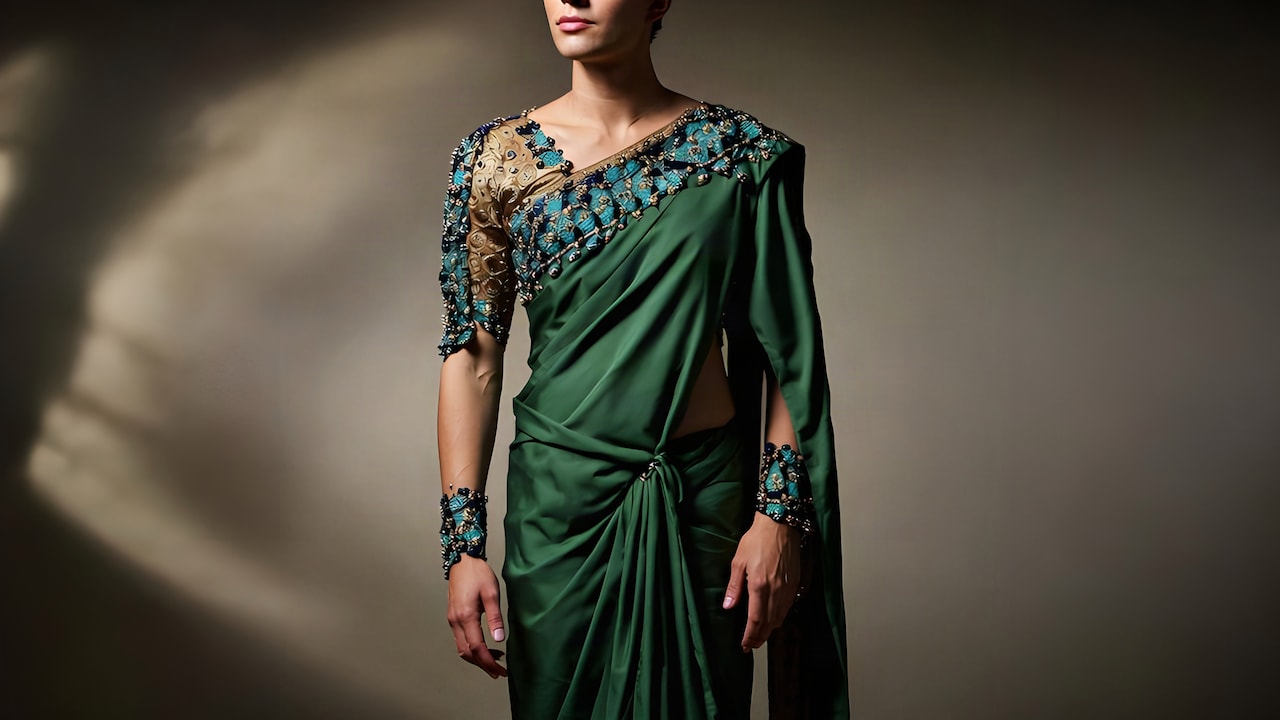
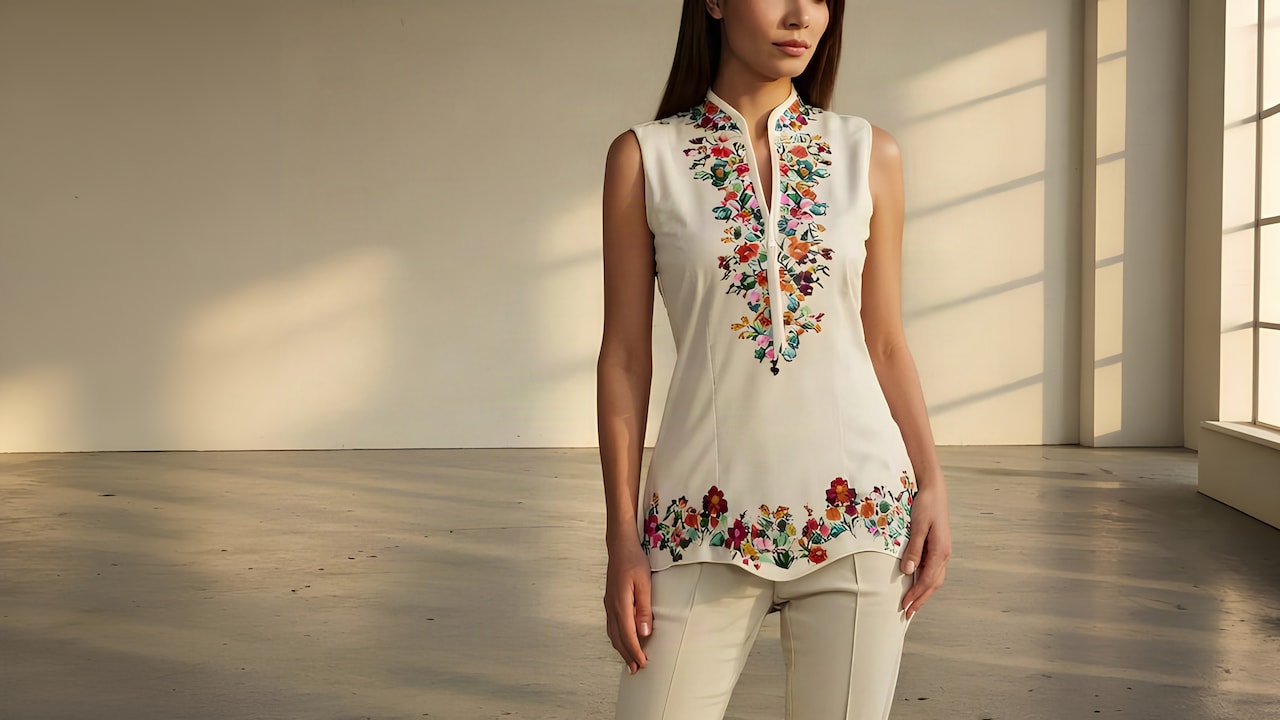
Petite Women's Style Guide: Sleek Kurtis That Flatter Small Frames Perfectly
Oversized kurtis often overwhelm petite frames. Sleek, well-tailored designs offer better proportion, comfort, and confidence, proving that the right fit, not extra fabric, creates effortless everyday style.
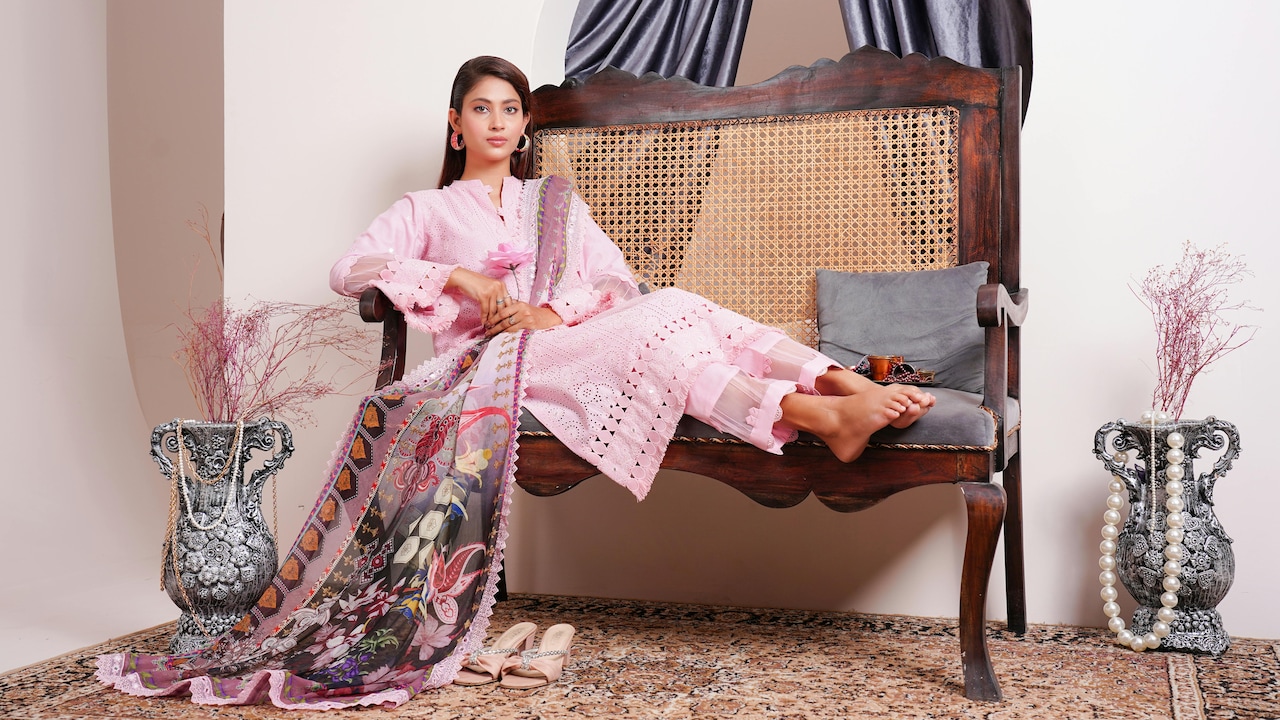
Petite Women, Say No To Oversizing: Here Are Sleek Kurtis Designed To Fit Small Frames.
Walk into any clothing store today, and racks overflow with oversized silhouettes. Billowy sleeves, exaggerated hems, and loose fits promise comfort and trend appeal. Yet for petite women, these styles often feel less like fashion and more like borrowed clothing from someone taller. Instead of enhancing presence, oversized kurtis swallow proportions, making even confident wearers appear smaller than they truly are.
Fashion should work with the body, not against it. Petite frames carry a natural elegance that thrives on balance, clean lines, and thoughtful tailoring. A well-designed kurti does more than clothe; it frames posture, defines movement, and adds quiet confidence to daily life. Whether dressing for office commutes, festive gatherings, or casual outings, the right silhouette changes how an outfit feels and how it communicates personality.
Across bustling markets and online storefronts, a shift has begun. Designers increasingly recognise that one-size trends do not suit everyone. Sleek kurtis designed specifically for smaller frames now prioritise proportion over excess. The result feels refreshing, clothing that fits naturally, moves easily, and looks intentional rather than oversized by default.
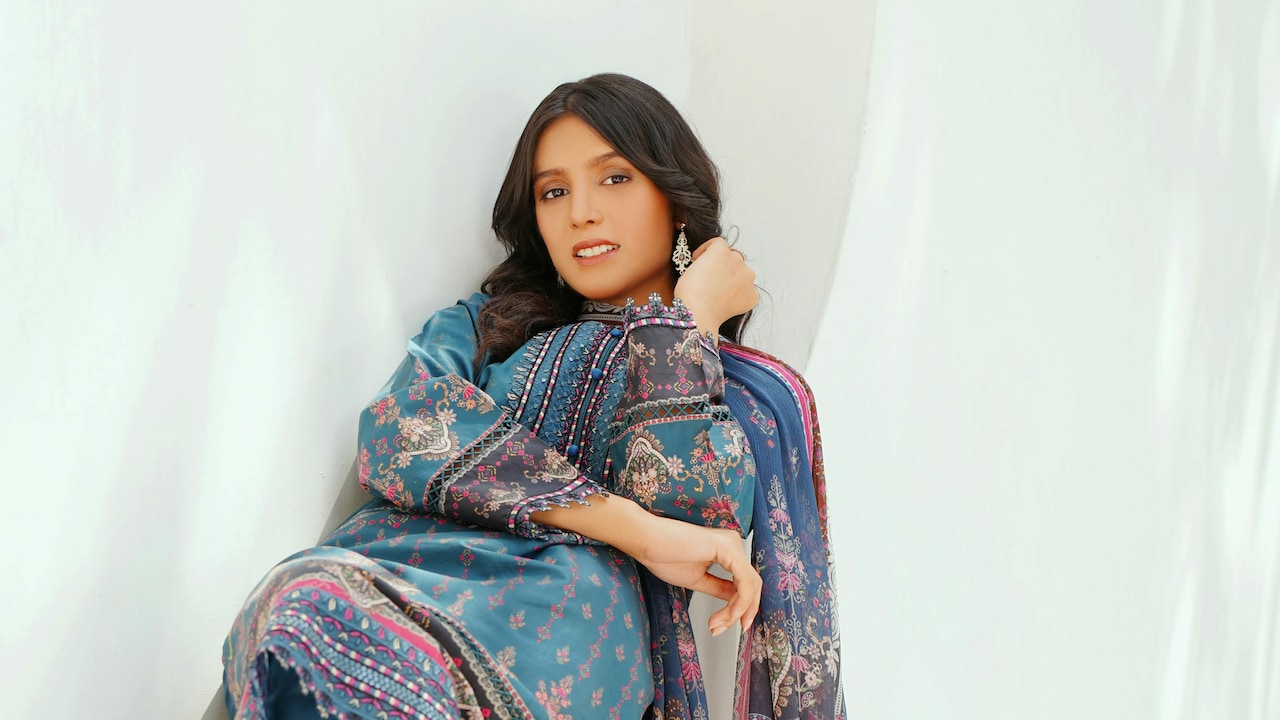
Say Goodbye To Oversized Fits: The Best Kurti Styles For Petite Body
Photo Credit: Pexels
Designing Kurtis That Celebrate Petite Proportions
Understanding Petite Proportions
Petite dressing begins with recognising proportion rather than size. Height influences how fabric falls, where seams sit, and how visual balance appears. A kurti designed for taller bodies often places waistlines too low or sleeves too long, creating an awkward silhouette. The garment may technically fit, yet something feels slightly off.
Smaller frames benefit from garments that align with natural body lines. Shorter hemlines, correctly placed darts, and narrower shoulders create harmony. When proportions match, posture appears sharper and movement feels lighter. Even simple cotton kurtis gain sophistication once the cut respects body scale.
Consider everyday scenarios: rushing through a crowded local train station or navigating narrow market lanes. Excess fabric becomes inconvenient, catching on bags or requiring constant adjustment. Sleek designs eliminate such distractions. Clothing begins to support daily rhythm instead of interrupting it.
Tailoring also influences perception. A structured kurti elongates the body visually, creating height without heels. This subtle illusion explains why fitted silhouettes often appear more polished. Petite fashion does not demand dramatic changes; it simply requires precision where it matters most.
Why Oversized Trends Rarely Work For Small Frames
Oversized fashion thrives on drama and exaggeration. On taller figures, the extra volume creates contrast. On petite frames, however, that same volume dominates the entire look. Rather than appearing relaxed, the outfit risks looking shapeless.
Social media often celebrates oversized kurtis styled effortlessly, yet reality tells a different story. Loose shoulders slide downward, sleeves extend beyond wrists, and hemlines shorten leg lines. The wearer disappears beneath layers meant to create impact.
Comfort frequently becomes the justification for oversized choices. However, comfort does not require excess fabric. Breathable materials, relaxed tailoring, and flexible cuts achieve ease without overwhelming shape. A well-fitted kurti allows airflow while maintaining structure.
There is also a psychological aspect. Clothing influences confidence. Constantly adjusting sleeves or tugging at oversized hems subtly distracts throughout the day. A sleek fit removes that mental burden. The focus shifts from managing clothing to enjoying moments, whether sharing chai with friends or attending a family celebration.
Oversized fashion remains a trend, while proportionate dressing remains timeless. Petite wardrobes benefit more from longevity than fleeting aesthetics.
The Power Of Tailored Silhouettes
Tailoring transforms ordinary kurtis into wardrobe essentials. Clean seams and defined cuts enhance natural structure without restricting comfort. Even affordable pieces priced around ₹1,200 can appear premium when tailoring aligns with body proportions.
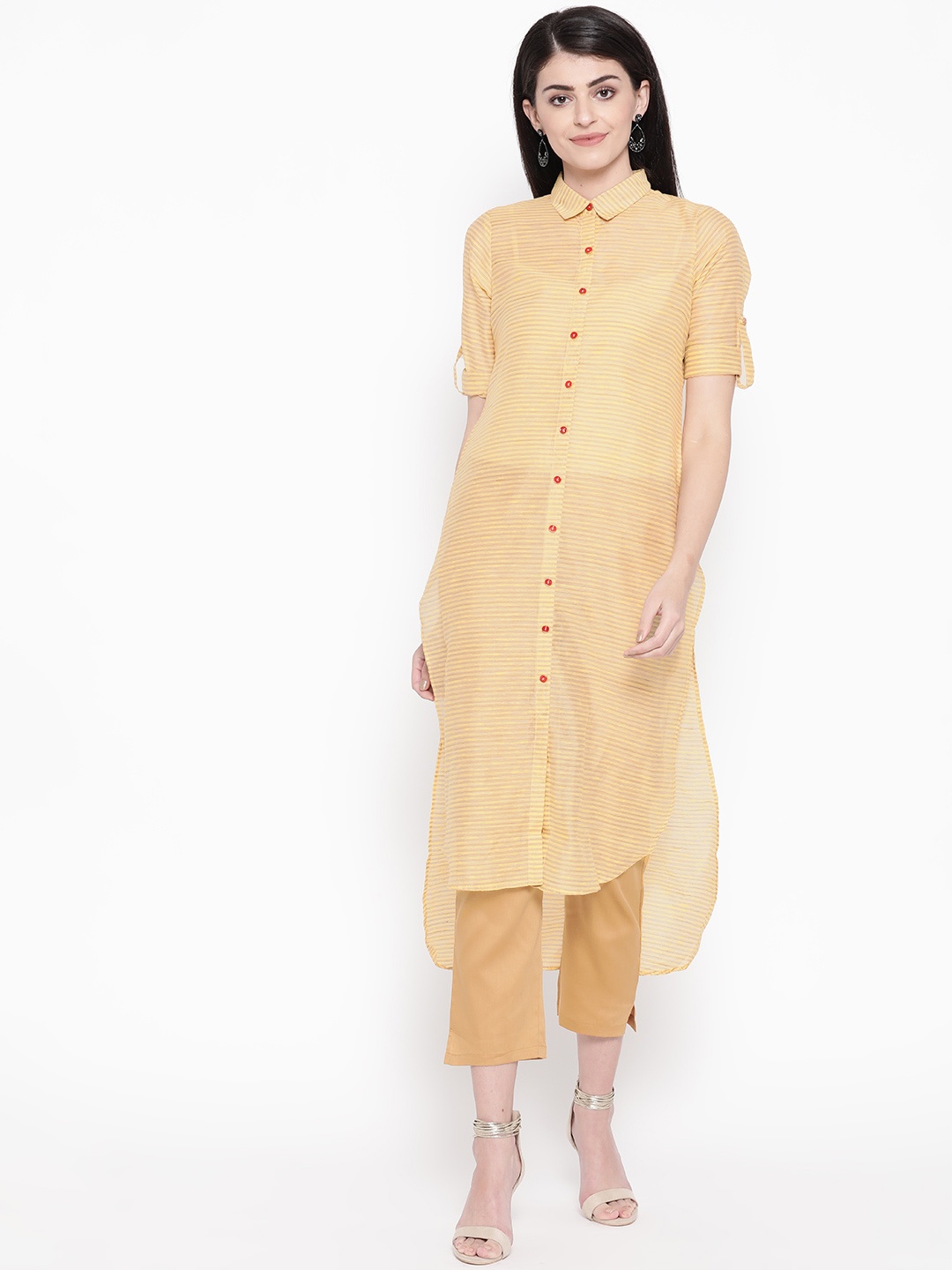
Straight-cut kurtis work particularly well because they create vertical lines. These lines guide the eye upward, creating the illusion of height. Princess cuts and panelled designs add subtle shaping while maintaining elegance. The result feels refined rather than restrictive.
Tailoring also allows individuality. Two women wearing similar fabrics can look entirely different depending on fit. Slight adjustments at the waist or sleeves personalise garments instantly. Local tailors often understand body nuances better than mass-produced sizing charts, making small alterations worthwhile.
Well-fitted kurtis also layer beautifully. Pairing with slim trousers or cigarette pants becomes effortless because proportions remain balanced. The outfit looks intentional, not accidental.
Fashion rarely depends on expensive labels. Precision matters more than price tags. A thoughtfully tailored kurti communicates care, attention, and quiet sophistication, qualities that never go out of style.
Fabric Choices That Complement Petite Frames
Fabric plays an underestimated role in how a kurti sits on smaller bodies. Heavy materials add unnecessary bulk, while extremely stiff textiles distort shape. Lightweight fabrics such as cotton blends, rayon, or soft linen drape naturally without overwhelming proportions.
Flow matters more than thickness. A fabric that moves gently with each step creates elegance without exaggeration. During humid afternoons, breathable textiles prevent discomfort while maintaining structure. Comfort and aesthetics meet halfway.
Print scale also interacts with fabric choice. Large motifs spread across flowing material may dominate petite frames. Smaller prints or subtle textures maintain visual harmony. Even monochrome kurtis feel striking when the fabric quality stands out.
Festive wear presents a common challenge. Embellishments often increase garment weight. Strategic placement solves this issue. Embroidery near the neckline or cuffs draws attention upward rather than adding bulk everywhere.
Choosing the right fabric resembles choosing the right conversational tone, balanced, effortless, and appropriate for the moment. When fabric complements frame size, the kurti feels almost weightless, allowing personality to take centre stage instead of clothing volume.
Length Matters More Than Expected
Kurti length dramatically affects how height appears. Many petite women unknowingly choose lengths that shorten their silhouette. Extremely long kurtis divide the body visually, making legs appear shorter.
Mid-thigh or just-below-knee lengths often work best because they elongate proportions. These cuts create continuity between upper and lower halves, guiding the eye smoothly downward. Small adjustments of even two inches can transform the overall appearance.
Side slits also play an important role. Higher slits add movement and reveal leg lines, subtly enhancing height perception. Walking feels freer, and the outfit gains rhythm.
Consider festive shopping experiences before celebrations. Trying multiple kurtis often reveals how drastically length changes impact confidence. The moment a well-proportioned hemline appears, posture naturally improves.
Length should never follow trends blindly. Instead, it should complement body structure and lifestyle. Petite fashion thrives on thoughtful decisions rather than dramatic experimentation. A perfectly chosen length achieves what oversized styling cannot: effortless balance.
Sleeve Designs That Enhance Structure
Sleeves influence visual proportion more than many realise. Oversized sleeves add horizontal volume, which shortens the appearance of height. Petite frames benefit from streamlined sleeve designs that maintain clean lines.
Three-quarter sleeves remain universally flattering. They reveal wrists, one of the slimmest parts of the body, adding elegance instantly. Cap sleeves and slim full sleeves also work well when tailored properly.
Bell sleeves or exaggerated cuffs often overwhelm smaller arms. While trendy, they draw attention away from facial features and create an imbalance. Subtle detailing near sleeve edges offers style without excess.
Seasonal dressing also matters. Lightweight summer kurtis with shorter sleeves provide comfort during warm evenings, while fitted long sleeves work beautifully during festive months.
Sleeves quietly shape the overall silhouette. When designed thoughtfully, they frame movement gracefully. Raising a hand during conversation or reaching for shopping bags feels natural rather than cumbersome. Such small details turn everyday clothing into refined style statements.
Colour And Prints: Creating Visual Balance
Colour carries visual weight. Darker shades tend to streamline, while lighter tones expand appearance. Petite wardrobes benefit from understanding this subtle illusion rather than restricting creativity.
Monochromatic looks create uninterrupted vertical lines, making the body appear taller. A single-colour kurti paired with similar-toned bottoms feels effortlessly polished. Jewel tones such as emerald, maroon, or deep blue add richness without heaviness.
Print placement matters as much as colour choice. Vertical stripes elongate, while densely packed large prints may overwhelm. Delicate floral motifs or geometric patterns, scaled appropriately, maintain harmony.
Festive occasions often encourage bold experimentation. Strategic contrast works better than excessive mixing. For example, a vibrant kurti balanced with neutral bottoms prevents visual clutter.
Colour should enhance mood as well as proportion. Wearing shades that reflect personality adds confidence. Clothing becomes expressive rather than decorative. Petite dressing succeeds when colour choices feel intentional, not accidental.
Styling Tricks That Add Height Without Heels
Not everyone enjoys wearing heels daily, especially during long commutes or busy schedules. Fortunately, clever styling creates height illusions without discomfort.
High-waisted bottoms paired with shorter kurtis extend leg lines visually. Slim trousers or churidars maintain continuity, avoiding unnecessary bulk. Dupattas draped vertically rather than wrapped heavily help maintain elongation.
Accessories also influence proportion. Long necklaces draw attention downward, creating vertical flow. Small handbags complement smaller frames better than oversized totes that dominate the look.
Footwear choices matter too. Pointed flats subtly lengthen the appearance of legs while remaining practical. Even colour coordination between footwear and bottoms contributes to visual height.
These styling decisions feel subtle yet powerful. They allow petite women to embrace comfort while maintaining elegance. Fashion becomes practical artistry, thoughtful adjustments that create striking results without effort.
Everyday Comfort Meets Smart Design
Modern lifestyles demand clothing that transitions easily between tasks. From morning meetings to evening outings, kurtis must support movement and comfort. Sleek designs accomplish this balance effortlessly.
Well-fitted kurtis reduce fabric distractions during daily activities. Cooking, commuting, or working at a desk feels easier without constant adjustments. Breathable fabrics prevent overheating during busy afternoons.
Smart design also considers pockets, lightweight linings, and flexible stitching. Small innovations improve usability without altering aesthetics. Clothing begins to feel intuitive.
Affordability plays a role as well. Investing ₹1,500–₹2,500 in versatile kurtis often proves more practical than repeatedly buying trend-driven oversized pieces that quickly lose appeal.
Comfort no longer competes with style. Instead, both coexist harmoniously. The wearer experiences freedom of movement alongside visual elegance, a combination that defines truly successful design.
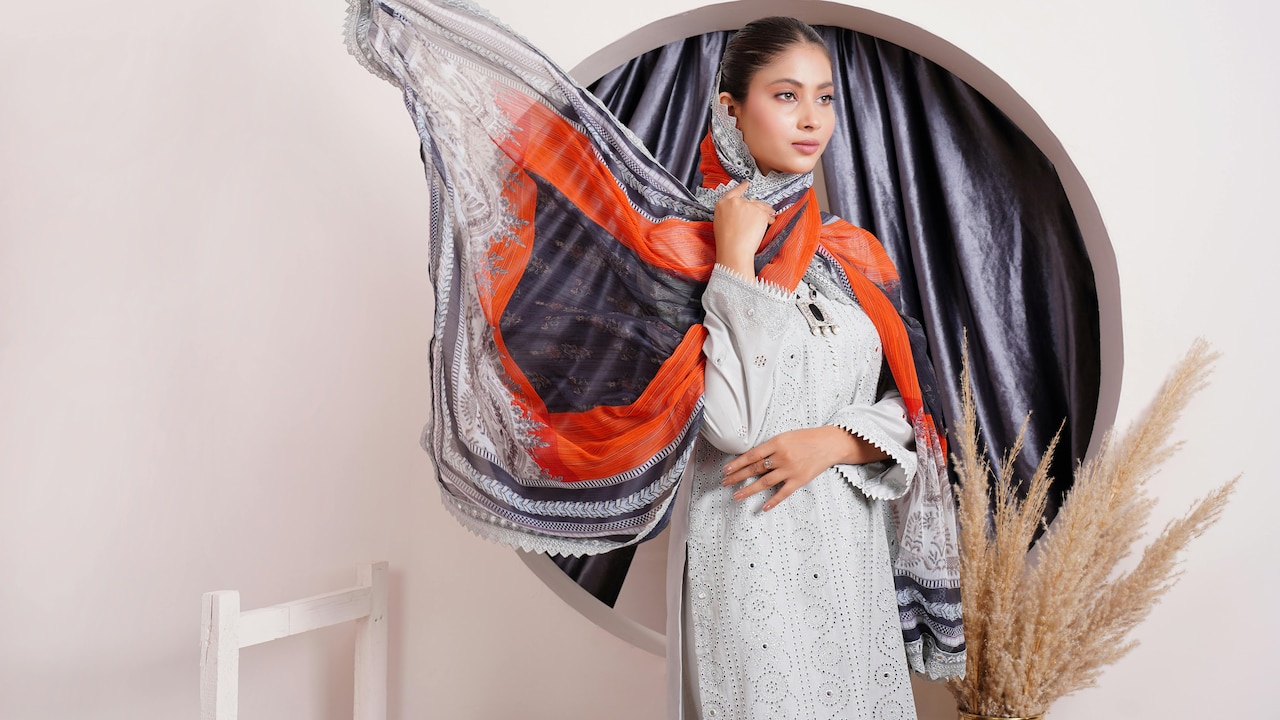
Say Goodbye To Oversized Fits: The Best Kurti Styles For Petite Body
Confidence: The True Fit That Matters
Beyond tailoring and fabric lies the most important element: confidence. Clothing influences mood, posture, and presence. A kurti that fits well encourages natural ease. Shoulders relax, steps feel lighter, and conversations flow effortlessly.
Petite women often hear advice encouraging concealment rather than celebration of frame size. Sleek kurtis challenge that narrative. They highlight individuality instead of hiding it beneath fabric layers.
Confidence grows through small moments, receiving compliments during festive gatherings, feeling comfortable during presentations, or simply catching a reflection that feels right. Clothing becomes an ally rather than an obstacle.
Fashion trends will continue evolving, yet self-assurance remains timeless. Choosing silhouettes that respect body proportions reflects self-awareness and personal style maturity.
The right kurti does more than flatter appearance; it supports identity. And that transformation begins the moment oversized fashion stops dictating choices.
Products Related To This Article
1. Ethnicbasket Women Printed Straight Kurta
2. House Sethia Women Embroidered Straight Kurta
3. Physil Women Printed Straight Kurta
4. Kairab Women Floral Print Straight Kurta
5. Physil Women Floral Print Straight Kurta
Oversized fashion may dominate current trends, but petite women need not follow every wave. Sleek kurtis designed with proportion, structure, and thoughtful detailing offer a far more empowering alternative. From fabric selection to sleeve design, each element contributes to balance and elegance.
Dressing well does not require dramatic reinvention. Small, intentional choices, correct length, tailored fit, harmonious prints, create powerful visual impact. Clothing begins to enhance rather than overshadow.
Saying no to oversizing does not mean rejecting comfort or modern style. Instead, it signals a shift towards mindful fashion that celebrates individuality and practicality. Sleek kurtis allow petite frames to shine naturally, proving that style thrives not in excess fabric but in perfect proportion.
Fashion feels most beautiful when it fits, not just the body, but the rhythm of everyday life.
(Disclaimer: This article may include references to or features of products and services made available through affiliate marketing campaigns. NDTV Convergence Limited (“NDTV”) strives to maintain editorial independence while participating in such campaigns. NDTV does not assume responsibility for the performance or claims of any featured products or services.)