10 Reasons Tiered Dresses Look Bulkier Than Expected And How To Balance The Silhouette
Tiered dresses can add unexpected volume through gathers, fabric, seam placement and length. Discover 10 common reasons they look bulkier and simple styling tricks that create a more balanced, flattering silhouette.
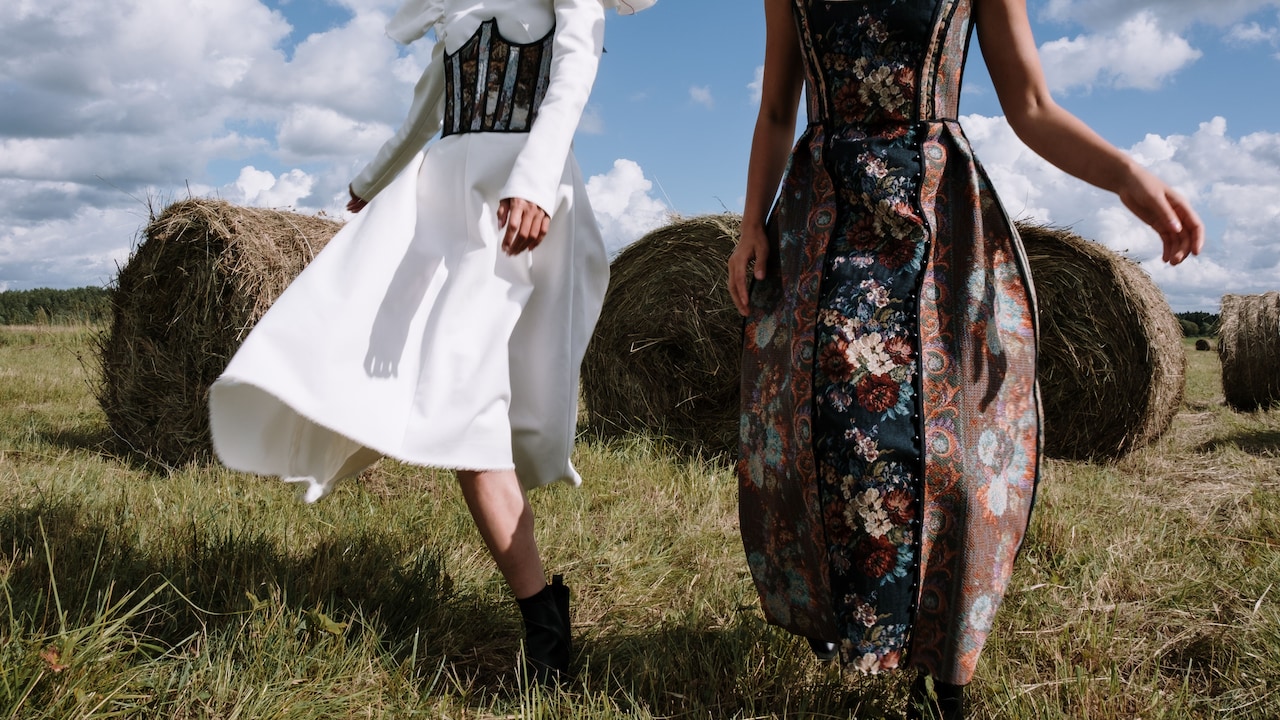
10 Reasons Tiered Dresses Look Bulky And How To Style Them Better
Tiered dresses have an irresistible charm. They float when you walk, feel wonderfully forgiving after a generous Sunday lunch and can move from a coffee date to a family gathering without demanding much effort. On the hanger, they often look breezy and uncomplicated. Then comes the fitting-room surprise. A dress that looked graceful on the rack can suddenly seem wider, heavier or more voluminous once worn. The waist disappears, the hips appear broader, or the entire outfit begins to resemble a very stylish lampshade. That does not mean tiered dresses are difficult to wear. Their silhouette simply depends on construction more than many shoppers realise.
10 Reasons Tiered Dresses Look Bulkier Than Expected And How To Balance The Silhouette
Photo Credit: Pexels
Every seam, gather and fabric choice changes the way volume travels across the body. Even footwear, sleeves and accessories can alter the final impression. Once these details become easier to spot, choosing and styling tiered dresses becomes far less mysterious.
Here are ten common reasons tiered dresses can look bulkier than expected, along with practical ways to create a cleaner, more balanced silhouette.
Why Tiered Dresses Can Add Unexpected Volume
1. Too Much Gathering Starts Too High
Gathering creates the soft, flowing character that makes tiered dresses appealing. The trouble begins when generous gathers start close to the bust or waist. Instead of falling smoothly, the fabric pushes outward almost immediately. That extra fullness can make the upper body or midsection appear wider than it actually is.
The effect becomes stronger when the first tier begins just below the bust. A dress may technically have an empire shape, but heavy gathering can turn a graceful line into a puffed one. The same problem appears when a seam sits directly across the natural waist and releases a large amount of fabric beneath it.
A more balanced option uses restrained gathering through the upper half and saves fuller tiers for lower down. Look for dresses that skim the torso before widening near the hips, thighs or knees.
Styling can help too. A structured cropped jacket, neatly fitted waistcoat or slim belt can restore shape without fighting the dress. The aim is not to squeeze the fabric into submission. It is simply to give the eye a clearer sense of proportion.
2. Stiff Fabric Makes Every Tier Stand Out
Fabric can completely change the personality of a tiered dress. A soft rayon or fluid crepe may fall close to the body, while crisp cotton, organza or heavily starched fabric can make every tier sit away from it.
That difference matters because tiered construction already adds horizontal volume. When the fabric has plenty of body, each gathered section holds its shape rather than collapsing naturally. The result can feel grand and dramatic, which works beautifully for festive dressing, but it can also look bulkier than expected for everyday wear.
Picture two dresses with exactly the same cut. One uses lightweight viscose and moves softly when walking. The other uses thick poplin and creates a more sculptural outline. Neither is wrong, but they will behave very differently.
For a softer silhouette, choose fabrics with drape. Modal blends, rayon, georgette, light crepe and fluid cotton blends usually move more easily around the body.
If a stiff tiered dress already lives in the wardrobe, keep the rest of the styling sleek. Simple sandals, an unfussy bag and minimal jewellery prevent the outfit from becoming visually overloaded.
3. The Tier Seams Sit At The Widest Points
Tier placement sounds like a tiny design detail until a seam lands exactly across the fullest part of the hips.
Horizontal lines naturally attract attention. When a gathered seam sits at the widest area of the body, it can emphasise that width. Add extra fabric beneath the seam and the effect becomes even more noticeable. A similar issue can occur across the bust or upper thigh.
This is why two dresses with similar prints and lengths may look completely different once worn. Their seam placement changes the proportions.
Before buying, check where each tier begins rather than focusing only on the overall shape. A seam that falls slightly above or below the widest point often creates a smoother visual transition. Dresses with longer upper panels can be particularly flattering because they allow the fabric to skim the body before introducing volume.
If the seam placement is less than ideal, strategic layering can help. A long open shirt, lightweight shrug or streamlined jacket creates vertical lines that interrupt strong horizontal sections.
Sometimes the smallest alteration works wonders too. Raising or lowering a tier seam may cost far less than abandoning a dress that otherwise looks lovely.
4. Oversized Fits Add Volume Before The Tiers Begin
The relaxed-fit trend has made wonderfully comfortable dresses easy to find. Yet oversized sizing combined with tiered construction can create a double dose of volume.
If the shoulders are too wide, the armholes drop too low and the bodice already contains excess fabric, the tiers begin from a silhouette that lacks definition. By the time another two or three gathered sections appear, the dress can overwhelm the frame.
This often happens when shoppers size up because they expect tiered dresses to fit tightly. Many styles are already designed with generous ease, so the larger size may add fabric where none is needed.
Check the shoulder line first. It should usually sit close to the natural shoulder unless the design intentionally features a dropped shape. The neckline should also lie neatly rather than pulling forward or gaping.
A comfortable dress does not need to look enormous. Choosing the correct size gives the fabric space to move while preserving proportion.
When shopping online, compare garment measurements rather than relying only on familiar size labels. A few centimetres can make the difference between relaxed elegance and a silhouette that appears to be borrowing fabric from the curtains.
5. Large Prints Magnify The Volume
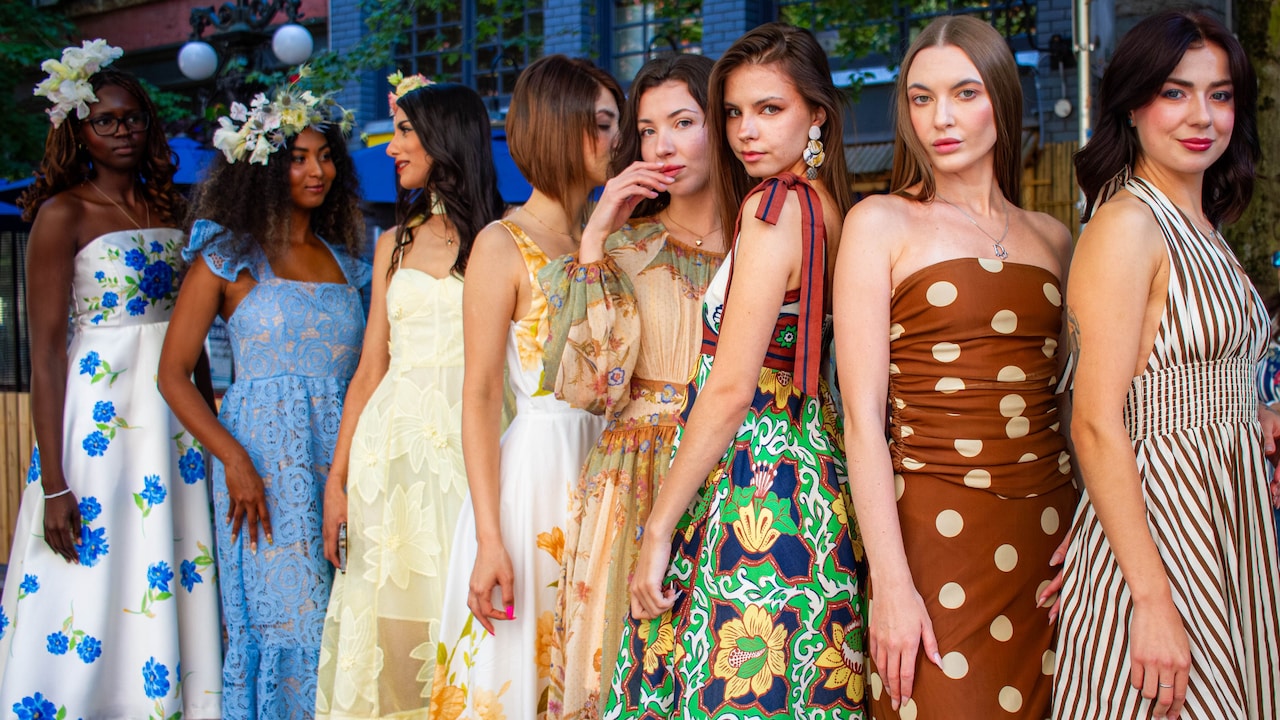
Tiered dresses already contain plenty of visual movement. Add enormous flowers, broad checks or oversized abstract motifs and the outfit can start feeling much bigger overall.
Large prints are not automatically unflattering. In fact, they can look striking. The issue comes from the combination of scale and gathered fabric. Once material folds and overlaps, a large motif may repeat unpredictably across the tiers, increasing the sense of fullness.
Smaller or medium-sized prints usually create a calmer surface. Vertical motifs, scattered florals and fine geometric patterns can also guide the eye across the dress without highlighting every gathered section.
Solid colours offer another easy solution, especially when the tiered construction itself is dramatic. Deep green, rust, navy, chocolate or jewel tones can allow the shape to shine without adding another layer of visual activity.
For anyone who loves bold prints, balance matters more than avoidance. Keep accessories quiet and footwear streamlined. A large floral tiered dress paired with oversized earrings, a chunky bag and heavily embellished sandals may feel like every element arrived ready to headline the same wedding sangeet.
Let one feature lead the outfit. The silhouette will immediately feel more composed.
6. Puff Sleeves Add Width To An Already Full Shape
A tiered skirt paired with dramatic puff sleeves can look wonderfully romantic. It can also create volume at both the top and bottom of the body, leaving very little visual structure in between.
Sleeve shape has a surprisingly strong effect on proportion. Large balloon sleeves, layered frills or stiff shoulder gathers broaden the upper body. When the skirt also expands through several tiers, the overall silhouette may become more rounded than intended.
This does not mean statement sleeves should disappear from the wardrobe. The trick is deciding where the drama belongs.
If the dress has a very full skirt, slightly cleaner sleeves often create better balance. Cap sleeves, fitted elbow-length sleeves or softly gathered designs can still feel feminine without competing with the lower half.
Already own a dress with dramatic sleeves and dramatic tiers? Use the neckline to create definition. An open V-neck, square neck or gently scooped neckline introduces skin and space around the upper body.
Avoid piling a heavy necklace onto an already busy neckline. Earrings may work better.
Fashion rarely needs every detail to shout. Sometimes the most flattering outfit comes from allowing one dramatic feature to enjoy the spotlight while everything else politely takes a seat.
10 Reasons Tiered Dresses Look Bulkier Than Expected And How To Balance The Silhouette
Photo Credit: Pexels
7. The Dress Length Cuts The Leg At An Awkward Point
Length can change how wide a tiered dress appears because the eye reads width in relation to height.
A dress ending at the broadest part of the calf may shorten the visible leg. When the skirt is already full, that shorter vertical line can make the entire outfit appear wider. Likewise, a very voluminous knee-length dress can sometimes create a boxier impression than a longer version of the same design.
The most balanced length varies from person to person. Some silhouettes look cleaner when the hem ends just below the knee. Others benefit from a midi length that finishes closer to the ankle rather than mid-calf.
Footwear plays a role as well. Shoes with a lower vamp or open front expose more of the foot, extending the leg visually. Nude-toned footwear can create a similar effect, though there is no requirement to match skin tone perfectly.
For festive occasions, a slightly elevated sandal can help lengthen the line without requiring an uncomfortable heel. Even a modest block heel can change the proportion.
Before rejecting a tiered dress, try it with different footwear. Sometimes the dress has done nothing wrong. The hem and the shoes simply have not been properly introduced.
8. A High Neckline Creates A Heavy Upper Half
High necklines can look polished, modest and elegant, but on a voluminous dress they sometimes make the upper half feel visually closed.
When fabric covers the neck, shoulders and torso before flowing into gathered tiers, the outfit contains very few breaks. That continuous block of material can make the dress appear heavier, particularly when the fabric is dark, printed or stiff.
More open necklines create breathing room. V-necks draw the eye vertically, while square and scoop necklines reveal enough skin to lighten the upper portion of the dress. Even a short button placket left slightly open can make a noticeable difference.
If the dress already has a high neckline, hair and accessories become useful styling tools. An updo or ponytail exposes the neck and prevents hair from adding another layer of volume around the shoulders. Longer earrings can create a subtle vertical line too.
Skip thick chokers and very bulky necklaces when the neckline already feels substantial.
The goal is visual space. A tiered dress contains plenty of fabric by design. Showing a little neck, wrist or ankle can provide contrast and stop the outfit from feeling wrapped from chin to toe.
Also Read: Want Easy Beach Style? Pick These 5 Floral Dresses For Women Under ₹1000 On Myntra
9. The Waist Has No Visual Definition
Many tiered dresses intentionally avoid a fitted waist. That easy shape makes them comfortable, especially during humid afternoons when the idea of tight clothing feels deeply unreasonable.
Still, a completely undefined waist can sometimes create more volume than expected. When the fabric falls from the shoulders and expands through several tiers, the eye sees one continuous shape rather than separate upper and lower proportions.
Waist definition does not have to mean a tight belt. Even subtle structure can help. Dresses with shaped side seams, a slightly fitted bodice or gathers beginning below the natural waist often create enough definition on their own.
A slim belt works well when the fabric is light, but avoid cinching thick material aggressively. That can cause the tiers to bunch and create even more volume.
Another option is a short jacket or cropped layer ending near the waist. This creates a visual break without altering the dress itself.
For a softer effect, carry a structured crossbody bag positioned around the waist or upper hip. Surprisingly, accessories can help establish proportion too.
Think of waist definition as punctuation. The dress can still flow freely, but a small pause in the middle makes the overall sentence easier to read.
10. Heavy Styling Competes With The Dress
Sometimes the dress is not the real reason an outfit looks bulky. Everything surrounding it may be contributing.
Tiered dresses already bring movement, texture and volume. Add a wide belt, chunky necklace, oversized handbag, heavy embroidered jacket and thick platform footwear, and the visual weight quickly multiplies.
Festive dressing makes this particularly tempting. A beautiful dress appears, then jhumkas join the party, followed by bangles, embellished footwear and the special-occasion bag that refuses to be left behind.
Rather than removing personality, choose a focal point. If the dress has dramatic tiers or a bold print, let accessories stay refined. Sleek sandals and medium-sized earrings may provide all the finish required.
Bag proportions matter too. A compact structured bag often looks sharper with a flowing silhouette than an oversized slouchy tote.
For cooler weather, choose outerwear carefully. A long straight jacket can create useful vertical lines, while a bulky layer ending at the fullest tier may add unnecessary width.
A good styling check is simple: look at the outfit from a short distance. If the dress, shoes, jewellery and bag all demand attention at once, remove one element. Balance often appears through subtraction.
10 Reasons Tiered Dresses Look Bulkier Than Expected And How To Balance The Silhouette
Photo Credit: Pexels
Products Related To This Article
1. Aayu Women Maxi Dress
2. Sangria Lace Detail Tiered Midi A-Line Dress
3. Claura Wine Floral Printed Fit and Flare Silk Midi Dress
4. VARICOS Ethnic Motifs Printed Fit & Flare Tiered Cotton Maternity Maxi Dress
5. Stylum Women Embroidered Bishop Sleeve Fit & Flare Dress
6. Ishin Women Floral Embroidered Tiered Fit & Flared Dress
7. S21 Striped Puff Sleeve A-Line Midi Dress
Tiered dresses are not naturally bulky. They simply play with volume, and volume needs thoughtful placement.
Gathering, fabric, seams, prints, sleeves, necklines and hem lengths all influence how the silhouette behaves. A dress that seems overwhelming may only need softer fabric, a cleaner neckline, better footwear or a little waist definition to feel completely different.
The most useful habit is to look beyond the size tag. Notice where the first tier begins. Feel whether the fabric drapes or stands away from the body. Check the shoulder fit, study the hemline and consider how much visual detail appears across the outfit.
Most importantly, comfort and proportion can coexist. There is no need to turn every flowing dress into a tightly belted hourglass shape. Tiered silhouettes deserve their movement and ease.
A little structure simply gives that movement somewhere to go. Once the balance feels right, the dress stops wearing the person and starts doing what it was meant to do: swish beautifully through the day.
(Disclaimer: This article may include references to or features of products and services made available through affiliate marketing campaigns. NDTV Convergence Limited (“NDTV”) strives to maintain editorial independence while participating in such campaigns. NDTV does not assume responsibility for the performance or claims of any featured products or services.)