Running Shoes vs Training Shoes: The Common Footwear Mistake Leading to Painful Knees
Your knee pain might start in your shoes. Running shoes and training shoes aren’t interchangeable, and mixing them up can lead to strain, instability, and injury.
Here's what you should consider before choosing between running and training shoes.
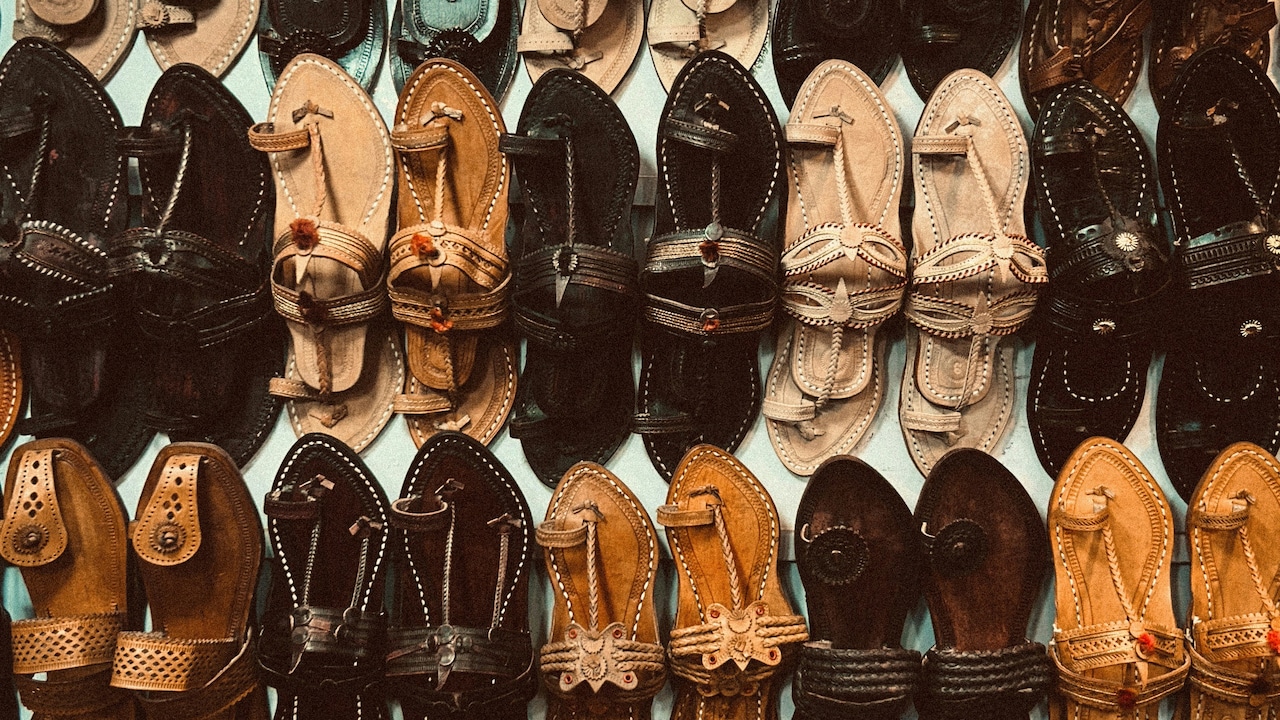
Walk into any sports store, and you'll see the same scene. A wall full of sports shoes, bright colours, big discounts, and a salesperson saying, “Sir, madam, this is multi-purpose.” That phrase alone has probably caused more knee pain than a thousand squats.

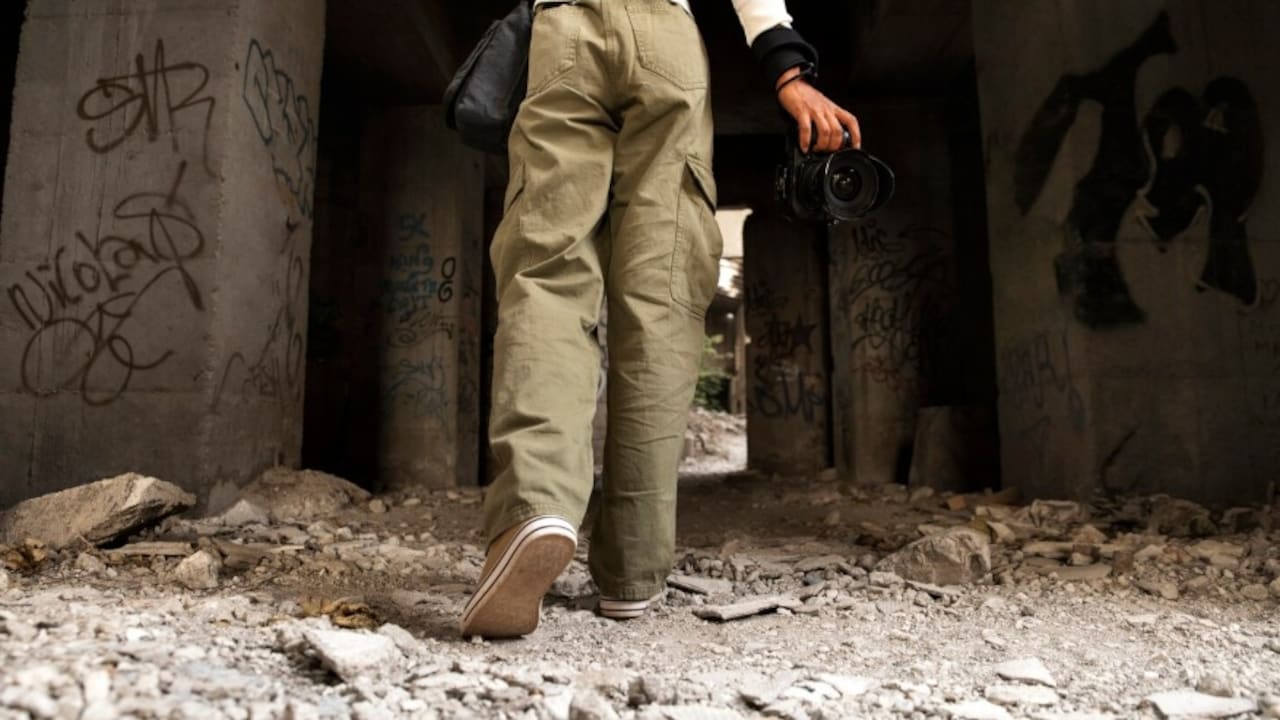
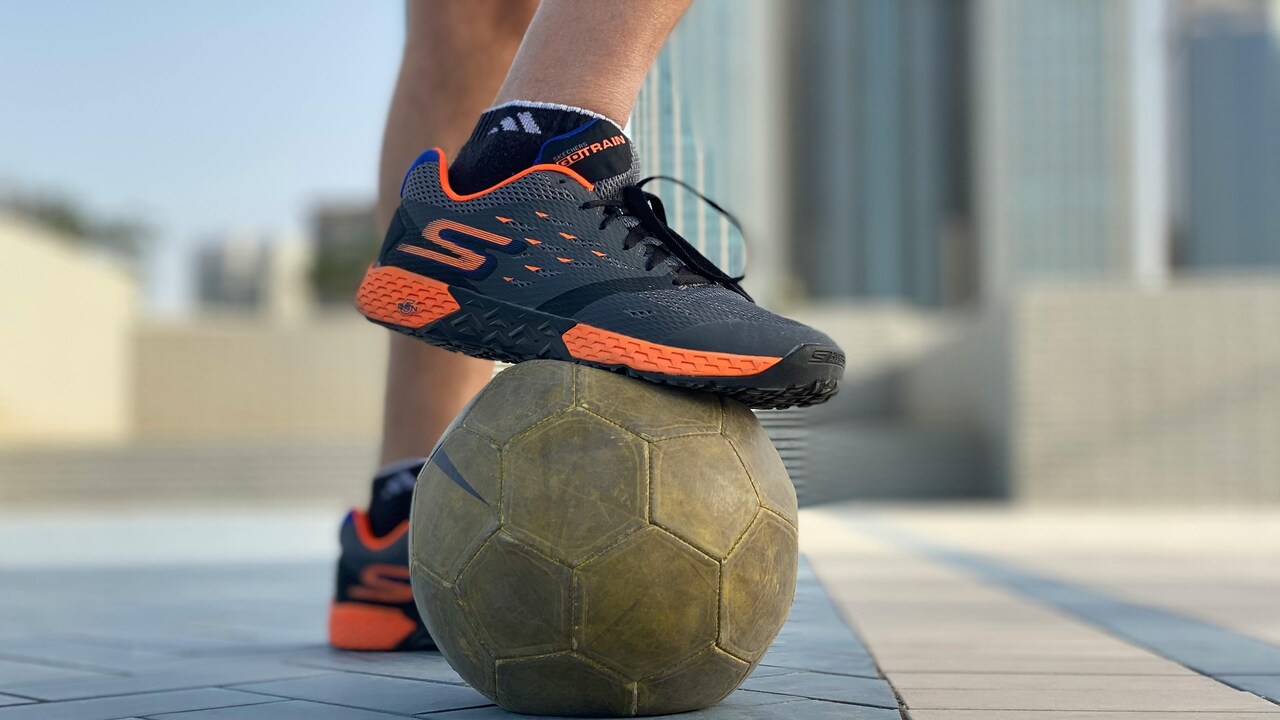
Discover important differences to know before choosing between running shoes vs training shoes for men; Photo Credit: Pexels
Here's the truth: running shoes and training shoes serve different jobs. One is built for forward motion, repetitive impact, and smooth transitions. The other is designed for side-to-side movement, stability, and grip during fast changes of direction. When people swap them casually, running in training shoes or doing gym workouts in running shoes, the body pays the price.
And the knee is often the first to complain.
This article will help you spot the difference, understand why the mistake happens, and fix it without turning your shoe shopping into a science project. No jargon overload. Just clear explanations, real-life examples, and a little cultural humour, because the pain is real, but the solution doesn't need to be scary.
Also Read: Top Walking Shoes For Men For All-Day Comfort And Everyday Wear
10 Ways the Wrong Shoe Choice Triggers Knee Pain
1) The Sneaky Confusion: Why These Shoes Look Similar but Act Totally Different
At first glance, most sports shoes look like cousins at a family wedding, same vibe, slightly different personalities. Both have cushioning. Both have mesh uppers. Both come with “performance” written somewhere in the design. So naturally, many people assume they're interchangeable.
But the moment the movement changes, the difference shows up. Running shoes specialise in one direction: forward. They support a repeated heel-to-toe motion, thousands of times in one session. Training shoes prepare for chaos: jumping, lunging, side shuffles, burpees, and sudden turns. They prioritise stability over bounce.
The mistake usually starts with convenience. Many people want one pair for everything. Fair enough, nobody wants to buy two shoes when one costs ₹3,000–₹9,000. But the cost of using the wrong pair often appears later as knee discomfort, tight calves, sore ankles, or that weird ache that shows up only while climbing stairs.
The shoes might look similar, but the body can tell the difference immediately. The knee, especially, becomes the complaint department.
2) Cushioning vs Stability: The Real Fight Happening Under Your Feet
Running shoes often feel like walking on a soft mattress. That's intentional. They absorb impact, especially when you land repeatedly on hard surfaces like roads, parks, or treadmills. That cushioning reduces stress travelling up the leg.
Training shoes, on the other hand, don't chase maximum softness. They focus on a stable base. When you do squats, lunges, or lateral moves, your foot needs to stay planted. Too much cushioning turns the shoe into a wobbly pillow, which makes the ankle work overtime to stabilise. And when the ankle loses control, the knee tries to compensate.
That's where pain begins. The knee wasn't designed to be a stability hero. It's a hinge joint. It likes simple, predictable movement. When your shoe wobbles during workouts, the knee twists slightly, repeatedly, without you noticing.
Many people experience this as “mild knee pain” after a gym session and assume it's normal. It's not normal. It's common, but not normal.
If a shoe feels super bouncy during weight training, it's usually the wrong tool for that job.
3) Heel Drop and Knee Load: The Hidden Design Detail That Matters a Lot
Here's a shoe feature most people never check: heel drop. It means how much higher the heel sits compared to the front of the foot. Running shoes often have a noticeable heel drop. This design helps runners transition smoothly from heel strike to toe-off. It also reduces stress on the Achilles tendon for many beginners.
Training shoes tend to have a flatter profile. The heel drop is lower, which helps with balance and control during lifting and quick footwork. A flatter shoe helps you stay grounded.
Now, why does this affect the knees?
A higher heel drop can shift posture slightly forward and change how the knee tracks. During running, that's expected and managed. During squats or lunges, it can change the angle of the shin and increase stress around the kneecap, especially if your form isn't perfect.
On the flip side, a flatter training shoe used for long runs can strain calves and increase shock transmission, which may also irritate knees.
So yes, the shoe's shape can quietly change your mechanics. It's not dramatic in one day. It's death by a thousand tiny steps.
4) Side-to-Side Moves in Running Shoes: A Recipe for Wobble and Knee Anger
Running shoes are built like a smooth highway. Training shoes are built like a busy street with unexpected turns. When you do side-to-side movements in running shoes, the shoe often fails to support the foot properly.
Why?
Running shoes usually have a narrower base and a softer midsole. That makes them excellent for forward momentum. But during lateral movements, that same softness becomes unstable. Your foot may roll inward, your ankle may tilt, and your knee may collapse slightly inward.
This inward collapse, even a small one, increases stress on the knee joint. It can also irritate the IT band and cause pain on the outer side of the knee, one of the most annoying pains because it can feel sharp, sudden, and stubborn.
This often happens during group fitness classes, dance workouts, badminton practice, or even casual football games. People show up wearing running shoes because “sports shoes are sports shoes.” Then they wonder why their knees hurt the next morning.
A simple switch to proper training shoes can reduce that wobble dramatically.
5) Long Runs in Training Shoes: When Lack of Cushioning Turns into Knee Shock
Now let's flip the situation. Training shoes are great for workouts, but they aren't built for repetitive pounding. When you run in training shoes, you often lose the cushioning and smooth transition that running shoes provide.
The impact travels up your legs. Your muscles absorb some of it, but not all. Over time, the knees take more of that load, especially on hard surfaces like footpaths, roads, and even some treadmills.
This becomes more obvious in people who are just starting running. The body is still adapting. The joints aren't used to repeated impact. If the shoe doesn't soften that impact, the knee gets irritated faster.
It can show up as a dull ache under the kneecap, discomfort while sitting down after a run, or stiffness while climbing stairs. Many people call it “runner's knee,” but the shoe choice often plays a major role.
Running in training shoes can feel okay for 10 minutes. The problem starts after 20–30 minutes, when fatigue sets in and form gets sloppy.
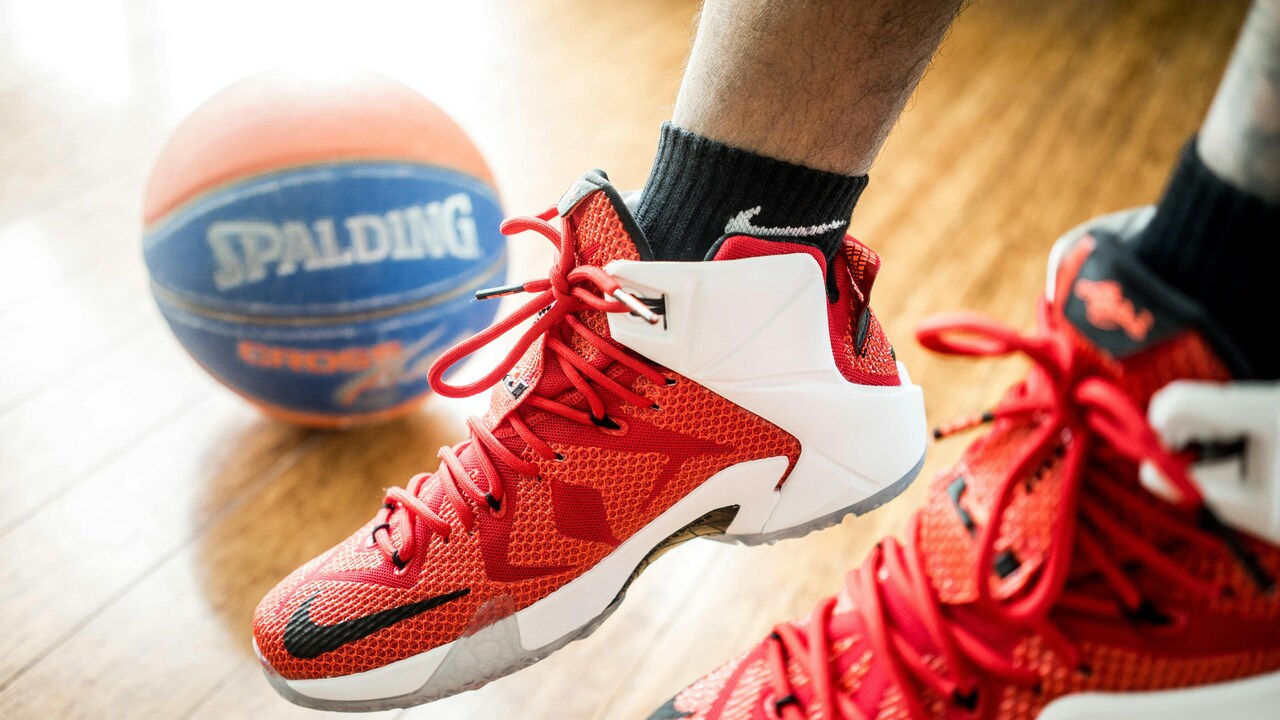
While training shoes are great for workouts, running shoes can suit running better; Photo Credit: Pexels
6) The “One Shoe for Everything” Myth: Budget Logic That Backfires
The desire for one all-purpose shoe makes perfect sense. Sports shoes are not cheap. Nobody wants to buy a running shoe, a training shoe, and then another pair for casual wear. That's how a simple fitness plan turns into a monthly EMI.
But here's the uncomfortable reality: one shoe for everything usually means one shoe that's mediocre at everything.
Many people buy “cross-trainers” thinking they can run and lift in them. Some cross-trainers work for light jogging and basic gym sessions. But once intensity increases, long runs, heavy squats, HIIT, sport drills, the compromises show up.
The knee pain that follows isn't just physical. It's emotional too. You start doubting your fitness journey. You wonder if your body is “not built for running.” You start skipping sessions. Motivation drops.
And all because of shoes.
A better approach is to buy based on your main activity. If you run three times a week and lift once, prioritise running shoes. If you lift and do HIIT regularly, prioritise training shoes. The second pair can come later.
The goal isn't to buy more. It's to buy smarter.
7) How Wrong Shoes Mess with Alignment: The Knee Tracks What the Foot Does
The knee loves alignment. It wants the foot, ankle, and hip to cooperate like a well-rehearsed dance troupe. But when shoes fail to support the foot properly, the whole chain suffers.
If the shoe lets the foot roll inward too much (overpronation), the shin rotates inward. The knee follows. The kneecap tracking changes. That can cause pain around the front of the knee.
If the shoe is too stiff or narrow, the foot can't spread naturally. That may push pressure outward, affecting the outer knee and IT band.
If the shoe is too soft during training, your foot shifts during squats or lunges. The knee tries to stabilise. Over time, that creates strain.
Many people focus on knee braces, pain balms, or “knee strengthening” while ignoring the simplest factor: what's happening at ground level.
Shoes aren't just protection. They're part of your movement system. If the foundation wobbles, the knee becomes the unhappy tenant living above it.
8) The Treadmill Trap: Why Gym Running Still Needs Proper Running Shoes
There's a popular myth: “Treadmill is soft, so any shoe is fine.” That's not true. Treadmills reduce impact slightly, but they don't eliminate it. The movement remains repetitive. The body still lands and pushes off hundreds or thousands of times.
Another treadmill trap is the false sense of comfort. You might run in training shoes and feel okay because the surface is forgiving. But the knees still experience repeated stress. If the shoe doesn't guide your stride properly, small form issues build up.
Also, many treadmills encourage longer sessions because they feel easier. People run longer indoors than outdoors. That means more repetitions, more chances for the wrong shoe to irritate the knees.
A running shoe has a rocker-like shape that supports smooth transitions. Training shoes often feel flat and stiff during long runs. That forces the foot and ankle to work harder, and the knee gets dragged into the effort.
If running is a regular part of your gym routine, treat it like running. Your knees don't care whether the road is outside or on a treadmill belt.
9) The Knee Pain Signals People Ignore (Until It Becomes a Big Problem)
Knee pain rarely arrives like a dramatic movie villain. It's more like an annoying neighbour who keeps knocking gently, until one day they bang on the door.
Common early signs include:
A dull ache after workouts
Mild pain while climbing stairs
Tightness around the kneecap
Outer knee discomfort during runs
A “crunchy” feeling during squats
Pain that disappears after warming up, then returns later
Many people dismiss these signs. They blame age, weight, “weak knees,” or the weather. Some even blame the floor tiles at home.
Shoes often get ignored because they don't feel obviously wrong. The shoe might feel comfortable. It might look sporty. It might even have “running” written on the box.
But comfort at rest isn't the same as support in motion. Knees respond to movement patterns, not showroom softness.
Ignoring early signs can lead to longer recovery times later. It's frustrating because it feels like the pain came out of nowhere. In reality, the body warned you politely for weeks.
10) Choosing the Right Pair Without Overthinking: Simple, Practical Rules
Shoe shopping can feel like buying a smartphone. Too many features, too many opinions, and everyone on the internet sounds like they run marathons in their sleep.
So keep it simple.
Choose running shoes if your main activity involves steady forward movement: road running, treadmill running, jogging in parks, or even long brisk walks. Look for cushioning, a smooth heel-to-toe transition, and a comfortable toe box. The shoe should feel stable while walking fast.
Choose training shoes if your workouts involve strength training, HIIT, circuits, Zumba, badminton, or anything with side-to-side movement. Look for a wider base, firmer cushioning, and a secure midfoot. The shoe should feel planted during squats and lunges.
If you do both equally, consider two pairs. Rotate them. Shoes also need recovery time, just like muscles.
And one more rule: don't buy shoes purely for looks. A stylish shoe that hurts your knees becomes a very expensive decoration.
Your knees don't care about aesthetics. They care about physics.
Products Related To This Article
1. ZYDO Men Mesh Running Non-Marking Shoes
2. HRX by Hrithik Roshan Men Mesh Training or Gym Shoes
3. Puma Men Disperse XT 2 Training Shoes
4. NIVIA Men Zion-1 Spikes Running Shoes
5. ASIAN Men White Mesh Running Shoes
Knee pain can feel like betrayal. You start exercising to feel stronger, and suddenly your knees act like they're filing a complaint. But in many cases, the issue isn't your body failing. It's the wrong tool for the job.
Running shoes and training shoes may look similar, but they support different movement patterns. When you mix them up, the foot becomes unstable, alignment shifts, and the knee takes on stress it was never designed to handle.
The good news is simple: the fix is often easier than expected. Choose shoes based on how you move most often. Pay attention to early warning signs. And remember, fitness isn't about suffering through pain. It's about building strength without breaking down.
Your knees carry you through life, crowded markets, office stairs, weekend games, and those random moments when you sprint to catch the metro. They deserve better than the wrong pair of shoes.
And honestly, so do you.
(Disclaimer: This article may include references to or features of products and services made available through affiliate marketing campaigns. NDTV Convergence Limited (“NDTV”) strives to maintain editorial independence while participating in such campaigns. NDTV does not assume responsibility for the performance or claims of any featured products or services.)