Saree Shapewear Vs Petticoats: Know Why Tradition Is Being Replaced
Saree shapewear is gradually replacing traditional petticoats in modern wardrobes. With better fit, comfort, and smoother drapes, it offers a contemporary solution for saree styling while redefining how this timeless garment is worn today.
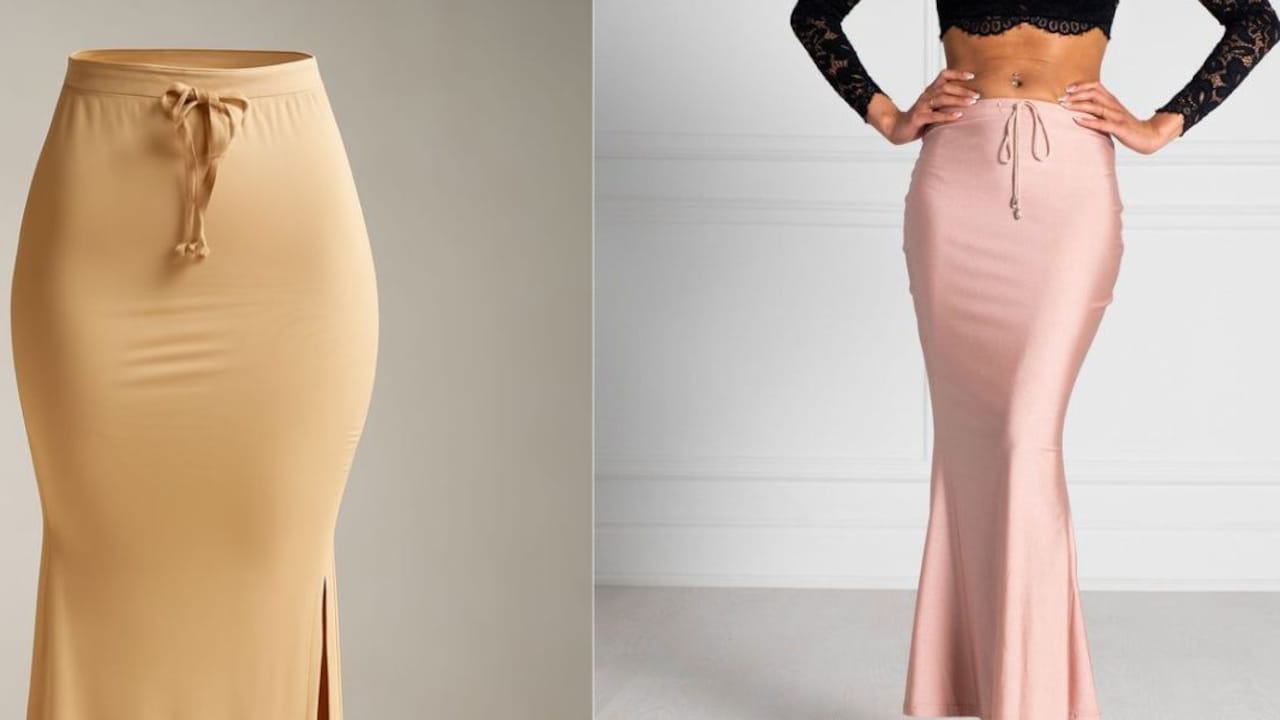
Saree Shapewear Vs Petticoats: Why Many Are Choosing Shapewear Over Traditional Petticoats.
The saree has never needed reinvention. It remains one of the most versatile garments ever created, capable of appearing regal at weddings, effortless at family gatherings, and professional in office corridors. For decades, one quiet companion supported every drape, the petticoat. Often stitched from cotton, tied with a drawstring, and available in familiar shades like cream, red, and black, the petticoat formed the invisible foundation of the saree.
However, wardrobes rarely stay frozen in time. As lifestyles grow busier and fashion becomes more experimental, small details begin to change. Enter saree shapewear, a modern alternative designed to simplify the draping process while offering a smoother silhouette.
The rise of shapewear does not suggest that tradition lacks charm. Instead, it reflects the natural evolution of clothing that adapts to new needs. Urban professionals rushing to early meetings, brides dancing through long receptions, and travellers navigating crowded metro stations all seek comfort alongside elegance.
Fashion conversations across boutiques, tailoring shops, and family WhatsApp groups now often include the same question: shapewear or petticoat? Each option tells a different story about comfort, practicality, and style. Understanding why shapewear is gaining popularity reveals how contemporary wardrobes balance heritage with convenience.
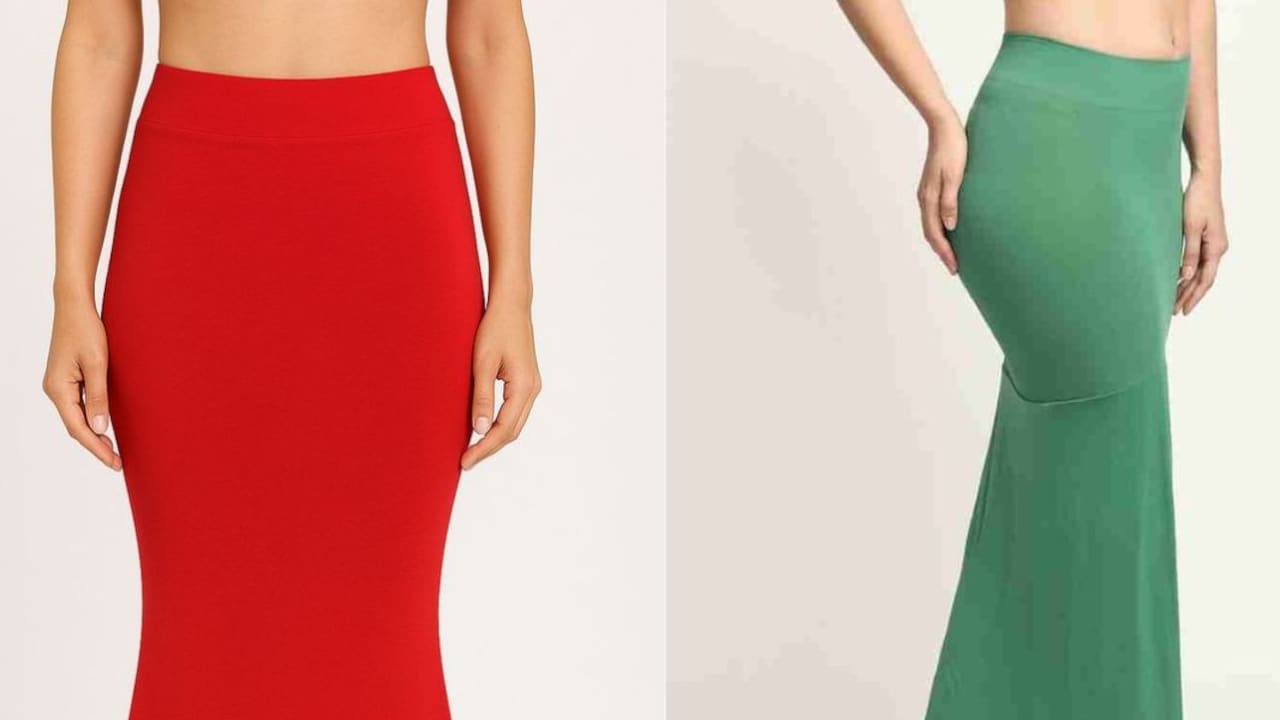
Saree Shapewear Vs Petticoats: Why Many Are Choosing Shapewear Over Traditional Petticoats.; Photo Credit: Pexels
Why Saree Shapewear Is Gradually Replacing Traditional Petticoats
The Evolution Of Saree Foundations
The petticoat has long served as the base layer beneath a saree. Earlier generations stitched them at neighbourhood tailoring shops, often selecting sturdy cotton fabrics that could survive countless washes. Drawstrings allowed easy adjustments, though they also required careful tightening to avoid slipping while walking.
Over time, clothing habits began to change. Women travelled more frequently, worked longer hours outside the home, and attended social events that demanded both style and mobility. The traditional petticoat sometimes struggled to meet these evolving expectations. Bulky pleats around the waist and uneven drapes occasionally disrupted the sleek fall of modern sarees.
Shapewear entered the scene as a response to these practical concerns. Designed with stretchable fabrics, it hugs the body gently and creates a smooth surface for draping. The garment often resembles a long skirt with structured panels, allowing saree pleats to stay in place without constant adjustment.
This shift reflects a broader transformation in fashion thinking. Rather than treating underlayers as purely functional, designers now see them as essential elements of the final look. The saree foundation has moved from being hidden and overlooked to becoming a carefully engineered component of style.
The Promise Of A Smoother Silhouette
One of the most noticeable advantages of saree shapewear lies in the silhouette it creates. Traditional petticoats sometimes gather excess fabric around the waist or hips. When layered beneath lightweight fabrics like chiffon or georgette, these folds can appear bulky and disrupt the elegant fall of the saree.
Shapewear addresses this issue through structured stitching and stretchable materials. The garment fits snugly while remaining breathable, allowing the saree to glide smoothly over the body. The result is a streamlined look that complements modern draping styles.
Bridal stylists and fashion consultants frequently highlight this feature. Photographs captured during weddings or festive celebrations often emphasise clean lines and balanced proportions. Shapewear helps maintain these visual elements without requiring constant adjustments.
The difference becomes especially visible with contemporary sarees that feature pre-stitched pleats or lighter fabrics. When the base layer remains smooth, the entire outfit appears more polished. Many wearers describe the experience as similar to placing a neatly ironed bedsheet over a perfectly flat mattress; everything simply falls into place.
This promise of a refined silhouette explains why shapewear has gained popularity among those who value both tradition and a modern aesthetic.
Also Read: 5 Must-Try Shapewear Pieces For Sarees That Instantly Smooths Your Silhouette
Comfort During Long Hours
Sarees often accompany moments that stretch far beyond a few hours. Weddings begin early with rituals and continue late into the night with music, dancing, and endless photographs. Office celebrations, cultural festivals, and family gatherings can also last for extended periods.
Traditional petticoats sometimes become uncomfortable during such occasions. Drawstrings dig into the waist after several hours, while stiff fabrics restrict movement. Climbing stairs, sitting cross-legged during ceremonies, or simply walking through crowded venues may feel slightly awkward.
Saree shapewear aims to solve these discomforts. Elastic waistbands distribute pressure more evenly across the body. Stretch fabrics allow easier movement without compromising support. Many designs also include small side slits, making it easier to walk naturally.
Comfort plays a powerful role in fashion choices. When clothing allows freedom of movement, confidence increases naturally. Guests enjoy conversations instead of worrying about slipping knots. Brides glide across the stage without adjusting their drapes every few minutes.
This shift towards comfort reflects modern expectations of traditional attire. The saree remains unchanged in its beauty, but the layers beneath it evolve to match contemporary lifestyles.
A Friendlier Option For Beginners
Draping a saree often feels like an art form passed down through generations. Grandmothers demonstrate the technique patiently, adjusting pleats and guiding fabric across shoulders. Yet newcomers sometimes find the process intimidating.
Traditional petticoats require careful knot tying before the draping begins. If the knot loosens slightly, the entire saree risks shifting. Beginners often worry about this possibility, especially during public events.
Shapewear simplifies the process considerably. With a secure waistband already in place, the wearer can tuck saree pleats confidently without worrying about adjusting knots. The fitted shape also keeps pleats stable throughout the day.
This ease proves particularly helpful for those experimenting with sarees for the first time. College farewell parties, office celebrations, or festive gatherings often inspire first attempts at draping. Shapewear acts like a supportive guide, reducing the chances of wardrobe mishaps.
Fashion should invite participation rather than create anxiety. By simplifying the draping process, shapewear encourages more people to embrace the saree with confidence and curiosity.
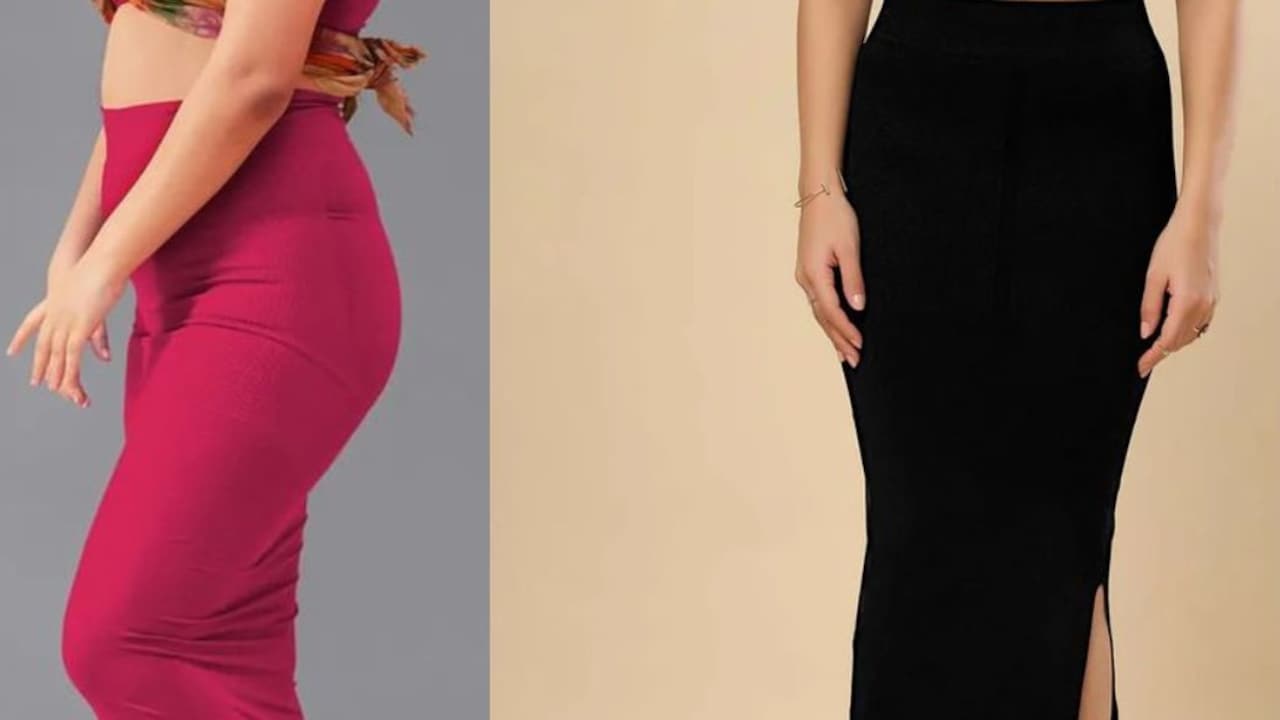
Saree Shapewear Vs Petticoats: Why Many Are Choosing Shapewear Over Traditional Petticoats.; Photo Credit: Pexels
The Influence Of Contemporary Fashion Trends
Fashion rarely stays static. Designers constantly reinterpret traditional garments, experimenting with fabrics, cuts, and styling techniques. Sarees now appear in unconventional materials, from metallic tissue to fluid satin blends.
These innovations influence the garments worn underneath. Lightweight fabrics demand foundations that remain discreet and supportive. Traditional petticoats sometimes struggle to maintain the sleek lines required by modern designs.
Shapewear fits naturally into this evolving fashion landscape. Its structured silhouette complements contemporary draping styles, including mermaid drapes and belt-accented sarees. Stylists often pair shapewear with designer sarees to create runway-ready looks.
Social media platforms have also amplified these trends. Fashion influencers demonstrate draping tutorials, styling hacks, and wardrobe transformations to thousands of followers. Shapewear frequently appears in these videos as a quick solution for achieving polished results.
This visibility influences consumer behaviour. When viewers see celebrities or stylists praising shapewear, curiosity naturally grows. Gradually, the garment transitions from a niche product into a widely accepted alternative.
Breathable Fabrics For Busy Days
Earlier petticoats often relied on thick cotton fabrics designed primarily for durability. While these materials offered strength, they sometimes felt heavy during humid afternoons or crowded festivities.
Shapewear manufacturers now focus heavily on breathable textiles. Blended fabrics combine elasticity with moisture-wicking properties, helping wearers stay comfortable throughout the day. This improvement proves particularly valuable during summer weddings or outdoor events.
Imagine navigating a lively celebration hall filled with bright lights, music, and enthusiastic dancers. Temperatures rise quickly, and heavy clothing becomes difficult to manage. Lightweight shapewear offers relief by allowing better airflow.
Many designs also include subtle compression zones that support posture without restricting movement. The result feels supportive yet flexible, almost like a second skin beneath the saree.
Breathable fabrics demonstrate how modern garment engineering influences traditional attire. Comfort technology quietly enhances the saree experience without altering its timeless appearance.
Confidence That Comes With Structure
Clothing influences posture and body language more than many people realise. When garments fit comfortably and remain secure, confidence naturally follows. Traditional petticoats sometimes shift during long hours, leading to subtle anxiety about the drape.
Shapewear introduces a gentle structure that holds the saree firmly in place. The fitted design keeps pleats aligned and prevents unnecessary shifting while walking or sitting. This stability allows wearers to focus on conversations, celebrations, and photographs instead of wardrobe adjustments.
Confidence often grows from such small details. A smooth drape creates a sense of readiness, similar to wearing well-fitted shoes before an important meeting. The wearer moves freely without constant self-consciousness.
Brides, performers, and professionals frequently appreciate this benefit. Events involving stage appearances or public speaking require complete focus. When the saree foundation remains reliable, attention shifts towards the moment rather than the outfit.
The emotional comfort provided by shapewear explains much of its growing popularity.
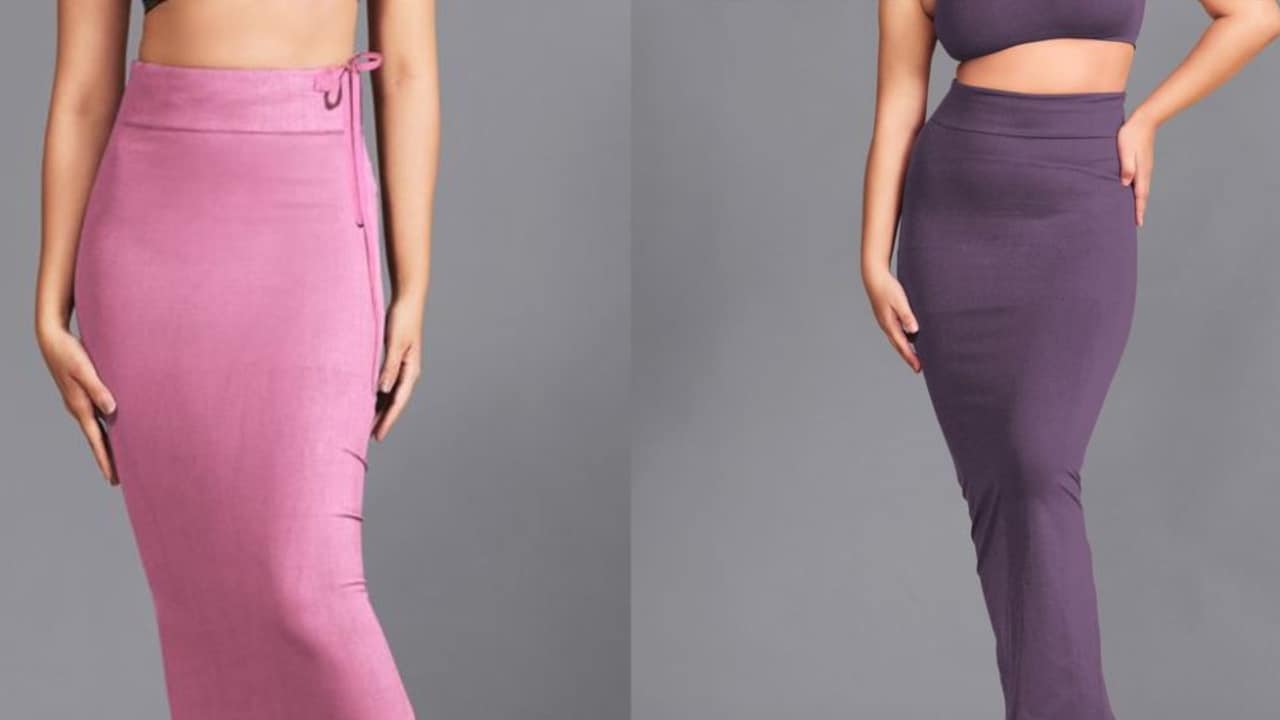
Saree Shapewear Vs Petticoats: Why Many Are Choosing Shapewear Over Traditional Petticoats.; Photo Credit: Pexels
Convenience In Modern Wardrobes
Modern wardrobes prioritise efficiency. Many households juggle packed schedules that include work commitments, travel, family events, and social gatherings. Clothing that simplifies preparation quickly becomes valuable.
Petticoats often require custom stitching or careful sizing adjustments. Drawstrings may loosen after repeated washes, prompting occasional repairs. While none of these issues appears serious, they add small inconveniences to busy routines.
Shapewear offers a ready-to-wear alternative. Available in standard sizes, it fits easily into everyday wardrobes without additional tailoring. Elastic waistbands adjust naturally, eliminating the need for repeated fittings.
This convenience appeals particularly to younger consumers who prefer quick dressing routines. When preparing for an evening event after a long workday, simplicity matters. Slipping into shapewear and draping a saree saves precious time.
The shift towards convenience reflects broader lifestyle changes. Fashion increasingly adapts to fast-paced routines while preserving cultural identity.
The Price Perspective
Cost often shapes purchasing decisions, especially when exploring new fashion products. Traditional petticoats remain affordable, with many tailors stitching them for modest amounts ranging from ₹250 to ₹600, depending on fabric quality.
Saree shapewear typically falls within a slightly higher price range, often between ₹800 and ₹2,500, depending on brand and material. At first glance, this difference may appear significant.
However, many consumers consider the longevity and versatility of shapewear. The durable stretch fabrics maintain their structure through multiple washes. One well-made piece can support several sarees in different styles.
Some shoppers also view shapewear as a hybrid garment. Its sleek appearance allows it to double as a base layer beneath long skirts or fusion outfits. This added functionality increases its value.
Ultimately, the price difference reflects design innovation and fabric technology. Consumers weigh these factors against personal preferences, balancing tradition with modern convenience.
Tradition Still Holds Its Charm
Despite the growing popularity of shapewear, the traditional petticoat continues to hold sentimental value. Many households associate it with memories of mothers carefully folding sarees after festive evenings or grandmothers sharing draping secrets.
Cotton petticoats carry a familiar comfort rooted in routine. Their simple construction and breathable fabric remain ideal for daily wear. Some saree lovers even prefer the slight volume they create, believing it enhances the classic drape.
Fashion rarely replaces tradition completely. Instead, it expands the range of choices available. Petticoats and shapewear coexist in wardrobes, each serving different occasions and preferences.
Festivals steeped in nostalgia often inspire the use of traditional garments. Meanwhile, formal events or contemporary celebrations may encourage experimentation with shapewear.
This coexistence highlights the adaptability of cultural clothing. Rather than abandoning heritage, modern wardrobes reinterpret it with creativity and practicality.
Products Related To This Article
1. Alyne Women Shapewear
2. Styleregain New Petticoat Lycra Blend
3. Mayank Bazaar Women Shapewear
4. Kashvi Sp Ai Lr Sw01 2 Lycra Blend Polyester Petticoat
5. Poojaran Women Shapewear
6. Laptraded Women Shapewear
The saree continues to evolve without losing its timeless essence. From handwoven silks to modern organza blends, the garment adapts gracefully to changing fashion landscapes. The shift from petticoats to shapewear represents another chapter in this ongoing journey.
Saree shapewear offers smoother silhouettes, improved comfort, and practical convenience. These qualities appeal to modern lifestyles that demand both elegance and mobility. Yet the traditional petticoat remains an enduring symbol of heritage, cherished for its simplicity and familiarity.
Fashion rarely chooses between past and present. Instead, it allows both to exist side by side, enriching wardrobes with variety and meaning. Some occasions call for the nostalgic comfort of a classic petticoat, while others invite the sleek confidence of shapewear.
Ultimately, the saree itself remains the true star. Whether supported by tradition or innovation, its beauty continues to captivate generations and redefine elegance with every graceful drape.
(Disclaimer: This article may include references to or features of products and services made available through affiliate marketing campaigns. NDTV Convergence Limited (“NDTV”) strives to maintain editorial independence while participating in such campaigns. NDTV does not assume responsibility for the performance or claims of any featured products or services.)