10 Draping Mistakes That Make Satin Sarees Shift, Loosen And Lose Their Pleats
Satin sarees can slip, loosen and lose their pleats when draped incorrectly. From poor tucking to weak pinning, these 10 common mistakes can ruin the fit, fall and finish of the saree.
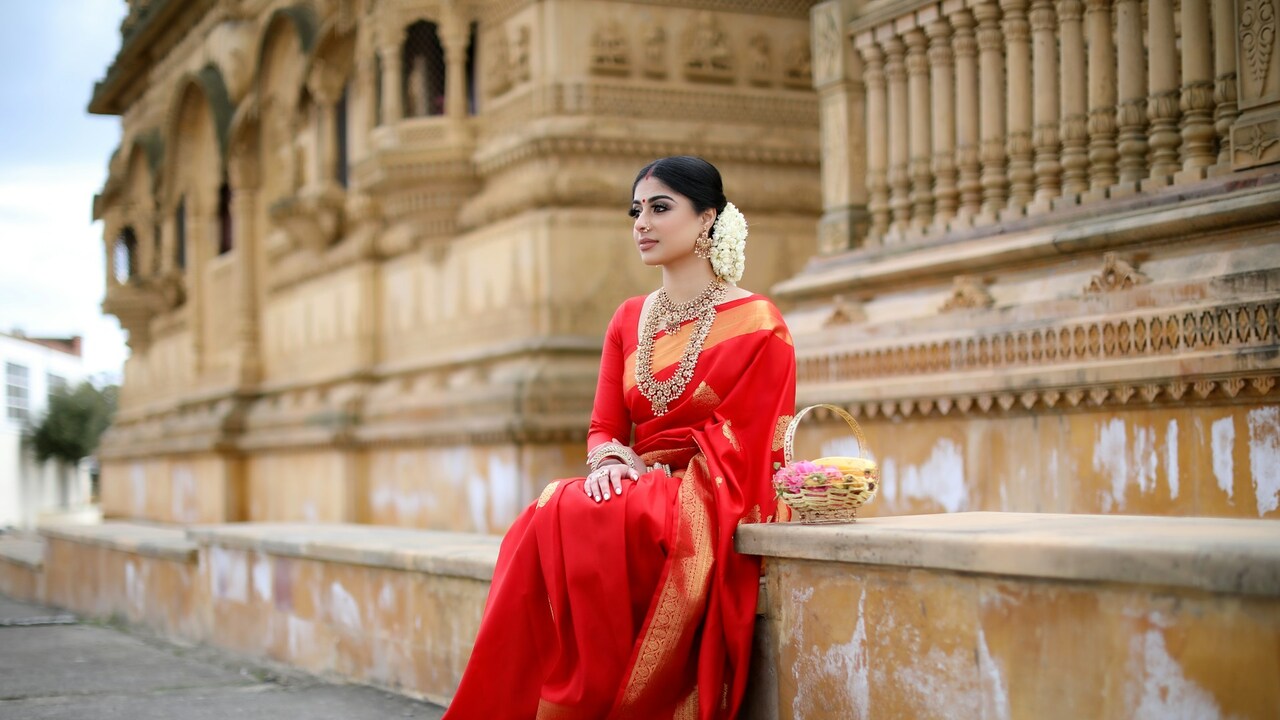
Avoid these satin saree mistakes to get a gorgeous look at every celebration
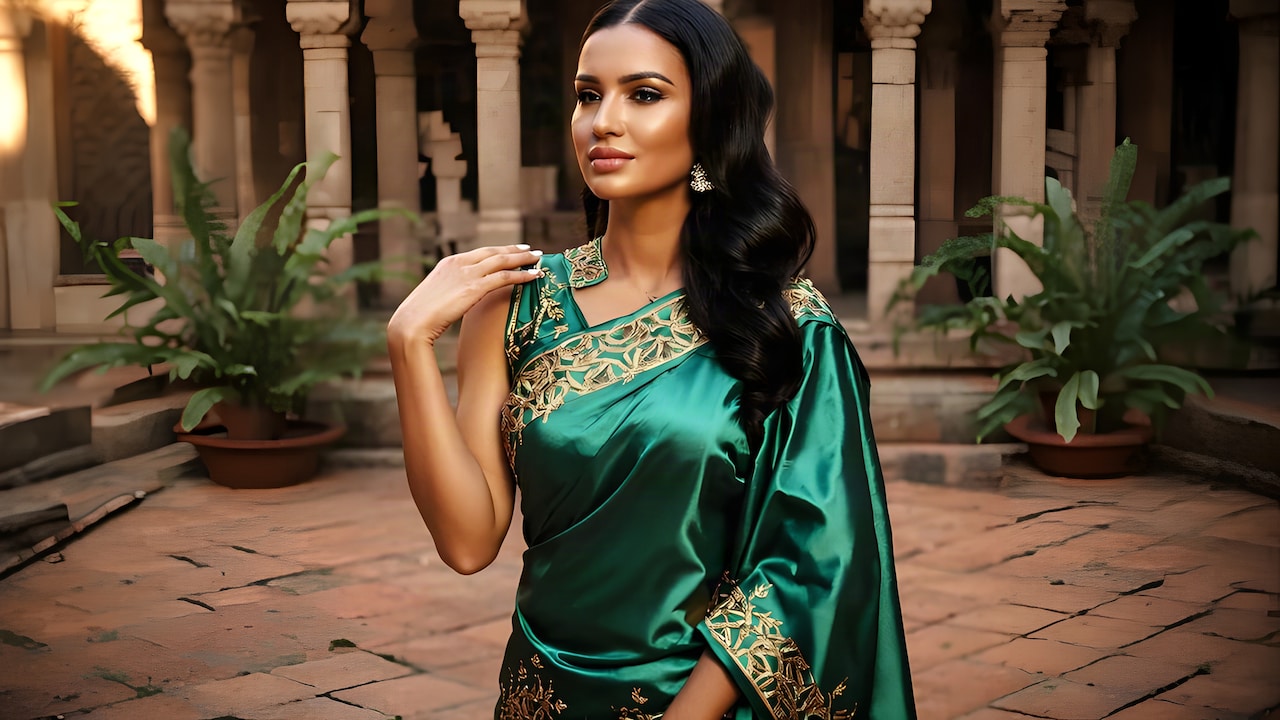
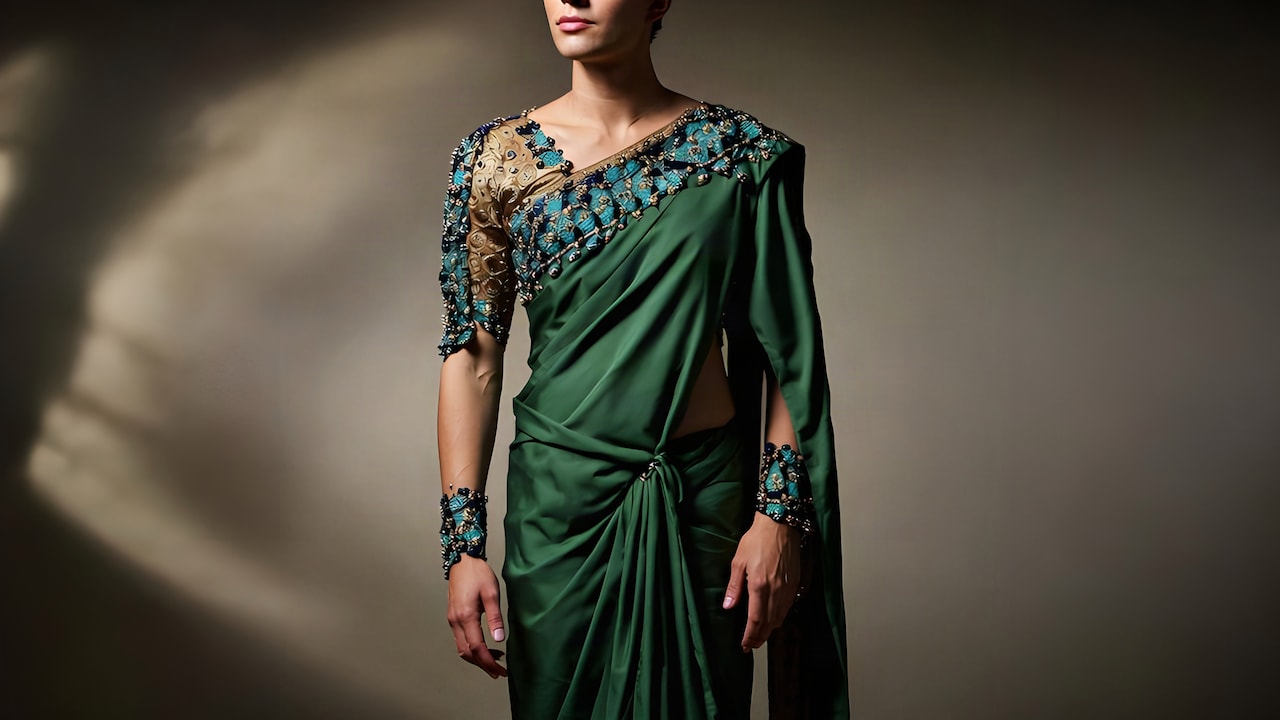
There is something undeniably dramatic about satin. Under wedding lights, festive decorations or the soft glow of an evening function, the fabric looks rich without needing much embellishment. A plain satin saree can sometimes make more of an entrance than one covered in embroidery. Then comes the difficult part: keeping it where it belongs. Unlike cotton, linen or other fabrics with a little natural grip, satin has a smooth surface that happily slides against almost everything it touches. The saree that looked perfectly arranged in front of the mirror can begin developing a personality of its own after twenty minutes of walking, greeting relatives and repeatedly getting up for photographs.

Common saree draping mistakes that can ruin your look; Photo Credit: Pexels
Fortunately, satin does not require mysterious draping talent. Most slipping problems come from a handful of practical mistakes. Fix those, and the fabric becomes far easier to manage.
Also Read: Dreamy Florals And Soothing Pastels: Explore Elegant Sarees For Women
Common Satin Saree Draping Mistakes To Avoid
1. Choosing A Petticoat With A Slippery Surface
The saree may receive all the compliments, but the petticoat quietly does most of the structural work. Pairing satin with a glossy or slippery underskirt creates one of the biggest draping problems. Two smooth fabrics rubbing against each other offer very little resistance, so the saree gradually travels around the waist as the wearer moves.
A cotton or cotton-blend petticoat generally provides better grip. It gives the tucked fabric something to hold on to instead of allowing it to glide freely. The fit matters just as much. An underskirt that sits loosely around the waist cannot support heavy front pleats for long.
The drawstring should feel secure without digging painfully into the skin. If it begins loosening after dinner, the saree will follow shortly afterwards.
Consider the petticoat the foundation of the entire drape. Nobody notices it when everything works perfectly. Choose the wrong one, though, and half the evening may involve discreetly checking whether the pleats are still facing forward.
2. Tucking The Saree Too Shallow At The Waist
A quick little tuck may seem enough while standing still in front of a mirror. Satin usually disagrees once movement begins.
Shallow tucking leaves very little fabric inside the waistband, which makes the saree vulnerable to every step, turn and enthusiastic dance-floor appearance. The problem often starts near the side or back and slowly affects the entire drape. Before long, the lower edge begins dropping and the front pleats start pulling away from their original position.
The first full round around the waist needs a firm, reasonably deep tuck. Avoid stuffing excessive fabric into the petticoat, but make sure enough material sits securely inside the waistband.
Pay special attention to the sides because those areas experience plenty of movement while walking and sitting. Run a hand gently around the waist after completing the first tuck. Any section that feels noticeably looser deserves attention before the pleats begin.
A secure base may take an extra minute, but it can save countless nervous adjustments later.
3. Making Front Pleats Too Wide
Beautiful front pleats should look neat, not ambitious.
Very wide pleats may appear impressive during draping, but satin rarely holds broad folds as obediently as a crisp cotton saree. The smooth fabric lets the layers slide against one another, causing the pleats to spread, twist or lose their clean vertical lines.
Smaller, evenly sized folds are usually easier to control. They create a compact bundle at the waist and distribute the fabric more neatly. The exact width depends on the saree and the wearer's height, but consistency matters more than chasing a particular measurement.
Use fingers to align every fold before gathering the pleats together. Check that the borders sit one behind another rather than forming a staircase across the floor.
There is also no prize for creating fifteen microscopic pleats. Too many layers become bulky and difficult to secure. The goal is balance: enough folds to create graceful movement without building what feels like a small fabric sandwich at the waist.
With satin, tidy and manageable nearly always beats dramatic and oversized.
4. Skipping The Pleat Pin At The Top
Pins may not feel glamorous, but neither does watching front pleats open while walking towards the buffet.
Satin pleats benefit enormously from being secured together before they are tucked into the waist. Without a pin, every layer remains free to move independently. A few steps can make one fold slide forward while another disappears behind it, leaving the pleats uneven.
Arrange the folds carefully, hold them together and place a small safety pin horizontally near the upper section. The pin should secure the layers without sitting so low that it becomes visible.
The entire pleat bundle can then be tucked into the petticoat as one controlled unit.
Some wearers avoid pins because they fear damaging delicate fabric. That concern makes sense. Using a small, smooth safety pin and avoiding forceful tugging reduces the risk significantly. Pinning through several layers also spreads the tension instead of placing pressure on one thin section.
Think of the pin as backstage crew: invisible to everyone else, yet responsible for preventing a very public wardrobe rebellion.
5. Forgetting To Secure The Pleats To The Petticoat
Pinning the pleats together solves only half the problem. The entire bundle can still shift if nothing anchors it to the waist.
This becomes especially noticeable with satin because the pleat bundle carries considerable weight. As the wearer walks, that weight pulls downwards and slightly sideways. Eventually, the neatly centred pleats may begin travelling towards one hip.
After tucking them in, use another small safety pin to connect the upper portion of the pleats discreetly to the petticoat. This gives the folds a fixed position and reduces pressure on the tuck alone.
Placement matters. Keep the pin hidden beneath the saree and make sure it does not catch the skin while sitting. A quick movement test helps. Take a few steps, sit down once and bend slightly before leaving home.
If the pleats remain centred during this miniature rehearsal, chances are they will survive a busy evening far better.
Satin looks effortless when worn well, but a little hidden engineering usually deserves the credit.

Don't forget to secure your pleats to the petticoat
Photo Credit: Pexels
6. Leaving The Pallu Completely Unsecured
A flowing satin pallu looks spectacular in photographs. In real life, it can also slip from the shoulder every few minutes.
The problem comes from satin's smooth texture combined with the natural movement of the upper body. Walking, reaching for something or turning suddenly can send an unsecured pallu sliding backwards. A handbag strap or dupatta from someone standing nearby may finish the job.
Even when wearing the pallu open, secure it discreetly at the shoulder with a small safety pin. Pinning the saree to the blouse provides enough stability while allowing the rest of the fabric to fall naturally.
For a pleated pallu, arrange the folds before pinning rather than trying to correct them once they are already sitting on the shoulder.
The pin should support the fabric, not pull it tightly. Too much tension can distort the neckline or make the saree look stiff.
A graceful pallu should move slightly. It simply should not attempt to leave the shoulder during every family photograph.
7. Wearing A Poorly Fitted Blouse
The blouse may appear separate from the draping process, yet its fit affects satin more than many people realise.
A loose blouse gives the shoulder pin an unstable base. As the garment shifts, the pallu moves with it. At the other extreme, an extremely tight blouse can restrict movement and create pulling around the shoulder, encouraging the saree to slide whenever the arms move.
A well-fitted blouse should sit comfortably across the shoulders, underarms and bust without riding upwards. This becomes particularly important when the pallu carries embroidery, sequins or a heavy border.
The fabric of the blouse also matters. Extremely slippery materials can make the pallu harder to control. A blouse with some texture often provides better grip beneath the saree.
Before the event, raise both arms, turn from side to side and sit for a moment. If the blouse stays comfortably in place, the pallu has a much better chance of doing the same.
Fashion may involve sacrifice occasionally. Breathing properly should not be one of them.
8. Ignoring The Saree Length While Draping
Many satin draping disasters begin at floor level.
If the saree sits too low, the wearer may accidentally step on the hem. That single tug can pull fabric from the waist, loosen the pleats and disturb the pallu almost immediately. An excessively short drape creates another problem: the saree may look awkward and restrict natural movement.
Footwear should ideally be worn before setting the final length. This gives a realistic idea of where the hem will fall. Whether the evening involves flats, kitten heels or towering festive footwear, changing shoes after draping can alter the saree's entire proportion.
Aim for a length that lightly skims the top of the footwear without dragging heavily across the floor.
After the first waist round, walk a few steps before continuing. If the fabric catches under the feet, adjust it immediately rather than hoping the problem somehow disappears.
Satin already brings enough drama through its shine. The evening does not need the additional drama of discovering the hem beneath a sandal halfway through a staircase.
9. Pulling The Saree Too Tight Around The Body
Fear of slipping often creates the opposite mistake: wrapping satin so tightly that movement becomes difficult.
A very tight drape places constant tension on the waist tuck, pleats and pallu. Sitting down or taking a longer step suddenly demands extra fabric, so something has to give. Usually, the waist begins loosening or the pleats start pulling sideways.
The saree should follow the body without behaving like cling film. Keep the first waist round smooth and secure, but allow enough ease for comfortable movement.
After draping, perform a few ordinary actions. Sit in a chair, walk across the room and lift one foot as though climbing a step. Nothing should feel strained.
Comfort also affects appearance. Someone constantly tugging at a tight saree rarely feels relaxed, no matter how elegant the fabric looks.
The best satin drape creates a clean silhouette while still allowing breathing room. Secure does not mean restrictive. A saree should accompany the wearer through the evening, not negotiate permission for every step.
10. Leaving Home Without A Final Movement Check
A saree can look flawless while standing perfectly still. Unfortunately, celebrations rarely involve standing like a mannequin for four hours.
Before leaving home, spend two minutes testing the drape through movement. Walk around, sit down, stand again, turn sharply and raise the arms. Check the front pleats, waist tuck and pallu afterwards.
This simple routine reveals problems that a mirror cannot. Perhaps the pleats spread when sitting. Maybe the pallu pin feels uncomfortable when the arm lifts. The hem might catch beneath the heel after only three steps.
Fixing these issues at home takes seconds. Discovering them while entering a packed venue is considerably less convenient.
Carry two or three small safety pins in a handbag as backup. They barely take up space and can rescue a loose pleat, troublesome pallu or weakening tuck before anyone notices.
The final movement check may sound overly cautious, but satin rewards preparation. Better to perform one slightly ridiculous practice walk at home than spend the celebration holding the saree together with one hand.
Products Related To This Article
1. all about you Embroidered Satin Saree
2. Anouk Embellished Floral Sequinned Organza Saree
3. P K SAREES Ethnic Motifs Satin Patola Saree
4. Anouk Sea Green Floral Satin Saree
5. RACHNA Satin Ready to Wear Saree
6. Mitera Beads and Stones Satin Saree
7. Libas Ivory Floral Printed Satin Saree With Unstitched Blouse Piece
Satin sarees have a reputation for being difficult, but the fabric is not impossible to manage. Its smoothness simply leaves less room for careless draping.
A supportive petticoat, secure waist tuck, evenly arranged pleats and carefully positioned pins can transform the way the saree behaves. Paying attention to blouse fit, hem length and movement makes an equally important difference.
Most importantly, avoid treating pins and adjustments as signs of poor draping. They are practical tools that help delicate fabric stay polished through walking, sitting, dancing and the inevitable round of photographs.
Once the structure feels secure, the wearer can stop thinking about the pleats and enjoy what satin does best: catching the light, creating graceful movement and making even a simple drape feel ready for a special occasion.
(Disclaimer: This article may include references to or features of products and services made available through affiliate marketing campaigns. NDTV Convergence Limited (“NDTV”) strives to maintain editorial independence while participating in such campaigns. NDTV does not assume responsibility for the performance or claims of any featured products or services.)