Should You Buy Ethnic Wear Now Or Wait For The Festive Sales?
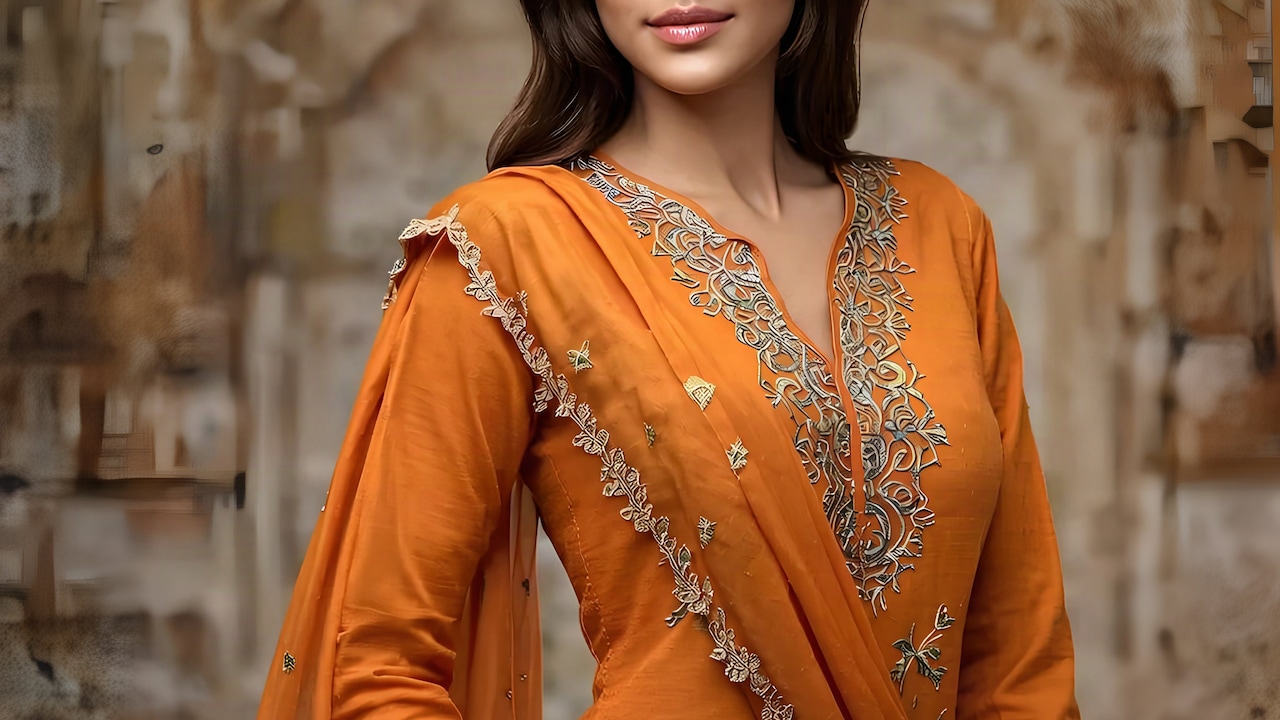
Confused whether to buy ethnic wear today or hold off for festive discounts? Here's what you need to know and how you can make the right buying decision.
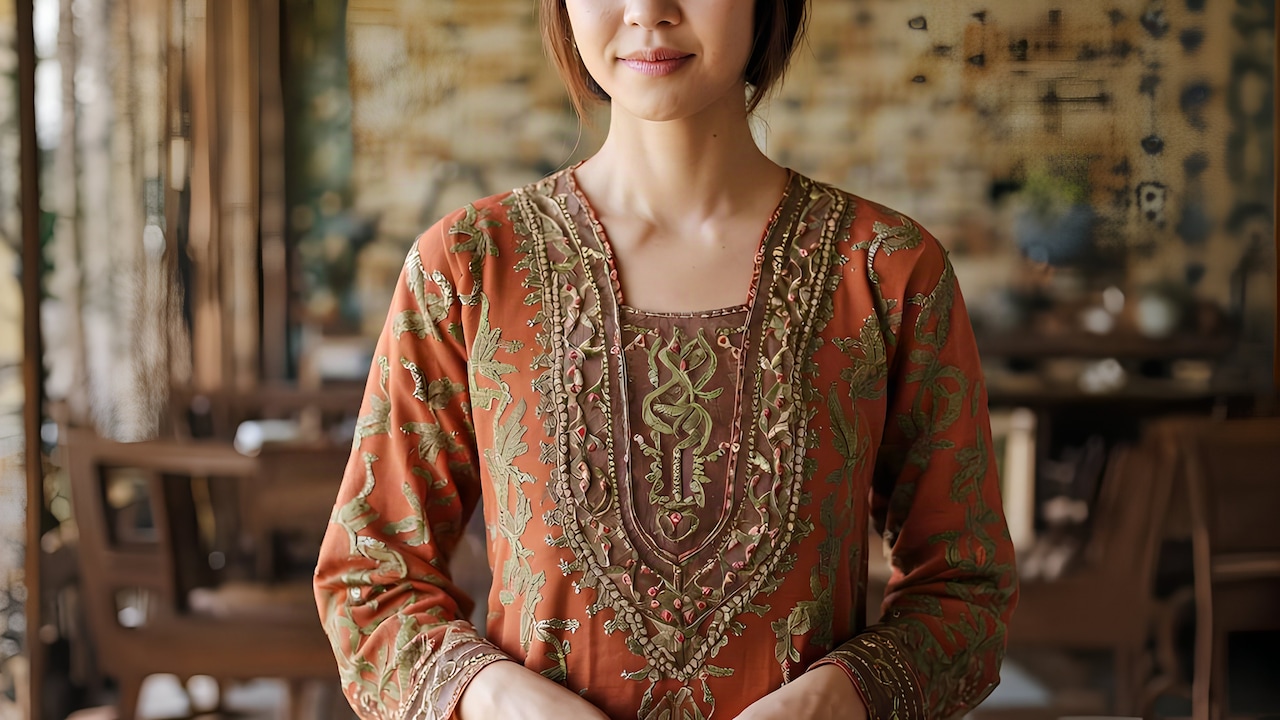
What is the right time to buy ethnic sets for women
Every year, around July or August, the same question pops up in every WhatsApp family group and every girls' gang chat. Should you buy that kurta set now or wait for the Diwali sales? It sounds like a small decision, but anyone who has ever bought a ₹3,000 outfit only to see it at ₹1,500 three weeks later knows the sting is real.
What Actually Happens To Ethnic Wear Prices During The Festive Season
Photo Credit: iStock
The honest answer isn't a flat yes or no; it depends on what you're buying, when you need it, and how patient you are. So before you add that Anarkali to your cart or close the tab thinking you'll wait, let's actually break down what happens to ethnic wear prices as the festive season approaches.
Also Read: Desi Glam With Modern Twist: Grab Stunning Backless Suit Sets On Discount
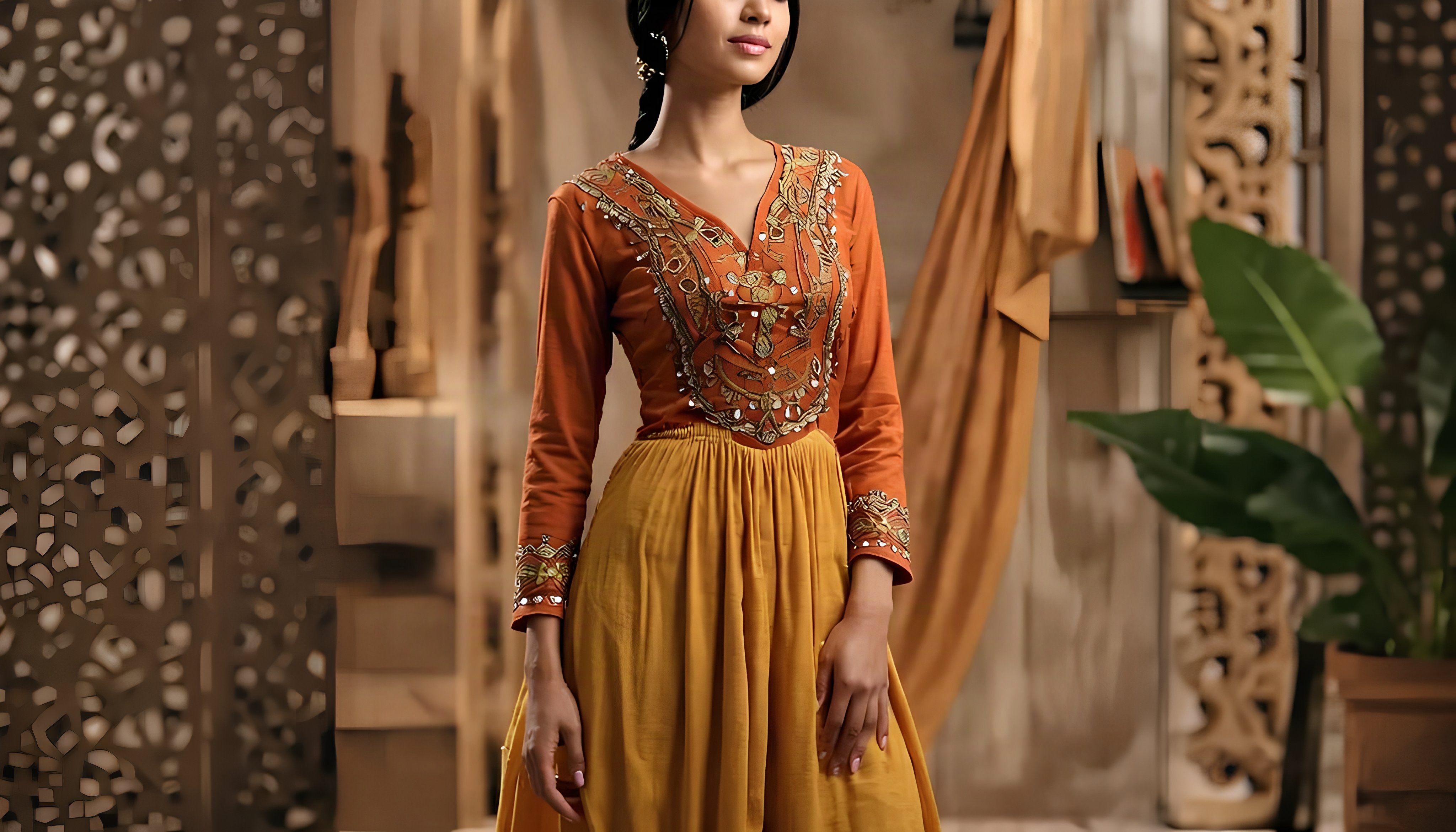
What Actually Happens To Ethnic Wear Prices During The Festive Season
Ethnic wear pricing follows a pattern that's fairly predictable once you've watched it a couple of times. Brands don't just wake up one day and slash prices. There's a build-up, a peak, and then a clearance phase, and each stage behaves a little differently.
1. The Early Discounts Start Weeks Before the Festival
Most platforms roll out their first round of festive offers about four to six weeks before Diwali or Navratri. These aren't the deepest cuts, usually somewhere between 10 and 20% off, but new stock also drops around this time. So this period is when you get the best combination of fresh designs and decent pricing.
2. The Real Price Drop Happens Closer To The Festival
This is the phase everyone waits for. About one to two weeks before the festival, discounts often go up to 40 or even 60%, especially on kurta sets and sarees that have been sitting in inventory for a while. The catch here is that size and colour availability shrink fast, as everyone else is shopping at the same time.
3. Post-Festival Clearance Sales Bring The Steepest Cuts
Right after the festival ends, there's usually one more wave, and this one can be brutal for your wallet, but in a good way. Unsold festive stock gets cleared at 50 to 70% off. The trade-off is obvious, though, you won't be wearing that outfit for the festival it was meant for.
When Buying Ethnic Wear Right Now Makes Sense
Waiting isn't always the best option, and there are a few situations where buying something today saves you more stress than money would.
1. You Need It For A Wedding Or Function Before The Festive Season
If there's a wedding, a haldi, or a sangeet coming up before Diwali or Navratri, waiting for a sale that lands after your event is pointless. You need the outfit when you need it, no question.
2. You've Found A Rare Size Or A Design You Actually Love
Popular sizes, especially S, M, and XL in trending prints, sell out first. If you've stumbled on something in your exact size that fits your taste, that outfit might genuinely not exist anymore by the time the sale rolls around.
3. The Current Price Is Already Reasonable
There might be a situation when you don't need to wait for a deal on a specific product, as its price is reasonable enough already. So, if a cotton kurta set costs between ₹800 and ₹1,000, it is unlikely that waiting will help you to get more significant savings and reduce the chance of selling out.
When Waiting For The Festive Sale Pays Off
Sometimes, being patient and waiting can be beneficial for saving money. Here are some scenarios:
1. You're Shopping In Bulk For The Whole Family
When purchasing five or six outfits for all your family members at once, even 30% off is quite significant. It is in such situations that waiting pays off.
2. You're Flexible On Design And Colour
If you don't have your heart set on one specific print, you have room to shop the sale and pick from whatever's discounted, rather than chasing one exact item.
How To Track Ethnic Wear Prices Before You Buy
A little tracking helps, and you don't need to refresh the page every day.
Keep an eye on price history tools like Keepa or CamelCamelCamel-style trackers, where available, since they show you if a "discount" is actually a discount or just an inflated MRP trick. Following two or three ethnic wear brands you like on Instagram also helps, because most of them announce their sale dates a few days early. And it genuinely helps to compare the same or similar outfit across two or three platforms before deciding, because the "festive price" on one site is sometimes just the regular price on another.
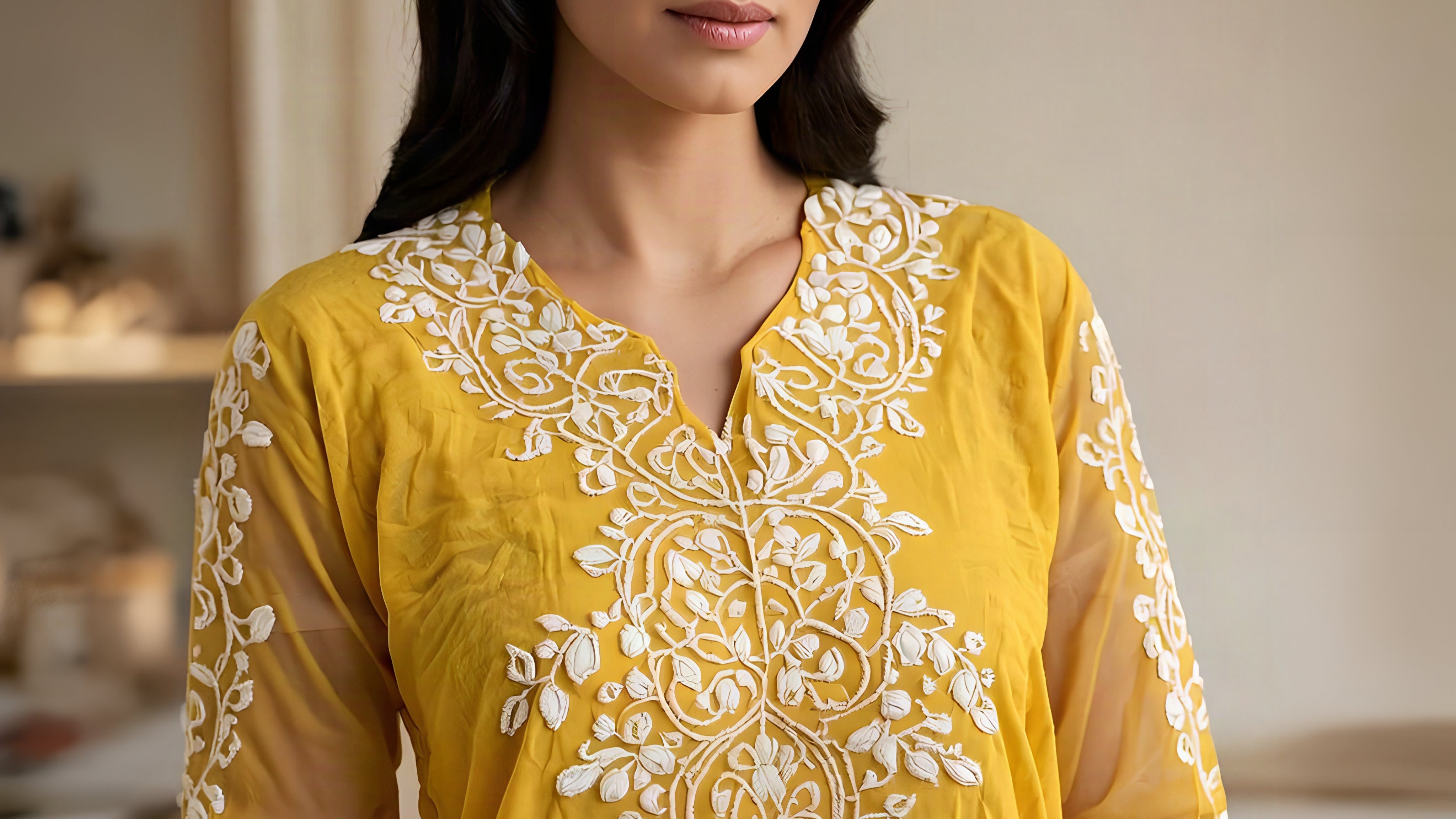
Should You Buy Ethnic Wear Now Or Wait For Sales?
Photo Credit: iStock
Some Ethnic Wear Products You May Like
1. KLOSIA Women's Rayon Printed Anarkali Kurta and Pant with Dupatta Set
2. Yashika Women's Chikankari Georgette Embroidery Kurta Set with Pant and Dupatta
3. GoSriKi Women's Roman Glass A-Line Kurta with Palazzo
4. LookMark Women's Rayon Printed Kurta Set with Dupatta
5. VredeVogel Women's Chanderi Silk Embroidered Kurta with Pant & Organza Dupatta Set
6. MOKOSH Women's Silk Embroidery Anarkali Kurta Pant with Dupatta
7. ANNI Designer Pure Cotton Embroidered Kurta Set for Women
8. Nermosa Women's Embroidery Solid A-Line Kurta and Pant Set with Dupatta
Frequently Asked Questions (FAQs)
1. How much do ethnic wear prices actually drop during Diwali sales?
Typically, the level of discounts on ethnic wear during Diwali is from 30 to 60%. It is worth mentioning that clearance sales after the festival offer the most generous discounts.
2. Is it better to buy ethnic wear online or in a local market during sales?
It depends on personal preferences, but online shops provide bigger discounts and more sizes, while the possibility to bargain is one of the advantages of shopping at the local market.
3. Do festive sale prices apply to premium or designer ethnic wear too?
Yes, it is but the percentage of discount is smaller for designer and premium labels than for mass-market brands due to premium pricing.
4. What is the best time to buy ethnic wear for the lowest price?
The lowest prices generally show up right after the festival in clearance sales, though stock and size availability drop sharply at that point.
5. Should I buy ethnic wear for kids now or wait for the sale?
Children grow up rapidly. Thus, buying the outfit if it fits now and the event is near is a preferable option.
(Disclaimer: This article may include references to or features of products and services made available through affiliate marketing campaigns. NDTV Convergence Limited (“NDTV”) strives to maintain editorial independence while participating in such campaigns. NDTV does not assume responsibility for the performance or claims of any featured products or services.)