Skinny Jeans Fit Guide: How To Choose The Most Flattering Pair For Your Body
Finding the right skinny jeans is all about fit, fabric and comfort. This guide breaks down how to choose a pair that flatters your shape, feels good all day and works for real life, not just the mirror. Find the skinny jeans of your dreams with these easy tips.
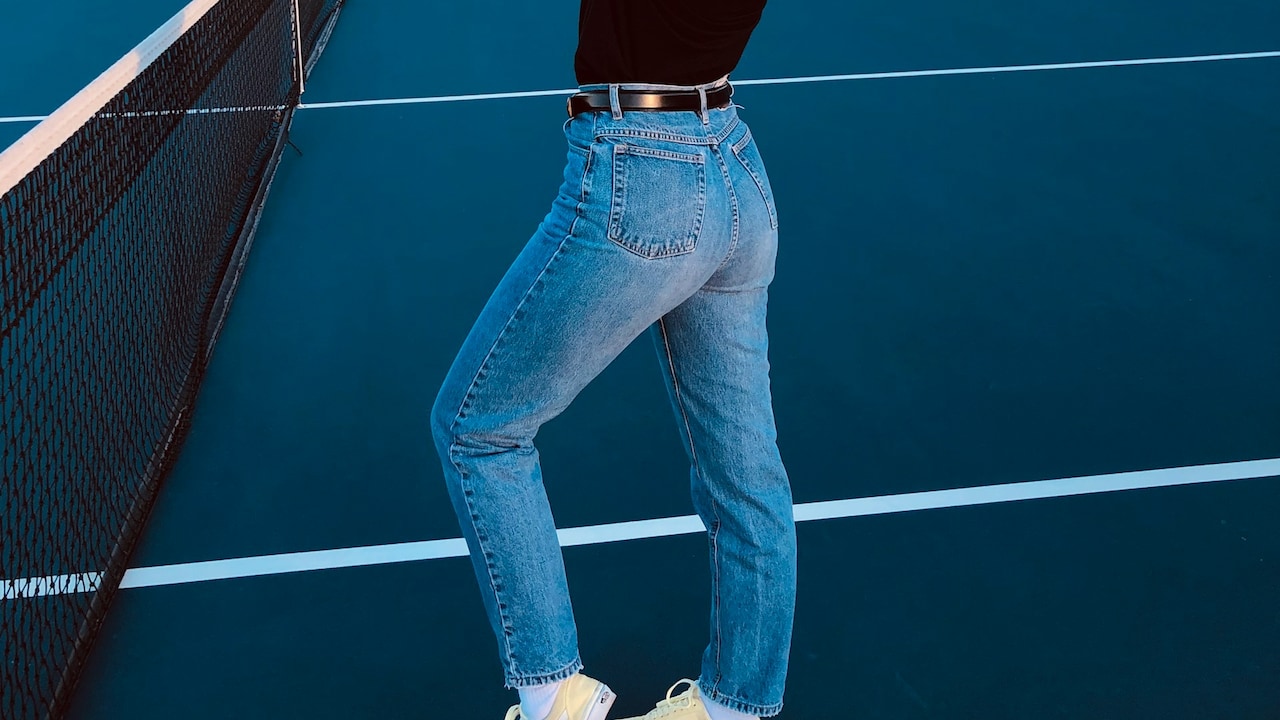
Our Skinny Jeans Fit Guide Reveals How To Choose The Perfect Pair That Flatters.
Skinny jeans have sparked debates, trends and strong opinions for years. Some swear by them, others feel personally attacked by a bad-fitting pair spotted under harsh trial-room lighting. When chosen well, skinny jeans work beautifully for everyday wear, festive styling and even long commutes. Finding the right pair of skinny jeans often feels harder than it should. Sizes vary wildly, mirrors lie shamelessly, and comfort sometimes takes a backseat to trends.
This guide aims to simplify that process. It breaks down what really matters when choosing skinny jeans. From fabric choice to rise, ankle length to styling tricks, every section focuses on helping readers feel confident, comfortable and well put together.
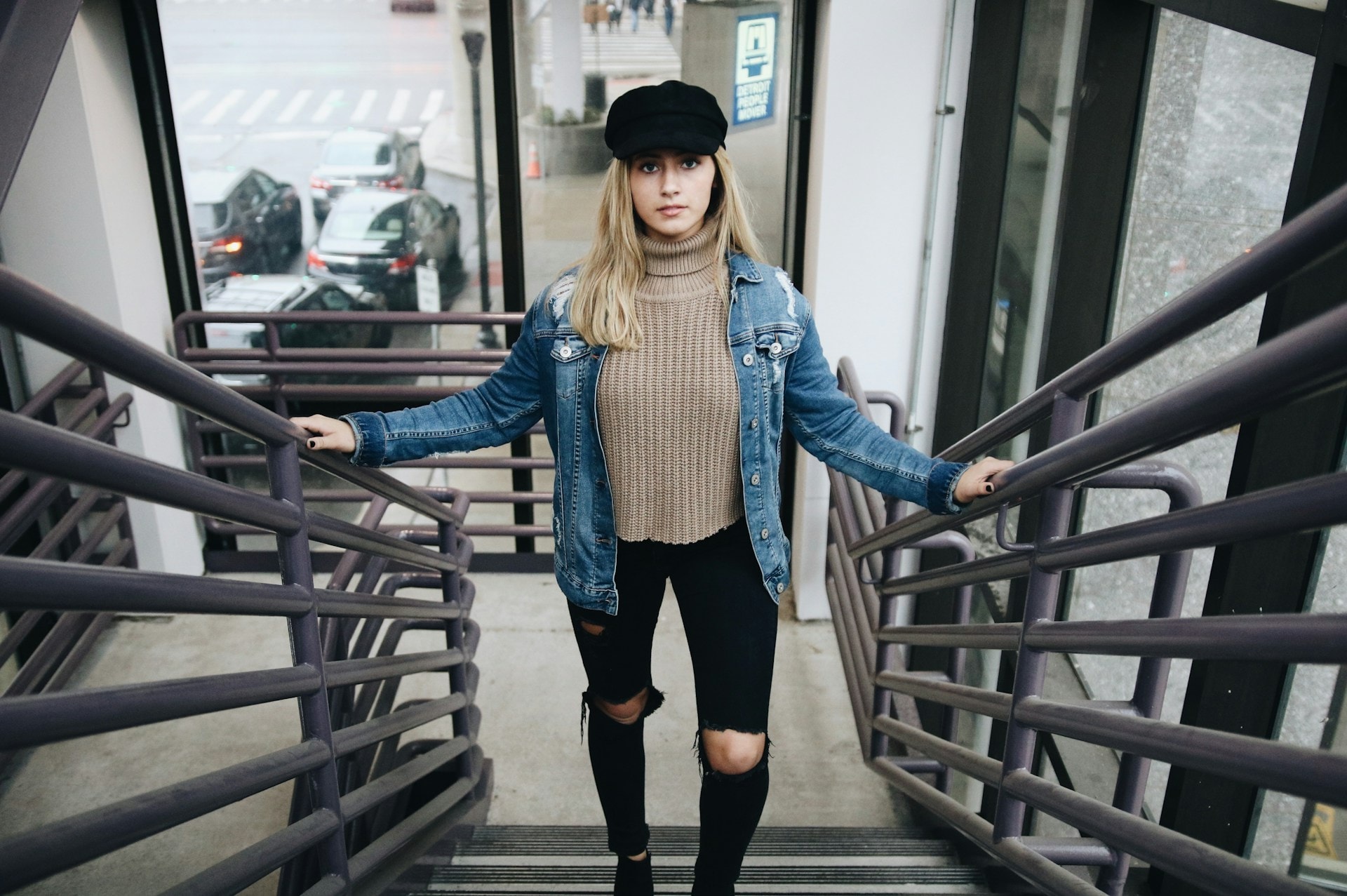
Read all about how to find skinny jeans that actually flatter your body type; Photo Credit: Unsplash
Great skinny jeans should feel good, move well and survive long days, all without costing ₹10,000 or demanding emotional recovery after a shopping trip.
Also Read: 10 Best Skinny Jeans Outfit Ideas For The Monsoon: Stay Chic And Comfortable
Before Buying Skinny Jeans, Keep These Fit Essentials in Mind
1. Understand the True Skinny Fit (Not the Suffocating Kind)
Skinny jeans often get mistaken for jeans that feel painted on. That version belongs firmly in the past. A good skinny fit hugs the legs without cutting circulation or restricting movement. The fabric should skim the body, not wrestle with it.
When trying on a pair, bending the knees should feel natural. Sitting down must not trigger immediate regret. If seams pull aggressively at the thighs or knees, the size or cut simply does not work. Modern skinny jeans rely on smart tailoring and stretch blends that adapt to movement rather than fight it.
Pay attention to how the jeans sit around the calves and ankles. A flattering skinny fit tapers gently instead of clinging harshly. There should be room for air, not gaps, but not that vacuum-sealed feeling either.
Ignore labels screaming “super skinny” or “spray-on”. Focus instead on balance and comfort. The right skinny jeans should feel supportive yet forgiving, like a dependable friend who never judges after a heavy lunch.
2. Fabric Matters More Than the Size Tag
Many denim disappointments stem from fabric choice rather than sizing. Skinny jeans demand stretch, but not the kind that gives up by lunchtime. Look for blends that include elastane or Lycra, usually between 1% and 3%. This allows movement while helping the jeans snap back into shape.
Pure cotton skinnies might look structured at first but often lose form quickly, especially in warm weather. Nobody enjoys knees that resemble deflated balloons by evening. Stretch denim solves that problem while keeping things comfortable during long hours.
Fabric weight also matters. Ultra-thin denim clings awkwardly and shows every crease, while overly thick fabric feels stiff and unyielding. A mid-weight denim offers the sweet spot, breathable, flexible and durable.
Check how the fabric feels against the skin. Rough textures irritate quickly, especially during summer. Soft, brushed finishes work better for everyday wear. Great fabric elevates even budget-friendly jeans, proving that price tags don't always equal quality.
3. Rise Can Make or Break the Look
Rise refers to how high the jeans sit on the waist, and it plays a massive role in comfort and appearance. Low-rise skinny jeans rarely flatter and often create awkward proportions. Mid-rise and high-rise options, however, offer support and structure where it counts.
Mid-rise skinny jeans sit just below the navel and suit most body types. They provide enough coverage without feeling restrictive. High-rise versions sit at or above the waist, smoothing the midsection and elongating the legs visually.
The right rise prevents constant adjusting, a silent blessing during busy days. No tugging, no worrying about bending down, no silent prayers during crowded commutes.
Those with shorter torsos may prefer mid-rise styles, while high-rise styles work beautifully for longer torsos or anyone seeking a streamlined silhouette. The key lies in balance. A good rise supports posture, enhances shape and makes outfits look intentional rather than accidental.
4. The Waistband Should Work With You
A waistband that digs in or gaps ruins even the best-looking jeans. Comfort starts here. The waistband should sit flush against the body without pressing painfully or leaving awkward space at the back.
Many struggle with waist gaps due to body proportions, especially when the hips and waist differ significantly. In such cases, jeans with contoured waistbands offer better results. Stretching at the waist also helps accommodate natural movement.
Always test the waistband while sitting, standing and walking. If it pinches when seated or slides down when standing, the fit needs rethinking. Belts should enhance style, not act as emergency equipment.
High-quality skinny jeans often feature reinforced waistbands that retain shape over time. This detail prevents sagging and ensures the jeans stay put throughout the day. A reliable waistband allows confidence to replace constant self-checks.
5. Length and Ankle Fit Deserve Attention
Length often gets overlooked, yet it dramatically affects how skinny jeans look. The ideal length depends on footwear and personal style. Full-length skinnies should reach the ankle bone without excessive bunching. Cropped styles work well with flats and trainers, especially in warmer months.
Ankle fit matters just as much. Jeans that flare slightly at the ankle lose the sleek skinny effect. On the other hand, overly tight ankles feel uncomfortable and limit styling options.
Try pairing the jeans with footwear usually worn day-to-day. Heels, sandals and trainers all interact differently with denim length. A well-fitted ankle creates a clean line that elevates even simple outfits.
Tailoring remains an underrated solution. Spending ₹300–₹500 on alterations often transforms average jeans into favourites. Perfect length brings polish, while sloppy hems undo all the effort put into choosing the right fit.
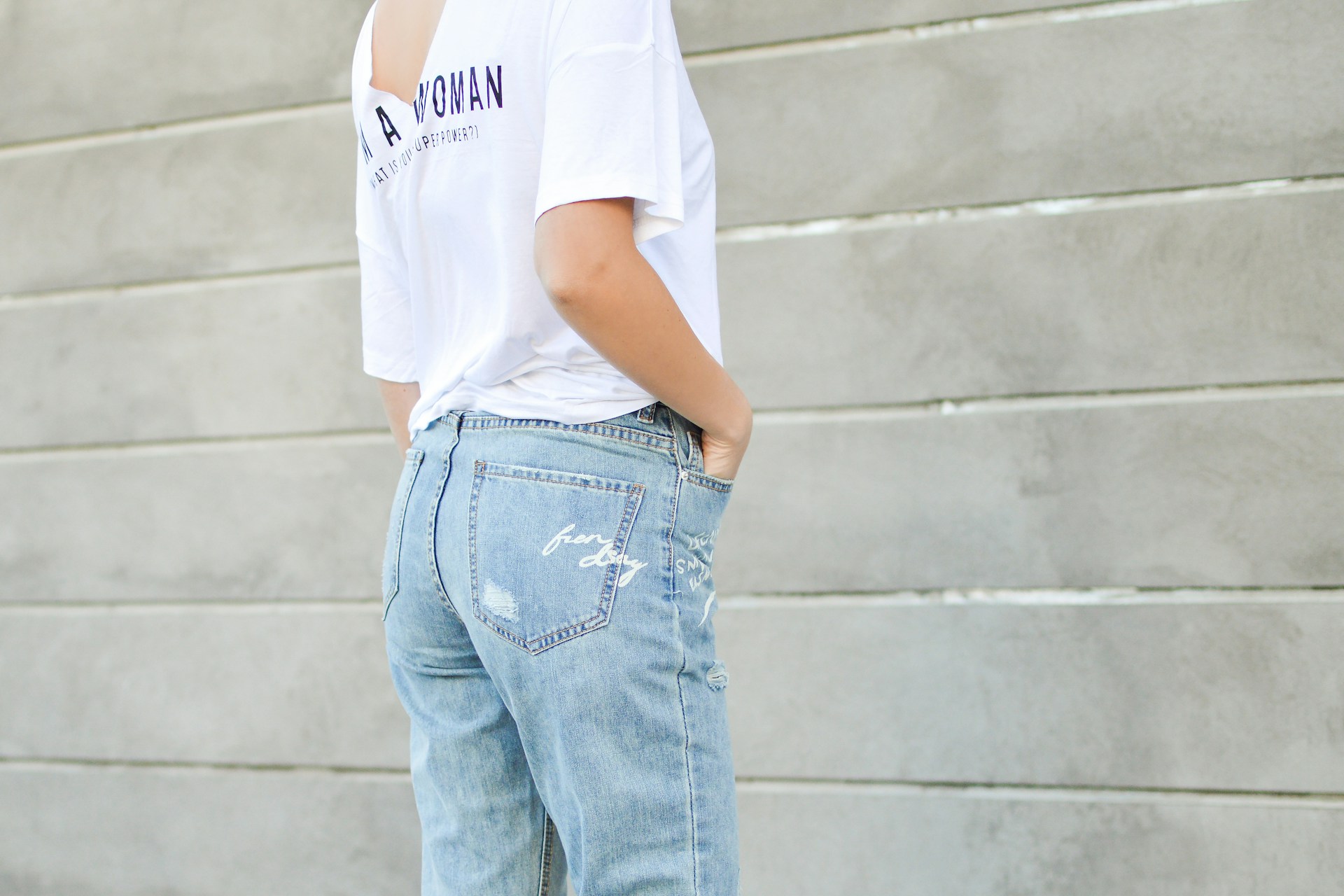
Always consider the overall length and ankle fit; Photo Credit: Unsplash
6. Dark Washes Offer Instant Sophistication
Colour plays a powerful role in how skinny jeans flatter the body. Dark washes, deep indigo, charcoal or black, create a slimming effect and transition easily from casual to semi-formal settings.
These shades conceal minor imperfections and wear patterns better than lighter washes. They also pair effortlessly with bright kurtas, oversized shirts or structured blazers.
Light washes and distressed styles bring a relaxed vibe but demand careful styling. Fading around the thighs or knees draws attention to those areas, which may not suit everyone. Balance becomes essential here.
A versatile wardrobe benefits from at least one solid dark wash skinny jean. It handles workdays, evening outings and last-minute plans without fuss. When in doubt, darker denim almost always delivers.
7. Stretch Recovery Separates Good from Great
Stretch alone does not guarantee quality. Stretch recovery determines how well jeans return to shape after wear. Poor recovery leads to sagging knees, drooping seats and general frustration by mid-afternoon.
Testing stretch recovery proves simple. Gently pull the fabric and observe how quickly it snaps back. Good denim returns instantly. If it lingers or stays warped, move on.
Stretch recovery becomes especially important in humid climates. Heat and moisture stress the fabric, revealing weaknesses quickly. High-quality blends withstand this better, keeping the jeans looking fresh longer.
Investing in jeans with good recovery saves money over time. They require fewer replacements and maintain a polished look through repeated wear. Comfort lasts, confidence stays intact, and mirrors remain kinder.
8. Pockets and Seams Shape the Silhouette
Pocket placement influences how skinny jeans flatter the body. Back pockets set too low drag the look down, while pockets placed higher lift and shape the rear subtly. Medium-sized pockets work best, too small or oversized throws proportions off.
Front pockets also matter. Flat, well-stitched pockets prevent bulk around the hips. Decorative stitching or embellishments draw attention, so choose thoughtfully.
Seams play a silent but powerful role. Straight, clean seams elongate the legs visually. Twisted or poorly aligned seams distort the fit and cheapen the look.
Examine these details before purchasing. They often reveal craftsmanship quality more accurately than brand names. Well-designed pockets and seams enhance natural shape without shouting for attention.
9. Comfort Should Never Feel Optional
Fashion sometimes pressures people into tolerating discomfort for style. Skinny jeans should not fall into that trap. Comfort determines how often jeans get worn, not how good they look on a hanger.
Breathability matters, especially during long days out. Jeans that trap heat quickly become unbearable. Stretch panels, lighter blends and proper lining help here.
Movement matters too. Walking, sitting cross-legged, and climbing stairs, everyday actions should feel natural. Jeans that restrict movement drain confidence faster than any trend shift.
Great skinny jeans feel supportive rather than restrictive. They adapt to life instead of demanding constant adjustment. When comfort leads, style follows naturally.
10. Styling Smartly Enhances the Fit
Even the best-fitting skinny jeans shine brighter with smart styling. Balance plays a crucial role. Pairing them with relaxed tops, longline kurtas, or oversized shirts creates effortless harmony.
Footwear choices shape the overall effect. Trainers keep things casual, while heeled sandals or boots add polish. Seasonal accessories like scarves or jackets introduce dimension without overwhelming the look.
Layering works beautifully with skinny jeans. Lightweight jackets, shrugs or structured blazers add interest while maintaining clean lines.
Confidence completes the outfit. When jeans fit well and feel comfortable, posture improves, and outfits feel intentional. Style becomes less about trends and more about ease, the ultimate goal.
Products Related To This Article
1. Mast & Harbour Women Skinny Fit Jeans
2. H&M Skinny High Jeans
3. Being Human Women Skinny Fit Jeans
4. Chemistry Women Skinny Fit Stretchable Jeans
5. Glitchez Skinny Fit Stretchable Jeans
6. Vero Moda Women Blue Lean Skinny Fit Jeans
7. NEXT Women Skinny Fit Stretchable Jeans
Skinny jeans remain relevant because they adapt, not because they dominate. The right pair flatters, supports and simplifies daily dressing. Fit, fabric and comfort matter far more than labels or trends.
Choosing skinny jeans should feel empowering, not exhausting. Understanding details like rise, stretch recovery and length transforms the process. Small adjustments lead to big improvements. A well-fitted pair becomes a wardrobe hero, reliable, versatile and endlessly wearable. When denim works with the body rather than against it, style stops feeling forced. And that's the real win: jeans that move through life effortlessly, one comfortable step at a time.
(Disclaimer: This article may include references to or features of products and services made available through affiliate marketing campaigns. NDTV Convergence Limited (“NDTV”) strives to maintain editorial independence while participating in such campaigns. NDTV does not assume responsibility for the performance or claims of any featured products or services.)