Slim Fit Chinos Vs Skinny for Men: Know Which One Works Best
Slim fit or skinny chinos, which one actually works better? Discover the key differences in comfort, style, body type, and versatility to choose the perfect pair for everyday wear.

Slim Fit Chinos Vs Skinny Chinos For Men: Key Differences, Style Tips And How To Choose.
Men's fashion has changed dramatically over the last decade. Gone are the days when loose trousers dominated wardrobes. Modern dressing now leans towards tailored silhouettes that look sharp without sacrificing comfort. Among these options, chinos have quietly become a staple. They sit comfortably between formal trousers and relaxed jeans, making them perfect for both weekday meetings and weekend brunch plans.
Yet a common dilemma appears when browsing racks at shopping malls or scrolling through online stores. Two labels pop up repeatedly: slim fit and skinny. Both sound stylish. Both promise a contemporary look. Yet choosing between them often feels confusing.
Picture a typical Saturday evening. Friends gather at a café, someone shows up in well-fitted chinos paired with loafers shoes, and suddenly everyone asks the same question: “Where did you get those?” The answer usually lies not in the brand but in the fit.
Understanding the difference between slim fit chinos and skinny chinos can prevent uncomfortable purchases and awkward fashion moments. A pair costing ₹2,500 might look brilliant on the hanger but turn restrictive during a long metro ride or a family function. Fit determines everything: comfort, confidence, and the way an outfit comes together.
Let us explore the subtle yet important differences between slim fit and skinny chinos, helping readers decide which one truly works best.
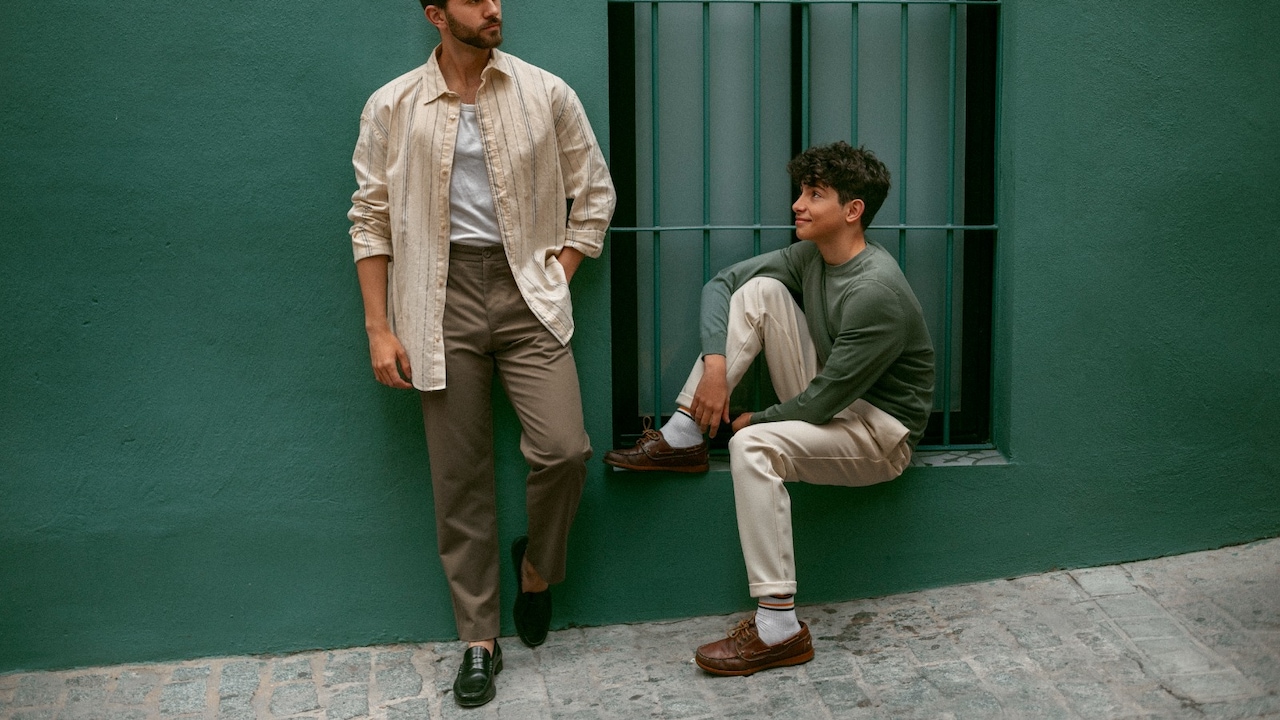
Slim Fit Chinos Vs Skinny for Men: Know Which One Works Best; Photo Credit: Pexels
Understanding Slim Fit Chinos Vs Skinny For Men
The Real Difference Between Slim Fit And Skinny Chinos
At first glance, slim fit and skinny chinos appear nearly identical. Both follow the natural line of the legs and avoid the baggy silhouette that once ruled men's wardrobes. The difference lies in how closely the fabric hugs the body.
Slim-fit chinos taper gently from the thigh down to the ankle. They create a clean, tailored shape without clinging too tightly. The result feels polished but relaxed enough for everyday movement. Walking, sitting, or climbing stairs never feels restrictive.
Skinny chinos take things a step further. They narrow significantly from the thigh to the calf and hug the ankle closely. This creates a sharper and more fashion-forward silhouette, often associated with younger street-style trends.
The distinction may seem subtle in store mirrors. However, after a full day of wear, the difference becomes obvious. Slim-fit chinos allow natural movement and airflow. Skinny chinos focus more on a sleek visual impact.
Choosing between the two depends on priorities. Those seeking a balanced look that works in most settings often lean towards slim fit. Those who enjoy bold styling and sharper silhouettes tend to prefer skinny chinos.
Comfort Matters More Than Trends
Fashion trends move quickly, yet comfort always wins in the long run. Many men discover this truth the hard way after spending ₹3,000 on stylish trousers that feel unbearable during a long day.
Slim-fit chinos often strike the perfect balance between modern style and comfort. The cut follows the body's shape without squeezing the thighs or calves. This means a full day of commuting, meetings, and evening outings feels manageable.
Skinny chinos, however, prioritise appearance over ease. The tighter design restricts movement slightly, especially around the knees and calves. Sitting for extended periods, such as during office work or long drives, may feel uncomfortable.
Fabric plays a role as well. Stretch cotton helps skinny chinos feel less restrictive, yet the snug structure still remains.
Comfort becomes even more important in warmer climates where breathable clothing matters. Slim fit chinos allow better airflow and reduce that uncomfortable cling during humid afternoons.
Style certainly matters, but trousers should not feel like a fashion sacrifice. Confidence grows naturally when clothes feel comfortable rather than restrictive.
Also Read: Chinos vs Trousers: Which Works Best For Everyday Work Wear?
Body Type Plays A Huge Role
The most stylish pair of chinos often depends on body shape rather than trends. What looks sharp on one person might feel awkward on another.
Slim-fit chinos suit a wide range of body types. The slightly tapered cut balances proportions and creates a streamlined silhouette without exaggerating the legs. Men with athletic builds, average frames, or broader thighs often find slim fits particularly flattering.
Skinny chinos, on the other hand, suit slimmer frames best. The tight cut emphasises leg shape and can create a striking look when worn correctly. However, individuals with muscular thighs or larger calves may find skinny chinos restrictive.
Imagine someone preparing for a wedding function. The goal usually involves looking polished without appearing uncomfortable in photos. Slim-fit chinos often provide that balance by enhancing shape without appearing overly tight.
Fashion should complement natural proportions rather than force the body into an unrealistic silhouette. Trying different fits before purchasing can save money and frustration.
The right pair should feel like a natural extension of personal style rather than a trend-driven experiment.
Style Versatility In Everyday Life
Versatility often decides whether a garment becomes a wardrobe staple or a forgotten purchase. Slim-fit chinos usually win in this category.
These trousers transition effortlessly between casual and semi-formal settings. Pair them with a crisp shirt for office meetings, then switch to a polo or casual tee for evening plans. The tailored yet relaxed shape blends easily with different outfits.
Skinny chinos lean towards a more fashion-forward aesthetic. They work brilliantly with streetwear combinations such as fitted T-shirts, bomber jackets, or sneakers. However, they rarely feel appropriate for formal or professional settings.
Consider a typical weekday. Morning meetings, lunch outings, and evening gatherings often demand flexible outfits. Slim-fit chinos adapt smoothly to these transitions without looking out of place.
Skinny chinos shine best in nightlife or creative environments where bold style statements feel welcome.
Versatility matters when building a practical wardrobe. A pair that works across multiple occasions delivers better value than one limited to specific looks.
Movement And Practical Comfort
Daily life involves far more movement than most shopping mirrors reveal. Walking through crowded streets, climbing office stairs, or hopping onto public transport requires flexibility.
Slim fit chinos accommodate these everyday movements easily. The slightly relaxed thigh area allows comfortable walking and sitting. Even long travel days feel manageable in this fit.
Skinny chinos, however, restrict mobility slightly. Tight calves and knees can make simple movements feel less natural. Activities like crouching or quick walking sometimes feel awkward.
Anyone who commutes regularly understands the importance of comfortable clothing. A pair of chinos should support movement rather than limit it.
Fabric stretch improves the experience slightly. Many modern skinny chinos include elastane to allow some flexibility. Yet the overall tight structure remains.
Practical dressing often favours slim fits because they combine style with ease of movement. After all, clothes should support daily life rather than complicate it.
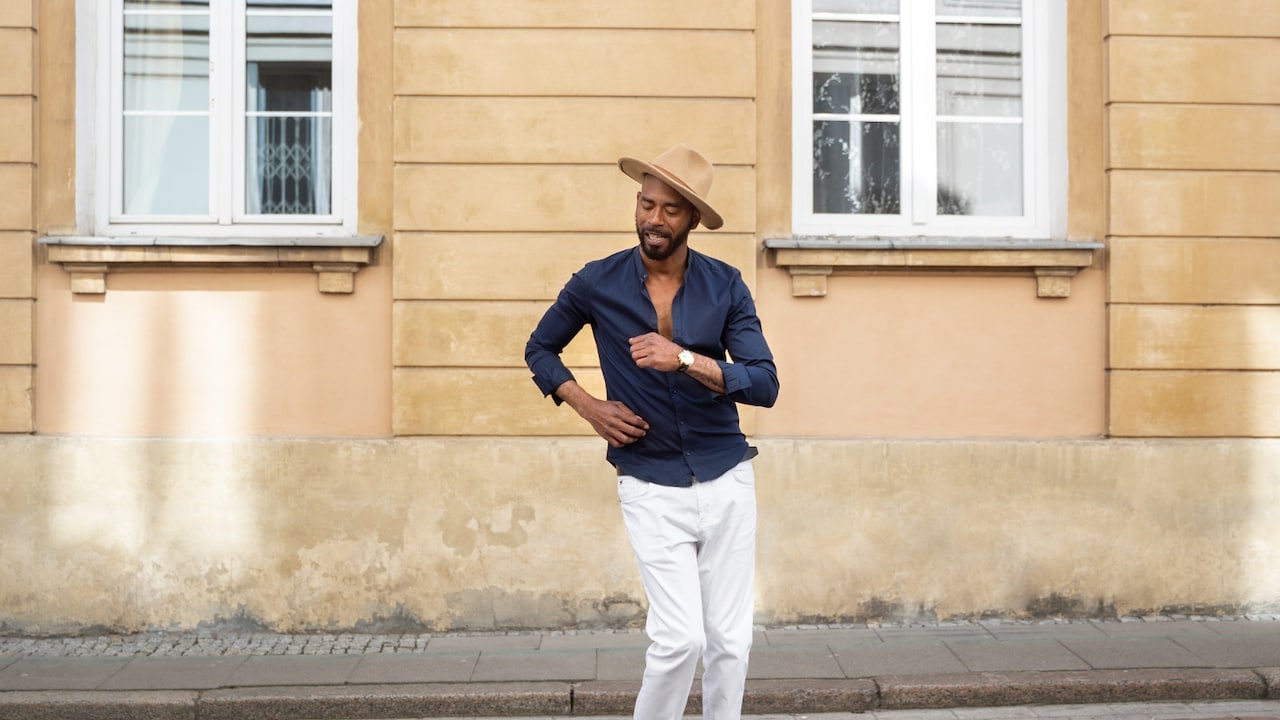
Slim Fit Chinos Vs Skinny for Men: Know Which One Works Best; Photo Credit: Pexels
The Impact On Overall Outfit Balance
Clothing works best when every element complements the others. Trouser fit plays a major role in shaping an outfit's overall balance.
Slim-fit chinos create a structured silhouette without drawing excessive attention. They act as a neutral base, allowing shirts, jackets, and shoes to shine. This balance works particularly well for semi-formal or smart casual looks.
Skinny chinos attract more visual focus because of their tighter shape. They emphasise the legs and create a sharper outline. When styled carefully, this can produce a bold and fashionable appearance.
However, overly tight trousers sometimes disrupt outfit balance, especially when paired with relaxed tops. The contrast may look unintentional rather than stylish.
Slim fits offer greater harmony with various clothing styles. Overshirts, blazers, casual shirts, and knitwear all complement this silhouette easily.
The key lies in proportion. Clothes should work together rather than compete for attention.
Footwear Pairing Possibilities
The type of trousers worn often determines which shoes look best. Slim-fit chinos provide remarkable flexibility when it comes to footwear.
Loafers, brogues, sneakers, and even casual boots pair effortlessly with slim fits. The tapered ankle creates a neat finish without clinging tightly around the shoe.
Skinny chinos tend to favour slim footwear styles. Sneakers, Chelsea boots, and minimalist trainers complement the narrow silhouette. Bulkier shoes sometimes look disproportionate with extremely tight trousers.
Imagine preparing for a dinner outing. A pair of slim-fit chinos paired with suede loafers instantly creates a refined yet relaxed appearance. Swap the loafers for clean white sneakers and the outfit shifts into casual territory.
Skinny chinos offer fewer styling combinations but can still produce striking looks when matched carefully with footwear.
A versatile wardrobe benefits from pieces that adapt easily to different shoes and occasions.
Age And Personal Style Preferences
Style evolves with age and lifestyle. What feels exciting during college years may feel less practical later.
Skinny chinos often appeal to younger audiences who enjoy experimenting with fashion trends. The fitted silhouette aligns with streetwear culture and bold styling choices.
Slim fit chinos, however, hold broader appeal across different age groups. The balanced design offers sophistication without appearing overly formal or trendy.
Professionals attending meetings, social gatherings, or family events often choose slim fits because they feel appropriate in various settings.
Personal style also influences this decision. Some individuals prefer understated elegance, while others enjoy eye-catching fashion statements.
Clothing should reflect personality rather than mimic every passing trend. A wardrobe that aligns with personal taste tends to feel more authentic and comfortable.
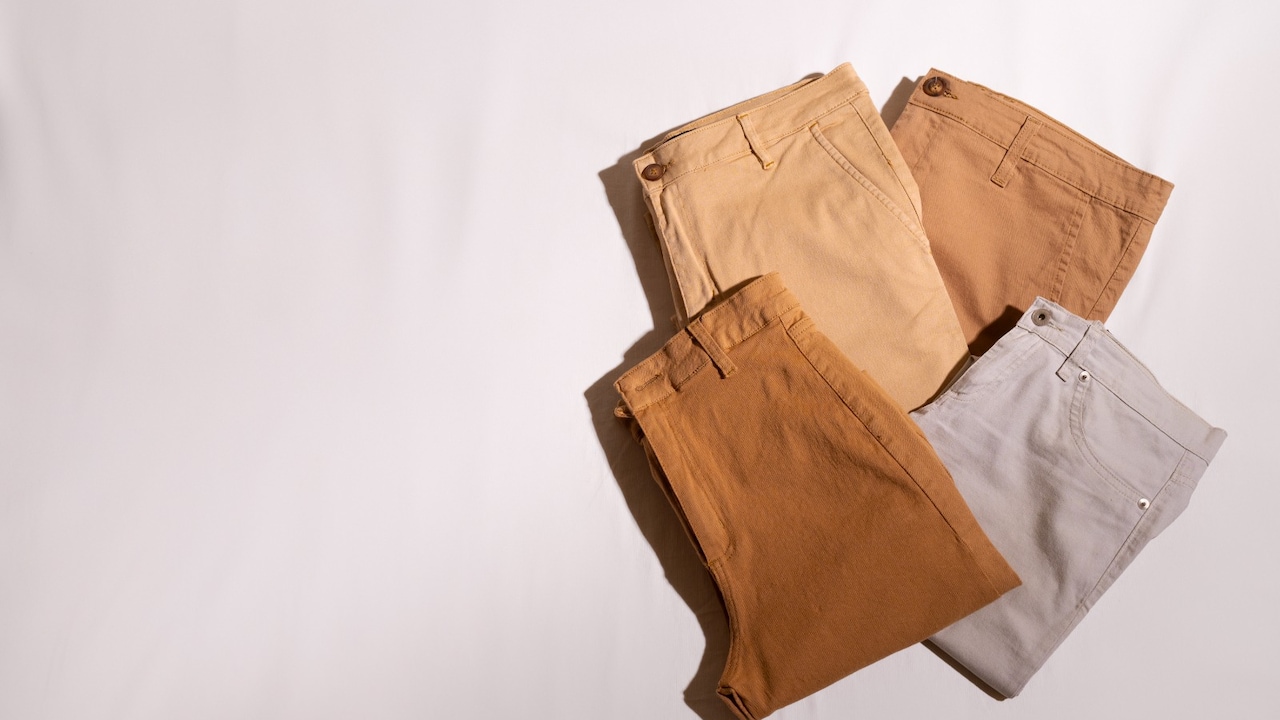
Slim Fit Chinos Vs Skinny for Men: Know Which One Works Best; Photo Credit: Pexels
Durability And Fabric Strain
The longevity of clothing often depends on how the fabric handles stress and movement.
Slim fit chinos generally last longer because the fabric experiences less tension. The relaxed structure allows natural movement without excessive pulling on seams.
Skinny chinos face greater strain due to their tight structure. Frequent stretching around the knees, thighs, and calves can weaken the material over time.
Anyone investing ₹2,000 or more in a pair of chinos naturally expects them to last multiple seasons. Choosing a fit that reduces fabric stress helps maintain the garment's shape and durability.
Quality materials still matter. Strong cotton blends with slight stretch improve resilience regardless of fit.
However, the structural difference between slim and skinny trousers often determines how well they age after repeated use and washing.
Practical choices usually lead to longer-lasting wardrobes.
Finding The Right Balance For Your Wardrobe
Building a wardrobe rarely requires choosing one fit exclusively. Both slim and skinny chinos can coexist depending on personal style and daily needs.
Slim fit chinos often serve as the reliable foundation. They work for office wear, casual outings, and even semi-formal gatherings. Their versatility makes them the safe yet stylish option.
Skinny chinos add personality to specific outfits. They suit evenings out, creative environments, or moments when fashion experimentation feels exciting.
Many wardrobes benefit from owning both styles. A classic beige slim fit pair might handle weekday meetings, while darker skinny chinos could elevate weekend outfits.
The key lies in balance. Clothing should support lifestyle, comfort, and self-expression simultaneously.
Selecting the right fit ultimately means understanding personal preferences and practical needs.
Products Related To This Article
1. Nautica Men Smart Slim Fit Solid Cotton Chinos Trousers
2. Turtle Men Relaxed Skinny Fit Cotton Chinos Trousers
3. Roadster Men Slim Fit Chinos Trousers
4. Turtle Men Relaxed Skinny Fit Chinos Trousers
5. Thomas Scott Men Smart Slim Fit Cotton Chinos Trouser
|
The debate between slim-fit chinos and skinny chinos often centres on style, yet the real answer lies in lifestyle and comfort. Both options offer modern silhouettes that elevate everyday dressing, but they serve different purposes.
Slim-fit chinos deliver versatility, comfort, and timeless appeal. They adapt easily to professional settings, social gatherings, and casual outings. Their balanced structure suits most body types and allows natural movement throughout the day.
Skinny chinos lean towards bold fashion statements. They highlight leg shape and create a sharp, contemporary look. However, their tighter structure limits versatility and comfort in certain situations.
Choosing the right pair involves understanding body type, daily routine, and personal style. The goal should never involve blindly following trends but rather building a wardrobe that feels effortless and authentic.
After all, confidence rarely comes from the tightest trousers in the room. It comes from wearing clothes that fit well, feel comfortable, and quietly elevate personal style.
(Disclaimer: This article may include references to or features of products and services made available through affiliate marketing campaigns. NDTV Convergence Limited (“NDTV”) strives to maintain editorial independence while participating in such campaigns. NDTV does not assume responsibility for the performance or claims of any featured products or services.)