Slim Fit vs Regular Fit: How to Pick the Formal Shirt That Truly Suits You
Confused between slim fit and regular fit shirts? This guide helps you pick the right fit for your body type, workday comfort, and formal occasions, without trial-and-error.
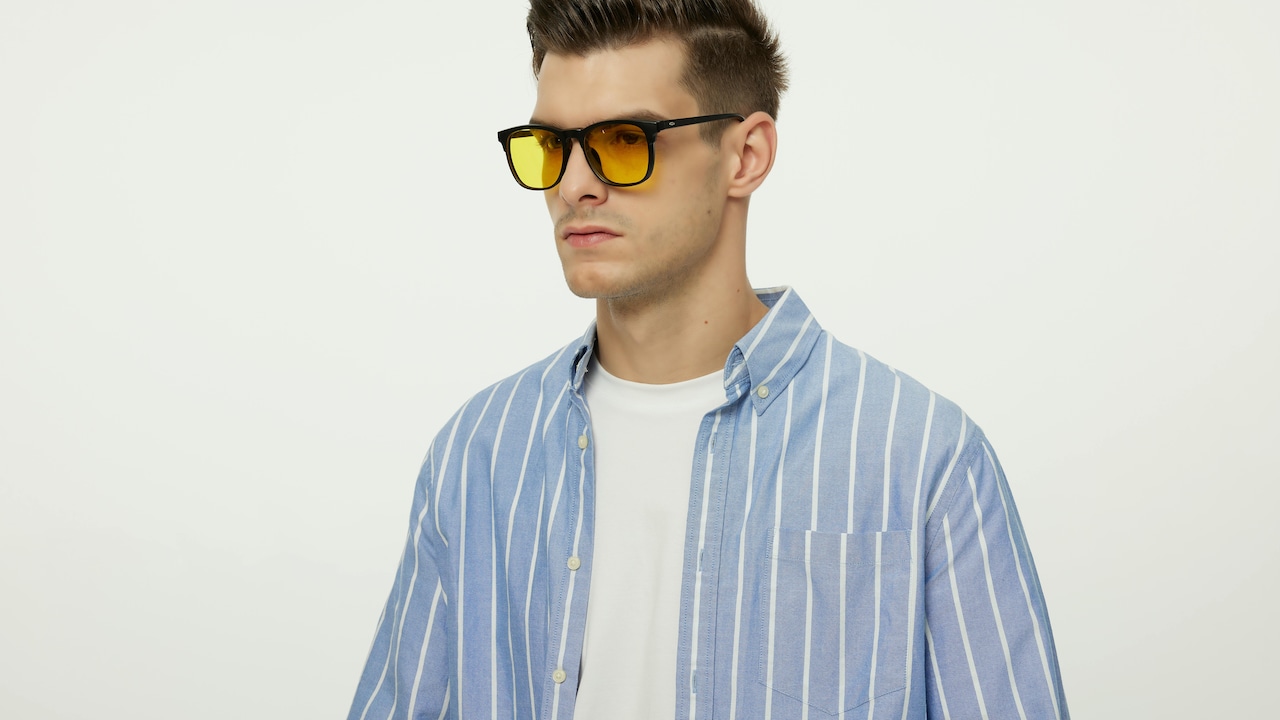
How To Choose The Right Formal Shirt Fit: Slim Fit vs Regular Fit Explained.
Formal shirts have a strange power. The moment one fits properly, posture improves, confidence rises, and even the walk changes slightly. The problem? Most people don't buy formal shirts; they “adjust” to them. Too tight? Tolerate it. Too loose? Tuck harder and hope for the best.
And that's where the great debate begins: slim fit vs regular fit.
Slim fit has a reputation for looking modern and sharp. Regular fit has a reputation for comfort and practicality. But neither is automatically better. The right choice depends on body shape, daily routine, weather, fabric, and even how much time is spent sitting in traffic or running between meetings.
This isn't about chasing trends. It's about choosing a shirt that suits your body and your lifestyle, so it works for you, not against you.
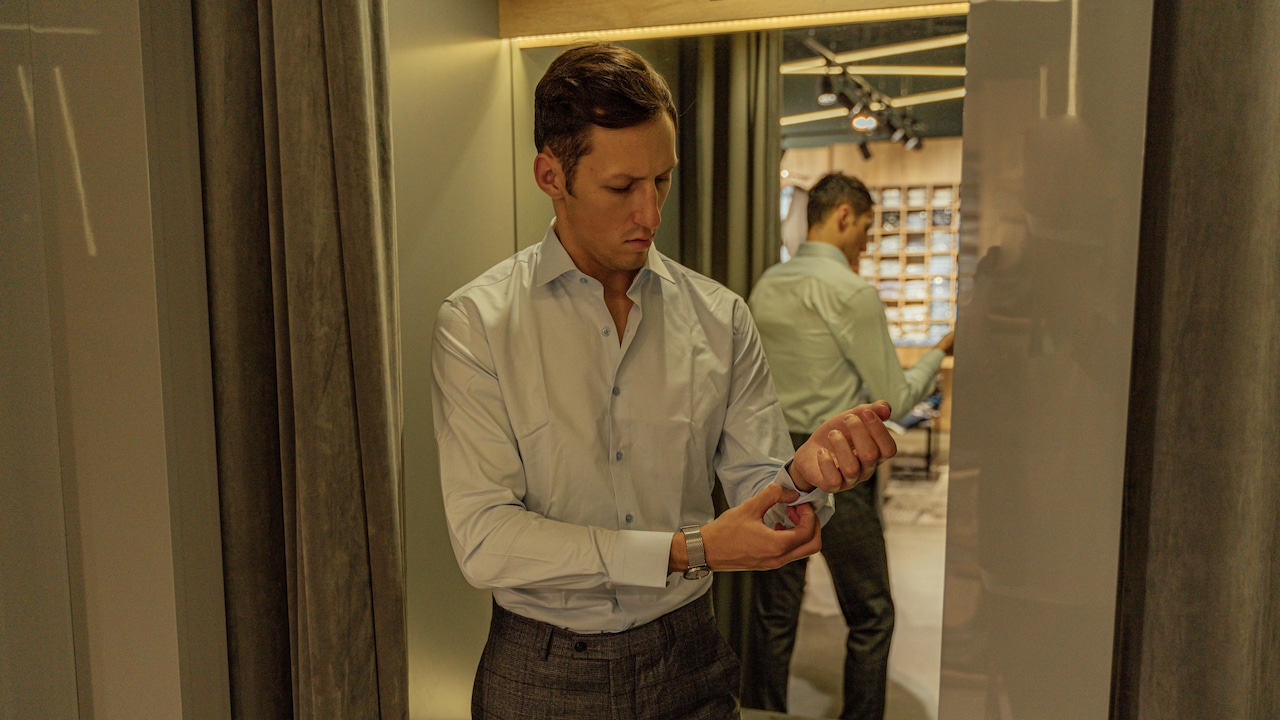
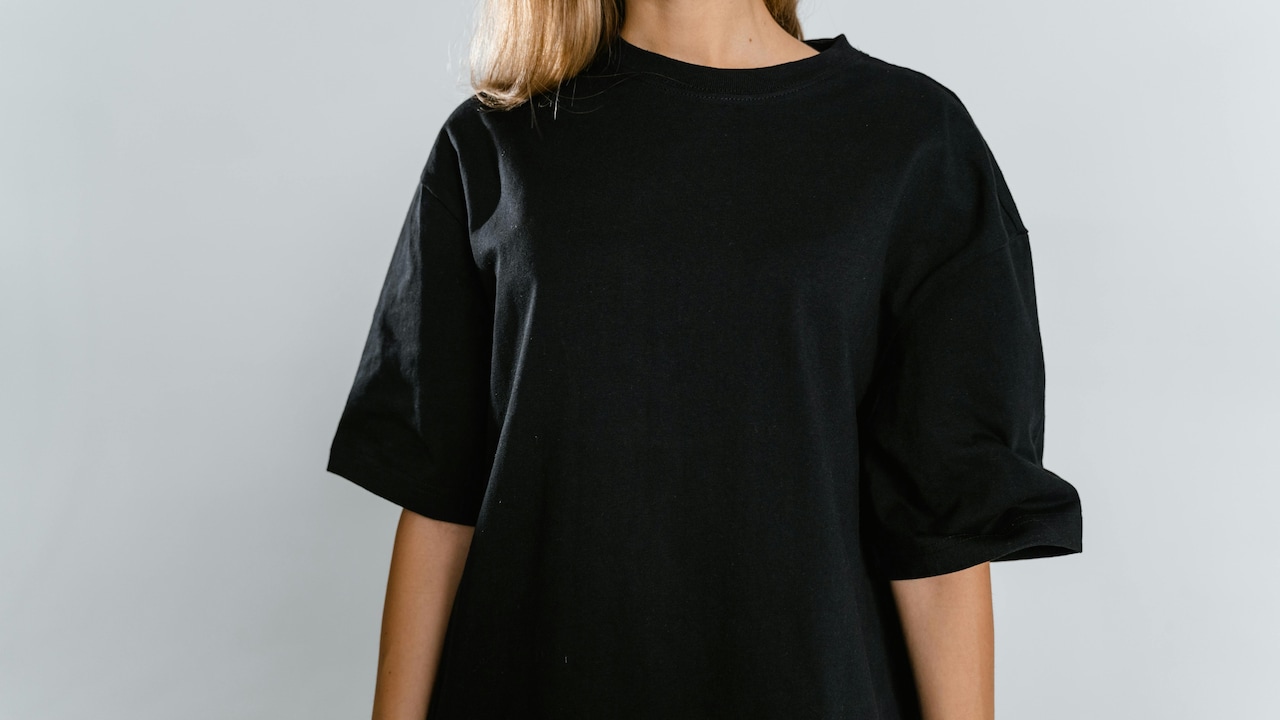
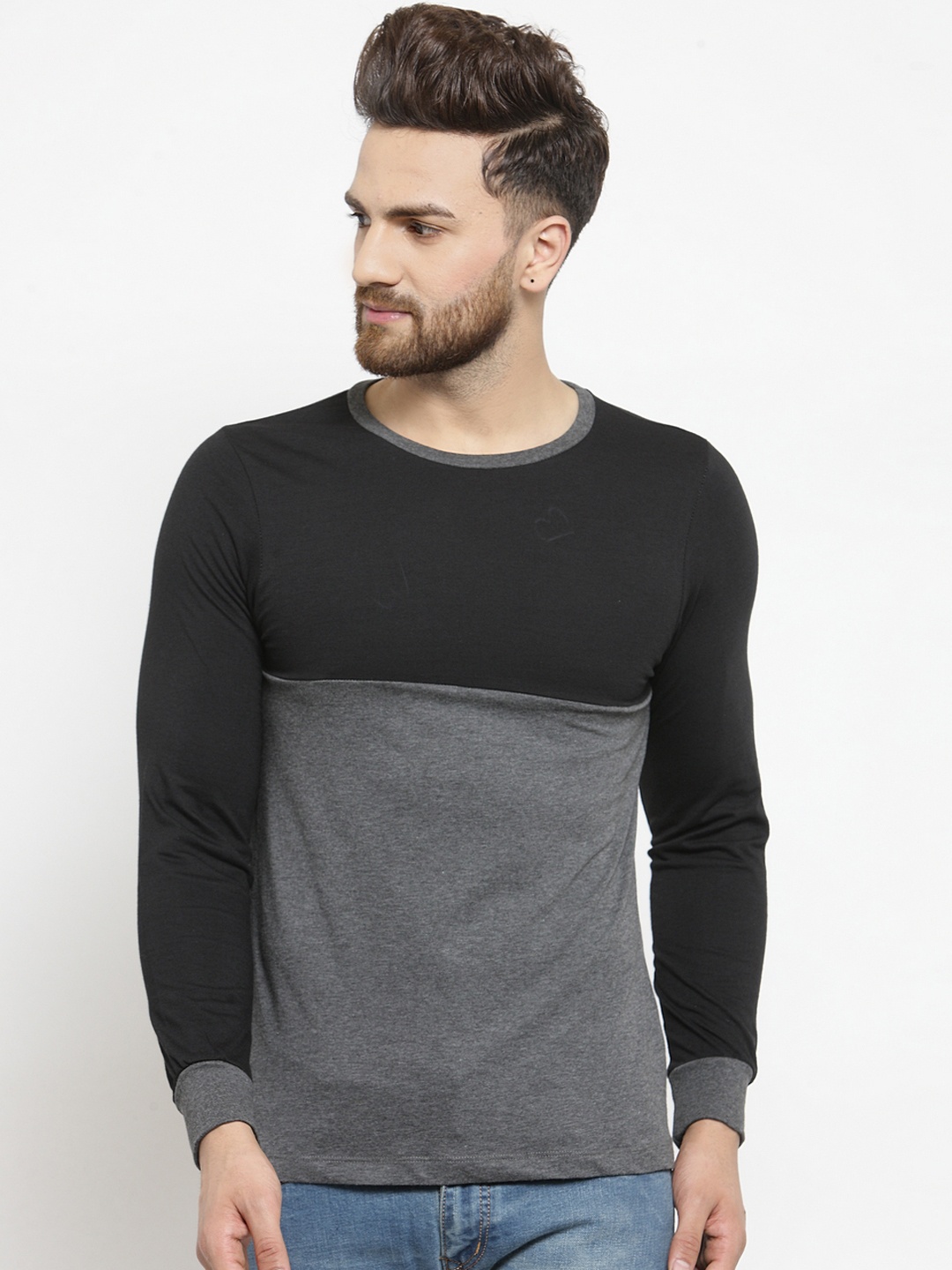
Slim Fit vs Regular Fit Shirts: Which One Should You Choose?; Photo Credit: Pexels
The Real Checklist: What Actually Matters When Choosing A Fit
1) Understand What “Slim Fit” and “Regular Fit” Actually Mean
Most people think slim fit means “tight” and regular fit means “loose”. That's not quite right, at least, it shouldn't be.
A good slim fit shirt follows the body's shape with less extra fabric around the chest, waist, and arms. It creates clean lines. It should feel fitted, not suffocating. If the buttons look stressed or the fabric pulls across the chest, that's not slim fit. That's a shirt fighting for its life.
Regular fit gives more room through the torso and sleeves. It's built for movement and comfort. But regular doesn't mean oversized. If the shoulders drop past the edge or the shirt balloons around the waist, that's not “regular”. That's “borrowed from an older cousin in 2009”.
The real difference is ease. Slim fit reduces excess fabric. Regular fit allows more breathing room. Both can look excellent, as long as the size is correct and the cut matches your build.
2) Your Body Shape Matters More Than Your Weight
This part surprises many people: fit has less to do with weight and more to do with proportions.
Someone with broad shoulders and a narrower waist can look fantastic in a slim fit, even with a heavier build. Meanwhile, someone lean but with a wider midsection may find a slim fit uncomfortable and unflattering.
Regular fit suits people who want balance, especially if the torso is straighter. It works well for those who prefer comfort or those who don't want attention on the waist area.
Slim fit tends to flatter V-shaped builds, athletic frames, and anyone who likes a sharper silhouette. It can also work for shorter people because it reduces bulk and makes the body look more streamlined.
The trick is to stop thinking “slim fit is for slim people”. That idea causes half the discomfort in office corridors. Think in terms of shape: shoulders, chest, waist, and posture. A shirt should match your structure, not your insecurities.
Also Read: Essential Formal Shirts Every Man Needs - A Complete Guide; Check Top 10 Myntra Deals Too
3) Check the Shoulders First (Because They Never Lie)
Shoulders are the ultimate truth-tellers in formal shirts. Everything else can be adjusted slightly with tailoring, but shoulders? They expose a bad fit instantly.
Whether slim or regular, the shoulder seam should sit exactly where your shoulder ends. Not on your upper arm. Not creeping up towards your neck. Right at the edge.
If the seam drops too low, the shirt looks sloppy. If it sits too high, movement feels restricted, and the shirt starts to pull when you reach forward. That's the moment you try to grab a file and accidentally turn the shirt into a tension experiment.
Slim fit shirts often get the shoulders right for fitted frames. But many people buy a smaller size to “look slimmer”, and the shoulders suffer first. Regular fit shirts often give shoulder comfort, but if the size is too big, the seam droops, and the whole shirt loses structure.
Start with shoulders, always. A well-fitted shoulder makes even a simple shirt look premium.
4) The Chest and Buttons Test: No Drama Allowed
A formal shirt should look calm. Buttons should sit flat, not cling for dear life.
The chest area matters because it decides how the shirt behaves during the day. If a slim-fit shirt feels fine while standing but pulls when sitting, it's going to be a long day. If the button placket gaps slightly when you move, it will gap a lot when you laugh, stretch, or breathe too deeply after biryani.
Regular fit gives more chest space, which helps people with broader chests or those who prefer easy movement. But too much room makes the shirt puff out, especially after tucking in. That creates a “balloon effect” around the stomach, and no belt in the world can fix it.
A quick test: button the shirt fully and move your arms forward like you're typing. If it pulls hard across the chest, a slim fit might be too aggressive. If the fabric folds heavily and looks bulky, a regular fit may be too roomy.
No drama. A shirt should behave like a professional colleague, supportive, not clingy.

Slim Fit vs Regular Fit Shirts: Which One Should You Choose?; Photo Credit: Pexels
5) Waist and Tuck: The Silent Battle in Every Office
The waist area is where most shirts reveal their true personality.
Slim-fit shirts taper in towards the waist. That helps create a cleaner silhouette and prevents excess fabric from bunching when tucked in. It's the reason slim fit looks sharp in meetings and photos.
Regular fit gives a straighter cut, which can feel more forgiving. But if the waist area is too loose, the tuck becomes messy by lunchtime. You sit down, stand up, walk, sit again, and suddenly the shirt looks like it has its own plans.
People often blame their belt or trousers. The shirt is usually the real culprit.
If you prefer a regular fit but want a neater look, a small alteration at the waist can make a huge difference. Tailoring isn't only for suits; a ₹250 adjustment can transform a shirt from “average” to “properly polished”.
The best shirt is the one you don't have to keep fixing every two hours.
6) Sleeves: Where Style Meets Practical Life
Sleeves do more work than people realise. They move all day, driving, typing, lifting bags, shaking hands, holding tea, and occasionally gesturing passionately during office debates.
Slim fit sleeves sit closer to the arms. They look sharp and modern, especially when worn under a blazer. But they can feel restrictive if the fabric has no stretch or if you have fuller arms.
Regular fit sleeves offer more room and airflow. That's a blessing in warm weather. But sleeves that are too wide can look baggy, especially when the cuff is buttoned.
Cuff fit matters too. A good cuff should allow a finger to slip in comfortably. Too tight and it becomes annoying. Too loose and the sleeve slides around like it's confused about its job.
Also, sleeve length matters more than most people admit. Ideally, the cuff should hit the base of the thumb joint. If it's too short, the shirt looks undersized. If it's too long, it bunches under the wrist and looks messy.
Sleeves are not a small detail. They are half the shirt.
7) Fabric and Climate: Fit Feels Different in Real Weather
A slim-fit shirt in heavy cotton can feel like armour. A regular fit shirt in thin fabric can look flimsy. Fabric changes everything.
In humid weather, slim-fit shirts feel warmer because they sit closer to the skin. That can be fine in air-conditioned offices, but less fun when commuting or walking between buildings. Regular fit allows airflow, which makes it feel lighter.
For summer and long days, lightweight cotton, cotton-linen blends, and breathable weaves work best. If you love slim fit, choose fabric that has some softness and flexibility. Some shirts also include a small percentage of elastane, which makes a slim fit far more wearable.
For cooler months or formal events, structured cotton poplin or twill works well. Slim fit looks especially sharp in those fabrics because they hold shape.
The point is simple: the “right fit” on a hanger can become the wrong fit in real life if the fabric doesn't suit your climate and schedule.

Slim Fit vs Regular Fit Shirts: Which One Should You Choose?; Photo Credit: Pexels
8) The Occasion Rule: Office, Interviews, Weddings, and Everything Else
Not every formal shirt needs to look the same. The occasion changes what “best fit” means.
For daily office wear, comfort wins. If your day involves travel, long meetings, or lots of movement, regular fit or a relaxed slim fit works best. You want a shirt that stays neat but doesn't punish you.
For interviews, slim fit often photographs and presents better. It looks crisp and intentional. But only if it fits properly. A too-tight shirt makes you look uncomfortable, and that's not the vibe anyone wants in an interview.
For weddings and formal functions, slim fit usually looks more stylish, especially with tailored trousers. It gives a clean line and pairs beautifully with blazers and waistcoats. Regular fit can still work, but it needs better styling and usually a sharper tuck.
For presentations, client meetings, and big days, the shirt should support confidence. That means a fit that looks neat and feels easy. If you keep adjusting it, it distracts you.
A shirt should never become the main character. You should.
9) Styling Tricks That Make Both Fits Look Better
Here's the secret: the fit matters, but styling can rescue a lot.
If you wear a regular fit, focus on structure. Choose shirts with firmer collars, clean plackets, and minimal extra fabric. A good tuck is essential. If the shirt is slightly roomy, a belt and well-fitted trousers will keep it looking intentional.
If you wear slim fit, balance is everything. Don't pair an aggressively slim shirt with ultra-skinny trousers unless you want to look like you're attending a fashion show instead of a meeting. Slim on top with straight-fit trousers often looks better and feels more modern.
Colour and pattern matter too. Solid colours emphasise the shirt's shape. Checks and stripes can disguise minor fit issues. That's why many people feel more confident in subtle patterns.
Also, collars matter. Slim fit looks best with modern collar shapes like semi-spread or cutaway. Regular fit often suits classic collars.
Small tweaks create big results, and they cost nothing.
10) The Smart Buying Strategy: Try, Move, Sit, and Then Decide
Most people try on a shirt while standing still. That's like testing a car by looking at it in a parking lot.
A formal shirt needs to work in motion. When trying on slim fit and regular fit, do four simple things:
- Move your arms forward like typing.
- Raise your arms like reaching for a shelf.
- Sit down like you're in a meeting.
- Take a deep breath like you're about to speak.
If the shirt feels restrictive in these moments, it will feel worse after hours. If it looks sloppy in these moments, it will look messy by lunchtime.
Also, don't ignore the mirror angles. Check from the side. Check the back. Many shirts look fine from the front and chaotic from behind.
And finally, remember the most underrated solution: tailoring. If a shirt fits well in the shoulders and chest but feels loose at the waist, a small alteration can make it perfect. The cost often sits around ₹200–₹400, and the upgrade feels priceless.
The smartest shirt is not the most expensive one. It's the one that fits.
Products Related To This Article
1. Nautica Men Premium Slim Fit Pure Cotton Formal Shirt
2. DENNISON Men Smart Fit Solid Spread Collar Party Wear Formal Satin Shirt
3. Arrow Manhattan Slim Fit Self Design Textured Pure Cotton Formal Shirt
4. MISCHIEF MONKEY Classic Striped Cotton Spread Collar Curved Formal Shirt
5. Raymond Pure Cotton Slim Fit Opaque Formal Shirt
Slim fit and regular fit are not enemies. They're tools, and the best one depends on how your body is built, how your day runs, and what kind of impression you want to create.
Slim fit offers sharpness, structure, and a modern silhouette. Regular fit offers comfort, flexibility, and an easy confidence that doesn't need constant adjusting. Both can look excellent. Both can look terrible. It all depends on fit, fabric, and how honestly you choose your size.
A formal shirt should feel like a quiet upgrade. It should make you look put-together without making you feel trapped. The best one is the shirt you forget you're wearing, because it sits right, moves right, and lets you focus on the day ahead.
And if the shirt makes you want to unbutton it before lunch? That's not style. That's survival.
(Disclaimer: This article may include references to or features of products and services made available through affiliate marketing campaigns. NDTV Convergence Limited (“NDTV”) strives to maintain editorial independence while participating in such campaigns. NDTV does not assume responsibility for the performance or claims of any featured products or services.)