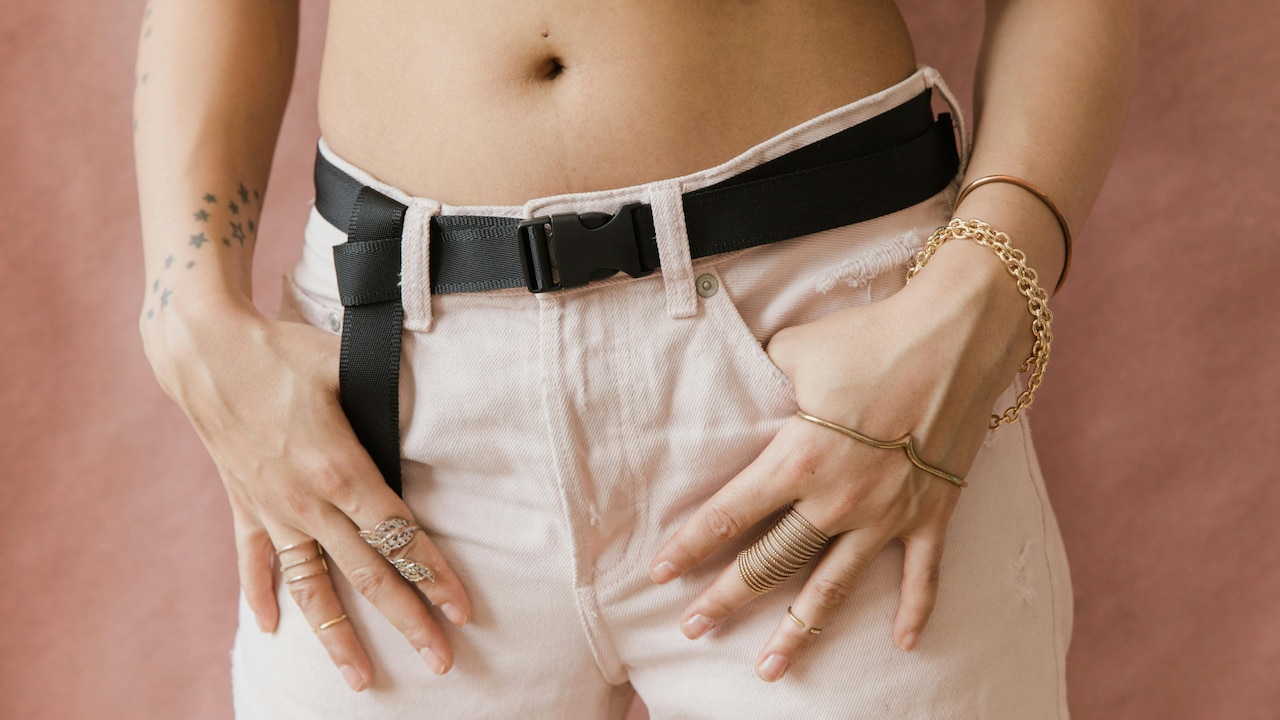
Why Your Necklace Keeps Tangling Mid-Day And What Designs Avoid This
A neatly styled necklace in the morning often turns into a frustrating knot by lunchtime. This article explores why necklaces tangle during the day and highlights smarter designs that stay graceful from morning chai to evening outings.
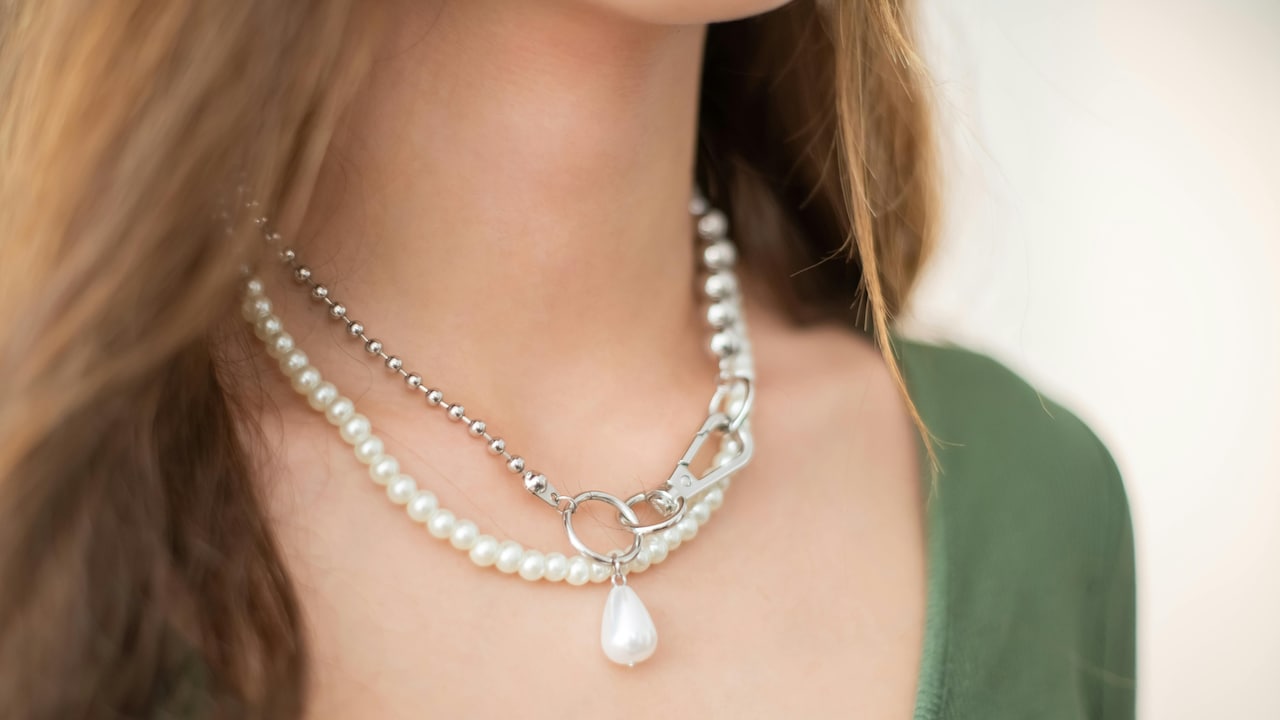
Stop Necklace Tangling: Here Are The Common Causes And Some Tangle-Free Jewellery Designs.
A delicate chain resting perfectly against the collarbone can feel like the finishing touch to any outfit. Yet, somewhere between stepping out of the house and that mid-day coffee break, the same necklace transforms into an irritating cluster of loops and knots. It is a familiar annoyance, one that quietly interrupts otherwise smooth days.
The problem rarely lies in carelessness. Instead, it often comes down to physics, design choices, and daily movement. From bustling commutes to constant phone use, necklaces endure more stress than expected. Add a humid climate, light fabrics, and layered styling trends, and tangling becomes almost inevitable.
Understanding why this happens opens the door to smarter jewellery choices. Some designs naturally resist tangling, while others seem almost designed to knot themselves. With a few insights, it becomes easier to choose pieces that stay elegant throughout the day rather than turning into a puzzle that demands patience and steady fingers.
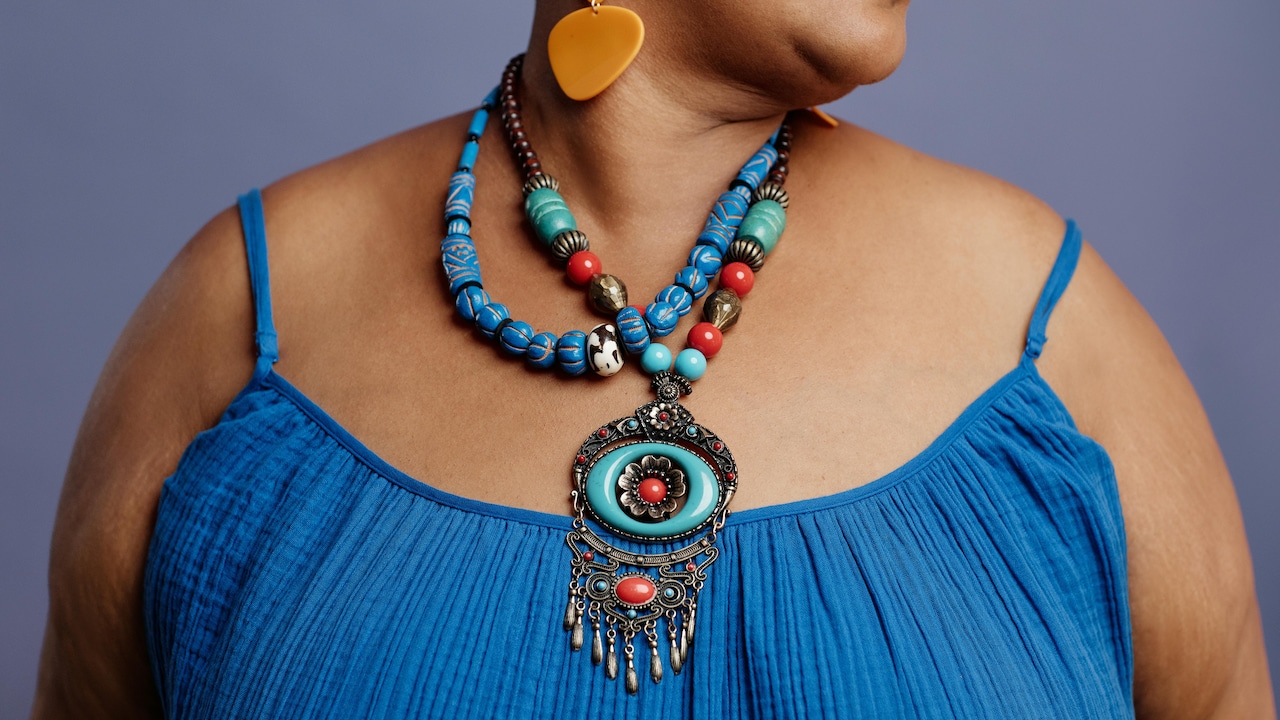
Why Your Necklace Keeps Tangling Mid-Day And What Designs Avoid This
Photo Credit: Pexels
Understanding The Everyday Reasons Behind Necklace Tangling
The Role Of Chain Thickness And Weight
Thin chains often look elegant and understated, but they come with a hidden drawback. Their lightness makes them more susceptible to twisting and looping into knots. A gentle breeze, a quick turn of the head, or even walking through a crowded street can set these chains into motion. Once they begin to twist, their lack of weight prevents them from settling back into place.
Heavier chains behave differently. Their weight helps them stay anchored, reducing unnecessary movement. This stability keeps them aligned and less likely to form loops that lead to tangles. It explains why chunkier necklaces often remain neat even after hours of wear.
Choosing a slightly thicker chain does not mean sacrificing style. Many modern designs balance subtlety with durability. A mid-weight chain can offer the same elegance as a delicate one while staying far more manageable. For everyday wear, especially during long workdays or travel, this small adjustment can make a noticeable difference.
How Fabric And Clothing Influence Tangling
The fabric of an outfit plays a surprising role in how a necklace behaves. Soft materials like cotton and linen create friction, which can pull a chain in different directions as the body moves. This friction causes the necklace to shift constantly, increasing the chances of knots forming.
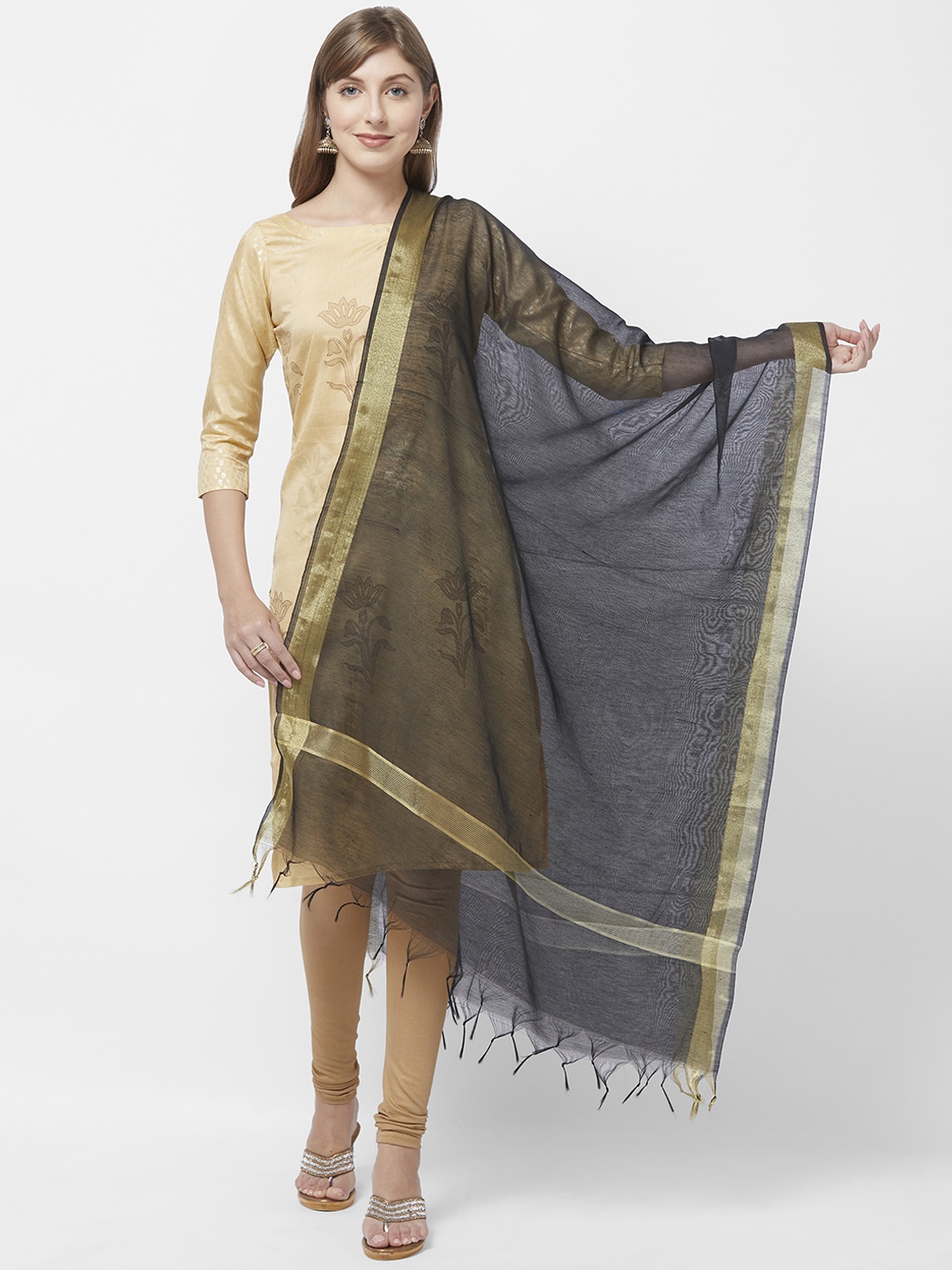
High-neck tops and scarves add another layer of complexity. As the fabric moves against the chain, it can push sections of it into loops. Over time, these loops tighten into tangles. Even something as simple as adjusting a dupatta repeatedly can contribute to the problem.
Smoother fabrics like silk or satin allow chains to glide more easily. They reduce resistance and help necklaces maintain their natural position. Pairing jewellery with the right outfit fabric can significantly reduce mid-day tangling. It is not just about style coordination but also about how materials interact throughout the day.
The Impact Of Movement And Daily Habits
Daily routines involve constant movement, often without much thought. Commuting, typing, answering calls, and even adjusting hair can all influence how a necklace behaves. Each small action adds subtle tension to the chain, encouraging it to twist and fold.
Phone usage stands out as a major contributor. Looking down repeatedly shifts the necklace forward, creating slack that easily forms loops. Once upright again, those loops tighten, forming knots that seem to appear out of nowhere.
Busy environments also play a role. Navigating crowded spaces or carrying bags across the shoulder can nudge chains out of alignment. Over time, these minor disruptions accumulate, leading to tangling. Being aware of these habits does not mean changing them entirely. Instead, it helps in choosing designs that can handle the rhythm of daily life without constant adjustments.
Why Layering Necklaces Often Leads To Chaos
Layered necklaces have become a popular styling choice, adding depth and personality to an outfit. However, this trend often brings along a predictable problem. Multiple chains of similar lengths tend to intertwine as they move, especially when they overlap frequently.
The issue becomes more pronounced when chains differ in weight or texture. A heavier chain can drag a lighter one, causing them to twist together. Once intertwined, even slight movements can tighten the knots further.
Spacing plays a crucial role in avoiding this chaos. Chains of clearly different lengths reduce overlap and give each piece its own space. Some modern designs feature built-in layering with fixed positions, preventing chains from crossing over each other. These options allow the layered look without the usual frustration, making them ideal for long days out.
Clasp Placement And Its Hidden Influence
The clasp of a necklace may seem like a minor detail, yet it has a significant impact on tangling. When the clasp shifts from the back to the front, it alters the balance of the chain. This imbalance creates uneven tension, making the necklace more likely to twist.
Frequent movement can cause the clasp to rotate around the neck. As it moves, it drags parts of the chain along with it, forming loops that eventually become knots. This is especially common with lightweight necklaces that lack enough weight to stay centred.
Designs with secure and balanced clasps reduce this issue. Some necklaces feature front-facing clasps that double as decorative elements, ensuring they stay in place. Others use adjustable lengths to maintain balance. Paying attention to this small feature can prevent a surprising amount of mid-day frustration.
Humidity, Sweat And Their Effect On Chains
Warm weather brings its own challenges for jewellery. Sweat and humidity create a slightly sticky surface on the skin, causing necklaces to cling rather than glide. This increased friction makes it easier for chains to twist and knot.
As the day progresses, moisture builds up, especially during commutes or outdoor activities. The necklace sticks to the skin in certain spots while other sections remain loose. This uneven behaviour leads to tangling, often without any noticeable cause.
Choosing the right material can help manage this issue. Chains with smoother finishes or anti-tarnish coatings tend to perform better in humid conditions. Keeping the neckline dry and opting for slightly heavier designs can also reduce the impact of moisture. These small adjustments ensure that jewellery remains comfortable and manageable throughout the day.
Designs That Naturally Resist Tangling
Certain necklace designs are less prone to tangling due to their structure. Snake chains, for instance, have a smooth, flexible surface that resists twisting. Their uniform shape allows them to move freely without forming loops.
Box chains and rope chains also offer better resistance. Their interlocking patterns create stability, making it harder for the chain to fold into knots. These designs combine durability with style, making them suitable for everyday wear.
Pendant necklaces with a fixed centrepiece can also help. The added weight of the pendant keeps the chain aligned, reducing unnecessary movement. Choosing designs that prioritise structure over extreme delicacy can make a noticeable difference. These options allow for both elegance and practicality, ensuring that style does not come at the cost of constant untangling.
Storage Habits That Affect Mid-Day Tangling
The way a necklace is stored before wearing can influence how it behaves later. Chains that are already slightly twisted when picked up are more likely to tangle during the day. Even a small loop left unnoticed can tighten with movement.
Quick storage solutions, such as tossing jewellery into a drawer or pouch, often lead to hidden knots. These knots may not be visible initially, but can worsen with wear. Starting the day with a properly arranged chain reduces the chances of mid-day issues.
Simple habits like hanging necklaces or storing them separately can help maintain their shape. Taking a few extra seconds in the morning to ensure the chain is smooth and untwisted can prevent unnecessary frustration later. It is a small step that contributes to a smoother day overall.
Hair And Accessories As Unexpected Culprits
Hair often interacts with necklaces in ways that go unnoticed. Loose strands can wrap around the chain, creating small loops that tighten with movement. This is especially common with longer hair or windy conditions.
Hair products can also add to the problem. Oils and sprays make the chain slightly sticky, increasing friction and encouraging tangling. Even hair clips or accessories can catch onto the chain, pulling it out of alignment.
Tying hair back or choosing shorter necklace lengths can reduce these interactions. Keeping the neckline clear helps the chain move freely without interference. It is a subtle adjustment that can make a significant difference, especially during busy days filled with constant movement.
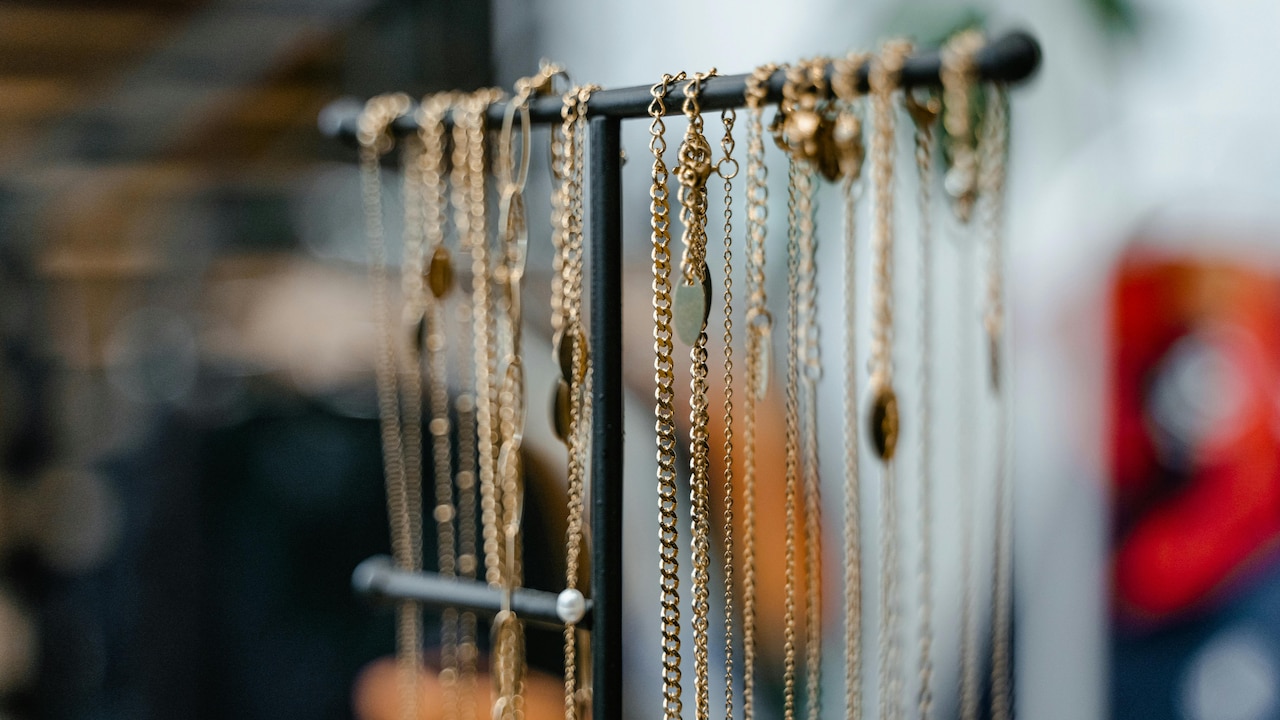
Why Your Necklace Keeps Tangling Mid-Day And What Designs Avoid This
Photo Credit: Pexels
When Style Meets Practicality In Everyday Jewellery
Fashion often prioritises appearance, but practicality plays an equally important role in daily wear. A necklace that looks beautiful but requires constant attention can become more of a burden than an accessory.
Balancing style with functionality ensures that jewellery enhances rather than interrupts the day. Choosing designs that align with lifestyle needs allows for both comfort and elegance. Whether heading to work, meeting friends, or attending an event, the right necklace should complement the moment without demanding constant care.
Modern jewellery offers plenty of options that combine both aspects. From thoughtfully designed chains to innovative clasps, there are choices that suit every preference. Understanding personal habits and selecting pieces accordingly can transform the experience of wearing necklaces.
Products Related To This Article
1. Zabby Allen Premium Gold Plated Kundan Pearl Drop Invisible Chain Necklace Women Girls Pearl Plated Alloy
2. Brado Jewellery Combo 5 Traditional 18 Inch Daily Wear Set Women Pearl Diamond Gold Plated Plated Brass Necklace
3. Suvarn Palace Timeless Everyday Premium Necklace Chain Women Girls Alloy
4. Elcetratd Jewellery Shimmering Beautiful Pack 5 Combo Women Girls Diamond Gold Plated Plated Alloy Necklace
5. Pearl Jewellery Brass Necklaces Chain Pendent Locket Gold Plated Plated Necklace
A tangled necklace may seem like a small inconvenience, yet it reflects the interplay between design, movement, and environment. What begins as a perfectly styled accessory can quickly turn into a mid-day puzzle, often without any clear reason.
By understanding the factors that contribute to tangling, it becomes easier to make smarter choices. From selecting the right chain thickness to considering fabric, movement, and climate, each detail plays a role. Designs that prioritise structure and balance offer a simple solution to a common problem.
Jewellery should feel effortless, not demanding. With the right approach, necklaces can remain as graceful in the evening as they were in the morning. A little awareness goes a long way in ensuring that style stays smooth, elegant, and free from unnecessary knots.
(Disclaimer: This article may include references to or features of products and services made available through affiliate marketing campaigns. NDTV Convergence Limited (“NDTV”) strives to maintain editorial independence while participating in such campaigns. NDTV does not assume responsibility for the performance or claims of any featured products or services.)