Why Do Some Camisoles Ride Up Constantly? Strap And Elastic Quality Check
Camisoles riding up? The issue often lies in poor strap balance and weak elastic. Learn what causes it and how better fabric, fit and construction can keep your camisole in place all day.
Camisole Riding Up All Day? Common Causes And Easy Fixes Explained
Few wardrobe essentials feel as deceptively simple as a camisole. It slips under kurtas, shirts, and even saree blouses without much thought. Yet, that quiet convenience turns frustrating when the fabric creeps upwards every few minutes, demanding constant adjustment. The issue rarely stems from a single flaw. Instead, it builds from a mix of design choices, material quality and wear patterns.
In bustling daily routines, whether commuting in crowded trains, sitting through long office hours, or managing errands in humid weather, a poorly behaving camisole quickly becomes noticeable. The good news is that this annoyance does not require endless trial and error to fix. A deeper understanding of straps, elastics, and fit reveals practical solutions that work without stretching the budget beyond ₹500–₹1,000 for a dependable piece.
Why Do Some Camisoles Ride Up Constantly? Strap And Elastic Quality Check
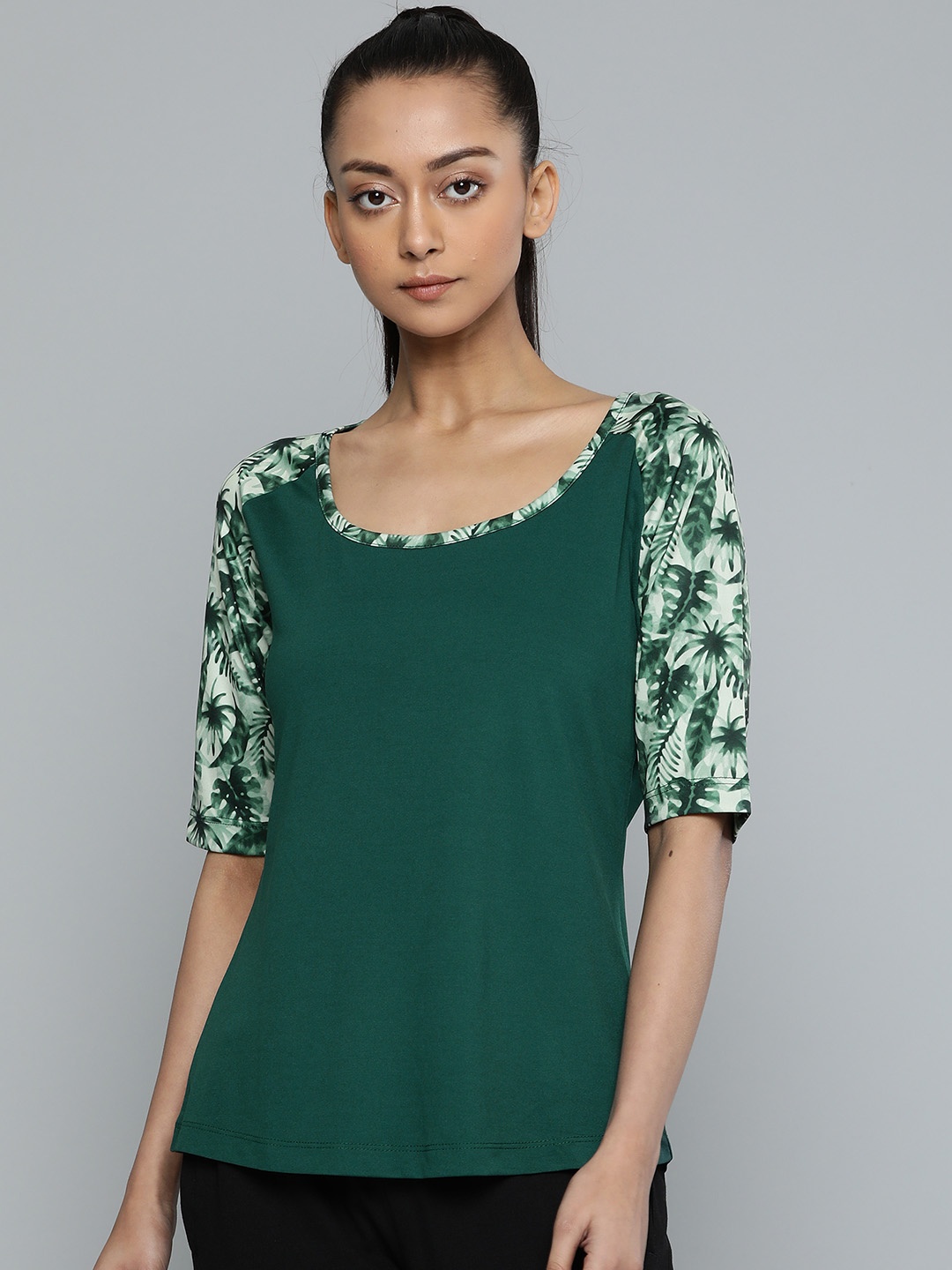
Photo Credit: Myntra
The Real Reasons Behind That Constant Tugging
Fabric Stretch And Recovery Play A Crucial Role
The fabric sits at the heart of the camisole's behaviour. Many affordable options rely on blends that stretch easily but struggle to return to their original shape. Over time, this leads to gradual loosening, especially around the torso. When the fabric fails to bounce back, the hem loses its grip and begins to ride up with even minor movement.
Cotton blends often feel breathable, but when mixed with low-grade elastane, they can lose elasticity after a few washes. This creates a strange imbalance: the top stretches out during wear but tightens unevenly after washing. The result feels like wearing a garment that has forgotten its original shape.
Higher-quality blends maintain a firm yet flexible structure. They stretch when needed but gently return to form, keeping the camisole anchored. Spending slightly more on fabric quality often proves worthwhile. A camisole priced at ₹700 with good recovery tends to outlast cheaper options that lose shape within weeks.
Strap Length And Adjustment Impact Fit Stability
Straps often escape attention, yet they quietly dictate how the entire garment sits. When straps run too long, the camisole hangs lower on the body. This creates slack, allowing the fabric to bunch up and shift upward during movement.
On the other hand, overly tight straps pull the camisole upward from the shoulders, encouraging the hem to creep higher. This constant tension disrupts balance, making the garment feel restless rather than secure.
Adjustable straps offer a simple solution, but only when used correctly. Many wearers set the length once and forget about it, even as the fabric stretches over time. A quick readjustment every few weeks can restore proper positioning. The ideal strap length keeps the camisole snug against the body without pulling or sagging.
A well-balanced strap acts like an anchor, ensuring the garment stays in place even during a hectic day filled with walking, bending, and sitting.
Elastic Quality Determines Grip And Longevity
Elastic bands at the hem or bustline often decide whether a camisole behaves or misbehaves. Low-quality elastic loses tension quickly, especially after repeated washing. Once weakened, it stops holding the fabric against the body, allowing it to shift upward with ease.
Heat and humidity also play a role. In warmer climates, frequent sweating and washing accelerate elastic fatigue. Within a few months, a once-snug camisole may feel loose and unreliable.
High-quality elastic retains its stretch and firmness over time. It provides gentle resistance without digging into the skin. This balance prevents the camisole from sliding while maintaining comfort.
Testing elasticity before purchase can help. A simple stretch and release gives a sense of how well the material recovers. Investing in better elastic, even if it means paying ₹200 more, often saves the hassle of replacing garments frequently.
Body Fit And Size Selection Influence Movement
Choosing the correct size might sound obvious, yet it remains one of the most common issues. A camisole that feels slightly loose in the store can become noticeably unstable during daily activities. Excess fabric tends to shift, fold, and eventually ride up.
Conversely, a camisole that feels too tight may appear flattering initially but creates upward tension as the body moves. This constant pull encourages the fabric to gather around the waist.
Body shape also matters. Straight-cut camisoles may not suit every body type, especially when the waist and hip proportions differ significantly. A design that does not accommodate natural curves will struggle to stay in place.
Trying different cuts, such as slightly tapered or stretch-contoured designs, can make a noticeable difference. A well-fitted camisole hugs the body without restricting movement, reducing the chances of constant adjustment.
Also Read: Buy HRX Women's Sports Bras At A Minimum 70% Off During Myntra Fashion Carnival
Seam Placement Can Affect Fabric Behaviour
Seams do more than hold fabric together; they influence how a garment moves. Poorly placed or bulky seams can create tension points that disrupt the natural fall of the camisole.
Side seams that twist after washing often cause uneven pulling, leading the fabric to ride up on one side. Similarly, thick seams around the hem can create stiffness, preventing the garment from lying flat against the body.
Flatlock seams or minimal stitching offer a smoother finish. They reduce friction and allow the fabric to move naturally with the body. This small detail often separates a comfortable camisole from one that feels constantly out of place.
Paying attention to seam quality during purchase can prevent irritation later. A smooth, well-constructed seam ensures the camisole behaves like a seamless layer rather than a stubborn piece of clothing.
Washing Habits Can Alter Fit Over Time
Laundry routines quietly influence how a camisole performs. Frequent washing in hot water weakens both fabric fibres and elastic components. Over time, this leads to stretching, shrinking, or uneven wear.
Harsh detergents can also break down elasticity, especially in budget-friendly garments. The result often appears as a camisole that feels fine initially but loses its structure after a few cycles.
Gentle washing with mild detergent helps preserve elasticity. Air drying instead of using high heat maintains the fabric's integrity. These small changes extend the life of the garment without requiring additional expense.
A camisole that rides up after a few washes may not be poorly designed. Instead, it might be reacting to care methods that gradually alter its structure.
Why Do Some Camisoles Ride Up Constantly? Strap And Elastic Quality Check
Photo Credit: Myntra
Climate And Sweat Influence Fabric Movement
Warm weather introduces a unique challenge. Sweat creates a slippery layer between the skin and fabric, reducing friction. This makes it easier for the camisole to shift and ride up.
Humidity adds another layer of complexity. Fabrics absorb moisture, becoming heavier and less stable. This combination often leads to constant adjustments, especially during long commutes or outdoor activities.
Choosing breathable fabrics helps manage this issue. Materials that wick moisture away from the skin maintain a better grip. Cotton blends with good airflow often perform better than synthetic-heavy options in humid conditions.
While climate cannot be controlled, selecting the right fabric can reduce its impact. A camisole that handles moisture well feels noticeably more stable throughout the day.
Layering Choices Can Cause Friction And Shift
Layering remains a common styling choice, but it can unintentionally cause movement. Wearing a camisole under tight tops or rough fabrics creates friction that pulls the inner layer upward.
This becomes more noticeable when outer garments cling or shift frequently. Each movement transfers to the camisole, gradually pushing it out of place.
Smoother outer fabrics reduce this effect. Choosing slightly looser layers also allows the camisole to remain undisturbed. The goal lies in creating harmony between layers rather than forcing them to compete for space.
A small change in layering approach often eliminates the need for constant readjustment.
Manufacturing Quality Reflects In Everyday Wear
Mass-produced garments often prioritise cost over durability. This leads to shortcuts in stitching, fabric quality, and elastic strength. While the price may appear attractive, sometimes as low as ₹200, the long-term experience often proves disappointing.
Inconsistent sizing, weak seams, and poor finishing contribute to the riding-up issue. These flaws may not appear immediately but become evident after a few wears.
Brands that focus on quality control tend to offer more reliable products. Even within a modest budget, it is possible to find well-constructed options that perform consistently.
Paying attention to details such as stitching, fabric feel, and elasticity helps identify better-quality camisoles. A slightly higher upfront cost often translates into better comfort and longevity.
Wear And Tear Gradually Change Garment Behaviour
Every garment evolves with use. Repeated stretching, washing, and daily wear slowly alter its structure. A camisole that once fit perfectly may begin to behave differently over time.
Elastic loses its resilience, fabric fibres weaken, and seams may shift slightly. These changes often go unnoticed until the camisole starts riding up regularly.
Recognising this natural wear cycle helps set realistic expectations. Replacing frequently worn camisoles every few months ensures consistent comfort. Rotating between multiple pieces also reduces strain on individual garments.
Rather than blaming a single flaw, understanding wear and tear offers a balanced perspective. Even the best camisole eventually reaches a point where it no longer performs as intended.

Why Do Some Camisoles Ride Up Constantly? Strap And Elastic Quality Check
Photo Credit: Pinterest
Products Related To This Article
1. Jockey Micro Modal Stretch Adjustable Straps StayFresh Camisole-1805
2. Zivame Lightly-Padded Camisole
3. DChica Girls Pack Of 2 Padded Adjustable Straps Cotton Camisole Bra
4. Amante Ribbed U Neck Sleeveless Camisole
5. Enamor Women Black Slim Fit Camisole
A camisole may seem like a simple addition to a wardrobe, yet its behaviour depends on a careful balance of fabric, fit, and construction. When any of these elements fall short, the result often appears as constant riding up, an irritation that disrupts comfort throughout the day.
By paying closer attention to strap adjustment, elastic quality, and fabric performance, it becomes easier to choose garments that stay in place. Small changes, such as adjusting washing habits or selecting better-quality materials, can make a noticeable difference without stretching the budget.
Comfort does not require luxury pricing. It simply demands thoughtful selection and a bit of awareness. With the right choices, a camisole can return to its intended role, quiet, reliable and effortlessly comfortable.
(Disclaimer: This article may include references to or features of products and services made available through affiliate marketing campaigns. NDTV Convergence Limited (“NDTV”) strives to maintain editorial independence while participating in such campaigns. NDTV does not assume responsibility for the performance or claims of any featured products or services.)