Straight Vs A-Line Kurtas: What Actually Flatters Your Body Type
Straight or A-line? The right kurta cut can change how an outfit looks and feels. This guide breaks down which silhouette suits different body types, helping you choose styles that flatter, comfort, and boost confidence. Choose between straight vs A-line kurtas to find something that flatters your body type beautifully.

Straight or A-Line Kurta? A Simple Guide to Choosing the Right Fit for Your Body.
Kurtas sit at the heart of everyday dressing. They move easily from office mornings to festive evenings, from rushed errands to slow family lunches. Yet the small detail of a silhouette can change everything. Straight kurtas promise clean lines and sharp structure. A-line kurtas bring movement and softness. The confusion begins when mirrors offer mixed opinions. Something feels slightly off, even when the fabric looks beautiful. The secret often lies in how a cut works with natural proportions. Body types differ, moods change, and comfort always matters.

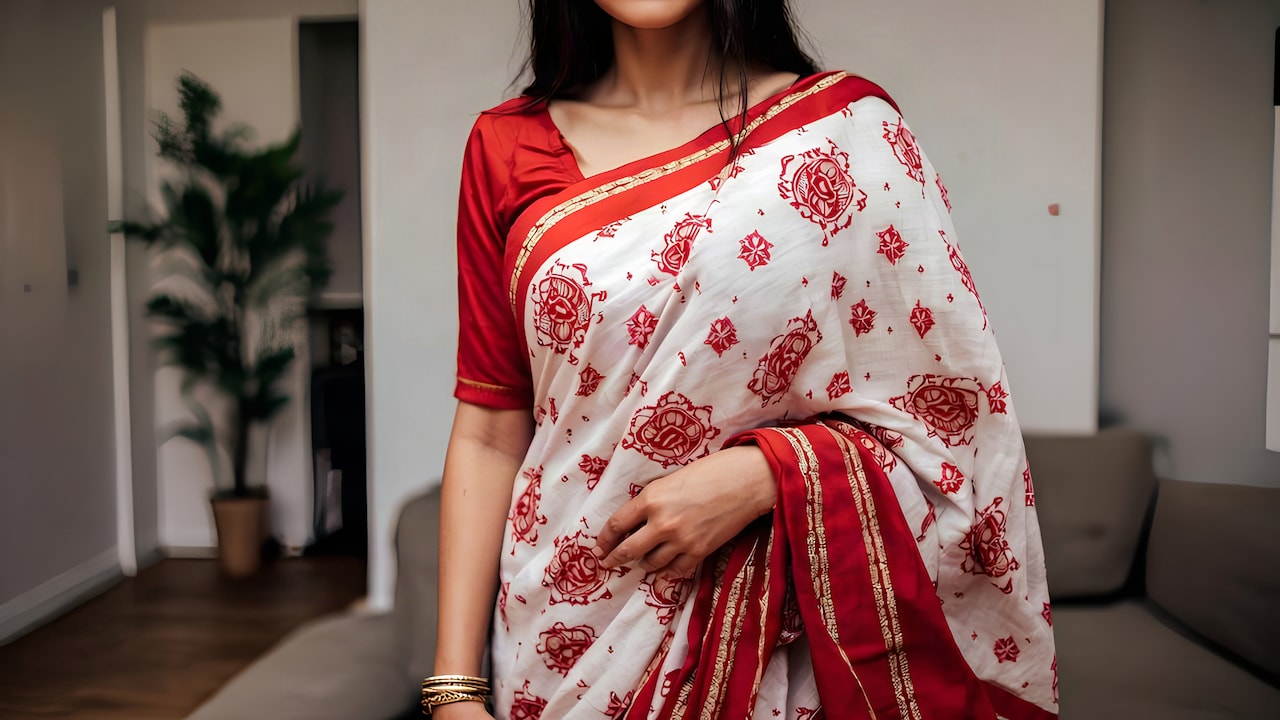
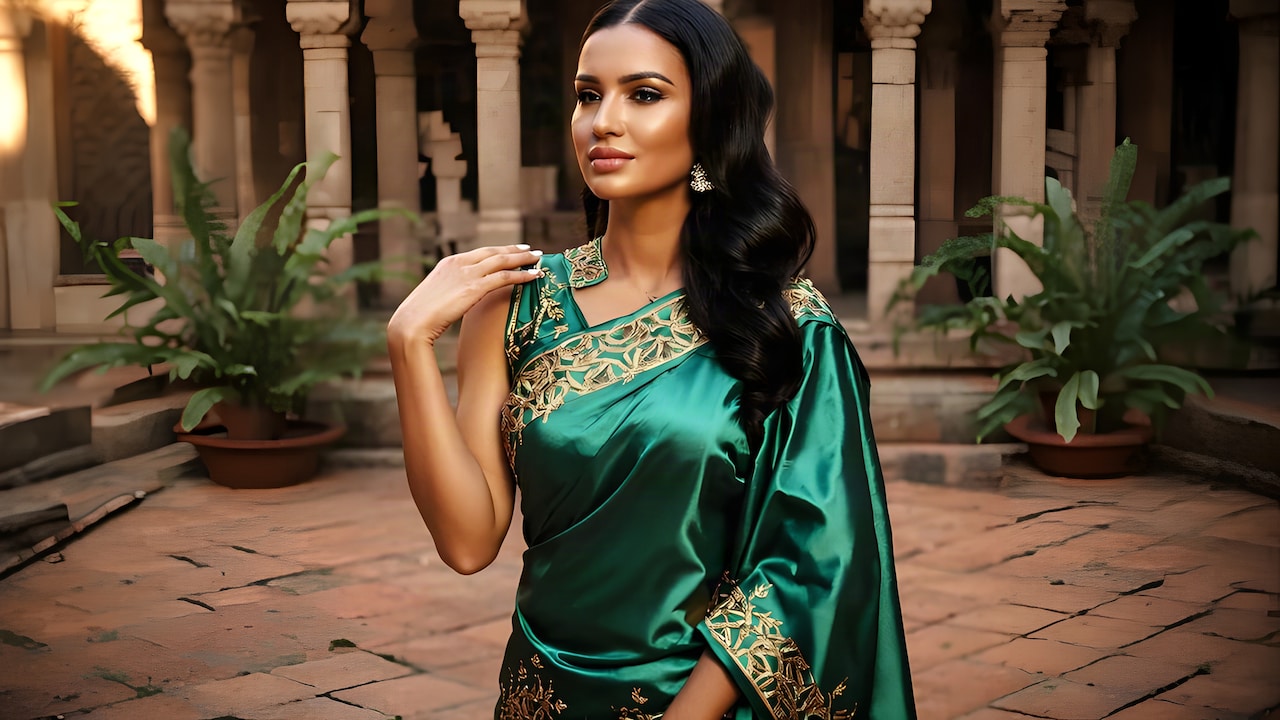
Find the right style for your body type by learning all about straight vs A-line kurtas; Photo Credit: Pexels
This piece explores straight and A-line kurtas in a practical way. No strict rules. No body shaming. Just honest insights, cultural cues, and styling tricks that actually work in real life.
Also Read: 10 Kurtas That Go From Home Office To Grocery Runs Without A Fuss
Understanding Fit, Shape And What Truly Flatters
1. Understanding the Straight Kurta Silhouette
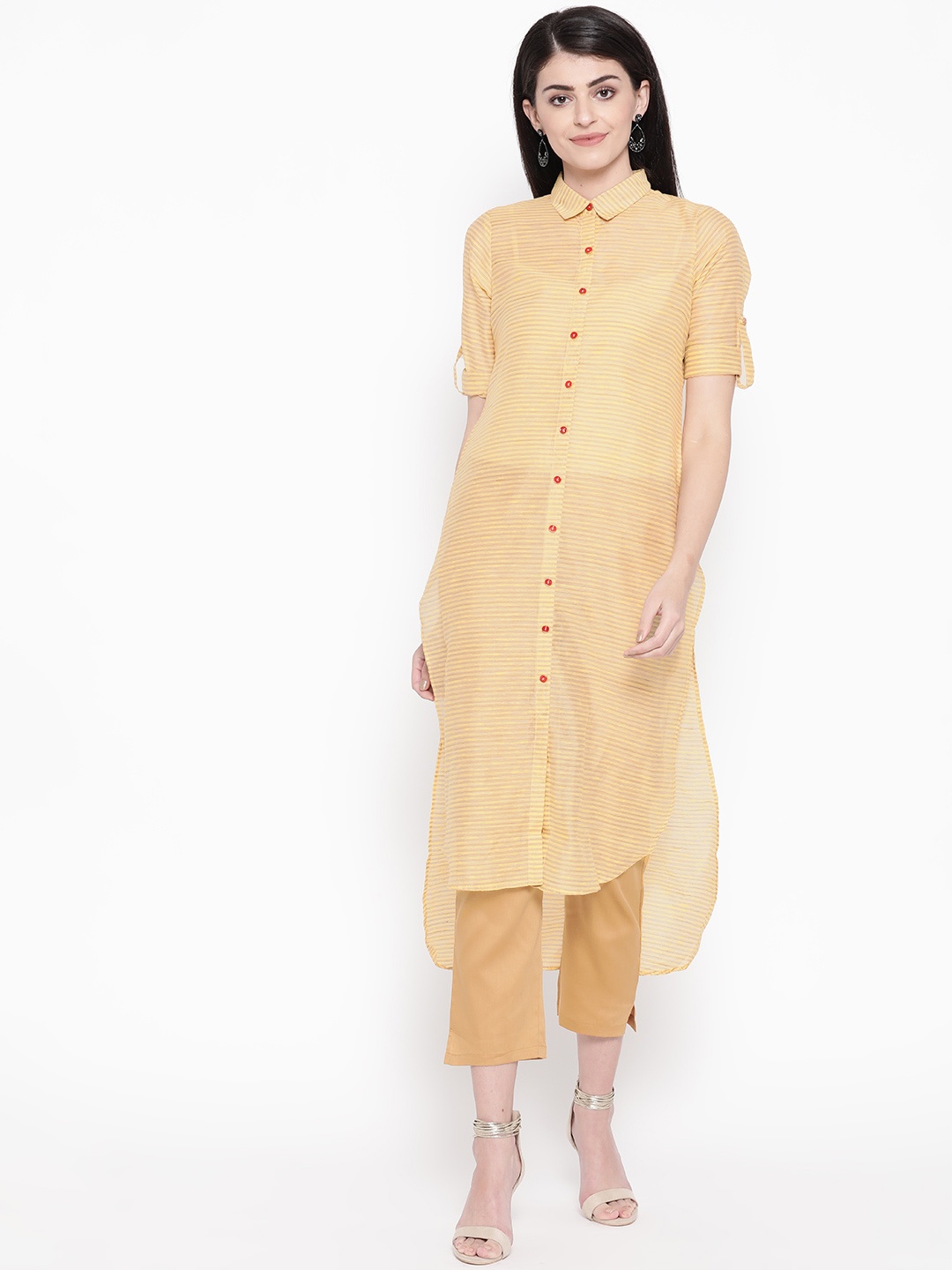
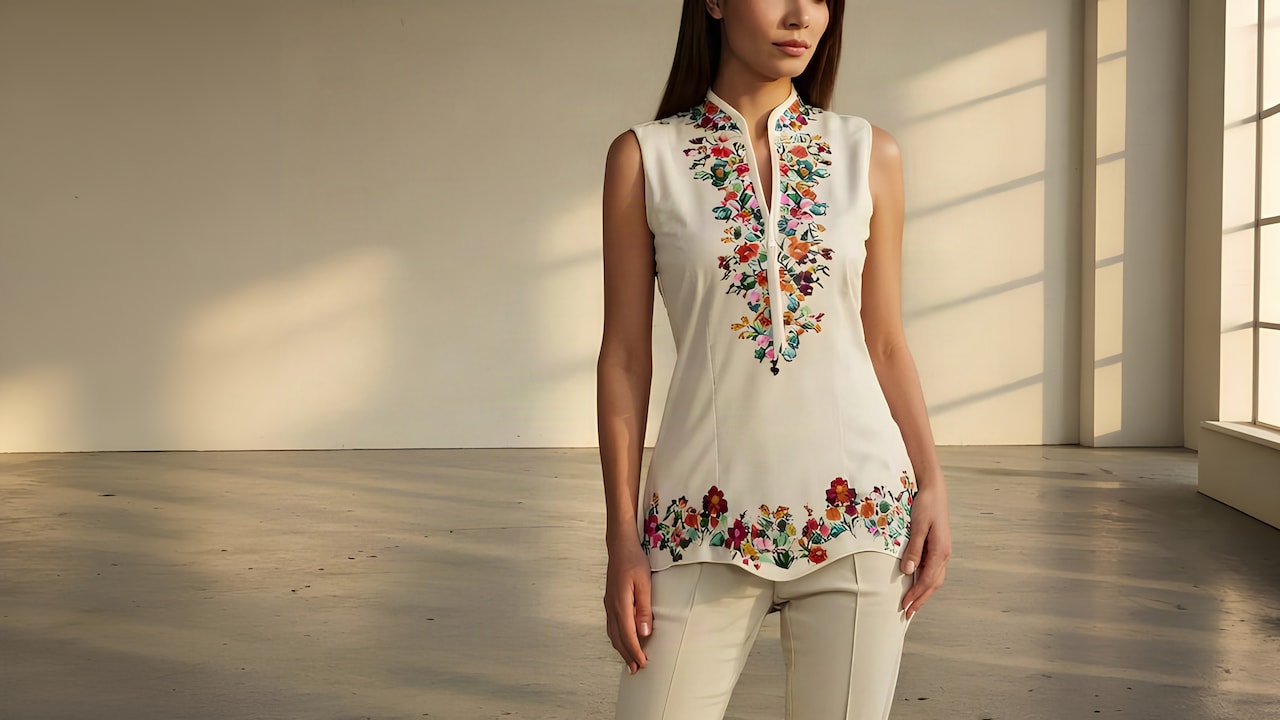
Straight kurtas fall evenly from the shoulders to the hem. They do not flare or cling. This clean structure creates a streamlined look that feels polished and confident. Office wear often favours this cut because it looks sharp without trying too hard.
This silhouette works beautifully for those who prefer minimal fuss. It pairs easily with cigarette pants, straight trousers, or even classic churidars. Straight kurtas also allow prints, embroidery, and bold colours to shine without visual clutter.
However, the cut demands balance. When the fit feels too tight, movement suffers. When it feels too loose, the shape disappears. The trick lies in tailored shoulders and the right length. Knee-length versions feel versatile, while longer ones add elegance for formal settings.
This style suits those who enjoy crisp dressing and structured outfits. It feels especially flattering on frames that already carry balanced proportions. With the right fabric, even everyday cotton can look refined.
2. The A-Line Kurta Explained Simply
A-line kurtas widen gradually from the bust downwards, forming a gentle flare. This shape feels forgiving, graceful, and easy to wear. It allows the body to move freely, which explains its popularity during long days and festive gatherings.
The flare creates visual softness. It draws attention away from the waist and hips, making it a favourite for those who prefer relaxed silhouettes. This cut also works well with lightweight fabrics like rayon, georgette, and soft cotton blends.
A-line kurtas carry a youthful charm. They suit playful prints, panels, and layered designs. Pairing them with leggings or slim pants keeps the look balanced. Palazzos can work too, when the flare stays subtle.
This silhouette feels ideal for days when comfort matters most. It flatters without effort and adapts easily to changing body shapes. That flexibility makes it a trusted choice across age groups and occasions.
3. Straight Kurtas for Lean and Tall Frames
Lean and tall frames often benefit from the clean fall of straight kurtas. The vertical lines enhance natural height and create a sleek appearance. This cut avoids unnecessary volume, which helps maintain proportion.
Long straight kurtas look especially striking here. Side slits add movement without breaking the line. High necks, boat necks, and subtle embroidery elevate the look further. Even bold colours like deep maroon or emerald green feel balanced.
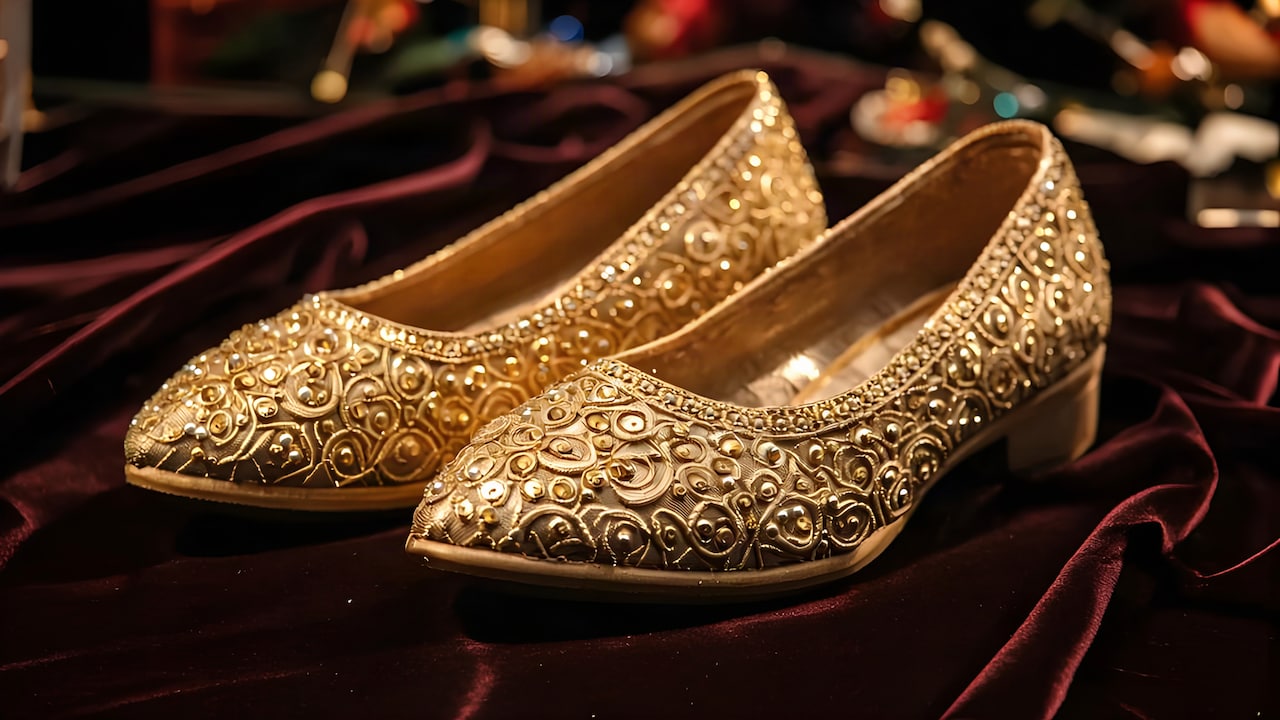
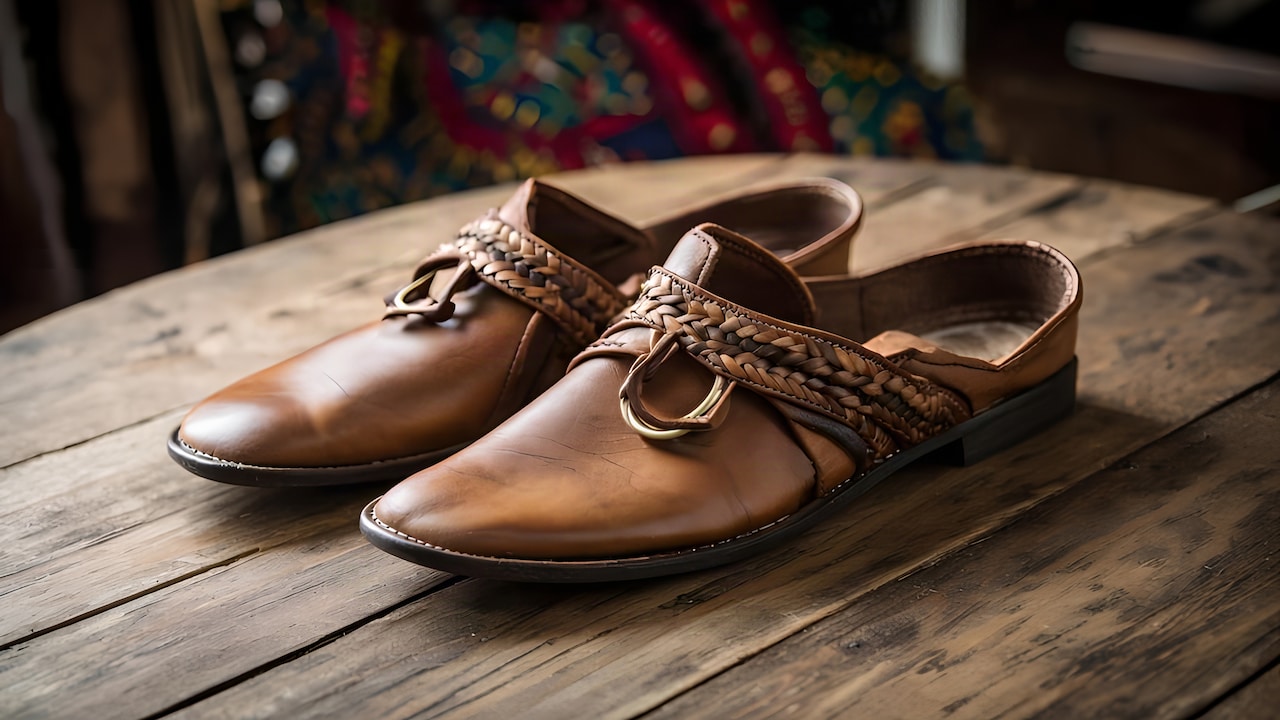
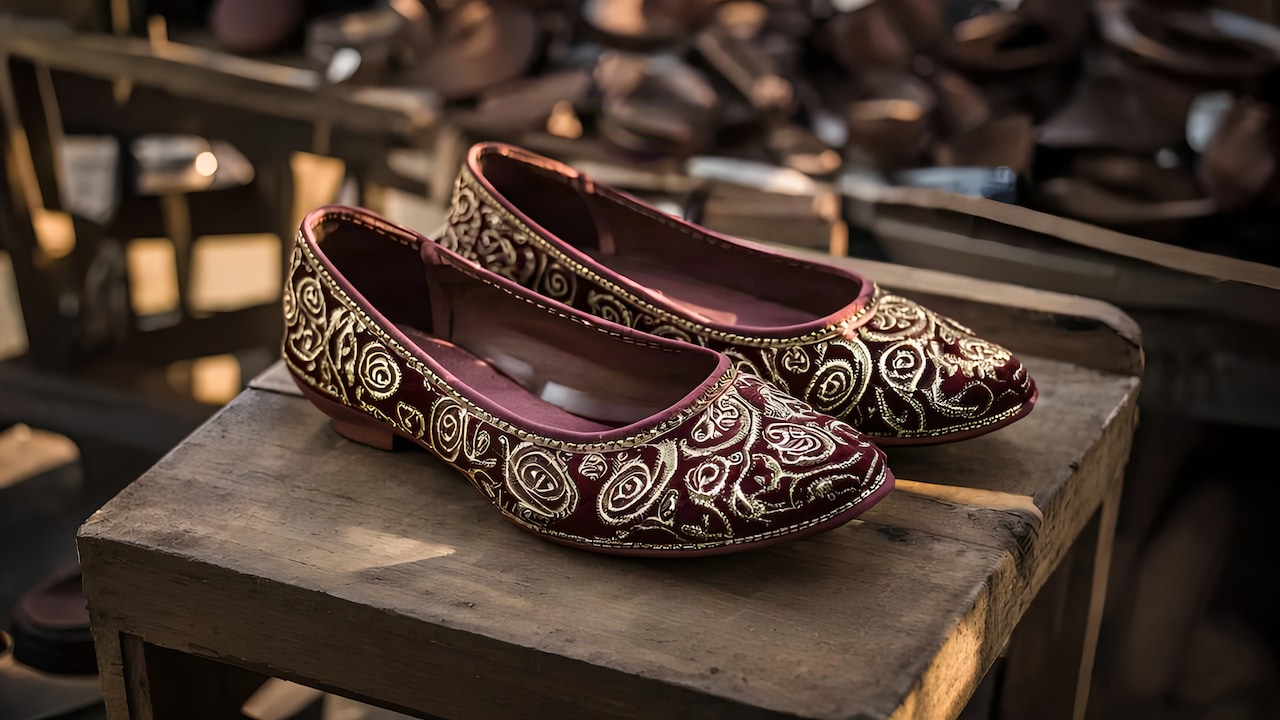
Layering also works well. Adding a lightweight dupatta or a short jacket introduces interest without overwhelming the frame. Footwear like juttis or block heels completes the look with ease.
This silhouette supports experimentation. Printed trousers, contrast borders, or statement earrings shine when the kurta remains structured. For those who enjoy understated elegance, straight kurtas offer a reliable style anchor.
4. A-Line Kurtas for Curvy Body Types
Curvier body types often gravitate towards A-line kurtas for good reason. The gentle flare skims over curves instead of clinging to them. This creates a balanced and confident silhouette.
The key lies in choosing the right flare. Too much volume can feel bulky, while a subtle A-line keeps things graceful. Fabrics with a soft fall work best, as they move with the body. Vertical prints and panelled designs add length visually.
Necklines matter here. V-necks and scoop necks draw attention upwards and elongate the torso. Sleeves with slight structure prevent the outfit from looking shapeless.
A-line kurtas allow comfort without compromise. They work well for daily wear and celebrations alike. With thoughtful styling, this cut celebrates curves instead of hiding them.
5. Pear-Shaped Bodies and the Right Kurta Choice
Pear-shaped bodies carry more volume around hips and thighs. Balance becomes the goal here. A-line kurtas often win because the flare flows over the lower half smoothly.
Choosing a kurta that highlights the upper body helps. Embellished yokes, interesting necklines, and statement sleeves draw attention upwards. The flare should begin just below the bust for the best effect.
Straight kurtas can also work when styled carefully. Opting for darker shades below and lighter tones on top creates visual harmony. Side slits add ease and prevent the fabric from pulling.
Pairing matters too. Slim pants or leggings keep the focus on the kurta shape. With these small adjustments, both silhouettes can feel flattering and stylish.
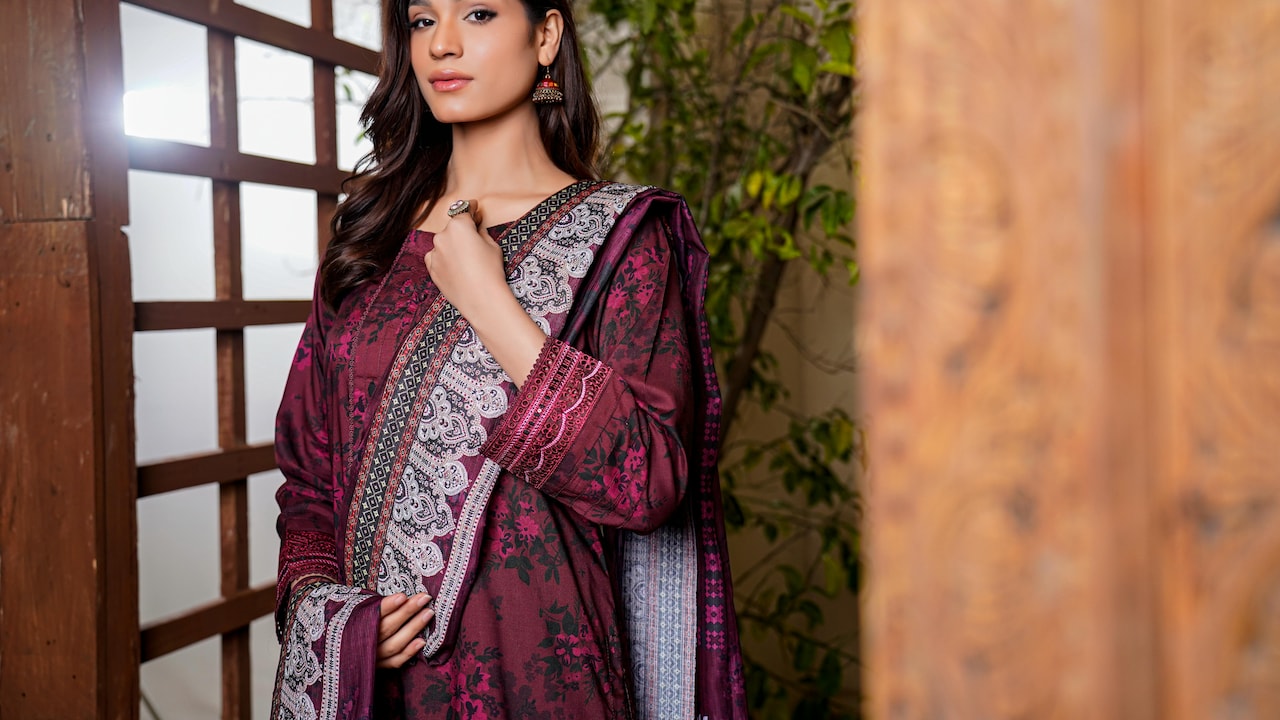
A-line kurtas flatter pear-shaped bodies more than straight kurtas; Photo Credit: Pexels
6. Apple-Shaped Bodies and Smart Styling
Apple-shaped bodies tend to carry weight around the midsection. Comfort and confidence go hand in hand here. A-line kurtas often feel like a natural choice because they avoid clinging around the waist.
However, not all A-lines work equally. Structured A-lines with minimal flare look more polished. Fabrics that drape well, rather than stiff materials, create a smoother line.
Straight kurtas can also flatter when they skim the body gently. Choosing a slightly relaxed fit avoids emphasising the midsection. Vertical seams, front buttons, or subtle stripes help elongate the frame.
Length plays a role. Kurtas that hit just below the knee feel balanced. Pairing them with straight pants keeps the look cohesive. With thoughtful choices, both silhouettes can offer ease and elegance.
7. Petite Frames: Length and Cut Matter
Petite frames often face the challenge of proportions. The wrong length or excessive flare can shorten the appearance. Straight kurtas usually work well because they create clean vertical lines.
Shorter lengths, around knee level, feel most flattering. Excess fabric can overwhelm a petite build. High slits add height visually, while monochrome outfits keep things streamlined.
A-line kurtas can work too, when the flare stays minimal. Choosing lighter fabrics prevents bulk. Vertical prints and simple designs help maintain balance.
Footwear choices complete the look. Slightly elevated sandals or juttis add height without discomfort. With mindful styling, petite frames can enjoy both silhouettes comfortably.
8. Fabric Choices That Change Everything
Fabric often decides whether a kurta flatters or fails. Straight kurtas benefit from fabrics that hold shape, such as cotton silk, linen blends, and heavier cottons. These materials maintain structure and polish.
A-line kurtas shine in softer fabrics. Rayon, crepe, and georgette allow the flare to flow naturally. Stiff fabrics can create unwanted volume and disrupt the silhouette.
Season matters too. Summer calls for breathable cottons that feel light against the skin. Festive occasions allow richer textures and subtle sheen.
Investing in good fabric pays off. A well-chosen kurta, even at ₹1,500, can look far more refined than an expensive piece with poor material. Comfort and style often start with the right clothes.
9. Occasion Dressing: Choosing Smartly
Everyday wear demands comfort. A-line kurtas feel relaxed and easy for long hours. Straight kurtas work well for office settings where structure feels appropriate.
Festive occasions allow experimentation. A-line kurtas with panels, embroidery, or asymmetrical hems bring drama. Straight kurtas with rich fabrics and elegant detailing offer timeless appeal.
Travel days call for fuss-free dressing. Straight kurtas paired with stretch pants feel practical. Soft A-lines work well for train journeys and family visits.
Understanding the occasion simplifies choices. The same wardrobe can feel versatile when silhouettes align with purpose. Style becomes effortless when comfort and context meet.
10. Confidence: The Final Fit Check
No silhouette flatters without confidence. Mirrors reflect posture, comfort, and mood as much as fabric and cut. Feeling at ease often makes the biggest difference.
Trying different styles helps build awareness. Some days call for structure, others for softness. Body shapes change, and wardrobes should adapt without pressure.
Personal style grows through experimentation. Mixing straight kurtas with playful accessories or styling A-lines with structured bottoms keeps things fresh.
Fashion should support daily life, not complicate it. When a kurta feels right, it shows. That ease becomes the most flattering element of all.
Products Related To This Article
1. Vishudh Women Navy Blue Printed A-Line Kurta
2. GoSriKi Floral Embroidered Thread Work Regular Kurta
3. Anouk Women Floral Embroidered Flared Sleeves Thread Work Kurta
4. Sangria Navy Blue Ethnic Motifs Embroidered Thread Work Straight Kurta
5. Varanga Peach Jaipuri Printed V Neck A line Pure Cotton Kurta
6. Vishudh Floral Printed V-Neck Cotton Straight Kurta
7. Anayna Women Floral Printed Thread Work Kurta
Straight and A-line kurtas each bring their own charm. One offers clean structure, the other gentle flow. The choice depends on body type, occasion, and personal comfort. In the end, the best kurta feels like a trusted companion. Comfortable, flattering, and quietly confident.
(Disclaimer: This article may include references to or features of products and services made available through affiliate marketing campaigns. NDTV Convergence Limited (“NDTV”) strives to maintain editorial independence while participating in such campaigns. NDTV does not assume responsibility for the performance or claims of any featured products or services.)