Thermal Leggings Vs Regular Leggings: What Works Under Ethnic Wear
Thermal or regular leggings, choosing the right layer under ethnic wear can define comfort and style. This guide breaks down what works best across seasons, fabrics and occasions, without compromising elegance.
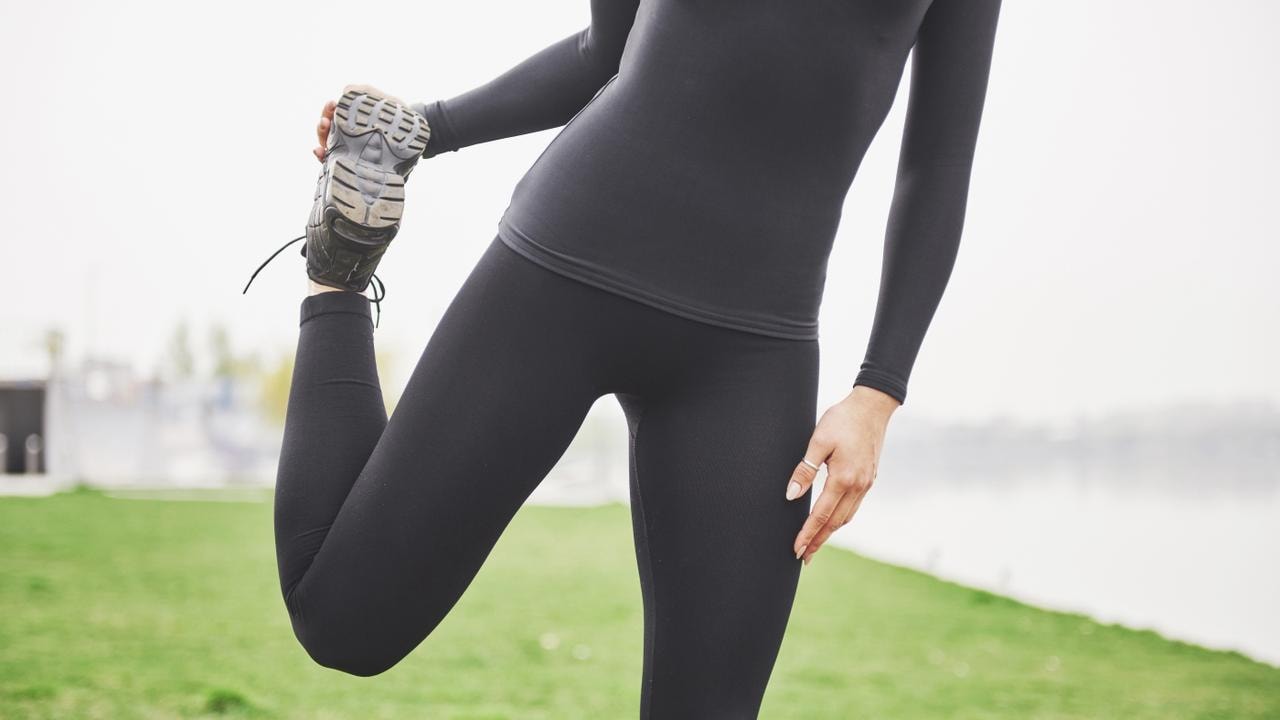
Thermal vs Regular Leggings: Comfort, Warmth, and Style Under Ethnic Wear.
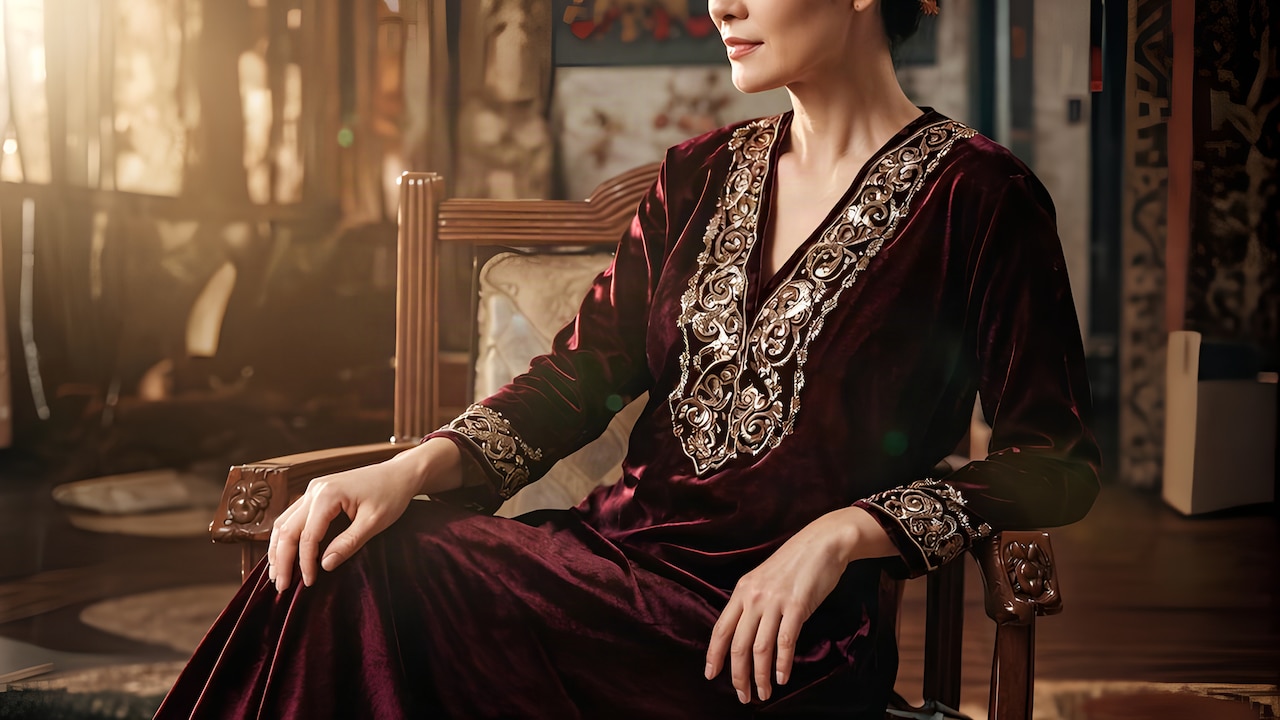
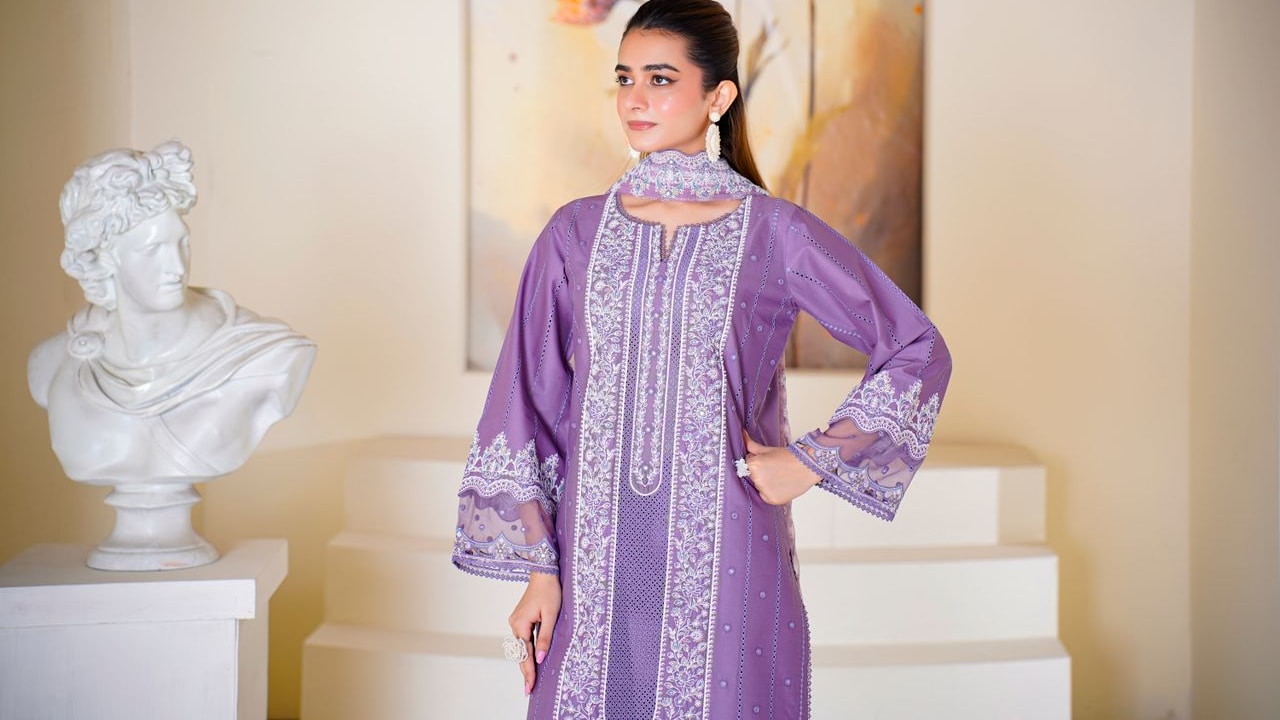
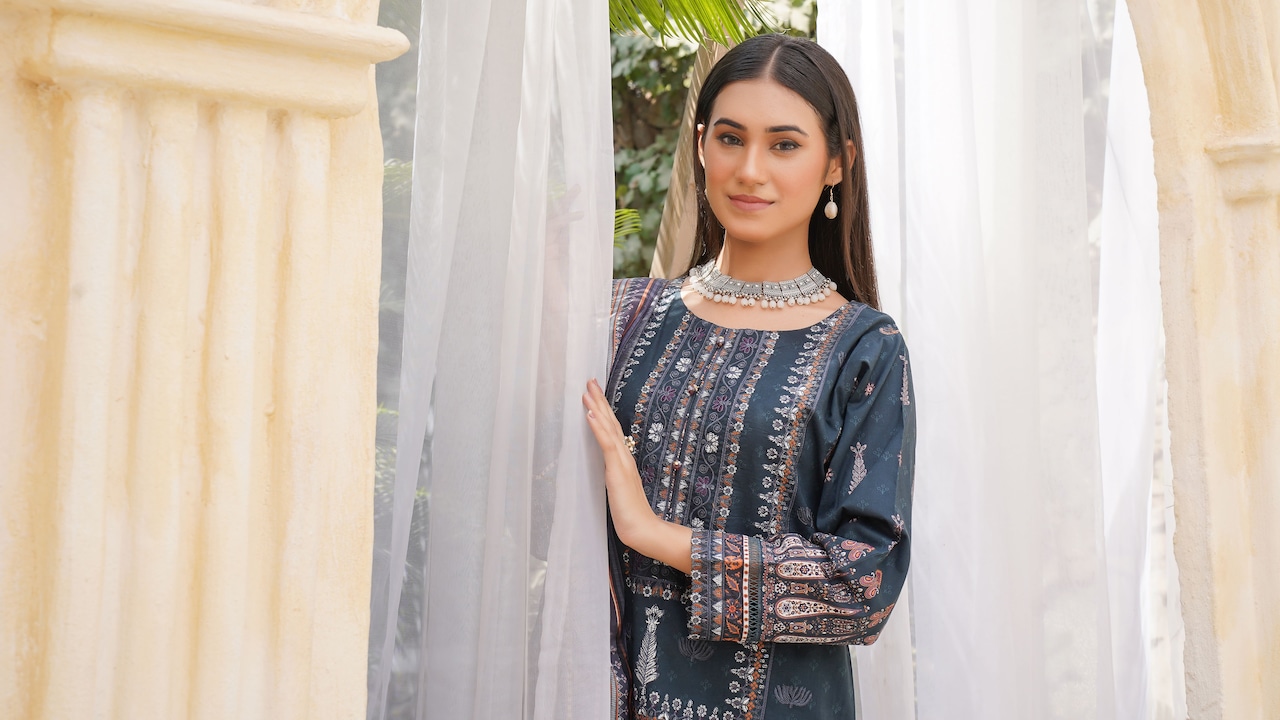
Ethnic wear holds a special place in everyday wardrobes and grand celebrations alike. A flowing kurta, a crisp straight suit, or a festive anarkali always looks complete only when paired with the right bottoms. Yet, leggings often get less attention than dupattas or jewellery. Winter mornings, air-conditioned offices, and long wedding rituals demand practicality alongside style. This is where the comparison between thermal leggings and regular leggings steps in. One promises warmth, the other offers year-round ease. The real question lies in suitability. Do thermal leggings add bulk under delicate fabrics? Do regular leggings fall short when temperatures dip? This guide explores both options in detail, keeping real-life dressing situations in mind.
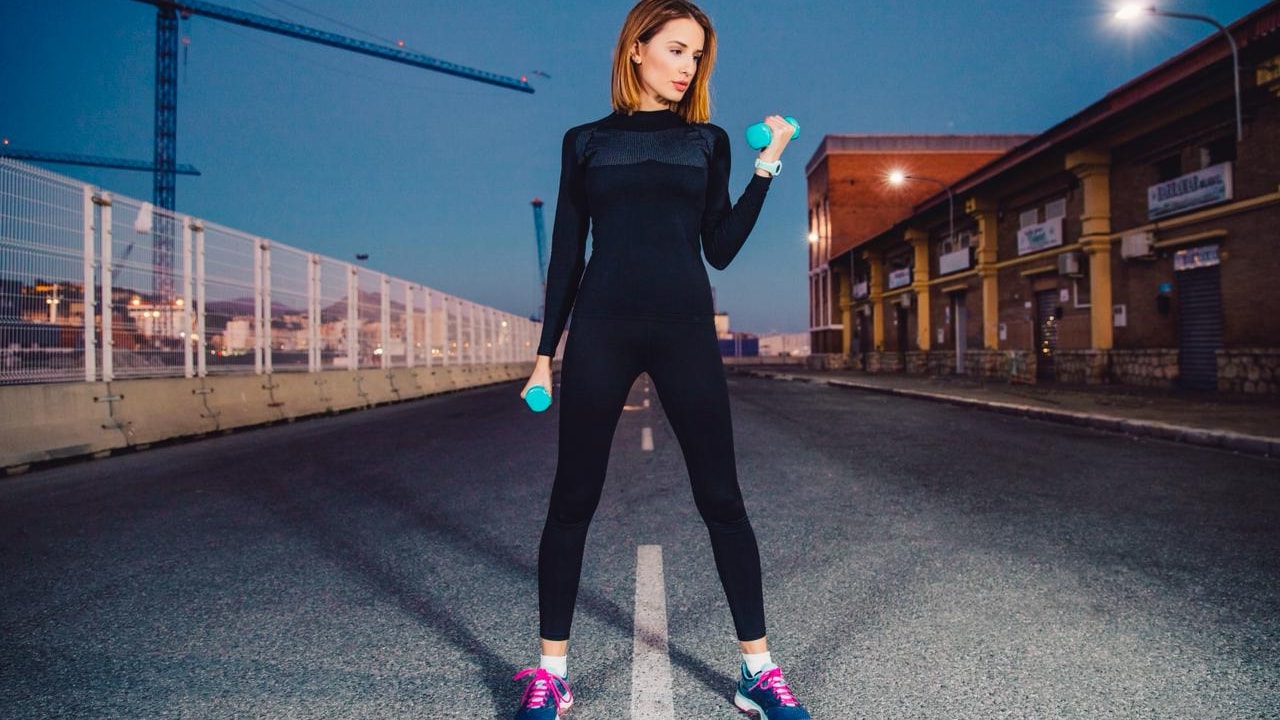
Thermal vs Regular Leggings: Comfort, Warmth, and Style Under Ethnic Wear.; Photo Credit: Pexels
A Practical Comparison for Everyday Ethnic Dressing
1. Fabric Feel: The First Thing the Skin Notices
Fabric decides comfort long before style enters the picture. Regular leggings usually come in cotton, Lycra blends, or viscose. These fabrics feel breathable, soft, and light against the skin. They suit long hours, crowded functions, and warm afternoons. Movement stays easy, and the fabric rarely feels restrictive.
Thermal leggings tell a different story. They use fleece-lined or wool-blend interiors designed to trap body heat. The outer layer may look smooth, but the inner lining feels plush and cosy. On cold mornings, that warmth feels comforting. However, sensitive skin may find the lining slightly heavy after prolonged wear.
Under ethnic wear, fabric texture matters. Lightweight kurtas and sheer fabrics reveal even minor bulk. Regular leggings blend seamlessly under such outfits. Thermal leggings work better under thicker kurtas, woollen suits, or winter-friendly fabrics.
Comfort often depends on climate and occasion. A December wedding in a hill town demands warmth. A long day of shopping or office wear favours breathability. Fabric feel sets the tone for that choice.
2. Warmth vs Breathability: The Seasonal Dilemma
Weather plays a silent but powerful role in wardrobe decisions. Regular leggings shine during most months. They allow airflow, prevent overheating, and suit fluctuating indoor temperatures. Air-conditioned malls, metro rides, and office spaces feel manageable in them.
Thermal leggings focus solely on warmth. Cold mornings, foggy evenings, and outdoor ceremonies become bearable with that extra insulation. Legs stay warm without layering multiple garments. That convenience appeals during winter festivals and travel.
Yet, warmth can turn uncomfortable indoors. Long hours inside heated venues may cause discomfort. Breathability suffers, leading to restlessness. Regular leggings avoid that issue, keeping the body balanced.
Ethnic wear often involves long durations of sitting, standing, and walking. Breathability matters as much as warmth. The trick lies in matching leggings to the day's temperature pattern. Mild winters suit regular leggings with thicker kurtas. Harsh cold demands thermals, paired thoughtfully to avoid bulk.
Also Read: How To Style Woollen Leggings That Look Great For Work, Travel And Weekend Outings
3. Fit and Silhouette Under Ethnic Wear
Ethnic outfits celebrate flow and structure. The wrong leggings can disrupt that balance. Regular leggings offer a sleek, close fit. They hug the legs without adding volume. Straight-cut kurtas, anarkalis, and short kurtis benefit from that clean silhouette.
Thermal leggings often feel slightly thicker. Even well-designed ones add a layer that affects drape. Under-fitted kurtas, the thickness may show at the knees or calves. Under flared anarkalis or long suits, the issue reduces.
Fit also affects movement. Regular leggings stretch easily, allowing graceful walking and sitting on the floor during rituals. Thermal leggings may feel restrictive if the stretch ratio stays low.
Tailoring matters too. Many ethnic outfits get stitched to precise measurements. Adding thermals underneath may alter fit. Regular leggings rarely cause such issues. Those who prefer structured silhouettes often lean towards regular leggings, while relaxed winter styles accommodate thermals better.
4. Style Versatility and Colour Choices
Style flexibility counts when wardrobes need to multitask. Regular leggings win on variety. They come in endless colours, finishes, and fabrics. From classic black and beige to festive maroons and bottle greens, matching becomes effortless.
Thermal leggings usually stick to basics. Black, grey, and nude dominate the palette. That limits styling options, especially under lighter or pastel ethnic wear. Dark thermals may show through light fabrics, affecting the overall look.
Ethnic wear often relies on colour harmony. Dupattas, embroidery, and footwear all tie together. Regular leggings support that coordination. They stay invisible when needed and stylish when visible.
Some outfits reveal leggings at the ankle or slit. Regular leggings look polished in such cases. Thermal leggings, with thicker hems, may appear bulky. For fashion-conscious dressing, regular leggings offer more freedom. Thermals remain practical but less versatile in styling.
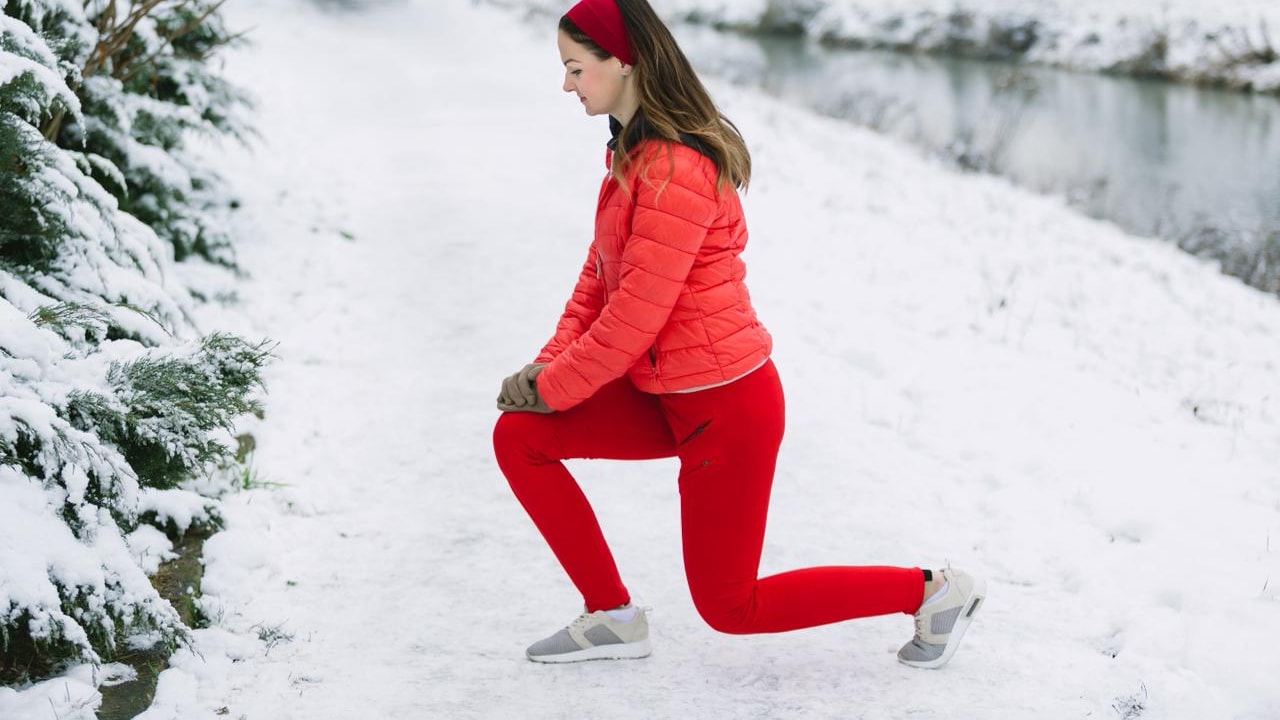
Thermal vs Regular Leggings: Comfort, Warmth, and Style Under Ethnic Wear.; Photo Credit: Pexels
5. Comfort During Long Hours
Ethnic events rarely end quickly. Weddings stretch across hours. Festivals involve constant movement. Comfort becomes non-negotiable. Regular leggings adapt well to long wear. They stretch, breathe, and rarely cause irritation.
Thermal leggings excel at warmth but may feel heavy after extended periods. The fleece lining traps heat effectively, sometimes too effectively. Sweating becomes a concern in crowded spaces.
Sitting cross-legged, walking barefoot during rituals, or standing in queues demands flexibility. Regular leggings respond better to such movements. Thermals may restrict ease if not designed well.
Comfort also links to mental ease. Constant awareness of discomfort distracts from celebrations. Choosing the right leggings prevents that. For day-long events, regular leggings often feel safer. For short outdoor ceremonies in cold weather, thermals offer relief without prolonged discomfort.
6. Suitability for Different Ethnic Outfits
Not all ethnic wear behaves the same. Straight kurtas and cigarette pants pair best with slim leggings. Regular leggings maintain that tailored look. Anarkalis and flared suits hide bulk better, allowing thermals underneath.
Churidars complicate the choice. Thermal leggings rarely mimic churidar gathers well. Regular leggings adapt more easily, especially stretchable ones designed for that style.
Layered outfits like long jackets or shawls offer room for thermals. Minimal outfits with sheer fabrics demand regular leggings. Understanding outfit structure simplifies the decision.
Mix-and-match wardrobes benefit from regular leggings. Seasonal wardrobes focused on winter ensembles accommodate thermals. Matching leggings to outfit type avoids last-minute styling stress.
7. Maintenance and Durability
Daily wear demands easy maintenance. Regular leggings score high here. Most fabrics wash well, dry quickly, and retain shape. Frequent use does not affect comfort much.
Thermal leggings need gentler care. Fleece linings may pill over time. Improper washing affects insulation. Drying takes longer, especially in humid winters.
Durability also links to frequency of use. Regular leggings suit year-round wear, justifying multiple washes. Thermals see seasonal use, making maintenance feel manageable but storage becomes important.
For busy lifestyles, low-maintenance clothing wins. Regular leggings fit that requirement better. Thermals require mindful care but reward users with warmth during peak winter.

Thermal vs Regular Leggings: Comfort, Warmth, and Style Under Ethnic Wear.; Photo Credit: Pexels
8. Budget Considerations
Budget influences wardrobe choices more than trends. Regular leggings remain affordable and widely available. Good-quality options start at ₹400–₹800, making them accessible for everyday wear.
Thermal leggings cost more due to specialised fabric. Prices often range between ₹800–₹1,500. That investment feels justified in colder regions or frequent winter travel.
Cost per wear matters. Regular leggings deliver value across seasons. Thermals serve a specific purpose. Balancing both prevents overspending.
Building a smart wardrobe involves owning a mix. One or two thermal leggings for winter events and several regular leggings for daily use create balance without straining budgets.
9. Travel and Outdoor Wear
Travel changes clothing priorities. Early morning departures, night journeys, and hill destinations demand warmth. Thermal leggings simplify packing by replacing extra layers.
Regular leggings suit city travel and moderate climates. They remain comfortable during long train journeys and flights. Layering with shawls adds warmth when needed.
Outdoor functions, temple visits, and evening walks feel easier with thermals in winter. Urban errands and office commutes favour regular leggings.
Travel wardrobes benefit from adaptability. Choosing leggings based on destination climate ensures comfort without overpacking.
10. Personal Comfort and Body Awareness
Every body responds differently to fabrics and temperatures. Some feel cold easily, others overheat quickly. Understanding personal comfort patterns helps choose better.
Regular leggings suit those who prefer light clothing and freedom of movement. Thermal leggings support those sensitive to cold. Neither option remains universally perfect.
Ethnic wear connects emotionally with comfort and confidence. Feeling at ease enhances posture, expressions, and enjoyment. Listening to the body matters more than trends.
Owning both options allows flexibility. Dressing becomes intuitive rather than forced. Comfort and style then coexist naturally.
Products Related To This Article
1. BRACHY Women Ankle-Length Thermal Leggings
2. DUNBERRY LONDON Women Winter Thermal Fur Fleece Leggings
3. Soft Touch Microfiber Fleece Stretch Thermal Leggings with StayWarm Technology
4. TOMKOT Tomkot Women Warm Thick Fur Lined Fleece Winter Thermal Leggings
5. SECRETS BY ZEROKAATA Women Stretchable Translucent Thermal Fur Fleece Lined Footed Tights
6. SECRETS BY ZEROKAATA Women Stretchable Translucent Thermal Fur Fleece Lined Footed Tights
7. DUNBERRY LONDON Warm Thermal Fur Fleece Lined Woolen Inside Leggings
The debate between thermal leggings and regular leggings does not end with a single winner. Each serves a purpose rooted in climate, outfit choice, and personal comfort. Regular leggings offer versatility, breathability, and effortless style under most ethnic wear. Thermal leggings provide warmth and protection during cold days and outdoor occasions.
Ethnic wear deserves thoughtful pairing. When leggings support comfort and style equally, the entire outfit shines.
(Disclaimer: This article may include references to or features of products and services made available through affiliate marketing campaigns. NDTV Convergence Limited (“NDTV”) strives to maintain editorial independence while participating in such campaigns. NDTV does not assume responsibility for the performance or claims of any featured products or services.)