Scared Of Your Gym Leggings Sliding During Workouts? Waistbands Matter
Leggings sliding during squats or runs can ruin any workout. The secret often lies in the waistband. From compression to fabric grip, the right waistband design keeps leggings secure, comfortable, and distraction-free.
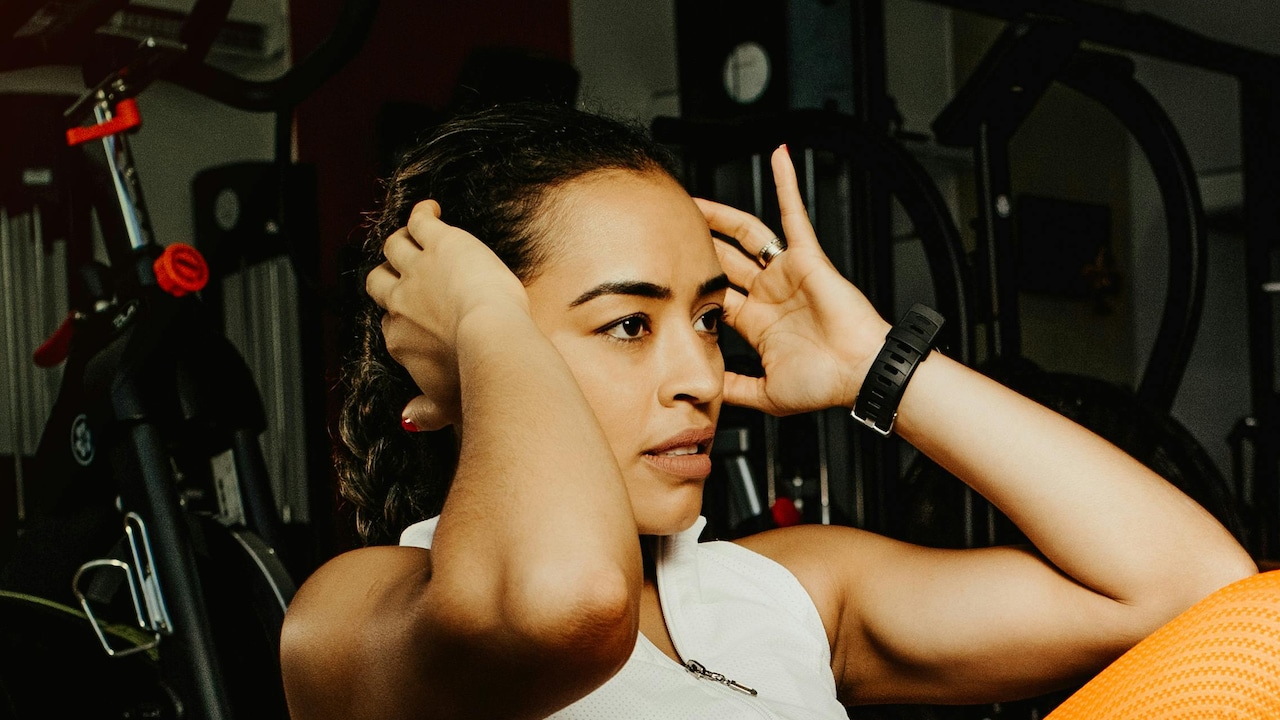
Tired Of Gym Leggings Sliding Down? Here's Why Waistbands Matter More Than You Think.
Early morning workouts often begin with enthusiasm. A quick stretch, favourite playlist playing in the background, and the quiet determination to conquer another session. Then comes the first set of lunges. Suddenly, the leggings start slipping. The waistband rolls, the fabric slides, and the rhythm breaks.
Many people blame the leggings themselves, but the real issue usually lies in the waistband. A poorly designed waistband turns even premium leggings into a frustrating experience. A well-designed one, on the other hand, stays secure through squats, sprints, and yoga flows.
Gym clothing today has become more than just sportswear. It has evolved into performance gear. Waistbands, in particular, influence movement, posture, and comfort far more than most shoppers realise. From gym newcomers to seasoned fitness enthusiasts, everyone benefits from understanding what makes a waistband truly functional.
A pair of leggings might look stylish on the rack. Yet the true test happens during movement. The right waistband can feel almost invisible while providing strong support. The wrong one demands constant attention.
Before spending ₹1,200 or even ₹4,000 on the next pair of leggings, it helps to understand how waistbands actually work.
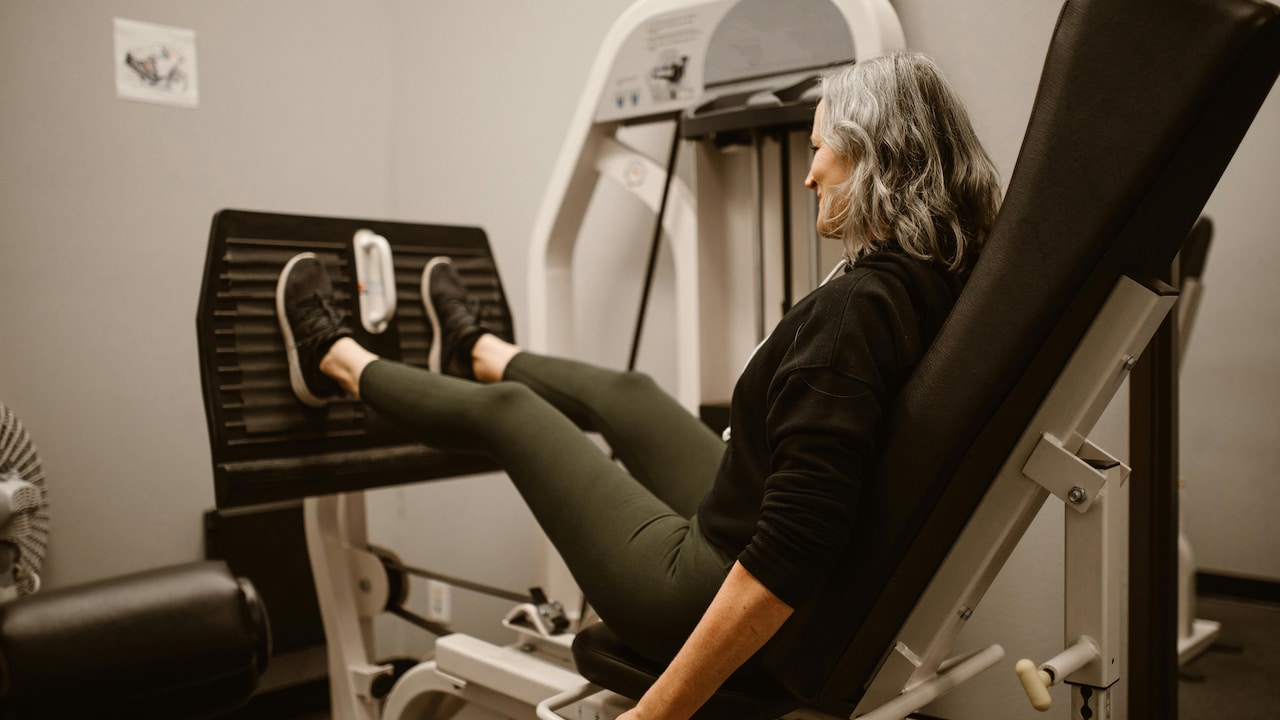
Scared Of Your Gym Leggings Sliding During Workouts? Waistbands Matter
Photo Credit: Pexels
The Waistband Details That Keep Leggings Secure During Workouts
High-Rise Waistbands: The Anti-Slip Foundation
High-rise waistbands have quietly become the favourite choice across gyms, yoga studios, and running tracks. The reason goes beyond fashion trends. A higher waistband simply has more surface area to anchor the leggings in place.
When the waistband sits above the hips, it rests on the natural curve of the waist rather than the slippery slope of the hip bones. This position allows the fabric to grip more effectively. During movements such as deadlifts or mountain climbers, the leggings remain stable rather than sliding downward.
Many gym-goers discover this advantage after one frustrating workout in mid-rise leggings. The difference becomes obvious during core exercises. High-rise waistbands create a snug hold around the midsection and prevent constant adjustments.
Fitness brands have refined this design further by shaping the waistband to contour the waistline. Instead of a straight band, curved seams mimic the body's natural shape.
The result feels secure without digging into the stomach. High-rise waistbands offer stability, confidence, and freedom of movement. Once experienced, going back to low-rise designs feels almost impossible.
Compression Waistbands: Support That Holds Everything Together
Compression fabrics have transformed activewear in recent years. The waistband plays a major role in delivering that firm yet comfortable hold.
A compression waistband uses tightly woven fibres that gently hug the waist. Instead of sliding down during movement, the fabric creates subtle pressure that keeps the leggings locked in place.
Think of it as the difference between loose pyjama bottoms and tailored trousers. The structure makes all the difference.
During high-intensity workouts such as jump squats or sprint intervals, compression waistbands stabilise the core area. This stability prevents the fabric from shifting with every bounce.
Another advantage appears during longer workouts. Sweat often causes leggings to slip, especially when the fabric becomes heavier. Compression waistbands counter this by maintaining grip even as moisture builds.
Fitness enthusiasts often describe the feeling as “held in”. Not restrictive, but supportive.
The key lies in balance. Too much compression can feel uncomfortable. The best waistbands provide enough firmness to stay secure while allowing easy breathing and natural movement.
Wide Waistbands: Small Detail, Big Difference
A narrow waistband might look sleek on a hanger, but during workouts, it rarely performs well. Wider waistbands distribute pressure more evenly across the waist.
Instead of digging into a single point, the fabric spreads the hold across several centimetres. This prevents the waistband from rolling or folding during movement.
Anyone who has attempted burpees in leggings with a thin waistband knows the struggle. The band twists, rolls down, and disrupts concentration. A wider waistband avoids this problem completely.
Fitness designers often build wide waistbands with double layers of fabric. This structure adds durability and keeps the shape intact after repeated washes.
Comfort improves as well. The waistband sits flat against the body and feels smooth under movement.
Some wide waistbands also include subtle shaping panels that enhance posture. While the effect remains gentle, the added structure encourages better alignment during exercises.
A simple design adjustment, yet the difference during a workout becomes immediately noticeable.
Elastic Quality: The Silent Hero Inside The Waistband
Most shoppers focus on colour, brand, or fabric softness. Few consider the elastic hidden inside the waistband. Yet this small component determines whether leggings stay in place or slowly surrender to gravity.
Low-quality elastic loses tension after repeated stretching. At first, the leggings feel secure. After several workouts and washes, the waistband begins to sag.
High-quality elastic behaves differently. It stretches easily during movement and quickly returns to its original shape. This resilience keeps the waistband firm without becoming uncomfortable.
Quality elastic also improves durability. Even after months of workouts, the waistband maintains its grip.
A simple test often reveals the difference. Stretch the waistband slightly and release it. Strong elastic snaps back smoothly. Weak elastic feels sluggish and loose.
Though often invisible, the elastic core quietly supports every squat, stretch, and sprint.
Drawstring Waistbands: The Adjustable Safety Net
Some workouts demand extra security. Running outdoors, playing sports, or practising intense circuit training involves rapid movement that can challenge even well-designed leggings.
Drawstring waistbands offer an additional layer of control. A small adjustable cord allows the wearer to tighten the waistband according to preference.
Unlike fixed waistbands, drawstrings adapt to body changes. Some days the waistband feels perfect. On other days, especially after a heavy meal or intense core session, a slight adjustment makes all the difference.
Drawstrings also help during long-distance runs. Repeated impact can gradually loosen standard waistbands. A drawstring prevents this slow slipping.
Modern designs often hide the drawstring inside the waistband, maintaining a clean appearance while providing functionality.
It may seem like a small feature, yet during active sessions it offers welcome reassurance. No one wants to interrupt a run to adjust leggings every few minutes.
Seam Construction: Why Stitching Shapes Stability
Seams rarely attract attention while shopping. Yet the way a waistband is stitched can determine how well it stays in place.
Flatlock seams, commonly used in quality activewear, lie smoothly against the skin. They reduce friction and prevent the waistband from folding during movement.
Poorly stitched seams often create weak points along the waistband. Over time, these sections stretch unevenly, causing the waistband to twist or roll.
Strong seam construction reinforces the entire waistband structure. Even during deep stretches or high-impact training, the band maintains its shape.
Seams also influence comfort. Rough stitching can irritate the skin, especially during sweaty workouts. Flatlock designs solve this problem by creating smooth joins between fabric panels.
Though small in appearance, seam quality often separates reliable activewear from disappointing purchases.
Fabric Grip: The Texture That Keeps Leggings Up
The waistband does not work alone. The surrounding fabric contributes significantly to overall stability.
Smooth fabrics sometimes look sleek but may lack grip. During intense movement, they slide easily against the skin. Leggings made with slightly textured materials often stay in place better.
Blended fabrics containing elastane, nylon, or polyester usually perform well. These materials combine stretch with surface grip.
Sweat also plays a role. Some fabrics become slippery when wet, while others maintain traction even during demanding workouts.
High-quality activewear brands carefully engineer fabric blends to balance comfort and grip. This thoughtful design prevents leggings from migrating south during exercise.
The waistband anchors the leggings, but the fabric ensures they remain steady across the hips and thighs.
Body Fit And Waist Shape: Not All Waistbands Work For Everyone
Human bodies come in countless shapes. A waistband that works perfectly for one person may feel awkward for another.
Some people have a naturally defined waist, where high-rise waistbands sit securely. Others have straighter waistlines, where certain waistband styles struggle to stay in place.
Curved waistbands often provide better stability because they follow the natural contour of the body. Straight waistbands sometimes create small gaps that allow slipping.
Trying different cuts helps identify the most comfortable fit. A quick squat test inside the changing room can reveal whether the waistband will behave during real workouts.
Fitness clothing has gradually become more inclusive in sizing and shaping. This shift recognises that performance wear must accommodate diverse body types.
The right waistband should feel supportive rather than restrictive.
Moisture Management: Sweat Changes Everything
Sweat transforms the behaviour of gym clothing. Fabrics that feel secure at the start of a workout may become slippery once moisture appears.
Quality waistbands include moisture-wicking properties that pull sweat away from the skin. This keeps the waistband dry and improves grip.
Without this feature, sweat accumulates beneath the waistband. The fabric becomes heavy and begins to slide downward during movement.
Breathable fabrics solve this problem by allowing airflow through the material. The waistband dries quickly and maintains its structure.
This feature proves especially useful during hot weather workouts or crowded gym sessions where ventilation remains limited.
A well-designed waistband handles sweat gracefully, keeping the focus on performance rather than constant adjustments.
Scared Of Your Gym Leggings Sliding During Workouts? Waistbands Matter
Photo Credit: Pexels
Durability Over Time: Waistbands Should Age Gracefully
Many leggings perform well during the first few workouts. The real test appears after months of training and washing.
Frequent stretching, sweat exposure, and machine washing gradually weaken poor-quality waistbands. Elastic loosens, seams weaken, and the waistband begins to sag.
High-quality waistbands are designed with durability in mind. Reinforced stitching, resilient elastic, and sturdy fabrics help maintain performance over time.
Proper care also plays a role. Washing leggings in cold water and avoiding high heat preserves the elasticity of the waistband.
Though premium leggings may cost around ₹2,500 or more, the investment often pays off through longevity and comfort.
A reliable waistband should remain supportive long after the first enthusiastic workout.
Products Related To This Article
1. CAVA Black Contour Flared Leggings
2. NINQ Women High-Waist Ankle Length Gym Leggings
3. Poftik Ankle-Length Women Solid Cotton Gym Tights Leggings
4. DUNBERRY LONDON Luxe Premium Glossy Leggings Shiny High Waist Shimmer Gym Leggings
5. Hunnit Women Zen Seamless High Rise Squat Proof Active Wear Gym Leggings
Leggings have become a staple of modern fitness wardrobes. Yet the secret behind a comfortable workout often hides in a single detail: the waistband.
A thoughtfully designed waistband prevents slipping, rolling, and constant adjustments. It allows the wearer to move freely and focus entirely on the workout.
High-rise cuts, strong elastic, wide bands, quality stitching, and moisture control all contribute to this stability. Each element works quietly behind the scenes to keep the leggings secure.
Choosing activewear with the right waistband may seem like a small decision. In reality, it shapes the entire workout experience.
Because nothing breaks gym momentum faster than leggings that refuse to stay put.
(Disclaimer: This article may include references to or features of products and services made available through affiliate marketing campaigns. NDTV Convergence Limited (“NDTV”) strives to maintain editorial independence while participating in such campaigns. NDTV does not assume responsibility for the performance or claims of any featured products or services.)