Formal Shirts That Look Wrinkled All Day: Top 5 Fabric Blends That Stay Crisp
Wrinkled shirts can ruin a polished look. The right fabric blend makes all the difference. Discover five smart blends that resist creases and keep formal shirts crisp from morning meetings to evening plans.
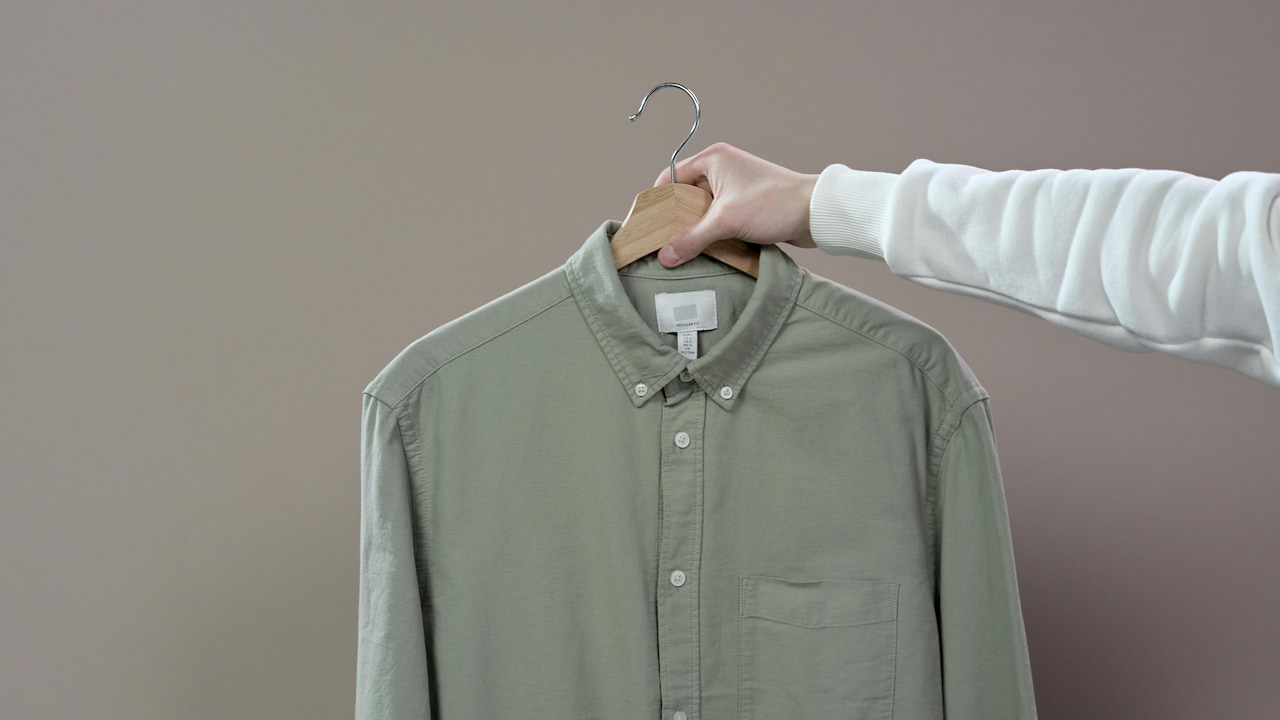
5 Fabric Blends For Wrinkle-Free Formal Shirts That Stay Crisp All Day
A neatly pressed shirt has a way of setting the tone for the day. It signals care, confidence, and attention to detail. Yet, despite best efforts w ith irons and steamers, many shirts seem to wrinkle the moment they leave the wardrobe. The culprit often lies not in how shirts are maintained, but in what they are made of.
Climate, commute, and long hours all play their part. A crowded train, a brisk walk under the sun, or simply sitting through back-to-back meetings can leave even the most expensive shirt looking tired. Fabric choice becomes the silent hero in such situations.
Modern textile blends offer clever solutions. They combine natural fibres with engineered materials to create shirts that breathe, move, and resist creases. Understanding these blends can transform daily dressing from a struggle into a seamless routine.
The following sections dive into ten key fabric blends and characteristics that help formal shirts stay crisp throughout the day, without constant ironing or fuss.

5 Fabric Blends For Wrinkle-Free Formal Shirts That Stay Crisp All Day
Photo Credit: Pexels
Top Fabric Blends That Keep Formal Shirts Crisp All Day
Cotton-Polyester Blend: The Everyday Workhorse
Cotton-polyester blends remain a staple in wardrobes for good reason. Cotton offers breathability and softness, while polyester adds durability and wrinkle resistance. Together, they create a balanced fabric that handles both comfort and structure with ease.
Morning commutes often involve a mix of humidity and movement. Pure cotton shirts tend to absorb moisture quickly, leading to visible creases by midday. Polyester, however, resists moisture and holds shape. When blended, the result is a shirt that looks fresh even after hours of wear.
Maintenance also becomes simpler. These shirts require less ironing and tend to retain their crispness after washing. For professionals juggling tight schedules, this blend saves both time and effort.
Affordability adds another advantage. Shirts made from this blend often fall within a reasonable price range, making them accessible without compromising on appearance. A well-fitted cotton-polyester shirt can easily carry someone from a formal presentation to an evening outing without looking worn.
Cotton-Elastane Blend: Flexibility Meets Structure
A long day at work rarely involves sitting still. From reaching for files to rushing between meetings, movement becomes constant. Cotton-elastane blends cater perfectly to this dynamic lifestyle.
Elastane, also known as spandex, introduces stretch into the fabric. While cotton ensures comfort, elastane helps the shirt retain its original shape. This prevents the formation of stubborn wrinkles caused by repeated motion.
The fabric gently hugs the body without feeling restrictive. It adapts to movement, reducing tension across seams and preventing those awkward creases around elbows and shoulders. This makes it especially useful for fitted shirts.
Humidity can make fabrics cling and crease. Elastane reduces this effect by allowing the fabric to move with the body instead of against it. The result feels lighter and looks neater throughout the day.
This blend works particularly well for those who prefer tailored fits but dislike constant adjustments. It offers a sleek appearance without sacrificing comfort, making it ideal for both office settings and after-hours gatherings.
Cotton-Nylon Blend: Strength With Subtle Shine
Cotton-nylon blends often go unnoticed, yet they bring a unique advantage to formal wear. Nylon adds strength and a slight sheen, giving shirts a refined, polished appearance.
Unlike heavier fabrics, nylon fibres are lightweight and smooth. When blended with cotton, they create a fabric that resists wrinkles while maintaining a crisp finish. The smooth texture also prevents friction, reducing the chances of creases forming during wear.
Durability stands out as a key benefit. Shirts made from this blend withstand frequent washing and daily use without losing their structure. This makes them a reliable choice for busy professionals who rely on consistent wardrobe performance.
The subtle shine adds a touch of sophistication without appearing flashy. Under office lighting or evening settings, the shirt maintains a clean, sharp look.
This blend suits those who prefer a slightly elevated aesthetic without venturing into high-maintenance fabrics. It strikes a fine balance between practicality and understated elegance.
Cotton-Tencel Blend: Breathable And Smooth All Day
Tencel, derived from wood pulp, has gained popularity for its softness and eco-friendly appeal. When blended with cotton, it creates a fabric that feels luxurious while resisting wrinkles effectively.
The smooth surface of Tencel fibres reduces friction, allowing the fabric to drape naturally. This prevents the formation of sharp creases that often appear in pure cotton shirts. The result looks effortlessly neat rather than overly stiff.
Breathability becomes a standout feature. Long days in warm conditions can cause discomfort, but this blend regulates moisture and keeps the skin cool. A shirt that feels fresh is less likely to wrinkle under pressure.
The fabric also absorbs and releases moisture efficiently. This helps maintain a clean appearance even during extended wear. Whether navigating crowded spaces or sitting through long meetings, the shirt retains its structure.
For those seeking comfort with a refined touch, cotton-Tencel offers an appealing option. It feels gentle on the skin while delivering a consistently crisp look.
Cotton-Modal Blend: Softness Without Sacrificing Shape
Modal, another plant-based fibre, enhances cotton with exceptional softness and resilience. Shirts made from this blend feel smooth and lightweight, yet maintain their form remarkably well.
Wrinkles often form when fabrics lose structure under pressure. Modal strengthens cotton fibres, helping them bounce back into shape after movement. This keeps the shirt looking freshly pressed for longer periods.
The fabric drapes elegantly, creating a clean silhouette without stiffness. It avoids the rigid look of heavily treated materials, offering a more natural finish. This makes it suitable for both formal and semi-formal settings.
Comfort plays a major role in how a shirt performs. When fabric feels good against the skin, it reduces unnecessary adjustments that often lead to creasing. Modal contributes to this ease, making the shirt feel almost effortless to wear.
This blend suits individuals who prioritise comfort but still want a polished appearance. It delivers both without compromise.
Also Read: Why Do Satin Shirts Look Luxe Online But Cheap In Reality? How To Spot Quality Before Buying
Cotton-Linen Blend: Controlled Casual Crispness
Linen often carries a reputation for wrinkling easily. However, when blended with cotton, it transforms into a far more manageable fabric.
The combination retains linen's breathability while reducing its tendency to crease. Cotton stabilises the fibres, creating a balanced texture that holds shape better throughout the day.
This blend works particularly well in warmer climates. It allows air to circulate freely, preventing the fabric from clinging and forming wrinkles. The result feels light and looks relaxed yet presentable.
The texture adds character to the shirt. Unlike perfectly smooth fabrics, it offers a subtle visual depth that enhances the overall look. This makes it suitable for workplaces with a slightly relaxed dress code.
Cotton-linen blends prove that crispness does not always mean stiffness. They deliver a breathable, easy-going elegance that still maintains a neat appearance.
Polyester-Viscose Blend: Lightweight And Resistant
Polyester-viscose blends combine synthetic resilience with natural softness. Viscose, derived from cellulose, adds a silky feel, while polyester ensures durability and wrinkle resistance.
This blend creates a lightweight fabric that drapes smoothly without clinging. The reduced friction helps prevent creases from forming during movement or prolonged sitting.
Maintenance becomes straightforward. Shirts made from this blend often require minimal ironing and retain their shape even after multiple washes. This suits fast-paced routines where convenience matters.
The fabric also adapts well to different environments. Whether in air-conditioned offices or outdoor settings, it maintains a consistent appearance. This versatility makes it a dependable choice for varied schedules.
For those seeking low-maintenance yet stylish options, polyester-viscose offers a practical solution that does not compromise on appearance.
Cotton-Silk Blend: Subtle Luxury That Holds Shape
Cotton-silk blends bring a touch of refinement to formal wear. Silk introduces a natural sheen and smoothness, while cotton ensures breathability and structure.
The combination creates a fabric that resists wrinkles better than expected. Silk fibres reduce friction, allowing the shirt to maintain a sleek surface throughout the day.
This blend feels light and cool, making it suitable for extended wear. The fabric glides over the skin, reducing tension points that often lead to creasing.
The visual appeal stands out immediately. A gentle sheen adds sophistication without appearing excessive. It works well for formal events, presentations, or occasions that call for a polished look.
Though slightly more premium in pricing, often ranging upwards of ₹2,500, the investment reflects in both comfort and appearance. This blend suits those who appreciate understated elegance with reliable performance.
High-Twist Cotton: Engineered For Wrinkle Resistance
High-twist cotton represents a technical approach to fabric design. The yarns are tightly twisted during production, creating a stronger and more resilient fabric.
This structure naturally resists wrinkles. The fibres hold their shape firmly, preventing the formation of creases even after prolonged wear. The result looks crisp without relying heavily on chemical treatments.
The fabric also feels slightly textured, adding a unique character to the shirt. It avoids the overly smooth look while maintaining a refined appearance.
Breathability remains intact, ensuring comfort throughout the day. Despite its strength, the fabric does not feel heavy or restrictive.
This option suits those who prefer pure cotton but struggle with its tendency to wrinkle. High-twist cotton offers a practical solution without compromising on natural comfort.
Wrinkle-Resistant Treated Blends: Modern Fabric Innovation
Advancements in textile technology have introduced wrinkle-resistant treatments that enhance fabric performance. These treatments often pair with cotton blends to create shirts that stay crisp for extended periods.
The process involves bonding fibres in a way that helps them return to their original shape after movement. This reduces the appearance of creases without affecting comfort.
Modern treatments avoid the stiffness associated with older methods. The fabric remains soft and breathable, making it suitable for daily wear.
These shirts prove particularly useful during travel or long workdays. They emerge from bags looking presentable and require minimal touch-ups.
While slightly higher in cost, often around ₹1,800 to ₹3,000, the convenience they offer justifies the investment. They simplify dressing routines while ensuring a consistently polished look.
Products Related To This Article
1. Peter England Men Purple Formal Shirt
2. English Navy Women Vertical Striped Wrinkle Resistant Regular Fit Formal Shirt
3. Allen Solly Men Spread Collar Micro Checked Cotton Slim Fit Formal Shirt
4. Style Quotient White & Black Polka Dot Print Mandarin Collar Shirt Style Top
5. Raymond Pure Cotton Textured Slim Fit Opaque Formal Shirt
6. all about you Women Pink & White Regular Fit Checked Formal Shirt With Bell Sleeves
7. INVICTUS Urban Slim Fit Formal Shirt
A crisp formal shirt does more than complete an outfit. It reflects attention to detail and sets a confident tone for the day. While ironing plays a role, fabric choice holds the real power.
Blends that combine natural comfort with engineered resilience offer the best results. They adapt to movement, resist humidity, and maintain structure under pressure. Each blend brings its own strengths, allowing individuals to choose based on lifestyle and preference.
From everyday cotton-polyester to refined cotton-silk, the right fabric can transform how a shirt performs. It reduces effort, enhances comfort, and ensures a polished appearance from morning to evening.
In a world where first impressions matter, a well-chosen shirt quietly does the heavy lifting. The secret lies not in chasing perfection, but in selecting fabrics that work smarter, not harder.
(Disclaimer: This article may include references to or features of products and services made available through affiliate marketing campaigns. NDTV Convergence Limited (“NDTV”) strives to maintain editorial independence while participating in such campaigns. NDTV does not assume responsibility for the performance or claims of any featured products or services.)