Top Saree Shapewear Buying Mistakes Brides Make
Brides often overlook saree shapewear until discomfort strikes. From wrong sizing to poor fabric choices, these common mistakes can ruin both style and confidence on the big day.
Top Saree Shapewear Buying Mistakes Brides Make
Weddings bring excitement, endless shopping trips, family opinions, and enough outfit trials to make anyone dizzy. Between selecting the dream lehenga, statement jewellery, and flawless sarees for multiple functions, shapewear often becomes an afterthought. That small decision, however, can shape how comfortably a bride moves, poses, sits, and dances through her celebrations. Saree shapewear has transformed bridal fashion. Gone are the days of relying solely on bulky petticoats that often added unnecessary volume. Modern shapewear offers structure, smoother drapes, and a flattering silhouette. But buying the wrong one can quickly turn elegance into discomfort. A poor choice may lead to awkward fitting, restricted movement, visible lines, or unbearable heat during long wedding functions. With bridal events often stretching over several hours, comfort matters just as much as appearance. The right shapewear should support confidence, not sabotage it. Unfortunately, many brides rush this purchase, swayed by discounts, trends, or poor advice.
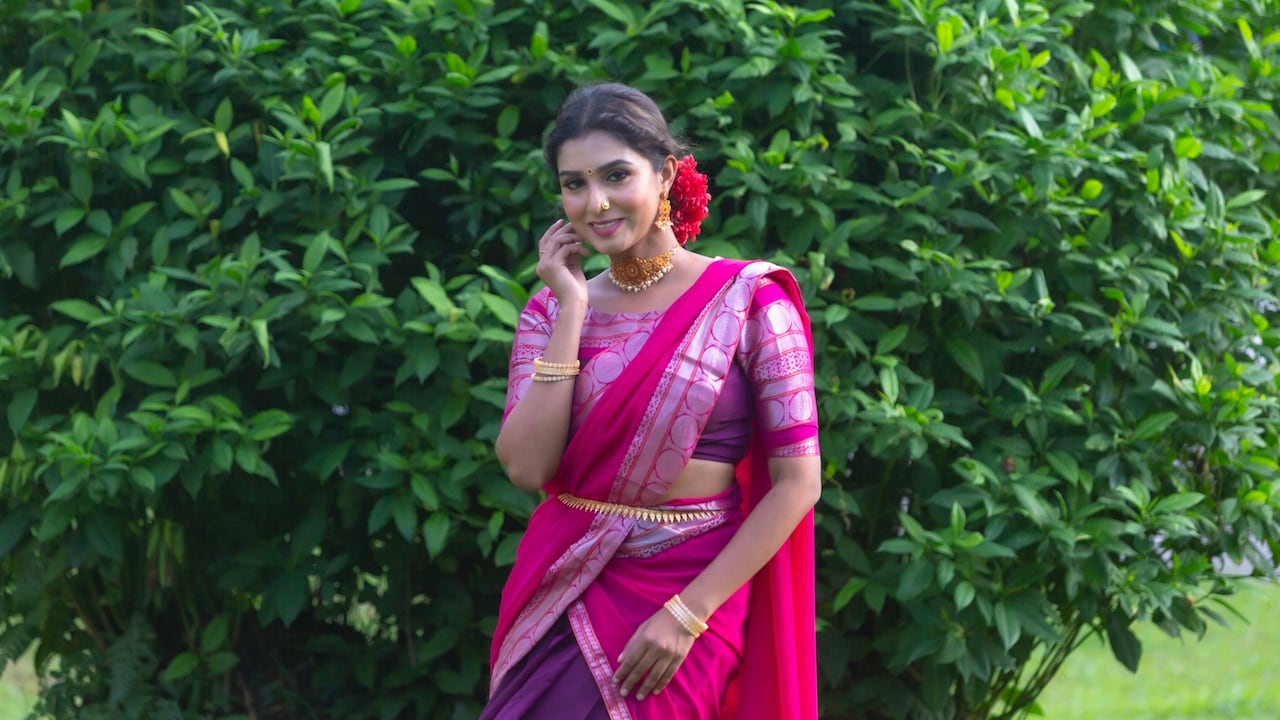
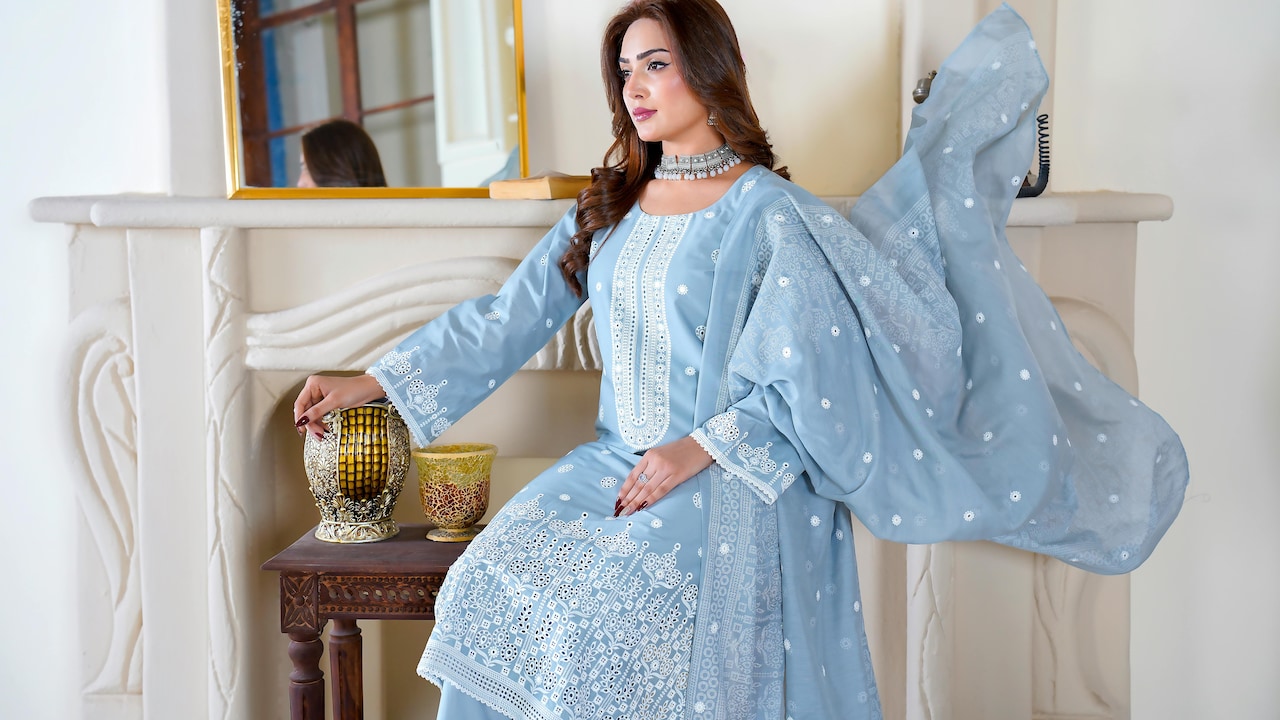
Top Saree Shapewear Buying Mistakes Brides Make; Photo Credit: Pexels
Understanding these common mistakes can save money, prevent discomfort, and ensure every saree moment feels effortless. Because no bride should spend her special day adjusting uncomfortable shapewear instead of soaking in compliments and celebration.
Common Saree Shapewear Buying Mistakes Every Bride Should Avoid
Ignoring Fabric Compatibility
One of the biggest mistakes brides make is choosing shapewear without considering the saree fabric. Not all shapewear suits every drape. A heavily embroidered silk saree behaves differently from a lightweight georgette or chiffon piece.
For example, stretchy shapewear designed for flowy fabrics may fail to support heavier sarees, causing sagging or awkward pleats. On the other hand, overly structured shapewear under delicate fabrics can create unnatural stiffness.
Fabric compatibility shapes the overall look. Brides often focus on colour and size while forgetting how the shapewear interacts with the saree itself. This oversight can ruin the silhouette, especially during photographs.
Testing shapewear with actual saree material before purchase makes a noticeable difference. Walking, sitting, and moving while wearing both helps reveal potential issues.
Every bridal saree deserves a proper foundation. Matching shapewear to fabric ensures elegance flows naturally, rather than appearing forced or uncomfortable.
Also Read: Best Shapewear for Natural-Looking Silhouettes: Top 5 Styles To Try Now
Choosing Style Over Comfort
Many brides fall for attractive marketing and glamorous packaging, assuming expensive shapewear automatically guarantees perfection. In reality, discomfort can overshadow even the prettiest purchase.
Tight waistbands, poor stitching, or rough seams can irritate during long ceremonies. Bridal events often involve hours of standing, rituals, and socialising. Uncomfortable shapewear quickly becomes exhausting.
A bride may look radiant in photos but feel miserable behind the scenes. This trade-off rarely feels worthwhile.
Comfort should never rank below appearance. Breathable fabric, flexible stretch, and secure support matter far more than trendy branding.
Trying shapewear for extended periods before the wedding can prevent unpleasant surprises. A few hours at home offer better insight than a quick fitting room test.
When comfort meets style, confidence shines effortlessly. And confidence always photographs better than discomfort.
Top Saree Shapewear Buying Mistakes Brides Make; Photo Credit: Pexels
Buying The Wrong Size
Size mistakes remain incredibly common. Many brides intentionally size down, hoping for a slimmer appearance. Unfortunately, this usually backfires.
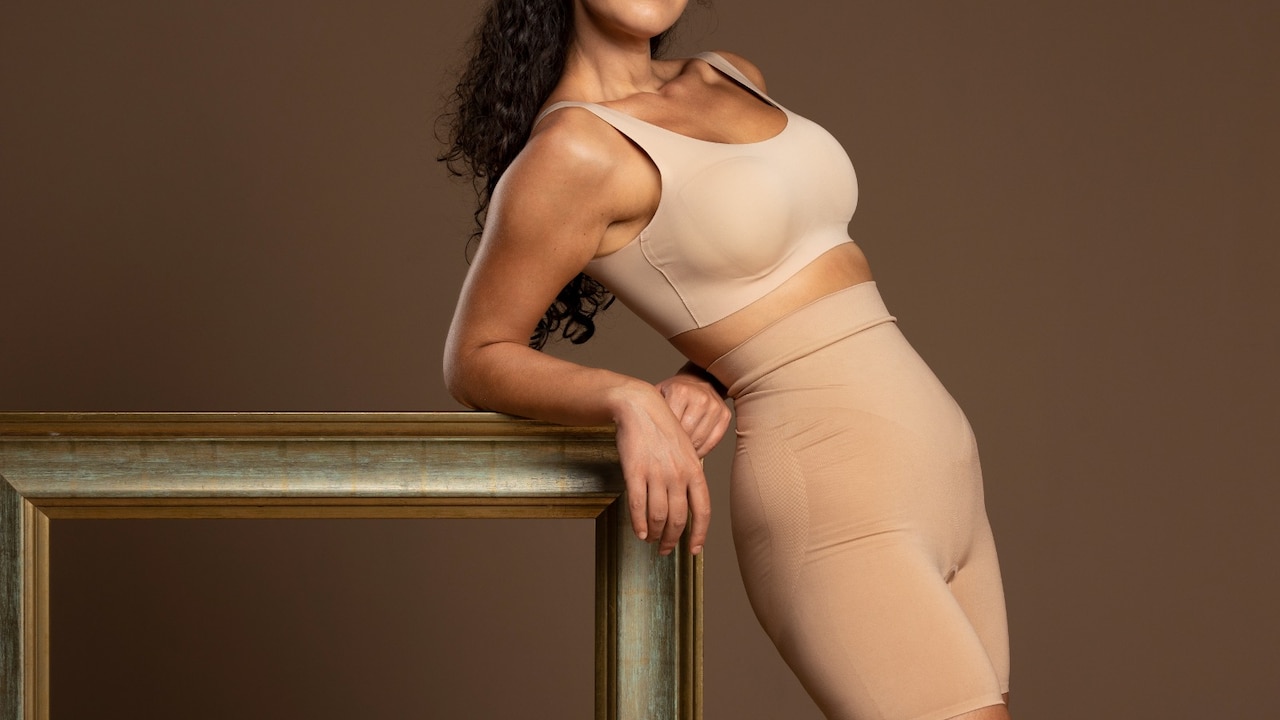
Overly tight shapewear creates bulges, restricts breathing, and causes visible discomfort. Instead of smoothing the body, it can exaggerate problem areas.
Conversely, loose shapewear lacks support and may slip during movement, creating constant adjustment issues.
Proper sizing depends on accurate measurements, not wishful thinking. Bridal shopping often comes with body-image pressures, but shapewear should enhance natural beauty, not punish the body.
Consulting brand-specific size charts is essential, as sizing standards vary widely.
The ideal fit feels snug but breathable. Brides should move freely without pinching or rolling.
Choosing the correct size transforms shapewear from a frustrating burden into a supportive ally.
Overlooking Movement And Mobility
A wedding day involves far more than standing still for portraits. Brides walk, climb stages, perform rituals, greet guests, and often dance enthusiastically.
Many shapewear choices prioritise static appearance over practical mobility. This becomes a serious problem when movement feels restricted.
Stiff materials or poor tailoring can make basic actions uncomfortable. Sitting cross-legged during ceremonies or climbing stairs may become unexpectedly difficult.
Mobility matters just as much as silhouette. Brides should test shapewear through realistic activities before finalising their choice.
Simple trial movements such as bending, walking briskly, or sitting can reveal hidden issues.
Freedom of movement contributes significantly to overall confidence. A bride who moves naturally appears graceful, while discomfort often shows through posture and expression.
Choosing shapewear that supports active wear ensures celebrations remain joyful rather than physically draining.
Prioritising Low Prices Over Quality
Budget-conscious bridal shopping makes sense, especially with rising wedding expenses. However, choosing the cheapest shapewear often proves costly in the long run.
Low-quality options may lose elasticity, tear easily, or provide inadequate support. Inferior fabrics can also trap heat, causing excessive sweating during crowded events.
Saving ₹500 may seem practical initially, but discomfort or wardrobe malfunctions can create far greater regret.
Quality shapewear represents an investment in comfort and confidence. Durable stitching, breathable materials, and reliable shaping justify slightly higher prices.
This does not mean every expensive option guarantees excellence, but careful quality checks matter.
Reading reviews, examining material composition, and testing products thoroughly can prevent disappointment.
On a day filled with priceless memories, dependable shapewear deserves thoughtful spending.
Ignoring Skin Tone And Saree Colour Matching
Colour mismatches can become surprisingly visible, especially under lighter or sheer sarees.
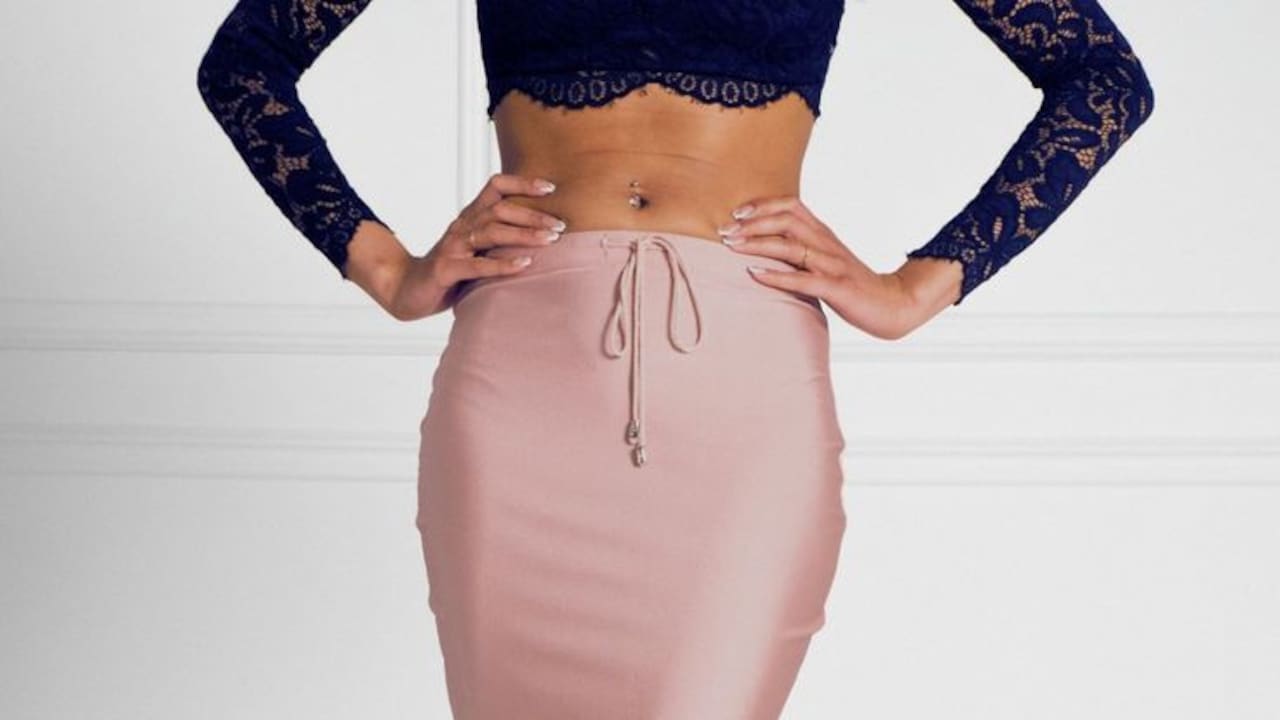
Brides often purchase generic shades without considering specific saree tones. White, pastel, or translucent sarees may reveal poorly matched shapewear underneath.
Visible shapewear disrupts elegance and distracts from carefully curated bridal styling.
Selecting shades that complement both skin tone and saree colour creates a seamless finish.
Nude tones vary significantly, so one-size-fits-all assumptions rarely work well.
Testing shapewear under proper lighting conditions helps avoid unpleasant surprises during outdoor photography or brightly lit venues.
A flawless saree drape depends not only on fit but also on visual invisibility.
Attention to colour details ensures sophistication remains uninterrupted.
Skipping Trial Runs Before The Wedding
Some brides purchase shapewear and store it away until the wedding day, assuming all will be well. This gamble often leads to unnecessary stress.
Without trial runs, hidden discomforts remain undiscovered until crucial moments.
Waist rolling, thigh chafing, awkward seams, or breathing issues can surface unexpectedly.
Testing shapewear during pre-wedding events offers practical insights. Wearing it for several hours helps assess performance realistically.
This practice also allows time for exchanges or alternative purchases if problems arise.
Preparation reduces last-minute panic and improves confidence.
Bridal wear should feel familiar and dependable, not experimental.
Trial runs may seem minor, but they often prevent major day-of frustrations.
Top Saree Shapewear Buying Mistakes Brides Make; Photo Credit: Pexels
Neglecting Climate Considerations
Wedding seasons frequently involve warm weather, crowded venues, and elaborate rituals. Heavy shapewear in humid conditions can become unbearable.
Many brides overlook climate while focusing solely on shaping benefits.
Non-breathable materials may cause overheating, sweating, and skin irritation.
Comfortably surviving long ceremonies requires lightweight, moisture-friendly fabrics.
Summer weddings especially demand careful material choices.
Brides should consider venue type, event duration, and seasonal weather before buying shapewear.
A palace wedding in winter may allow thicker options, while beachside or summer ceremonies demand breathable alternatives.
Ignoring climate can quickly turn glamorous attire into an endurance challenge.
Thoughtful fabric selection keeps bridal beauty fresh and comfortable.
Forgetting Saree Drape Style Requirements
Different saree draping styles require different shapewear structures. Bridal drapes vary widely, from classic pleats to contemporary mermaid silhouettes.
Choosing shapewear without considering drape style often compromises the final look.
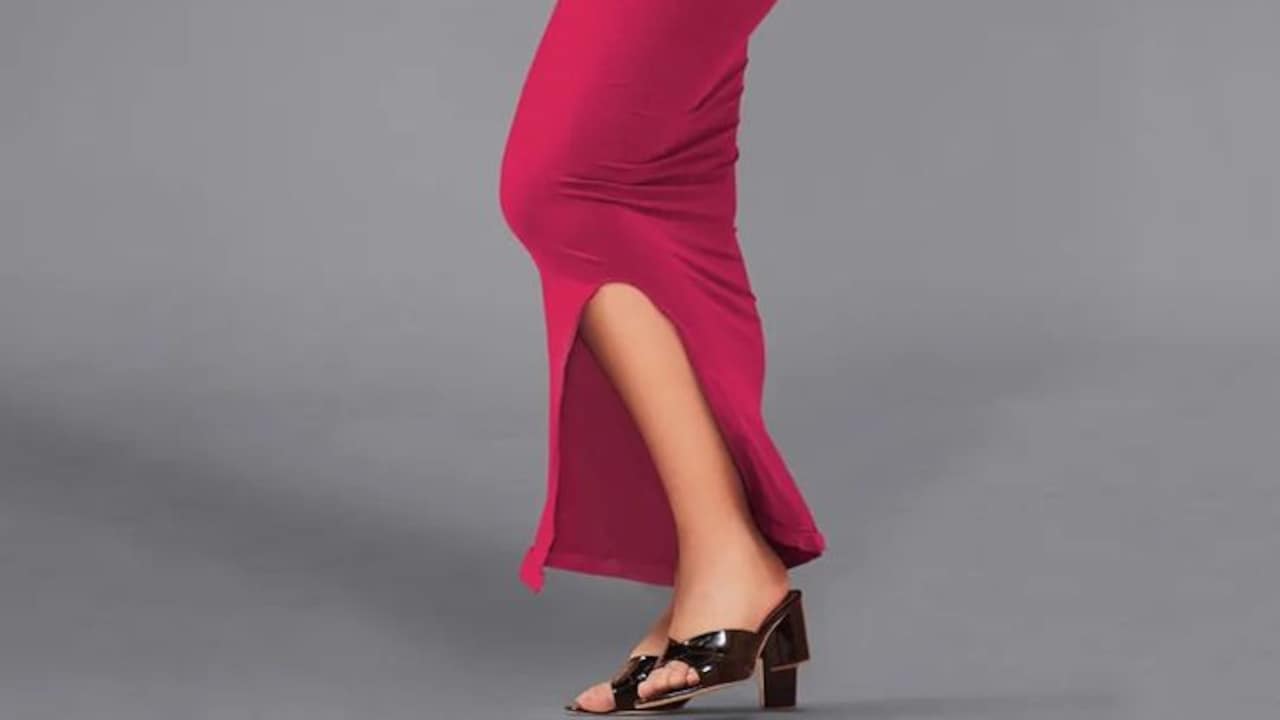
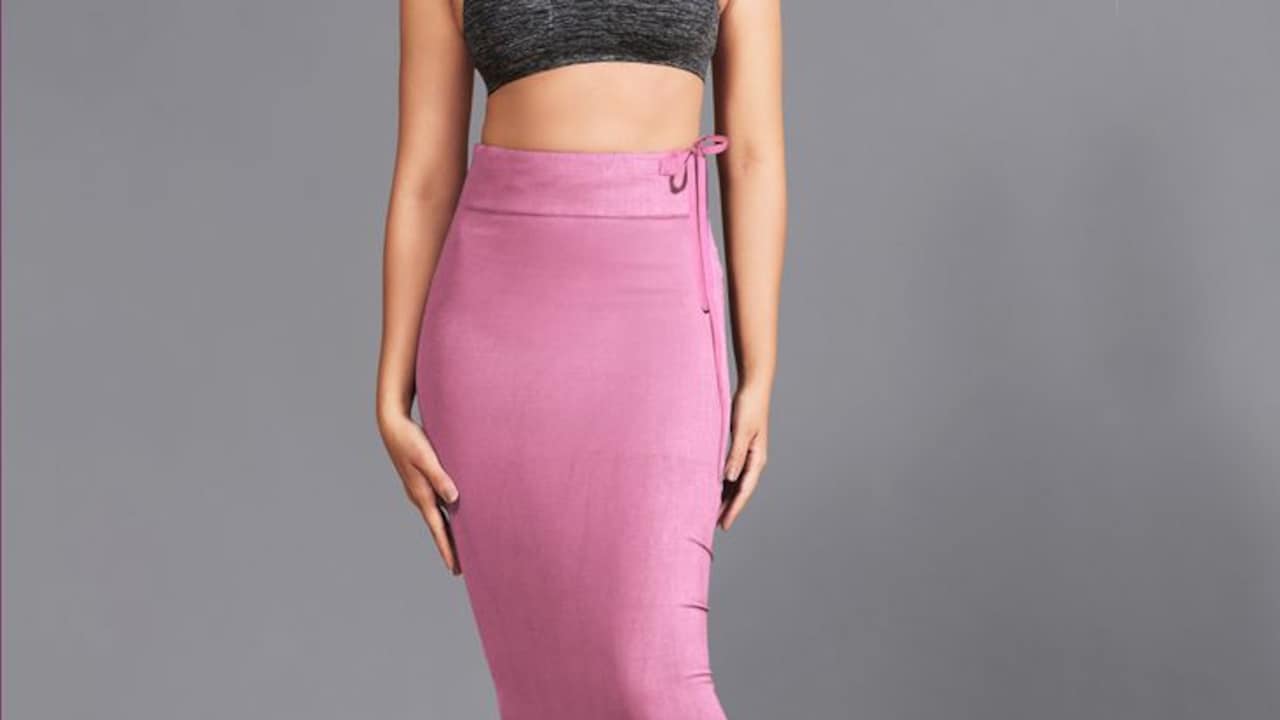
For instance, fishtail shapewear works beautifully for fitted drapes but may feel unsuitable for traditional styles requiring fuller movement.
Understanding intended draping techniques helps narrow ideal shapewear options.
Consulting stylists or draping experts can provide valuable guidance.
Shapewear should complement, not conflict with, styling goals.
Brides who align shapewear with drape design enjoy smoother silhouettes and better comfort.
The foundation garment plays a quiet but powerful role in bringing bridal vision to life.
Relying Too Heavily On Trends
Fashion trends constantly evolve, but not every viral shapewear design suits every bride.
Social media often promotes dramatic shaping solutions that prioritise appearance over practicality.
Following trends blindly can lead to poor decisions, especially when body type, saree style, and comfort needs differ.
What works beautifully for one bride may feel disastrous for another.
Personal suitability matters more than trendiness.
Brides benefit from focusing on individual comfort, body confidence, and outfit compatibility instead of online hype.
Classic, reliable shapewear often outperforms flashy alternatives.
Wedding memories last far longer than fleeting fashion crazes.
Wise choices stem from personal needs, not passing digital trends.
Products Related To This Article
1. Clovia Women Black Solid Knitted Saree Shapewear
2. TWIN BIRDS Women Super Soft Mermaid Saree Shapewear
3. FASHOKART Slim-Fit High-Waist Stretchable Saree Shapewear
4. INNER ENRICH Women's Side-Cut Stretchable Saree Shapewear
5. Clovia Saree Shapewear With Side Slit
6. Curves By ZeroKaata Women Plus Size Solid Mermaid Fit Saree Shapewear Petticoat
7. JETVELI Pack of 3 High Waist Saree Shapewear
Bridal fashion involves countless decisions, but saree shapewear deserves far more attention than it often receives. The wrong choice can affect comfort, confidence, and overall elegance throughout important celebrations.
Avoiding common mistakes such as poor sizing, fabric mismatches, low-quality purchases, and trend obsession helps brides feel supported rather than restricted.
A thoughtfully chosen shapewear piece enhances natural grace while allowing freedom to fully enjoy every ritual, dance, and photograph.
Weddings should feel magical, not uncomfortable.
By prioritising comfort, compatibility, and practicality, brides can ensure their sarees drape beautifully while they move with confidence and ease.
Because true bridal beauty lies not just in appearance, but in feeling extraordinary from the first step to the final farewell.
(Disclaimer: This article may include references to or features of products and services made available through affiliate marketing campaigns. NDTV Convergence Limited (“NDTV”) strives to maintain editorial independence while participating in such campaigns. NDTV does not assume responsibility for the performance or claims of any featured products or services.)