Transparent Heels Turning Yellow? Here Is What Causes It And How To Prevent It
Transparent heels often turn yellow over time due to sunlight, heat, and material breakdown in PVC. This article explains why it happens and how to slow the process with better care and storage.
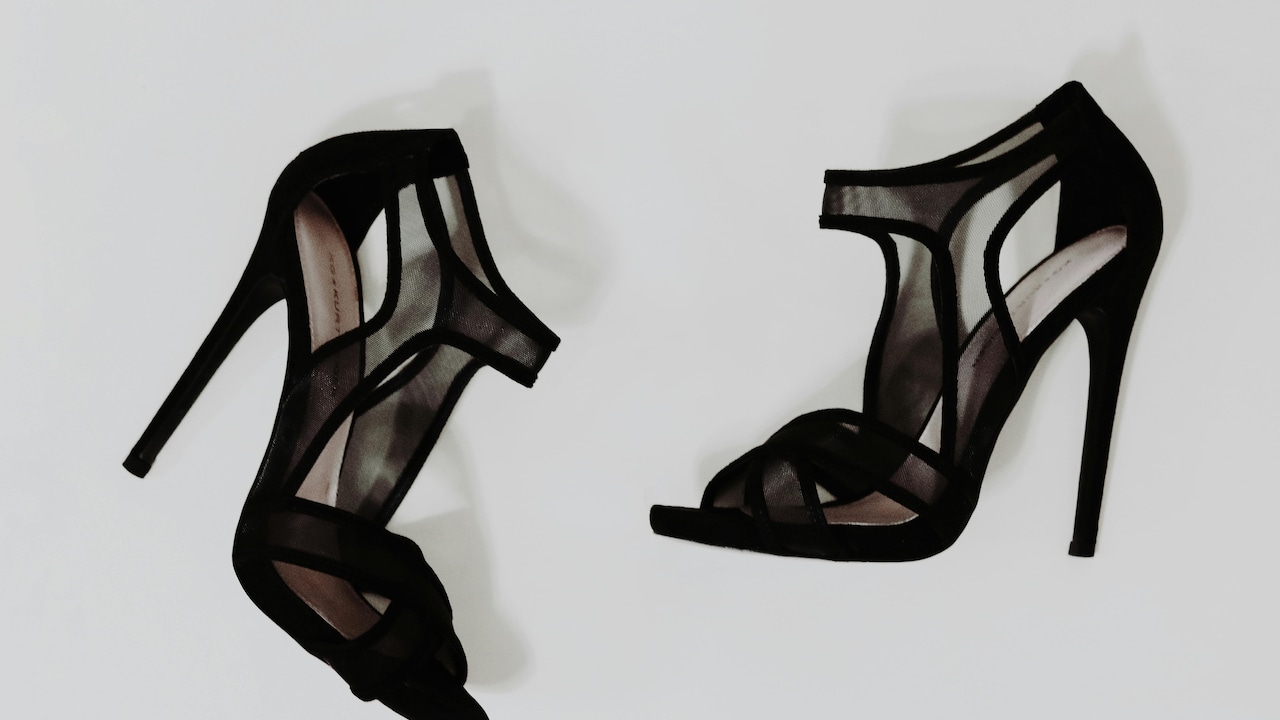
Why Do Transparent Heels Turn Yellow? The Truth About PVC Footwear
Transparent heels have carved a permanent place in modern fashion. They slip seamlessly into any outfit, match every colour, and add a polished edge without trying too hard. From weddings to weekend brunches, they appear everywhere, quietly doing the job of elevating style. Yet, just when they start to feel like a wardrobe essential, something changes. That once-clear surface begins to cloud. A faint tint appears, then deepens into a stubborn yellow.
It feels almost unfair. After all, these heels often come with a hefty price tag, sometimes climbing past ₹2,000 or more. The expectation? Longevity. The reality? A slow, inevitable transformation that leaves many wondering if they did something wrong.
The truth is more complex. Yellowing is not always about poor care or cheap quality. It sits at the intersection of material science, environmental exposure, and daily habits. Understanding it does not just satisfy curiosity; it helps make better choices, extend the life of footwear, and avoid disappointment.
This is not just about shoes. It is about how modern materials behave, how trends evolve, and how small details can shape everyday style decisions.
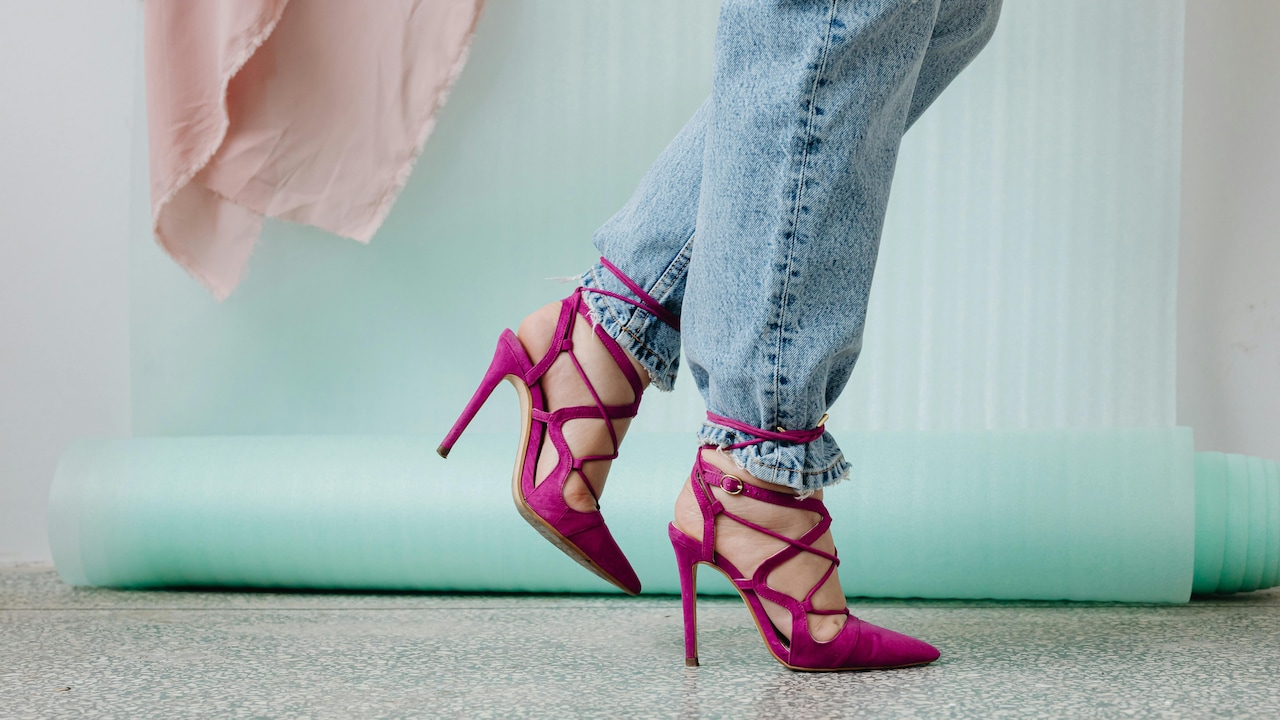
Why Transparent Heels Turn Yellow: Causes, Myths, And Easy Fixes
Photo Credit: Pexels
Understanding Why Transparent Heels Turn Yellow
The Nature Of PVC: A Material With A Personality
Polyvinyl chloride, better known as PVC, forms the backbone of most transparent heels. At first glance, it seems like a miracle material. It is flexible, affordable, and can mimic the look of glass without the fragility. Yet PVC carries a personality of its own, one that reveals itself over time.
PVC does not exist in a pure state in footwear. Manufacturers add plasticisers to make it soft and wearable. These additives play a crucial role, but they also introduce instability. Over time, they react with air, heat, and light. This reaction begins subtly, almost invisibly, before it shows up as yellowing.
Unlike leather, which ages with a certain charm, PVC does not develop character. It changes in a way that feels abrupt and unwelcome. That clear finish, once admired under bright lights at a party or wedding function, begins to lose its clarity.
This is not necessarily a sign of poor manufacturing. Even high-end brands face the same limitation. PVC simply cannot maintain its pristine transparency forever. It behaves like a guest who overstays the welcome, slowly revealing flaws that were hidden at the start.
Exposure To Sunlight: The Silent Culprit
Sunlight might feel harmless, even pleasant, but it plays a leading role in the yellowing of transparent heels. Ultraviolet rays interact with the chemical structure of PVC, breaking down its bonds. This process, called photodegradation, alters the material at a molecular level.
Picture a pair of heels worn during a sunny afternoon event or left near a window at home. The exposure may seem minor, but the effect accumulates. Over days and weeks, the UV rays trigger changes that cause discolouration.
This explains why one pair might yellow faster than another. A pair worn frequently outdoors or stored in a sunlit room ages more quickly. Even indirect sunlight contributes to the process.
The irony lies in the fact that transparent heels often shine best in bright settings. Their appeal lies in their ability to catch light, yet that very exposure speeds up their decline. It feels like a trade-off between beauty and durability, one that many only realise too late.
Heat And Humidity: Everyday Environmental Stress
Beyond sunlight, everyday environmental conditions quietly influence the lifespan of PVC footwear. Heat and humidity, common in many regions, accelerate chemical reactions within the material. The higher the temperature, the faster these reactions occur.
Consider a pair of heels stored in a closed cupboard during peak summer. The air inside warms up, creating a microclimate that encourages degradation. Add humidity into the mix, and the process speeds up even more.
Humidity introduces moisture, which interacts with additives in PVC. This interaction weakens the structure, making it more prone to discolouration. It also affects the surface, sometimes giving it a slightly sticky or dull texture.
Unlike leather shoes that can breathe, PVC traps heat. This makes it more vulnerable in warm conditions. A night out during a humid evening or a long day at an event can expose the material to conditions that gradually push it towards yellowing.
It is not always visible immediately, but the impact builds up over time, quietly altering the once-clear finish.
Body Oils And Sweat: The Invisible Influence
Shoes sit close to the skin, and that proximity matters more than it seems. Natural oils and sweat from the body interact with PVC, leaving behind residues that contribute to yellowing.
Every step releases a small amount of moisture and oil. These substances do not simply evaporate. They settle on the surface and, over time, penetrate the material. This interaction changes the chemical balance, encouraging discolouration.
Events like weddings or long evenings out often involve hours of wear. Add dancing, movement, and warm conditions, and the exposure increases. What feels like a great night can quietly leave its mark on footwear.
Even clean feet do not eliminate the effect. The human body naturally produces oils, and PVC reacts to them. Regular cleaning helps, but it does not completely prevent the process.
It is a reminder that footwear does more than complement an outfit. It interacts with the wearer, absorbing traces of daily life. In the case of transparent heels, those traces show up in ways that are hard to ignore.
Storage Habits: Where Shoes Spend Their Time Matters
Storage often feels like an afterthought, yet it plays a crucial role in how transparent heels age. A pair left in a dusty corner or exposed to light will age differently from one stored carefully in a box.
Many wardrobes lack proper ventilation. Shoes often sit packed together, with little airflow. This creates an environment where heat and moisture linger, encouraging yellowing.
Plastic bags, often used to protect shoes, can make things worse. They trap heat and humidity, creating conditions that speed up chemical reactions within PVC. A simple intention to protect ends up doing the opposite.
A better approach involves breathable storage. Cloth bags or open shelves allow airflow, reducing the buildup of heat and moisture. Keeping shoes away from direct sunlight also helps.
Storage may not feel glamorous, but it shapes how footwear ages. A small shift in habits can make a noticeable difference, extending the life of transparent heels and preserving their clarity for longer.
Also Read: Square-Toe Heels Vs Pointed Heels: Which Is Better For Comfort And Support?
Quality Of Manufacturing: Not All PVC Is Equal
Not all transparent heels are created the same. Differences in manufacturing quality influence how quickly yellowing occurs. Higher-quality PVC often includes stabilisers that slow down degradation.
Cheaper alternatives may skip these additives to reduce costs. The result? Faster discolouration and a shorter lifespan. A pair priced at ₹800 may look similar to one costing ₹3,000, but the difference reveals itself over time.
Stabilisers act like shields, protecting the material from UV rays and heat. Without them, PVC becomes more vulnerable. This explains why some pairs remain clear for months while others begin to yellow within weeks.
However, even premium options have limits. No amount of stabilisation can completely prevent yellowing. It can only delay it.
Understanding this helps manage expectations. Paying more may offer better durability, but it does not guarantee permanence. Transparent heels, regardless of price, carry an inherent risk of change.
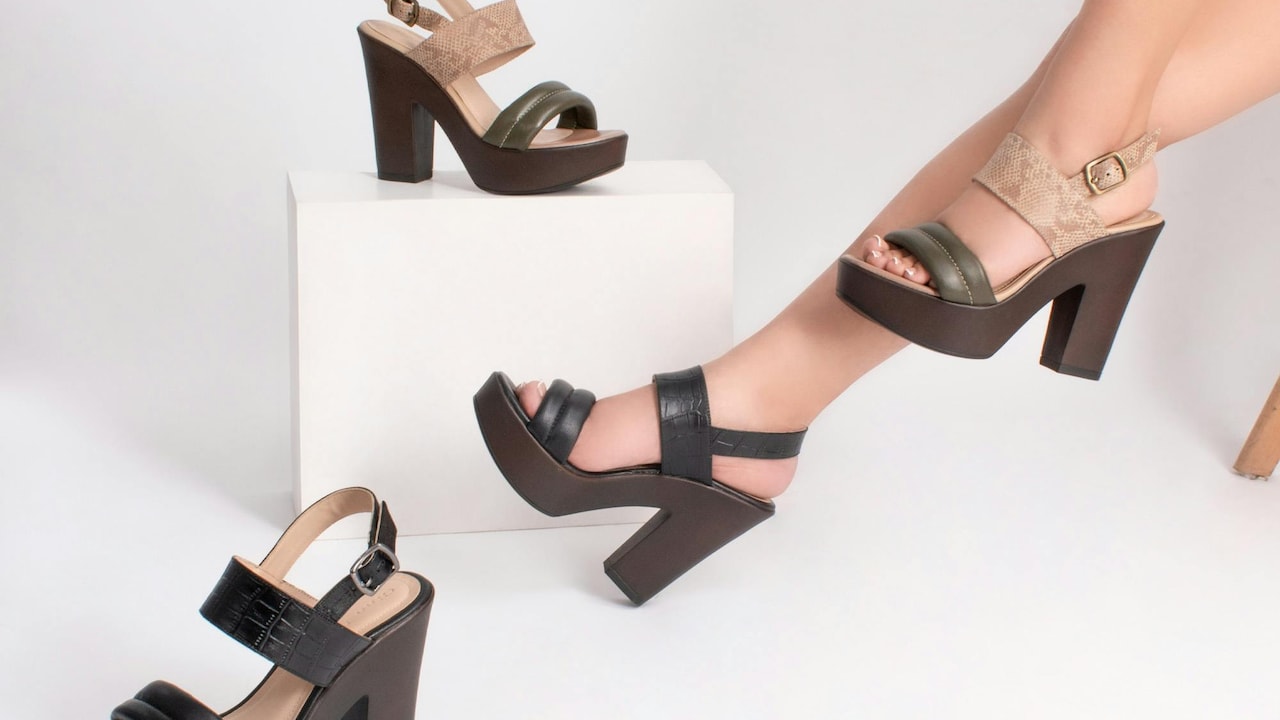
Why Transparent Heels Turn Yellow: Causes, Myths, And Easy Fixes
Photo Credit: Pexels
Cleaning Products: When Care Goes Wrong
Cleaning feels like the obvious solution to keep heels looking fresh. Yet, the choice of cleaning products can unintentionally speed up yellowing. Harsh chemicals react with PVC, altering its surface.
Products containing alcohol or strong detergents strip away protective layers. This makes the material more exposed to environmental factors. What begins as an effort to restore clarity can lead to further discolouration.
Even frequent scrubbing causes wear. The friction weakens the surface, making it more prone to absorbing oils and reacting with light.
Gentle cleaning works better. Mild soap and water, applied with a soft cloth, maintain the surface without causing damage. It may feel less satisfying than a deep clean, but it preserves the material.
Care requires balance. Too little cleaning allows buildup, while too much or the wrong method accelerates deterioration. Finding that middle ground keeps transparent heels looking their best for as long as possible.
Time And Oxidation: The Inevitable Process
Time plays a role that cannot be avoided. Even with perfect care, PVC undergoes oxidation. Oxygen in the air reacts with the material, slowly altering its structure.
This process does not require sunlight or heat. It happens naturally, though environmental factors can speed it up. Over months or years, the changes become visible as yellowing.
It is similar to how certain plastics in household items change colour over time. The process feels gradual at first, then suddenly noticeable.
This inevitability can feel frustrating, especially when the heels hold sentimental value. A pair worn at a special event or gifted on an occasion carries memories that outlast its appearance.
Understanding oxidation shifts the perspective. Yellowing becomes less about failure and more about the lifecycle of the material. It does not erase the value of the shoes, but it explains why they change.
Can Yellowing Be Reversed? Separating Myth From Reality
A quick search often reveals countless tips claiming to restore transparent heels to their original clarity. From baking soda to toothpaste, the suggestions vary widely. The reality, however, remains less optimistic.
Surface stains can sometimes be reduced with gentle cleaning. This may improve the appearance temporarily, especially if dirt or residue contributes to the yellow tint. However, deeper discolouration caused by chemical changes cannot be reversed.
The yellowing often originates within the material itself, not just on the surface. Once the structure changes, no external treatment can fully restore it.
This does not mean all hope is lost. Preventive care can slow the process. Proper storage, limited exposure to sunlight, and gentle cleaning all help extend clarity.
The key lies in realistic expectations. Transparent heels offer style and versatility, but they come with a limited lifespan. Accepting this allows for better choices, whether that means investing wisely or reserving them for special occasions.
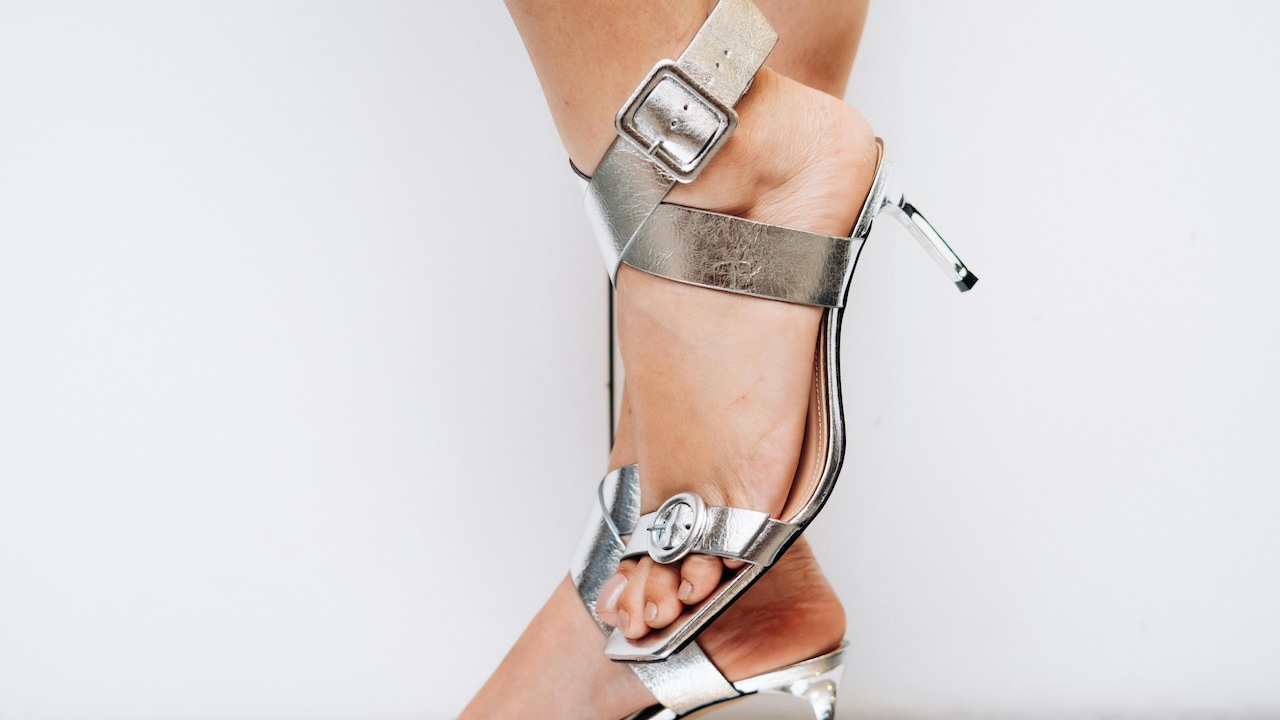
Why Transparent Heels Turn Yellow: Causes, Myths, And Easy Fixes
Photo Credit: Pexels
Products Related To This Article
1. jm looks Women Heels Sandal
2. SHOETOPIA Women Heels Sandal
3. RAVIS Women Heels Sandal
4. TAYDOL Women Heels Sandal
5. SKOLL Women Heels Sandal
Transparent heels capture attention with their simplicity and versatility. They adapt to every outfit, making them a favourite choice for many wardrobes. Yet, behind that effortless charm lies a material that evolves over time.
Yellowing is not a mystery once the factors come into focus. PVC reacts to sunlight, heat, body oils, and even time itself. Each element contributes to a gradual shift from clear to cloudy, from pristine to worn.
This transformation does not diminish the appeal of transparent heels. Instead, it highlights the importance of understanding what goes into everyday fashion. A little awareness can extend their lifespan, reduce disappointment, and guide smarter choices.
In the end, style often involves compromise. Transparent heels offer unmatched versatility, but they ask for mindful care in return. Knowing their nature turns frustration into understanding, making it easier to enjoy them for what they are—a fleeting yet striking addition to any wardrobe.
(Disclaimer: This article may include references to or features of products and services made available through affiliate marketing campaigns. NDTV Convergence Limited (“NDTV”) strives to maintain editorial independence while participating in such campaigns. NDTV does not assume responsibility for the performance or claims of any featured products or services.)