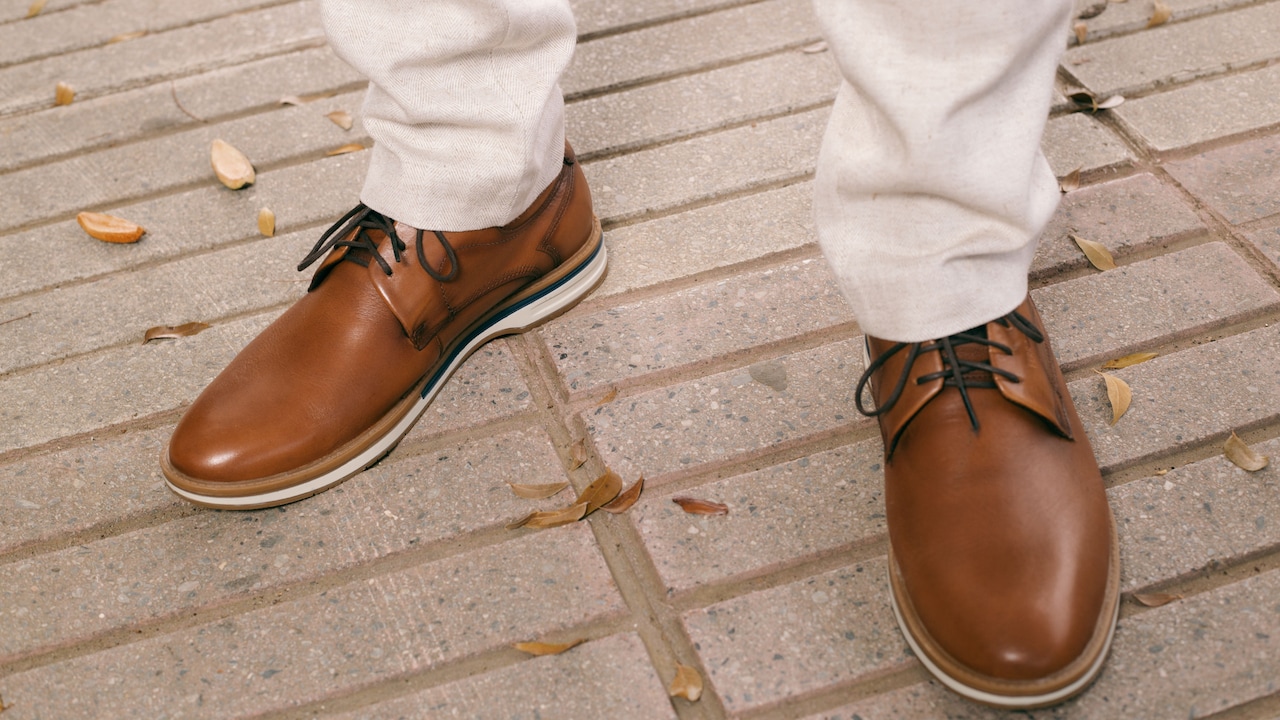
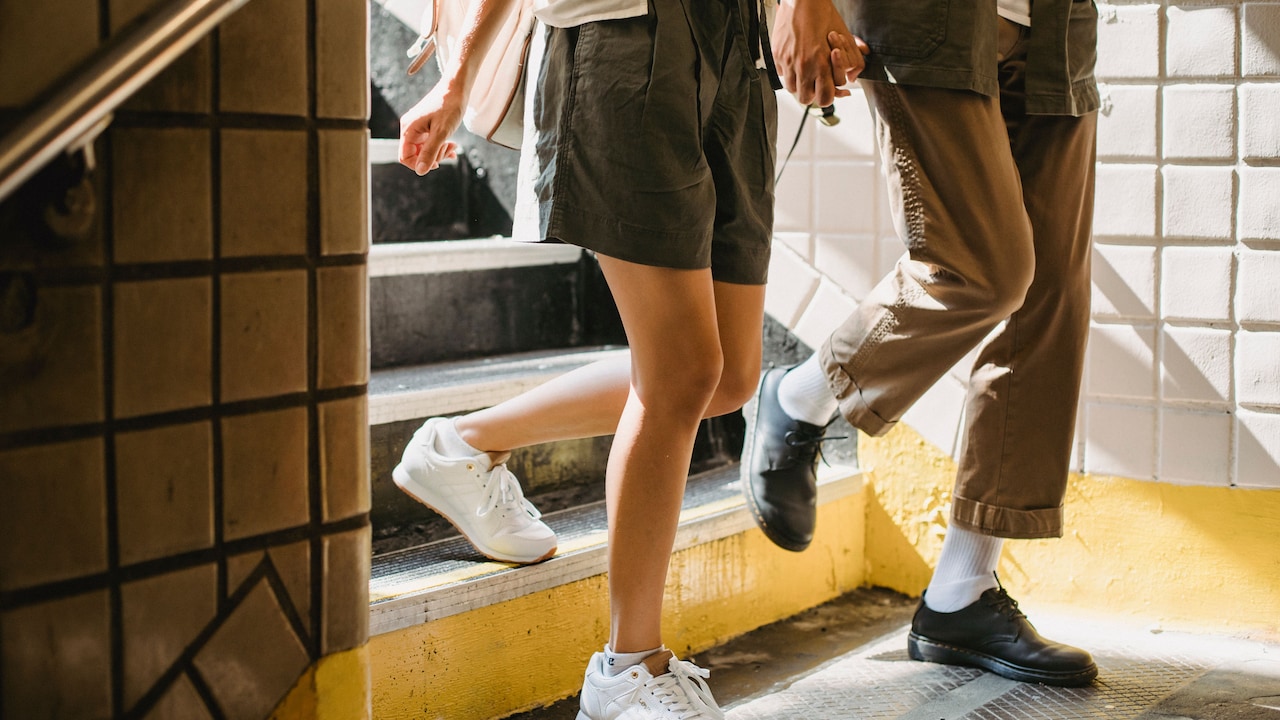
Is The Two-Piece Kurta Set More Practical Than Dealing With A Pesky Dupatta?
Busy days demand easy outfits. Two-piece kurta sets offer comfort and convenience, while dupattas add charm but need effort. So, which truly works better for everyday life?
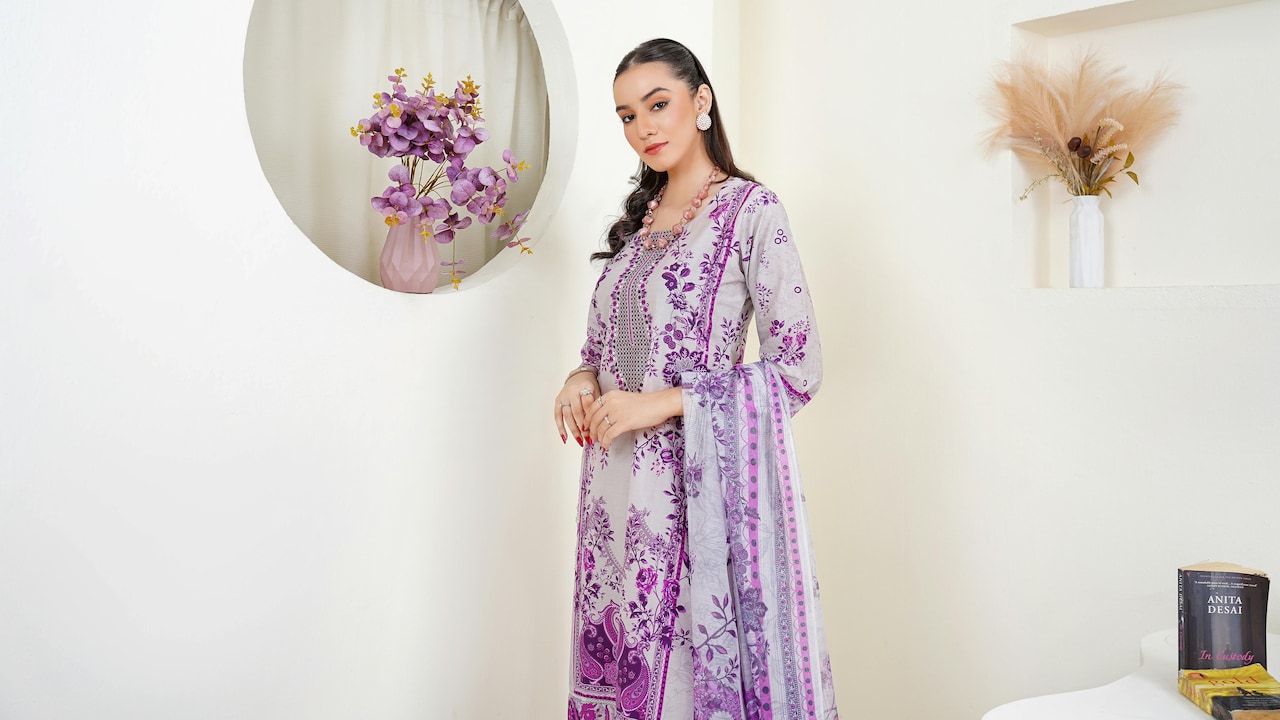
Find out the best choice between two-piece kurta sets and dupattas.
Clothing often carries more than fabric and thread; it carries habits, memories, and a certain rhythm of life. The kurta set, a staple in many wardrobes, has evolved over the years. Once inseparable from the flowing dupatta, it now frequently appears as a neat two-piece ensemble. This shift has sparked a quiet debate. Is the streamlined version truly more practical, or does the absence of a dupatta take away something essential?
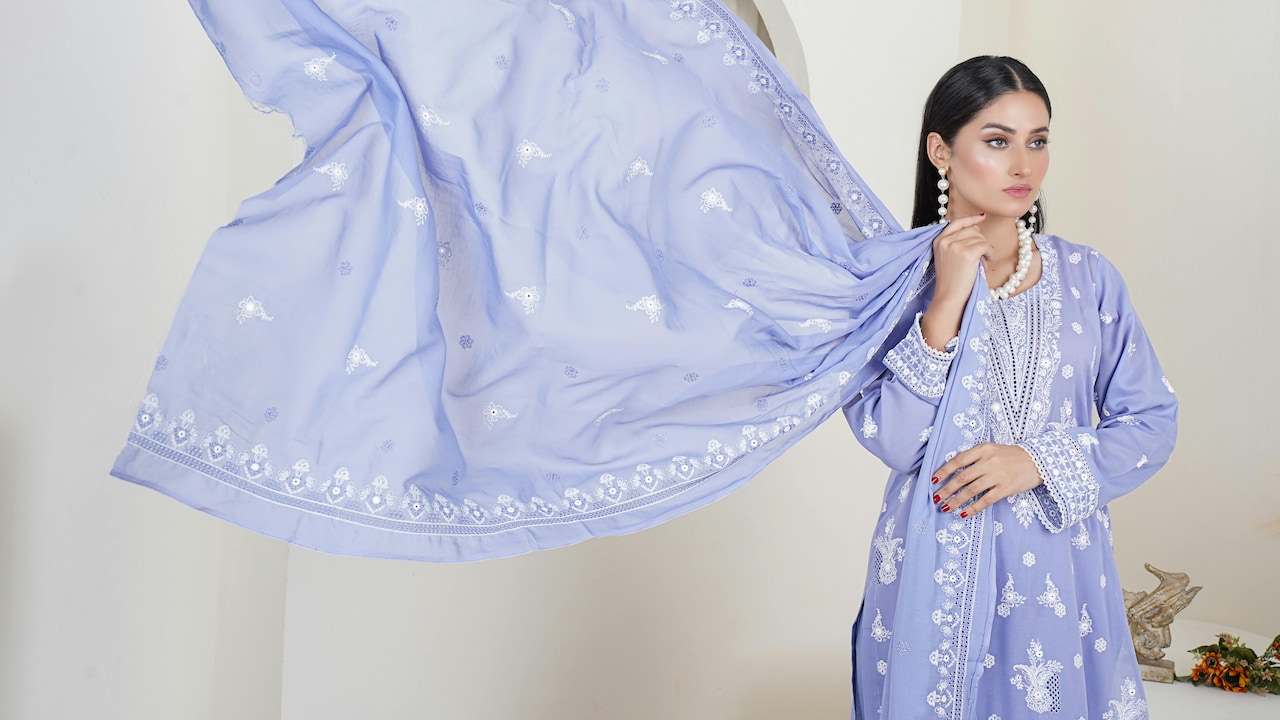
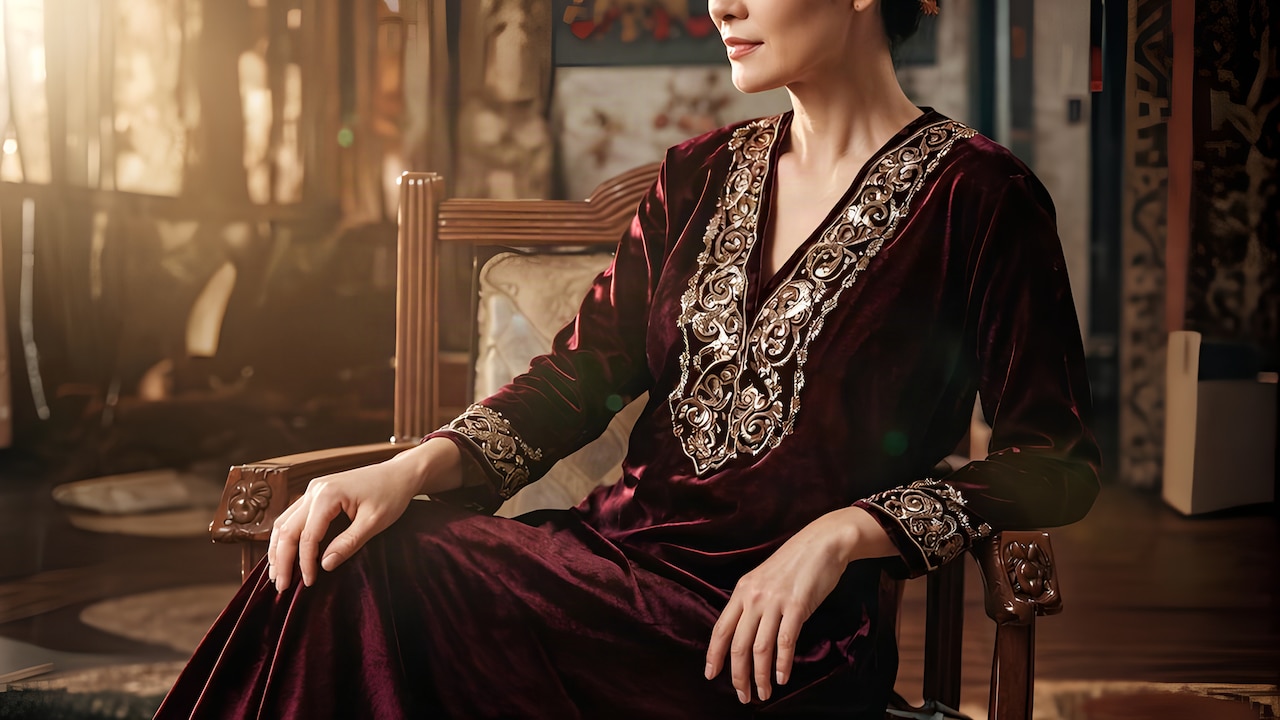
Two-piece kurta sets vs dupattas for women; Photo Credit: Pexels
Daily life today moves quickly. From early morning commutes to late evening catch-ups over ₹150 cups of coffee, outfits need to keep up. The dupatta, while graceful, can sometimes feel like an extra responsibility rather than an accessory. Yet, tradition and aesthetics still hold strong emotional value.
The rise of the two-piece kurta set seems less like a rebellion and more like an adaptation. It reflects changing priorities, where convenience often wins, but style refuses to take a back seat. The question remains: does practicality redefine elegance, or does the dupatta still deserve its place in the spotlight?
Also Read: Navratri Festive Ethnic Wear Kurti Sets For Women And Girls On Myntra
Breaking Down The Kurta Set Vs Dupatta Dilemma
The Shift Towards Simplicity
Fashion rarely changes overnight. Instead, it evolves quietly, responding to everyday needs. The growing preference for two-piece kurta sets reflects this subtle transformation. Simplicity now carries its own kind of sophistication.
Without the dupatta, the outfit feels lighter, both physically and visually. Dressing up becomes quicker, and stepping out requires fewer adjustments. In a world where mornings often begin with a hurried glance at the clock, this simplicity feels like a small victory.
There's also a shift in mindset. Minimalism no longer feels like a compromise. Instead, it appears intentional and refined. A well-fitted kurta paired with tailored bottoms can look polished without the need for additional layers.
This doesn't mean the dupatta has lost its charm entirely. Rather, the two-piece set offers an alternative for days when ease takes priority. It aligns with a lifestyle where less truly becomes more, allowing individuals to focus on their day instead of managing their outfit.
Navigating Crowded Spaces
Busy streets, packed trains, and bustling markets define everyday movement. In such spaces, practicality becomes essential. The dupatta, though elegant, can quickly turn into a source of constant adjustment.
A sudden breeze, a jostle in a crowded bus, or even the simple act of climbing stairs can send it slipping off the shoulder. The need to keep fixing it interrupts the natural flow of movement. Over time, this can feel tiring rather than graceful.
Two-piece kurta sets eliminate this concern entirely. Without the extra fabric, movement becomes effortless. Walking through a crowded bazaar or hopping onto a metro feels less restrictive.
This practicality extends beyond convenience. It brings a sense of ease that allows focus to shift elsewhere, perhaps on a conversation, a phone call, or simply enjoying the surroundings.
While the dupatta may still suit slower, more relaxed settings, the two-piece set clearly adapts better to the pace of urban life, where every step counts, and comfort becomes non-negotiable.
Weather And Comfort
The climate plays a significant role in daily dressing choices. Warm, humid days often make heavy layers feel unbearable. The dupatta, depending on the fabric, can add an extra layer of discomfort.
Light cotton versions offer some relief, but even they can feel like an unnecessary addition when temperatures rise. The constant need to adjust it only adds to the discomfort.
Two-piece kurta sets, on the other hand, allow for better airflow and ease. Without the extra layer, the outfit feels breathable and suitable for long hours outdoors. Whether running errands or attending a casual gathering, comfort becomes more accessible.
Seasonal changes also influence preferences. During monsoons, managing a dupatta while avoiding puddles can feel like a balancing act. The two-piece set removes this challenge entirely.
Comfort often shapes confidence. When clothing feels easy and manageable, it allows for a more relaxed presence. In this sense, the two-piece kurta set aligns seamlessly with the demands of changing weather conditions.
The Morning Rush Factor
Mornings rarely unfold as planned. Alarm snoozes stretch longer than intended, breakfast becomes hurried, and every minute starts to matter. Dressing up, in such moments, needs to be quick and reliable.
The dupatta, however, introduces an extra step. Choosing the right one, draping it neatly, and ensuring it stays in place takes time. Even a few extra minutes can feel significant when running late.
Two-piece kurta sets simplify this process. With fewer elements to coordinate, getting ready becomes faster. There's no need to worry about matching colours or adjusting layers.
This convenience doesn't come at the cost of style. Many designs incorporate detailing within the kurta itself, making the outfit look complete without additional accessories.
The ease of dressing influences the start of the day. A smoother routine often leads to a calmer mindset. In this regard, the two-piece set offers more than just practicality; it provides a small but meaningful sense of control in an otherwise rushed morning.
Style Without The Extra Layer
There was a time when the dupatta defined the outfit. It added colour, contrast, and movement. Today, designers have shifted this focus onto the kurta itself.
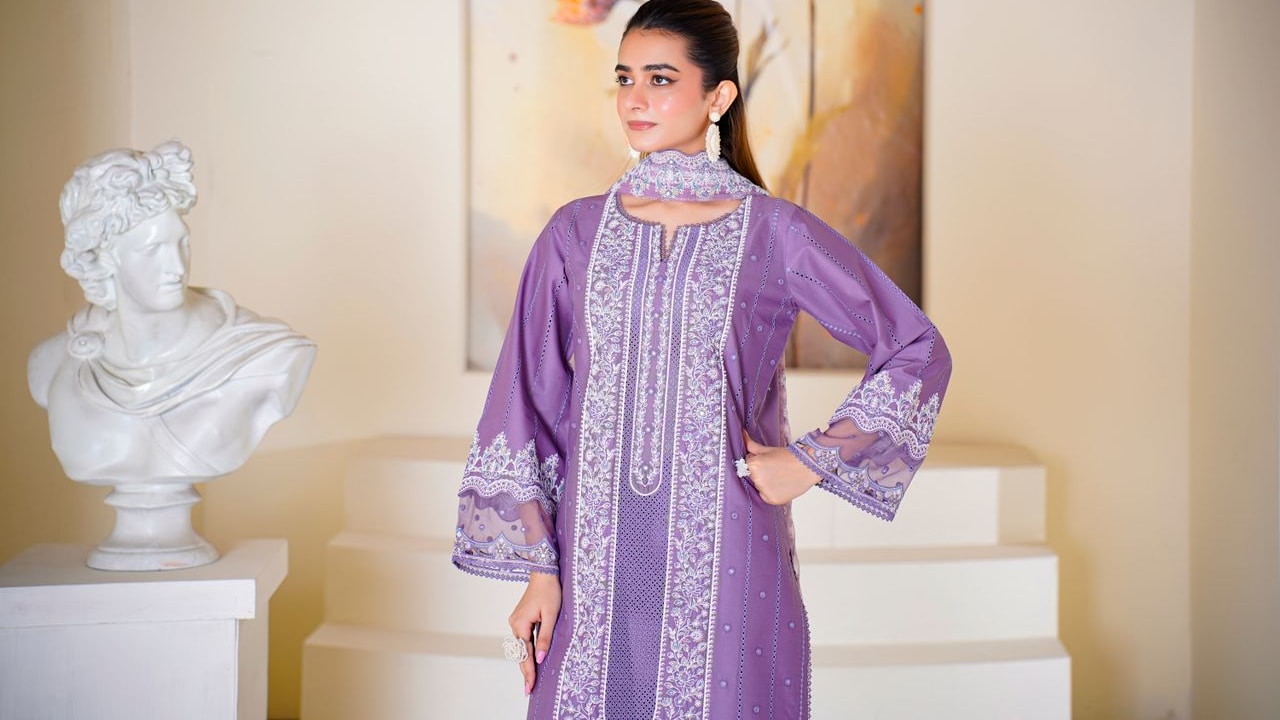
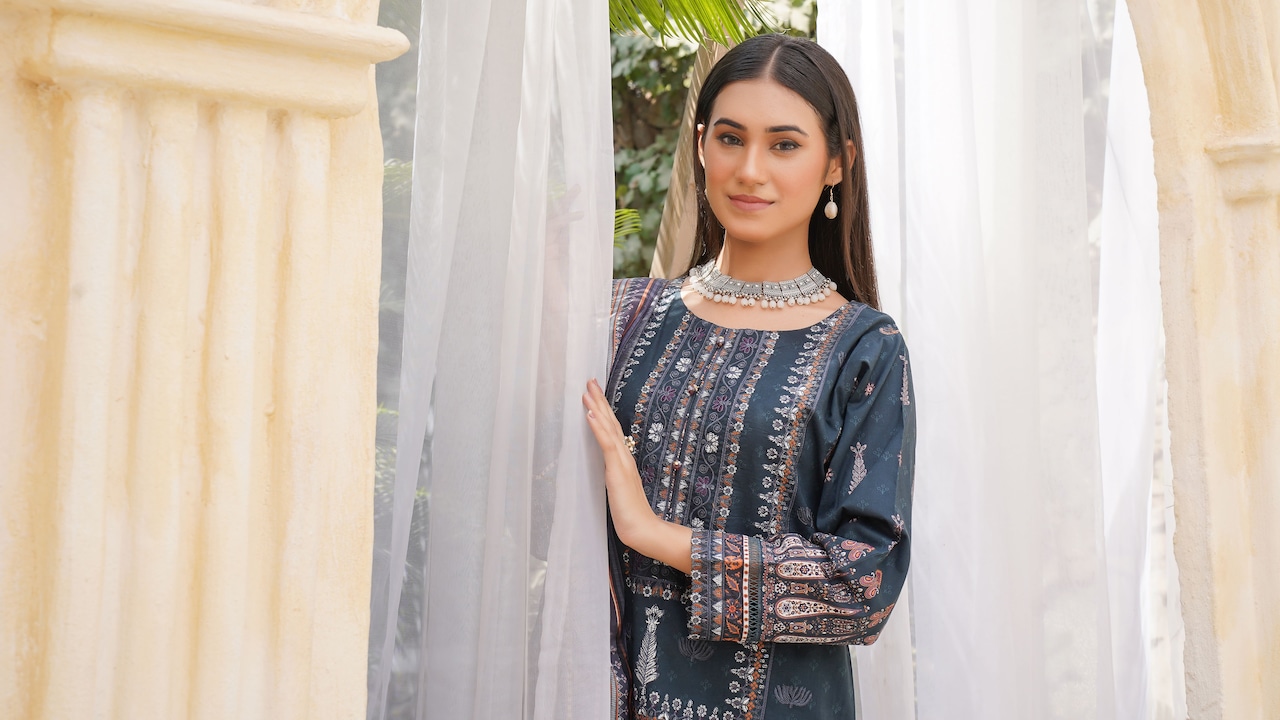
Modern two-piece sets often feature intricate prints, embroidery, and unique cuts. These details ensure that the outfit stands out without needing an additional layer. The kurta becomes the centrepiece rather than a base for accessories.
This shift allows for more experimentation. Asymmetrical hemlines, statement sleeves, and bold patterns bring freshness to traditional silhouettes. The absence of a dupatta doesn't reduce the visual appeal; instead, it redirects attention.
At the same time, this approach simplifies styling. Accessories like earrings or bangles can take the spotlight without competing with a flowing dupatta.
Style evolves with time, and the two-piece kurta set reflects this evolution. It proves that elegance doesn't always require multiple elements. Sometimes, a single well-designed piece can make a stronger statement.
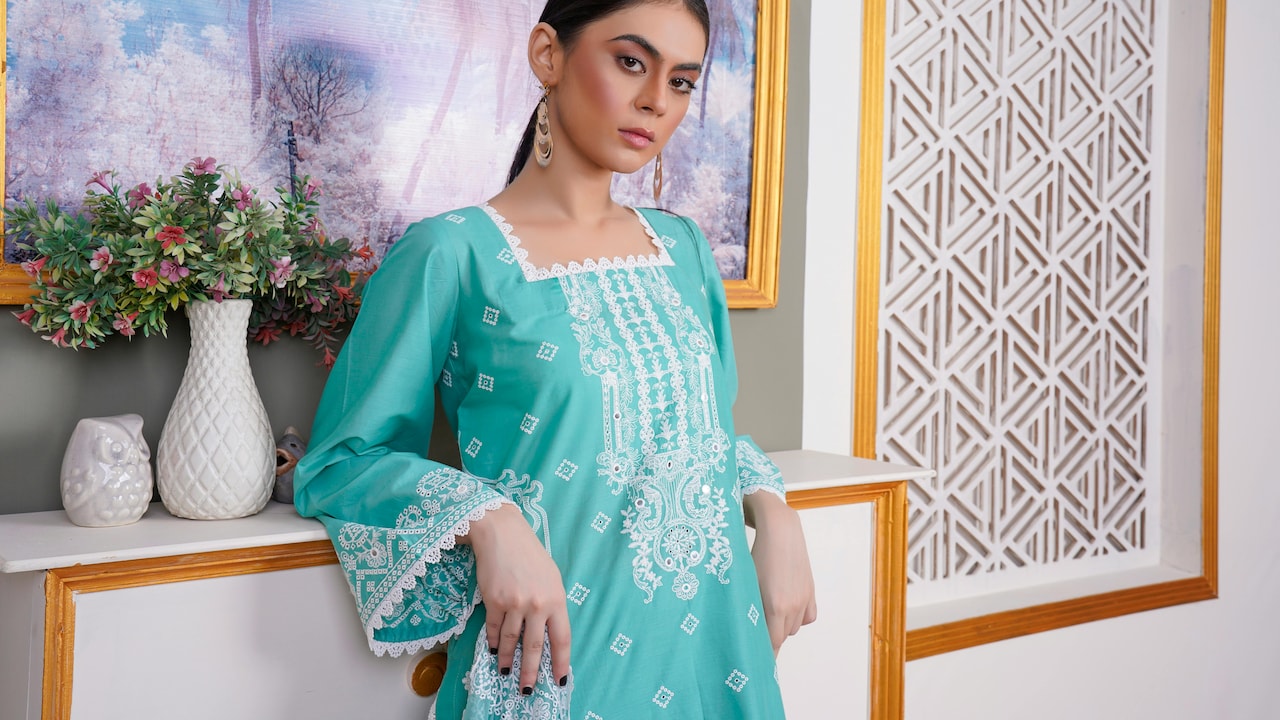
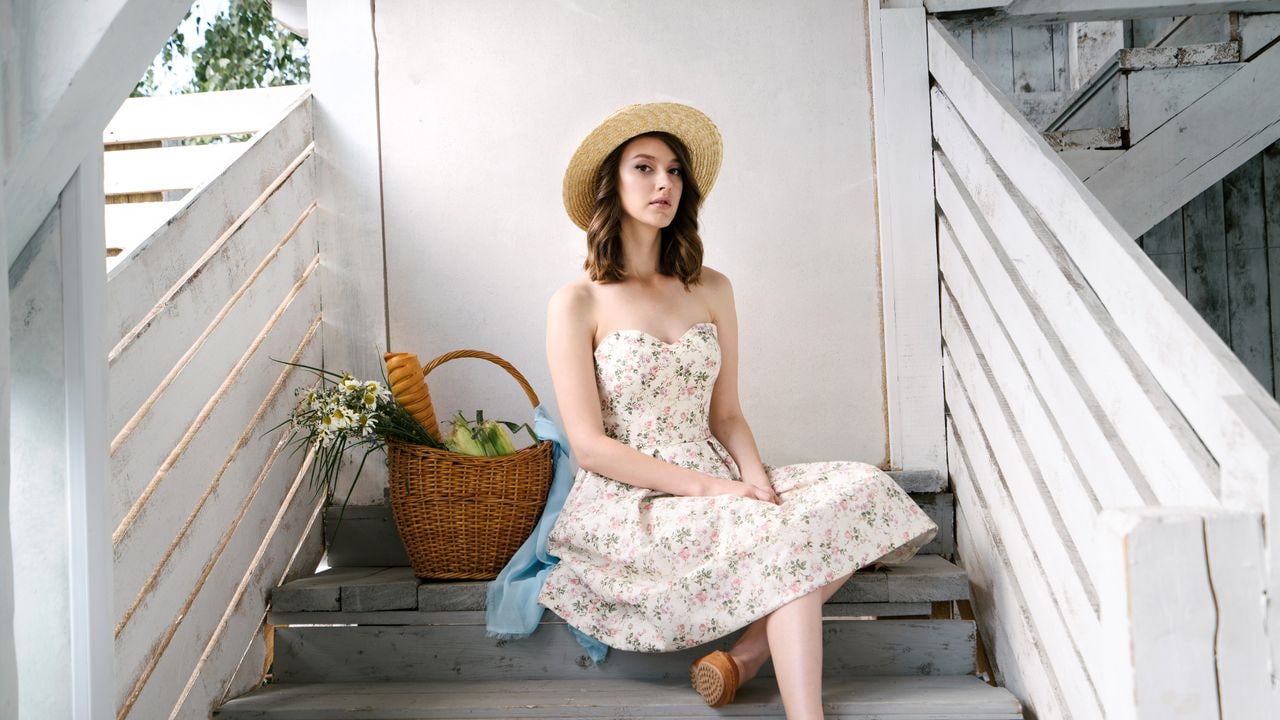
Modern two-piece sets stand out without needing an additional layer; ThePhoto Credit: Pexels
Managing Daily Tasks
Daily routines involve a mix of activities, working, commuting, shopping, and socialising. Clothing needs to support these tasks rather than complicate them.
The dupatta, while beautiful, can sometimes interfere. Carrying bags, handling phones, or even managing groceries becomes slightly more cumbersome with an extra piece of fabric to consider.
Two-piece kurta sets offer greater practicality in this context. Without the dupatta, hands remain free, and movements feel unrestricted. Tasks can be completed with ease, without the need for constant adjustments.
This practicality becomes especially noticeable during busy days. Running between meetings or navigating crowded spaces feels less stressful when clothing doesn't demand attention.
At the same time, the outfit retains its versatility. It can transition from casual errands to semi-formal settings without much effort.
The balance between functionality and style makes the two-piece kurta set a reliable choice for everyday wear, where convenience often takes precedence.
The Emotional Connection with Dupattas
Despite its challenges, the dupatta holds a special place in many wardrobes. It carries a sense of tradition and familiarity that cannot be easily replaced.
Festive occasions, family gatherings, and celebrations often feel incomplete without it. The way it drapes, flows, and adds movement brings a certain charm that resonates deeply.
There's also an emotional connection tied to memories. Hand-me-down dupattas, gifted pieces, or those bought during special occasions carry stories within their folds.
The two-piece kurta set, while practical, doesn't always evoke the same sentiment. It leans more towards functionality than nostalgia.
This contrast highlights an important aspect of fashion: it's not always about convenience. Sometimes, it's about feeling connected to something larger.
The dupatta may not suit every day, but its presence continues to hold meaning. It remains a symbol of grace and continuity, even as trends evolve around it.
Travel And Mobility
Travelling, whether for work or leisure, demands ease and adaptability. Packing light becomes essential, and outfits need to serve multiple purposes.
The dupatta, in this scenario, can feel like an extra item that requires careful handling. It takes up space and often needs to be folded neatly to avoid creases.
Two-piece kurta sets simplify packing. They occupy less space and can be mixed and matched with ease. A single kurta can pair with different bottoms, creating multiple looks without adding bulk.
Mobility also improves during travel. Moving through airports, catching buses, or exploring new places feels less restrictive without an additional layer.
This practicality extends to maintenance as well. Washing and drying become quicker, making the two-piece set a convenient choice for longer trips.
For those constantly on the move, the appeal of a streamlined outfit becomes clear. It aligns with the need for flexibility, ensuring that style doesn't become a burden while travelling.
Redefining Modern Elegance
Elegance has never been a fixed concept. It evolves with time, shaped by lifestyle and personal preferences. The rise of the two-piece kurta set reflects this ongoing transformation.
Today, elegance often lies in effortlessness. An outfit that feels comfortable and manageable can appear more confident than one that requires constant attention.
The absence of a dupatta doesn't diminish sophistication. Instead, it introduces a new kind of refinement, one that prioritises ease without compromising on style.
At the same time, the option to include a dupatta remains. It becomes a choice rather than a necessity. This flexibility allows individuals to adapt their look based on the occasion.
Modern elegance embraces this balance. It acknowledges tradition while making space for practicality.
The two-piece kurta set, in this context, represents more than a trend. It symbolises a shift towards clothing that supports daily life while still allowing room for personal expression.
Products Related To This Article
1. FIORRA Floral Printed Notch Collar Thread Work Cotton A-Line Kurta
2. Sangria Women Ethnic Motifs Embroidered Thread Work Kurta
3. Aayusika Women Striped Kurta with Trousers
4. Indo Era Floral Embroidered Kurta
5. Nayo Women Maroon Ethnic Motifs Printed Cotton Kurta
The debate between the two-piece kurta set and the traditional dupatta isn't about choosing one over the other. It's about understanding the context in which each thrives.
The two-piece set offers undeniable practicality. It simplifies daily routines, adapts to fast-paced environments, and provides comfort in varying conditions. For everyday wear, it often feels like the more convenient choice.
The dupatta, however, continues to hold its ground. It brings elegance, tradition, and emotional depth that cannot be easily replaced. It shines in moments where style takes centre stage over convenience.
Rather than replacing one with the other, the modern wardrobe finds space for both. Some days call for ease, while others invite a touch of tradition.
In the end, practicality and charm don't need to compete. They can coexist, allowing each outfit to reflect the mood, the moment, and the pace of the day.
(Disclaimer: This article may include references to or features of products and services made available through affiliate marketing campaigns. NDTV Convergence Limited (“NDTV”) strives to maintain editorial independence while participating in such campaigns. NDTV does not assume responsibility for the performance or claims of any featured products or services.)