What Is Maximalist Fashion? And Why Can't The Internet Get Enough Of It
Maximalism is reshaping fashion with bold colours, layers and excess. Here's what the trend means, why it's back now, and how we saw it coming.
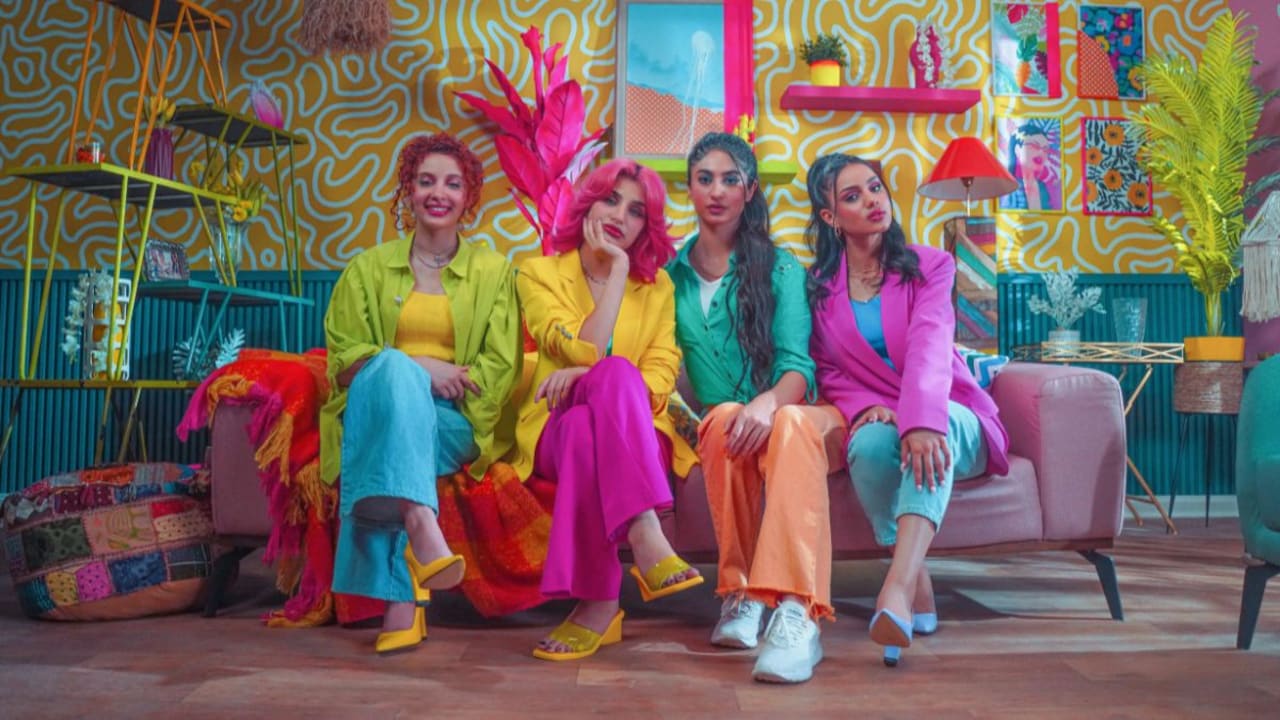
Maximalism is fashion's reaction to years of sameness.
At some point in the past year, fashion stopped whispering pastel colours. You could feel it, not on the runways first, but on your mobile screens. A silver sparkly skirt worn with a cricket sweater and chandelier earrings. A sari styled with combat boots and a leather corset. Five necklaces stacked together where one would have sufficed just months ago. If quiet luxury was once the aspirational language of the internet, beige, restraint, logos carefully muted, something louder is now making its way into our social feeds, streets, and wardrobes. The shift didn't come with an announcement. It arrived in flashes: clashing colours, surplus jewellery, clothes that felt styled rather than merely worn. Maximalism didn't re-enter fashion politely. It came back because people were tired of being careful.
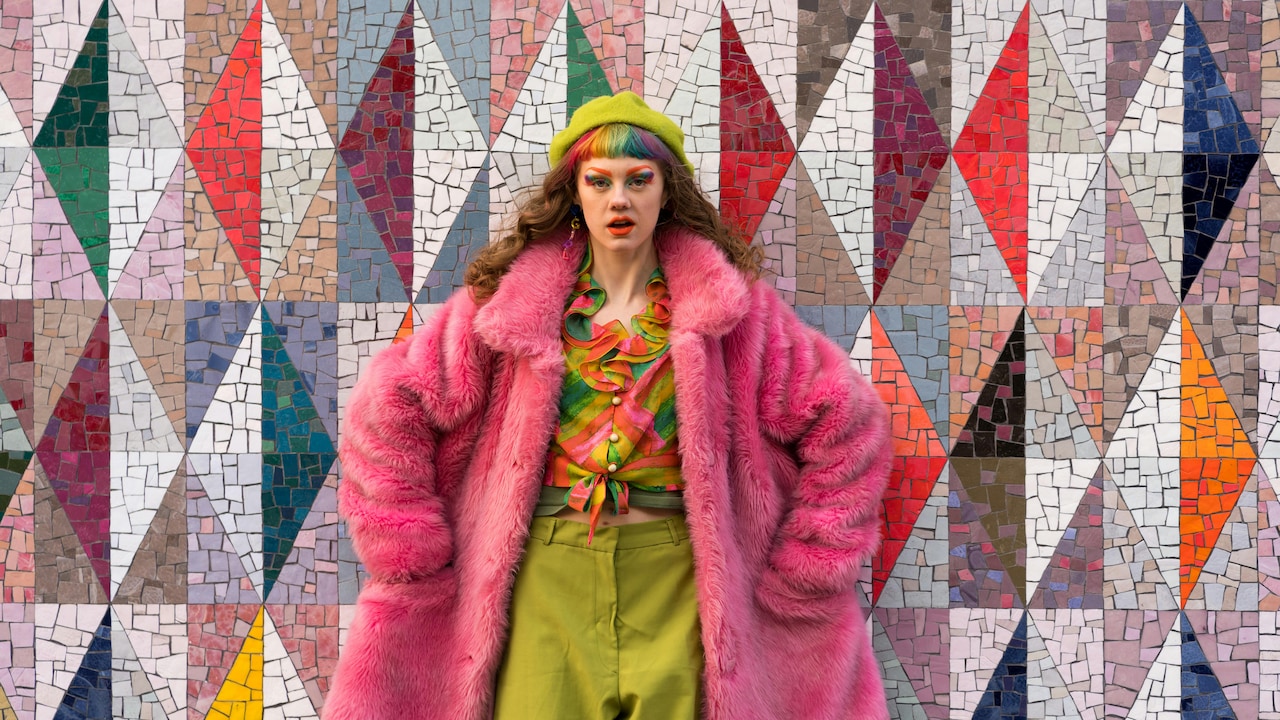
In a world of beige wardrobes, bold dressing feels radical.
Photo Credit: Pexels
The Moment We Realised Something Had Changed
Fashion trends don't announce themselves at midnight. They accumulate. And somewhere between last year's fashion week clips resurfacing on Instagram and desi street-style reels going viral, it became clear that the aesthetic tide had turned.
Also Read: The Smart Holiday Wardrobe: Western Wear Staples That Travel Well
By early 2025, feeds were filling with looks that felt almost defiant in their excess. Influencers who once built their platforms on capsule wardrobes were suddenly mixing prints. Vintage fur jackets were being worn with maroon tights. Bangles stacked all the way up the arm again, not ironically, but earnestly.
Search behaviour reflected it too. “Maximalist outfit ideas” began outperforming “minimal wardrobe”. Pinterest boards leaned heavily into colour, texture, chaos. Even high-street brands, always cautious barometers of consumer mood, quietly pivoted, introducing more fringe bags, oversized florals, dramatic sleeves, huge logo t-shirts and more.
This wasn't nostalgia. It was frustration transforming into style.
So, What Exactly Is Maximalism?
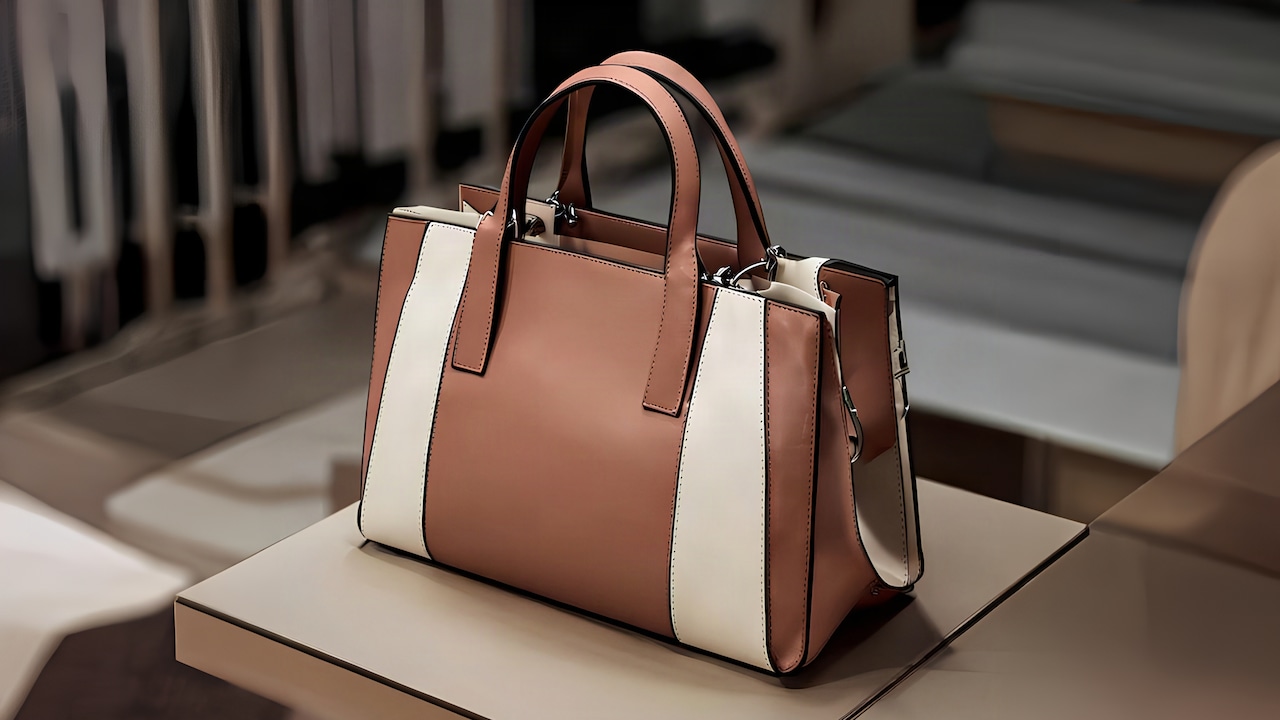
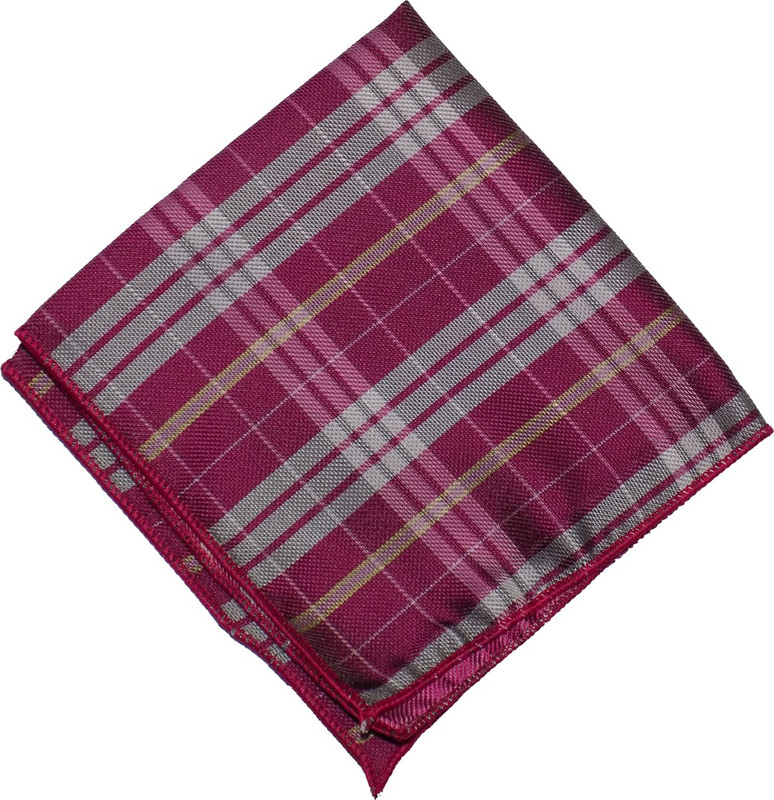
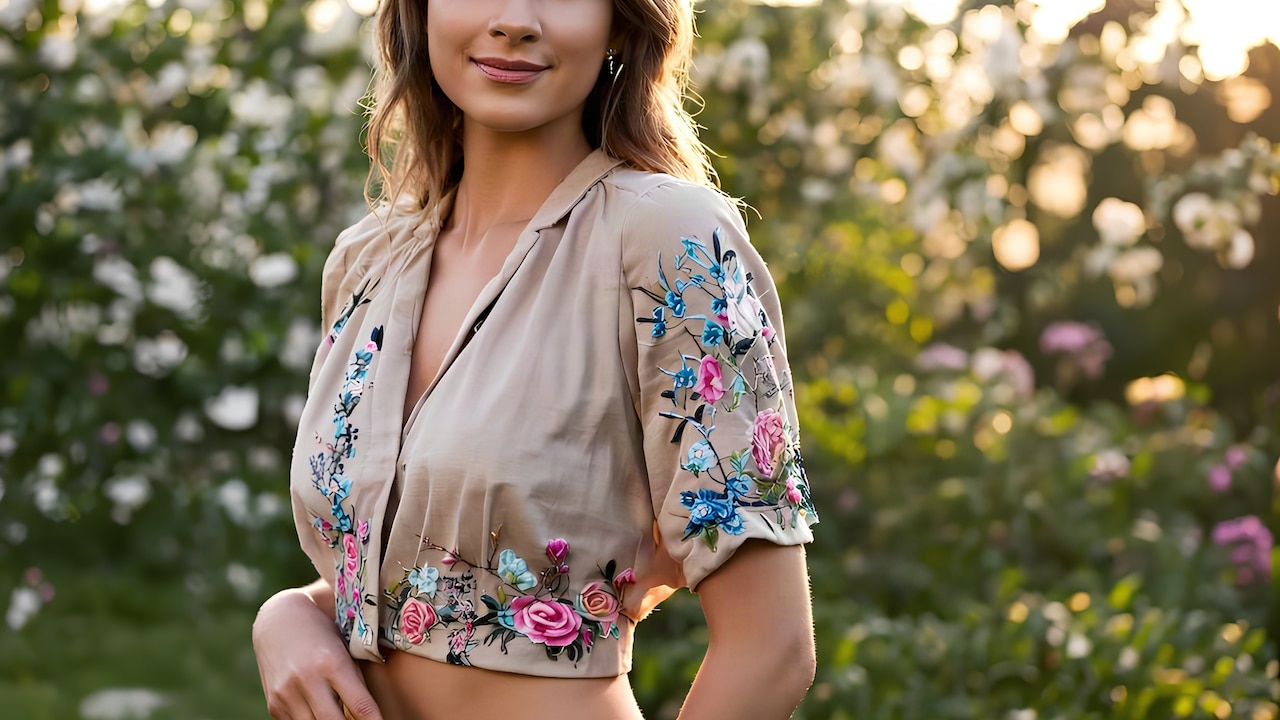
Maximalism in fashion isn't just about wearing a lot, it's about wearing with intention. It rejects the idea that style must be streamlined or restrained to be tasteful. Where minimalism prized harmony and restraint, maximalism welcomes tension: between eras, textures, colours, references.
A maximalist outfit might look chaotic to an outsider, prints layered on prints, jewellery competing for attention, silhouettes exaggerated rather than polished. But look closer and there's logic beneath the excess. A personal code. An emotional throughline.
In many ways, maximalism is less an aesthetic and more a philosophy: dress as if you have something to say.
The Long Goodbye To Quiet Luxury

Fashion is no longer whispering, it's speaking loudly again.
Photo Credit: Pexels
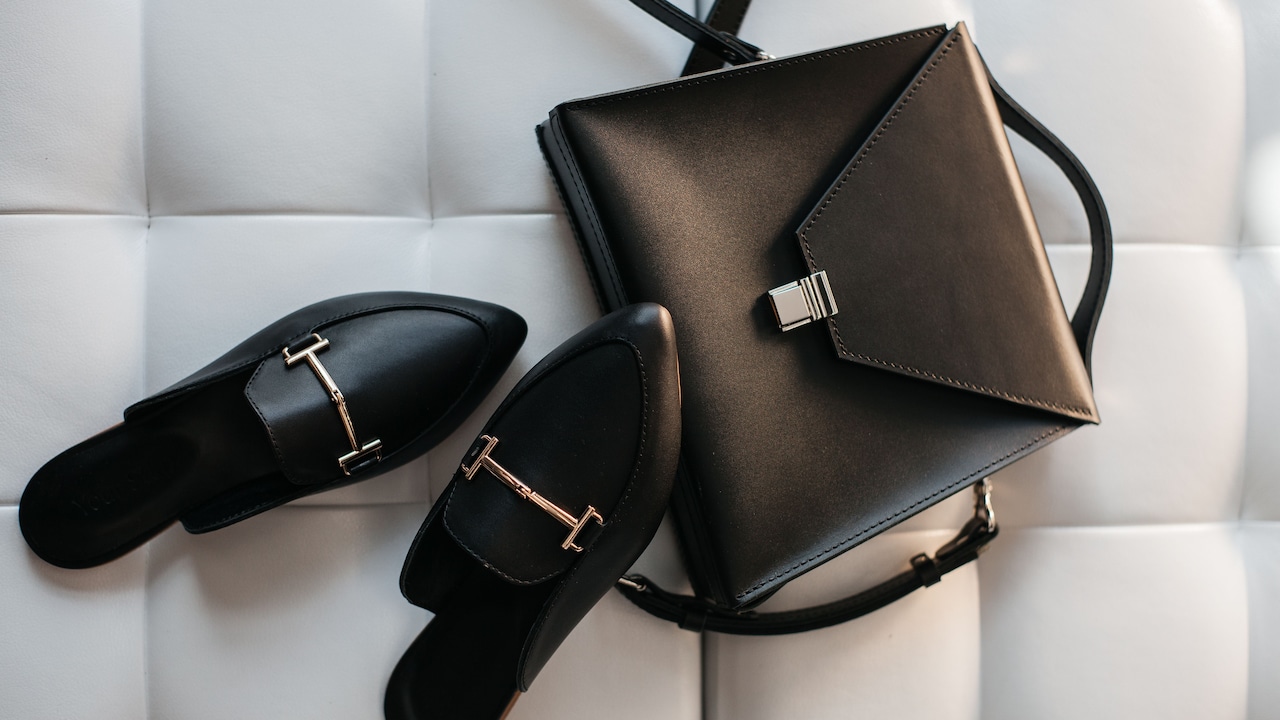
Quiet luxury didn't disappear overnight. It simply stopped feeling honest.
After years of economic uncertainty, fashion's whisper-soft turn toward "investment dressing" made sense. Neutral palettes and timeless silhouettes offered comfort, control, and aspirational calm, especially during the pandemic years.
But by 2026, quiet luxury had lost its intimacy. It became performative. A shorthand for wealth, not taste. When every other Instagram post featured the same trousers, the same loafers, the same grey knit, restraint began to look less refined and more unimaginative.
Maximalism emerged as a rebuttal. Not to elegance, but to sameness.
Gen Z And The Death Of The Rulebook
It's no coincidence that maximalism's resurgence is tied closely to younger consumers. Gen Z does not dress to blend in, and doesn't believe that "good style" has a single definition.
Their influences are fragmented by design: archival runway clips, thrifted finds, Bollywood nostalgia, anime, K-pop, early-2000s pop stars. The result is fashion that feels collaged rather than curated.
What looks "too much" to older generations often looks honest to them.
A maximalist outfit today might contain:
- A thrifted blazer from the '90s
- A handmade crochet bag
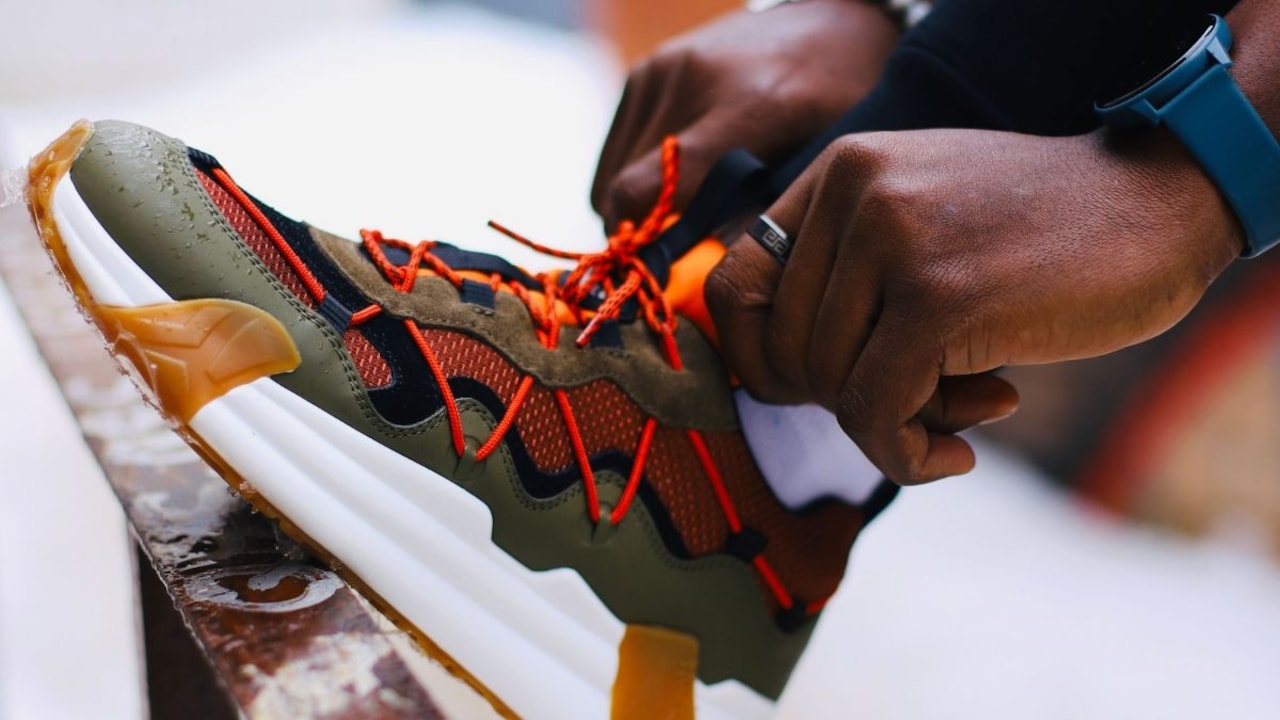
- Chunky shoes sourced online
- Jewellery picked up from a street market
None of it matches. All of it belongs.
Runways Didn't Start It, They Confirmed It
When designers began leaning fully into spectacle again, they weren't inventing maximalism; they were acknowledging it.
Recent collections have favoured drama over subtlety. Volume returned. Colour exploded. Texture dominated. Fashion week clips circulated less as "what you'll wear next season" and more as cultural moments, visual escapism in an age of visual fatigue.
The runway became a place to exaggerate emotion again. And audiences responded.
Maximalism, after all, photographs well. It sparks conversation. It refuses to disappear into the scroll.
Indian Fashion Has Always Understood Excess
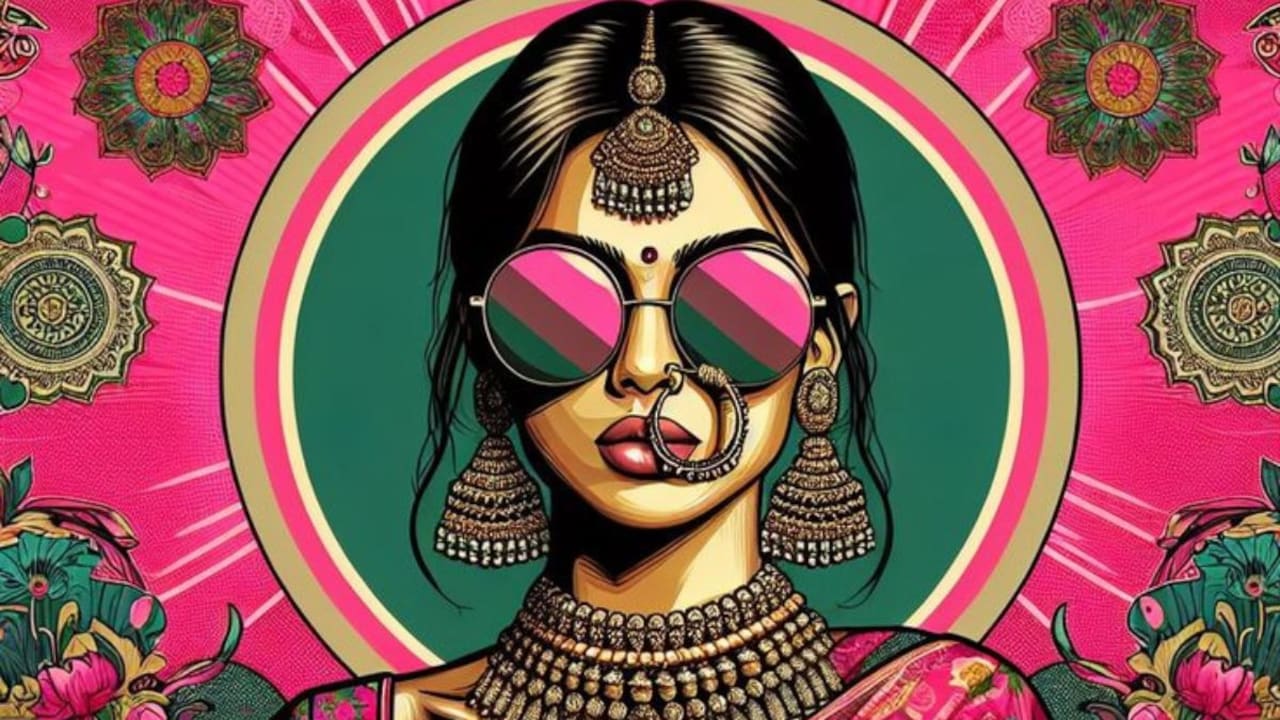
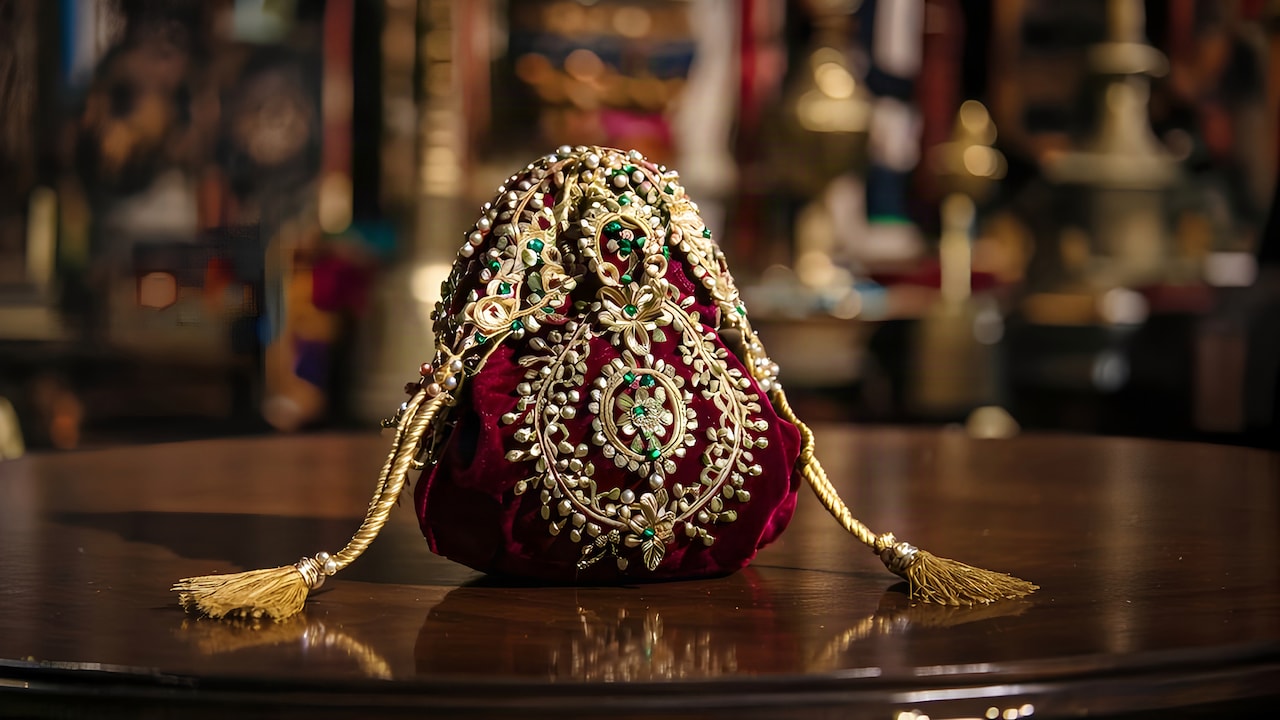
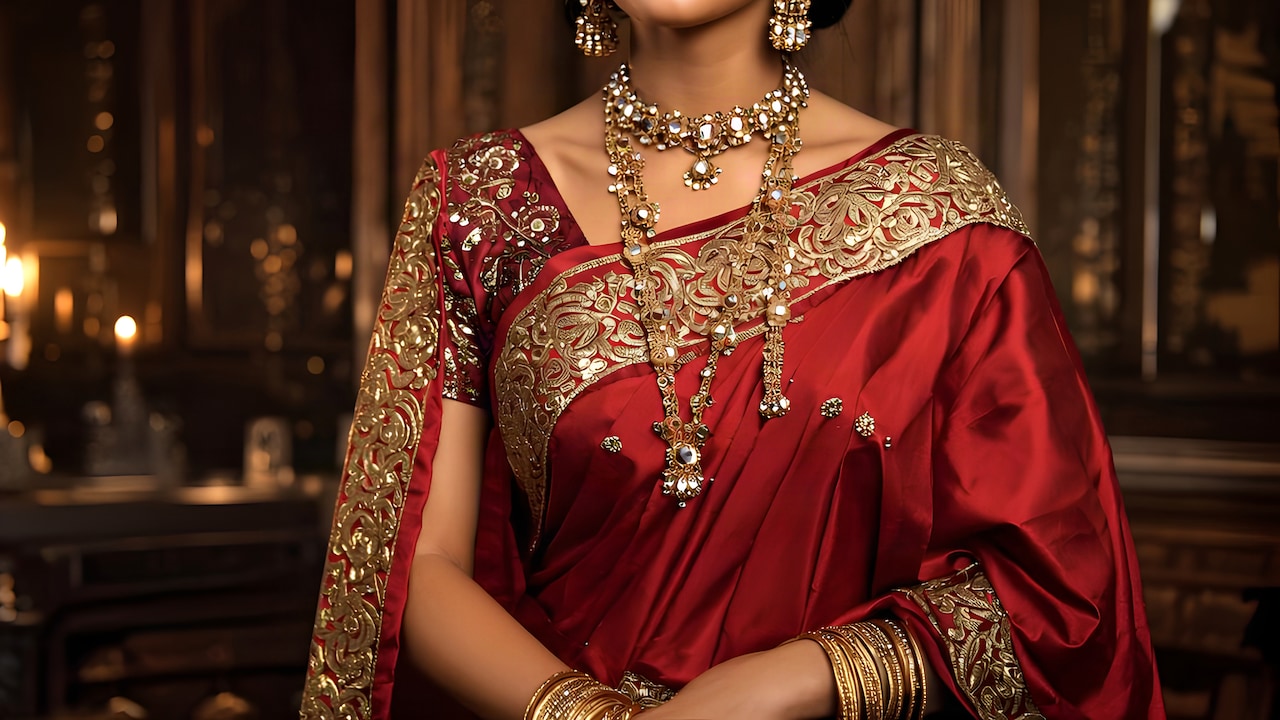
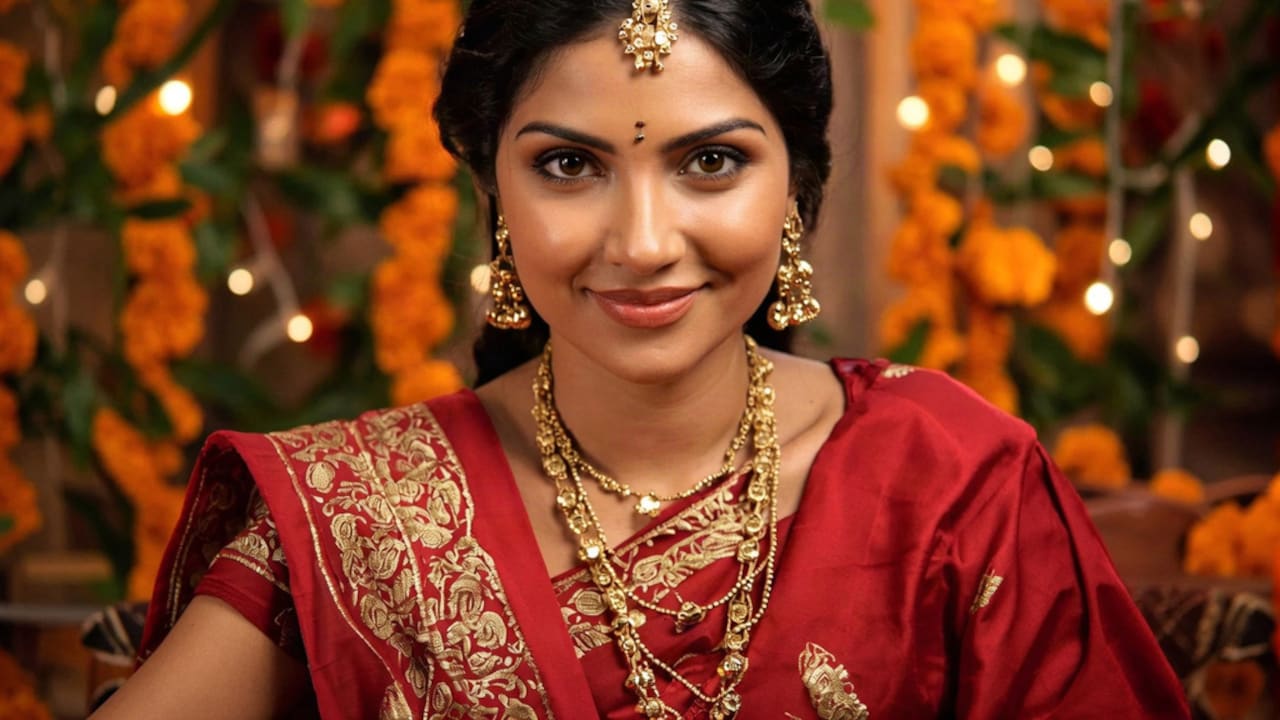
Maximalism in desi fashion isn't chaos, it's intention.
Photo Credit: Pinterest
In an Indian context, maximalism never truly left, it was simply sidelined.
Traditional Indian dressing has always embraced ornamentation, layering, symbolism. For decades, however, everyday fashion aspired toward “modern” minimalism, often equated with Western silhouettes and muted palettes.
What's changed now is confidence.
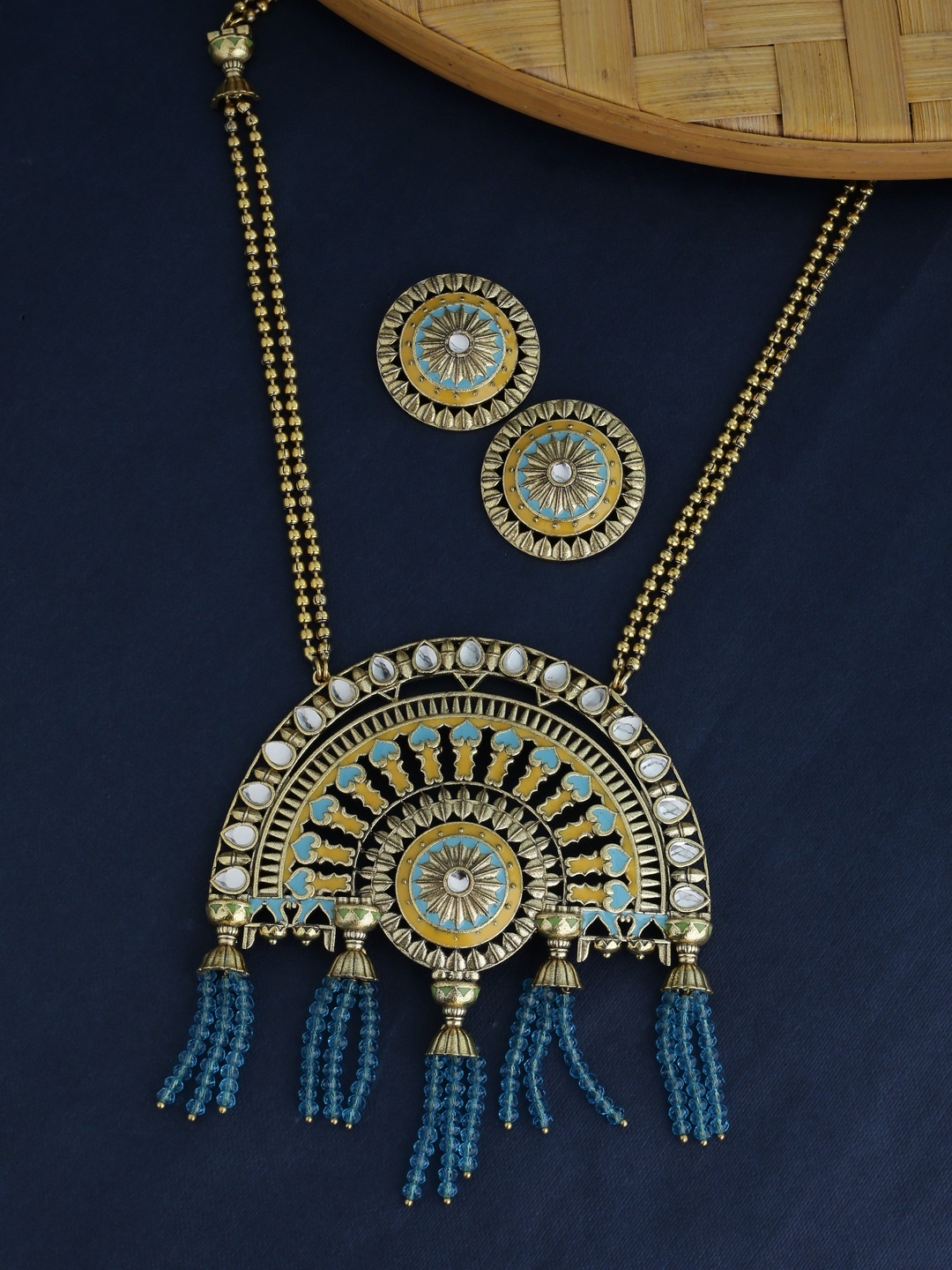
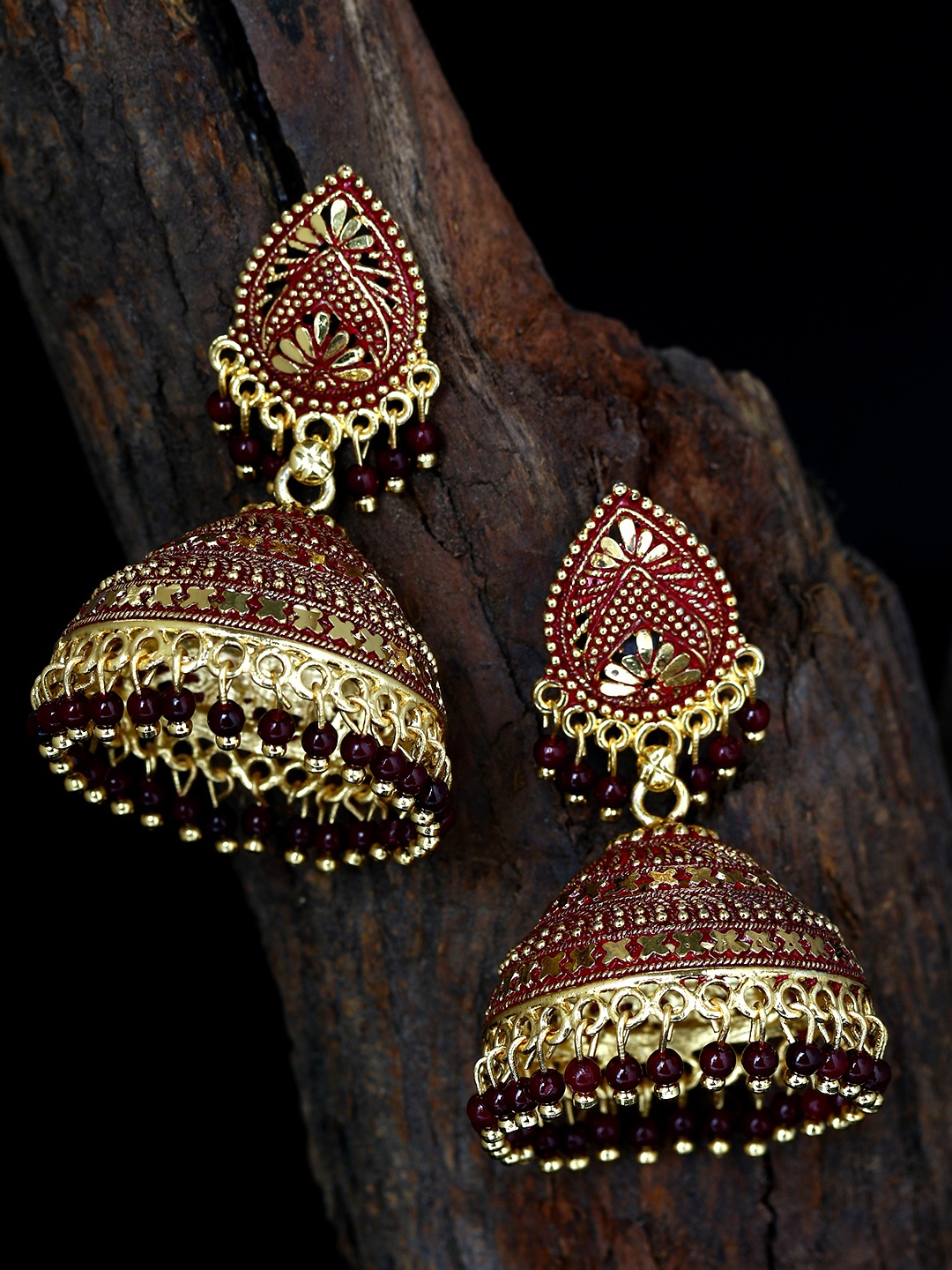
You see it in how saris are worn with heavy belts, how oxidised jewellery is styled with Western separates, how handloom textiles are layered unapologetically. The maximalism isn't imported, it's remembered.
And crucially, it's being worn beyond weddings and festivals.
Is Maximalism a Passing Phase?
While trends will always evolve, maximalism feels firmly rooted in how people want to dress right now, boldly, emotionally and without rigid rules. And its presence beyond runways confirms that this isn't just a fashion-week fantasy. High-street brands are already translating the trend for everyday wear.
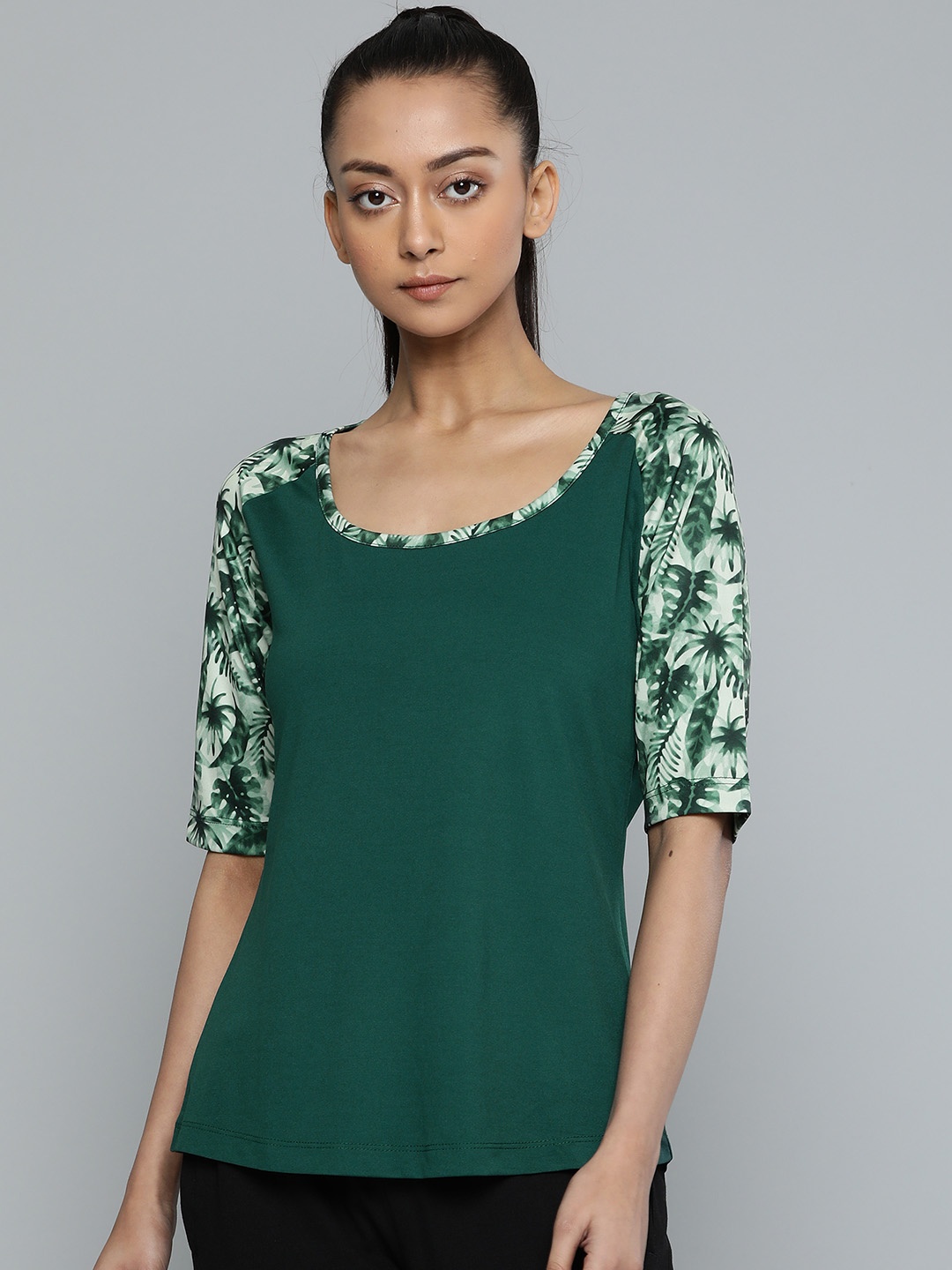
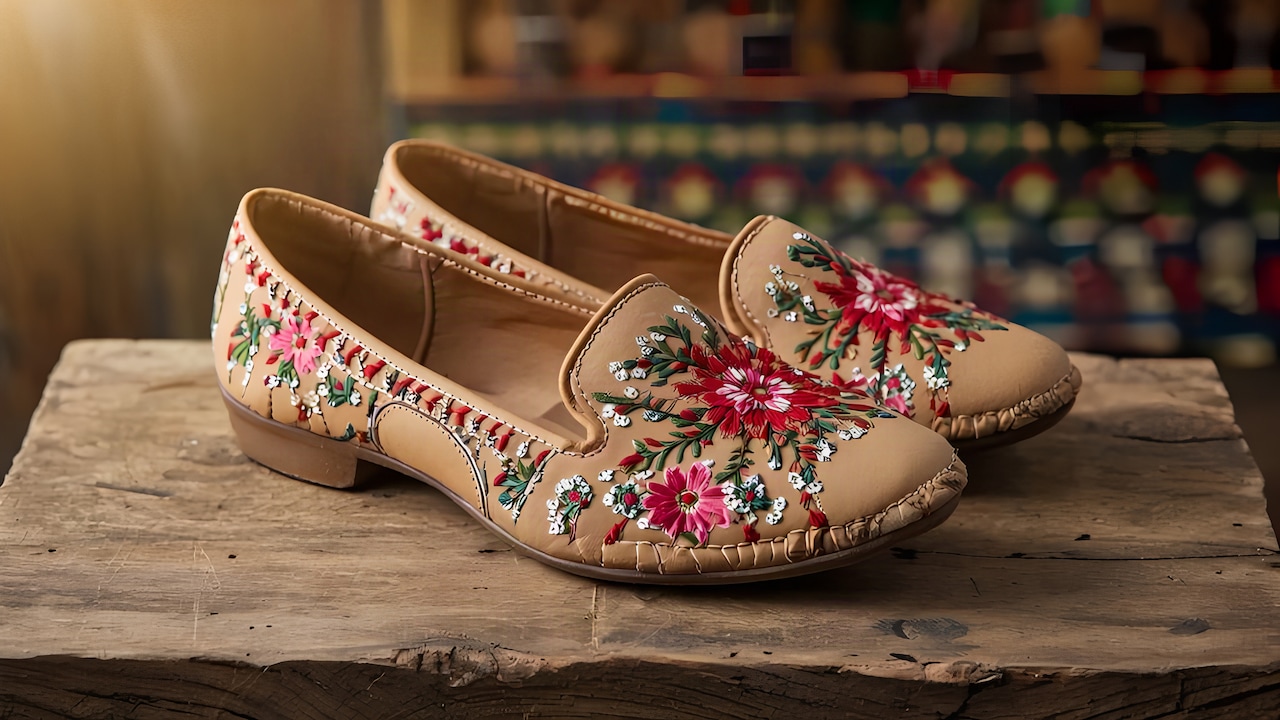
Pantaloons, in particular, has leaned into maximalism with a wide range of statement pieces, from printed dresses and vibrant co-ord sets to embellished ethnic wear and eye-catching footwear designed to be layered and styled unapologetically. For anyone looking to embrace the trend without overthinking it, the Pantaloons app is a good place to start. Along with a broad mix of maximalist apparel and accessories, the app often offers exclusive online discounts, making it easier to experiment with bold fashion choices.
Maximalism may change form, but dressing with confidence and personality? That's here to stay.
Frequently Asked Questions (FAQs)
1. What is maximalism in fashion?
Maximalism in fashion is a style philosophy that embraces bold colours, layered clothing, mixed prints and statement accessories, prioritising self-expression over restraint.
2. Why is maximalism trending again?
Maximalism's return reflects fatigue with minimalism and quiet luxury, a cultural shift toward individuality, and the influence of social media and Gen Z styling.
3. How is maximalism different from minimalism?
Minimalism focuses on simplicity and restraint, while maximalism celebrates excess, contrast and visual impact through intentional layering and bold styling choices.
4. Is maximalism wearable for everyday fashion?
Yes. Maximalism can be adapted for daily wear through layered jewellery, colour mixing, accessories, or combining statement pieces with basics.
5. Is maximalism just a trend or a long-term shift?
While fashion trends change, maximalism reflects a deeper cultural move toward expressive, personal dressing, making it more than a short-lived aesthetic.
(Disclaimer: This article may include references to or features of products and services made available through affiliate marketing campaigns. NDTV Convergence Limited (“NDTV”) strives to maintain editorial independence while participating in such campaigns. NDTV does not assume responsibility for the performance or claims of any featured products or services.)