Short Vs Long Angrakha Kurta: Which Style Works Better With Palazzos?
Short and long Angrakha kurtas can both work beautifully with palazzos, but the right pairing depends on proportion, fabric, occasion and the amount of volume in the outfit. Here is how to choose without letting the silhouette overwhelm you.
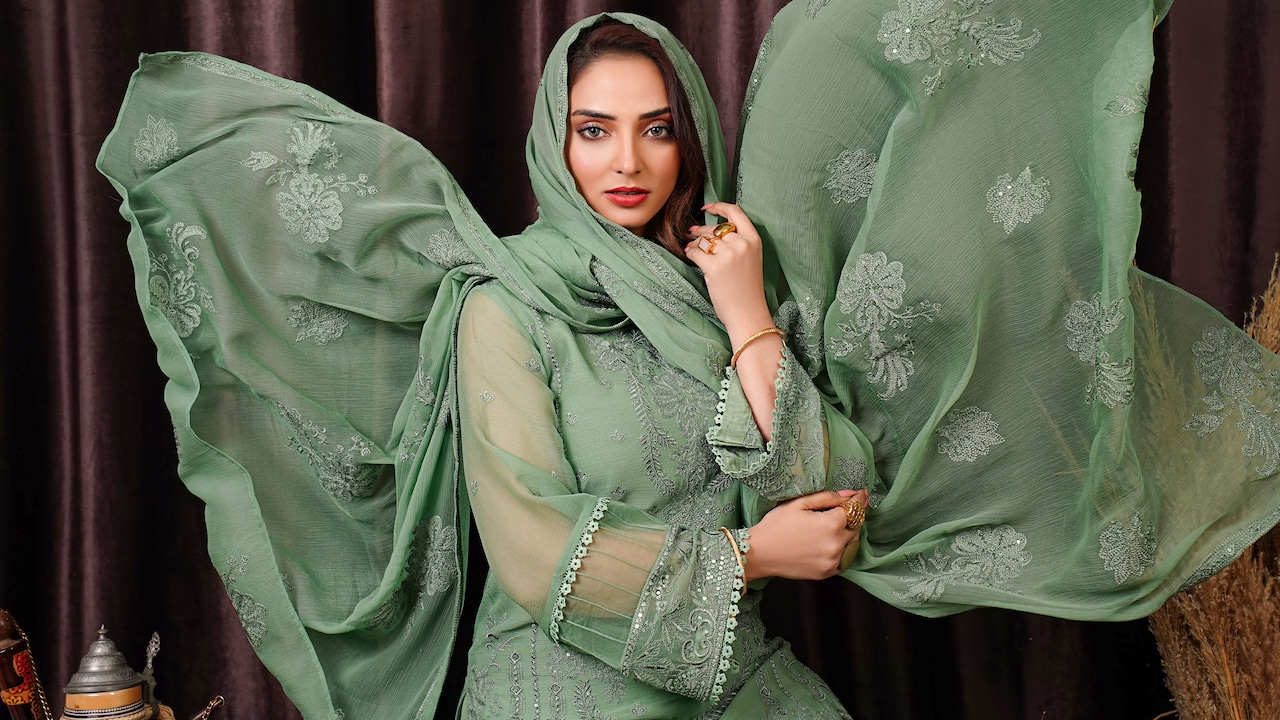
Easy tips to style short and long angrakha kurtas for women
The Angrakha kurta has a way of making even an ordinary outfit feel thoughtfully put together. Its overlapping front, tie-up detail and softly flared shape bring movement without demanding heavy embellishment. Pair it with palazzos, though, and a familiar wardrobe question appears: should the kurta end above the knee, skim the calf or fall almost to the ankle? Both short and long Angrakha kurtas can complement palazzos. The difference lies in how they distribute volume. A short kurta reveals more of the trousers and creates a lighter, livelier silhouette. A long version offers elegance and flow, but it can hide the palazzos or make the outfit appear heavy when the proportions clash.
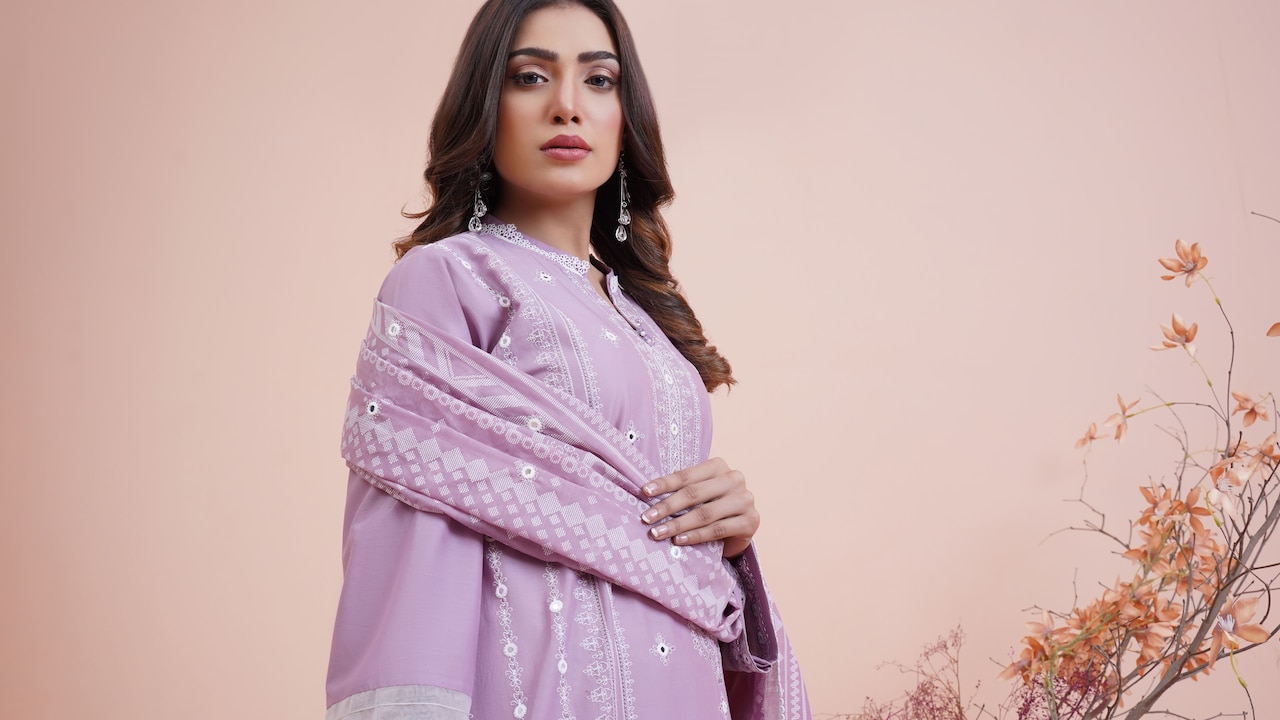
How to style angrakha kurtas with palazzo pants
Photo Credit: Pexels
Height matters, but it is not the only deciding factor. The cut of the palazzos, placement of the Angrakha ties, fabric weight, footwear and occasion all change the final effect. A petite frame can wear a long kurta beautifully, while a tall wearer may find certain short styles awkward. The real trick lies in balancing the outfit rather than following rigid fashion rules.
Also Read: Top 8 Kurta Cuts For Office, Casual And Festive Wear
How To Balance Angrakha Length With Palazzo Volume
Short Angrakha Kurtas Show Off The Palazzo Shape
A short Angrakha kurta usually ends around the hip, upper thigh or just above the knee. This length leaves most of the palazzos visible, which makes it ideal when the trousers carry an interesting print, border or dramatic flare. Instead of becoming a quiet supporting piece, the palazzo gets a proper role in the outfit.
The combination feels youthful and relaxed. It works particularly well for college days, casual lunches, festive house gatherings and occasions that involve plenty of movement. There is less fabric circling the legs, so the outfit feels easier to walk, sit and travel in.
However, a very short kurta paired with extremely wide palazzos may create too much visual weight below the waist. The upper half can begin to look unfinished, almost as though the kurta shrank during an unfortunate laundry experiment. A length that covers the hips usually creates a more polished balance.
Choose this pairing when the palazzos deserve attention. Printed bottoms, pleated designs and styles with lace or zari near the hem benefit from the extra visibility.
Long Angrakha Kurtas Create A More Graceful Silhouette
Long Angrakha kurtas bring drama through movement rather than exposure. As the overlapping panels open slightly while walking, the palazzos appear in brief glimpses. This creates a layered look that feels elegant without requiring a separate jacket or shrug.
A calf-length or ankle-grazing Angrakha works well for festive dinners, family celebrations and semi-formal events. It can also make a simple pair of palazzos look considerably more expensive. Even a plain outfit gains presence when the kurta falls neatly and moves with the body.
The challenge comes when both pieces are equally wide. A heavily flared long kurta worn over voluminous palazzos can create a curtain-on-curtain effect. The outfit may look impressive on a hanger but overwhelming once worn.
To avoid this, pair a long Angrakha with palazzos that fall straight from the waist rather than expanding dramatically. The palazzos should support the kurta, not compete with it. A side opening or high front slit can also reveal enough of the trousers to keep the layers distinct.
Palazzo Width Should Decide The Kurta Length
The width of the palazzos often matters more than the wearer's height. Wide, umbrella-like palazzos naturally draw attention to the lower half. They usually look more balanced with a shorter or moderately long Angrakha that allows the trousers to remain visually separate.
Straight palazzos offer greater flexibility. Since they create a clean vertical line, they can sit comfortably beneath long kurtas without adding unnecessary bulk. This pairing works especially well when the kurta has a flared hem or decorative border.
Cropped palazzos and culotte-style bottoms usually suit shorter Angrakha kurtas. A long kurta over cropped trousers can make the proportions look accidental, especially when only a narrow section of the lower leg remains visible. The combination may work with an asymmetric hem, but it needs deliberate styling.
Before choosing the kurta, hold the palazzos against the body and notice where their volume begins. Some styles remain fitted around the hips and flare lower down. Others widen immediately from the waistband. The earlier the volume starts, the more helpful a shorter kurta becomes. Good styling often begins with this small observation rather than a complicated set of body-type rules.
Petite Frames Need Clear Vertical Lines
Petite wearers are often warned against long kurtas, but the advice is far too simplistic. A long Angrakha can look flattering on a shorter frame when it creates an uninterrupted vertical line. Problems arise when the kurta, palazzos, borders and footwear divide the body into too many horizontal sections.
A short Angrakha is usually the easier choice because it reveals more of the legs and prevents the outfit from swallowing the frame. A style ending a few inches above the knee works better than one cutting across the widest part of the thigh. Pair it with high-waisted palazzos and footwear in a similar colour family to create a lengthening effect.
For a long Angrakha, choose a monochrome or low-contrast combination. A kurta and palazzo set in related shades allows the eye to travel smoothly from shoulder to hem. Vertical prints, narrow borders and a modest flare also help.
Avoid oversized tassels placed low on the waist, as they can interrupt the line and pull the eye sideways. Petite styling is not about wearing less fabric. It is about giving the fabric a clear direction.
Taller Frames Can Carry More Length And Volume
Taller wearers can usually experiment with longer Angrakha kurtas, dramatic overlaps and wider palazzos without losing definition. A calf-length kurta allows enough of the trousers to show while maintaining an elegant, elongated shape. An ankle-length design can also work, especially when it has side slits or a high-low hem.
Short Angrakha kurtas may still look striking, but the length needs careful attention. A kurta that ends too high can make the torso appear unusually short in comparison with the legs. Hip-length designs often look better when they have a broader flare, statement sleeves or a defined waist tie.
Height also gives room for contrast. A dark kurta over lighter palazzos can create a stylish break without visually shortening the body too much. Bold borders and larger prints are easier to carry because there is enough length for the pattern to breathe.
Still, height should not become an invitation to wear every dramatic element at once. A long flared kurta, extra-wide palazzos, balloon sleeves and heavy dupatta may leave the outfit looking more theatrical than festive. One strong feature usually makes a better impression than four competing ones.
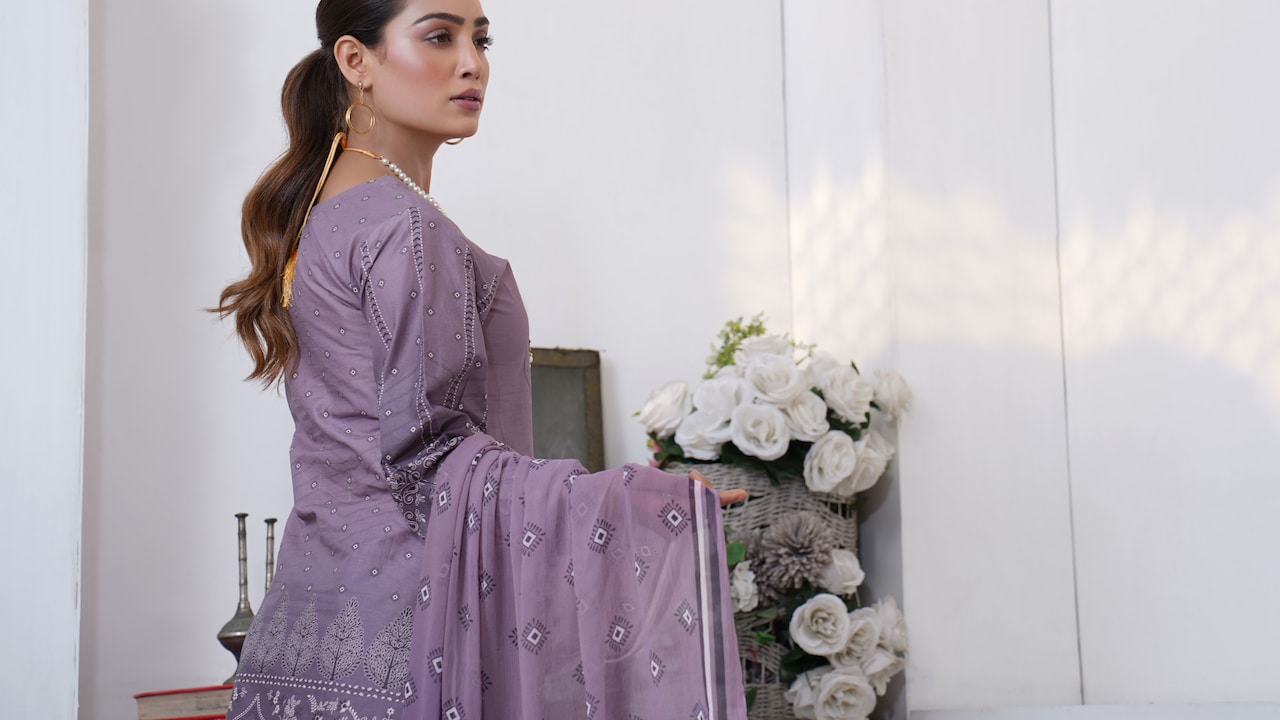
Tall women can opt for longer or calf-length Angrakha kurtas for a flattering look; Photo Credit: Pexels
Fabric Weight Changes The Entire Outfit
Two Angrakha kurtas of the same length can look completely different because of fabric. Cotton, rayon, georgette, silk blends and chanderi all behave differently when layered over palazzos.
Short Angrakha kurtas in crisp cotton create a structured, everyday look. They sit neatly over straight or gently flared palazzos and hold the wrap shape well. Rayon and modal fabrics fall closer to the body, making them useful when the palazzos are particularly wide.
Long Angrakha kurtas need fabric with controlled movement. Georgette and lightweight silk blends create an elegant flow, but too many gathered layers can become bulky around the waist. Stiff fabrics may push outward and hide the body's shape entirely.
The palazzo fabric should also be considered. A floaty kurta over floaty palazzos creates softness, but the outfit may lack definition. Adding a structured neckline, fitted sleeves or a firmer waistband can restore balance. On the other hand, a crisp kurta with stiff palazzos may feel too boxy.
Think of fabric as the outfit's personality. Length provides the outline, but fabric decides whether that outline feels breezy, regal, relaxed or unnecessarily cumbersome.
The Waist Tie Should Sit At The Right Point
The Angrakha tie is not merely decorative. Its position determines where the outfit creates definition. A tie placed near the natural waist shapes the torso and balances the width of the palazzos. One placed too low can make the upper body appear longer and the legs shorter.
Short Angrakha kurtas often come with visible side ties, tassels or pom-poms. These details can add charm, but they also draw attention to the hip area. When paired with very wide palazzos, oversized tassels may add more bulk than expected. Smaller ties or tone-on-tone details create a cleaner finish.
Long Angrakha kurtas benefit from secure inner ties. Without them, the overlapping panels may shift, gape or lose their shape during movement. This matters during weddings, office events or any occasion where repeatedly adjusting the neckline would become annoying.
Wearers with a fuller midsection may prefer a tie that sits slightly above the natural waist, creating a gentle empire line. Those who want more waist definition can choose a firmly wrapped design with controlled flare. The best tie placement makes the outfit feel secure and balanced rather than tightly cinched.
Occasion Should Guide The Final Choice
A short Angrakha kurta with palazzos fits easily into daytime wardrobes. It feels practical for work, shopping trips, brunches and small gatherings. Cotton prints, three-quarter sleeves and simple tie details keep the combination comfortable without making it look plain.
Long Angrakha kurtas naturally lean towards dressier occasions. Jewel tones, woven borders, delicate embroidery and flowing fabrics suit festive dinners, engagement functions and evening celebrations. The extra length adds a sense of ceremony, even when the styling remains minimal.
That does not mean short styles cannot look festive. A short brocade Angrakha with silk palazzos can hold its own at a family function. Similarly, a plain long cotton Angrakha can work as everyday wear when the cut remains simple.
Consider what the day demands. A long layered outfit may look wonderful in photographs but feel inconvenient during public transport, crowded markets or floor seating. A short version offers more freedom in such settings. For an event where appearance takes priority and movement remains limited, a long Angrakha provides greater impact. Style works best when it respects both the mirror and the actual schedule.
Footwear Can Correct Awkward Proportions
Footwear changes where the palazzos appear to end, which affects the overall proportion of the outfit. With a short Angrakha, flat juttis, kolhapuris and low block heels usually work well because the trousers remain fully visible. The outfit already has enough vertical space, so high heels are not always necessary.
Long Angrakha kurtas often benefit from a little height, especially when both the kurta and palazzos have generous volume. Block heels or wedges can prevent the fabric from dragging and help the lower half look more defined. The goal is not to appear taller at any cost. It is to stop the layers from collapsing around the feet.
Pointed-toe footwear can lengthen the appearance of the legs, while round or heavily embellished shoes may add visual weight. When the palazzos nearly cover the footwear, choose a pair with a secure fit rather than delicate slip-ons that might disappear halfway through a crowded function.
The hem should hover above the ground even when wearing the intended shoes. Testing the outfit barefoot and choosing footwear later often leads to last-minute pinning, folding or heroic efforts to avoid stepping on the fabric.
Colour And Print Can Balance Both Lengths
Colour can make a short Angrakha appear more polished or help a long one feel less overwhelming. A matching kurta and palazzo set creates a smooth, elongated silhouette. This works particularly well with long Angrakha styles, where strong colour contrast could divide the outfit into separate blocks.
Short kurtas give more freedom to mix prints and colours because the palazzos remain visible. A printed Angrakha can pair with plain palazzos drawn from one of the smaller shades in the pattern. Alternatively, a solid kurta can calm down striped, floral or block-printed bottoms.
When wearing a long printed Angrakha, keep the palazzos understated. Too many large motifs across both layers can make the outfit feel busy. Small repeating prints, narrow borders and strategically placed embroidery create greater harmony.
Dark colours do not automatically make an outfit more flattering, and light colours do not always add bulk. The placement of colour matters more. A darker overlap panel can define the torso, while lighter palazzos can keep the lower half airy. Treat colour as a tool for directing attention rather than a rulebook based on fear.
The Best Length Is The One That Feels Balanced
There is no universal winner between short and long Angrakha kurtas. A short style usually works better when the palazzos have dramatic volume, intricate detailing or a cropped length. It offers ease, energy and enough space for the bottoms to stand out.
A long Angrakha works beautifully when the palazzos are straight, softly flared or made from a fabric that falls close to the body. It creates a graceful, layered silhouette suited to dressier occasions. Slits, lighter fabrics and well-placed ties prevent the combination from looking heavy.
The most reliable test happens in motion. Walk across the room, sit down, climb a step and turn sideways before deciding. An outfit that looks balanced only while standing still may become difficult within minutes. Notice whether the kurta twists, the palazzos disappear completely, or the hems compete around the ankles.
Products Related To This Article
1. KALINI Leheriya Printed V-Neck Gotta Patti Angrakha Kurta
2. KALINI Women Printed Cold-Shoulder Sleeves Thread Work Anarkali Kurta
3. KALINI Geometric Yoke Design Flared Sleeves Thread Work Anarkali Kurta
4. Cot'N Soft Women Maroon Ikat Yoke Design Pure Cotton Angrakha Kurta
5. ARADHNA Women Ethnic Motifs Printed Thread Work Anarkali Kurta
6. Brownverse V-Neck Angrakha Gotta Patti Cotton Straight Kurta
7. Samhitas V-Neck Angrakha Straight Pure Cotton Kurta
Fashion should not feel like a geometry examination, but proportion does matter. Once the top and bottom appear to belong together, the choice between short and long becomes less about rules and more about personal style.
Short Angrakha kurtas bring attention to palazzos and suit relaxed, movement-friendly outfits. Long versions offer flow, elegance and a stronger festive presence. Neither length works in isolation; fabric, trouser width, tie placement, footwear and colour complete the equation. The better style is the one that creates definition without restricting movement or hiding the charm of the palazzos beneath it.
(Disclaimer: This article may include references to or features of products and services made available through affiliate marketing campaigns. NDTV Convergence Limited (“NDTV”) strives to maintain editorial independence while participating in such campaigns. NDTV does not assume responsibility for the performance or claims of any featured products or services.)