Does Thick White Fabric Always Mean Better Coverage? 10 Kurta-Fabric Myths Explained
Think thicker white fabric guarantees better coverage? Not always. From GSM and transparency to cotton, softness and shrinkage, this guide busts 10 common kurta-fabric myths and explains what really matters.
White kurta buying tips for women
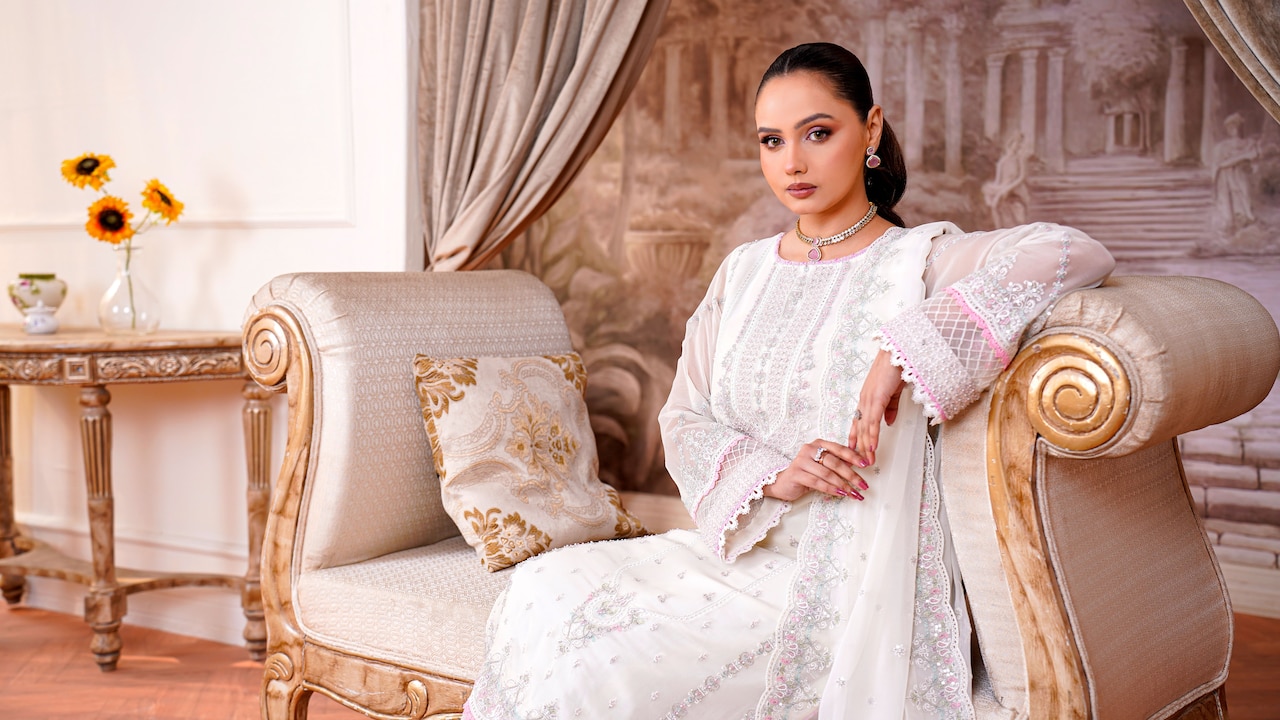
A white kurta has a peculiar talent for making fabric quality impossible to ignore. With darker colours, a slightly uneven weave or lightweight material can sometimes pass unnoticed. White is less forgiving. Stand near a sunny window, step outdoors at noon or walk under harsh shop lighting, and suddenly every assumption about thickness, softness and coverage gets tested.
How to choose the right white kurta fabric
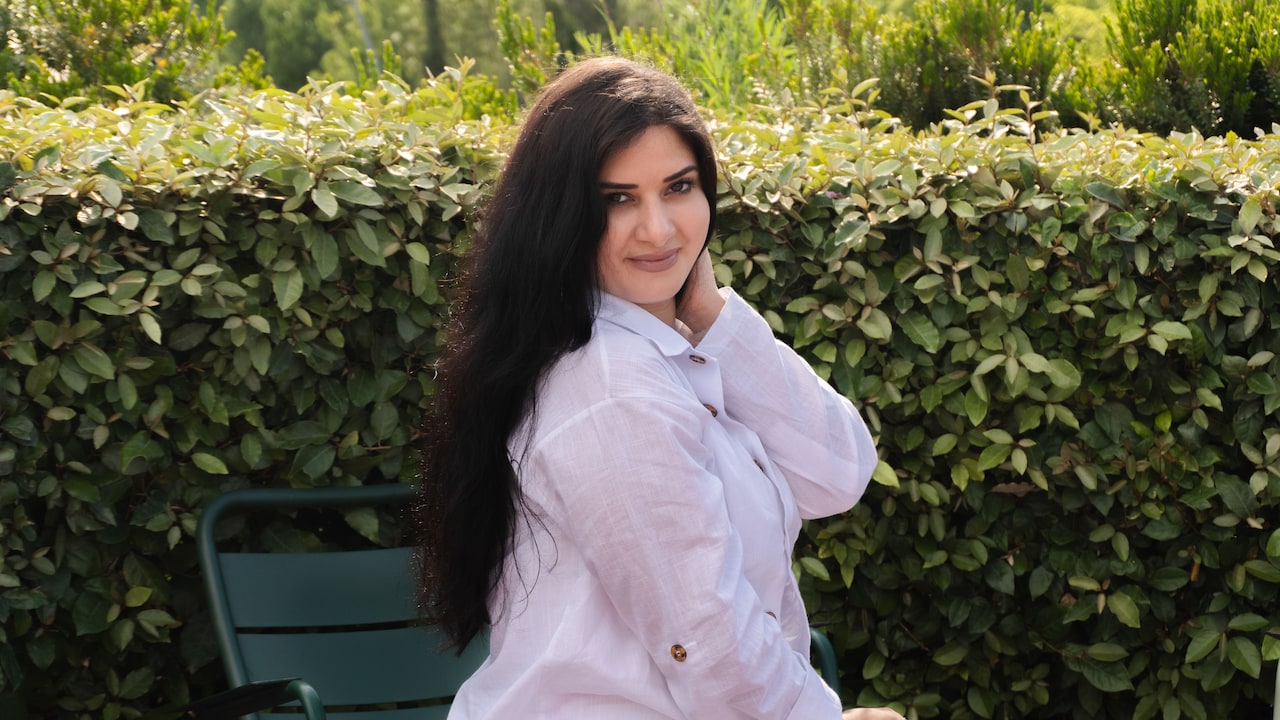
Photo Credit: Pexels
That is probably why fabric shopping comes with so much inherited wisdom. “Buy the thick one.” “Pure cotton is always best.” “Soft fabric must be expensive.” “If it is transparent, the quality is poor.” These statements sound convincing because each contains a small grain of truth. The trouble begins when that grain turns into a universal rule.
Also Read: Janmashtami 2026: Top 5 Stylish Kurtas For Men Under ₹1000 For A Festive Look
Fabric is more complicated than that. A lightweight cloth can offer excellent coverage because of a compact weave. A thick fabric can still reveal more than expected when stretched or held against strong light. A crisp kurta may soften beautifully after three washes, while an impressively smooth fabric may lose its charm after one humid afternoon.
Before choosing material for a white kurta, it helps to separate useful fabric knowledge from showroom folklore.
10 Common Kurta-Fabric Myths You Should Stop Believing
1. Thick White Fabric Always Gives Better Coverage
This is probably the most popular kurta-fabric myth, and it sounds perfectly logical. More fabric must mean more coverage, right? Not necessarily.
Thickness is only one part of the story. What matters just as much is how tightly the yarns are woven together. A relatively light fabric with a dense weave can look far more opaque than a thicker cloth with visible gaps between threads.
Try holding two fabrics against a bright shop light. Sometimes the heavier one surprises everyone by allowing more light through.
There is also the matter of drape. Very thick white fabric can become bulky around the shoulders, waist and side seams. On a straight kurta, that extra structure may look smart. On a flowing silhouette, it can make the garment feel stiff enough to stand independently at a family function.
Coverage also changes when fabric stretches across the body. A cloth that appears perfectly opaque on the counter may become slightly transparent when fitted too closely.
So yes, thickness can help, but it should never be the only test. Weave density, fit, lining and lighting deserve equal attention.
2. Pure Cotton Is Always The Best Choice For A Kurta
Cotton has earned its popularity. It feels familiar, handles warm weather well and suits everything from everyday kurtas to festive styles. Still, calling pure cotton the automatic winner ignores how differently cotton fabrics can behave.
A fine cotton voile feels airy but may need a slip or lining in white. Poplin offers more structure and often better coverage, although some people find it less fluid. Cambric sits somewhere in between and works beautifully for daily wear. Handwoven cotton may have tiny irregularities that add character rather than reduce quality.
Then there are cotton blends. They often get dismissed as inferior, yet a small amount of another fibre can reduce crushing, improve drape or help the kurta retain its shape through long days.
Picture a packed metro journey, a humid afternoon and an evening dinner plan. A fabric that looks perfect at 9 am but resembles folded origami by 5 pm may not be the practical champion.
The best choice depends on climate, occasion, silhouette and personal comfort. Fibre content matters, but fabric construction matters just as much.
3. Transparent White Fabric Must Be Poor Quality
Transparency and poor quality are not the same thing.
Some beautiful fabrics are intentionally fine, delicate and slightly sheer. Chanderi-style textures, fine muslin-inspired cloth and lightweight cottons can all allow some light through while still being well made. Their appeal comes from softness, movement and refinement rather than complete opacity.
The real question is whether the fabric is suitable for the intended kurta.
A slightly sheer material can look elegant when paired with a thoughtfully chosen lining, camisole or slip. It may even create more graceful movement than a heavier fabric that provides full coverage on its own.
Quality should be judged through several signs. Look at whether the weave appears consistent. Check whether loose threads appear easily. Rub the cloth gently to see whether the surface starts looking fuzzy. Examine the selvedge and notice whether the material feels balanced rather than distorted.
Transparency becomes a problem only when it is unexpected or inconvenient.
A fine white kurta fabric does not automatically deserve rejection because sunlight passes through it. Sometimes the clever solution lies beneath the fabric rather than within it.
4. Higher GSM Automatically Means A Better Kurta Fabric
GSM, or grams per square metre, tells you the weight of a fabric. It is useful information, but it is not a quality score.
A higher GSM fabric usually feels heavier and may offer greater opacity. That can be useful for structured kurtas, winter wear or garments where lining is undesirable. Yet heavier does not always mean softer, cooler, more durable or more expensive.
A beautifully woven lighter fabric may outperform a heavier option in comfort, drape and finish.
This becomes particularly obvious during hot weather. A high-GSM kurta that seemed wonderfully substantial inside an air-conditioned shop can feel rather less charming while waiting for an auto at two in the afternoon.
Lower GSM is not automatically better either. Very light fabric can cling, wrinkle quickly or require additional layering.
Think of GSM as one clue rather than the final verdict. Ask what kind of kurta the fabric needs to become. A crisp office kurta may benefit from moderate structure. A relaxed summer style needs breathability and movement. A festive kurta may depend more on surface texture, embroidery support and fall.
Numbers help, but the wearer still has the final vote.
5. Soft Fabric Means Premium Fabric
Softness creates an immediate impression. The hand reaches for a fabric, the cloth feels smooth, and suddenly it seems expensive.
That reaction is understandable, but softness can come from many sources.
Some high-quality fabrics are naturally soft because of fine yarns and skilled finishing. Others feel soft because manufacturers apply chemical softeners during finishing. That treatment may fade after washing, revealing a very different texture underneath.
Meanwhile, excellent fabrics can initially feel crisp. Certain cottons become noticeably softer after two or three washes without losing their strength.
A useful fabric test therefore goes beyond the first touch. Gently scrunch the material in the palm. See how quickly it recovers. Rub one section against another and check whether the surface develops pills or loose fibres. Ask how the cloth should be washed and whether it is likely to shrink.
There is nothing wrong with loving softness. A kurta should feel pleasant against the skin, especially when worn for several hours.
Just avoid treating that silky first impression like a certificate of excellence. Fabric, much like mithai packaging, can make a convincing first impression without telling the whole story.
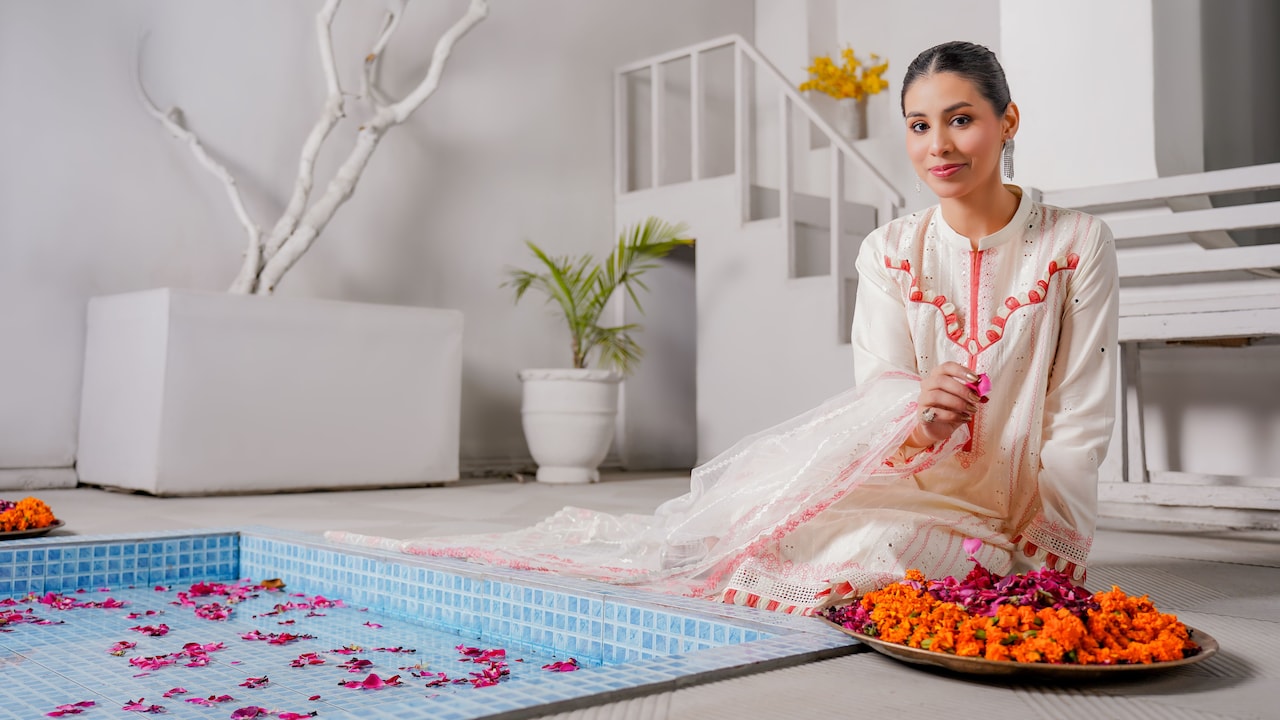
Soft fabric may not always mean the highest quality; Photo Credit: Pexels
6. A Crisp Fabric Will Always Look More Elegant
Crisp fabric certainly has visual appeal. It holds collars neatly, gives straight kurtas definition and can make minimal designs look remarkably polished.
But elegance does not belong exclusively to structure.
A softer fabric can create beautiful movement around the body. It works particularly well for flared kurtas, gathered styles, A-line shapes and relaxed festive silhouettes. In such designs, too much stiffness can make the garment look boxy rather than sophisticated.
The right amount of crispness also depends on body movement. A kurta is not displayed permanently on a mannequin. It has to survive sitting cross-legged, climbing stairs, reaching for the top shelf and perhaps negotiating a plate of chaat without catastrophe.
Finishing plays a role too. Some fabrics feel dramatically crisp in the shop because of starch or finishing agents. After washing, that stiffness may reduce significantly.
So before choosing fabric based on its showroom personality, imagine its washed personality.
Elegance comes from harmony between fabric and design. A sharp band-collar kurta may need structure. A flowing embroidered kurta may look better with softness.
The fabric should support the silhouette rather than compete with it.
7. White Fabric Looks The Same In Every Kind Of Light
Anyone who has bought white paint knows that “white” is never just white. Fabric behaves in much the same way.
Under warm indoor lighting, one white may look creamy and soft. Under daylight, the same fabric can appear slightly yellow. Another may have a cool blue undertone that looks bright in the shop but almost icy outdoors.
Lighting also affects transparency.
A fabric that provides excellent coverage under ceiling lights may reveal much more when sunlight comes from behind. This is why checking white material only while it lies folded on a counter can be misleading.
Hold a single layer up against natural light whenever possible. Then place it over the hand or forearm. This gives a much better sense of opacity and undertone.
The distinction matters when pairing a kurta with white trousers, churidars, dupattas or embroidery. Two whites that seem identical indoors can clash noticeably in daylight.
No need to become a fabric detective armed with laboratory equipment. A window is usually enough.
White fabric changes character with its surroundings, so testing it under more than one light source can prevent an annoying surprise after stitching.
8. Expensive Fabric Will Automatically Last Longer
Price can reflect fibre quality, weaving skill, finishing, brand positioning, transport costs and exclusivity. It does not guarantee that a fabric will survive years of enthusiastic washing.
Durability depends on how the fabric is constructed and how it is used.
A delicate premium fabric may be worth ₹1,500 a metre because of its fine weave or craftsmanship, yet it might still require careful washing and occasional wear. A sturdy everyday cotton costing ₹350 a metre could handle weekly use for several seasons.
Neither is necessarily better. They simply serve different purposes.
Care habits matter enormously too. Strong detergent, hot water, harsh rubbing and aggressive machine cycles can shorten the life of even excellent cloth. White fabrics face an additional challenge because stains often invite vigorous scrubbing.
Before spending more, consider how often the kurta will be worn. A daily office piece needs resilience. A special-occasion kurta can justify something more delicate.
Price should reflect the experience expected from the fabric, not just the hope that it will last forever.
A costly cloth deserves appreciation, but it should not be expected to possess superhero powers.
9. Pre-Washed Fabric Cannot Shrink Again
The words “pre-washed” sound reassuring. They suggest that the fabric has completed all possible shrinking before reaching the customer.
Unfortunately, fabric does not sign such contracts.
Pre-washing or pre-shrinking can reduce future shrinkage, but it may not eliminate it completely. Cotton and other natural fibres can still change slightly after repeated washing, especially when exposed to warm water or high heat.
The amount varies according to fibre, weave, finishing and washing method.
This matters for kurtas because even a small change in length can become noticeable. A garment that originally falls neatly below the knee may suddenly develop ambitions of becoming a short kurta.
Before cutting expensive material, many experienced tailors recommend washing or soaking the fabric according to its future care routine. This allows most remaining shrinkage to happen before stitching.
Embroidery and special finishes need more caution, of course. Some fabrics should not be casually soaked at home.
When purchasing fabric, ask about shrinkage rather than assuming the label solves the issue.
A few centimetres may sound minor at the counter. After tailoring, those same centimetres can become the entire topic of conversation.
10. One White Kurta Fabric Works For Every Occasion
The dream of finding one perfect white fabric for everything is tempting. Imagine a single material suitable for office mornings, festive evenings, weekend lunches and summer travel.
Reality prefers variety.
For everyday wear, breathable cotton with reasonable opacity and easy maintenance makes sense. For formal occasions, a richer texture or subtle sheen may add polish. For hot weather, lightweight fabric with good airflow becomes more important than dramatic structure. For embroidery, the base fabric must be stable enough to carry the work without puckering.
Even the same person may prefer different fabrics depending on the cut.
A straight kurta often looks good in fabric with some body. A gathered silhouette needs movement. A heavily embroidered front panel requires enough strength to support the weight.
Lifestyle matters too. Someone who spends most of the day in air conditioning can comfortably wear a fabric that feels too warm for someone regularly travelling outdoors.
Instead of asking which white kurta fabric is universally best, ask which one fits the occasion, design and routine.
The answer becomes much clearer once the fabric has a job description.
Products Related To This Article
1. Anayna Ethnic Motifs Printed Kurta
2. SZN Women Brown Floral Printed With Lace Work Straight Cotton Brown Stitched Kurta
3. Indo Era Floral Embroidered Kurta
4. Royal Export Floral Printed Cotton V-Neck Straight Kurta
5. Anouk Women Embroidered Pure Cotton Kurta
6. Max Women Floral Embroidered Thread Work Floral Kurta
7. Rain & Rainbow Floral Printed A-line Calf-Length Kurta
Choosing fabric for a white kurta becomes easier once familiar myths lose their authority.
Thickness does not guarantee coverage. Pure cotton is not automatically the best option. Sheerness does not prove poor quality, and a bigger GSM number does not turn fabric into a better purchase overnight. Softness, crispness, price and pre-washing all tell only part of the story.
The most useful approach is surprisingly simple: look closely, touch carefully and think about how the finished kurta will actually be worn.
Check the weave against light. Consider the weather. Think about the cut. Ask about shrinkage and washing. Decide whether lining is acceptable. Most importantly, judge fabric according to the role it needs to play rather than the myths attached to it.
A good white kurta should not spend its life making the wearer worry about sunlight, stiffness or the next wash.
When fabric, fit and occasion work together, white feels effortless again. And perhaps that is the real measure of good coverage: not merely hiding what sits underneath, but giving enough comfort and confidence to forget about the fabric altogether.
(Disclaimer: This article may include references to or features of products and services made available through affiliate marketing campaigns. NDTV Convergence Limited (“NDTV”) strives to maintain editorial independence while participating in such campaigns. NDTV does not assume responsibility for the performance or claims of any featured products or services.)