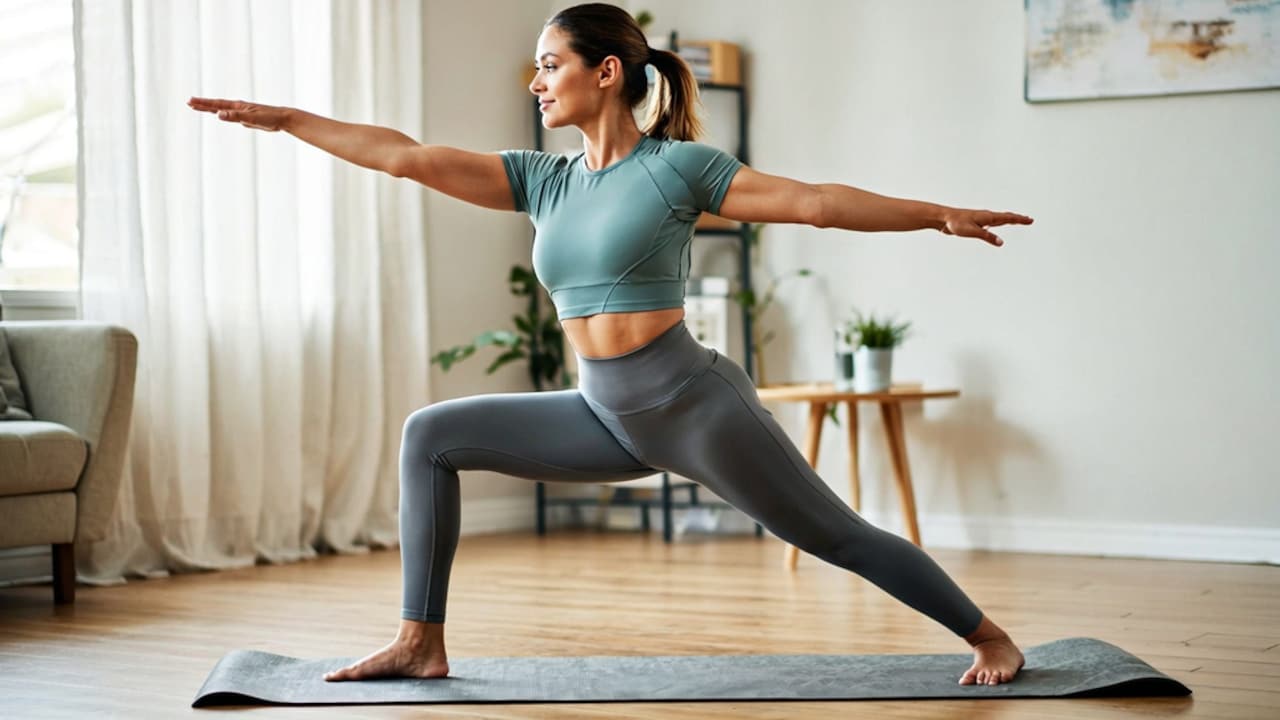
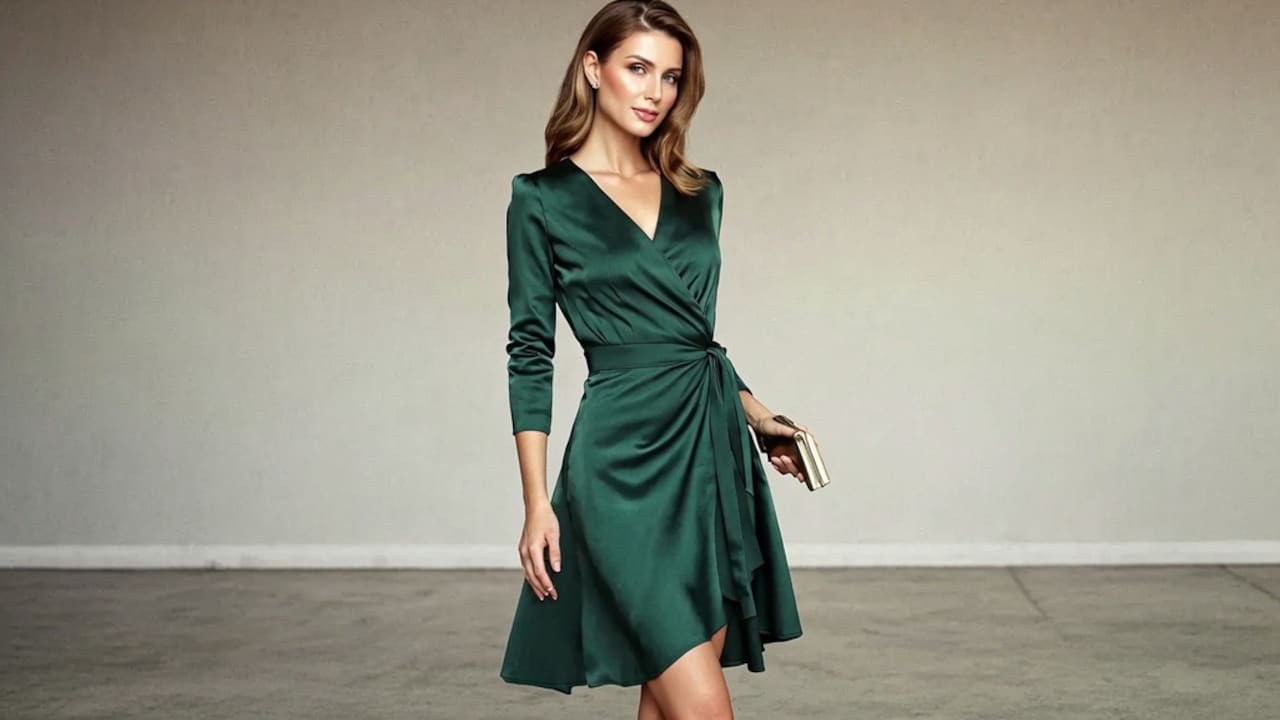
Why Some Bras Dig Into The Shoulder: How To Pick Comfort-Focused Options
Bras dig into the shoulders when support shifts from the band to the straps. Learn why this happens and how to choose softer, better-fitting, comfort-focused bras for daily wear without soreness, marks or constant adjusting.

Why Bras Dig Into Your Shoulders And How To Choose Comfortable Ones
There are few small irritations as quietly powerful as a bra strap that refuses to behave. It starts with a faint pressure mark in the morning. By afternoon, it feels like two tiny ropes have taken permanent residence on the shoulders. Add a long commute, humid weather, a fitted kurta, or a saree blouse that leaves no room for adjustment, and the discomfort turns into a full-blown mood spoiler. The good news? Shoulder digging is not something one must simply “adjust to”. A well-chosen bra spreads support across the body, sits firmly at the band, and lets the straps do only their fair share of work. The straps should not carry the whole responsibility, like the eldest sibling at a family function.

Why Bras Dig Into Your Shoulders And How To Choose Comfortable Ones; Photo Credit: Pexels
Many people blame the straps first, but the real culprit often hides elsewhere. A loose band, wrong cup size, narrow straps, heavy padding, poor fabric recovery, or an ageing bra can all shift pressure to the shoulders. Comfort-focused options are not about boring designs or shapeless innerwear. They are about better engineering, thoughtful fabrics, and fit that respects daily movement.
Reasons Bras Dig Into The Shoulders And How To Fix Them
The Band May Not Be Doing Its Job
A bra's band should carry most of the support. When the band fits well, it hugs the ribcage firmly and stays level across the back. When it feels too loose, rides up, or stretches out, the straps step in and take over. That is when the shoulders begin to suffer.
Many women choose a larger band for breathing room, especially in hot weather or during long workdays. It feels comfortable for the first few minutes, but the support soon shifts upwards. The straps tighten, the cups move, and the shoulders pay the price. A band that sits snugly does not mean it should pinch or leave angry red lines. It should feel secure, like a well-fitted waistband, not like a punishment.
When trying on a bra, fasten it on the loosest hook. This gives room to tighten it later as the elastic relaxes. If the back band climbs towards the neck after a few hours, the size or elasticity needs attention. A firm band can make straps feel lighter almost instantly.
Also Read: Top 8 Everyday Cotton Bras, From Triumph, Jockey, Enamor: Padding More Important Or Fit?
The Cup Size Could Be Creating Extra Pull
Cup size affects shoulder comfort more than many shoppers realise. Cups that are too small push breast tissue outwards or upwards. Cups that are too large leave gaps and allow movement. Both problems force the straps to work harder.
A small cup can make the bra feel tight even when the band size seems right. The wearer may then loosen the band or tighten the straps to “fix” the fit. This only creates another problem. The shoulders end up carrying weight that the cups and band should have balanced together.
Spillage near the neckline, side bulges, wrinkled cups, or a centre panel that floats away from the chest are signs that the cup size needs a rethink. The right cup should hold without squeezing. It should let clothing fall smoothly, whether it is a cotton kurta, office shirt, T-shirt, blouse, or salwar suit.
Comfort starts when the cup supports the natural shape instead of fighting it. A proper cup fit reduces bounce, prevents tugging, and keeps the straps from becoming emergency support ropes.
Narrow Straps Can Feel Like Threads Under Weight
Narrow straps may look delicate, especially under sleeveless tops or partywear blouses. But when the bust is fuller, or the bra needs to support long hours of movement, thin straps can dig into the shoulders like the handles of an overpacked shopping bag.
The issue is pressure. A narrow strap places weight on a smaller area. Wider straps spread that pressure better and usually feel gentler. This does not mean every comfortable bra must have thick, visible straps. Many modern options use softly padded, slightly wider, or tapered straps that look neat while still offering relief.
For daily wear, especially during work, travel, teaching, caregiving, or field jobs, strap width matters. A woman who leaves home at 8 am and returns after sunset needs more than a pretty design. She needs something that cooperates through auto rides, office chairs, market stops, and sudden plans for chai.
Look for straps that feel soft on the skin, do not curl at the edges, and bounce back after stretching. A strap should support gently, not announce its presence every ten minutes.
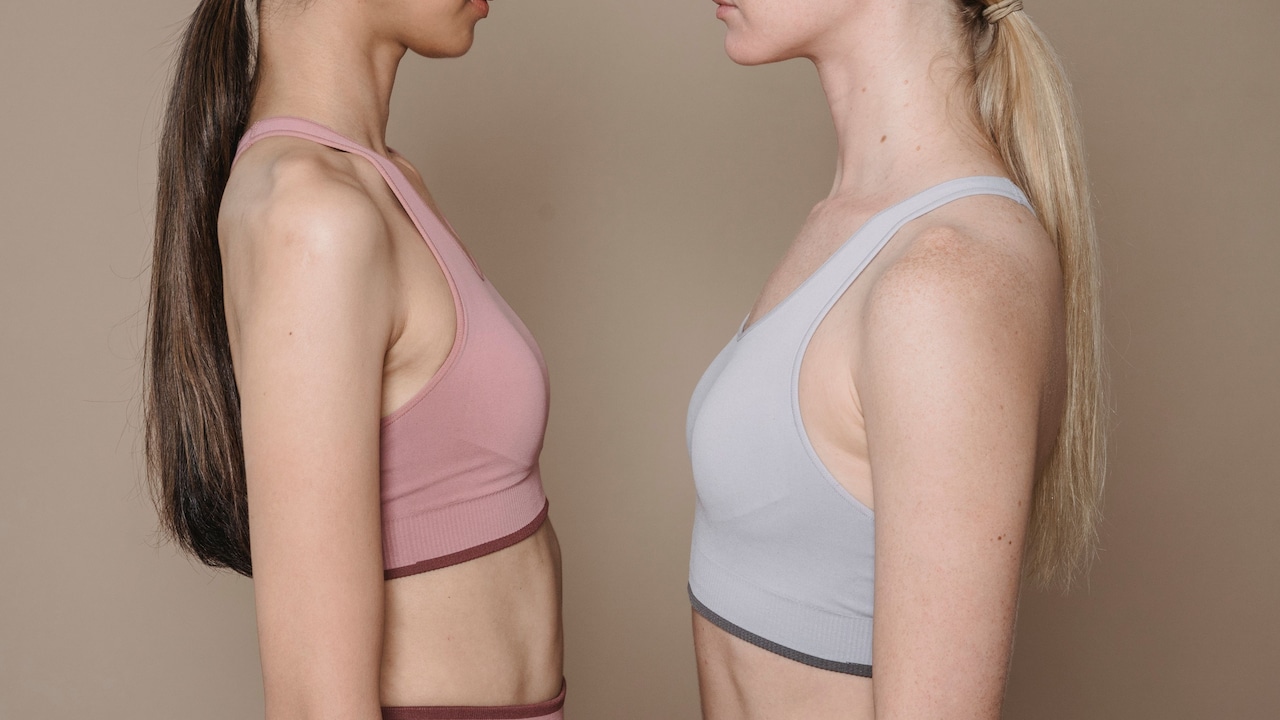
Why Bras Dig Into Your Shoulders And How To Choose Comfortable Ones; Photo Credit: Pexels
Over-Tightening Straps Often Makes Things Worse
Tightening straps can feel like the quickest fix when a bra starts slipping or cups gape. But it often hides the real fitting problem and creates shoulder pain. Straps should lift slightly, not drag the bra upwards.
When straps get pulled too tight, they can leave dents, redness, and soreness. They may also pull the cups out of position, making the neckline sit oddly under clothes. A tight strap can even make the back band rise, which further reduces support from the band. The whole fit then turns into a messy tug-of-war.
A simple test helps. Slide two fingers under each strap. They should fit comfortably without too much slack. If the strap needs extreme tightening to keep the bra in place, the band or cup size likely needs a change.
Comfort-focused bras often have better adjusters that stay put without slipping. Cheap or worn-out sliders can loosen throughout the day, tempting the wearer to keep readjusting. Good straps should hold their setting without demanding constant attention.
Heavy Padding Can Add Unwanted Strain
Padded bras have their place. They create shape, prevent nipple show-through, and work well under many outfits. But heavy padding can add bulk and weight, especially in warm climates. When padding combines with a loose band or narrow straps, the shoulders may feel extra strain.
Thick moulded cups can also behave stiffly. They may not follow the body's movement, so the bra shifts instead of settling naturally. The wearer then tightens the straps to keep everything in place. By the end of the day, the shoulders feel tired.
For everyday comfort, lighter padding or spacer fabric can help. Spacer cups feel airy because they use a breathable, lightweight structure. Lightly lined bras also offer coverage without the heaviness of dense foam. For those who prefer modesty under fitted clothes, these options can strike a useful balance.
During summer, humid afternoons can make thick padding feel like wearing two small cushions. A breathable, light design often feels kinder. Comfort does not mean giving up shape. It means choosing support that does not weigh the body down.
Fabric Quality Makes A Big Difference
Fabric can decide whether a bra feels pleasant at 9 am and unbearable by 4 pm. Rough edges, scratchy lace, poor elastic, and stiff stitching can irritate the shoulder area. Once sweat enters the scene, discomfort multiplies.
Soft cotton blends, microfibre, modal, and breathable mesh panels can improve everyday comfort. The straps should have smooth undersides and covered seams. Elastic should stretch without becoming loose after a few washes. A bra that looks fine but feels rough against the shoulder will not become comfortable through wishful thinking.
Weather matters too. In many cities, heat and humidity turn minor friction into rashes or dark marks. A fabric that wicks moisture and dries quickly can feel far better during long days. For home wear or relaxed errands, wire-free cotton-rich bras can feel light and easy. For office or occasion wear, smooth microfibre styles often sit better under clothes.
Do not ignore touch. Before buying, run the strap between the fingers. If it feels sharp, plasticky, or scratchy in the shop, it will not become a soft cloud after a bus ride.
Shoulder Shape And Posture Also Play A Role
Not all shoulders carry straps the same way. Sloping shoulders may cause straps to slip, which leads to constant tightening. Broad shoulders may need longer straps or styles with better adjustability. Rounded posture from laptop work, phone scrolling, or long study hours can also change how the bra sits.
When the upper back rounds forward, straps may press into a smaller area. The wearer may feel digging even when the bra size seems close. This does not mean posture alone causes the problem. Fit still matters. But posture and bra design interact more than most people think.
Racerback bras can help some people because they move the strap pressure away from the outer shoulders. However, they may put pressure on the neck if poorly designed. Convertible straps offer flexibility for different outfits, from festive blouses to western tops. The key lies in testing how the strap feels while sitting, reaching, bending, and walking.
A good bra should work with the body's shape and daily habits. It should not demand perfect posture like a strict schoolteacher.
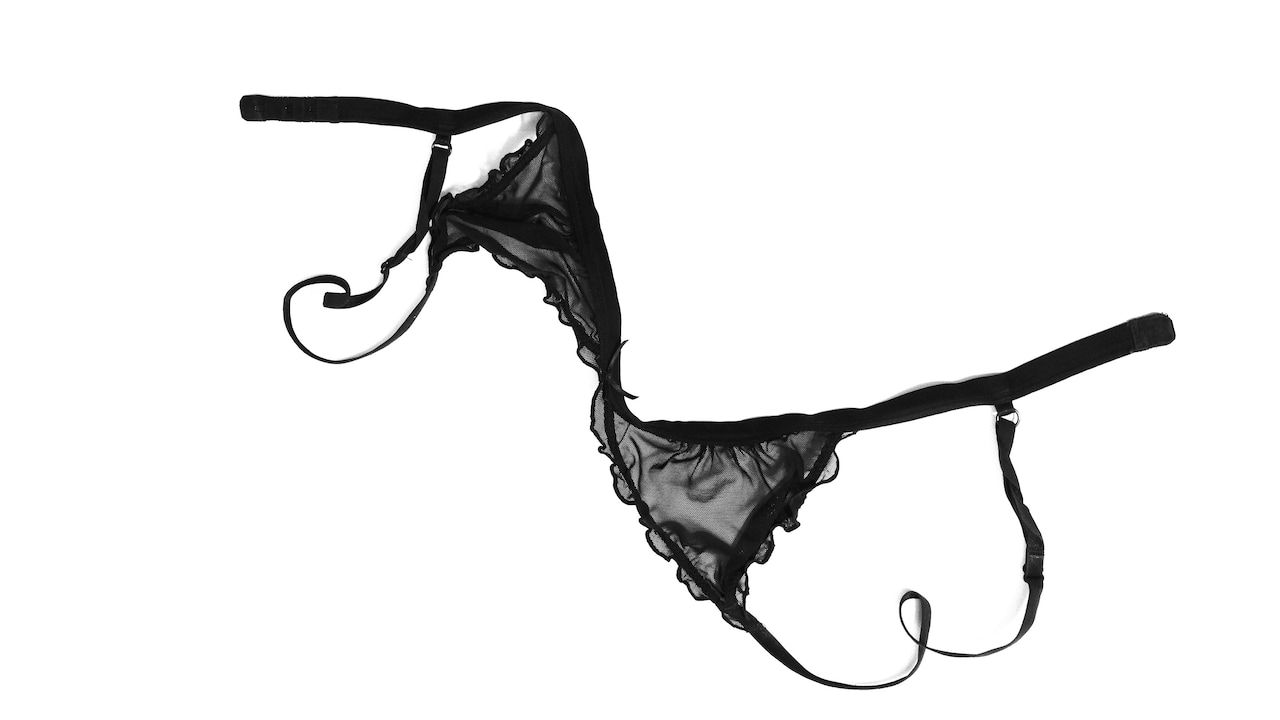
Why Bras Dig Into Your Shoulders And How To Choose Comfortable Ones; Photo Credit: Pexels
The Bra May Simply Be Too Old
A bra can look decent in the drawer and still fail at support. Elastic weakens with washing, sweat, heat, and regular wear. Once the band stretches out, the straps begin doing more work. The shoulders then start complaining, often before the eyes notice anything wrong.
Daily-wear bras go through a lot. They handle long commutes, summer sweat, office chairs, household chores, and repeated washing. Over time, the band loses firmness, cups lose shape, and straps stop recovering properly. Tightening everything may squeeze a few more weeks out of the bra, but it rarely restores comfort.
Signs of retirement include a band that rides up, straps that keep slipping or digging, cups that fold, hooks that strain, and elastic that looks wavy. If a bra only feels supportive on the tightest hook, it may have reached the end of its useful life.
Rotating between three or four everyday bras helps each one last longer. Washing with mild detergent and drying away from harsh sunlight can also protect elasticity. A tired bra cannot offer fresh comfort.
Occasion Bras Are Not Always Daily Bras
The bra that works beautifully under a wedding blouse may not suit a full workday. Occasion bras often focus on shape, lift, invisibility, or a specific neckline. Daily bras need breathability, flexible support, and reliable comfort for hours.
Strapless, push-up, plunge, heavily padded, or decorative bras can serve a purpose. Trouble starts when they become everyday wear despite causing strain. A push-up style may pull from the shoulders. A strapless style may need a firmer band. A fancy lace strap may look charming but feel scratchy under a backpack or dupatta.
For daily life, choose bras designed for movement and duration. Full-coverage bras, minimiser styles, non-padded support bras, soft T-shirt bras, and wire-free structured bras can all work, depending on body shape and outfit needs. A college student, new mother, teacher, banker, dancer, or shop owner may each need a different comfort formula.
The innerwear drawer should have roles, just like footwear. Heels for celebrations, sandals for errands, trainers for walks. Bras deserve the same practical thinking.
Comfort-Focused Shopping Needs A Fitting Routine
Buying a bra in a rush often leads to regret. A proper trial can prevent shoulder digging before it begins. While trying one, check the band first. It should sit level and firm. Then check the cups. They should be contained without spillage or gaps. Finally, adjust the straps lightly and move around.
Raise the arms, bend forward, sit down, and twist slightly. A good bra should stay in place without dramatic shifting. The straps should not slide off or press hard. The centre front should sit close to the body in wired styles. In wire-free bras, the front should still feel stable and supportive.
Price does not always guarantee comfort. A ₹2,500 bra can disappoint if the size is wrong, while a thoughtfully made ₹799 style may work well for daily use. Focus on fit, fabric, strap width, return policy, and purpose. For online shopping, check size charts carefully because sizing can vary across brands.
Comfort-focused buying is not about chasing perfection. It is about noticing what the body says after real movement, not just a mirror glance.
Products Related To This Article
1. Marks & Spencer Non Wired Lightly Padded Full Cup Bra
2. Leading Lady Floral Print Wirefree Lightly Padded Full Coverage T-Shirt Bra
3. Lady Love Bra Full Coverage Lightly Padded
4. DressBerry X fwd Black Solid Non-Wired Lightly Padded T-shirt Bra DB-CAM-PAD-01A
5. Jockey Wirefree Non-Padded Cotton Full Coverage Solid Moulded Everyday Bra-FE41
6. CULT Women Cult Pink Racerback Hook Bra
7. Poftik Bandeau Bra Full Coverage
Shoulder digging is common, but it is not normal in the “nothing can be done” sense. A bra should not leave the shoulders sore, marked, or restless by evening. When straps dig in, the body usually sends a message about poor support and balance. The band may be loose, the cups may not fit, the straps may be too narrow, the fabric may irritate, or the bra may simply have worked past its prime.
The best comfort-focused options share the load. They use firm bands, suitable cup shapes, soft straps, breathable fabrics, and thoughtful construction. They suit real routines, not just dressing-room poses. They make room for crowded metros, office deadlines, festive meals, exam days, school runs, and late-evening grocery stops.
A good bra should feel like quiet support in the background. It should not need constant tugging, secret adjusting, or brave endurance. When the fit works, shoulders relax, posture feels easier, and clothes sit better. That tiny daily comfort can change the whole mood, one strap-free sigh at a time.
(Disclaimer: This article may include references to or features of products and services made available through affiliate marketing campaigns. NDTV Convergence Limited (“NDTV”) strives to maintain editorial independence while participating in such campaigns. NDTV does not assume responsibility for the performance or claims of any featured products or services.)