Co-ord Sets That Don't Match In Real Life: How To Identify True Sets Vs Styled Listings
Not all co-ord sets match in real life. Learn how to spot genuine sets, avoid styling tricks, and shop smarter so what arrives actually looks like what you ordered, no surprises, no wasted money.
Co-ord Sets That Don't Match In Real Life: How To Identify True Sets Vs Styled Listings
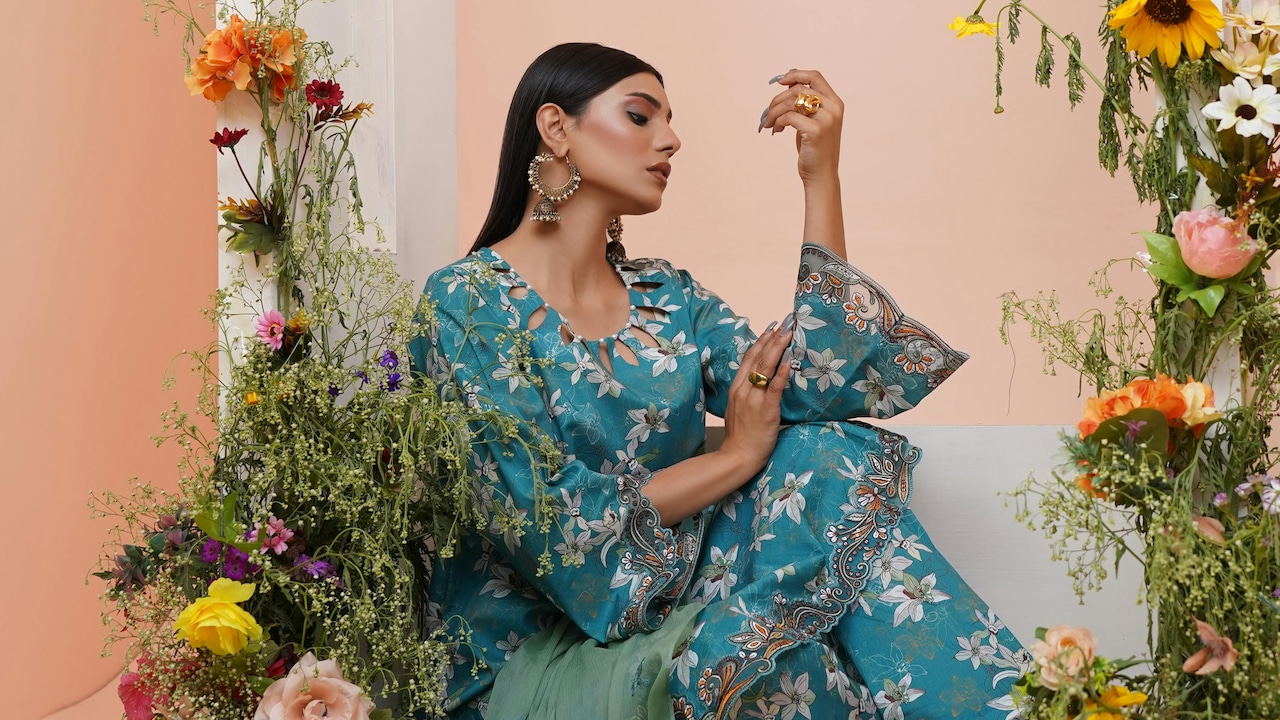
Few things feel as satisfying as slipping into a perfectly matched co-ord set. There's ease in not having to think about pairing outfits, and there's confidence in looking put together without trying too hard. Scroll through any shopping app, and co-ords seem irresistible, sharp prints, flattering cuts, and colours that look like they belong together. Yet, reality often paints a different picture. The top may arrive in a slightly different shade, the fabric may fall differently, or the fit may feel mismatched. Suddenly, that “perfect set” feels like two distant cousins rather than a coordinated outfit. The gap between styled listings and real products is not accidental. Clever photography, styling tricks, and vague descriptions play their part. Understanding these small but significant differences can save money, time, and disappointment. This guide explores how to recognise true co-ord sets and avoid listings that rely more on illusion than authenticity.
Co-ord Sets That Don't Match In Real Life: How To Identify True Sets Vs Styled Listings
Photo Credit: Myntra
How To Spot Genuine Co-Ord Sets And Avoid Misleading Listings
The Illusion Of Perfect Matching In Studio Lighting
Studio lighting works like magic. It smooths textures, brightens colours, and blends slight mismatches into a seamless whole. Under controlled lights, even two different shades can appear identical. That's why many co-ord sets look flawless online but slightly off in natural light.
At home, sunlight or tube lights reveal what studio setups conceal. A beige top might lean towards yellow, while the trousers carry a pink undertone. These differences feel minor in isolation but become obvious when worn together.
Shoppers often trust what they see on screen, especially when images look professionally styled. However, lighting setups can mask inconsistencies in dye batches or fabric finishes. It helps to look for photos taken in varied lighting conditions. Listings that show only one type of image often rely heavily on controlled visuals.
A reliable trick involves checking customer-uploaded photos. Real-life images rarely benefit from studio perfection. They reveal whether the pieces truly match or merely appear coordinated under artificial brilliance.
Fabric Differences That Disrupt The Look
Matching colours alone does not guarantee a true co-ord set. Fabric plays an equally important role. A cotton top paired with polyester bottoms may technically belong together, but the overall look can feel mismatched.
Different fabrics reflect light differently. Cotton absorbs light, while satin reflects it. Linen has a slightly textured finish, whereas rayon drapes smoothly. When these textures mix, the outfit may lose its cohesive appeal.
Many listings use terms like “blended fabric” without clarifying details. This leaves room for variation between pieces. In some cases, the top feels breathable while the bottom feels stiff or synthetic.
Touch and comfort matter as much as appearance. Imagine wearing a breezy kurta-style top with trousers that cling uncomfortably in humid weather. The outfit stops feeling like a set and starts feeling like a compromise.
Reading fabric descriptions carefully and looking for consistency across both pieces helps avoid this issue. True co-ords usually maintain uniformity in texture, weight, and finish.
Colour Variations Hidden By Editing
Photo editing has become so advanced that colours can be altered subtly without looking artificial. A slight tweak in brightness or saturation can make two different shades appear identical.
Many shoppers notice this only after unboxing. The colour that looked like a deep maroon online might arrive as a lighter wine shade. Worse, the top and bottom may not even share the same tone.
Listings sometimes include disclaimers about “colour variation due to screen settings,” which quietly shifts responsibility to the buyer. While screens do vary, major mismatches often stem from editing rather than display differences.
Zooming into product images can reveal inconsistencies. If shadows or folds show slight changes in tone, that could signal editing. Another clue lies in overly vibrant colours that look almost too perfect.
Customer reviews again become invaluable. Honest feedback often mentions whether colours match as advertised. Paying attention to these details helps avoid disappointment and unnecessary returns.
The Role Of Styling Tricks In Listings
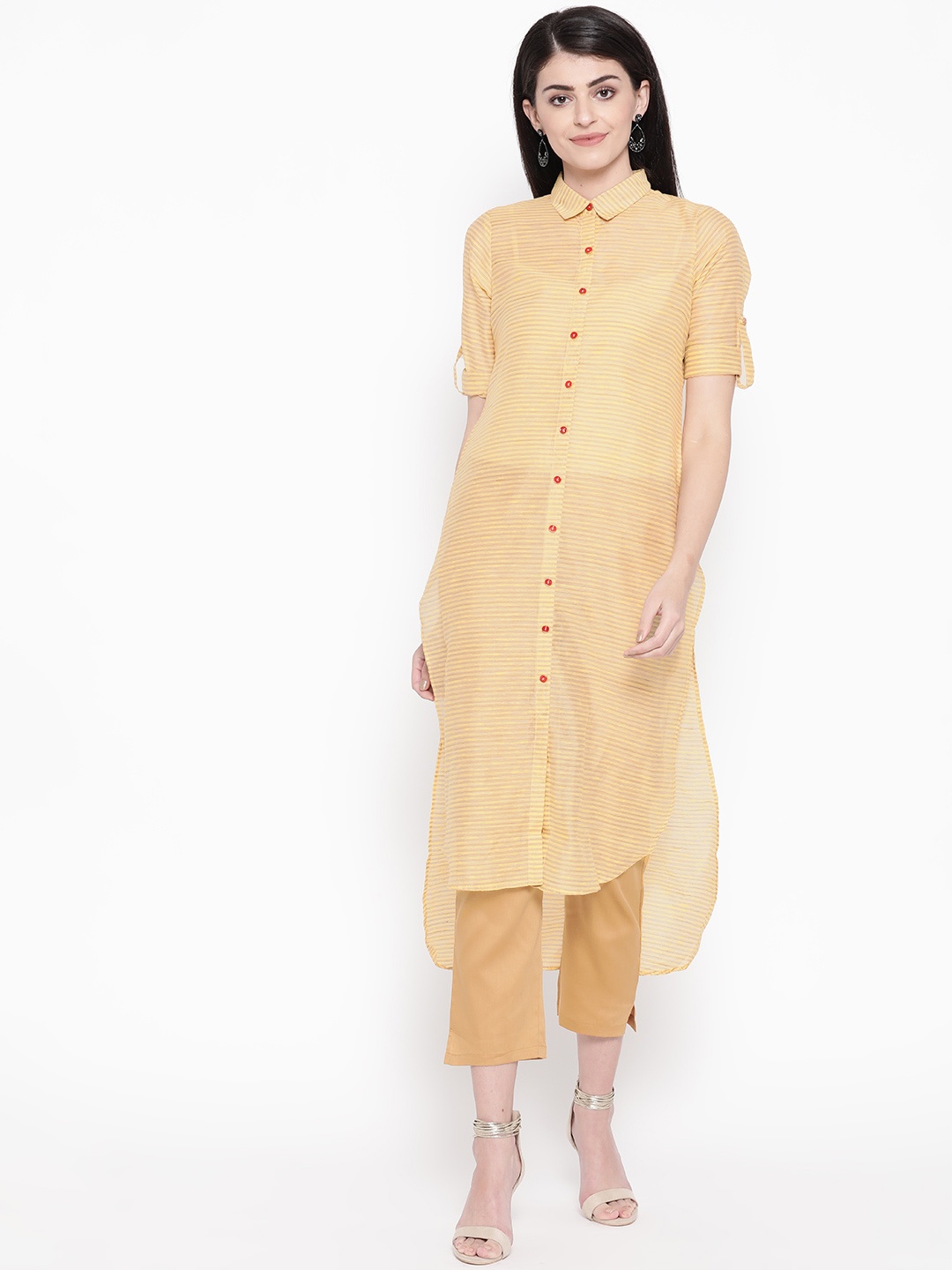
Stylists know how to create harmony even when pieces do not naturally match. Clever layering, accessories, and poses can distract from inconsistencies. A belt, jacket, or scarf may bridge the gap between mismatched pieces.
In many listings, the model's look is carefully curated. Jewellery, footwear, and even background colours contribute to the illusion of a perfect set. Remove these elements, and the outfit may not hold the same charm.
For instance, a printed co-ord might look balanced because the model wears neutral heels and minimal accessories. In reality, the print may feel overwhelming or uneven when styled differently.
Observing whether the outfit relies heavily on external styling helps gauge its authenticity. True co-ords stand strong on their own. They do not need excessive add-ons to look complete.
Looking for plain, unstyled images can provide clarity. If the listing avoids showing the outfit in a simple form, that often raises questions about its true coordination.
Also Read: Co-ord Sets Explained: Why They Work For Some And Not For Everyone
Sizing Inconsistencies Between Pieces
A co-ord set should fit like a team, not like two strangers sharing a wardrobe. However, sizing mismatches remain a common issue. The top may fit perfectly, while the bottoms feel either too tight or too loose.
This often happens when brands use standardised sizing for individual pieces rather than designing them as a set. Body proportions vary, and a one-size approach rarely works for both halves.
Imagine ordering a medium set. The top feels comfortable, but the trousers pinch at the waist or sag awkwardly. The outfit loses its appeal, even if the colours match.
Checking size charts carefully becomes crucial. Some listings provide separate measurements for tops and bottoms, which helps in making informed decisions. Reviews also highlight whether sizing runs consistently across both pieces.
True co-ord sets are designed with proportion in mind. They consider how the pieces interact, ensuring a balanced fit that feels intentional rather than accidental.
Print Alignment And Pattern Mismatch
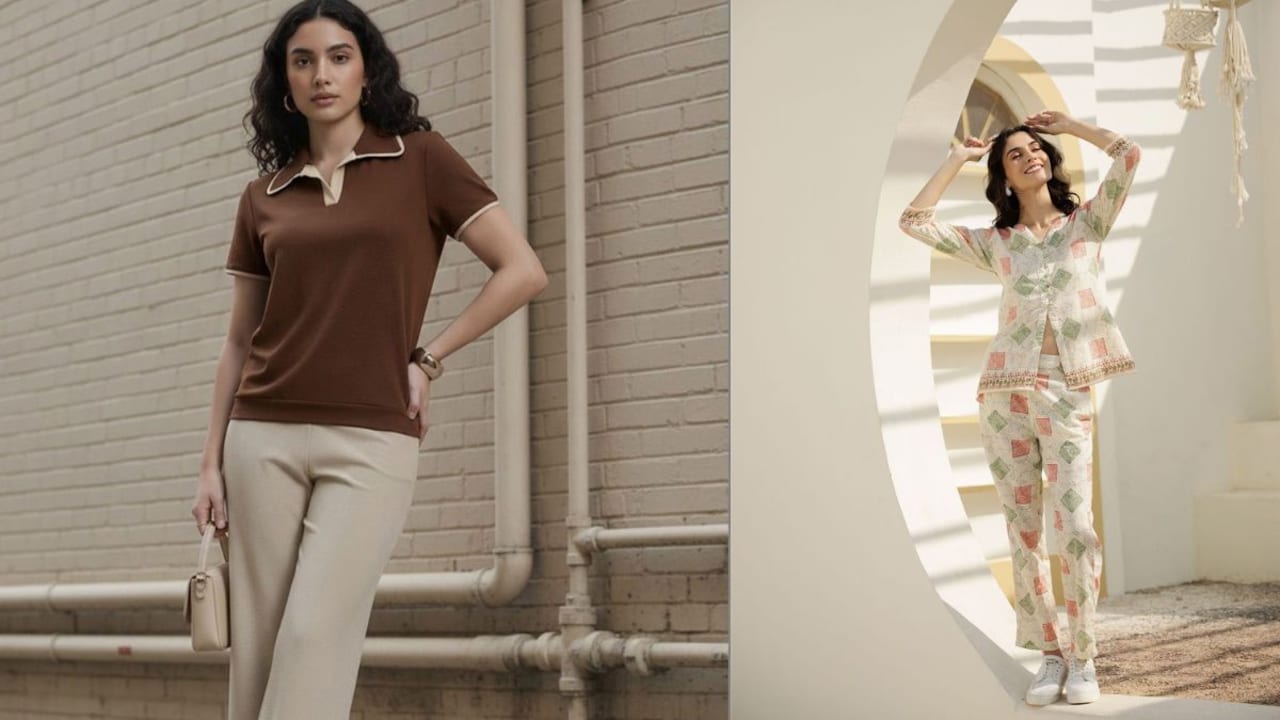
Prints can make or break a co-ord set. When patterns align seamlessly, the outfit looks polished and well-thought-out. When they don't, the mismatch becomes instantly noticeable.
Many mass-produced sets do not prioritise print alignment. Stripes may run in different directions, or floral patterns may appear unevenly distributed. While this may seem minor, it affects the overall harmony.
Online images often hide this issue by showing only specific angles. A front-facing shot may look perfect, but side or back views might reveal inconsistencies.
Carefully examining multiple images helps spot such problems. If the listing shows limited angles, that could indicate selective presentation.
True co-ords maintain consistency in print placement. Patterns flow naturally across both pieces, creating a unified visual effect. This attention to detail distinguishes genuine sets from loosely paired items.
Co-ord Sets That Don't Match In Real Life: How To Identify True Sets Vs Styled Listings
Photo Credit: Myntra
Price Versus Quality Expectations
Price often reflects quality, but not always honestly. A co-ord set priced at ₹799 may look stunning online, but expectations need to remain realistic. High-quality matching requires careful production, which comes at a cost.
Extremely low prices often signal compromises in fabric, dye consistency, or stitching. While affordable fashion has its place, it rarely delivers perfect coordination at very low price points.
On the other hand, higher prices do not always guarantee authenticity either. Some brands rely on branding rather than substance.
Balancing price with expectations becomes key. Reading product details, checking reviews, and comparing similar listings help determine whether the price aligns with quality.
A well-made co-ord set feels worth the investment. It maintains its look after multiple washes and continues to feel cohesive over time.
Customer Reviews As Reality Checks
Customer reviews act as the closest thing to a trial room in online shopping. They reveal what listings may hide. Honest feedback often highlights mismatched colours, fabric differences, or sizing issues.
Photos uploaded by buyers provide real-world insight. These images lack professional lighting or editing, making them more reliable.
Reading both positive and negative reviews offers a balanced perspective. Repeated complaints about mismatching pieces usually indicate a consistent issue rather than isolated cases.
Some reviews even describe how the outfit feels during wear, which helps set expectations beyond appearance. Comfort, durability, and fit all come into play.
Trusting collective experiences reduces the risk of disappointment. A few extra minutes spent reading reviews can save both money and effort in the long run.
Brand Transparency And Product Descriptions
Clear and detailed product descriptions signal reliability. Brands that specify fabric types, colour tones, and fit details show confidence in their products.
Vague descriptions, on the other hand, often leave room for interpretation. Phrases like “premium quality” or “perfect match” without specifics can be misleading.
Transparency also extends to showing multiple images, including close-ups and different angles. Listings that provide comprehensive information tend to deliver more accurate products.
Shoppers benefit from choosing brands that prioritise clarity over exaggeration. Honest descriptions build trust and reduce the chances of returns.
A genuine co-ord set does not need exaggerated claims. Its quality and coordination speak for themselves.
Understanding Return Policies Before Purchase
Even with careful evaluation, surprises can happen. That's where return policies play a crucial role. Flexible return options provide a safety net when products do not meet expectations.
Some platforms offer easy returns, while others impose strict conditions. Understanding these terms before purchasing helps avoid frustration later.
Checking whether returns are free or involve additional charges also matters. A ₹100 return fee may seem small, but it adds up over time.
Trying the outfit as soon as it arrives ensures timely action if needed. Delayed checks often lead to missed return windows.
A thoughtful approach to return policies ensures that even imperfect purchases do not become permanent regrets.
Co-ord Sets That Don't Match In Real Life: How To Identify True Sets Vs Styled Listings
Photo Credit: Myntra
Products Related To This Article
1. ME & MY Floral Printed Pure Cotton Tunic With Palazzos
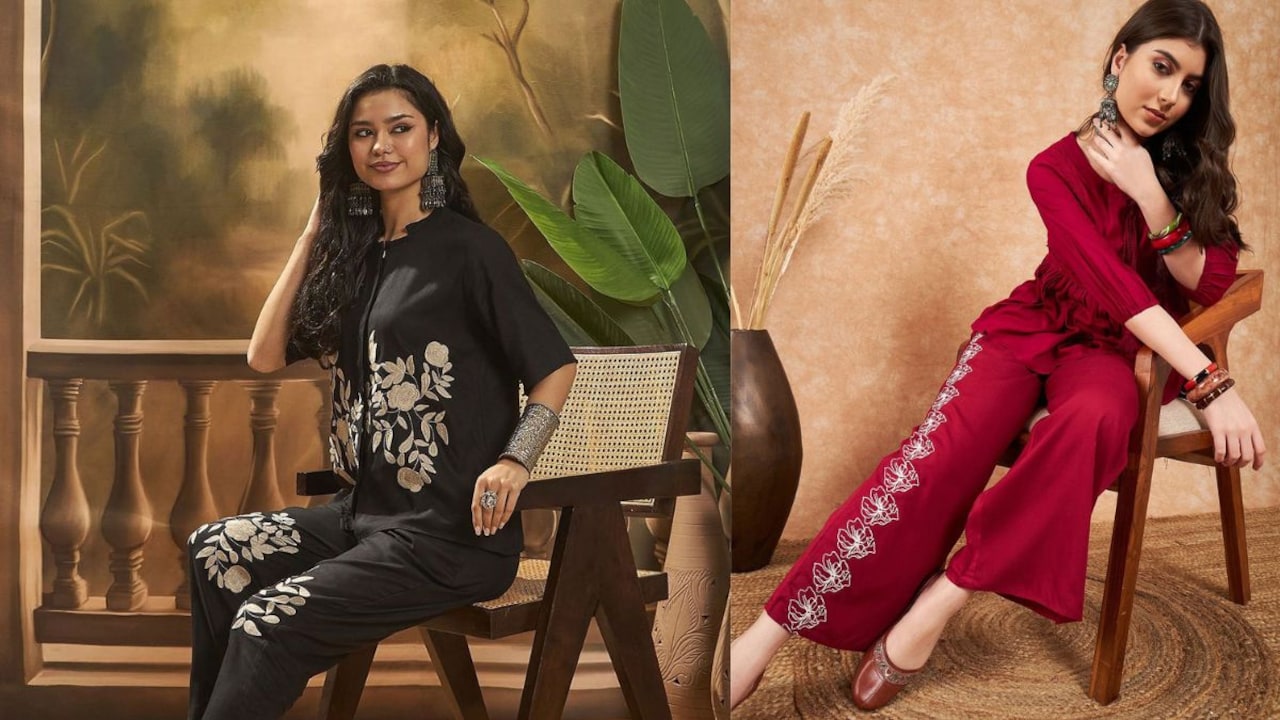
2. Sangria Embroidered Top With Palazzo Co-Ords
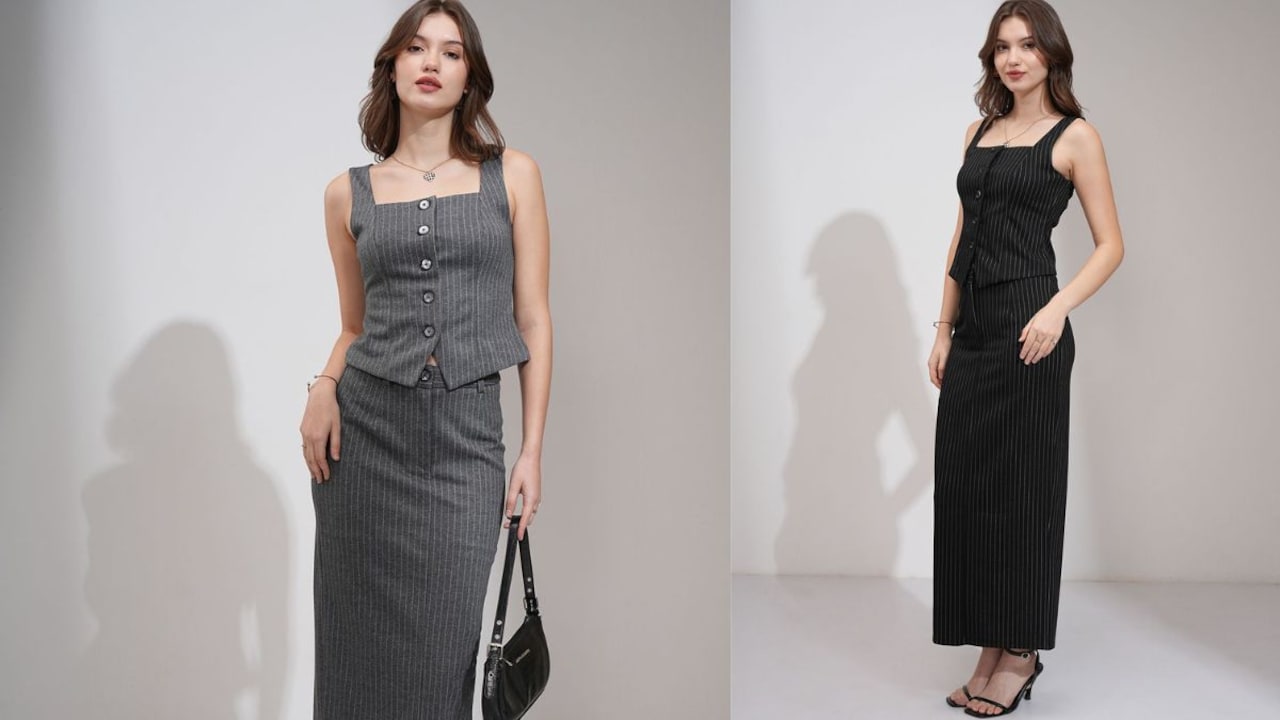
3. CHIC BY TOKYO TALKIES Women Pinstriped Vest Midi Column Skirt Set
4. Varanga Navy Blue and White Square Neck Floral Embroidered Top With Trouser
5. ESPYR By Tokyo Talkies Top With Trousers Co-Ords
Co-ord sets promise simplicity, but choosing the right one requires attention to detail. From lighting tricks to fabric differences, many factors influence how a set appears versus how it feels in real life.
Recognising these nuances transforms online shopping into a more confident and informed experience. It shifts the focus from impulse buying to thoughtful selection.
A true co-ord set delivers harmony in colour, fabric, fit, and design. It feels intentional, comfortable, and reliable. Styled listings may create temporary excitement, but genuine sets offer lasting satisfaction.
With a sharper eye and a bit of patience, finding that perfect match becomes less of a gamble and more of a rewarding discovery.
(Disclaimer: This article may include references to or features of products and services made available through affiliate marketing campaigns. NDTV Convergence Limited (“NDTV”) strives to maintain editorial independence while participating in such campaigns. NDTV does not assume responsibility for the performance or claims of any featured products or services.)