Why Comfortable Sneakers Start Hurting Later: The Hidden Problem With Shoe Design
Sneakers that feel soft in the shop often cause pain later. The real issue usually isn’t your feet but the shoe’s design. From cushioning to toe shape, hidden features in modern sneakers can quietly turn comfort into discomfort.
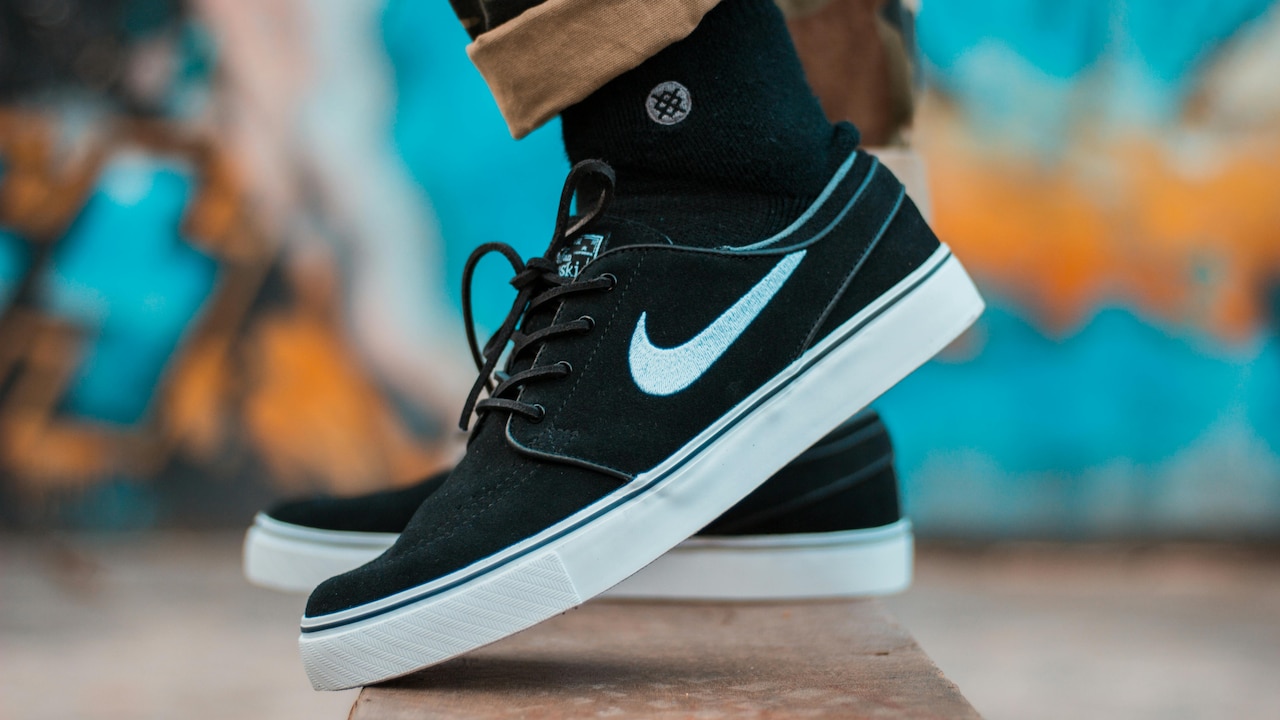
The Hidden Reason Comfy Sneakers Hurt Later: It Is About Design, Not Your Feet.
Sneakers enjoy a curious reputation. They symbolise comfort, freedom, and easy movement. Advertisements promise “walking on air,” while shop assistants encourage a quick stroll across polished floors to test the feel. The shoes seem perfect at first step. Soft cushioning hugs the sole. Lightweight fabric gives the illusion of effortlessness.
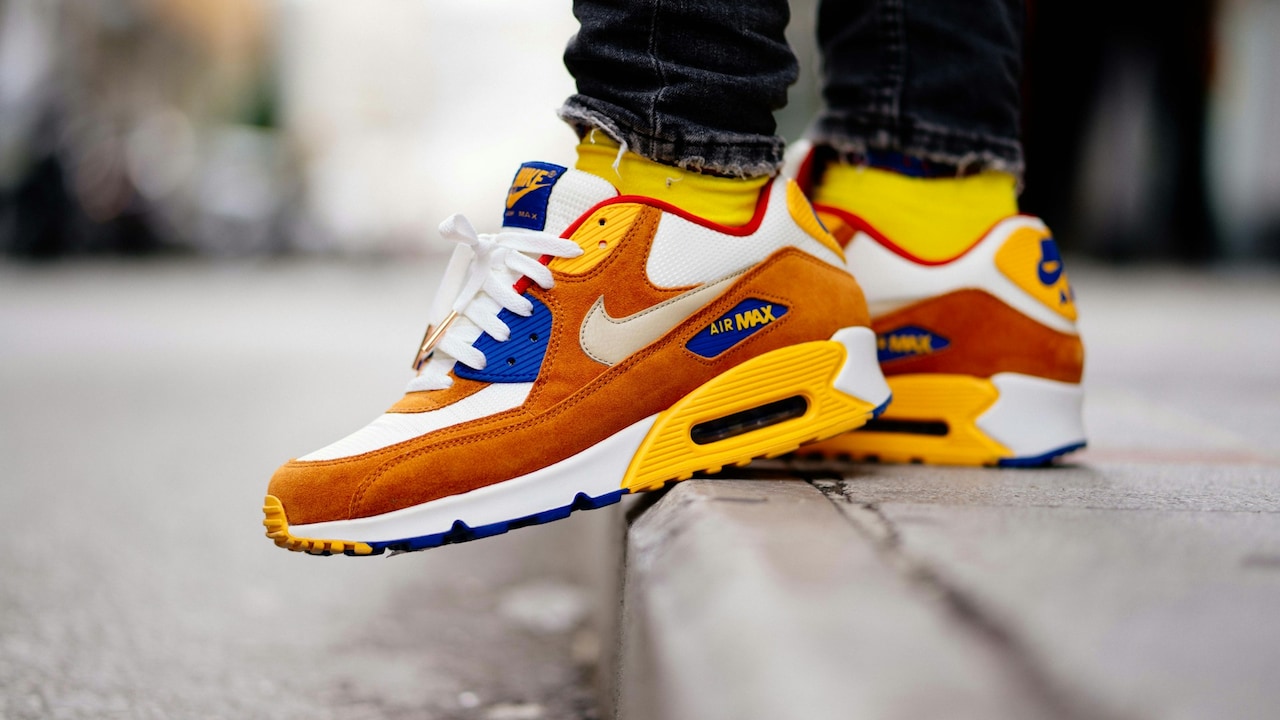
Read why your favourite shoes might be causing feet pain; Photo Credit: Unsplash
Then reality appears a few weeks later. A dull ache creeps into the heel after a long commute. The arch complains during an evening walk. Sometimes the toes feel cramped after a full day of errands or office meetings. The obvious conclusion often blames the feet. Perhaps the arch sits too high. Perhaps the stride feels wrong.
Yet footwear experts point to another culprit. Many modern sneakers prioritise softness and visual appeal rather than balanced structure. A design that feels comfortable in a shop may quietly disrupt the natural movement of the foot. Over time, the body compensates, and discomfort appears.
The surprising truth lies in design choices hidden beneath fabric and foam. Cushion thickness, sole flexibility, toe box shape, and arch structure all influence how the foot behaves. When these elements fall out of balance, even the cosiest sneaker may cause trouble.
Understanding these design details can transform the way people choose everyday shoes. Comfort should last through crowded train platforms, long market walks, and endless office corridors, not fade after the first enthusiastic step.
Also Read: Top 5 Sports Shoes For Women Under ₹1000: Affordable And Stylish From Liberty, Sparx to Bata
Why Modern Sneakers Feel Good At First But Hurt Later
The Illusion Of Instant Cushioning
Many sneakers rely on thick foam to create an immediate sense of comfort. That plush sensation often sells the shoe within seconds. Yet excessive softness can quietly destabilise the foot.
The human foot thrives on subtle feedback from the ground. Nerves in the sole constantly communicate with muscles and joints. This feedback helps maintain balance and efficient movement. When a shoe places a thick, spongy layer between the foot and the ground, the signals become dull.
Without that feedback, the body compensates. Ankles wobble slightly more. Small stabilising muscles work overtime. After hours of walking through crowded streets or standing in queues outside a cinema, fatigue begins to appear.
A good comparison comes from mattresses. An overly soft mattress may feel luxurious for five minutes in a furniture showroom. After a full night's sleep, the back often protests. The same principle applies to footwear.
Sneaker brands often highlight foam thickness because it creates immediate appeal. Yet long-term comfort requires balance rather than indulgence. A moderately cushioned sole supports the foot while still allowing natural movement.
Softness alone rarely equals comfort. In fact, too much softness often marks the beginning of later discomfort.
When Toe Boxes Squeeze Natural Movement
Feet expand throughout the day. Warm weather, long walks, and even simple standing can cause subtle swelling. Despite this natural behaviour, many sneakers feature narrow toe boxes shaped for appearance rather than anatomy.
A quick look at the human foot reveals a wide front section. Toes spread slightly with each step to maintain balance. When a sneaker compresses that area, the toes lose their ability to move freely.
This restriction creates pressure across the forefoot. Over time, the body adapts by shifting weight toward the outer edge of the foot. That small adjustment affects the entire walking pattern.
Even daily activities highlight the issue. Imagine weaving through busy vegetable markets on a Saturday morning. The body twists, stops, and changes direction frequently. A narrow toe box forces the toes into a fixed position, making these small movements awkward.
The result often appears as soreness near the little toe or mild burning beneath the ball of the foot. Many people assume the shoe simply needs breaking in. In reality, the design prevents natural spreading.
Sneakers that mirror the natural shape of the foot allow the toes to relax. The difference may seem subtle in the shop, yet after a full day of errands, the comfort becomes obvious.
Arch Support: Too Much Or Too Little
The arch plays a crucial role in distributing body weight. It acts as a natural spring while walking. Yet sneaker designs frequently misunderstand this structure.
Some models include almost no arch support. The sole remains flat, forcing the arch to collapse slightly with each step. Over time, the muscles supporting the arch grow tired. This fatigue often appears as dull pain near the middle of the foot.
On the opposite extreme, certain sneakers add aggressive arch bumps meant to “correct” foot posture. These features may feel supportive during the first try-on, yet they can push the arch into an unnatural position.
Imagine standing for hours at a wedding reception. Conversations stretch longer than expected. Music grows louder. A poorly shaped arch support gradually becomes noticeable as a sharp pressure point.
Balanced support respects the natural curve of the foot rather than forcing correction. Good designs distribute weight across the heel, arch, and forefoot without pushing any area too aggressively.
Finding that balance matters more than dramatic marketing claims. A simple, well-shaped arch support often outperforms elaborate designs promising miraculous alignment.
The Problem With Ultra-Flexible Soles
Many sneakers advertise flexibility as a sign of comfort. A salesperson may bend the shoe in half to demonstrate softness. The gesture impresses customers, yet excessive flexibility can lead to long-term strain.
Walking requires a specific sequence of movements. The heel strikes the ground first, followed by a smooth roll toward the toes. A moderately firm sole helps guide this motion.
When the sole bends too easily, the foot performs extra work to maintain stability. Small muscles across the arch and ankle constantly adjust with every step.
Consider a long day that includes a train ride, a short auto trip, and several blocks of walking. Each step demands subtle balance corrections. Ultra-flexible soles turn this routine movement into repeated effort.
The result may not appear immediately. Discomfort often arrives hours later, particularly around the arch or Achilles tendon.
Flexibility should exist primarily at the front of the shoe where the toes push off. The middle section benefits from gentle firmness that supports the foot's structure.
True comfort comes from controlled movement rather than complete freedom.
Heel Drop And The Body's Balance
Heel drop refers to the height difference between the heel and the front of the shoe. Many sneakers quietly raise the heel several millimetres higher than the toes.
This design shifts body weight slightly forward. While the change feels subtle, it alters posture across the ankles, knees, and hips.
Imagine standing in a queue outside a popular street food stall. Fifteen minutes pass easily. The body leans forward just enough to maintain balance in raised-heel sneakers. Over time, that small shift creates pressure along the calf muscles.
Some shoes exaggerate heel height to create a sporty appearance. Others minimise the drop to encourage natural walking. Neither extreme suits every person.
Moderate heel drop often provides the best balance for daily wear. It supports comfortable movement without forcing the body into an unnatural lean.
Designers rarely highlight this feature on flashy packaging. Yet heel drop quietly influences comfort throughout the day.
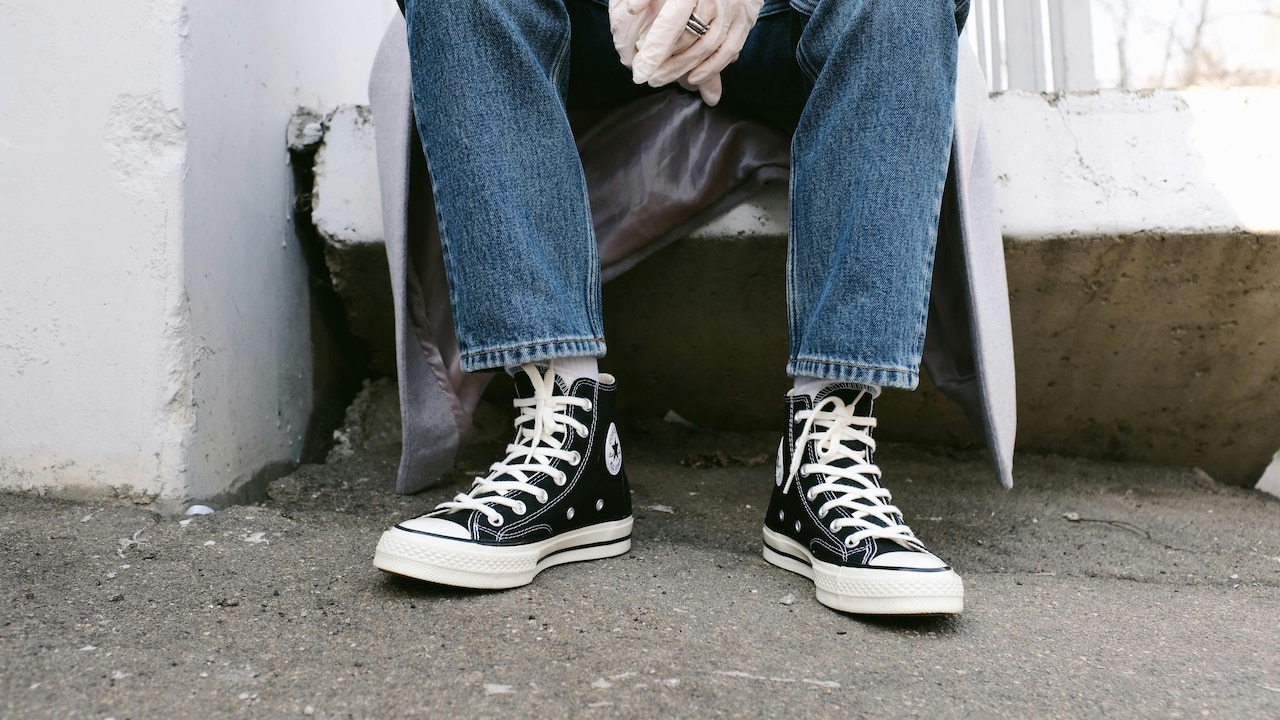
Shoes with a moderate heel drop often provides the best balance for daily wear; Photo Credit: Pexels
Breathability Matters More Than Expected
Heat and moisture rarely appear in discussions about sneaker comfort, yet they play an important role.
Feet contain thousands of sweat glands. During warm afternoons or crowded commutes, that moisture accumulates quickly. Poor ventilation traps heat inside the shoe.
When the interior grows warm and damp, the skin softens. Friction increases between the foot and the shoe lining. This environment encourages irritation and small blisters.
Imagine a long walk through a bustling shopping district during summer sales. Bright storefronts tempt shoppers into hours of strolling. Inside a poorly ventilated sneaker, heat builds quietly with each step.
Breathable materials allow air to circulate and moisture to escape. Mesh fabrics and well-placed ventilation panels often improve comfort more than extra cushioning.
A cool, dry interior keeps the skin resilient. The result feels subtle yet significant, particularly during long days outdoors.
Comfort begins with structure but survives through breathability.
Weight Distribution Across The Sole
Another hidden design factor lies in how the sole distributes pressure. Many sneakers concentrate cushioning under the heel while leaving the forefoot thinner.
This imbalance creates a small yet noticeable shift in walking dynamics. The heel absorbs impact well, but the front of the foot receives less support during push-off.
After hours of movement, the ball of the foot begins to feel sore. Some people describe a burning sensation beneath the toes.
Daily routines illustrate this clearly. Walking through a large railway station requires constant starting and stopping. Each step places pressure on the forefoot during acceleration. Without balanced cushioning, that repeated motion strains the area.
Well-designed sneakers spread cushioning evenly across the sole. The heel, arch, and forefoot work together rather than carrying unequal loads.
When pressure spreads evenly, fatigue arrives far more slowly. The difference often becomes obvious only after several hours of wear.
The Role Of Outsole Grip And Stability
Sole grip influences more than slipping accidents. It also shapes how the foot interacts with the ground.
Sneakers with extremely smooth outsoles may slide slightly on polished floors. This subtle instability forces muscles in the foot and ankle to react quickly. Over time, the constant adjustments create fatigue.
Conversely, an overly aggressive grip can lock the foot into place. When the sole refuses to rotate naturally during walking, the knees absorb extra twisting forces.
Picture walking across glossy mall floors or slightly wet pavements after a sudden monsoon shower. Shoes with a balanced grip allow smooth movement without forcing the body to compensate.
Designers aim for rubber patterns that grip firmly while still allowing natural motion. The goal resembles a car tyre that holds the road yet glides smoothly.
A stable outsole often goes unnoticed during purchase, yet it quietly determines how relaxed the body feels after a full day of activity.
Style Trends That Ignore Anatomy
Fashion trends often shape sneaker design more than foot science. Narrow silhouettes, chunky soles, or exaggerated shapes may dominate shop displays.
While these styles look striking, they sometimes ignore how the foot actually functions. A fashionable sneaker may compress the forefoot, tilt the heel, or stiffen the midsole simply to achieve a dramatic appearance.
The result resembles buying a stylish chair that looks impressive but becomes uncomfortable after ten minutes of sitting.
Consider the excitement around limited-edition sneaker releases. People line up for hours, sometimes spending ₹10,000 or more for a pair that stands out in photographs. Comfort rarely receives equal attention during the purchase.
Designers face a difficult balance between visual appeal and ergonomic structure. Some brands manage both. Others lean heavily toward style.
Shoppers who understand the basics of foot anatomy often spot the difference quickly. A shoe should complement the natural shape of the foot rather than reshape it for fashion.
Comfort and style can coexist, yet design priorities must remain clear.
Products Related To This Article
1. HRX by Hrithik Roshan Unisex Back To School Shoes
2. Liberty Men Colourblocked Sneakers
3. Red Tape Women Colourblocked PU Sneakers
4. Skechers Women SUMMITS Sneakers
5. Allen Solly Women Woven Design Sneakers
Sneaker discomfort rarely begins with the wearer's feet. More often, the design of the shoe quietly shapes how the body moves throughout the day.
Thick cushioning may feel luxurious at first, yet dulls the body's natural balance signals. Narrow toe boxes restrict movement that keeps walking stable. Poor arch support, extreme flexibility, and exaggerated heel height slowly shift posture and strain muscles.
Even overlooked elements such as ventilation, weight distribution, and outsole grip influence long-term comfort. These features rarely appear in glossy advertisements, yet they determine how the foot behaves after hours of movement.
Understanding these hidden design choices helps shoppers look beyond the first impression inside a shop. True comfort reveals itself not during a thirty-second trial but after a full day navigating crowded streets, busy offices, and long journeys home.
The next time a sneaker feels wonderfully soft in the store, a small pause may help. Comfort that lasts often comes from thoughtful structure rather than plush foam alone.
In the end, the feet usually know exactly what they need. The real challenge lies in finding a shoe designed to listen.
(Disclaimer: This article may include references to or features of products and services made available through affiliate marketing campaigns. NDTV Convergence Limited (“NDTV”) strives to maintain editorial independence while participating in such campaigns. NDTV does not assume responsibility for the performance or claims of any featured products or services.)