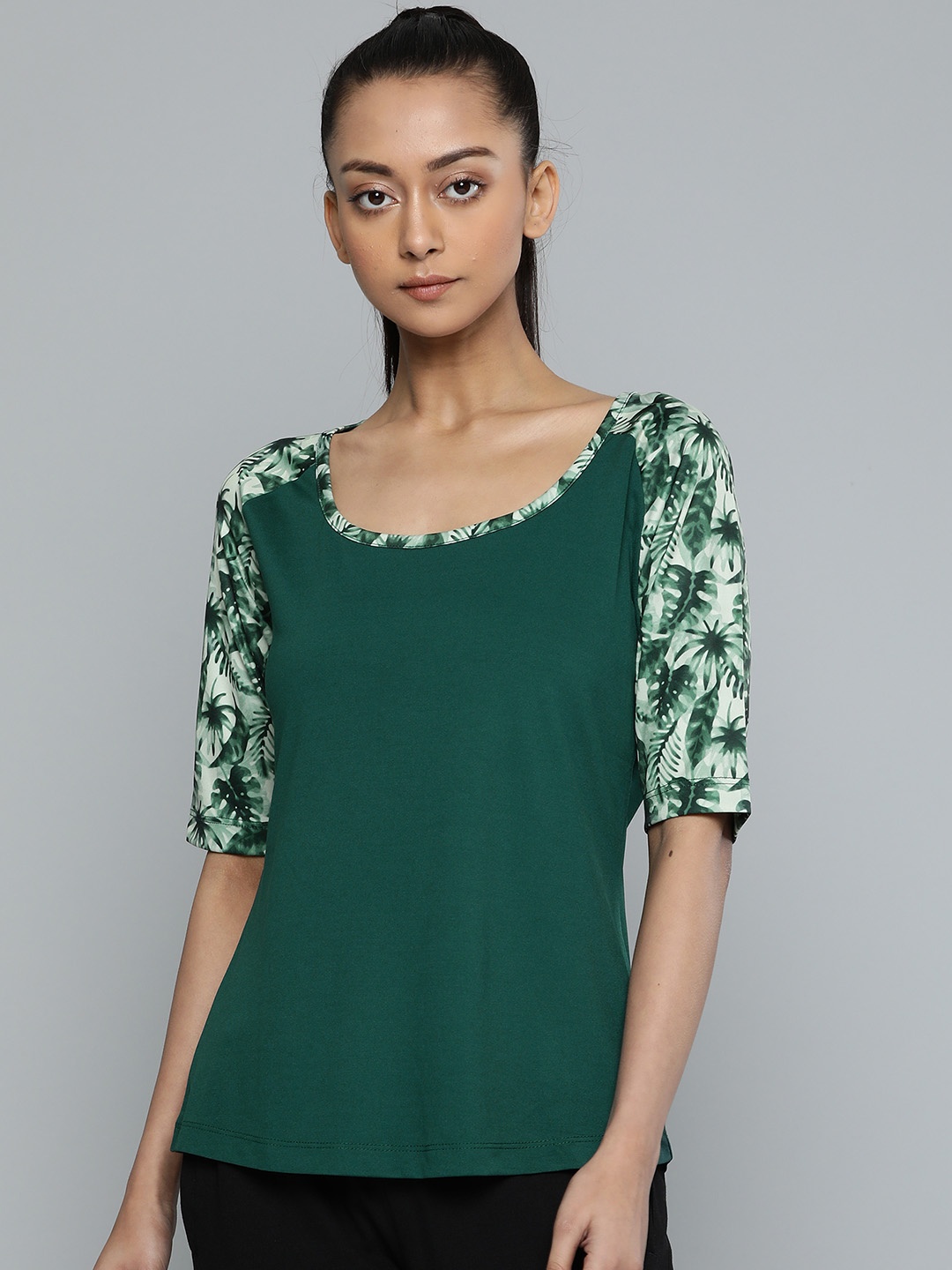
Why Cotton Shrugs Often Ruin Co-Ord Sets In Humid Weather: Top 10 Tips To Style Them Well
Cotton shrugs can make co-ord sets look bulky, limp, and uncomfortable in humid weather. These 10 styling tips help keep layered outfits polished, breathable and effortlessly chic all day.
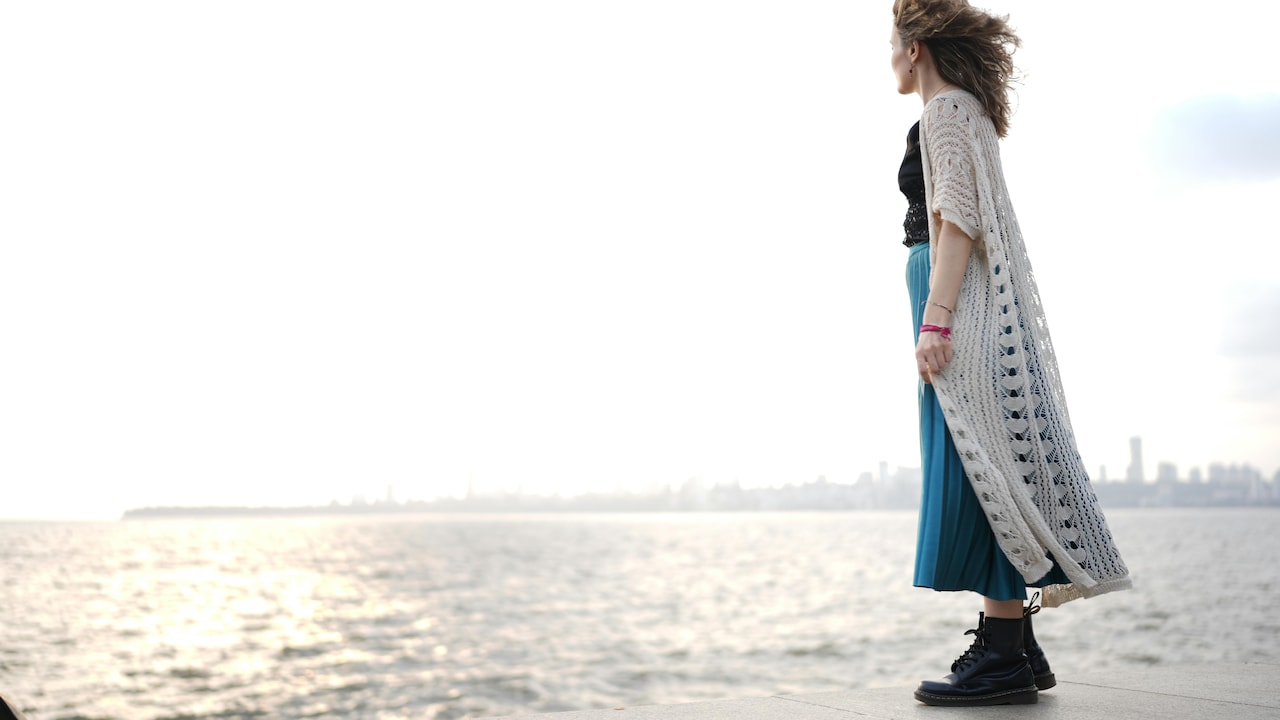
10 Ways To Style Cotton Shrugs With Co-Ord Sets During Humid Weather
There is something deeply satisfying about slipping into a co-ord set. It feels organised without trying too hard. Whether it is a breezy linen co-ord for brunch, a satin set for dinner plans, or a relaxed cotton pair for errands, matching separates often solve the daily “what to wear” dilemma in minutes. Then comes the shrug. At first, it seems like the perfect finishing touch. A lightweight layer for air-conditioned cafés, crowded metro rides, or sudden drizzles. But humid weather has other plans. Cotton shrugs absorb moisture quickly, lose structure within hours, and often sit awkwardly over already coordinated outfits. Instead of elevating the look, they can flatten silhouettes, create unnecessary bulk, and leave the entire outfit looking tired by evening.

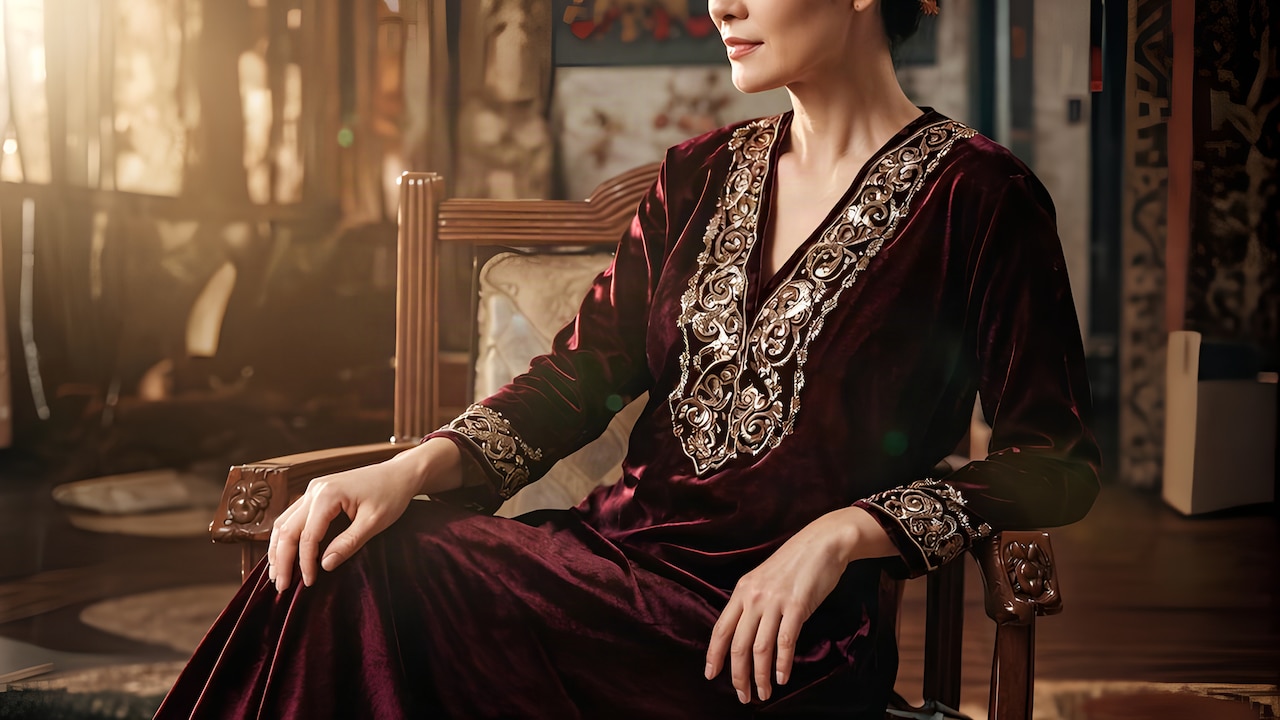
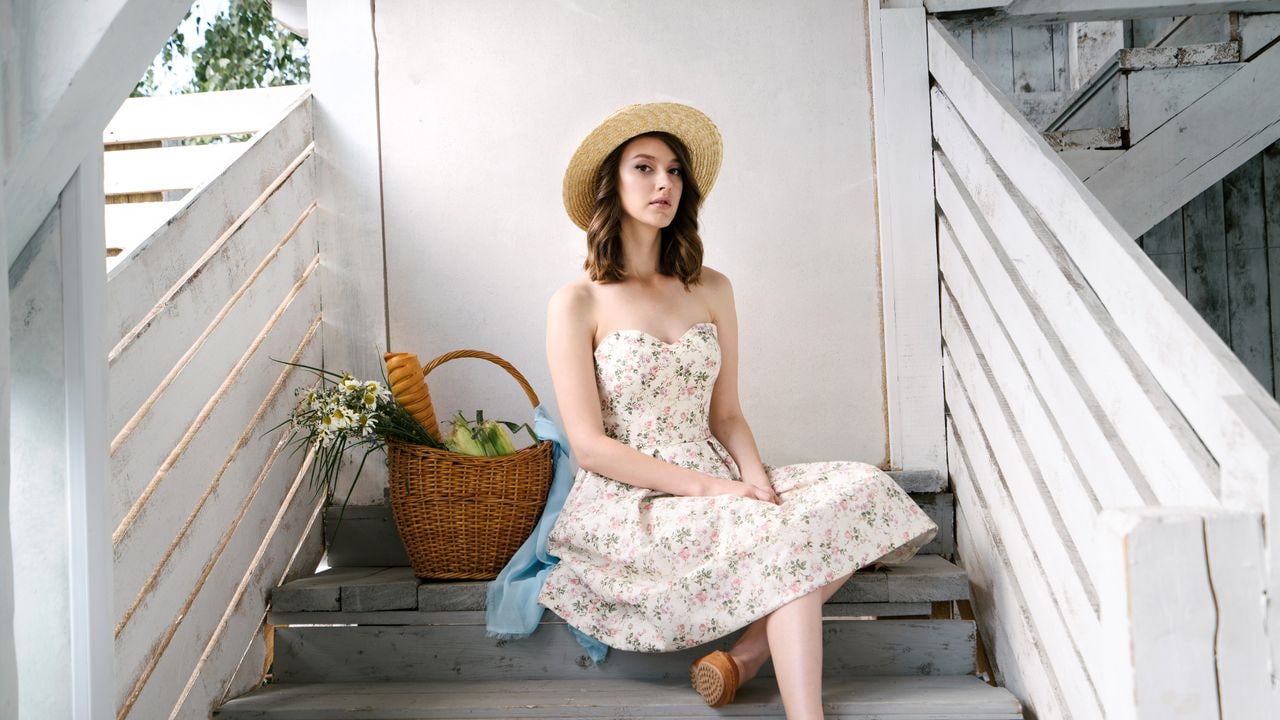
10 Ways To Style Cotton Shrugs With Co-Ord Sets During Humid Weather; Photo Credit: Pexels
The good news is that styling mistakes around shrugs are surprisingly easy to fix. Small tweaks in colour, fit, fabric texture, and layering can completely transform the final look. Fashion in humid weather is less about dramatic trends and more about clever balance. Nobody wants to spend ₹4,000 on a beautiful co-ord set only for a limp shrug to make it resemble sleepwear after one autorickshaw ride. Here are ten practical styling tips that help co-ord sets survive humidity without sacrificing comfort or personality.
Top 10 Tips To Style Cotton Shrugs With Co-Ord Sets In Humid Weather
Choose Cropped Shrugs Instead Of Longline Styles
Long cotton shrugs often struggle in humid weather because they trap heat and create unnecessary layering around the body. The moment fabric starts sticking to the skin, the entire outfit loses shape. Cropped shrugs work far better because they allow more airflow while still adding dimension to the co-ord set.
A cropped shrug also protects the structure of the outfit underneath. Wide-leg co-ords, fitted tank sets, and relaxed shorts look sharper when the outer layer does not compete for attention. Long shrugs tend to sway awkwardly in sticky weather, especially during commutes or outdoor events. By afternoon, they often resemble a crumpled scarf with sleeves.
Shorter lengths feel fresher and more modern. They pair beautifully with high-waisted trousers, midi skirts, and sleeveless tops. A cropped shrug in earthy tones like beige, sage, or rust can instantly make a simple co-ord look intentional rather than hurried.
Humidity already adds enough drama to daily dressing. There is no need for extra fabric clinging to elbows and knees while trying to survive a crowded lift with questionable ventilation.
Also Read: 7 Best Women's Shrugs To Layer Over Dresses, Tees, And Kurtas For Instant Sophistication
Avoid Thick Cotton Fabrics During Monsoon Months
Not all cotton behaves the same way in humid weather. Thick cotton fabrics absorb moisture rapidly and dry painfully slowly. Within a few hours, heavy shrugs can feel damp, saggy, and uncomfortable. Even expensive co-ord sets lose charm when paired with dense outer layers that wrinkle at every movement.
Lightweight cotton blends perform much better. Fabrics mixed with modal, rayon, or linen maintain airflow and hold their shape longer. They also drape more naturally over co-ord sets instead of creating stiff layers around the shoulders.
Many people assume thicker cotton automatically looks more premium. In reality, humid climates reward lighter textures. A soft waffle-knit shrug or breathable slub cotton layer often appears more polished than a bulky fabric struggling against sweat and moisture.
Colour also behaves differently on thick cotton. Dark shades may show sweat patches faster, while lighter tones can lose crispness quickly after exposure to humidity. Choosing breathable textures helps maintain both comfort and appearance throughout the day.
A shrug should feel like a helpful companion to the outfit, not an emotional burden carried around from café to cab to grocery store.
Match Undertones Instead Of Exact Colours
One of the quickest ways to ruin a co-ord set is pairing it with a shrug that matches too perfectly or clashes too loudly. Humid weather already softens fabric structure, so awkward colour combinations become even more noticeable.
Instead of chasing identical shades, focus on undertones. Warm-toned co-ords pair beautifully with shrugs in caramel, terracotta, cream, or muted mustard. Cooler tones work better with dusty blue, grey, lilac, or soft olive layers.
Matching undertones creates visual harmony without making the outfit look flat. Exact colour matching can sometimes resemble a uniform rather than a stylish ensemble. Meanwhile, completely contrasting shades may overwhelm the clean aesthetic that makes co-ords appealing in the first place.
Humidity also changes how colours appear throughout the day. Bright shades may look harsher under sticky weather conditions, while softer palettes remain elegant and breathable visually. Pastel shrugs often complement printed co-ords beautifully without adding heaviness.
Fashion in warm weather works best when it feels effortless. Nobody wants to look like a colour chart walking through a humid market while desperately searching for functioning air conditioning.
Prioritise Sleeveless Or Short-Sleeved Co-Ord Sets
Layering a cotton shrug over full-sleeved co-ords in humid weather can quickly become uncomfortable. Too much fabric around the arms traps heat and creates stiffness in movement. Sleeveless or short-sleeved co-ord sets provide breathing space and make the shrug feel lighter overall.
This styling trick creates a better balance between comfort and layering. The shrug acts as a soft accent rather than an additional heat source. It also prevents bunching around the shoulders and elbows, which often happens when multiple cotton layers interact with humidity.
Sleeveless co-ords paired with airy shrugs create a relaxed silhouette perfect for brunches, office settings, or evening outings. The outfit feels intentional without looking overstyled. Even simple neutral co-ords gain a more refined appearance when the layering feels controlled.
This approach also makes practical sense for unpredictable weather. Shrugs can easily come off indoors without disrupting the look underneath. Nobody enjoys struggling with tangled sleeves in a café washroom while trying not to drop a phone into the sink.
The smartest humid-weather outfits usually involve fewer complications and better airflow. Fashion should not feel like preparing for a survival challenge every morning.
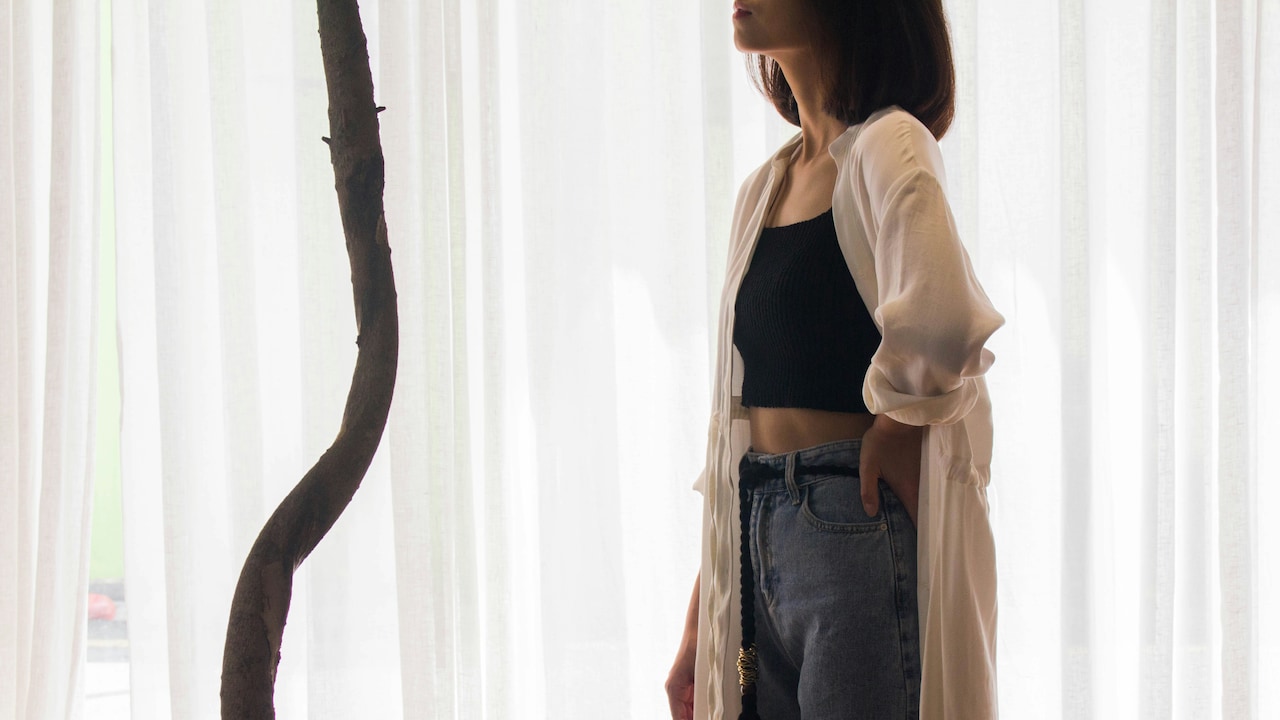
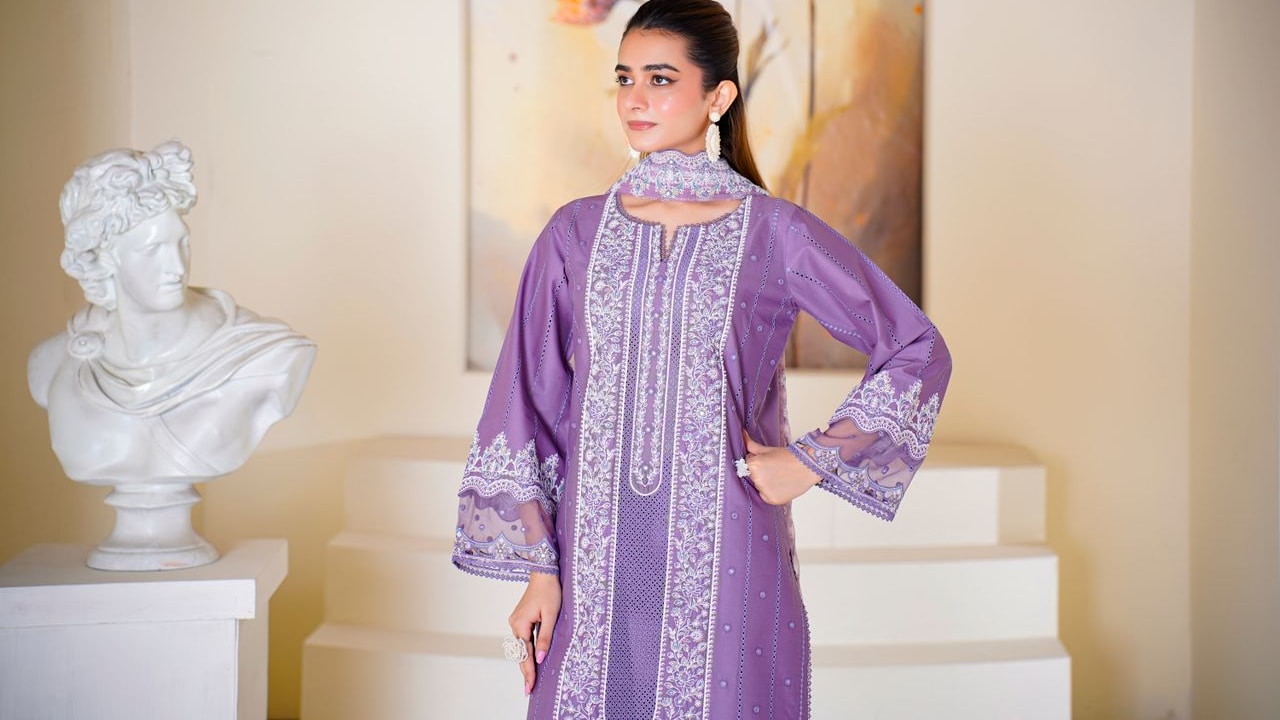
10 Ways To Style Cotton Shrugs With Co-Ord Sets During Humid Weather; Photo Credit: Pexels
Pick Structured Shrugs Instead Of Limp Designs
Soft, shapeless shrugs may appear comfortable on hangers, but humidity exposes every weakness in their structure. Within hours, limp cotton fabric loses form and drags down the entire co-ord set. The outfit begins looking sleepy rather than stylish.
Structured shrugs hold up much better. Tailored shoulders, defined hems, and slightly sharper cuts create visual polish even in sticky weather. They frame the co-ord set instead of drowning it under loose fabric.
This does not mean uncomfortable blazers or stiff jackets. Even relaxed shrugs can have clean construction. Details like tapered sleeves, cropped cuts, or subtle collars help maintain shape throughout the day.
Structured layering also photographs better. Humid weather often softens clothing silhouettes naturally, so adding one crisp element restores balance. A well-cut shrug can transform a basic co-ord into something that looks thoughtfully styled rather than casually assembled five minutes before leaving home.
There is also a psychological advantage. Crisp clothing tends to feel more put together, even during chaotic weather. Sometimes surviving humidity requires tiny victories, like reaching dinner plans without resembling a crumpled bedsheet.
Keep Prints Minimal When Layering
Printed co-ord sets already make a strong visual statement. Adding a printed cotton shrug on top often creates unnecessary chaos, especially in humid weather, where fabrics naturally lose sharpness.
Minimal styling works better because humidity softens textures and blurs details over time. Too many patterns competing together can make the outfit feel visually cluttered. Solid shrugs paired with printed co-ords create a cleaner contrast and allow the main outfit to remain the focus.
If both pieces include prints, keep one pattern extremely subtle. Thin stripes, tiny checks, or faded florals usually behave better than loud tropical motifs battling for attention. Humid weather tends to amplify visual heaviness, so simplicity becomes surprisingly elegant.
Neutral shrugs also provide flexibility. One beige or ivory shrug can style multiple co-ord sets effortlessly without making the wardrobe feel repetitive. This matters when fashion budgets must survive impulse shopping, festive sales, and mysteriously expensive coffee runs.
A balanced outfit feels calmer in sticky weather. Nobody wants their clothing to look louder than the traffic outside during peak evening rush hour.
Use Belts To Restore Shape And Definition
Humidity has a strange ability to flatten silhouettes. Cotton shrugs lose structure, co-ords soften around the waist, and the overall outfit can start looking shapeless by midday. A simple belt solves this problem surprisingly well.
Belting a shrug creates instant definition and prevents layers from appearing oversized. It also helps separate the shrug from the co-ord visually, making the outfit feel more intentional. Thin belts work best because bulky accessories can feel uncomfortable in warm weather.
This styling trick especially suits monochrome co-ords. A tan or textured belt adds contrast while maintaining elegance. Even relaxed lounge-style sets look more polished once the waistline becomes visible again.
Belts also prevent constant shrug adjustment throughout the day. Anyone who has spent hours pulling slipping fabric back into place during humid weather understands this frustration deeply. Comfort and practicality matter just as much as aesthetics.
The key lies in subtlety. The belt should complement the outfit rather than dominate it. Over-accessorising in humid weather often backfires quickly. Sweat and heavy styling rarely form a successful partnership.

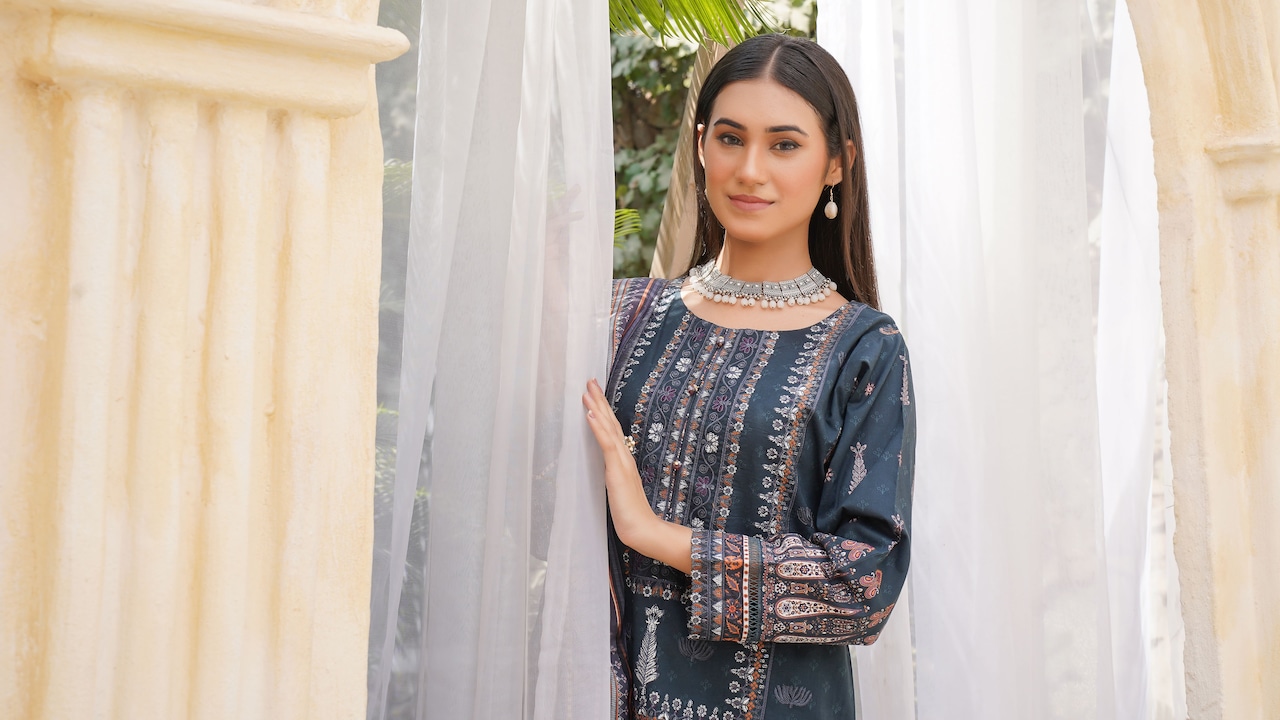
10 Ways To Style Cotton Shrugs With Co-Ord Sets During Humid Weather; Photo Credit: Pexels
Stick To Lighter Colour Palettes During Daytime
Dark cotton shrugs absorb heat faster and often reveal sweat marks more clearly in humid weather. While black layers may seem universally flattering, they can feel overwhelming during daytime outings. Lighter colour palettes create a fresher, more breathable appearance.
Soft neutrals, dusty pastels, muted greens, and pale browns reflect heat better while complementing most co-ord sets beautifully. These shades also maintain a cleaner look throughout the day, even when humidity begins affecting fabric texture.
Light colours visually reduce heaviness in layered outfits. A cream shrug over a floral co-ord feels airy and relaxed, whereas a dark charcoal layer might make the entire outfit appear dense and uncomfortable.
Daytime fashion in warm climates often succeeds through visual lightness. Clothing should look fresh rather than exhausted. This does not mean abandoning bold colours entirely. Jewel tones and darker shades still work brilliantly for evening plans when temperatures become slightly kinder.
The goal is balance. Looking stylish while quietly melting in the heat is not the glamorous experience social media sometimes pretends it is.
Focus On Breathable Inner Layers
The shrug usually receives all the blame when a co-ord outfit feels uncomfortable, but the inner layer matters just as much. Tight synthetic tops beneath cotton shrugs trap heat and moisture quickly, creating discomfort that spreads through the entire outfit.
Breathable inner layers improve everything. Cotton camisoles, sleeveless linen tops, and moisture-friendly fabrics help maintain airflow underneath the shrug. This keeps the overall look lighter and prevents the sticky, suffocating feeling that often develops during long outings.
Well-layered outfits also preserve fabric quality better. Sweat absorption reduces when breathable pieces work together instead of trapping humidity against the skin. The shrug stays fresher for longer, and the co-ord maintains its shape throughout the day.
Comfort influences confidence more than people realise. Even the most fashionable outfit loses charm when someone spends the entire evening fanning themselves with a restaurant menu while pretending to enjoy spicy starters.
The best humid-weather styling decisions often remain invisible. Nobody notices excellent airflow directly, but everyone notices when clothing looks uncomfortable.
Let Accessories Carry Part Of The Styling
Many people rely too heavily on shrugs to elevate simple co-ord sets. In humid weather, this creates unnecessary layering and discomfort. Accessories can handle much of the styling responsibility instead.
Statement earrings, textured handbags, layered bracelets, or comfortable sandals often add enough personality without requiring bulky outerwear. A lightweight shrug can then remain subtle rather than becoming the outfit's main feature.
This approach works beautifully for minimalist dressing. A plain co-ord paired with silver jewellery and a breezy shrug feels effortless and modern. Oversized tote bags, woven textures, or colourful footwear also introduce visual interest without trapping heat.
Accessories adapt more easily throughout the day. Shrugs may wrinkle or lose shape, but a striking pair of earrings continues doing its job faithfully from morning chai stops to late-night dessert plans.
Humid-weather fashion succeeds when styling feels balanced rather than overloaded. Sometimes the smartest decision is allowing the co-ord set to breathe instead of covering every inch with extra fabric and unnecessary fashion ambition.
Products Related To This Article
1. Style Quotient Women Cotton Crop Shrug
2. Espresso Women Tie-Up Shrug
3. Kryptic Women Open front cotton Shrug
4. Sangria Ethnic Embroidered Mandarin Collar Sequinned Detail Tie-Up Shrug
5. Rute Women Black Cotton Shrug
6. Style Quotient Women Crop Tie-Up Shrug
7. DECKEDUP Women Crop Shrug
Cotton shrugs are not the villains of humid-weather fashion. The real problem lies in styling choices that ignore how heat and moisture affect fabric, fit, and comfort throughout the day. Co-ord sets already offer clean coordination and effortless charm. The shrug should support that energy, not compete with it.
Small changes make a noticeable difference. Lighter fabrics, cropped lengths, softer colour palettes, and breathable layering help outfits stay polished for longer. Structured silhouettes and thoughtful accessories also prevent the dreaded “crumpled by 4 pm” appearance that humid weather loves to create.
Fashion during sticky weather does not need dramatic reinvention. It simply needs practicality blended with style. After all, the true sign of a successful outfit is not how perfect it looks in mirror selfies at home. It is whether it still feels wearable after traffic, humidity, crowded cafés, and one unexpectedly sweaty auto ride across town.
(Disclaimer: This article may include references to or features of products and services made available through affiliate marketing campaigns. NDTV Convergence Limited (“NDTV”) strives to maintain editorial independence while participating in such campaigns. NDTV does not assume responsibility for the performance or claims of any featured products or services.)