Why Denim Skirts Feel Stiff at First and How Better Weaves Improve Comfort
Many denim skirts feel stiff for hours because of tight weaves, heavy yarns and poor finishing. Smarter denim uses lighter weights and flexible structures that stay comfortable through long days.
Why Many Denim Skirts Feel Rigid for Hours, While Smarter Weaves Stay Comfy.
A denim skirt seems like the simplest wardrobe choice. It pairs with almost anything, works across seasons, and carries that effortless charm that never fades. Yet, many people know the familiar discomfort that creeps in after a few hours. Sitting through meetings, hopping onto a crowded metro, or navigating uneven pavements can turn a stiff skirt into a silent annoyance.
On the other hand, some denim skirts move with the body. They soften as the day unfolds and never demand constant adjusting. These pieces feel like old friends rather than stubborn companions. The contrast sparks a simple question. Why does denim behave so differently from one skirt to another?
The answer sits in threads, tension, and thoughtful design choices. From the way yarns interlock to how fibres react to heat and humidity, denim tells a detailed story. Understanding that story helps in choosing skirts that feel good beyond the mirror check. Comfort, after all, should last longer than the first impression.

Stiff vs Comfortable Denim Skirts: How Fabric Weaves Make the Difference
Photo Credit: Pexels
What Really Makes One Denim Skirt Stiff and Another Easy to Wear
1. The Myth of “Strong Means Stiff” Denim
Many denim skirts feel rigid because strength often gets mistaken for stiffness. Traditional denim uses tightly packed cotton yarns. This dense structure resists wear and tear, which sounds ideal. However, that same tightness restricts movement. The fabric holds its shape with stubborn pride and refuses to adapt quickly.
This approach made sense decades ago when denim served miners and factory workers. Durability mattered more than comfort. Fast forward to modern lifestyles filled with commuting, sitting, and constant motion. That old-school rigidity now feels out of place.
Smarter weaves challenge this myth. They balance strength with flexibility by adjusting yarn thickness and spacing. The fabric still lasts long, but bends when knees flex or hips shift. This small structural change transforms how the skirt feels after three hours versus thirty minutes.
Comfort does not weaken denim. It refines it. The strongest fabrics today know when to hold firm and when to give way.
2. Yarn Thickness Plays a Quiet Role
Denim comfort often depends on something invisible to the eye. Yarn thickness. Thicker yarns create a heavy, board-like feel. They take longer to soften and often press against the skin without mercy. Sitting down in such skirts can feel like negotiating with cardboard.
Thinner yarns behave differently. They twist more easily and respond better to movement. When woven thoughtfully, they create a surface that feels smoother and less aggressive against the body. The skirt still looks structured, but no longer feels like armour.
Many affordable skirts rely on thick yarns to cut costs. Fewer threads reduce production time. The result looks sturdy but sacrifices comfort. Smarter weaves invest in finer yarns, even if that nudges the price from ₹1,200 to ₹1,800. That extra spend often pays back in wearability.
Comfort hides in these quiet decisions. Yarn thickness shapes the entire experience, even if it never shows up on the label.
3. Stretch Is More Than Just Elastane
Stretch denim often gets reduced to one word. Elastane. While this fibre helps, true comfort involves more than adding two per cent stretch. Poorly designed stretch denim still feels rigid because the base weave remains too tight.
Smarter weaves distribute stretch across the fabric. They allow the cotton yarns themselves to flex, not just rely on elastic fibres. This approach prevents the snapping-back feeling that pinches after sitting too long.
A well-made skirt stretches gently and returns to shape without drama. It adapts during long office hours and survives a dash for the bus without digging into the waist. Cheap stretch denim often sags or feels oddly stiff once warmed by body heat.
Stretch should feel natural, not mechanical. When done right, it disappears into the background and lets the wearer forget about the fabric altogether.
4. The Weave Pattern Changes Everything
Denim usually follows a twill weave, which creates those familiar diagonal lines. Yet, variations within twill make a massive difference. A tight right-hand twill produces a firm, crisp feel. A broken or left-hand twill feels softer and more pliable.
Rigid skirts often use classic right-hand twill because it holds colour well and resists abrasion. Comfort takes a back seat. Smarter skirts experiment with weave direction and spacing. These tweaks improve flexibility without changing the iconic denim look.
Broken twill also reduces friction against the skin. It prevents that scratchy sensation during long walks or humid afternoons. The skirt feels kinder and less demanding.
Weave patterns act like a hidden architecture. They decide whether denim behaves like a stubborn wall or a flexible fence.
5. Fabric Finishing Makes or Breaks Comfort
Raw denim feels stiff because it skips finishing treatments. Manufacturers leave the fabric untreated to preserve colour and structure. While this appeals to purists, it rarely suits everyday skirts.
Comfortable denim undergoes washing, enzyme treatments, or gentle sanding. These processes relax fibres and remove excess stiffness. The skirt feels broken-in from day one rather than after months of discomfort.
Some brands rush this stage to save costs. The skirt reaches stores looking sharp but wearing rough. Smarter weaves invest time here. They test how fabric reacts to movement, heat, and moisture.
Finishing also affects breathability. Treated denim allows air flow, which matters during crowded commutes or summer afternoons. A skirt that breathes stays comfortable longer.
Fabric finishing may sound technical, but it shapes how denim feels during real life, not just in the fitting room.
6. Weight Matters More Than Style
Denim weight, measured in ounces, often gets overlooked. Heavier denim feels rigid because it resists bending. Skirts made from 12 oz or heavier fabric can feel oppressive after hours of wear.
Lighter denim, around 8 to 10 oz, moves more freely. It drapes better and adapts to body contours. These weight suits skirt perfectly because they do not face the same stress as jeans.
Many people assume heavier denim equals premium quality. That belief leads to uncomfortable choices. Smarter weaves select weight based on garment type, not marketing bravado.
A lighter skirt feels cooler and kinder during long days. It pairs better with daily routines that involve sitting, walking, and standing in quick succession.
Choosing the right weight transforms denim from a fashion statement into a functional companion.
7. Climate Sensitivity Shapes Denim Behaviour
Humidity and heat influence how denim feels. Dense, rigid fabrics trap heat and moisture. They stiffen further as sweat interacts with tightly packed fibres. That familiar scratchy feeling often worsens during the summer months.
Smarter weaves account for climate realities. They space yarns slightly apart and use breathable blends. This design allows moisture to escape and prevents fabric from clinging.
A skirt that feels fine in an air-conditioned mall may behave very differently outdoors. Comfort should travel across environments, not depend on perfect conditions.
Climate-aware denim stays soft despite temperature changes. It avoids that uncomfortable phase where fabric feels heavier by the hour.
Designers who respect the climate create skirts that feel reliable from morning errands to evening plans.
8. Waistbands and Seams Add Hidden Pressure
Rigid skirts often fail at construction, not fabric alone. Thick waistbands and bulky seams create pressure points. These areas resist movement and dig into the body during sitting or bending.
Smarter designs soften these elements. They use flexible interfacing and flatter seams. The waistband moves subtly instead of locking in place.
Seams also affect how fabric drapes. Poorly placed seams pull against natural curves. This tension adds to the feeling of stiffness, even if the denim itself feels decent.
Attention to construction costs more time and skill. Yet, it elevates comfort significantly. A skirt priced at ₹2,200 with thoughtful seams often outperforms a ₹1,500 piece built in haste.
Comfort emerges from the harmony between fabric and construction. One cannot compensate for the other.
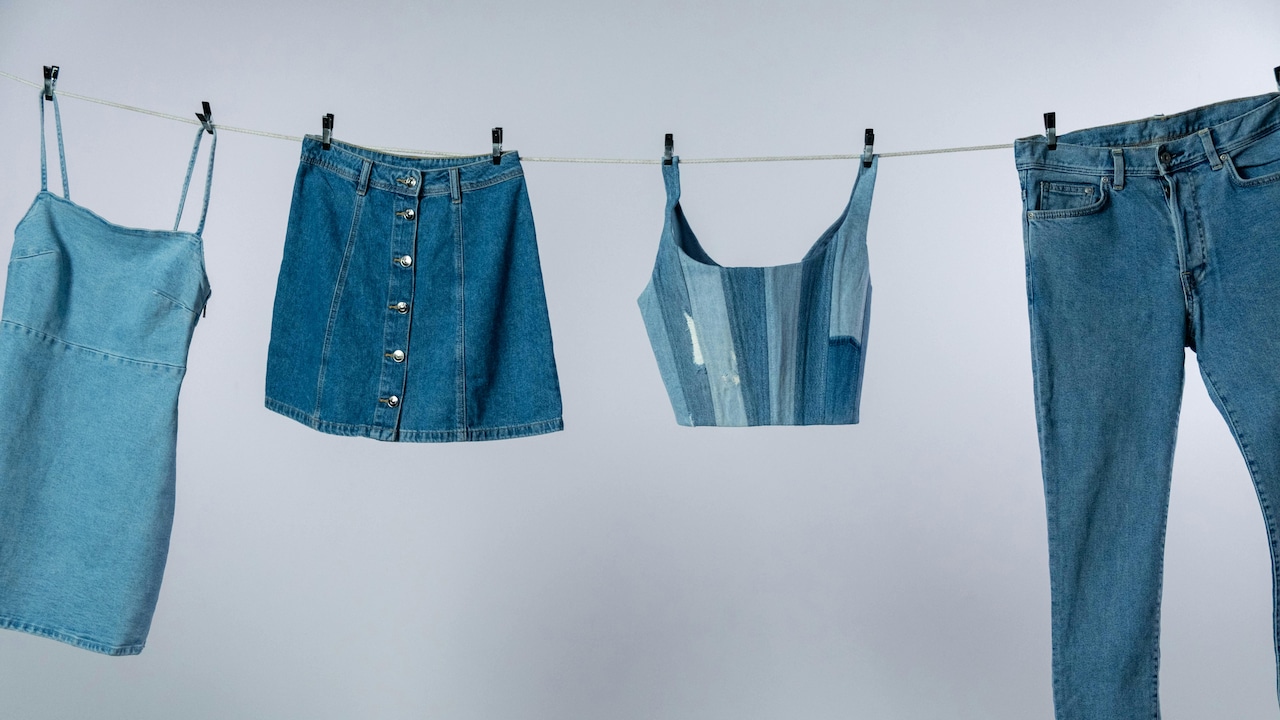
Stiff vs Comfortable Denim Skirts: How Fabric Weaves Make the Difference
Photo Credit: Pexels
9. The Break-In Myth Needs Retiring
Many accept discomfort with the hope that denim will soften over time. This belief leads to hours of unnecessary struggle. While denim does relax slightly, poorly woven fabric rarely transforms completely.
Smarter weaves feel comfortable from the start. They may soften further, but they never demand endurance. The break-in myth suits heritage jeans, not modern skirts meant for daily wear.
Life moves fast. No one has months to wait for a skirt to behave. Comfort should arrive immediately, not as a future promise.
Choosing denim that feels good in the first hour saves frustration. It respects time and energy.
A skirt should support the day, not challenge it.
10. Price Tags Lie, Fabric Labels Speak
Many assume higher prices guarantee comfort. That assumption often disappoints. Marketing spends inflate prices without improving fabric quality.
Fabric labels reveal more truth. Look for fibre blends, weave descriptions, and weight. Words like “softened,” “enzyme-washed,” or “broken twill” hint at comfort.
Smarter shopping focuses on touch and movement, not brand names. A skirt that bends easily and feels smooth often stays comfortable longer.
Spending ₹1,700 wisely beats spending ₹3,000 blindly. Comfort rewards curiosity, not impulse.
Understanding denim empowers better choices. The body notices the difference even if the mirror does not.
Products Related To This Article
1. KOTTY Basics Straight Denim Midi Skirt
2. Globus Mid Rise Panelled A-Line Midi Denim Skirt
3. Glitchez Back Slit Denim Midi Straight Skirt
4. plusS Women Denim Midi Skirt
5. StyleCast x Revolte Casual Midi Denim Skirt
Denim skirts hold timeless appeal, yet comfort varies wildly. Rigid pieces cling to outdated ideas of strength and structure. Smarter weaves embrace flexibility, climate awareness, and thoughtful construction. They respect movement and daily realities.
Comfort does not demand sacrificing style. It requires attention to yarns, weaves, finishes, and design details. These elements work quietly, shaping how a skirt feels long after the initial glance.
Choosing better denim turns everyday wear into a pleasant experience. The right skirt fades into the background and lets the day unfold naturally. That ease defines true style.
(Disclaimer: This article may include references to or features of products and services made available through affiliate marketing campaigns. NDTV Convergence Limited (“NDTV”) strives to maintain editorial independence while participating in such campaigns. NDTV does not assume responsibility for the performance or claims of any featured products or services.)