Why Do Artificial Earrings Turn Skin Green? Metal Composition Simplified
Artificial earrings can leave green marks due to copper reacting with sweat and air. This simple chemical reaction explains the stain and how small habits can help prevent it.
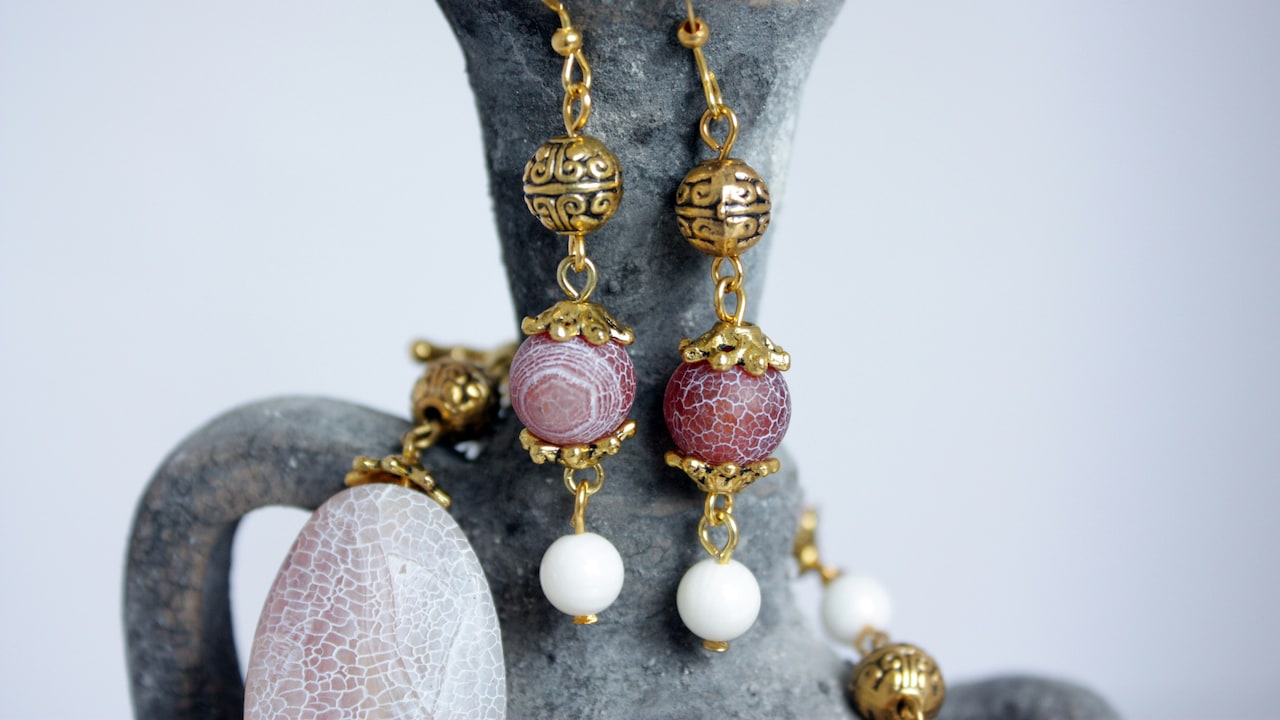
Why Cheap Earrings Leave Green Marks On Skin And How To Prevent It
A pair of glittering earrings often feels like the finishing touch that pulls an entire outfit together. Whether picked up from a roadside stall for ₹150 or ordered online during a festive sale, artificial jewellery offers endless variety without stretching the wallet. Yet, many have faced that awkward moment, removing earrings after a long day, only to find a faint green mark hugging the earlobe.
It may spark worry. Is the jewellery of poor quality? Is the skin reacting badly? Or is something else at play? The answer lies not in a single cause but in a mix of metal composition, environmental factors, and the body's natural chemistry.
This phenomenon is far more common than most admit. It quietly affects students, office-goers, and jewellery accessory wedding guests alike. Understanding why it happens can turn frustration into awareness, and maybe even a chuckle the next time it appears.
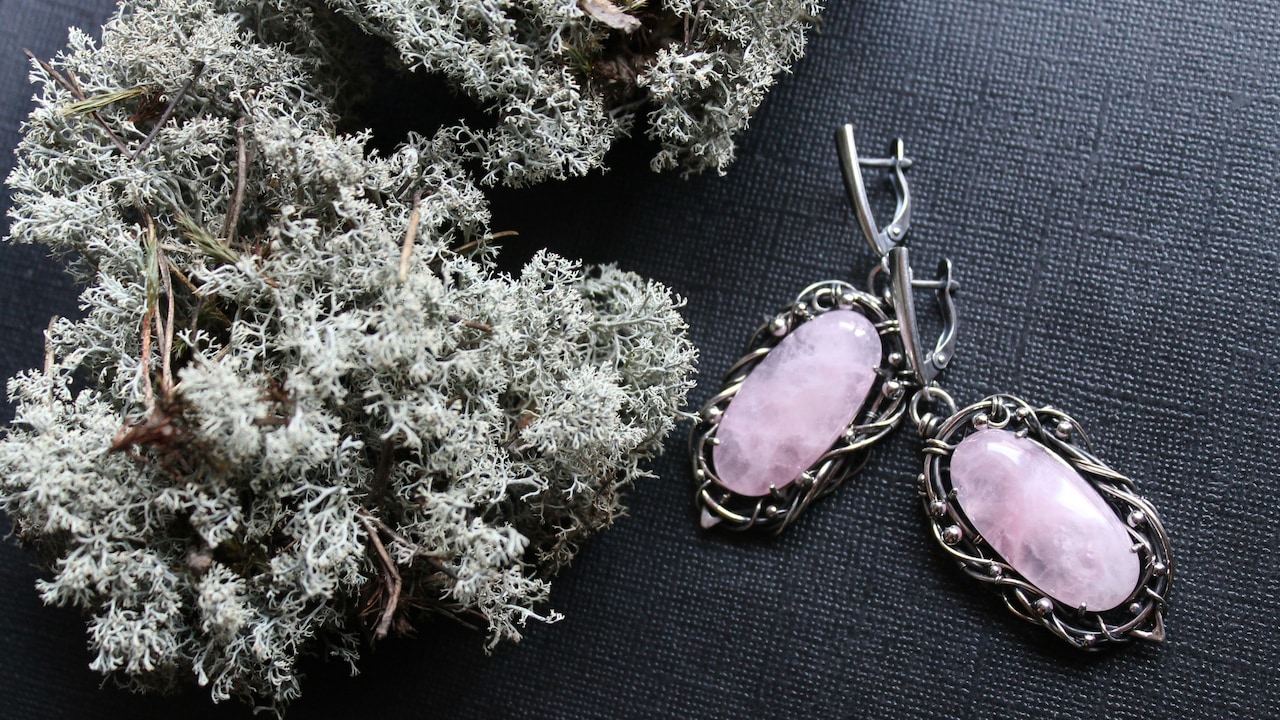
Why Cheap Earrings Leave Green Marks On Skin And How To Prevent It; Photo Credit: Pexels
Understanding The Science Behind Green Stains In Artificial Earrings
The Role Of Copper In Artificial Jewellery
Copper often sits at the heart of this mystery. Many artificial earrings contain copper because it is affordable, easy to shape, and gives a warm tone that resembles gold. However, copper comes with a small catch. When it interacts with moisture, air, and natural oils on the skin, it begins to oxidise.
This oxidation forms copper salts, which have a greenish colour. The same process gives old statues and coins their distinct green patina. When earrings rest against the skin, especially for hours, this reaction speeds up. The result transfers onto the skin, leaving behind that unmistakable green mark.
This does not mean the jewellery is unsafe. It simply reflects the nature of the material. Copper behaves predictably, and in many cases, the reaction depends more on external conditions than on the price tag of the earrings.
Sweat And Skin Chemistry: The Invisible Trigger
The human body plays a surprising role in this story. Sweat contains salts, acids, and minerals that vary from person to person. On a humid day or during a long commute, sweat builds up around the ears, creating the perfect environment for metal reactions.
Some people naturally have more acidic skin. When copper or similar metals meet this acidity, the chemical reaction intensifies. That explains why one person might wear the same pair daily without any issue, while another notices green stains within hours.
It becomes even more noticeable during festivals or weddings, where long hours, crowded spaces, and warm lighting increase sweating. The jewellery remains the same, yet the outcome changes because the body environment shifts.
Also Read: Top 5 Statement Earrings with Oversized Hoops for Bold Style Under ₹300
Alloy Mixtures: Not All Metals Are Pure
Artificial earrings rarely use pure metals. Instead, they rely on alloys, a mixture of metals combined to enhance strength, durability, or appearance. Copper often mixes with zinc, nickel, or tin to create these alloys.
Each additional metal brings its own properties. Some reduce the chance of tarnish, while others improve shine. However, these combinations can still react with moisture and skin oils. The green tint usually stems from copper within the alloy, even if it is not the dominant component.
Manufacturers balance cost and appearance carefully. A ₹200 pair may contain a different alloy ratio compared to a ₹800 one, but both can still produce a green mark under certain conditions. The difference lies in how quickly and intensely the reaction occurs.
Plating: The Thin Protective Illusion
Many artificial earrings feature gold or silver plating. This thin outer layer creates the illusion of precious metal without the high cost. At first glance, it appears flawless and resistant to reactions.
Over time, however, this plating wears off. Friction from hair, exposure to sweat, and repeated use gradually strip away the coating. Once the inner metal, often copper-based, gets exposed, the chances of green staining increase.
This explains why a new pair behaves perfectly for weeks but suddenly starts leaving marks later. The protective layer quietly fades, revealing the reactive metal beneath. It feels unexpected, yet it is simply the natural lifecycle of plated jewellery.
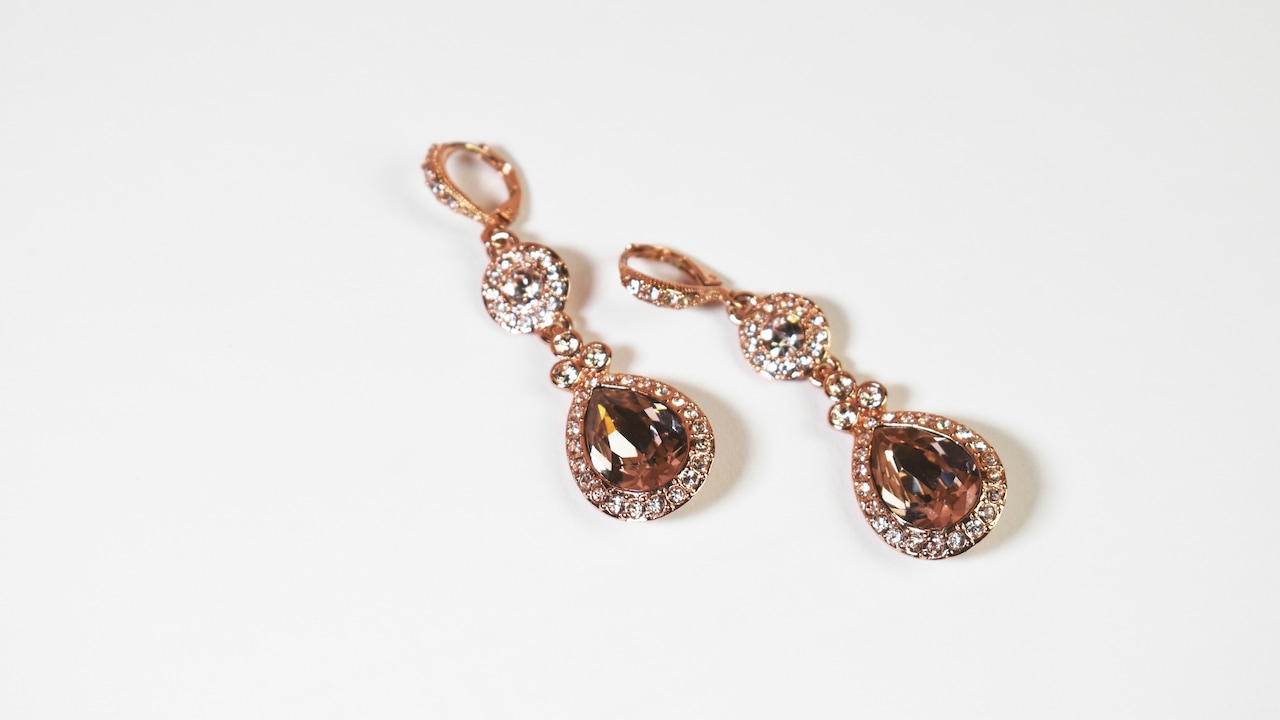
Why Cheap Earrings Leave Green Marks On Skin And How To Prevent It; Photo Credit: Pexels
Humidity And Weather Conditions Matter
Climate plays a silent but powerful role. In regions with high humidity, moisture lingers on the skin for longer periods. This constant dampness accelerates metal reactions.
During monsoon months, for example, earrings may tarnish faster and leave marks more easily. Even a short walk outdoors can create enough moisture for oxidation to begin. On the other hand, in drier conditions, the same earrings might not cause any noticeable reaction.
This connection between weather and jewellery often goes unnoticed. It feels like the earrings suddenly changed, when in reality, the environment shifted.
Cosmetics And Perfumes: Unexpected Contributors
Every day, beauty products can influence how earrings behave. Perfumes, lotions, and hair sprays contain chemicals that react with metals. When these substances come into contact with earrings, they can speed up tarnishing.
A small spritz of perfume near the neck or ears may seem harmless, yet it introduces alcohol and other compounds that interact with the metal surface. Similarly, moisturisers can create a thin layer that traps moisture, encouraging oxidation.
This does not mean abandoning these products. It simply highlights how small habits, like wearing earrings after applying perfume, can make a noticeable difference.
Sensitivity Versus Discolouration: Knowing The Difference
A green mark often gets mistaken for an allergic reaction. While both involve the skin, they are entirely different experiences. Discolouration from metal reactions does not usually cause pain, itching, or swelling.
Allergic reactions, on the other hand, may feel uncomfortable and may include redness or irritation. Metals like nickel often trigger such sensitivities. The green tint caused by copper is more of a surface stain than a skin issue.
Understanding this difference helps avoid unnecessary worry. A quick wash usually removes the green mark, confirming that it is a harmless reaction rather than a medical concern.
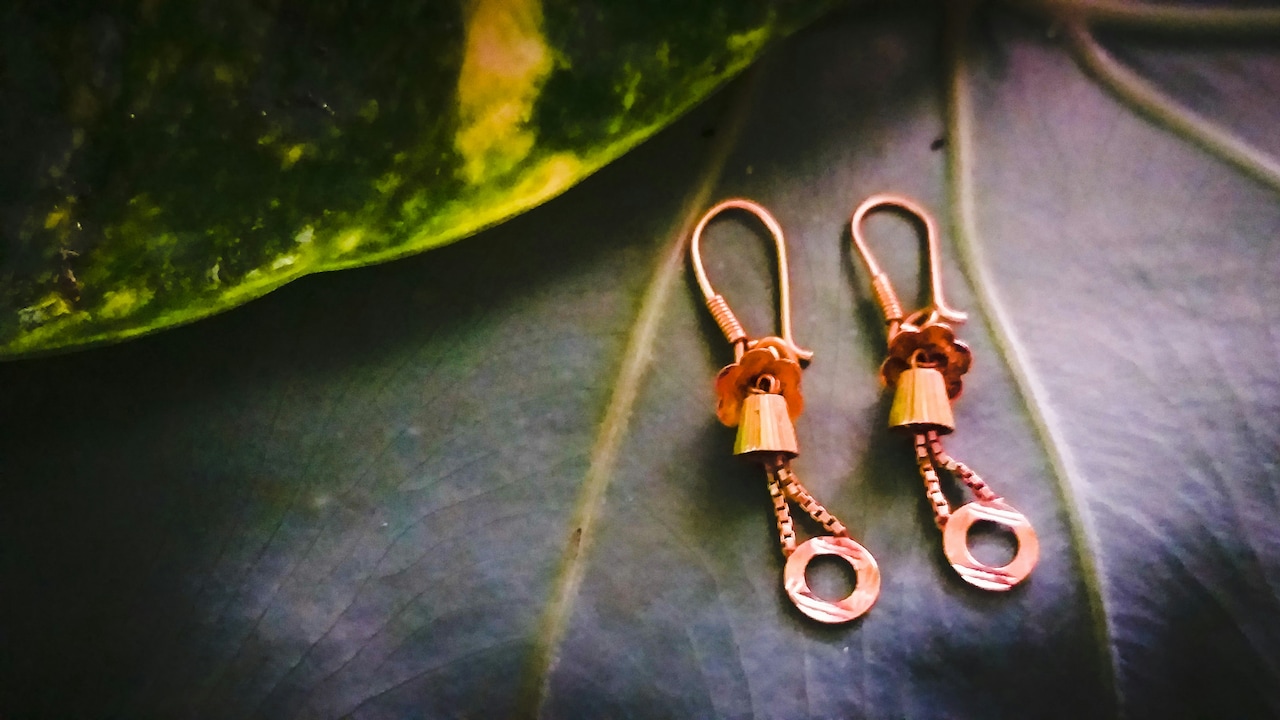
Why Cheap Earrings Leave Green Marks On Skin And How To Prevent It; Photo Credit: Pexels
The Price Myth: Expensive Does Not Always Mean Safe
It is easy to assume that higher-priced artificial earrings will not cause staining. While better-quality materials and thicker plating can reduce the chances, they do not eliminate the possibility entirely.
Even mid-range jewellery priced around ₹700 to ₹1,200 may contain alloys that react under certain conditions. The difference lies in durability and how long the protective layer lasts.
This realisation shifts expectations. Instead of chasing a price point, it becomes more useful to understand material composition and care habits.
Simple Habits That Reduce Green Stains
Small changes in routine can make a noticeable difference. Wearing earrings after applying perfumes or lotions reduces direct chemical exposure. Keeping them dry and storing them in a clean box helps maintain their surface.
Wiping earrings gently after use removes sweat and oils, slowing down oxidation. Rotating between pairs also prevents prolonged exposure of one piece to moisture.
These habits require little effort yet extend the life of jewellery significantly. They turn a frustrating experience into a manageable one.
Embracing Artificial Jewellery With Awareness
Artificial earrings offer style, variety, and affordability that make them hard to resist. From college outings to festive celebrations, they remain a staple accessory.
Understanding why they sometimes leave green marks changes the narrative. Instead of seeing it as a flaw, it becomes a simple chemical reaction influenced by everyday factors.
This awareness allows smarter choices, selecting pieces with better plating, maintaining them well, and wearing them with confidence. After all, a tiny green mark should not overshadow the joy of wearing something that completes an outfit beautifully.
Products Related To This Article
1. MANGO Contemporary Half Hoop Earrings
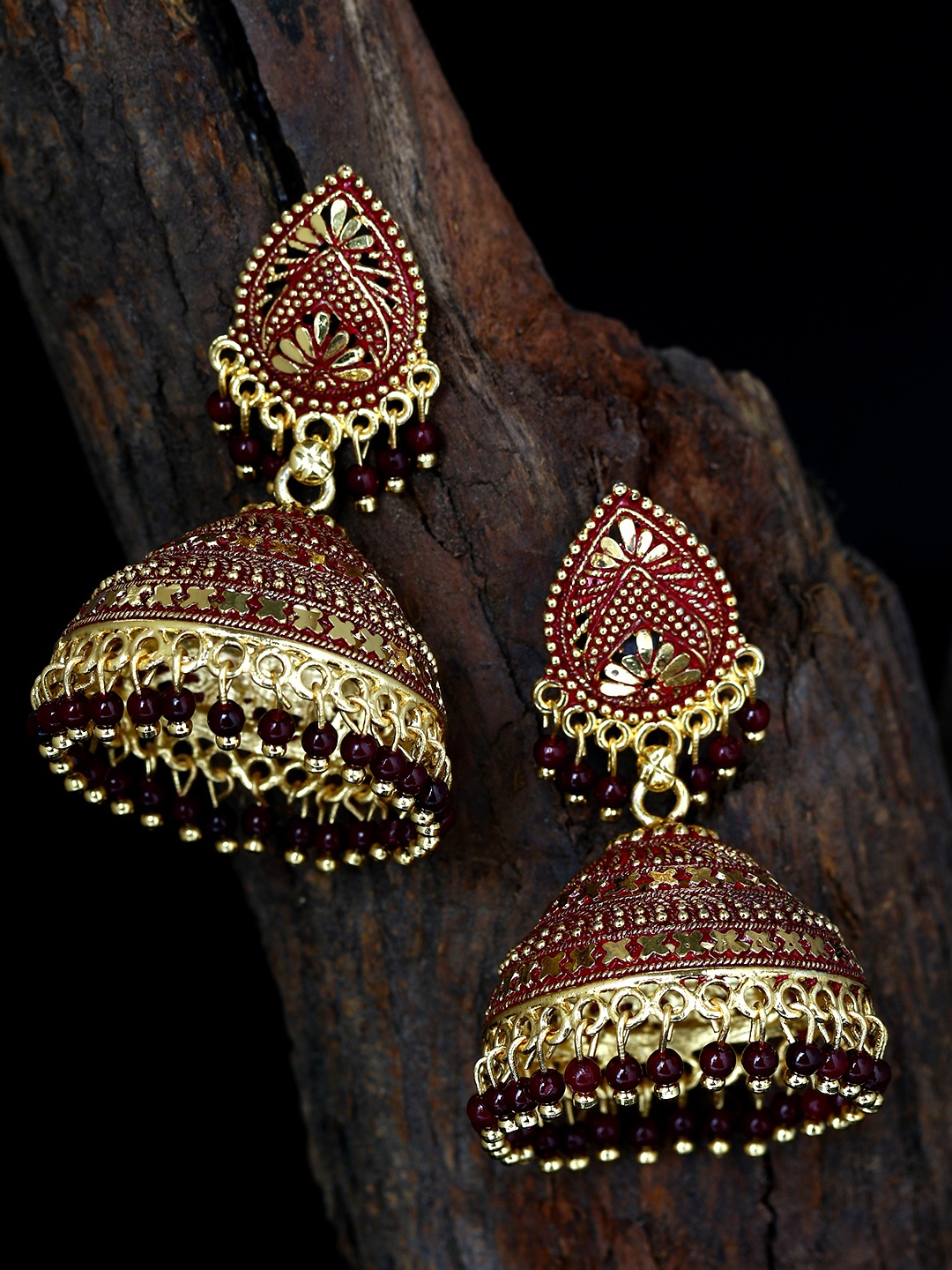
2. Shining Diva White Contemporary Jhumkas Earrings
3. Carlton London Women Gold-Plated Hoop Earrings
4. Bohey by KARATCART Gold-Plated Crystals Studded Circular Shaped Studs
5. Jwella Gold-Plated Artificial Beaded Hoop Earrings
The green tint left by artificial earrings may feel puzzling at first, but its explanation is refreshingly simple. It stems from copper and other metals reacting with moisture, air, and the natural chemistry of the skin. Factors such as sweat, humidity, cosmetics, and worn-out plating quietly influence the outcome.
Rather than viewing it as a sign of poor quality or a problem with the skin, it helps to see it as a predictable and harmless reaction. With a few mindful habits and a basic understanding of materials, this minor inconvenience becomes easy to manage.
Artificial jewellery continues to hold its charm, affordable, versatile, and expressive. And once the science behind that green mark becomes clear, it loses its mystery and becomes just another small story behind everyday style.
(Disclaimer: This article may include references to or features of products and services made available through affiliate marketing campaigns. NDTV Convergence Limited (“NDTV”) strives to maintain editorial independence while participating in such campaigns. NDTV does not assume responsibility for the performance or claims of any featured products or services.)