Why Do Flats Bite Only At The Back? Heel-Cushioned Ballet Flats That Fix This
Ballet flats often cause painful heel bites due to friction and poor design. Discover why it happens and how heel-cushioned flats offer a stylish, comfortable fix for everyday wear.
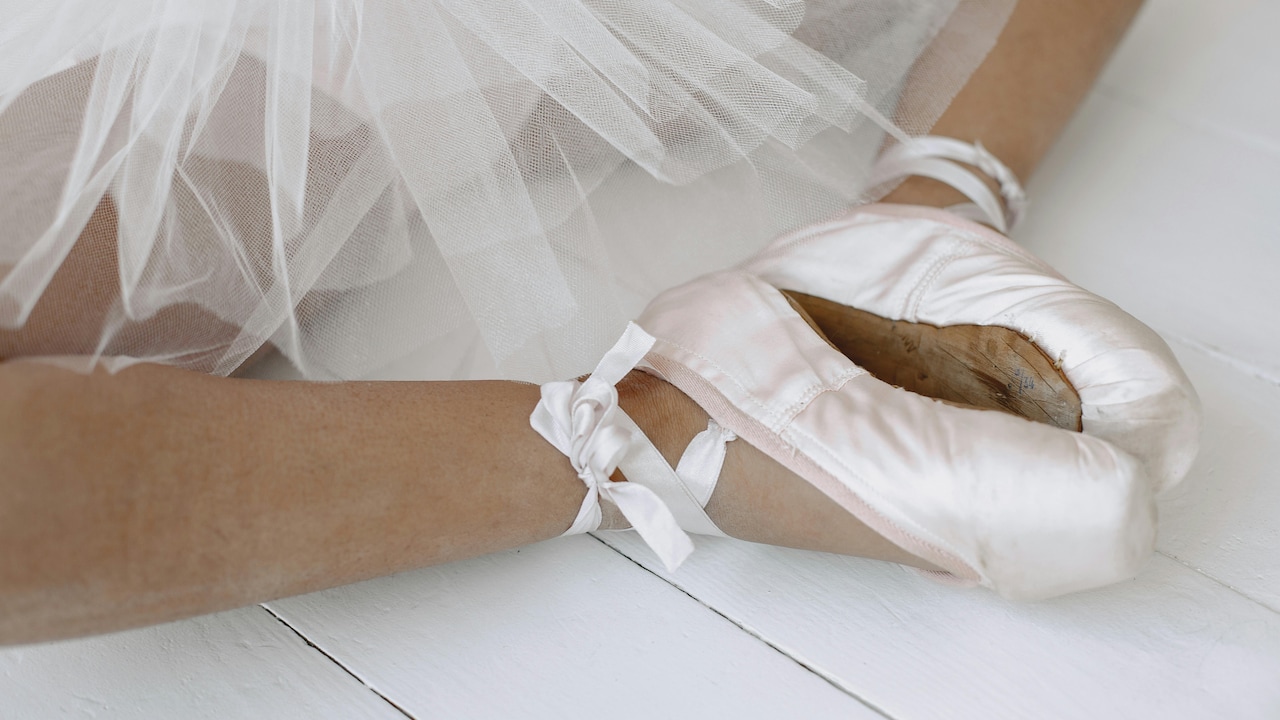
Why Do Flats Bite At The Back? How Heel-Cushioned Ballet Flats Fix This
Every wardrobe holds at least one pair of ballet flats that looked perfect in the store but turned into a quiet source of irritation later. The design feels timeless, the colour works with everything, and the price, perhaps around ₹1,500 or ₹2,500, seemed reasonable. Yet, after a short walk, a sharp sting appears right at the back of the heel. By the end of the day, that small annoyance turns into a blister that makes even stepping out for chai feel like a chore.
This peculiar problem raises an obvious question: why does the discomfort almost always occur at the back? The rest of the shoe feels fine, sometimes even snug and supportive. Still, that one spot refuses to cooperate.
The answer lies in a mix of shoe design, foot anatomy, and everyday habits. More importantly, a newer generation of heel-cushioned ballet flats offers a thoughtful fix. These flats do more than look pretty; they understand how feet actually move through a busy day.
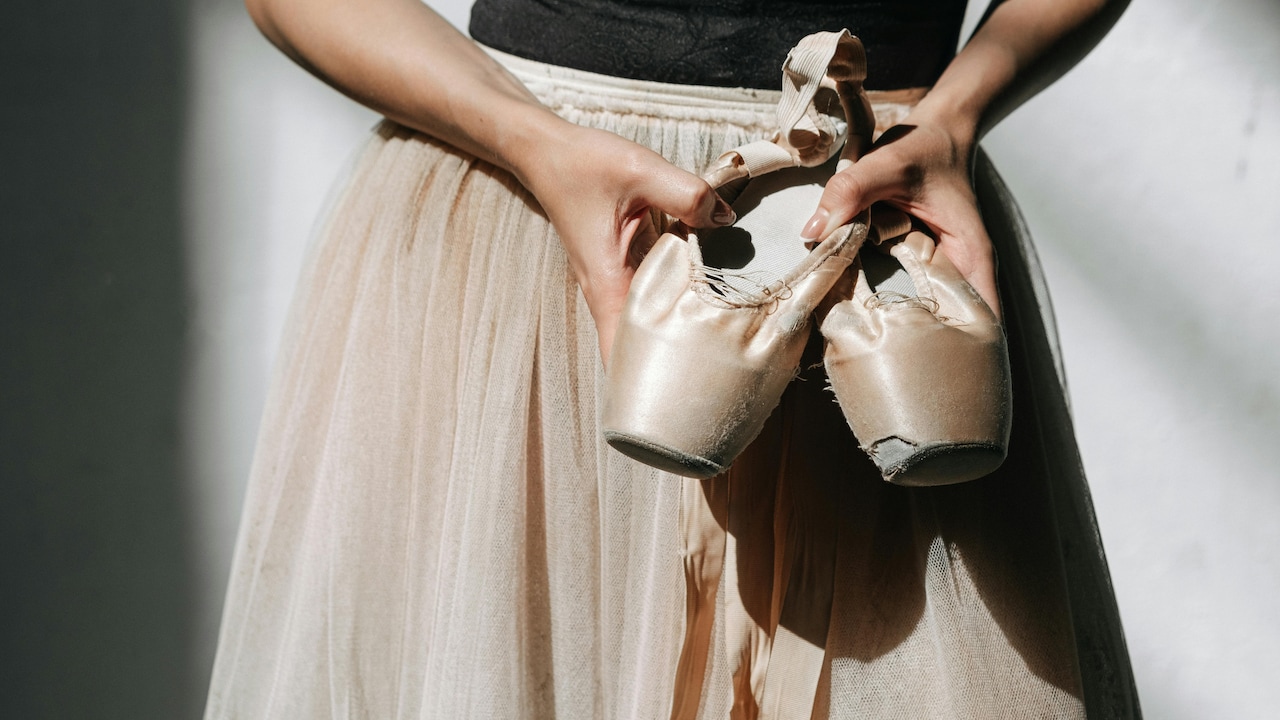
Why Do Ballet Flats Bite At The Back? Causes And Comfortable Heel-Cushioned Solutions
Photo Credit: Pexels
Understanding Why Ballet Flats Bite And How Cushioning Changes Everything
The Anatomy Of The Heel And Why It Takes The Hit
The human heel carries the body's weight with quiet resilience. Unlike the front of the foot, which flexes and adapts, the heel remains relatively firm and structured. This makes it vulnerable to repeated friction, especially when enclosed within stiff materials.
Ballet flats often feature a shallow back that presses directly against the Achilles area. With each step, the heel lifts slightly and then settles back into place. That constant up-and-down motion creates a rubbing effect. Over time, the skin reacts by forming blisters.
Heat and humidity only worsen the situation. During long commutes or crowded metro rides, moisture builds up inside the shoe. Damp skin becomes softer and more prone to damage, making even a well-fitted flat feel unforgiving.
Heel-cushioned designs address this issue by adding a soft buffer between the foot and the shoe. This cushioning absorbs movement and reduces direct contact. Instead of friction, the heel experiences gentle support, which makes a noticeable difference even after hours on the move.
The Role Of Shoe Material In Heel Biting
Material plays a silent yet powerful role in how a shoe behaves. Many ballet flats use synthetic leather or stiff fabrics that hold their shape but lack flexibility. While this structure helps maintain a sleek look, it often fails to adapt to the natural curves of the foot.
When a rigid back presses against the heel, it creates pressure points. These spots become hotspots for irritation, especially during the initial break-in period. Even premium-looking flats can fall into this trap, where style takes priority over comfort.
Natural materials such as soft leather or breathable knit fabrics offer better adaptability. They mould to the foot over time, reducing harsh edges that cause biting. However, not all flats use these materials due to cost considerations.
Heel-cushioned ballet flats combine thoughtful material choice with added padding. The cushioning acts as a mediator, softening the interaction between the shoe and the skin. This means even slightly stiff materials feel more forgiving, allowing wearers to enjoy both durability and comfort without compromise.
Why New Flats Hurt More Than Old Ones
There is a familiar pattern with new footwear. The excitement of wearing a fresh pair quickly fades when discomfort sets in. This is especially true for ballet flats, where the back edge often feels sharper and less forgiving straight out of the box.
New shoes have not yet adapted to the shape of the foot. Their edges remain firm, and the internal structure resists movement. As a result, the heel experiences more friction during the initial wears.
Older flats, on the other hand, tend to feel more comfortable because they have softened over time. The material relaxes, and the shoe begins to follow the natural contours of the foot. However, reaching that stage often involves enduring several painful outings.
Heel-cushioned ballet flats shorten this uncomfortable transition. The cushioning provides immediate relief, reducing the need for a prolonged break-in period. Instead of waiting weeks for comfort, wearers can step out confidently from day one, whether heading to work or catching up with friends.
The Hidden Impact Of Poor Fit
Fit often receives less attention than style, yet it remains the most critical factor in footwear comfort. Ballet flats that are slightly loose allow the heel to slip with every step. This repeated movement increases friction and leads to irritation.
Conversely, flats that are too tight press the heel firmly against the back, creating constant pressure. Both scenarios result in discomfort, even if the shoe looks perfect externally.
Sizing inconsistencies across brands make the problem more complicated. A size that fits well in one pair may feel entirely different in another. This unpredictability leads many to compromise, choosing a pair that feels “close enough.”
Heel-cushioned ballet flats offer a margin of error. The added padding accommodates minor fit variations, reducing the risk of biting. While proper sizing remains essential, the cushioning acts as a safety net, ensuring comfort even when the fit is not flawless.
Also Read: Char Dham Yatra: Best Trekking Shoes For Kedarnath 2026
The Influence Of Daily Movement Patterns
A typical day involves far more walking than expected. From rushing to catch a train to navigating busy markets, the feet rarely get a break. Each step places stress on the heel, especially when wearing flats with minimal support.
Unlike sports shoes, ballet flats lack structured cushioning in many designs. This means the heel absorbs impact directly, increasing fatigue and discomfort over time. The constant movement amplifies any existing friction, turning a minor issue into a persistent problem.
Heel-cushioned ballet flats recognise this reality. By adding targeted support at the back, they reduce the strain caused by repetitive motion. The cushioning not only prevents biting but also enhances overall comfort, making long days feel less taxing.
This small design change transforms flats from occasional wear into reliable everyday companions.
Weather And Its Unexpected Role
Warm weather introduces challenges that often go unnoticed. Sweat accumulates inside closed shoes, creating a moist environment that softens the skin. While this may seem harmless, it actually increases susceptibility to friction-related injuries.
During humid days, even a well-designed flat can feel uncomfortable. The combination of heat and movement accelerates the formation of blisters, particularly at the heel.
Monsoon conditions add another layer of complexity. Damp shoes take longer to dry, and prolonged exposure to moisture weakens both the material and the skin.
Heel-cushioned ballet flats provide an added layer of protection. The cushioning helps absorb moisture and reduces direct contact, minimising irritation. When paired with breathable materials, these flats offer a practical solution for unpredictable weather, ensuring comfort throughout the year.
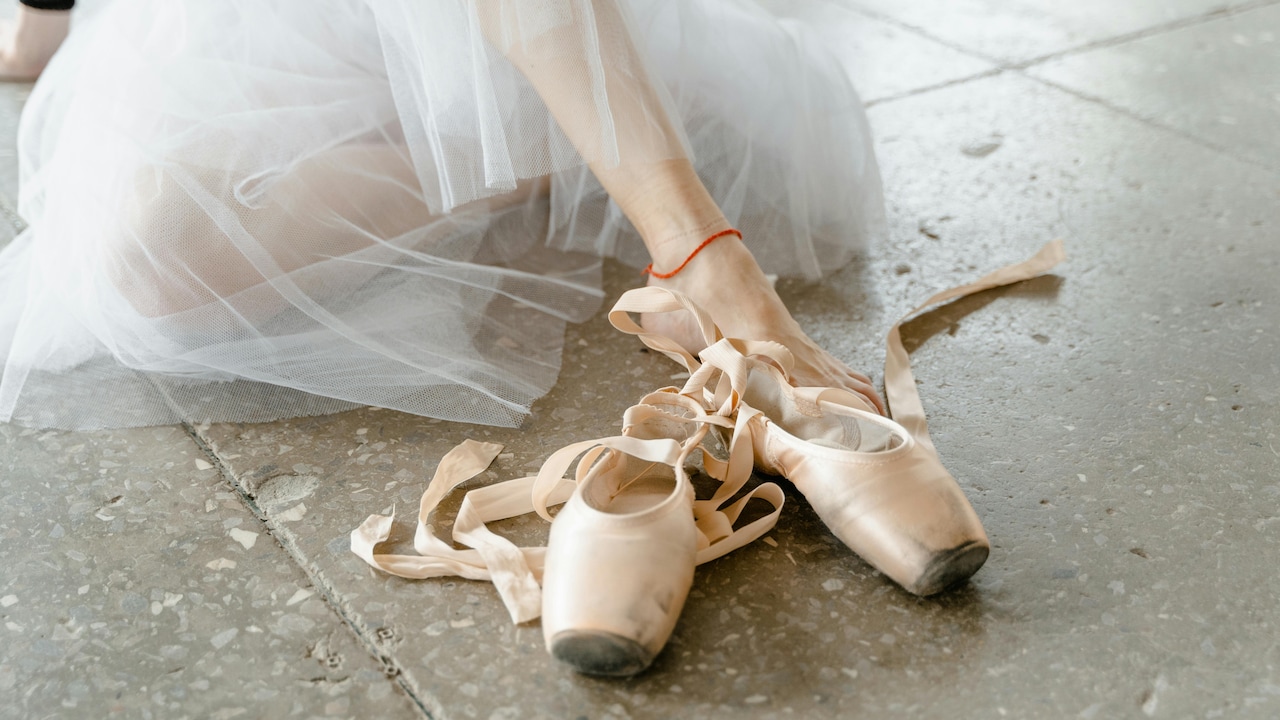
Why Do Ballet Flats Bite At The Back? Causes And Comfortable Heel-Cushioned Solutions
Photo Credit: Pexels
The Psychological Factor Of Painful Footwear
Footwear discomfort affects more than just physical well-being. A biting shoe can alter mood, reduce confidence, and make even enjoyable outings feel exhausting. The constant awareness of pain distracts from conversations, work, and daily tasks.
There is also a tendency to associate certain pairs with negative experiences. A once-loved pair of flats may end up forgotten at the back of the wardrobe, simply because of one painful day.
Comfortable footwear, on the other hand, creates a sense of ease. It allows focus to shift from discomfort to the moment at hand, whether that involves a busy workday or a relaxed evening out.
Heel-cushioned ballet flats contribute to this sense of ease. By eliminating the primary source of irritation, they restore confidence in everyday choices. Wearing flats becomes a pleasure rather than a compromise.
Style Versus Comfort: The Long-Standing Debate
Fashion often presents a choice between looking good and feeling comfortable. Ballet flats sit at the centre of this debate. Their minimalist design appeals to many, yet their lack of support raises concerns.
Traditionally, adding cushioning meant sacrificing aesthetics. Bulky padding disrupted the sleek silhouette, making the shoe appear less elegant. This led many to accept discomfort as part of the style equation.
Modern designs challenge this notion. Heel-cushioned ballet flats integrate support without altering the overall look. The cushioning remains discreet, preserving the classic shape while enhancing functionality.
This evolution reflects a broader shift in consumer expectations. Comfort no longer takes a back seat to style. Instead, both elements coexist, allowing wearers to enjoy the best of both worlds without compromise.
Practical Solutions Before Upgrading
Not everyone replaces footwear immediately. Sometimes, a quick fix can make a noticeable difference. Using adhesive heel pads, wearing thin socks, or applying petroleum jelly can reduce friction temporarily.
However, these solutions often feel like short-term patches rather than permanent fixes. Heel pads may shift, socks may not suit every outfit, and creams require frequent reapplication.
These methods highlight the underlying issue rather than solving it. The design of the shoe remains unchanged, meaning the problem may return.
Heel-cushioned ballet flats address the root cause. Instead of relying on external fixes, they incorporate comfort directly into the design. This eliminates the need for constant adjustments, offering a more reliable and long-lasting solution.
Investing In The Right Pair
Choosing the right pair of flats involves more than picking a colour or pattern. It requires attention to construction, material, and support. While budget-friendly options around ₹1,000 may seem appealing, they often compromise on comfort.
Spending slightly more, perhaps ₹2,000 to ₹3,500, can make a significant difference. Higher-quality flats tend to use better materials and incorporate thoughtful design elements, including heel cushioning.
This investment pays off over time. Comfortable flats reduce the need for replacements and prevent the discomfort associated with poorly designed footwear.
Heel-cushioned ballet flats stand out as a practical choice. They combine durability, style, and comfort, making them suitable for daily wear. Rather than treating footwear as a disposable item, this approach encourages mindful selection and long-term satisfaction.

Why Do Ballet Flats Bite At The Back? Causes And Comfortable Heel-Cushioned Solutions
Photo Credit: Pexels
Products Related To This Article
1. Sherrif Shoes Women Embellished Mules Ballerinas
2. Inc 5 Women Round Toe Leather Ballerinas
3. Crocs Brooklyn Flat Women
4. Rocia Women Ballerinas
5. Mochi Women Textured Ballerinas
The mystery of why flats bite at the back finds its answer in a blend of anatomy, material, and movement. The heel, with its constant motion and sensitivity, becomes the perfect target for friction. Traditional ballet flats, despite their charm, often overlook this detail.
Heel-cushioned ballet flats offer a simple yet effective solution. By adding a layer of support where it matters most, they transform an everyday essential into a truly comfortable option. No elaborate fixes, no compromises, just thoughtful design that respects how feet move through a busy day.
In a world where every step counts, comfort deserves as much attention as style. A well-chosen pair of flats does more than complete an outfit; it supports every journey, from morning commutes to evening strolls. And that, perhaps, makes all the difference.
(Disclaimer: This article may include references to or features of products and services made available through affiliate marketing campaigns. NDTV Convergence Limited (“NDTV”) strives to maintain editorial independence while participating in such campaigns. NDTV does not assume responsibility for the performance or claims of any featured products or services.)