Why Do Some Boots Slouch After A Few Uses? Structure And Shaft Quality
Boots slouching too soon? It often comes down to weak shaft structure, poor materials, or improper care. Understanding these factors helps maintain shape and extend the life of your favourite pair.
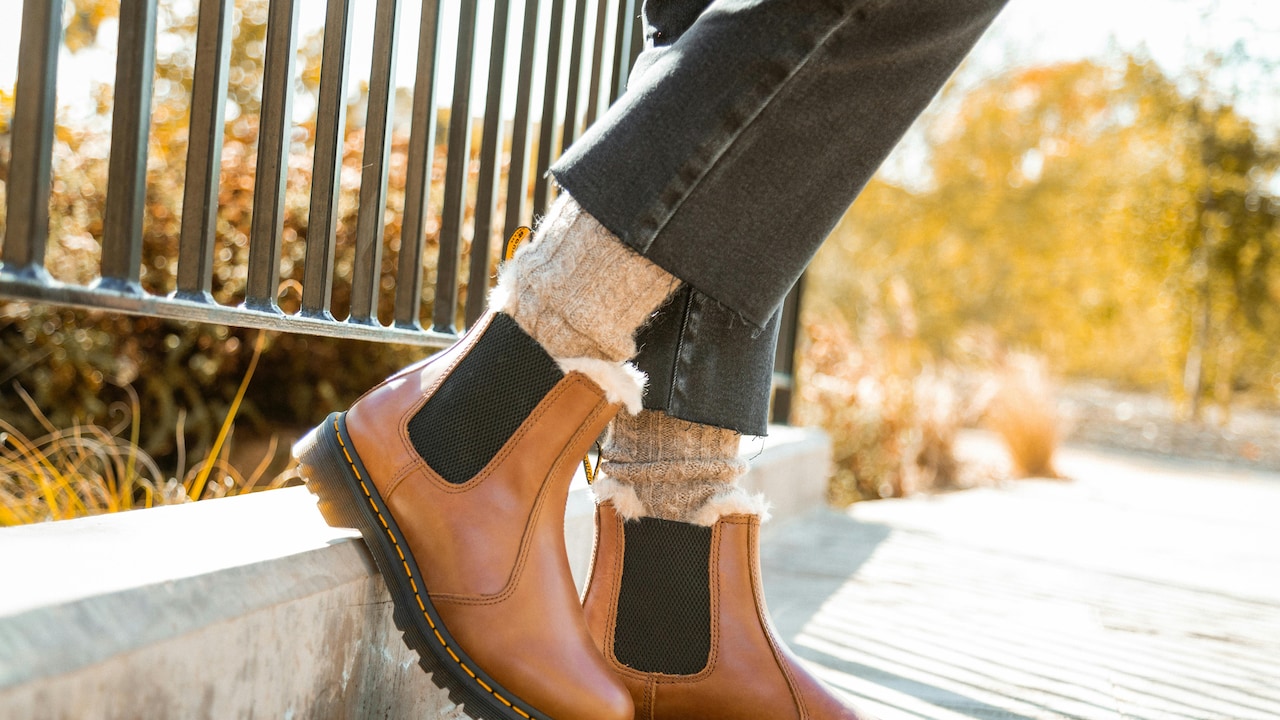
Discover the popular culprits that make your boots slouch after a few uses
There is a quiet thrill in buying a new pair of boots. The leather feels firm, the shaft stands tall, and every step carries a certain confidence. For a while, everything works as promised. Then, somewhere between the morning commute and a weekend outing, something shifts. The once-proud shaft begins to fold, crease, and eventually slouch.
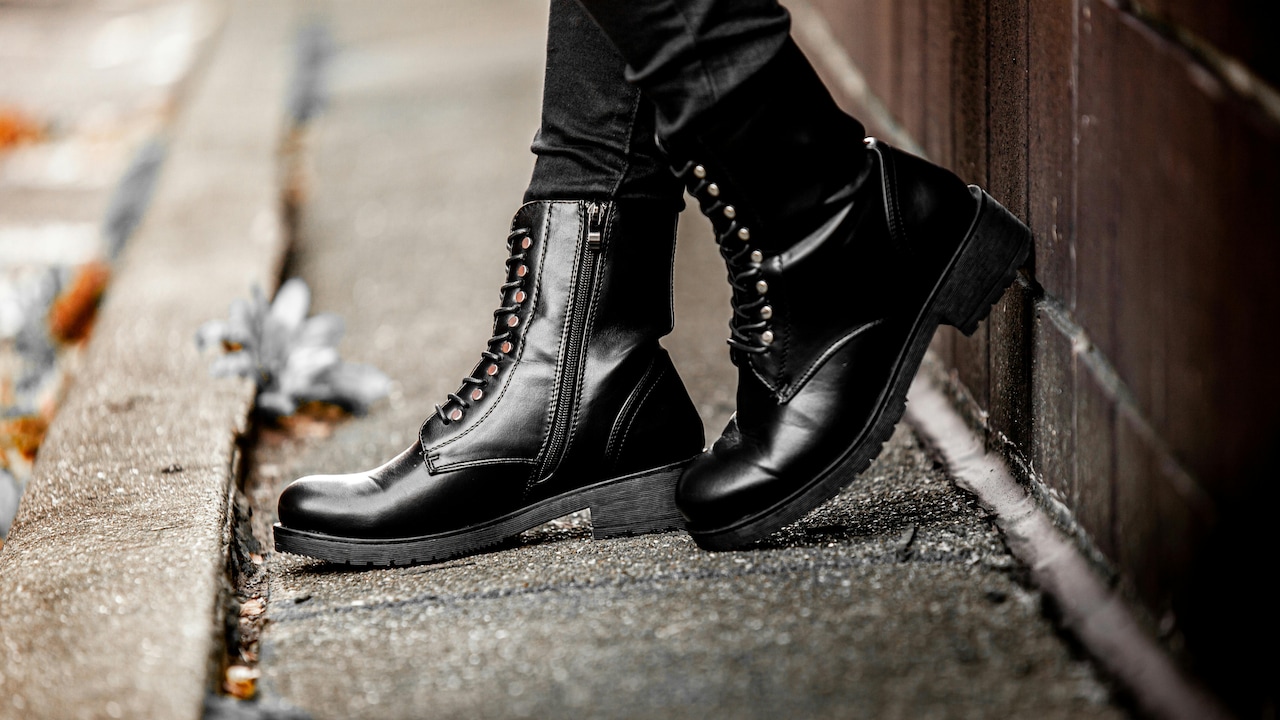
Common reasons why your boots slouch after a few uses; Photo Credit: Pexels
It often sparks confusion. Was the quality poor? Was the price tag misleading? Or is this simply what boots do over time?
The truth sits somewhere in between. Boots do not just “decide” to slouch. Their structure, material, design, and even the way they are worn all play a role. Some boots age gracefully, developing character with soft creases. Others lose shape quickly, collapsing into a tired silhouette that no longer matches the original appeal.
Understanding why this happens is not just for fashion enthusiasts. It helps make smarter choices, protect investments, and extend the life of footwear that often costs anywhere between ₹3,000 and ₹15,000 or more.
Let's walk through the subtle factors that influence whether boots stand tall or surrender early.
Also Read: Best Leather Boots For Women With Side Zipper For Stylish Winter Comfort Under ₹2,000
Understanding The Key Factors Behind Boot Slouching
The Role Of Shaft Structure
The shaft is the upper part of a boot that wraps around the calf or ankle. Its structure determines how well the boot holds its shape. A well-constructed shaft includes internal reinforcement, often hidden between layers of material. Without this, the shaft behaves like soft fabric, collapsing under its own weight.
Many boots prioritise aesthetics over structure. Sleek designs with thin layers may look elegant in a store, but they lack the backbone needed for daily wear. Over time, gravity and movement take control, causing the shaft to droop.
A sturdy shaft does not mean stiffness alone. It means balanced engineering. Think of it as the difference between a well-built tent and a loose sheet of cloth. One stands firm with support, while the other falls without it.
Boots designed with reinforced panels or structured linings tend to resist slouching longer. They hold their silhouette even after repeated use, offering both comfort and durability.
Material Matters More Than Expected
Material plays a silent yet powerful role in how boots age. Leather, suede, synthetic blends, and knit fabrics all behave differently. Full-grain leather, for instance, offers natural strength and resilience. It softens over time but retains enough structure to resist collapsing.
On the other hand, softer materials like faux leather or thin suede may feel comfortable from day one but lack long-term support. These materials often bend easily, and once creased, they struggle to regain shape.
Climate also influences material behaviour. Humid conditions can make leather more pliable, increasing the risk of slouching. Dust and moisture further weaken fibres, especially if boots are not cared for properly.
Choosing the right material is not just about looks. It is about understanding how that material will behave after weeks of use, exposure, and movement.
The Hidden Importance Of Lining
Boot lining rarely gets attention, yet it plays a crucial role in maintaining structure. A well-lined boot includes a firm inner layer that supports the outer material. This inner layer acts like scaffolding, preventing excessive folding.
Poorly lined boots, however, rely entirely on the outer material for support. Once that outer layer softens, there is nothing to hold the shape. The result is inevitable slouching.
Quality lining also improves comfort and durability. It reduces friction, absorbs moisture, and helps the boot retain its form even after long hours of wear.
It is easy to overlook lining when shopping. After all, it is not immediately visible. Yet, its absence becomes painfully obvious after a few uses.
Fit And Its Subtle Consequences
A boot that does not fit well often struggles to maintain its structure. If the shaft is too wide, it lacks support from the leg and begins to sag. If too tight, it experiences stress at specific points, leading to uneven creasing.
Proper fit ensures that the boot and the leg work together. The shaft stays upright because it rests against a stable surface. Without this balance, even well-made boots can lose shape.
Many people compromise on fit for style. A slightly loose shaft may feel more comfortable initially, especially during long days. However, this comfort often comes at the cost of structure.
A good fit is not just about foot size. It includes calf circumference, ankle shape, and overall proportions. Ignoring these details often leads to premature slouching.
Walking Patterns And Daily Wear
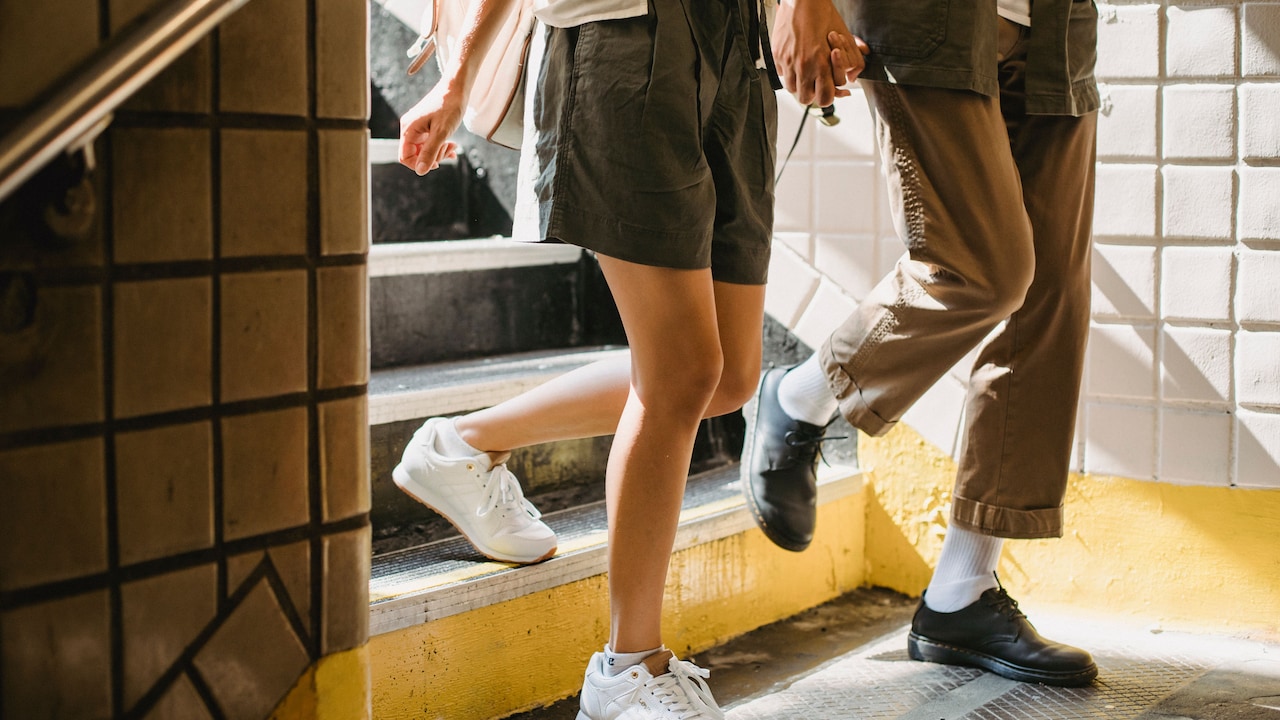
Every step leaves an imprint on footwear. Walking style, pace, and posture all influence how boots age. Heavy steps or uneven weight distribution can cause certain areas to crease more than others.
Daily routines also matter. Long commutes, standing for extended periods, and navigating uneven surfaces all contribute to wear and tear. Boots designed for occasional outings may not withstand daily stress.
Over time, repeated bending at the ankle weakens the shaft. Without adequate support, this bending leads to visible slouching.
It is not about changing the way one walks. It is about recognising how daily habits interact with footwear. Boots are not just fashion pieces; they are companions in movement.
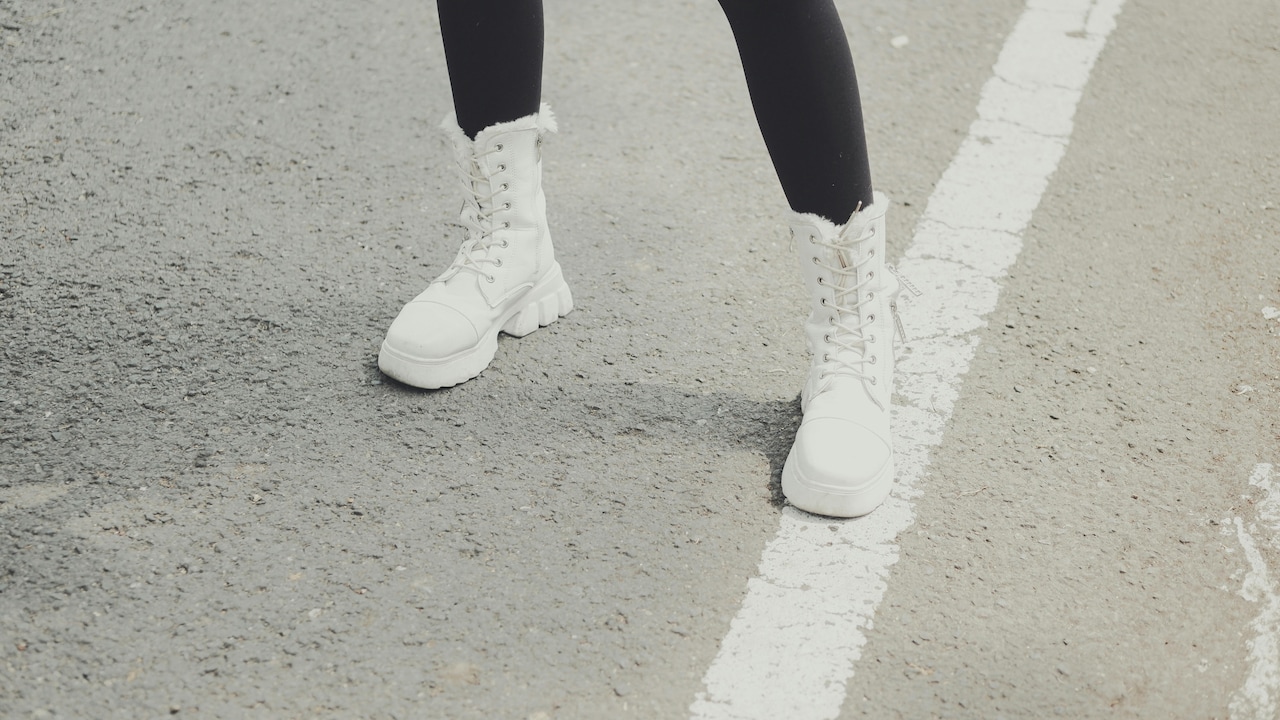
Walking pattern and daily usage can also affect the way your boots slouch; Photo Credit: Pexels
Storage Habits That Make Or Break Shape
The way boots are stored often determines how they look after weeks or months. Tossing them into a corner or stacking them under other items creates unnecessary pressure on the shaft.
Proper storage involves keeping boots upright, ideally with support inside the shaft. Boot shapers or even rolled newspapers can help maintain structure when not in use.
Humidity and dust also play a role. Storing boots in a damp environment weakens materials, making them more prone to slouching.
It may seem like a small detail, but storage habits quietly shape the lifespan of boots. A little care goes a long way in preserving their original form.
Price Does Not Always Guarantee Quality
A higher price tag often creates expectations of durability. However, expensive boots can still slouch if design prioritises style over structure. Branding and aesthetics sometimes overshadow functional details.
At the same time, reasonably priced boots with thoughtful construction can perform exceptionally well. The key lies in understanding what to look for rather than relying solely on cost.
Details such as stitching, lining, and material thickness often reveal more about quality than the price itself. A ₹10,000 pair may disappoint, while a ₹4,000 pair might exceed expectations.
Smart choices come from observation, not assumptions. Boots should be evaluated for how they are made, not just how they are marketed.
Seasonal Changes And Their Impact
Weather conditions subtly influence how boots behave. During cooler months, materials tend to stay firm, helping boots retain shape. In warmer or humid conditions, materials soften, increasing the risk of slouching.
Rain and moisture add another layer of complexity. Wet boots lose structure temporarily, and repeated exposure weakens them permanently.
Seasonal changes also affect how often boots are worn. Frequent use during certain months accelerates wear, especially if boots are not given time to rest and recover.
Understanding these patterns helps manage expectations. Boots are not immune to environmental changes, and adapting care routines accordingly can make a noticeable difference.
The Influence Of Design Trends
Fashion trends often favour relaxed, slouchy silhouettes. Designers sometimes create boots that are meant to appear soft and unstructured. While stylish, these designs naturally lose shape faster.
Structured boots, on the other hand, focus on longevity and form. They may appear slightly rigid at first, but age more gracefully.
Choosing between trend and structure depends on personal preference. However, it is important to recognise that some slouching is intentional, while other times it signals wear and tear.
Understanding this distinction prevents disappointment. Not all slouching is a flaw, but not all of it is desirable either.
Maintenance Practices That Extend Life
Regular care can significantly delay slouching. Cleaning boots removes dirt that weakens materials. Conditioning leather keeps it supple without making it overly soft.
Simple habits like rotating footwear also help. Wearing the same pair every day accelerates wear, while alternating allows materials to recover.
Using boot trees or inserts maintains shape during rest periods. These small efforts add up, preserving structure over time.
Maintenance is not about perfection. It is about consistency. A few minutes of care can save months of disappointment.
Products Related To This Article
1. Nautica Women Pointed Toe Block Heel Boots
2. Roadster Women Zippered Boots
3. Yoho Women Mid Top Embellished Pointed Toe Block Heel Chelsea Boots With Buckle Detail
4. Yoho Women Mid Top Pointed Toe Block Heel Chelsea Boots With Buckle Detail
5. El Paso Women Black Pro Guard Ankle Casual Boots
Boots tell a story with every crease and fold. Some marks add character, while others signal neglect or poor design. Slouching, in many cases, is not a mystery but a result of choices, materials selected, structures built, and habits followed.
Understanding these factors transforms the way boots are viewed. They are no longer just items of fashion but carefully constructed pieces that respond to use, care, and environment.
The next time a pair begins to lose shape, the answer will not feel elusive. It will be clear whether the issue lies in structure, material, or routine.
And perhaps, with a little awareness, the next pair will stand tall for much longer, carrying not just style but a sense of satisfaction that lasts beyond the first few wears.
(Disclaimer: This article may include references to or features of products and services made available through affiliate marketing campaigns. NDTV Convergence Limited (“NDTV”) strives to maintain editorial independence while participating in such campaigns. NDTV does not assume responsibility for the performance or claims of any featured products or services.)