Jeans That Twist At The Seam After Wash: What Is Causing It?
Jeans twisting at the seams after washing often results from poor fabric cutting, uneven shrinkage, or low-quality manufacturing. Understanding the causes can help shoppers choose better denim and prevent frustrating wardrobe mishaps.
Jeans That Twist At The Seam After Wash: What Is Causing It?
A good pair of jeans often feels like a trusted companion. Whether worn during bustling market visits, long road trips, or casual Fridays at work, denim holds a special place in everyday wardrobes. Yet even premium-looking jeans can develop an annoying flaw after a few washes: twisted seams. Suddenly, the outer seam creeps towards the front, the fit feels off, and those once-sharp lines seem to have developed a rebellious streak. This issue sparks plenty of confusion. Some blame harsh detergents, while others suspect spinning cycles or hot water. In reality, twisted seams usually begin long before jeans ever reach the wardrobe. The manufacturing process, fabric structure, and even cost-cutting methods play significant roles. Washing may reveal the problem, but it rarely creates it from scratch.
For anyone who has spent ₹2,000 or more on denim, seam twisting can feel like a betrayal. Thankfully, the causes are easier to understand than they appear. By unpacking how denim is woven, cut, stitched, and washed, it becomes clear why this wardrobe malfunction occurs, and how to avoid wasting money on jeans destined to misbehave.
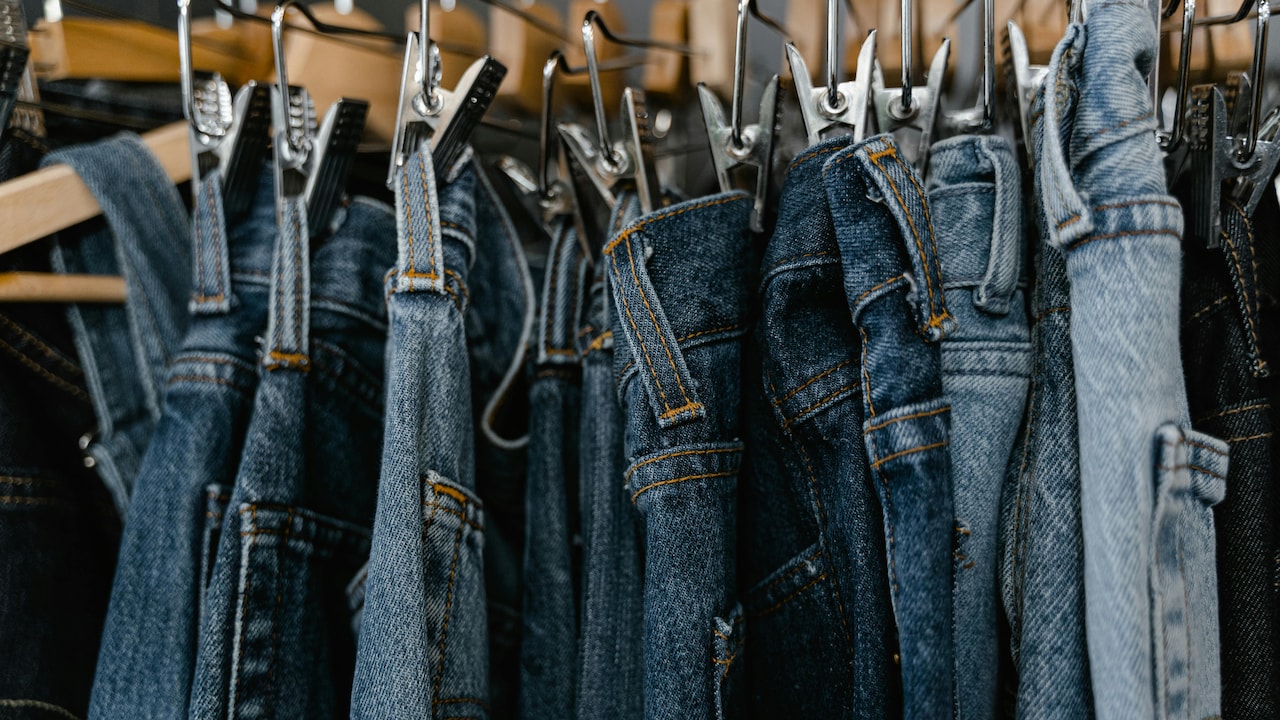
Jeans That Twist At The Seam After Wash: What Is Causing It? Photo Credit: Pexels
Understanding Why Jeans Twist After Washing
The Hidden Role Of Fabric Grain
Denim may look rugged and straightforward, but beneath its sturdy surface lies a carefully structured weave. Fabric grain refers to the alignment of threads running vertically and horizontally. When manufacturers cut jeans properly along this grain, the garment holds its shape more reliably. However, when fabric gets cut slightly off-grain, problems begin brewing.
After washing, moisture and agitation cause fibres to relax and shift. If the grain alignment was off from the start, the fabric pulls unevenly, causing seams to rotate around the leg. It often resembles the jean equivalent of a crooked picture frame. The twist becomes more obvious with each wash, especially in lower-cost garments where precision may have taken a back seat to speed.
Many shoppers assume seam twisting signals poor laundering habits, but the real culprit often lies in cutting shortcuts at the factory. Fast fashion brands chasing volume sometimes compromise on careful pattern placement. The result? Jeans that look perfectly fine on the hanger but reveal their flaws after a spin cycle. Fabric grain remains one of the most overlooked reasons behind this frustrating issue.
Why Cheap Manufacturing Can Worsen The Problem
Price tags often tell a revealing story. While expensive jeans do not guarantee perfection, extremely low-cost denim frequently sacrifices construction quality. Mass production environments prioritise speed, and this rush can affect fabric preparation, cutting accuracy, and stitching consistency.
Manufacturers sometimes skip crucial pre-shrinking processes to save time and money. Without proper sanforisation or stabilisation, denim shrinks unpredictably when washed. This uneven shrinkage can torque the fabric, dragging seams sideways. Combined with rushed stitching, the problem intensifies.
In bustling local shopping hubs, bargain jeans priced around ₹800 may seem tempting. Yet those savings can quickly disappear if the garment loses shape after a handful of washes. Uneven tension during sewing also contributes. If seams are stitched too tightly or inconsistently, the denim may warp under stress.
This does not mean every affordable pair will twist, but lower production standards certainly raise the odds. Quality craftsmanship requires time, precision, and better materials. When manufacturers cut corners, consumers often discover the hidden cost in the laundry basket.
The Science Behind Denim Twill
Denim's iconic diagonal weave, known as twill, gives jeans durability and distinctive style. However, this same weave structure can also contribute to seam twisting. Twill naturally carries a directional bias, which means it tends to shift or skew under tension.
Left-hand twill and right-hand twill behave differently during washing. Most jeans use right-hand twill, but regardless of direction, improper handling during production can exaggerate fabric distortion. Once washed, twill fabrics may contract unevenly, especially if the weave was not balanced correctly.
This subtle movement causes legs to twist, seams to drift, and hems to rotate. Think of it like a rope gradually winding tighter under pressure. Over time, repeated washing amplifies the distortion.
Premium denim brands often address this issue through better fabric engineering and finishing treatments. They understand that twill's natural tendencies need management. Without these precautions, even visually appealing jeans can develop structural quirks. Denim's beloved weave, while stylish and durable, carries hidden complexities that can transform a reliable pair into an everyday annoyance.
Washing Habits That Make Twisting Worse
While poor manufacturing often lays the groundwork, washing habits can certainly make seam twisting more noticeable. Hot water, aggressive spin cycles, and overloading the washing machine all increase fabric stress.
When jeans tumble harshly against other garments, fibres stretch and contract unevenly. Heat can intensify shrinkage, particularly in cotton-heavy denim. For jeans already prone to twisting, rough washing acts like adding fuel to the fire.
Turning jeans inside out before washing helps reduce abrasion. Cold water preserves fabric stability better than hot settings. Gentle cycles also minimise unnecessary strain. Skipping the dryer can make an even bigger difference, as high heat often worsens fabric distortion.
Many households rely on quick, convenient laundry methods, especially during hectic weeks. Yet small adjustments can significantly extend denim life. Thoughtful washing will not fix poor construction, but it can slow down visible twisting and preserve shape for longer. In denim care, gentler treatment often pays off more than expensive detergents.
Also Read: Jeans That Do Not Fade Quickly: 10 Things To Check Before Buying
Fabric Blends And Their Influence
Modern jeans rarely consist of pure cotton alone. Stretch denim often blends cotton with elastane, polyester, or viscose to improve comfort and flexibility. While these additions create a snugger fit, they can also complicate fabric behaviour after washing.
Different fibres shrink and react to moisture differently. Cotton may contract more than synthetic blends, creating tension imbalances within the garment. This uneven reaction can encourage twisting, particularly when lower-quality blended fabrics enter the equation.
Skinny jeans and jegging-style denim often face higher risks due to their stretch-heavy construction. While they may hug beautifully at first, repeated washes can reveal structural weaknesses faster than traditional rigid denim.
Consumers drawn to comfort should not avoid stretch denim entirely, but fabric composition deserves closer attention. Reading garment labels can offer valuable clues. Higher-quality blends often perform better over time. In many cases, the perfect balance between comfort and durability determines whether jeans remain flattering or become frustratingly misshapen.
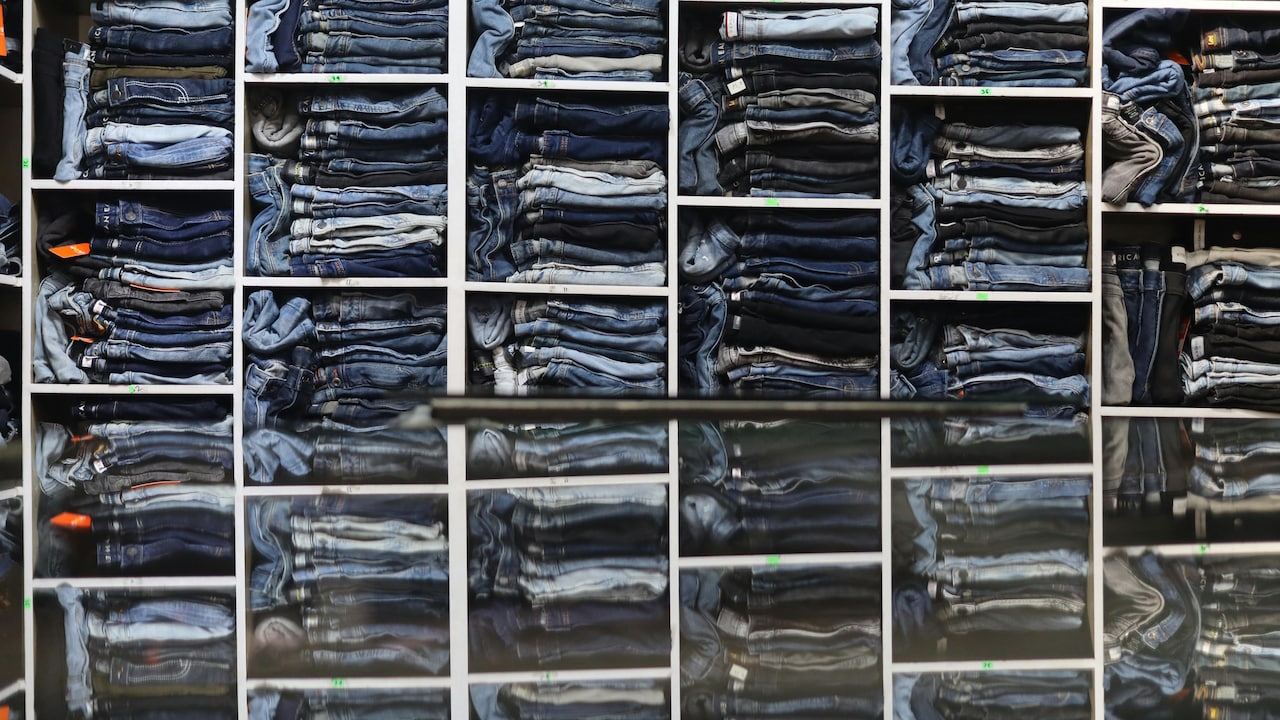
Jeans That Twist At The Seam After Wash: What Is Causing It?
Photo Credit: Pexels
Poor Pattern Cutting And Mass Production Errors
Pattern cutting remains one of the most crucial steps in garment manufacturing. Even minor inaccuracies during this stage can trigger major fit issues later. In high-volume production lines, efficiency often overshadows precision.
When patterns fail to align correctly with fabric grain, each wash compounds the imbalance. Seams gradually migrate, creating that unmistakable twisted-leg effect. Cutting multiple fabric layers at once can also increase distortion risks if not carefully managed.
Factories under pressure to meet large retail demands may prioritise quantity over meticulous craftsmanship. For consumers, the consequences become visible only after purchase.
Jeans may appear stylish, fit well initially, and still hide underlying construction flaws. This delayed disappointment frustrates shoppers who expect reliable wear from a wardrobe staple.
Understanding pattern cutting explains why seam twisting often feels so random. Two pairs from the same brand can behave differently depending on production consistency. Behind every well-fitting pair of jeans lies technical precision, something rushed manufacturing does not always provide.
How Shrinkage Changes Everything
Shrinkage plays a powerful role in denim transformation. Cotton fibres naturally tighten when exposed to water and heat, but uneven shrinkage creates tension across different garment sections.
If one part of the leg shrinks more aggressively than another, seams lose alignment. Twisting often emerges as the fabric adjusts to these conflicting forces. Raw denim enthusiasts know shrinkage well, though premium raw denim usually accounts for controlled contraction better than mass-market options.
Pre-washed or pre-shrunk jeans generally offer more stability, but not all treatments prove equal. Inconsistent finishing can still leave garments vulnerable.
The first few washes often reveal the most dramatic changes. This explains why jeans can seem perfect initially before developing problems later. Shrinkage does not merely alter fit; it can reshape the entire structure.
Choosing sanforised denim or trusted brands may reduce these risks. For anyone tired of surprise seam twists, understanding shrinkage offers valuable insight into smarter shopping decisions.
Spotting Quality Before Buying
Avoiding twisted seams often starts in the fitting room. Savvy shoppers can inspect jeans carefully before purchase to reduce future disappointment.
Checking whether side seams run straight along the leg offers a strong clue. Twisting or uneven alignment on the rack may signal poor pattern cutting. Fabric feel also matters. Denim with balanced weight and sturdy texture often indicates better construction.
Examining care labels for pre-shrunk treatments or reputable fabric blends can provide additional reassurance. Stretch-heavy jeans deserve extra scrutiny, especially if quality feels inconsistent.
Brand reputation helps, but physical inspection remains essential. Even stylish labels can produce occasional duds. Spending ₹3,000 on reliable denim may ultimately prove wiser than repeatedly replacing cheaper, poorly made alternatives.
Shopping for jeans should feel empowering, not like a gamble. A little extra attention can save significant money, frustration, and wardrobe regret.
Simple Care Tips To Preserve Denim Shape
Good care extends denim life and reduces seam distortion. Washing jeans less frequently helps preserve fibre integrity. Spot cleaning minor stains can often delay unnecessary washes.
Cold water remains the safest option, while mild detergents reduce harsh chemical exposure. Avoiding overloaded machines allows jeans to move more naturally without excessive twisting forces.
Air drying works wonders for maintaining shape. Hanging jeans by the waistband encourages even drying, while tumble dryers often accelerate shrinkage and warping.
Storing jeans folded or hung properly also supports structural longevity. Small habits may seem insignificant, but collectively they protect denim investment.
Jeans serve as everyday essentials, and proper maintenance ensures they continue looking polished rather than prematurely worn. A thoughtful approach to garment care often separates denim that lasts years from denim that disappoints within months.
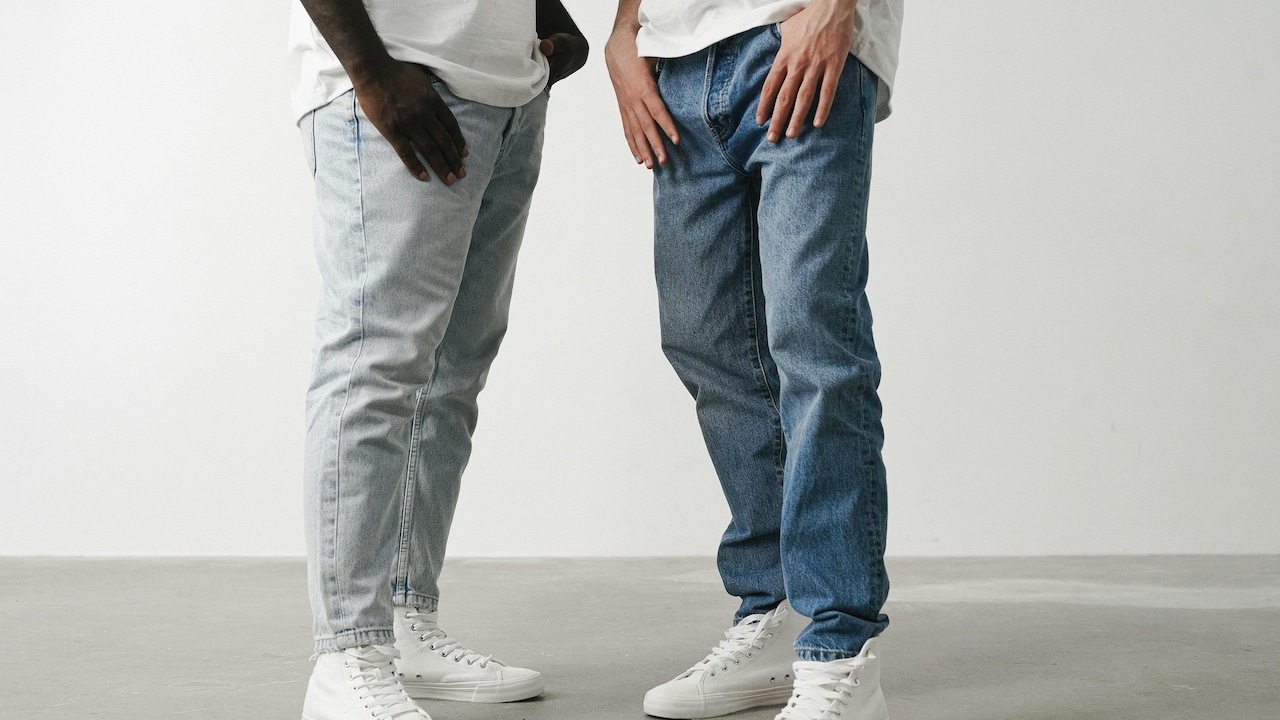
Jeans That Twist At The Seam After Wash: What Is Causing It?
Photo Credit: Pexels
Products Related To This Article
1. CUTECUMBER Girls Relaxed Fit Low Distress Light Fade Mid-Rise Cotton Stretchable Jeans
2. Aadvi Fashion Women Comfort Baggy Fit High-Rise Stretchable Jeans
3. FCUK Men Pure Cotton Baggy Fit Heavy Fade Jeans
4. NEXT Boys Pure Cotton Jeans
5. GAP Girls Light-Wash Mid-Rise Skinny Jeans
Twisted seams in jeans may appear mysterious, but the causes often trace back to a mix of manufacturing shortcuts, fabric properties, and laundering habits. Off-grain cutting, unstable twill weaves, uneven shrinkage, and poor-quality blends all contribute to this common wardrobe frustration.
Washing does not usually create the problem outright, but it often exposes hidden flaws. For shoppers, understanding these factors transforms denim buying from guesswork into informed decision-making.
Choosing well-constructed jeans, inspecting seam alignment, and adopting gentler washing methods can dramatically reduce the risk of post-wash twisting. In a world overflowing with fashion choices, smarter denim purchases protect both style and wallet.
After all, jeans should twist heads with great style, not twist awkwardly at the seams.
(Disclaimer: This article may include references to or features of products and services made available through affiliate marketing campaigns. NDTV Convergence Limited (“NDTV”) strives to maintain editorial independence while participating in such campaigns. NDTV does not assume responsibility for the performance or claims of any featured products or services.)