10 Reasons Square-Neck Tops Keep Slipping Off The Shoulders And How To Improve The Fit
Square-neck tops slipping off your shoulders? From wrong sizing and stretched fabric to strap length and body shape, discover 10 common reasons behind the problem and practical ways to improve the fit.

How to keep square neck tops from slipping off the shoulders
Few necklines manage to look romantic and structured at the same time quite like a square neck. It frames the collarbones beautifully, gives ordinary jeans a dressed-up feel and works just as easily with skirts, trousers or a festive lehenga. Unfortunately, its clean geometry comes with one annoying flaw: the shoulders sometimes refuse to stay where they belong. Anyone who has spent an evening pulling a sleeve back into place knows how quickly a stylish outfit can become irritating. The constant tugging looks awkward, feels distracting and can turn a carefully planned look into a wardrobe negotiation.

Explore why some square neck tops keep slipping off your shoulders
Photo Credit: Pexels
A square neckline needs balance. The shoulder seams, bust area, straps and back panel must all work together. Even a small mismatch can shift the garment outwards. The good news is that most slipping problems have straightforward solutions. A better size, a tiny alteration or even a different bra can transform the way the top sits. Here are ten reasons square-neck tops slide off the shoulders and what can help.
Also Read: Crop Tops That Work For Both Lectures And Late Nights
Why Square-Neck Tops Keep Slipping And What You Can Do About It
1. The Shoulder Width Is Too Wide
A square-neck top depends heavily on the distance between its shoulder points. When that distance exceeds the wearer's actual shoulder width, the fabric naturally moves outwards. The neckline may look fine while standing still, yet the sleeves start slipping as soon as the arms move.
This often happens with tops designed around standard size charts. Two people can wear the same bust size while having completely different shoulder widths. Someone with narrow shoulders may therefore find that a medium fits comfortably across the chest but feels strangely loose at the neckline.
Before blaming the style, check where the shoulder seams sit. They should line up closely with the natural edge of the shoulders rather than hanging beyond them.
A tailor can often solve the problem by taking in the shoulder seams or slightly narrowing the neckline. For a favourite ₹1,500 blouse that otherwise fits perfectly, a small alteration can make far more sense than abandoning it at the back of the wardrobe. When shopping again, prioritise shoulder fit before judging the waist or sleeve length.
2. The Top Is Simply Too Large
Sizing up can feel like the comfortable choice, especially with fitted tops, but square necklines rarely forgive excess fabric. A larger size creates extra room around the upper chest, back and shoulders. That looseness gives the neckline space to drift.
The confusing part is that the garment may not look obviously oversized. The waist might sit nicely, the sleeves may feel comfortable and the bust might appear fine. Yet the neckline quietly reveals the sizing problem.
Try pinching a small amount of fabric near the upper back or shoulder seam. If the neckline suddenly sits securely, the top probably needs a smaller size or some tailoring.
Choosing the next size down may solve the issue, provided it does not create pulling across the bust. Otherwise, ask a tailor to remove excess fabric from the upper back or shoulders.
This becomes especially useful when buying online, where the usual small, medium and large labels can vary wildly between brands. Measurements tell a much better story. Checking shoulder width and upper-bust measurements can prevent the familiar cycle of wearing a lovely top while repeatedly rescuing its sleeves.
3. The Fabric Has Too Much Stretch
Stretchy fabric sounds like a blessing. It moves comfortably, hugs the body and usually feels less restrictive during long days. Yet too much stretch can create trouble for a square neckline.
Fabrics with high elastane content may gradually loosen as they warm up with body heat and movement. A top that feels secure at breakfast can start slipping by evening. Ribbed knits and lightweight jersey fabrics often show this behaviour more than structured cotton, linen blends or woven materials.
The neckline may also stretch over time if the top frequently hangs on a hanger. Gravity keeps pulling at the shoulder area, particularly when the fabric feels heavy.
Store stretchy square-neck tops folded whenever possible. Washing them gently and avoiding excessive heat can also help preserve their original shape.
When buying a new one, gently stretch the neckline and watch how quickly it springs back. Strong recovery usually suggests better support. If the fabric stays slightly distorted, the top may loosen after repeated wear. Sometimes a firmer fabric produces a much more flattering fit than an ultra-soft material, even if the softer option feels irresistible in the trial room.
4. The Neckline Has Stretched Out Over Time
Clothes age too, although they rarely announce it politely. A square-neck top that fitted beautifully last year may suddenly start slipping because the neckline has stretched.
Repeated washing, pulling the garment over the head and regular wear can weaken fibres around the neck and shoulders. Elasticated designs face an even bigger risk. Once the elastic loses its snap, the neckline no longer grips the body properly.
Look closely at the garment before deciding that body shape has somehow changed overnight. Compare the neckline with older photographs if necessary. Rippling edges, loose elastic or fabric that refuses to return to shape usually point towards wear rather than sizing.
A tailor can sometimes replace elastic or tighten the shoulder area at a modest cost. This works especially well for tops with sentimental value or pieces that match half the wardrobe.
Future damage can also be reduced through gentler washing. Use cool water when the care label allows it, avoid harsh wringing and dry the garment without stretching the neckline. A little fabric care can prevent a square neck from slowly turning into an accidental off-shoulder style.
5. The Bust Fit Is Pulling The Neckline Outwards
Sometimes the shoulders are not the real culprit at all. A tight bust can pull a square neckline sideways, creating enough tension to drag the shoulder sections towards the arms.
Signs include horizontal creases across the chest, stretched buttons, fabric pulling beneath the arms or a neckline that looks wider once the top is fully fastened. The garment may technically fit around the body, yet the pattern may not provide enough room for the bust.
Sizing up can help, though it may create extra fabric around the waist or shoulders. In that case, tailoring usually gives a cleaner result. Choosing the size that fits the fullest area and adjusting the rest often works better than squeezing into a smaller size.
Look for tops with princess seams, darts, smocking or stretch panels when extra shaping feels necessary. These details create room without making the entire garment oversized.
The goal is not to force the neckline into place. A good fit should sit naturally without constant adjustment. If getting dressed involves strategic breathing and several determined tugs, the top probably needs more room through the chest.
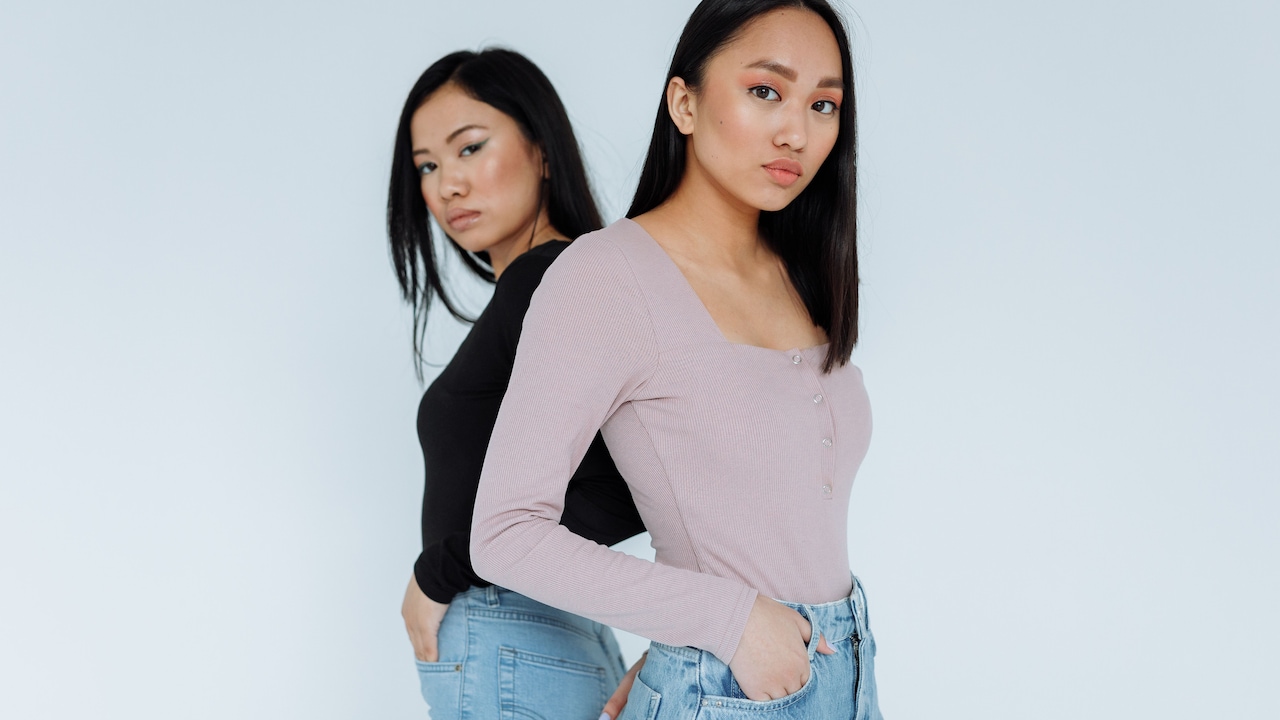
The bust pulling the neck outwards can also make the top slip off the shoulder; Photo Credit: Pexels
6. The Back Of The Top Is Too Loose
The back of a garment plays a surprisingly important role in keeping a square neckline stable. When the upper-back panel sits too loosely, the entire top can shift forwards and sideways. The result often appears at the shoulders first.
Stand sideways in front of a mirror and check whether the back neckline gaps away from the body. Excess fabric near the shoulder blades can also signal the problem.
This issue appears frequently in fitted tops because body proportions vary considerably. A garment may fit the bust and waist while still leaving too much room across the upper back.
A tailor can remove a small wedge of excess fabric, adjust the centre-back seam or reshape the shoulder seams. Even a centimetre or two can make a noticeable difference.
For tops with zips, the alteration may require slightly more work, so ask for a fitting before committing. Still, rescuing a well-loved piece often costs less than replacing it.
When trying on new styles, move around instead of judging the top from one mirror pose. Reach forward, lift the arms and turn from side to side. A secure neckline should remain reasonably stable through normal movement.
7. The Bra Straps Are Affecting The Fit
A bra can quietly change how a square-neck top sits. Thick straps may push against narrow shoulder sections, while slippery straps can encourage the fabric above them to move outwards.
Sometimes the opposite happens. The top slips first, catches on the bra strap and then refuses to return to its proper position, creating a small but persistent wardrobe battle.
Try the top with different undergarments before deciding that the garment needs alteration. A balconette, strapless or convertible bra may suit wider square necklines better than a traditional full-coverage style with closely placed straps.
Fit matters here as well. Loose bra straps that keep sliding down can drag the top with them. Adjusting the straps often improves both comfort and appearance.
For outfits worn at weddings, dinners or office celebrations, fashion tape can offer extra security. Apply a small piece between clean skin and the inside edge of the top, following the product instructions carefully.
The best solution should still feel comfortable. Nobody wants to spend an evening at a sangeet wondering whether one enthusiastic dance move will send both a bra strap and a sleeve in opposite directions.
8. The Shoulder Straps Are Too Long
Many square-neck tops use narrow straps or short shoulder panels rather than traditional sleeves. If those sections run even slightly too long, the neckline sits lower and wider than intended.
This problem often appears in camisole-style tops, corset-inspired designs and square-neck blouses with broad straps. The bust may fit perfectly, yet the straps keep sliding towards the arms because they lack enough tension.
If the garment has adjustable straps, shorten them gradually rather than pulling them as tight as possible. Over-tightening can lift the neckline awkwardly or make the underarm area uncomfortable.
Fixed straps require a simple alteration. A tailor can usually shorten them from the shoulder seam while keeping the original shape intact. Even a small adjustment can make the neckline sit noticeably higher and more securely.
Before altering anything, pin the excess strap length temporarily and move around for a few minutes. Check whether the armholes still feel comfortable and whether the bust line remains in the right position.
This tiny fitting detail can change the entire look. What once felt like a top requiring constant supervision can suddenly behave itself through a full day.
9. The Garment Construction Lacks Support
Not every slipping neckline comes from the wrong size. Sometimes the design itself provides very little structural support.
A deeply cut square neck combined with thin fabric, wide-set sleeves and no lining has little to hold it in place. Add a low back, and the garment may spend most of the day trying to become an off-shoulder top.
Better-constructed pieces often include features such as facing, lining, internal elastic, reinforced seams or stabilising tape around the neckline. These details rarely attract attention in product photographs, yet they make a significant difference during wear.
Turn a top inside out before buying it. Look at the seams around the neckline. Do they feel firm and neat, or flimsy and easily stretched? A slightly heavier construction usually stays in shape better.
For an existing top, a tailor may add narrow elastic, silicone grip tape or stabilising material inside the neckline. These additions remain hidden but improve control.
Fashion sometimes involves choosing between drama and practicality. Fortunately, decent construction allows both. A square neckline can still look soft and romantic without requiring its wearer to perform emergency sleeve adjustments every fifteen minutes.
10. Your Natural Shoulder Shape Changes How The Top Sits
Bodies do not follow clothing diagrams. Some shoulders slope gently downwards, while others appear straighter or more prominent. That natural shape can influence how securely a square-neck top stays in place.
Sloping shoulders give fabric an easier path downwards. Narrow shoulders can create a similar effect, especially when paired with a wide neckline. Meanwhile, one shoulder may sit slightly lower than the other, causing only one side to slip.
None of this means square necklines need to disappear from the wardrobe. It simply makes thoughtful fit adjustments more important.
Look for designs with slightly narrower neck openings, wider straps or sleeves that sit closer to the neck. Structured fabrics can also provide better grip than silky or highly elastic materials.
Small tailoring changes work well too. Shortening one shoulder seam slightly, adding discreet grip tape or narrowing the neckline can accommodate individual proportions.
Clothes should adapt to the body rather than demand perfect symmetry. Once the cut works with natural shoulder shape instead of fighting it, a square-neck top becomes far easier to wear and considerably less needy.
Products Related To This Article
1. Style Quotient Puff Sleeve Polyknit Peplum Top
2. Glitchez Smocked Floral Printed Crop Top
3. ZEUGEN Puff Sleeve Square Neck Regular Top
4. Glitchez Square Neck Flutter Sleeve Peplum Top
5. Dressitude Puff Sleeve Cotton Top
6. Phosphorus Floral Lace Flutter Sleeves Ruffles Fitted Top
7. H&M Top
Square-neck tops earn their popularity for good reason. They frame the upper body beautifully, work across casual and festive wardrobes and can make even a simple pair of trousers feel thoughtfully styled. Their tendency to slip, however, can test anyone's patience.
Most problems come down to a few practical factors: shoulder width, overall sizing, bust fit, stretched fabric, loose straps, back shaping or weak construction. Natural body proportions also influence how the neckline behaves.
Rather than writing off the entire style, pay attention to where the garment moves and what happens immediately before it slips. That clue often reveals the real problem.
Sometimes the answer costs nothing more than adjusting a bra strap. In other cases, a small tailoring job can rescue a top that has spent months waiting for another chance.
A square neckline should frame the shoulders, not spend the day escaping from them. Once the fit gets the attention it deserves, the style becomes what it was meant to be: flattering, elegant and wonderfully easy to wear.
(Disclaimer: This article may include references to or features of products and services made available through affiliate marketing campaigns. NDTV Convergence Limited (“NDTV”) strives to maintain editorial independence while participating in such campaigns. NDTV does not assume responsibility for the performance or claims of any featured products or services.)