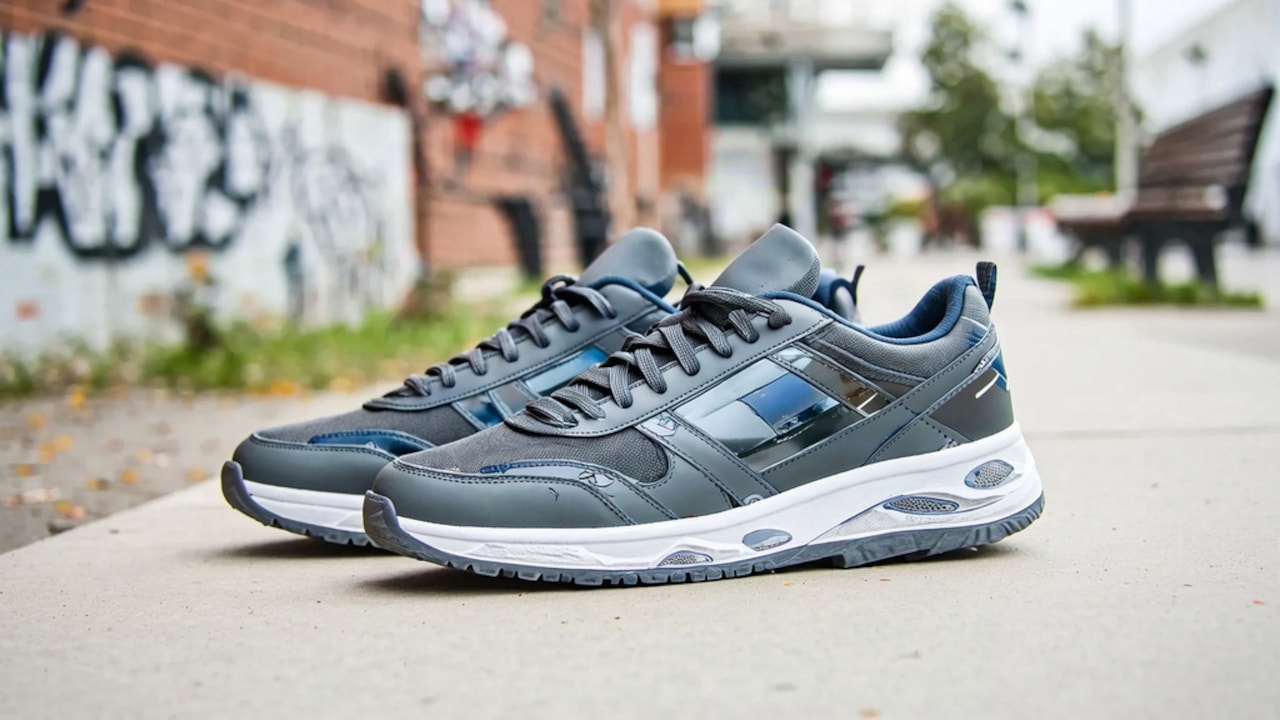
Why Does My Footwear Wear Out Faster On One Side?
Have you ever wondered why your footwear always wears out faster on one side? Here's what your walking pattern, posture, and shoe fit are actually telling you.
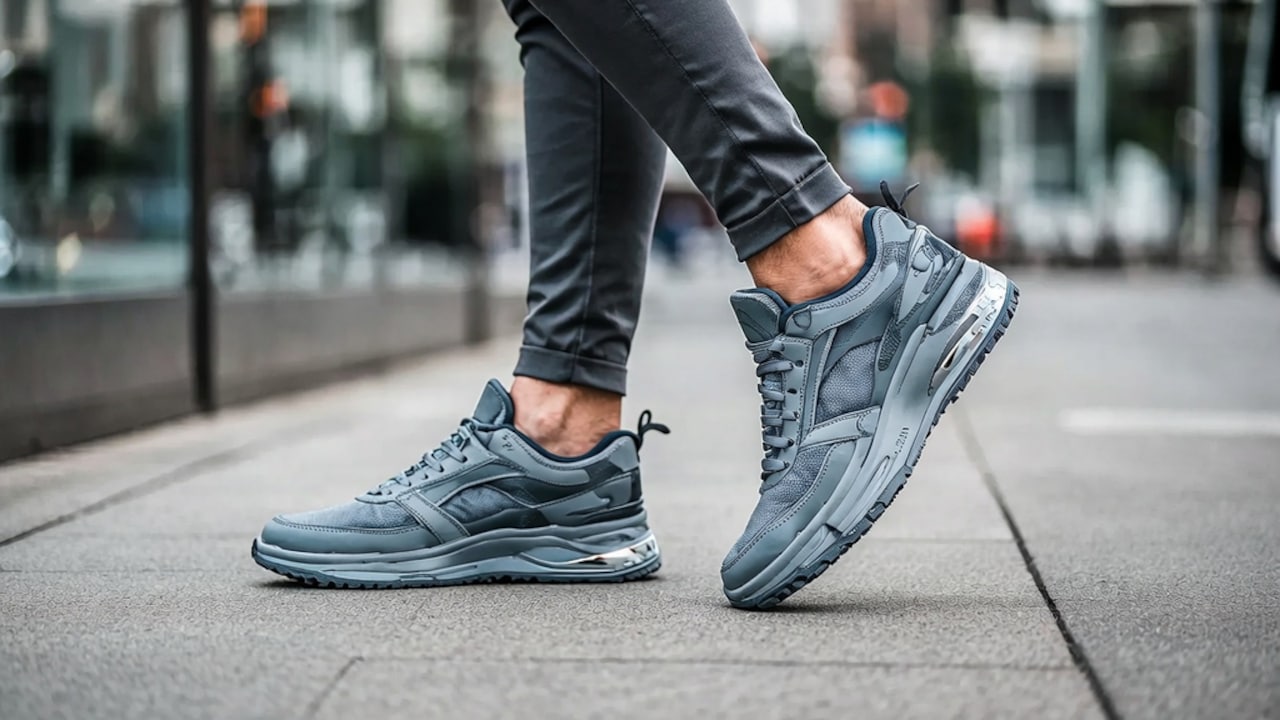
Common reasons why you might be facing uneven shoe wear only on one side
You buy a new pair of shoes, wear them for a few months, and then notice something odd. One side of the sole looks fine. The other looks like it has walked twice the distance. It's a small thing, but it makes you stop and wonder if something is actually wrong. Is it the shoes? Is it you This is more common than most people realise, and it rarely means your shoes are defective. Your body is just doing what it always does, and it's showing up in the rubber under your feet. Once you know what's causing it, you can actually do something about it instead of just buying a new pair every few months.
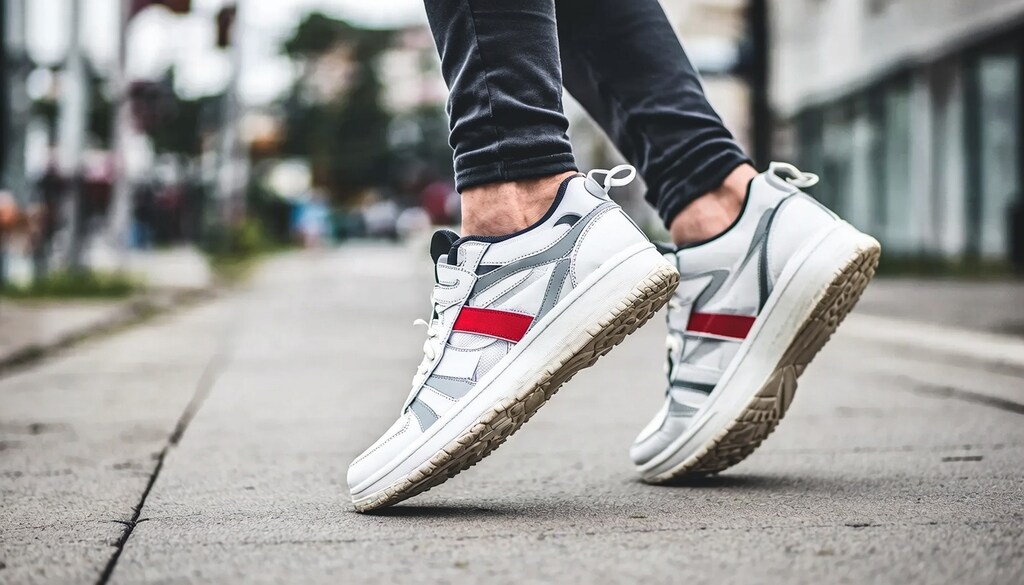
Discover what uneven footwear wear reveals about your daily walking habits, posture, and shoe fit.
Photo Credit: iStock
A lot of walking happens on uneven roads, broken pavements, and mixed surfaces; this kind of wear pattern shows up even faster. Add in the daily commute, standing at work, or a long walk to catch the local train, and your shoes are absorbing a lot more than you'd think.
Also Read: Top 5 Walking Shoes For Daily 10000 Steps Under ₹1500
What's Actually Happening When One Side Wears Out Faster
Shoes wear unevenly because your feet don't hit the ground the exact same way with each step. It may seem obvious when stated, but most people don't consider it until they see the evidence.
Every person has a slightly different gait. Some people land more on the outer edge of the foot, some roll inward, and some push off more from one leg than the other. None of these variations feel unusual while walking. However, over time, that small difference accumulates, resulting in one side of the outsole enduring more wear than the other.
Common Reasons Behind Uneven Shoe Wear
There isn't one single reason for this uneven wear to happen. It's usually a mix of a few things working together.
1. Your Natural Walking Gait
Everyone walks a little differently, and that's completely normal. Some people naturally place more weight on the outer part of their foot with each step. Over weeks of walking, that repeated pressure wears down that side of the sole quicker than the other.
2. Pronation Or Supination
This sounds technical, but it's simple. Pronation means your foot rolls slightly inward when you walk. Supination means it rolls outward. Most people have one or the other, which determines which part of the shoe bears more weight.
3. An Old Injury Or Muscle Imbalance
An injury in the past, such as ankle sprains or a knee strain, may make your body compensate for it even when you feel fine. An uneven distribution of pressure applied to your gait may lead to unusual shoe wear.
4. Wrong Shoe Size Or Fit
Even a slightly big shoe or one that is not comfortable enough may make your foot adopt a tilted position due to the necessity of compensating for a lack of space. The pressure then becomes unevenly distributed, and the shoes wear out faster in one particular part.
5. The Surface You Walk On Most
Constant walking on slanted pavements, cambered roads, or one-sided terrain can also push more pressure onto one part of your foot without you realising it.
How To Check Which Side Of Your Shoe Is Actually Wearing Faster
Before making assumptions, it's beneficial to verify the situation. A few simple checks at home tell you a lot.
1. Look At The Outsole Pattern
Flip your shoes over and place them next to each other. Check if the wear is on the outer edge, inner edge, or mostly at the heel. This alone gives a rough idea of your walking pattern.
2. Do The Flat-Surface Test
Put the pair of shoes on a totally flat surface, such as a table or a floor. Then, observe the shoes from behind, ensuring you are at approximately eye level. If one shoe tilts and the other is straight, that's a sign of uneven wear.
3. Check A Pair Of Shoes You've Already Worn Out
Old, well-used shoes tell the most honest story. If the same pattern shows up across multiple pairs, it's almost certainly your gait and not the shoes themselves.
How To Manage Or Reduce Uneven Wear
You can't entirely change your natural gait, and you don't need to. But a few small habits can slow down uneven wear and help your shoes last longer.
Rotating between two pairs of shoes instead of wearing the same one daily gives the soles time to recover and spreads out the impact over more pairs instead of one. Getting shoes with proper arch support also makes a real difference, since it gives your foot less reason to compensate awkwardly.
If the wear is severe or paired with knee, ankle, or back discomfort, it's worth getting your gait checked by a podiatrist. Sometimes a simple insole adjustment fixes years of one-sided wear.
Cheap insoles or ill-fitting shoes make the issue worse over time, so investing a bit more in the right fit usually pays off in the long run, both for comfort and for how long your shoes actually last.
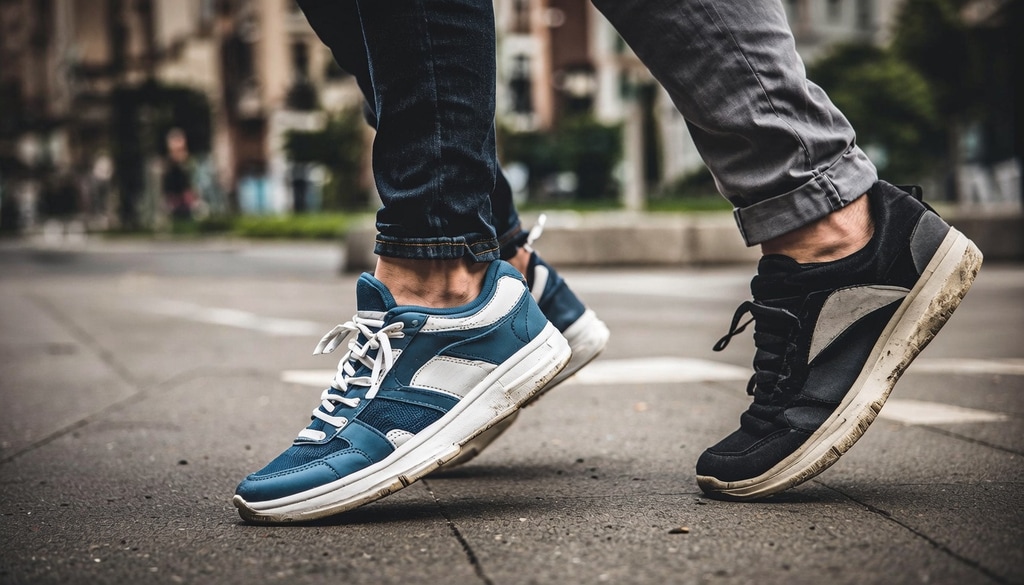
Learn why your shoes wear out faster on one side and what it means for your body.
Photo Credit: iStock
Some Footwear Care Products You May Like
1. Dr Scholl's Orthotic Insoles For Pronation Support
2. RENESMEE Memory Foam Shoe Insoles
3. adidas Men's Duramo Sl2 Ikd M Running Shoe
4. Woodland Men's Sneaker
5. Skechers Men Go Walk Arch Fit Idyllic Walking Shoes
6. Bata Comfit Mens Shoes Sneaker
7. Impakto Barefoot Rooted Wide feet Shoes for Men
8. Frido Semi Rigid Arch Support Insole for Flat Feet
Frequently Asked Questions (FAQs)
1. Is asymmetrical shoe wear a symptom of a severe foot problem?
No, not necessarily. Most often, this is just one of the variations of the way you walk; however, it may indicate something serious in case of painful symptoms accompanying the issue.
2. Will the problem disappear with new shoes?
No, because new shoes reset the wear pattern only temporarily and, if it is caused by the gait problem, it will appear again in the future.
3. Does the problem change the fit of the shoes?
Yes, the wear pattern causes the shoes to tilt, resulting in an uncomfortable fit over time.
4. Is it necessary to get orthotic inserts for this problem?
No, it's not necessary. Mild cases can be improved with proper insoles. However, if you have major gait issues, then you might have to use orthotics.
5. When is it necessary to replace such shoes?
Usually, the wear pattern becomes visible and the shoe tilting affects your standing posture.
(Disclaimer: This article may include references to or features of products and services made available through affiliate marketing campaigns. NDTV Convergence Limited (“NDTV”) strives to maintain editorial independence while participating in such campaigns. NDTV does not assume responsibility for the performance or claims of any featured products or services.)