Why Ethnic Wear Feels Uncomfortable After Two Hours And How to Choose Better
Beautiful ethnic wear often feels uncomfortable after a few hours. Before you buy, check fabric weight, embroidery, fit and lining to avoid outfits that look great but feel exhausting later.
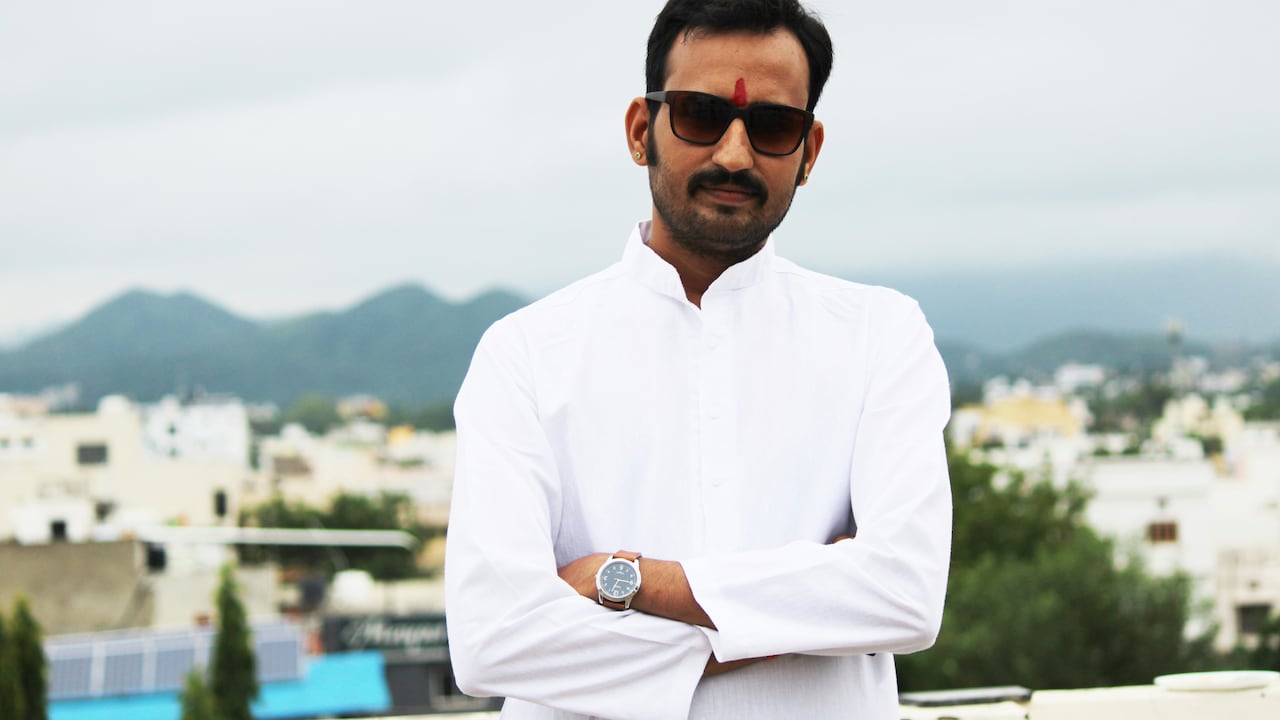
Ethnic Wear That Feels Heavy After Two Hours: Top Comfort Checks Before You Actually Buy.
Everyone knows the feeling. The outfit looks perfect under showroom lights. The mirror agrees. The family nods in approval. Two hours later, my shoulders ache, my waist feels tight, and every step feels heavier than the last. Ethnic wear has a habit of doing that. It dazzles first and tests patience later.
Comfort rarely gets centre stage while shopping. Colour, embroidery, and price steal the spotlight. Comfort whispers from the corner and gets ignored. The result shows up during weddings, festivals, and long family functions where sitting, standing, and smiling stretch for hours.
This guide focuses on comfort checks that matter. No fashion jargon. No unrealistic advice. Just honest points shaped by real experiences. These checks help avoid regret purchases and make sure the outfit supports the occasion rather than becoming a problem.
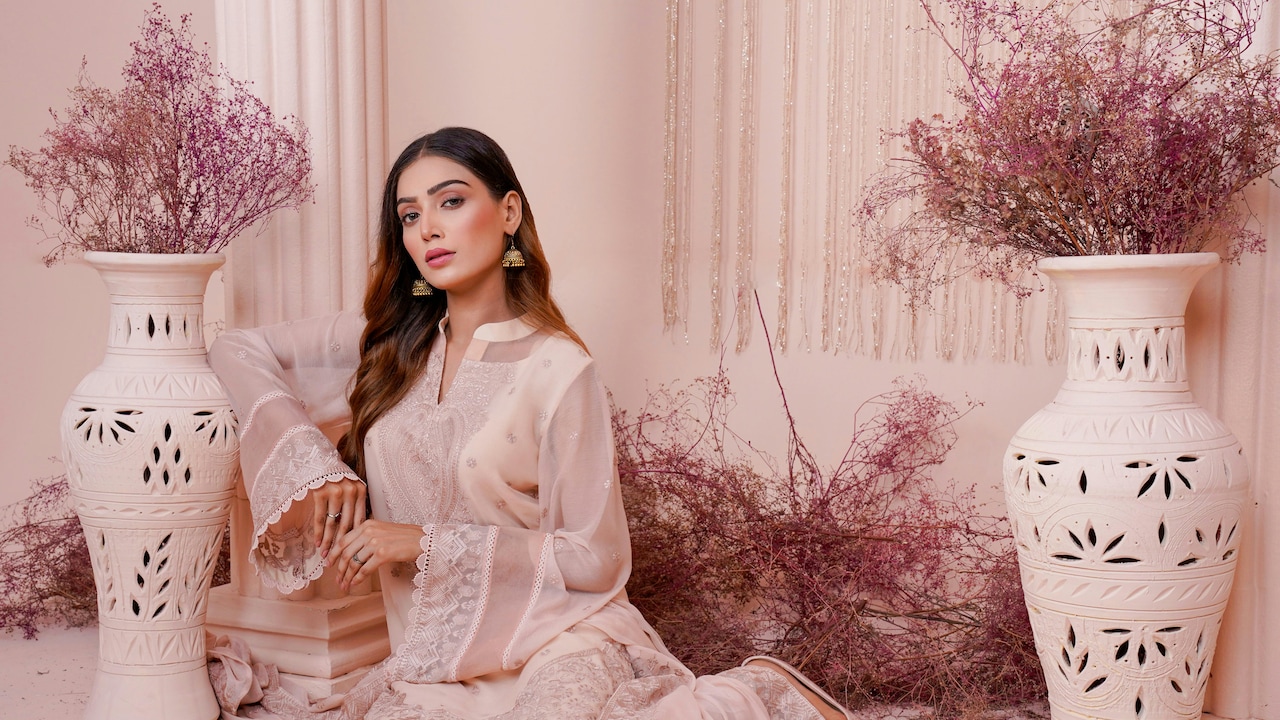
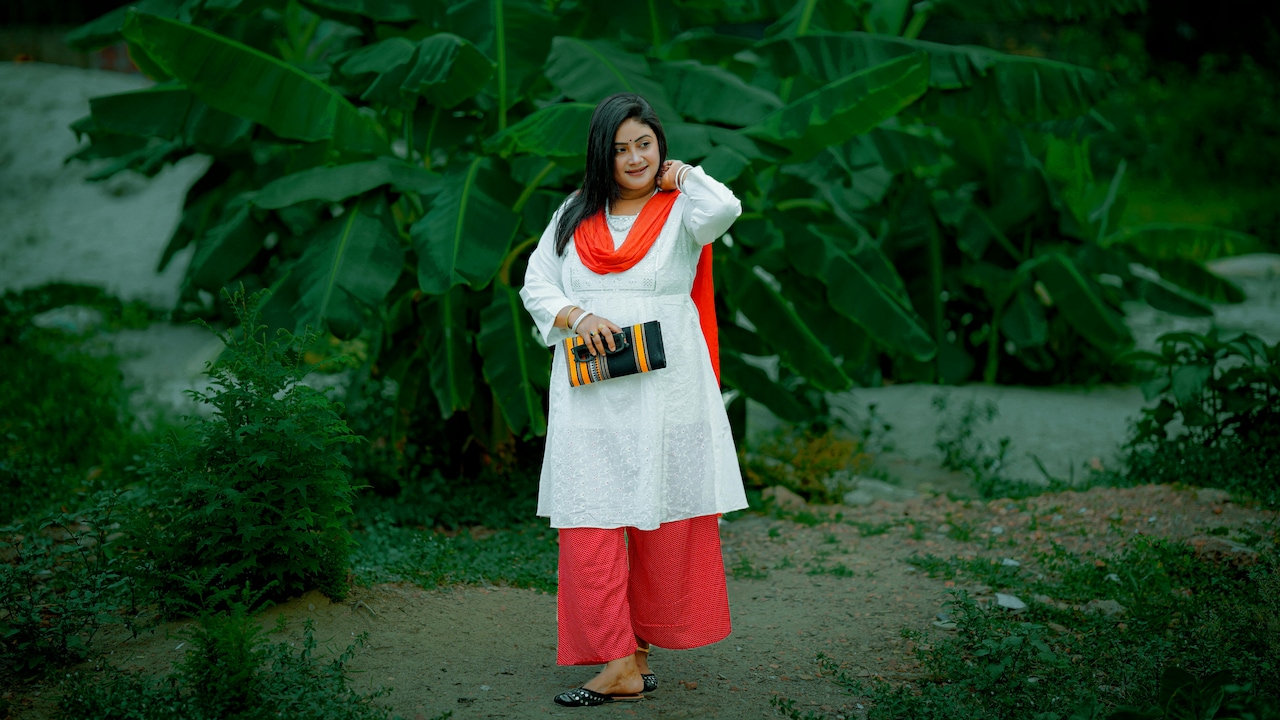
Ethnic Wear That Feels Heavy After Two Hours: Top Comfort Checks Before You Buy
Photo Credit: Pexels
What To Check So Your Outfit Still Feels Good After Two Hours
1. Fabric Weight: The First Silent Culprit
Fabric decides comfort long before design does. Heavy fabrics often feel luxurious at first touch. They also trap heat and pull down the outfit as hours pass. Velvet, thick silk blends, and layered brocades look rich but test endurance.
Always lift the outfit fully from the hanger. Feel its true weight. If arms feel strained within seconds, imagine wearing it for six hours. Lightweight silks, cotton blends, chanderi, and modal fabrics offer elegance without exhaustion.
Climate matters too. Warm evenings turn heavy fabric into a personal sauna. Sweat builds, movement slows, and irritation follows. Breathable fabrics help air circulate and keep energy levels steady.
Comfortable fabric does not mean plain. Modern weaves offer texture and shine without bulk. The trick lies in balance. Let the fabric support movement instead of resisting it.
2. Embroidery Density: More Isn't Always Better
Embroidery attracts attention instantly. Dense zardozi, heavy sequins, and layered beadwork look stunning on display. They also add hidden weight that becomes obvious later.
Run a hand across the embroidered area. Feel how stiff it is. Stiff panels restrict movement and rub against skin. Heavy work concentrated at the neckline or waist pulls the garment downward.
Spread-out embroidery works better. It distributes weight evenly and avoids pressure points. Thread work, light mirror accents, and digital prints offer beauty without burden.
Check the reverse side too. Rough backing fabric scratches and irritates skin. Soft lining beneath embroidery makes a huge difference during long wear.
3. Lining Quality: The Unsung Hero
Lining decides whether an outfit feels wearable or unbearable. Many outfits use thick synthetic lining to add structure. This traps heat and causes discomfort within hours.
Touch the lining directly. If it feels sticky or stiff, discomfort follows. Soft cotton or breathable blends allow airflow and reduce sweat.
Check how the lining attaches. Poor stitching causes bunching and uneven pressure. Smooth lining supports natural movement and keeps the outfit in place.
Dark linings absorb more heat. Light-coloured linings stay cooler. This small detail matters during summer weddings and outdoor functions.
Never skip this check. Lining touches skin all day. It deserves attention equal to the outer fabric.
4. Fit Around Pressure Zones
Comfort breaks down first around shoulders, waist, underarms, and neckline. These areas handle movement and weight together.
Try sitting, stretching arms, and bending slightly while trying the outfit. Mirrors only show standing posture. Real life involves much more.
Tight armholes restrict blood flow and cause soreness. Heavy dupattas worsen the strain. Necklines with heavy borders pull forward and tyre shoulders.
Waistbands should allow breathing space. A snug fit looks neat but should not feel restrictive. Drawstring lehengas offer flexibility compared to fixed zips.
Comfortable fit allows freedom. It keeps posture relaxed and expressions genuine.
5. Dupatta Drama: Beauty vs Burden
Dupattas complete the look but often cause the most trouble. Heavy borders, dense embroidery, and stiff fabrics turn them into weighty accessories.
Drape the dupatta and walk around. Notice how often it slips or pulls. Constant adjustment drains energy and focus.
Light dupattas with simple borders stay in place easily. Fabric like chiffon, organza, or soft silk blends work well.
Check the length too. Extra-long dupattas tangle underfoot and add to fatigue. Shorter or pre-stitched options simplify things without compromising style.
A comfortable dupatta enhances confidence. A troublesome one steals attention for the wrong reasons.
6. Stitching and Seams: Small Details, Big Impact
Poor stitching hides well during trials. It shows up later through poking threads, uneven seams, and restricted movement.
Inspect seams closely. They should lie flat without rough edges. Overlocked seams feel smoother against the skin.
Check underarms and inner thighs. These areas experience friction. Weak stitching leads to tears or discomfort mid-event.
Quality stitching supports the outfit's structure. It allows fabric to fall naturally and reduces strain on stress points.
Well-stitched outfits age better too. They stay comfortable across multiple wears instead of becoming single-use regrets.
7. Jewellery Compatibility Check
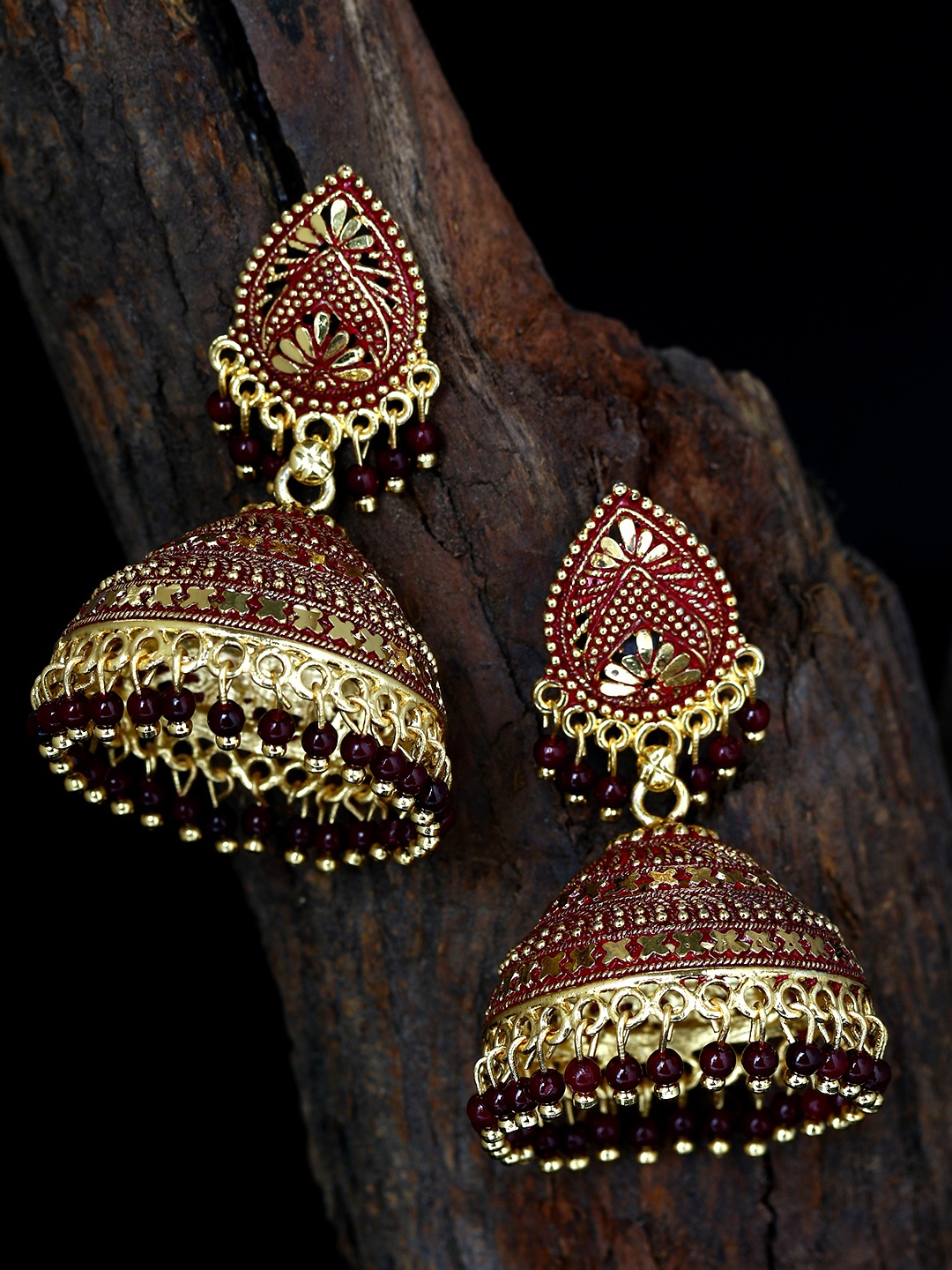
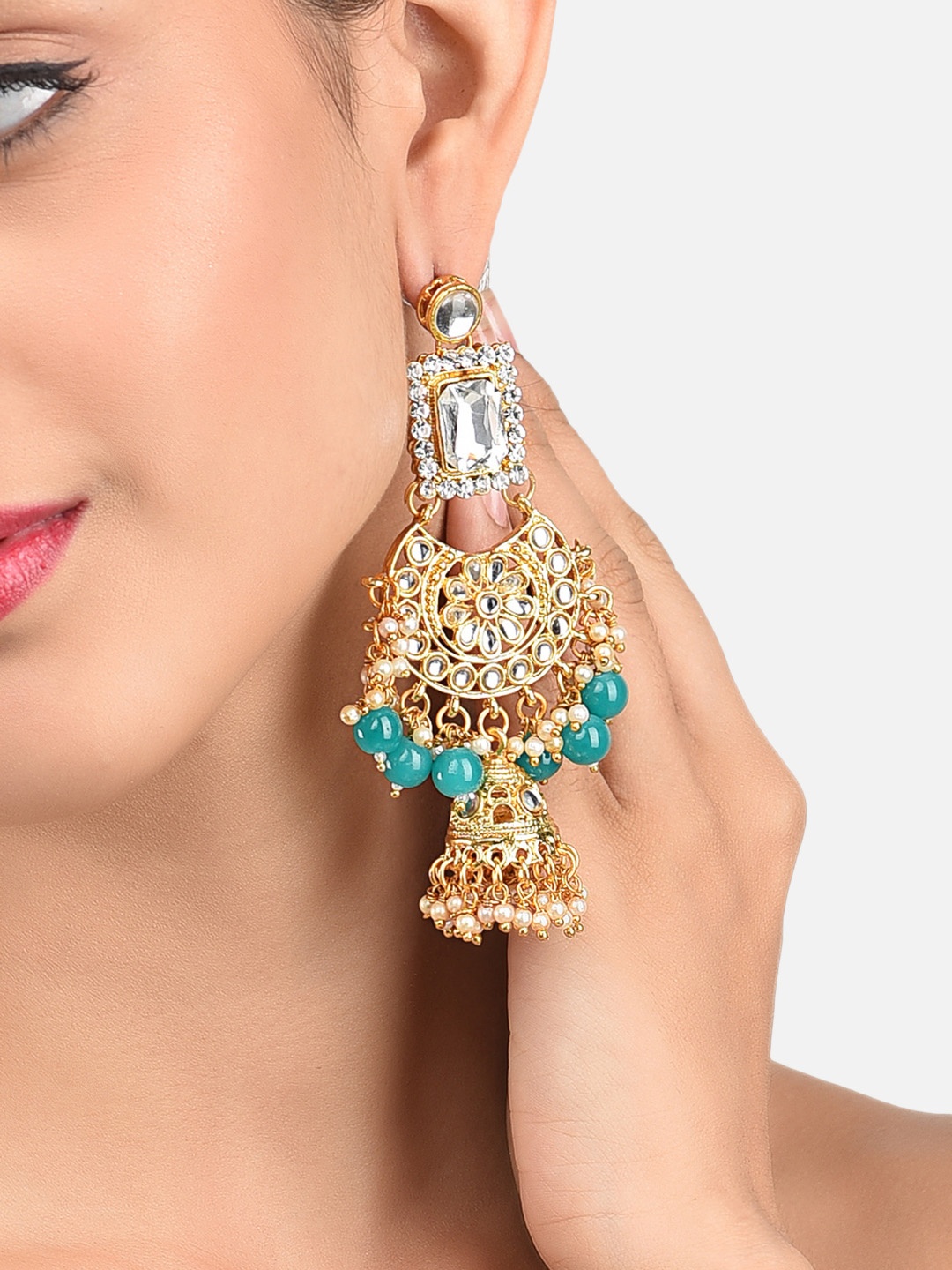
Heavy outfits paired with heavy jewellery double the burden. Neck pain often starts here.
Wear similar jewellery during trials if possible. Notice how the outfit supports the weight. Heavy necklines clash with chunky necklaces.
Balance matters. If the outfit carries dense work near the neck, opt for lighter earrings. If the outfit stays simple, jewellery can shine.
Comfortable outfits allow jewellery to sit properly without digging into skin. This harmony keeps posture relaxed and expressions natural.
Style looks best when comfort stays intact.
Also Read: Shop Bandhani Print Kurtas For Men Under ₹1,000 On Myntra Right To Fashion Sale
8. Footwear Interaction: The Hidden Factor
Ethnic wear does not exist alone. Footwear affects comfort greatly.
Long lehengas paired with heels add strain. The weight pulls downward while the heels alter posture. This combination tires the legs quickly.
Try the outfit with the intended footwear. Walk, turn, and sit. Check if the hem catches or drags.
Comfortable juttis, wedges, or low heels support long wear better. They keep the balance steady and reduce pressure on the knees and back.
Outfits should work with movement, not fight it.
9. Occasion Duration Reality Check
Every event has a timeline. Some last two hours. Others stretch endlessly.
Match outfit weight with event length. Heavy outfits suit short ceremonies better. Long functions need breathable fabrics and lighter designs.
Consider seating arrangements. Floor seating demands flexibility. Heavy skirts restrict movement and cause discomfort quickly.
Think about travel too. Long car rides add to fatigue if the outfit feels restrictive.
Honest planning saves regret. The right outfit supports the day's flow rather than disrupting it.
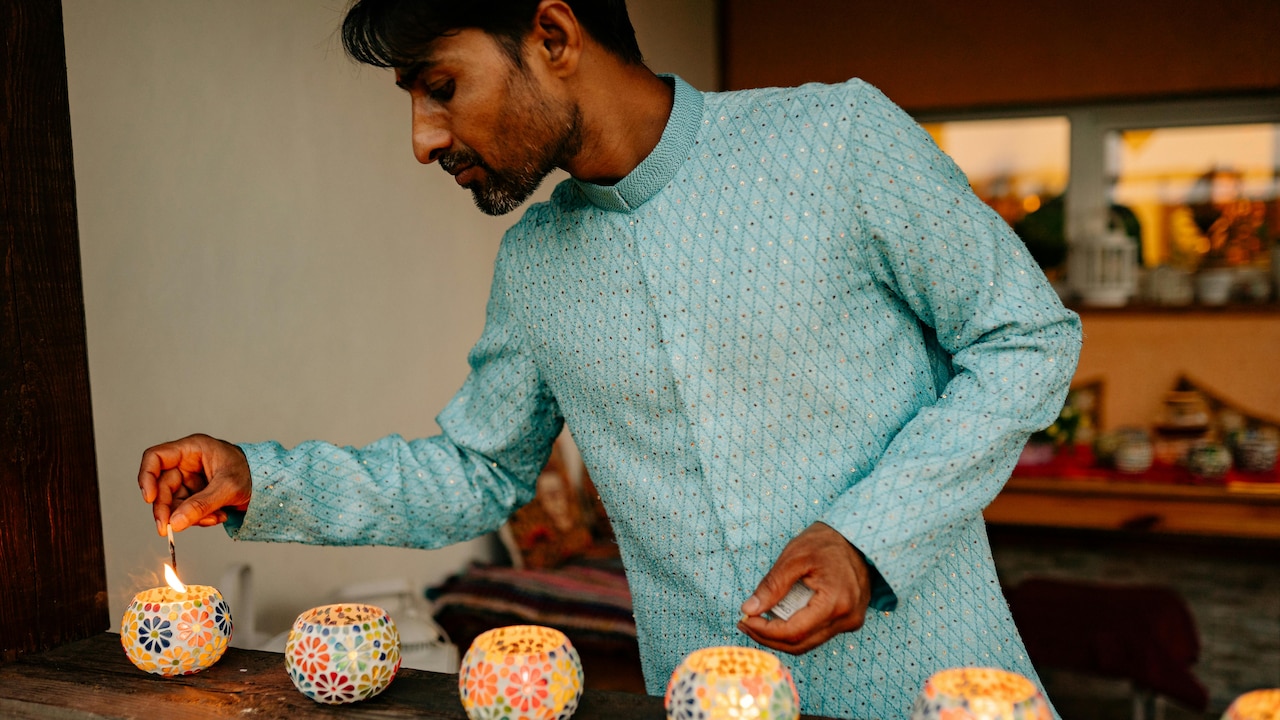
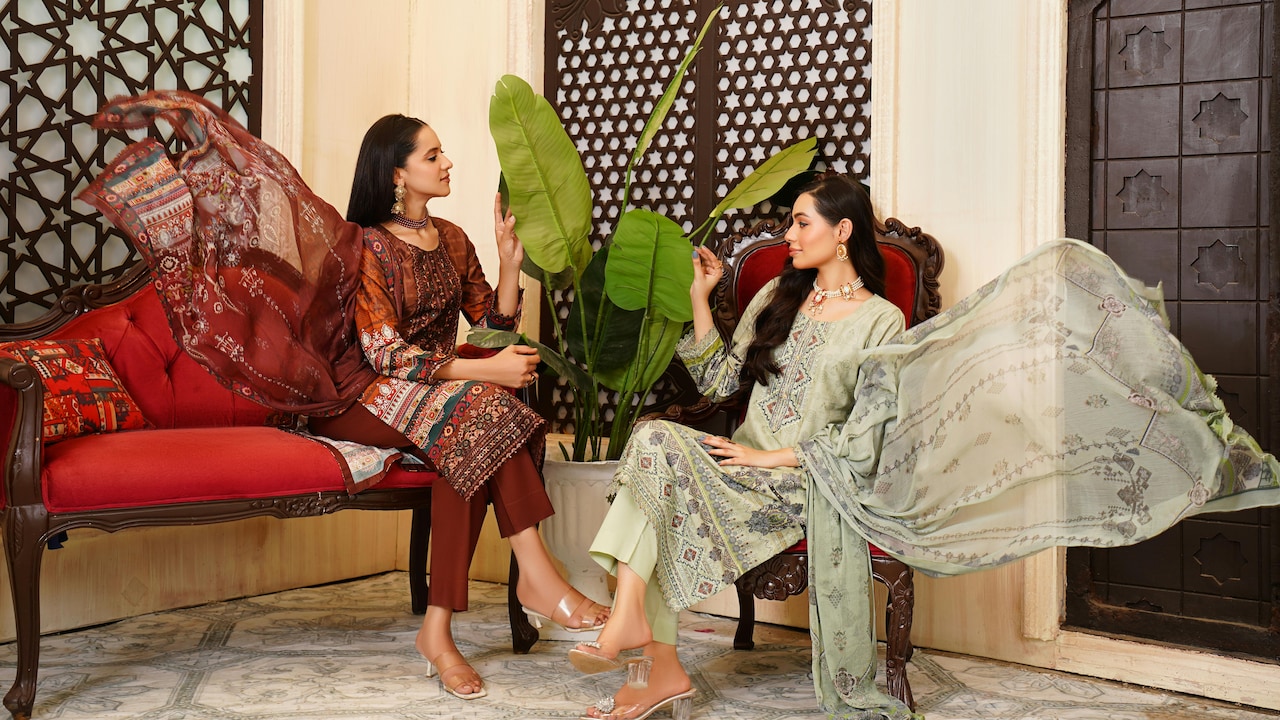
Ethnic Wear That Feels Heavy After Two Hours: Top Comfort Checks Before You Buy
Photo Credit: Pexels
10. After-Two-Hour Test: The Final Mirror Moment
Before buying, pause and imagine two hours later. Will shoulders ache? Will sweat show? Will adjustments feel endless?
Stay in the trial outfit for ten extra minutes. Walk around the store. Check breath, posture, and ease.
Comfort shows quickly when given time. Discomfort whispers early. Listening saves trouble later.
Trust physical feedback over compliments. The body rarely lies.
A comfortable outfit allows full presence. It lets moments shine without distraction.
Products Related To This Article
1. DIWAS by Manyavar Men Printed Art Silk Straight Kurta
2. GVS SHOPPE Women Viscose Rayon Kurta Pant Set
3. CELLUX Men Cotton Blend Kurta Pyjama Set
4. MOKOSH Women Pure Cotton Kurta Pant Set
5. Cavira Crunchy Red Women's Silk Embroidered Kurta Sharara Dupatta (L Size) Embellished Kurta, Sharara & Dupatta Set
6. BANHUSSAIN Men Dupion Silk Kurta Pyjama Ethnic Jacket Set
7. Manpera Men Solid Cotton Blend Straight Kurta
Ethnic wear celebrates tradition, craftsmanship, and personal style. It should also respect comfort. Heavy outfits impress briefly but cost dearly over time. Smart checks help avoid silent suffering disguised as elegance.
Comfort does not dull beauty. It enhances it. Relaxed posture, easy movement, and genuine smiles elevate any outfit.
Next time shopping, look beyond mirrors. Listen to fabric, fit, and feeling. The right choice stays kind long after the first compliment fades. Shop now on Flipkart.
(Disclaimer: This article may include references to or features of products and services made available through affiliate marketing campaigns. NDTV Convergence Limited (“NDTV”) strives to maintain editorial independence while participating in such campaigns. NDTV does not assume responsibility for the performance or claims of any featured products or services.)