Why Your Expensive Shoes Still Hurt: The Hidden Fit Problem No One Talks About
Premium shoes promise comfort, style and durability. Yet, many still pinch, rub, and tire their feet long before the day ends. The issue rarely lies in price or brand; it lies in fit, an overlooked detail that quietly ruins even the finest footwear.
Why Your Expensive Shoes Still Hurt: The Hidden Fit Problem No One Talks About
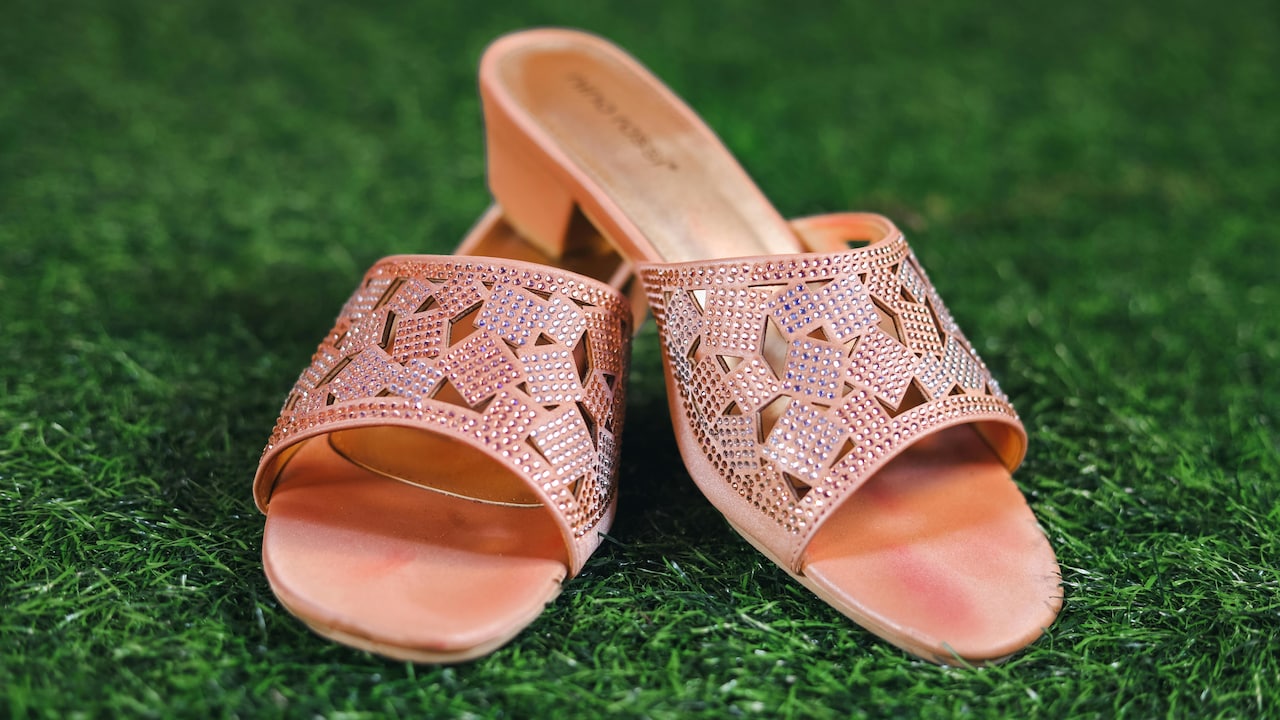
A shiny new pair of shoes often brings a small thrill. The box opens, the leather smells rich, and the price tag reassures that comfort will follow. Yet, within a few hours, perhaps during a long commute, a wedding function, or a full workday, the discomfort creeps in. Heels bite, toes feel cramped, arches ache, and suddenly, that expensive purchase feels like a regret wrapped in polish.
The hidden fit problem rarely gets attention because it feels too ordinary to question. Yet, it quietly affects posture, energy, and even mood. Understanding why expensive shoes still hurt opens the door to smarter choices and happier feet.
Why Your Expensive Shoes Still Hurt: The Hidden Fit Problem No One Talks About
Photo Credit: Pexels
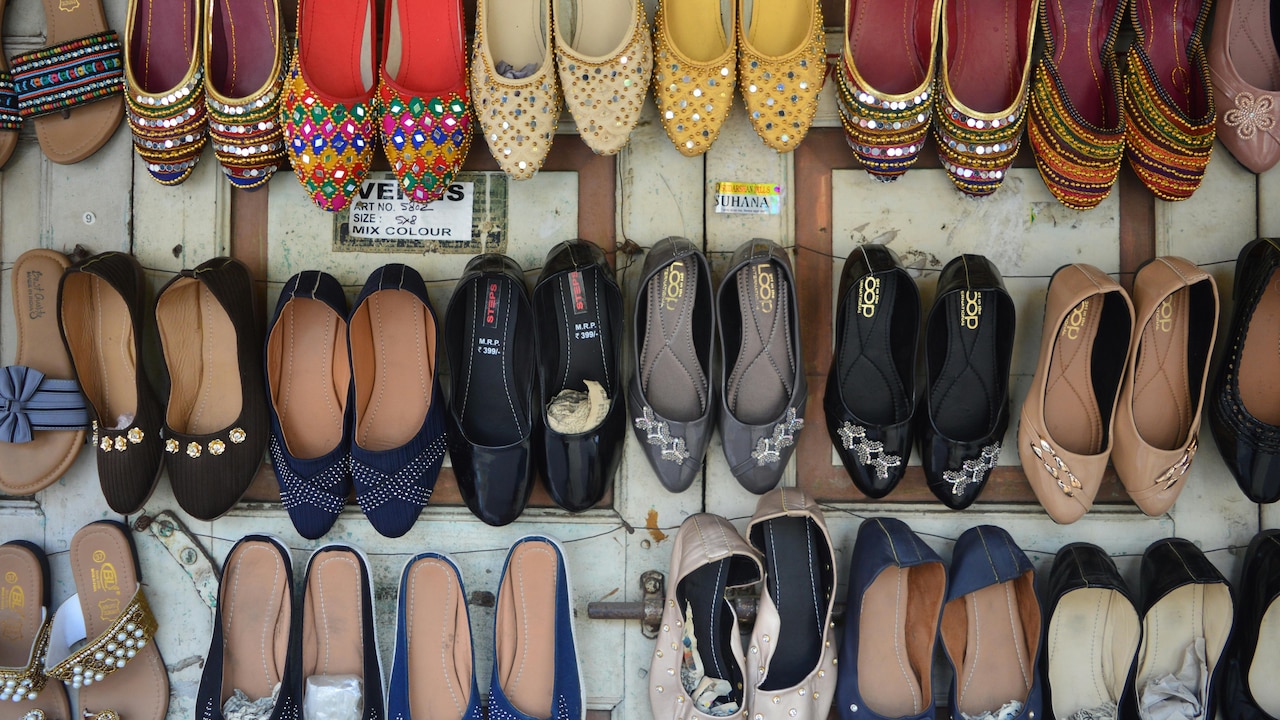
This problem hides in plain sight. Many assume that discomfort fades with “breaking in” or that quality automatically equals comfort. That belief has travelled across generations, repeated in family advice and showroom conversations. But the truth tells a different story. Price does not guarantee fit, and fit shapes comfort more than any label or logo ever could.
Also Read: Myntra Fashion Carnival: Grab Atleast 20% Off On Trendy Bags And Wallets From IRTH and Forever New
The Real Reasons Your Shoes Hurt Despite The Price Tag
Size Isn't Always Your Size
Most people cling to a shoe size as if it were a fixed identity. A size 8 remains a size 8, year after year, without question. Yet, feet change. Weight shifts, age alters muscle tone, and even lifestyle habits reshape the foot's structure. Ignoring this reality leads to a mismatch between expectation and comfort.
A typical shopping experience reinforces this mistake. A salesperson asks for a size, brings a pair, and the customer tries it on briefly while seated. That quick test rarely reveals pressure points that appear after hours of walking. The result feels fine in the moment, but turns painful later.
Footwear brands also differ in sizing standards. A size 8 in one brand may feel tighter or looser in another. Without trying multiple sizes or paying attention to subtle differences, the wrong fit slips through unnoticed.
The solution begins with awareness. Feet deserve regular measurement, especially before investing in expensive shoes. Comfort does not live in a number; it lives in how the shoe truly feels during movement.
The Width Factor Everyone Ignores
Length gets all the attention, but width quietly causes most discomfort. Many shoes cater to an average width, ignoring the natural variation in foot shapes. Some feet run wide, others narrow, and many fall somewhere in between.
A shoe that matches length but squeezes width creates pressure along the sides. This pressure may not hurt immediately, but it builds gradually, leading to soreness or even blisters. On the other hand, a shoe that feels too loose in width forces the foot to work harder to stay stable, causing fatigue.
Shoppers often overlook width because brands rarely highlight it clearly. The focus stays on design, colour, and price, while fit details remain secondary. Even premium shoes fall into this trap, prioritising aesthetics over adaptability.
Paying attention to width transforms the experience. A shoe should hug the foot without squeezing it. Space matters, especially around the toes and the widest part of the foot. Ignoring width turns even the most luxurious pair into a daily struggle.
The Myth Of Breaking Them In
The phrase “they will loosen up” has comforted countless buyers. It suggests patience will solve discomfort. Yet, this belief often leads to prolonged pain rather than relief.
Quality materials like leather do adapt slightly over time. However, they do not magically transform an ill-fitting shoe into a perfect one. Tight areas remain tight, and structural mismatches persist. What changes instead is tolerance; the wearer simply gets used to the discomfort.
This adjustment comes at a cost. Continuous pressure can lead to issues like corns, calluses, or long-term foot strain. A shoe that demands endurance rather than offering comfort fails its purpose, regardless of its price.
The idea of breaking in shoes should shift from enduring pain to achieving natural ease. A well-fitted shoe feels comfortable from the start, with only minor adjustments over time. Anything beyond that signals a mismatch that no amount of walking will fix.
Materials Matter More Than Labels
Expensive shoes often boast premium materials. Words like “genuine leather” or “handcrafted finish” sound impressive. Yet, material quality alone does not guarantee comfort.
Some materials feel stiff despite their price. Others lack breathability, trapping heat and moisture. This combination creates friction, leading to irritation even in well-designed shoes. The focus on brand names can distract from these practical concerns.
Climate also plays a role. In warm, humid conditions, materials behave differently. Feet may swell slightly, making a snug shoe feel tighter as the day progresses. Breathable fabrics or softer linings make a significant difference in such environments.
Understanding materials helps in making smarter choices. Comfort depends on how a shoe interacts with the foot throughout the day, not just how it looks in a showroom. A thoughtful balance between durability and flexibility matters more than branding.
Why Your Expensive Shoes Still Hurt: The Hidden Fit Problem No One Talks About
Photo Credit: Pexels
Arch Support: The Silent Game-Changer
The arch of the foot acts as a natural shock absorber. Without proper support, the body compensates, leading to discomfort not just in the feet but also in the knees and back.
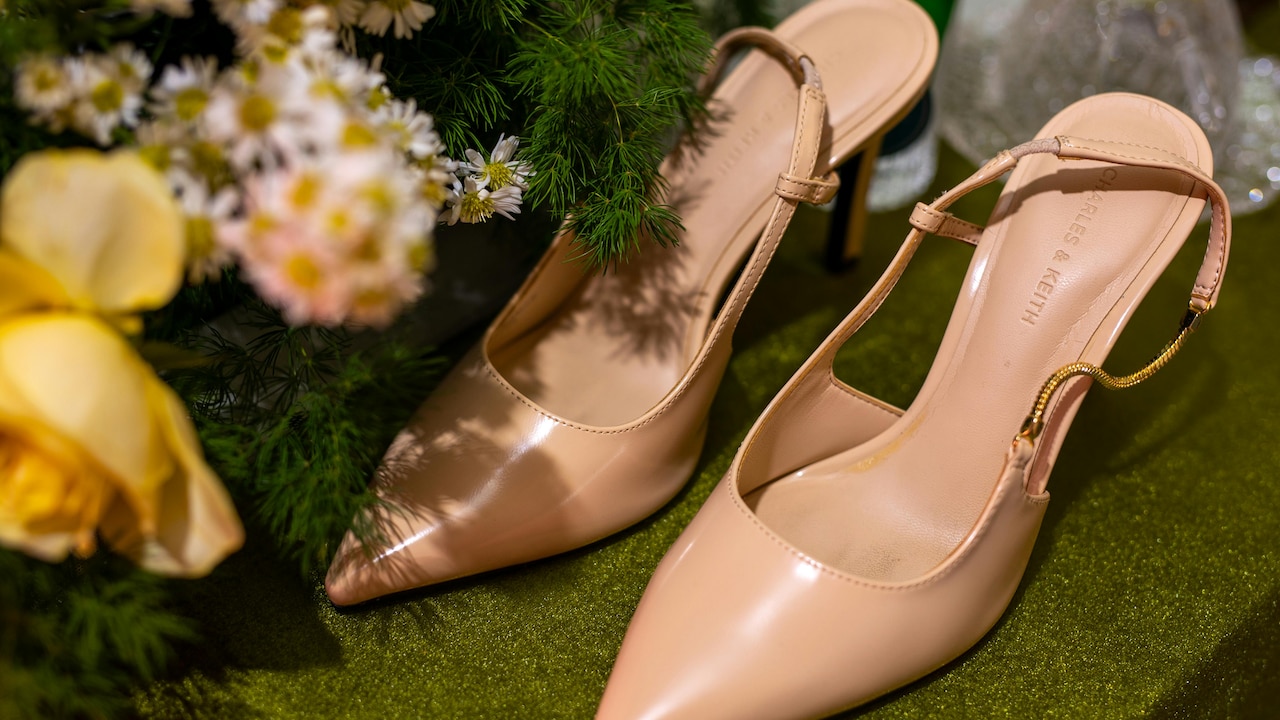
Many expensive shoes overlook this detail. They focus on style, often offering flat soles that lack structure. While they may look elegant, they fail to support the foot during prolonged use.
People with high arches or flat feet feel this gap more intensely. Without adequate support, walking becomes tiring, and standing for long periods turns uncomfortable. Yet, this issue rarely surfaces during quick trials in stores.
Adding insoles or choosing designs with built-in support changes the experience significantly. The right arch support aligns the foot, reduces strain, and enhances overall comfort. It proves that true luxury lies in functionality, not just appearance.
The Toe Box Trouble
The toe box, the front part of the shoe, often sacrifices comfort for style. Narrow designs may look sleek, but restrict natural movement. Toes need space to spread, especially during walking.
A cramped toe box leads to pressure, rubbing, and long-term issues like bunions. The discomfort may start subtly but grow over time. Many accept this as a normal part of wearing formal or fashionable shoes.
This compromise reflects a deeper issue in footwear design. Aesthetic appeal often wins over anatomical needs. Yet, a balanced design can offer both style and comfort without forcing the foot into unnatural positions.
Choosing a shoe with a slightly roomier front does not mean sacrificing elegance. It simply respects the natural shape of the foot. This small adjustment makes a noticeable difference in daily comfort.
Timing Your Shoe Purchase Matters
Feet change throughout the day. They tend to swell slightly after hours of activity. Buying shoes in the morning, when feet feel smaller, often leads to tighter fits later.
This timing detail rarely enters shopping advice. Yet, it plays a crucial role in comfort. A shoe that feels perfect in the morning may feel restrictive by evening.
Trying shoes later in the day offers a more realistic sense of fit. Walking around the store, standing for a while, and paying attention to subtle pressure points helps in making better decisions.
This simple habit prevents common mistakes. It aligns the purchase with real-life usage, ensuring the shoe supports rather than restricts the foot during daily routines.
Socks And Usage Get Overlooked
Shoes rarely function alone. Socks, usage patterns, and daily activities influence how they feel. Ignoring these factors leads to mismatched expectations.
A shoe tried on barefoot in a store may feel tighter when worn with socks later. Similarly, a pair chosen for occasional use may not suit daily wear. Each scenario demands a slightly different fit.
Professional settings, long commutes, and festive occasions all place different demands on footwear. A shoe that works well for one purpose may not suit another.
Considering these variables adds depth to the decision-making process. It ensures the shoe fits not just the foot but also the lifestyle. Comfort depends on this alignment between design and usage.
The Price Illusion
A higher price often creates higher expectations. Many assume that spending ₹5,000 or ₹10,000 guarantees comfort. This belief shapes perception, sometimes masking discomfort until it becomes unavoidable.
The truth feels simpler. Price reflects factors like branding, design, and material quality, but not always fit. A well-fitted, affordable pair can feel far more comfortable than an expensive one that misses the mark.
This illusion persists because marketing emphasises luxury over practicality. Shoppers focus on labels rather than listening to their feet. The result often disappoints.
Breaking free from this mindset requires a shift in priorities. Comfort should lead the decision, not the price tag. A shoe earns its value through wear, not through its cost.
Listening To Your Feet
Feet communicate clearly, though often ignored. A slight pinch, a subtle pressure, or a feeling of imbalance signals a problem. Ignoring these cues leads to discomfort that grows over time.
Many override these signals in favour of style or social expectations. A sleek design or a trusted brand feels convincing, even when the fit says otherwise. This conflict rarely ends well.
Paying attention to these small signals transforms the experience. Walking around, bending the foot, and observing how the shoe responds provides valuable insight. Comfort should feel natural, not negotiated.
Trusting these instincts leads to better choices. It ensures that the shoe supports daily life rather than complicating it. The feet, after all, carry the body through every step; they deserve attention.
Why Your Expensive Shoes Still Hurt: The Hidden Fit Problem No One Talks About
Products Related To This Article
1. House of Pataudi Women Gold-Toned Braided Detail Handcrafted One-Toe Block Heels
2. Marc Loire Women Woven Design Round Toe Lightweight Loafers with Buckles
3. Miscreef Women Colour-Blocked Slip On Warm Winter Boots
4. Marks & Spencer Women Leather Slip-On Winter Boots
5. MANGO Slingback Stiletto Pumps
Expensive shoes promise more than they often deliver. The hidden fit problem quietly undermines comfort, turning even premium purchases into sources of irritation. This issue persists not because solutions are lacking, but because awareness remains low.
Fit goes beyond size, touching on width, structure, material, and usage. Each detail shapes how a shoe feels over time. Ignoring these factors leads to discomfort that no brand name can fix.
A shift in approach changes everything. Measuring feet regularly, trying different fits, and prioritising comfort over labels creates a better experience. Shoes should support daily movement, not hinder it.
In the end, comfort does not come wrapped in a high price. It comes from understanding the foot, respecting its needs, and choosing wisely. The right pair feels less like a purchase and more like a quiet companion, one that stays comfortable from the first step to the last.
(Disclaimer: This article may include references to or features of products and services made available through affiliate marketing campaigns. NDTV Convergence Limited (“NDTV”) strives to maintain editorial independence while participating in such campaigns. NDTV does not assume responsibility for the performance or claims of any featured products or services.)