Why High-Waisted Jeans Hurt When You Sit Down And How To Fix the Fit
High-waisted jeans shouldn't hurt. If sitting feels restrictive, your fit is off. Learn the warning signs of jeans that dig in and the easy fixes that bring back comfort without sacrificing style.

High-Waisted Jeans That Dig In When Sitting: Check Out These Fit Warning Signs and Fixes.
High-waisted jeans enjoy cult status. They pair well with crop tops, kurtas, oversized shirts, and everything in between. They also promise structure and confidence, at least while standing. Trouble begins the moment a chair enters the scene. Many have felt that familiar pressure digging into the stomach during a long drive, office meeting, or family dinner. The discomfort often gets brushed off as normal, yet it should not feel that way.
A good pair of jeans should move with the body, not fight it. When sitting feels restrictive or even painful, the issue often lies in fit, rise, fabric, or construction. This piece breaks down the most common warning signs that high-waisted jeans are digging in and shares realistic fixes that suit daily life, budgets, and body diversity. Comfort does not need to come at the cost of style, even in the heat, traffic, and long days that define everyday routines.
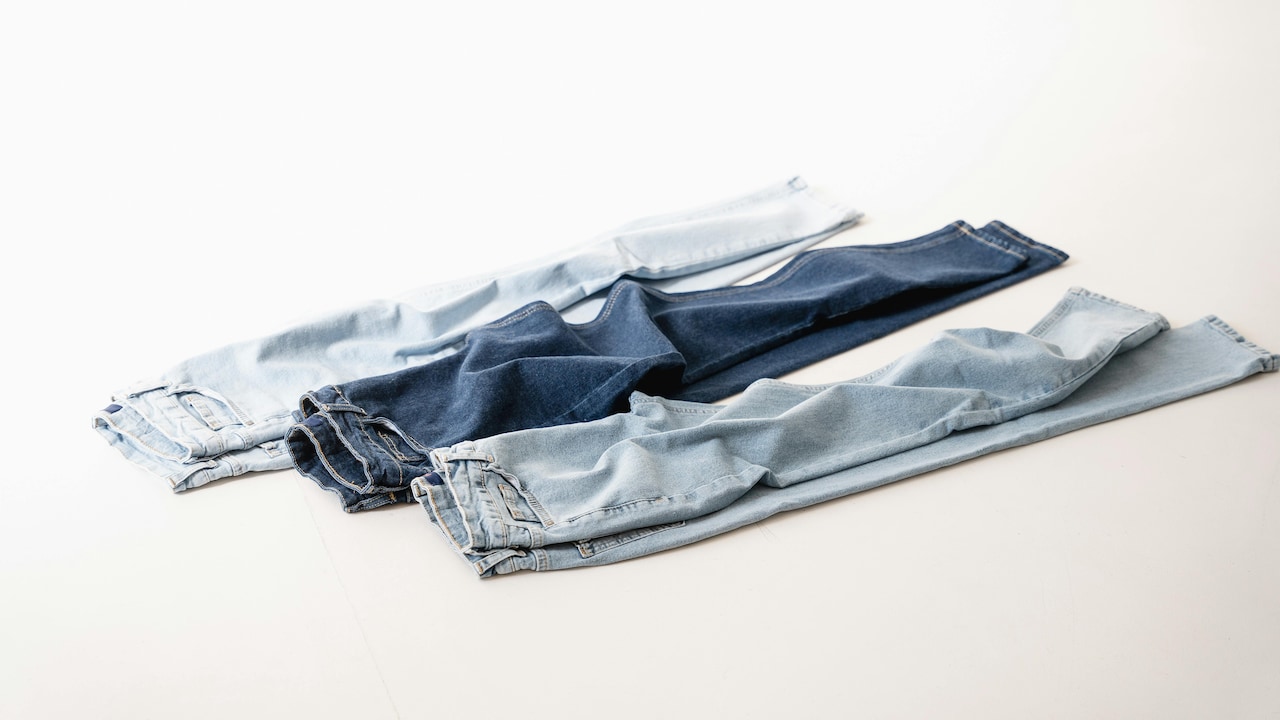
High-Waisted Jeans That Dig In When Sitting: Fit Warning Signs and Fixes; Photo Credit: Pexels
The Telltale Signs Your High-Waisted Jeans Are Working Against You
1. The Waistband Feels Fine Standing but Tight When Sitting
One of the clearest warning signs appears only after sitting down. The waistband feels perfectly fine while standing in front of the mirror. The moment the body bends, the pressure builds around the stomach. This happens because the jeans lack enough ease at the waist or abdomen area. Bodies expand slightly when seated, especially after meals or during long hours.
Many jeans are designed for standing poses rather than real-life movement. A rigid waistband leaves no room for natural shifts. The fix starts with checking how jeans feel in the trial room while sitting, not just standing. Squatting or sitting on a bench for a minute reveals the truth quickly.
Sizing up by one size often solves this issue, especially when the hips fit well, but the waist feels unforgiving. Tailoring also helps. A skilled local tailor can let out the waistband by a centimetre or two for around ₹300–₹600. Stretch panels or elastic inserts at the back waist also add comfort without changing the look. Comfort should never stay hidden behind a standing pose.
2. Deep Red Marks or Imprints After Wearing
Red marks around the waist after removing jeans send a loud signal. Light impressions fade quickly and cause no concern. Deep, lingering marks suggest the waistband presses too hard against the skin. This pressure restricts circulation and leads to bloating or soreness over time. Many ignore these signs, blaming food or posture, yet the jeans often play the main role.
High-waisted designs sit at the narrowest or most sensitive part of the torso. A tight waistband here causes more discomfort than low-rise styles. Fabric choice matters too. Thick denim with no stretch worsens the problem.
Switching to jeans with at least two to three per cent elastane helps. These stretch fibres allow the fabric to adapt when sitting or bending. Wide waistbands also distribute pressure better than narrow ones. For jeans already in the wardrobe, wearing a soft cotton camisole tucked in creates a buffer between skin and denim. This small trick reduces friction and marks during long days.
Also Read: Best High-Waist Skinny Jeans for Women: Flattering Fits That Never Go Out of Style
3. The Button or Zip Strains When Sitting
A struggling button or zip often sparks quiet panic in public spaces. When fastenings pull or gape while seated, the jeans lack enough room in the waist or rise. This issue worsens after meals or during travel. Constant strain also weakens zips and buttons, leading to breakage.
This problem usually appears in jeans with a short rise. The rise measures the distance from the crotch seam to the top of the waistband. High-waisted jeans with a short front rise push into the stomach when sitting. Bodies with a fuller midsection feel this more.
Checking rise measurements before buying helps avoid this trap. A longer rise offers more comfort without sacrificing the high-waist look. Tailors can replace buttons with sturdier ones or add a hidden hook for extra security at a cost of about ₹200. However, persistent strain suggests the need for a better-fitting pair rather than quick fixes.
4. Restricted Breathing or Slouching to Find Relief
Jeans should never affect breathing. When a pair forces shallow breaths or encourages slouching to ease pressure, something has gone wrong. Many notice this during long meetings or drives. The body instinctively adjusts posture to escape discomfort, which leads to back and neck strain.
This issue links closely to rigid waistbands and thick seams. High-waisted jeans often include reinforced seams at the waist, which feel harsh when compressed. Over time, this discomfort affects focus and mood.
Opting for jeans with softer inner seams makes a big difference. Some brands line waistbands with brushed cotton or softer denim. These feel gentler during long wear. Another fix involves choosing mid-rise jeans styled to look high-waisted. These sit slightly lower yet create a similar silhouette. Comfort improves without losing the desired look. Style should support daily movement, not dictate posture.
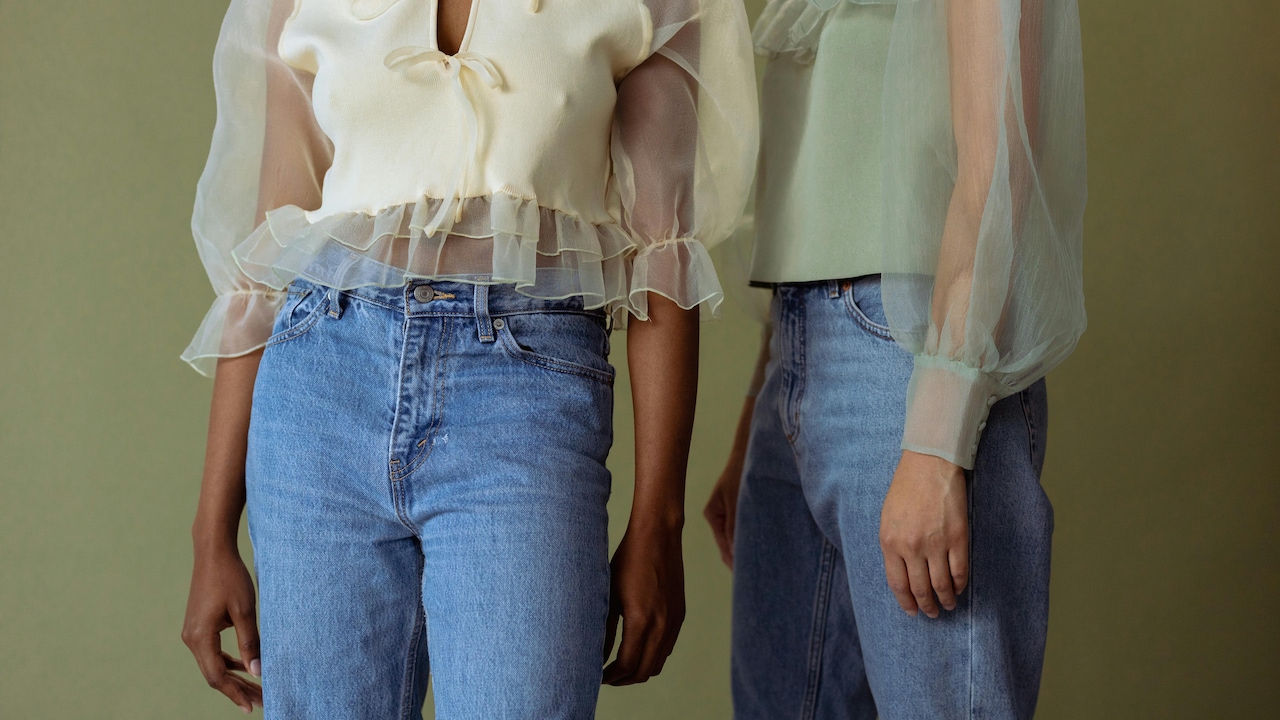
High-Waisted Jeans That Dig In When Sitting: Fit Warning Signs and Fixes; Photo Credit: Pexels
5. Constant Need to Unbutton After Meals
The urge to discreetly unbutton jeans after lunch has become a shared experience. While occasional bloating happens, frequent reliance on this trick highlights a poor fit. High-waisted jeans amplify this issue because they sit where the stomach expands most after eating.
Ignoring this sign leads to discomfort and self-consciousness. A good pair should allow normal eating without drama. Fabric again plays a key role. Rigid denim leaves no margin for change. Stretch denim adapts better throughout the day.
Another helpful feature involves contoured waistbands. These curves slightly follow natural body lines, reducing pressure when seated. Some local boutiques and tailors offer waistband alterations that add a subtle curve for around ₹500. Choosing darker washes also helps psychologically, as they feel more forgiving. Meals deserve enjoyment, not strategic clothing adjustments.
6. Pinching or Digging at the Sides
Discomfort often concentrates at the sides of the waist rather than the front. This pinching sensation comes from straight-cut waistbands on bodies with curves. When the waistband fails to match body shape, it digs into softer areas at the sides.
Many off-the-rack jeans follow a standard block that suits few perfectly. Bodies vary widely, and side digging signals a mismatch. This issue becomes obvious when sitting, as the waist expands sideways.
A contoured waistband offers the best solution. These rise slightly higher at the back and dip gently at the front, accommodating curves better. If replacing jeans feels costly, tailoring remains an option. Taking in the back seam while letting out the sides balances the fit. Expect costs between ₹600 and ₹1,000 depending on complexity. Comfort improves significantly with this small adjustment.
7. Stiff Fabric That Refuses to Adapt
Fabric stiffness turns high-waisted jeans into rigid armour. Thick, heavy denim looks sharp but often resists movement. Sitting then feels like battling the fabric rather than relaxing. This problem worsens in warm weather, when the body already feels sensitive.
Many choose stiffness for durability, yet modern denim blends offer strength with flexibility. Jeans with stretch fibres and lighter weaves work better for daily wear. Checking fabric weight helps. Lighter denim drapes better and feels less restrictive.
Washing new jeans a few times softens the fibres. Adding a cup of white vinegar during the first wash breaks down stiffness without damaging colour. Air drying rather than sun drying also preserves softness. These small care steps extend comfort without extra spending. Jeans should feel lived-in, not like a test of endurance.
High-Waisted Jeans That Dig In When Sitting: Fit Warning Signs and Fixes; Photo Credit: Pexels
8. Waist Gap at the Back but Tight in Front
A frustrating combination appears when jeans gape at the back waist yet dig in at the front. This fit issue plagues many body types. It happens because the waistband fails to follow natural curves. The front presses down while the back floats away.
Sitting exaggerates this imbalance. The front digs deeper, and the back gap becomes more obvious. Belts rarely solve this problem and often add bulk or pressure.
A contoured waistband again offers the cleanest fix. Tailoring also works wonders here. Taking in the back waist while releasing the front creates balance. Many tailors handle this for around ₹700–₹1,200. When shopping, trying jeans designed for curvier fits reduces this risk. These cuts allow more room in the hips and front without excess fabric at the back.
9. Numbness or Tingling After Long Wear
Numbness or tingling around the waist or hips raises concern. This sensation indicates restricted blood flow or nerve compression. Tight high-waisted jeans often cause this during long sitting periods, such as office hours or travel.
Ignoring these signs risks long-term discomfort. Clothing should never compromise physical well-being. This issue often stems from overly tight waistbands combined with inflexible fabric.
Looser fits solve this problem best. Choosing relaxed or straight-leg high-waisted jeans allows more movement. These styles still look polished while offering breathing room. Avoiding shapewear underneath tight jeans also helps, as layers increase pressure. Comfort should always take priority over trends. Health stays in fashion every season.
10. The Jeans Dictate the Day
The final warning sign feels subtle yet powerful. When planning revolves around when jeans can come off, the fit fails. Constant adjusting, sitting gingerly, or avoiding meals all signal discomfort.
Clothing should support daily life, not control it. High-waisted jeans earn their place as staples because they promise ease and versatility. When they fail at that, reassessment becomes necessary.
Building a wardrobe with multiple sizes and fits helps. Reserving rigid high-waisted jeans for short outings while choosing stretchier options for long days strikes a balance. Spending ₹2,000–₹3,000 on a well-fitted pair often saves discomfort and tailoring costs later. Jeans should feel like trusted companions, not demanding guests.
Products Related To This Article
1. Kotty Women Jean Straight Fit High-Rise Stretchable Jeans
2. Roadster The Life Co. Women Flared High-Rise Light Fade Stretchable Jeans
3. H&M Wide Ultra High Jeans
4. Miss Chase Women's Wide Leg High-Rise Clean Look Stretchable Jeans
5. U.S. Polo Assn. Women's High-Rise Light Fade Stretchable Straight Fit Jeans
6. Miss Chase Women Black Skinny Fit High-Rise Clean Look Stretchable Jeans
7. GAP Women High-Rise Barrel Fit Light Fade Jeans
High-waisted jeans offer style, structure, and confidence when they fit well. Discomfort while sitting signals design or sizing issues that deserve attention. From digging waistbands to strained buttons, the body provides clear warnings. Listening to these signs transforms the wearing experience.
Simple fixes such as choosing stretch fabrics, checking rise length, or investing in tailoring make a significant difference. Comfort does not require abandoning favourite styles. With mindful choices and small adjustments, high-waisted jeans can deliver both elegance and ease. Sitting down should feel as good as standing tall.
(Disclaimer: This article may include references to or features of products and services made available through affiliate marketing campaigns. NDTV Convergence Limited (“NDTV”) strives to maintain editorial independence while participating in such campaigns. NDTV does not assume responsibility for the performance or claims of any featured products or services.)