10 Reasons Insulated Lunch Bags Keep Smelling After Cleaning And How To Remove Trapped Odours
Insulated lunch bags can retain odours even after cleaning. Discover 10 common causes, from hidden food residue to trapped moisture, and learn simple ways to remove stubborn smells.
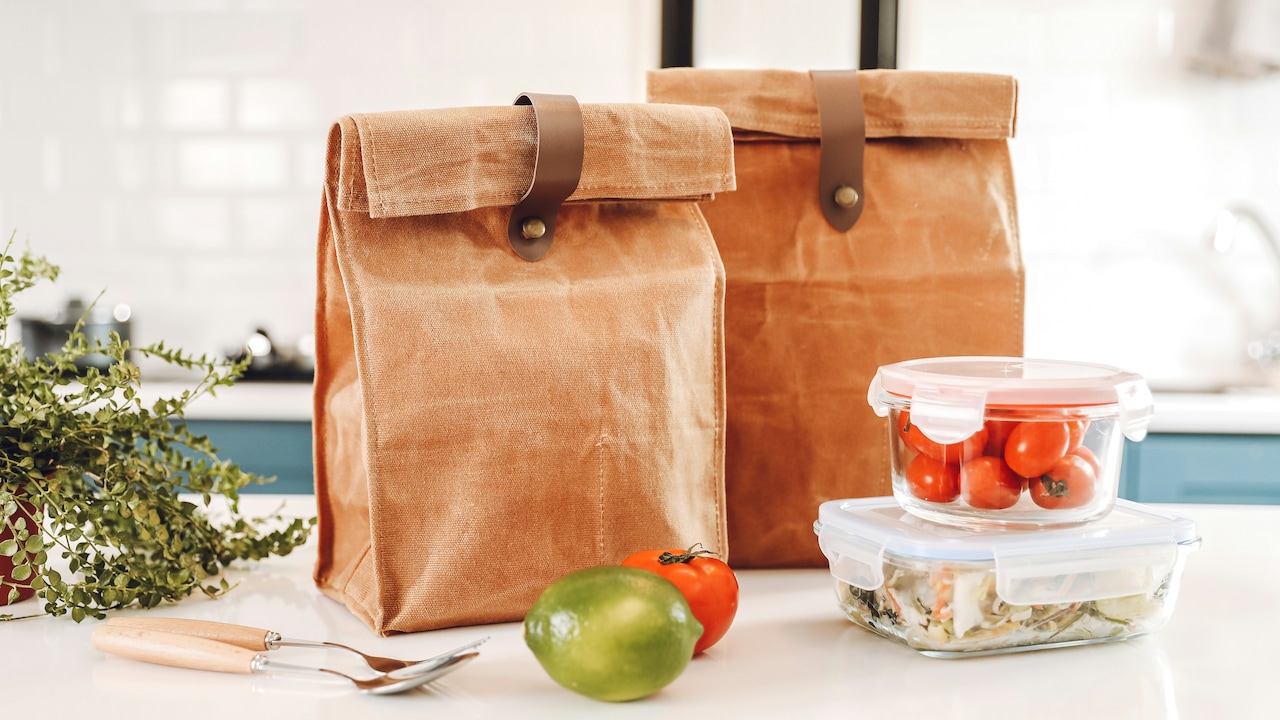
Why Insulated Lunch Bags Smell: 10 Causes and Odour Removal Tips
Opening a freshly cleaned lunch bag should not feel like uncovering a forgotten tiffin from last summer. Yet many people wash, wipe and dry their bags carefully, only to find that familiar sour, musty or spicy smell returning the next morning. Insulated lunch bags create an ideal hiding place for odours. Their layered construction keeps food warm or cool, but it also traps moisture, crumbs, oils and bacteria. A quick wipe may clean the visible surface while leaving the real trouble untouched. Strongly flavoured meals make the challenge even harder. A small leak from sambar, pickle, paneer gravy or garlic chutney can travel into a stitched edge and stay there for days. Add warm weather, a closed zip and a rushed evening routine, and the bag soon develops a personality of its own. The good news is that most lingering smells do not mean the bag has reached the end of its life. Once the source becomes clear, simple household methods can usually solve the problem. The following reasons explain why lunch bags keep smelling after cleaning and how to remove trapped odours without damaging the lining.
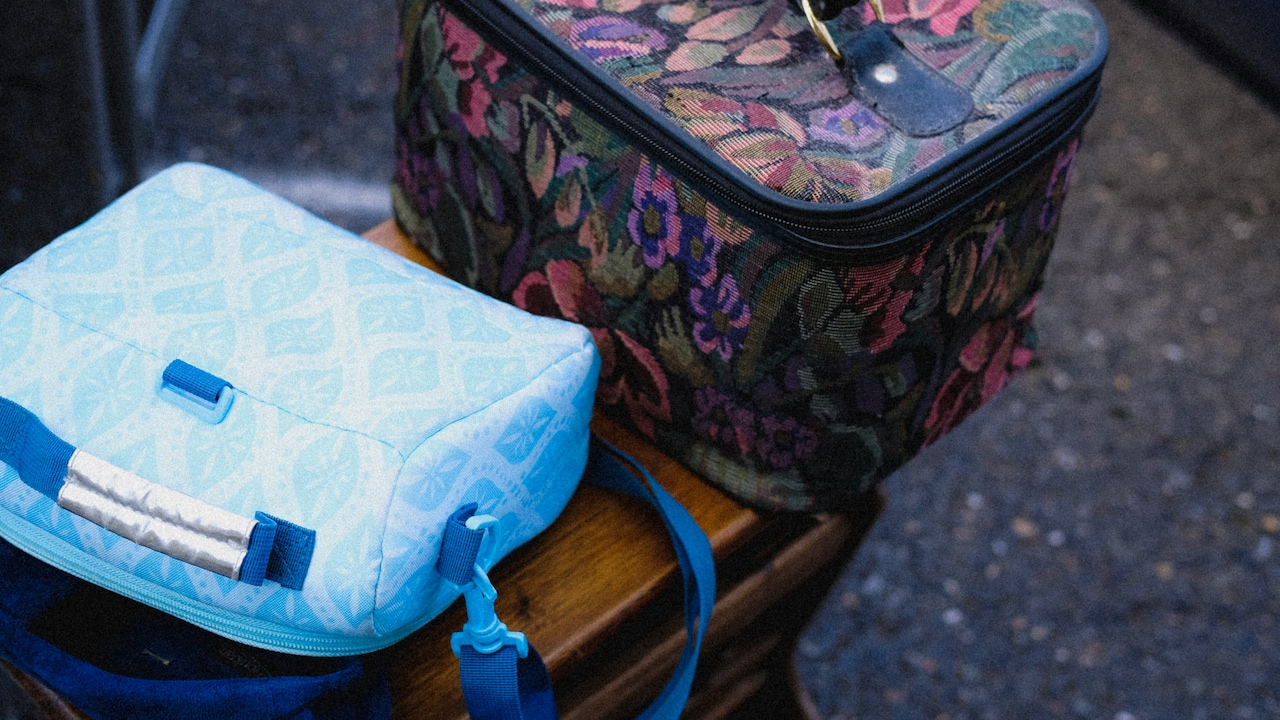
Why Insulated Lunch Bags Smell: 10 Causes and Odour Removal Tips; Photo Credit: Pexels
Why Insulated Lunch Bags Still Smell After Cleaning
1. Food Has Seeped Into The Seams
The main compartment may look clean, but stitched seams often hold tiny traces of food. Gravy, curd, fruit juice and cooking oil can slip into the narrow spaces where the lining meets the edges. A damp cloth rarely reaches deep enough to remove them.
These hidden residues slowly break down and create a sour or rancid smell. The odour becomes stronger when the bag stays closed overnight. Dark-coloured linings make the problem harder to spot, especially after a small leak that seemed harmless at the time.
Use an old soft toothbrush to clean along every seam. Dip it in warm water mixed with a few drops of mild washing-up liquid. Scrub gently, paying close attention to corners, zip ends and folded edges. Avoid soaking the bag unless the care label allows it.
After cleaning, press a dry towel into the seams to absorb moisture. Leave the bag fully open under a fan or in a well-ventilated spot. A little baking soda placed inside overnight can absorb any remaining smell. Empty it carefully the next morning and wipe the interior once more.
Also Read: Say Goodbye To Cold Lunches: Top 5 Microwave-Safe Tiffin Boxes Worth Buying
2. The Bag Has Not Dried Completely
Moisture causes many lunch-bag odours, even when no food remains inside. A bag may feel dry on the surface while water still sits beneath the lining, around the zip or inside padded sections. Closing it too soon creates a warm, damp environment where musty smells develop quickly.
This often happens during the monsoon or in homes with limited sunlight. Washing the bag at night and packing it again the next morning leaves very little drying time. The result smells less like lunch and more like a cupboard that has not opened in months.
After every deep clean, keep all compartments unzipped and pull pockets open. Place the bag upside down so trapped water can drain. Airflow matters more than harsh sunlight, which may crack plastic linings or fade printed fabric.
A table fan can speed up drying. Stuffing the bag loosely with clean newspaper for a few hours also helps draw out moisture, though the paper should not touch a delicate light-coloured lining if the ink transfers easily.
Never store the bag folded or zipped shut. Leave it open until the interior feels completely dry and neutral.
3. Oil Has Coated The Inner Lining
Cooking oil does not always leave an obvious stain. It can form a thin, sticky film across the lining, especially after spills from parathas, fried snacks, pickles or rich curries. This film attracts dust and food particles while holding on to strong aromas.
Plain water cannot cut through grease. Even a wet cloth may spread the oil over a wider area, making the bag look cleaner without actually removing the source of the smell.
Mix warm water with a small amount of grease-cutting washing-up liquid. Apply the solution with a sponge and work it gently over the affected area. Do not pour the mixture directly into the bag. Excess water can enter the insulation and create another odour problem.
For stubborn greasy patches, sprinkle a little baking soda over the damp surface and rub softly with a cloth. The mild abrasion helps lift the oily layer. Wipe away all soap and powder with a fresh damp cloth.
Smell the lining only after it has dried completely. Wet materials can mask odours. If the greasy scent remains, repeat the treatment rather than using strong perfume, which merely creates a confusing mix of curry and artificial lavender.
Why Insulated Lunch Bags Smell: 10 Causes and Odour Removal Tips; Photo Credit: Pexels
4. Spills Have Reached The Insulation Layer
An insulated lunch bag contains more than the visible inner lining. Foam, reflective material and fabric layers sit beneath it. If the lining tears or a seam opens, liquid can enter these hidden sections.
Once dal, milk, juice or gravy reaches the insulation, surface cleaning offers only temporary relief. The liquid remains trapped and may produce a smell that returns whenever the bag warms up. Pressing the sides may even release a stronger burst of odour.
Inspect the lining closely. Look for small punctures, peeling corners, loose stitching or areas that feel unusually soft and damp. Clean the surface first, then leave the bag open for at least a full day in moving air.
A bowl or open pouch of baking soda placed inside can help draw out odours, although it cannot remove deeply soaked food. Activated charcoal sachets also work well and do not add fragrance.
If a large spill has entered the insulation, replacing the bag may prove wiser. Deep contamination can encourage bacterial growth, and cutting open the lining for cleaning usually destroys its thermal performance. A ₹600 replacement costs less than weeks of carrying a bag that smells like fermented korma.
5. The Zip And Fabric Trim Still Hold Residue
Zips receive little attention during cleaning, yet they collect crumbs, sauces and oils with surprising enthusiasm. Food can lodge between the teeth, beneath the zip flap or in the fabric tape that holds the fastening in place.
The outer trim also absorbs smells. A leaking container may leave the shiny interior almost untouched while soaking the woven border around the opening. Wiping only the main compartment allows the odour to survive.
Open the zip fully and shake the bag over a sink or balcony dustbin. Use a dry toothbrush first to loosen crumbs. Then clean the zip teeth and surrounding fabric with mild soapy water. Cotton buds help reach narrow ends and areas around the slider.
For a sour smell, wipe the fabric trim with a diluted solution of equal parts white vinegar and water. Test it on a hidden area first, as vinegar may affect certain colours or coatings. Follow with a clean damp cloth.
Dry the zip while it remains open. Moving it back and forth during drying prevents stiffness. Once the bag smells fresh, rub a tiny amount of candle wax along a stubborn metal zip to help it glide smoothly.
6. Strong Spices Have Bonded With The Material
Some aromas refuse to leave quietly. Garlic, hing, fish, eggs, fenugreek, pickle masala and roasted spices contain powerful compounds that cling to plastic and fabric. Heat strengthens the effect, particularly when warm food enters the bag before it cools.
Regular soap may remove the spill but leave the aroma behind. Adding a heavily scented cleaner often makes matters worse. Nobody wants a lunch bag that smells like garlic pickle wearing rose perfume.
Start with a thorough wash using mild washing-up liquid. After drying, place a small bowl of baking soda inside the bag and close it loosely overnight. Baking soda neutralises many acidic odours rather than covering them.
For persistent spice smells, place several pieces of crumpled newspaper inside for a day. Paper absorbs airborne odour molecules surprisingly well. Dry tea leaves or unused charcoal sachets can also help, but keep loose materials in a breathable pouch to avoid mess.
A few hours of gentle morning sunlight may reduce lingering smells, provided the bag's care instructions permit it. Avoid strong afternoon heat, which can warp the lining. Prevention helps too: wrap leak-prone containers in a washable cloth before packing them.
7. Bacteria Are Feeding On Tiny Food Particles
A lunch bag can appear spotless while microscopic food particles remain on its surface. Bacteria feed on these residues and release unpleasant-smelling compounds. Warm temperatures accelerate the process, which explains why a mild smell in the morning can become fierce by evening.
A simple wipe removes visible dirt but may not clean the bag thoroughly enough. However, strong bleach or harsh disinfectants can damage insulation, fade fabric and leave chemical residues near food containers.
Begin with warm soapy water and careful scrubbing. Focus on corners, seams, handles and the base. Then wipe the interior with a clean cloth dampened in a solution of one part white vinegar to one part water, after checking the care label. Vinegar helps reduce many common odour-causing microbes.
Allow the solution to sit for a few minutes before wiping again with plain water. Dry the bag completely. Never pack food while the lining remains damp.
Regular habits matter more than dramatic rescue operations. Remove crumbs every evening, wipe spills immediately and deep-clean the bag once a week. A two-minute clean after work prevents the kind of smell that later demands an entire Sunday afternoon and the patience of a saint.

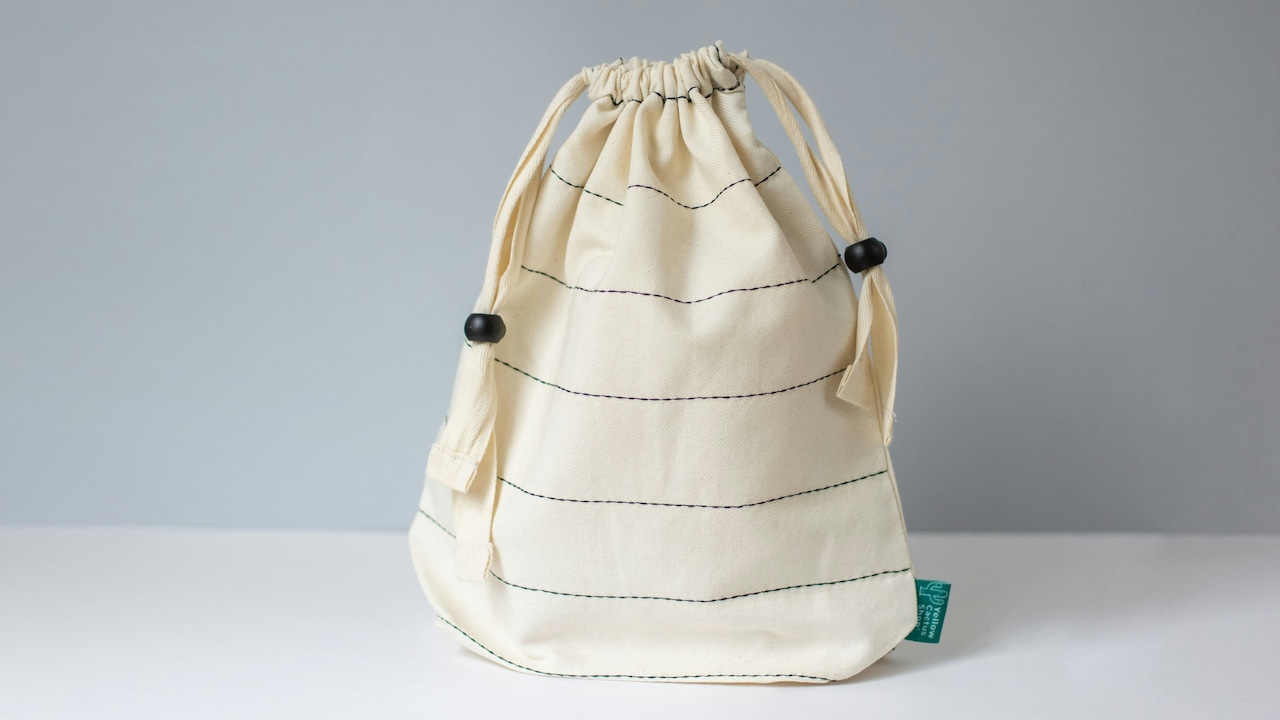
Why Insulated Lunch Bags Smell: 10 Causes and Odour Removal Tips; Photo Credit: Pexels
8. Mould Has Started Growing In Hidden Corners
A musty, earthy smell often points to mould or mildew. Tiny black, green or grey spots may appear around seams, beneath pockets or near the base. Sometimes the growth remains hidden behind the lining, but the smell provides a clear warning.
Mould develops when moisture, warmth and food residue remain together. A forgotten banana, leaking water bottle or damp napkin can provide enough material for growth, especially when the zipped bag sits inside a cupboard over the weekend.
Wear gloves and clean visible spots outdoors or in a ventilated area. Use a soft brush to remove loose growth, taking care not to scatter it around the kitchen. Wipe the area with equal parts white vinegar and water, then clean it with mild soap.
Dry the bag thoroughly in fresh air. Do not use it until the smell and visible marks disappear. If mould returns, covers a large area or seems to sit inside the insulation, discard the bag. Cleaning cannot guarantee safety once growth spreads through porous layers.
To prevent mould, remove damp cloths and ice packs every day. Store the lunch bag open, never compressed beneath a pile of schoolbooks, office files or reusable shopping bags.
9. The Ice Pack Or Food Container Is The Real Culprit
Sometimes the lunch bag takes the blame for an odour created by something inside it. Reusable ice packs can leak, absorb freezer smells or develop mildew around their caps. Plastic food containers, silicone seals and bottle lids also trap oils and old food.
A freshly cleaned bag will smell unpleasant again as soon as these items return. The situation can feel baffling because the odour seems to “come back” overnight.
Smell each container separately, including its lid and rubber gasket. Remove silicone rings where possible and scrub the grooves beneath them. Soak washable parts in warm soapy water, then rinse and dry them completely.
Baking soda paste helps remove smells from many plastic containers. Apply it for several hours before rinsing. Sun-drying can also freshen sturdy containers, though prolonged heat may warp thin plastic.
Check ice packs for cracks, sticky surfaces or cloudy liquid. Replace damaged packs rather than trying to repair them. Also clean the freezer shelf where they sit, since frozen peas, chopped garlic and last month's fish can create an aromatic family reunion.
Once every item smells neutral on its own, return it to the clean bag.
10. Fragranced Cleaners Are Masking The Odour
A powerful cleaner may make a lunch bag smell fresh for an hour, but fragrance does not remove trapped food residue. It simply sits on top of the original odour. As the perfume fades, the sour or greasy smell returns, sometimes mixed with a sharp chemical note.
Fragranced sprays can also irritate sensitive noses and transfer their scent to food containers. A mango snack that carries a hint of “mountain breeze” loses much of its charm.
Choose mild, unscented washing-up liquid whenever possible. Clean the bag methodically rather than relying on deodorising sprays. After washing, use neutral odour absorbers such as baking soda, activated charcoal or dry newspaper.
Fresh air remains one of the safest tools. Leave the bag open in a shaded, ventilated place. Turn it halfway through drying so every side receives airflow.
If a fragrance already clings to the lining, wipe it several times with plain water and a clean cloth. A diluted vinegar wipe may help remove the residue, but always test first.
The aim is not to make the bag smell like flowers, lemons or a luxury hotel lobby. A properly cleaned lunch bag should smell like almost nothing.
Products Related To This Article
1. HYLOL Insulated Travel Lunch/Tiffin/Storage Bag for Women and Men Office
2. SaleOn Insulated Lunch Bag for Women & Men
3. Thermal Insulated Lunch Bag 2L (3 Kg Capacity)
4. The Earth Store Beige Check Insulated Lunch Bag for Office
5. Wooum Thermal Insulated Lunch Bag for Office Men Women Kids
6. FLYNGO Large Insulated Lunch Bag for Office, School
7. Shopiable Store Lunch Bag for Women & Men – Cute Lunch Tote Bag
A stubborn lunch-bag smell usually survives because the cleaning process misses its true source. Food may hide in seams, oil may coat the lining, moisture may linger beneath the surface or an innocent-looking ice pack may carry the odour back.
The most effective approach combines gentle cleaning, close inspection and complete drying. Mild washing-up liquid removes everyday grime, while baking soda, vinegar, newspaper and activated charcoal tackle lingering smells without overwhelming the bag with perfume.
Daily care makes the biggest difference. Empty the bag each evening, remove damp napkins, inspect containers for leaks and leave the zip open overnight. These small habits stop crumbs and moisture from turning into a much larger problem.
Some bags, however, cannot recover. Deeply soaked insulation, recurring mould or damaged linings can make replacement the safer choice. Until that point, a little patience and a toothbrush can rescue most lunch bags.
After all, the aroma of lunch should begin when the tiffin opens, not when the bag enters the room.
(Disclaimer: This article may include references to or features of products and services made available through affiliate marketing campaigns. NDTV Convergence Limited (“NDTV”) strives to maintain editorial independence while participating in such campaigns. NDTV does not assume responsibility for the performance or claims of any featured products or services.)