Why Kids' Shoes Wear Out So Fast: 10 Hidden Reasons Parents Should Know
Kids rarely walk, they run, drag, kick and climb. From playground habits to rapid growth, several hidden factors can destroy footwear faster than expected. Discover the surprising reasons children's shoes wear out so quickly.
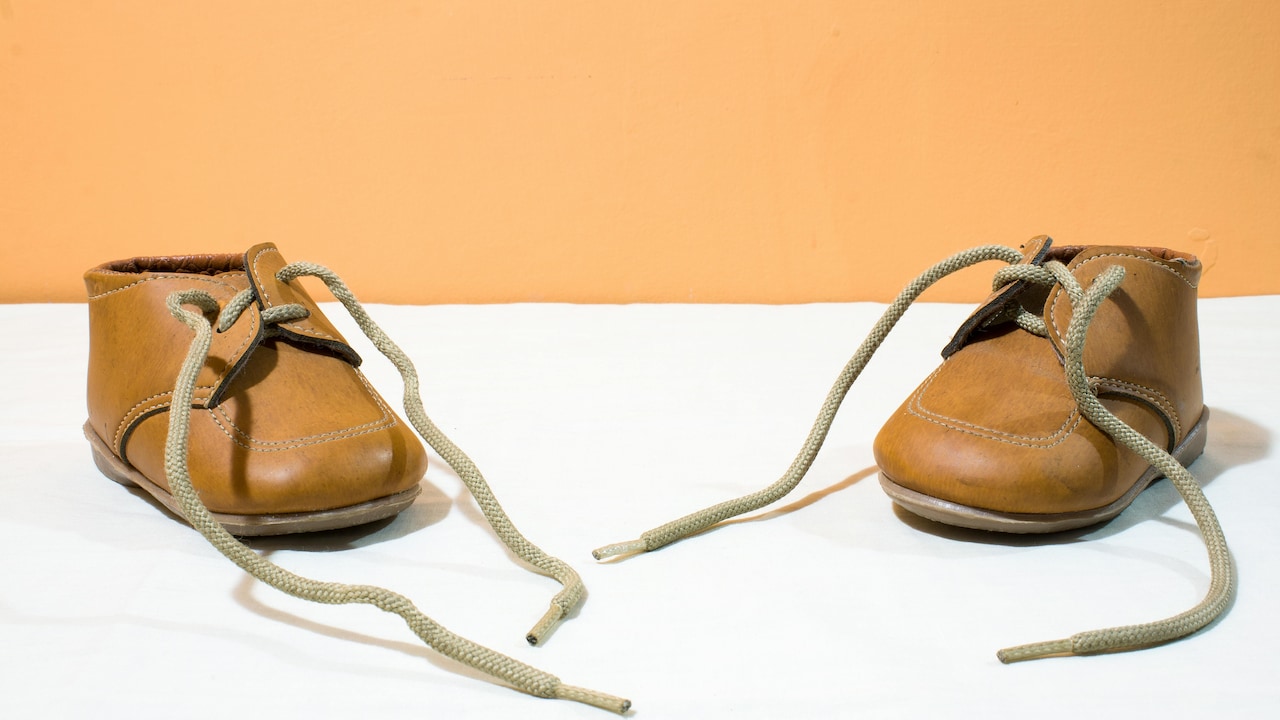
Why Some Kids' Shoes Wear Out Faster Than Expected | 10 Hidden Reasons.
A new pair of children's shoes often feels like a small celebration. Fresh laces, spotless soles, and that unmistakable squeak on polished floors create the promise of durability. Many parents hope the pair will survive the entire school year, especially after spending ₹1,500 or more on something labelled “extra durable”.
Reality often tells a different story. Within weeks, the toe area starts peeling. The soles grow thin. Stitching loosens. Suddenly, the “new” shoes look ready for retirement.
Blaming the brand feels natural, yet the truth hides in everyday routines. Children rarely walk gently from point A to point B. They run, skid, climb, kick, drag, jump, and invent games adults never imagined. Add rapid growth, humid weather, and hectic school schedules, and shoes face far more stress than expected.
Small habits, unnoticed by busy households, quietly shorten the life of footwear. Understanding these habits reveals why certain pairs barely survive a term while others last surprisingly long.
The reasons might feel surprising, slightly amusing, and occasionally frustrating. Yet recognising them can help parents stretch the lifespan of shoes without constant replacement trips to the market.
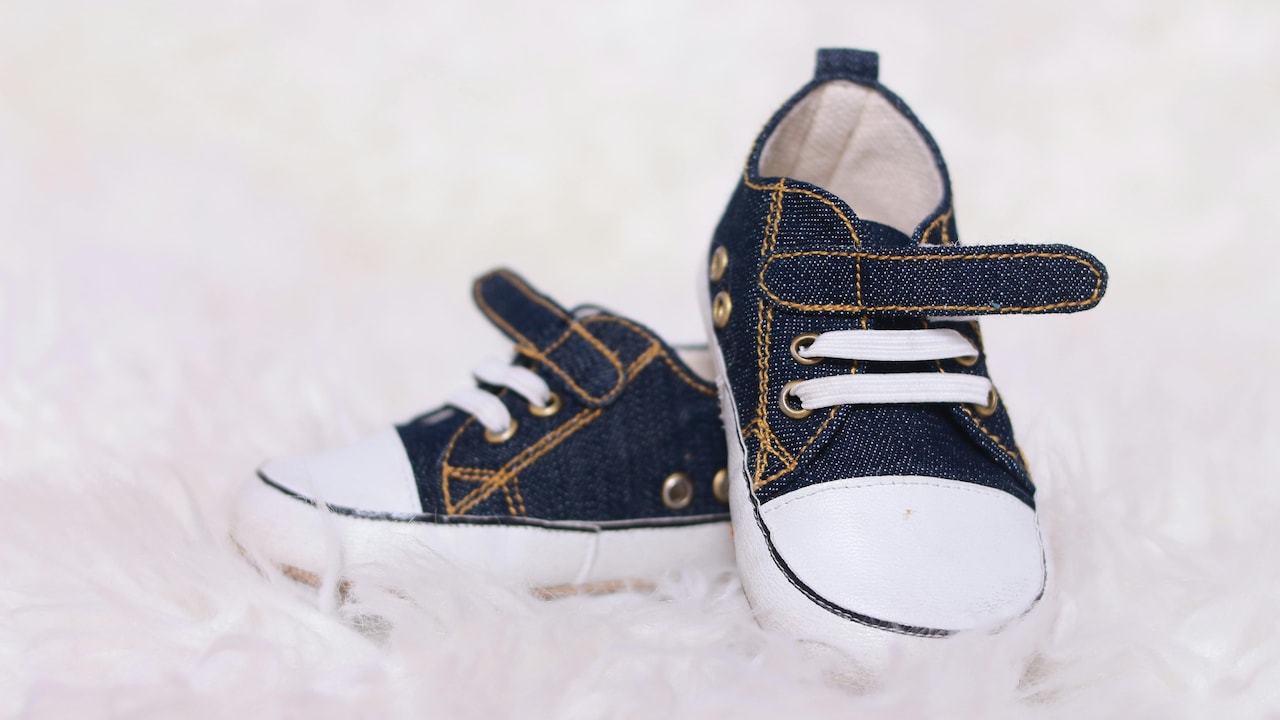
10 Surprising Reasons Kids' Shoes Wear Out Faster Than Expected; Photo Credit: Pexels
What Really Causes Kids' Shoes To Wear Out Faster Than Expected
1. The Playground Is Tougher Than Any Test Lab
Manufacturers design kids' shoes to handle rough play. Yet playground creativity often beats laboratory testing. A smooth school corridor rarely damages footwear, but the moment the bell rings, things change dramatically.
Many children treat the playground like an obstacle course. Shoes scrape across concrete while racing friends. Toes drag while climbing steps two at a time. Some youngsters even use their shoes as emergency brakes when sprinting down a slope.
Concrete surfaces deserve particular blame. Unlike grass or soil, rough ground grinds away rubber quickly. Even a few minutes of aggressive sliding during recess can shave tiny layers from the sole.
Another silent culprit hides in playground games involving sudden stops. Games such as tag or chase force quick turns and skids. That motion pushes immense friction onto the toe and sole edges.
Teachers often laugh when noticing a child sliding dramatically to halt near the classroom door. The moment looks playful, yet shoes pay the price.
When this behaviour repeats daily, even strong footwear begins to wear out faster than expected.
2. Rapid Growth Leaves Shoes Struggling To Keep Up
Children grow faster than most wardrobes can manage. One month, the shoe fits perfectly; the next month, the toes press against the front like passengers in a crowded train.
Growth creates more than discomfort. It changes how shoes bend and stretch during walking. When a shoe becomes slightly tight, the foot pushes harder against seams and materials.
The toe box often suffers first. Constant pressure from growing toes weakens stitching and stretches the upper fabric. Soon, tiny creases appear, followed by cracks or peeling.
Parents sometimes notice children dragging their feet slightly. That small adjustment often happens because the shoe no longer fits comfortably. Dragging increases friction on the sole and toe cap.
Many families delay buying a new pair because the existing shoes still “look fine”. Yet hidden stress continues inside the shoe.
Children rarely complain loudly about tight footwear during busy school days. Instead, the shoes silently absorb the consequences of that growth spurt.
By the time damage becomes visible, the shoe has already fought a losing battle against rapidly expanding feet.
Also Read: Top 5 School Shoes For Kids Offering Comfort, Durability, And A Neat Look
3. Poor Walking Habits Quietly Destroy Soles
Adults often walk with balanced steps, but children invent unique styles of movement. Some stomp dramatically. Others drag their heels. A few twist their feet outward like cartoon characters.
Each walking habit places pressure on different parts of the shoe. Heel draggers quickly thin out the back sole. Toe pushers wear out the front area unusually fast.
Watching a group of children leave school offers fascinating clues. One child hops along the pavement. Another shuffles lazily while staring at a snack packet. Yet another kicks small stones along the road like a professional footballer.
These habits rarely appear harmful. Yet repetitive motion creates uneven wear patterns.
Parents sometimes notice one shoe wearing faster than the other. The explanation often lies in walking style rather than manufacturing faults.
Correcting walking habits can extend shoe life noticeably. A gentle reminder to lift feet properly instead of dragging can save weeks of wear.
Shoes cannot argue back, so they quietly endure every stomp, twist, and drag until the material finally gives up.
4. Cheap Socks Cause More Damage Than Expected
Socks rarely receive attention during shoe shopping. Most families focus entirely on the footwear itself. Yet the humble sock plays a surprising role in shoe durability.
Low-quality socks absorb sweat poorly. When moisture stays trapped inside shoes, it weakens materials over time. Damp interiors soften glue, stitching, and fabric layers.
Sweaty feet also increase friction. Instead of gliding smoothly inside the shoe, the foot rubs against the inner lining. That friction slowly erodes the inside structure.
Another issue appears when socks become too thin. Without proper cushioning, the foot presses directly against the shoe material. Constant pressure accelerates wear in key areas.
Some children also roll socks down or remove them halfway through the day. The shoe interior then faces bare skin and increased sweat.
Replacing worn socks costs far less than replacing shoes. Spending ₹200 on comfortable, breathable pairs can protect footwear far longer than expected.
Often, the problem hides not in the shoe itself but in the quiet layer between foot and sole.
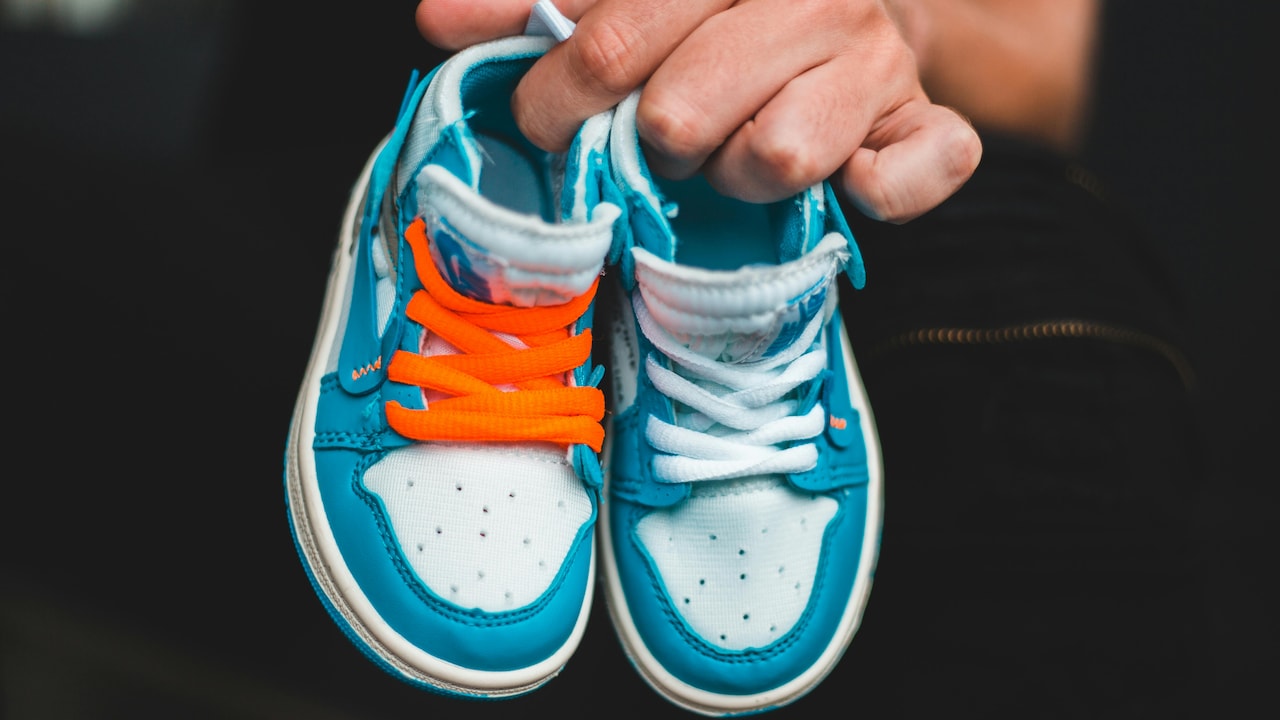
10 Surprising Reasons Kids' Shoes Wear Out Faster Than Expected; Photo Credit: Pexels
5. The Great Art Of Toe Kicking
Many children possess a mysterious urge to kick objects. Stones, walls, chair legs, footballs, backpacks, and occasionally nothing at all become targets.
That habit attacks the most vulnerable part of the shoe: the toe cap.
Repeated kicking weakens stitching and scuffs protective layers. Even reinforced rubber toes cannot survive endless impact against hard surfaces.
Some youngsters kick steps while climbing staircases. Others tap the ground rhythmically while waiting for the school bus. These small actions seem harmless but accumulate damage rapidly.
The front area begins to show scratches, then peeling material. Once that outer layer breaks, dirt and moisture sneak inside.
Parents often blame shoe quality when noticing this damage. Yet the marks tell a clear story of enthusiastic kicking.
Sports also contribute to the problem. Casual football games during recess rarely follow gentle rules. A powerful kick aimed at the ball sometimes collides with concrete instead.
Shoes endure every enthusiastic strike, silently absorbing energy that gradually destroys their structure.
6. Weather Plays A Bigger Role Than Expected
Footwear faces harsh conditions throughout the year. Rain, humidity, dust, and intense sunshine all influence durability.
During monsoon months, shoes absorb moisture daily. Wet material weakens faster, especially when children walk through puddles without hesitation. Drying shoes improperly near heat sources can also damage glue and stitching.
Hot afternoons create another challenge. Pavements grow extremely warm under direct sunlight. Rubber soles soften slightly when exposed to heat, making them more vulnerable to friction.
Dust adds yet another layer of trouble. Fine particles slip into seams and act like sandpaper with every step.
Children rarely worry about weather conditions while racing across the playground. A muddy field after rain looks like an exciting adventure rather than a threat to footwear.
Parents often discover the aftermath at the end of the day. Damp shoes, dusty seams, and stubborn stains quietly weaken the structure.
Weather never signs a contract promising gentle treatment of school shoes.
7. Constant School Schedules Give Shoes No Rest
Adults often rotate footwear during the week. Children rarely enjoy that luxury. One pair of school shoes handles five or six days of continuous use.
Without rest, moisture inside the shoe never dries fully. Sweat accumulates, materials soften, and odour begins to develop.
Rotating between two pairs allows each pair to breathe and recover. Yet many households rely on a single set because school rules demand specific designs.
A shoe worn daily experiences far more stress than one used occasionally. Imagine running errands, climbing stairs, playing sports, and walking long corridors all in the same pair every day.
By Friday evening, the shoe has endured an exhausting schedule.
The weekend often offers limited recovery time. Many pairs return to duty again on Monday morning without proper cleaning or drying.
This relentless routine shortens lifespan significantly. Even strong materials struggle under constant pressure without a break.
Sometimes shoes simply need a day off, just like the people wearing them.
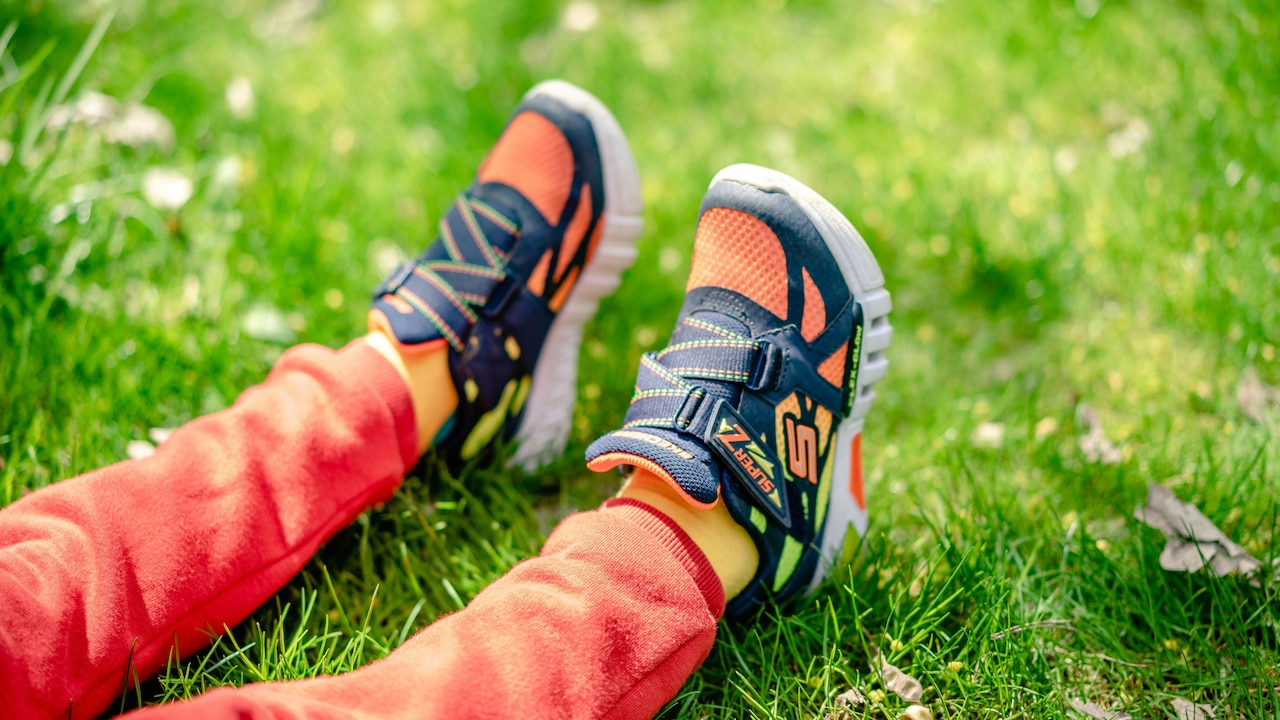
10 Surprising Reasons Kids' Shoes Wear Out Faster Than Expected; Photo Credit: Pexels
8. Incorrect Shoe Size Creates Hidden Damage
Buying slightly larger shoes often feels practical. The hope centres on extending usability for several months.
Yet oversized shoes introduce new problems. Loose footwear encourages sliding movement inside the shoe. With every step, the foot shifts forward and backward.
That internal motion increases friction against seams and lining. The heel area suffers first as it rubs repeatedly against the back.
Children also adjust their walking style to keep loose shoes from slipping off. Many grip the shoe with their toes while walking. That action strains the front section.
Overly tight shoes create another set of issues. Pressure stretches materials beyond their design limits.
Parents sometimes discover damage appearing unusually early. The cause often lies in the wrong size rather than poor construction.
Proper fitting requires checking both length and width. A comfortable fit allows natural movement without excessive sliding.
Choosing the correct size may not prevent every playground adventure, yet it significantly reduces unnecessary stress on the shoe.
9. Carrying Heavy School Bags Changes Walking Style
School bags today often resemble travel luggage rather than simple book carriers. Heavy loads change how children walk and stand.
When a child carries a heavy backpack, body posture shifts forward slightly. That change pushes extra pressure onto the front of the foot.
As a result, the toe area of the shoe experiences greater impact with every step. Over time, the material weakens and begins to crease more deeply.
The extra weight also encourages shorter, heavier steps. Instead of light movement, the child stomps more firmly to maintain balance.
This repeated impact gradually compresses the sole. Cushioning loses shape faster, reducing comfort and durability.
A packed bag weighing several kilograms may not seem dramatic during a short walk. Yet the daily journey to and from school multiplies the stress.
Reducing unnecessary items inside the bag can help protect not only young backs but also the shoes working hard beneath them.
10. Rough Removal Habits Damage The Heel
After a long school day, many children remove shoes in the quickest way possible. One common technique involves stepping on the heel of one shoe while pulling the foot out of the other.
The method works brilliantly for speed but destroys structure.
Each time someone crushes the heel counter, the stiff support inside the shoe weakens slightly. After weeks of this treatment, the back of the shoe loses shape.
Once the heel collapses, the foot no longer sits properly. Movement inside the shoe increases, which accelerates wear across the entire structure.
Parents often notice the back section folding inward. At that stage, repair becomes almost impossible.
Teaching children to loosen laces before removing shoes may sound like a small lesson. Yet that simple habit protects one of the most important structural parts of footwear.
Shoes rarely survive long when the heel experiences daily crushing.
Products Related To This Article
1. Asian Boys Girls Velcro Sneakers
2. Crazyly Boys Girls Drawstring Sneakers
3. Bersache Boys Lace Casual Boots
4. Birde Boys Velcro Running Shoes
5. Feetwell Boys Girls Velcro Sneakers
Children treat shoes as tools for adventure rather than delicate possessions. Running across playgrounds, kicking stones, climbing stairs two at a time, and racing friends down corridors all place extraordinary pressure on footwear.
When shoes wear out quickly, the explanation often lies in everyday habits rather than poor quality. Rapid growth, rough walking styles, weather conditions, and heavy school schedules all contribute to faster wear.
Even small details such as sock quality, correct sizing, and proper removal habits influence durability more than expected.
Understanding these hidden reasons helps families make smarter choices. Rotating shoes, choosing breathable socks, checking fit regularly, and encouraging gentler habits can extend the life of each pair.
Children will always run, jump, and play with unstoppable enthusiasm. Kids' shoes will always bear the marks of those adventures.
Yet with a little awareness and a few small adjustments, that shiny pair bought for ₹1,500 might just survive the school term with dignity intact.
(Disclaimer: This article may include references to or features of products and services made available through affiliate marketing campaigns. NDTV Convergence Limited (“NDTV”) strives to maintain editorial independence while participating in such campaigns. NDTV does not assume responsibility for the performance or claims of any featured products or services.)