Why Leather Belts Bend and Crack Quickly: Common Storage and Quality Issues
Leather belts often bend and crack due to poor-quality leather, improper storage, heat exposure, and daily wear habits. This article explains the common causes and how to prevent early damage.
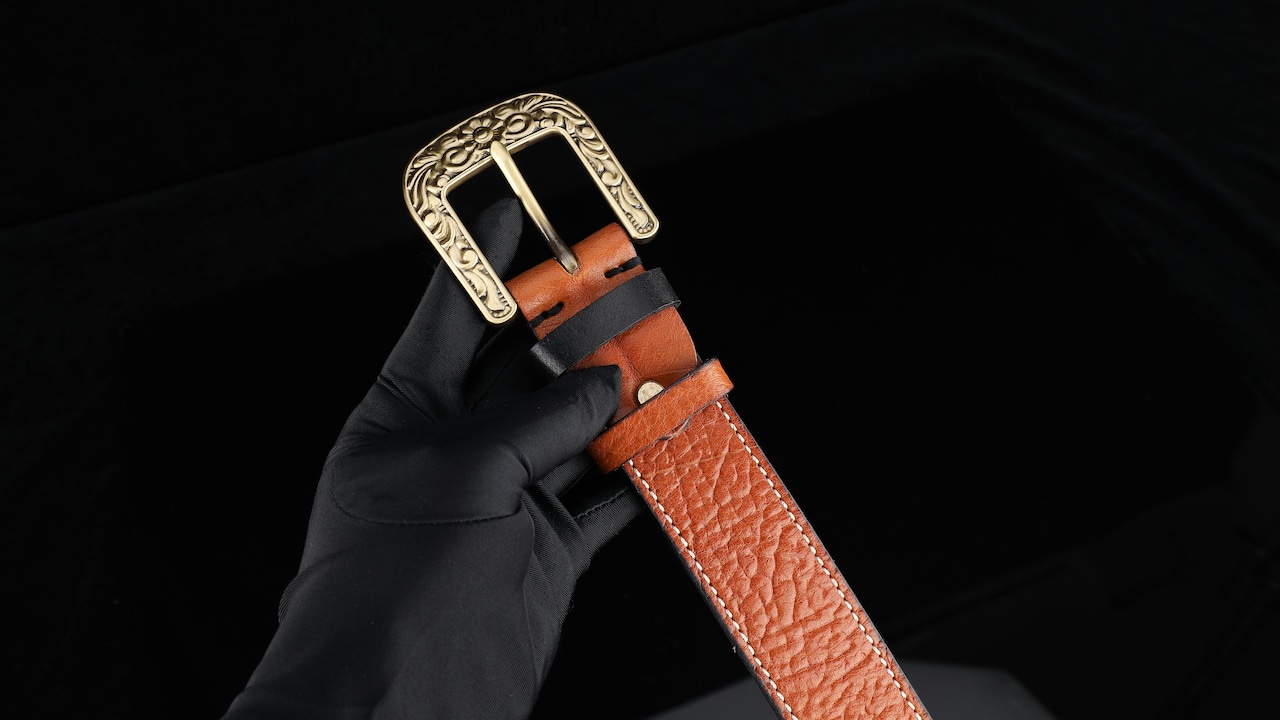
Here are 10 reasons why even the most beautiful leather belts crack quickly.
A good leather belt holds more than trousers. It carries confidence, routine, and sometimes even nostalgia. One belt might accompany daily office commutes, family weddings, and late-night food runs. So when it starts curling like a dried leaf or cracking near the buckle within months, frustration feels justified.
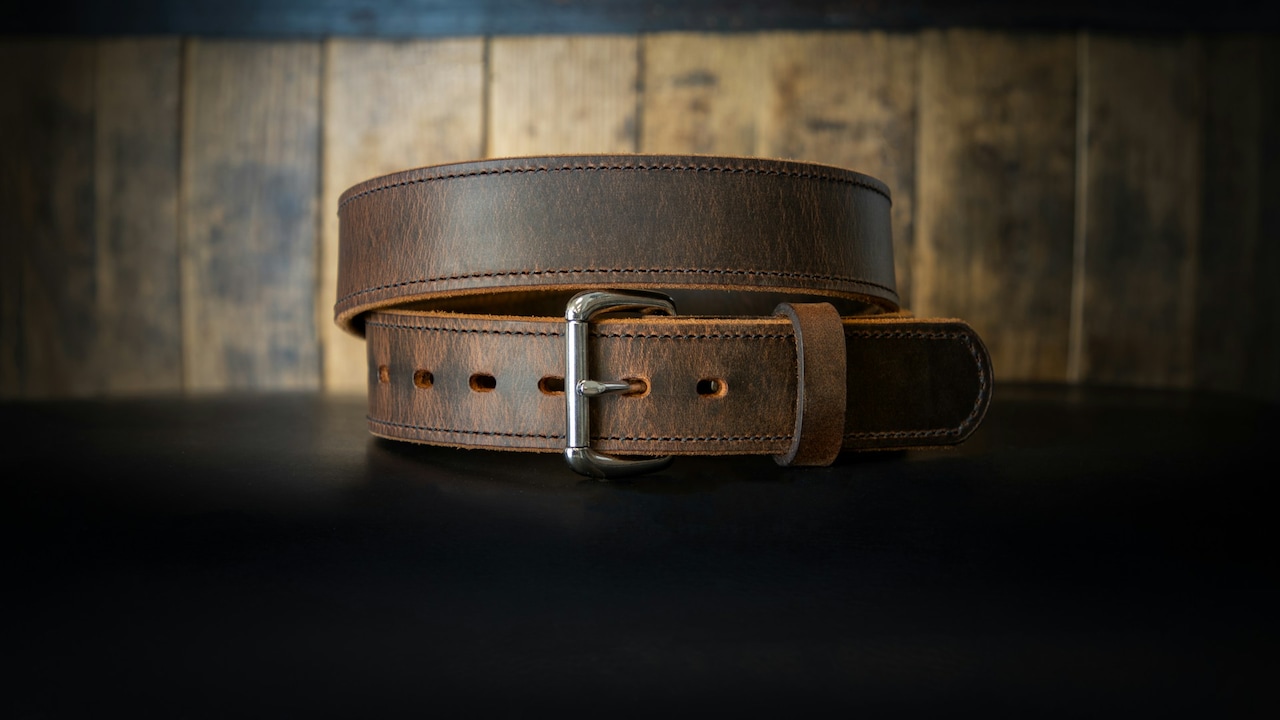
Read the common reasons behind leather belts cracking easily; Photo Credit: Unsplash
Most people blame 'bad luck' or assume leather simply wears out. In reality, belts rarely fail without reason. Storage habits, climate, leather quality, and even how a belt gets removed at night all play a role. Leather behaves like skin. It needs care, space, and breathing room. Treat it roughly, and it responds in kind.
This article breaks down the most common reasons leather belts bend and crack quickly. Each section highlights a specific issue that shortens a belt's life, often without the owner realising it. The aim stays simple: help belts last longer, look better, and avoid unnecessary replacements that quietly drain the wallet.
Also Read: Leather Vs PU: Best Men's Belts Under Rs 999 For Daily Use Without Breaking The Bank
Small Habits And Hidden Flaws That Shorten A Belt's Life
1. Poor Leather Quality Disguised as Premium
Many belts look impressive on shop racks. Smooth finish, shiny buckle, and bold branding often convince buyers of quality. Sadly, appearances deceive. Low-grade leather, especially bonded or corrected leather, forms the backbone of many affordable belts. These materials rely on scraps glued together, not full-grain hides.
Such leather lacks strength and flexibility. Over time, bending around the waist creates stress lines. Cracks soon follow, especially near holes and the buckle fold. Heat and humidity worsen the damage, drying out weak fibres faster than expected.
A belt priced at ₹800 may look identical to one priced at ₹2,000. The difference hides inside the leather. Full-grain leather ages gracefully, developing character. Poor-quality leather ages badly, shedding layers like old paint.
Many shoppers prioritise style over substance, especially during festive sales. That decision often leads to disappointment within a year. Checking labels, feeling the thickness, and asking simple questions at the counter can prevent regret. Quality leather resists cracking because it bends without breaking.
2. Folding Belts Instead of Rolling Them
That quick fold-and-draw method after removing a belt feels harmless. Fold in half, tuck into a drawer, and move on. Unfortunately, leather remembers stress. Folding creates sharp pressure points, especially along the centre line.
Over weeks, that fold turns into a permanent bend. The belt begins to curl outward when worn. Cracks soon appear at the fold, making the belt look older than it should. Rolling belts gently maintain their natural curve and distribute pressure evenly.
Think of a book spine versus a folded page. One survives years of use; the other creases forever. Leather behaves the same way. Rolling belts take a few extra seconds but save months of wear.
Many wardrobes lack dedicated belt space. Still, a simple hook behind the door or a soft roll inside a cloth pouch works wonders. Treating belts with patience rather than haste keeps them straight and presentable.
3. Hanging Belts by the Buckle Only
Hanging belts sounds like a smart storage solution. However, hanging them by the buckle alone creates an imbalance. The weight pulls downward, stretching the leather near the buckle holes.
Over time, that constant tension distorts shape. The belt begins to taper unevenly and develops cracks around stress points. Heavy metal buckles worsen the problem, especially when left hanging for months.
A belt should hang evenly, supported along its length. Using multi-loop hangers or draping belts over a wide bar reduces strain. Even laying belts flat occasionally helps them recover shape.
Many wardrobes prioritise shirts and suits while accessories get neglected in corners. Yet belts experience daily movement and pressure. Supporting them properly extends their life and preserves structure. Small adjustments in storage make a big difference over time.
4. Exposure to Heat and Sunlight
Leather and heat share a complicated relationship. Excess heat dries natural oils, making leather stiff and brittle. Sunlight accelerates this process, fading colour and weakening fibres.
Belts left near windows, heaters, or inside parked cars suffer silently. The leather may look fine initially, but cracks appear suddenly once flexibility disappears. Dark belts absorb more heat, increasing damage risk.
Climate plays a role, too. Hot summers and dry winters create extreme conditions. Leather needs a moisture balance. Without it, bending becomes stressful rather than smooth.
Storing belts in cool, shaded areas preserves softness. Occasional conditioning replaces lost oils and restores flexibility. Leather thrives in moderation, not extremes. Treating it like living material rather than plastic prevents premature ageing.
5. Sweat and Moisture Build-Up
Daily wear introduces sweat, especially around the waist. Moisture seeps into leather pores, carrying salts and body oils. Left unchecked, this weakens fibres and creates brittle patches.
Many belts never get cleaned. Sweat dries, crystals form, and leather stiffens. Bending a stiff belt leads to cracks, usually near frequently used holes. Humidity compounds the issue, encouraging mould and odour.
Wiping belts gently with a dry cloth after use removes surface moisture. Allowing belts to air out before storage prevents trapped dampness. Rotating belts also helps, giving each one time to recover.
Leather appreciates rest days just like shoes. Constant exposure without recovery shortens lifespan. Simple hygiene habits keep belts flexible and crack-free longer.
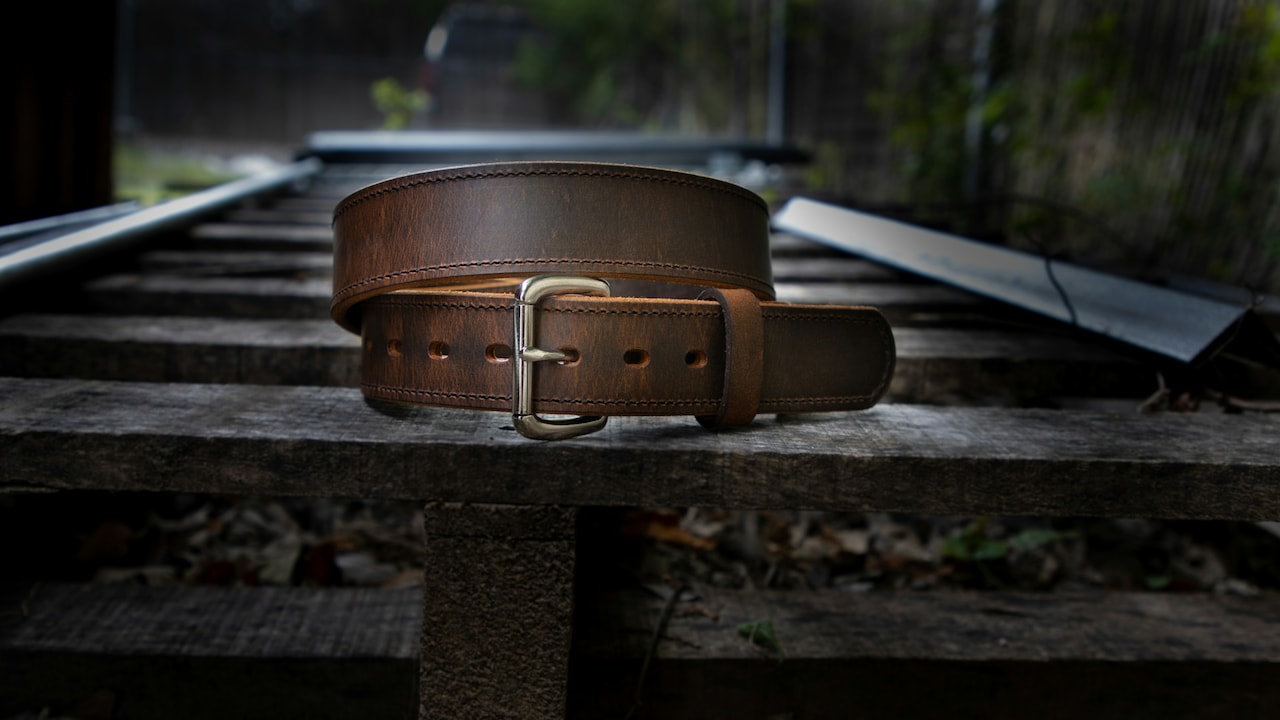
Sweat and moisture build-up from everyday use can also damage leather belts; Photo Credit: Unsplash
6. Over-Tightening and Stress on Holes
Pulling a belt too tight strains the leather unnecessarily. The force concentrates around holes, stretching and tearing fibres. Over time, holes elongate, and cracks radiate outward.
This issue often stems from ill-fitting belts. Choosing the wrong size forces the overuse of certain holes. Leather dislikes repeated stress in one area. Even strong leather eventually gives way.
Selecting the correct size allows comfortable fastening without tension. Using different holes occasionally distributes wear evenly. Belts should support, not suffocate.
Many people overlook belt fit, focusing instead on buckle design. Yet fit determines longevity. A relaxed belt bends naturally, while a strained one fights back. Comfort and durability often walk hand in hand.
7. Cheap Finishes and Surface Coatings
Some belts rely on artificial coatings to appear smooth and glossy. These finishes crack before the leather beneath does. Once the surface breaks, moisture enters easily, accelerating damage.
Such belts age poorly. Peeling, flaking, and cracking appear quickly, especially around bends. Genuine leather develops patina; coated leather sheds layers.
Manufacturers use coatings to mask flaws or reduce costs. Buyers often discover the truth only after months of use. The belt looks tired long before its time.
Natural finishes may appear less perfect initially, but they age gracefully. Small marks add character rather than damage. Choosing belts with minimal surface treatment ensures flexibility and longevity.
8. Lack of Conditioning and Care
Leather dries out without care. Natural oils evaporate over time, especially in warm climates. Without conditioning, leather stiffens and cracks under pressure.
Many assume belts need no maintenance. That myth costs durability. Occasional conditioning keeps fibres supple and resilient. It takes minutes but adds years.
Using suitable leather conditioners replenishes oils without clogging pores. Over-conditioning causes harm, too, so balance matters. A light touch works best.
Caring for belts feels unnecessary until cracks appear. Prevention beats repair every time. A simple routine protects investment and preserves appearance effortlessly.
9. Poor Stitching and Weak Edges
Edges endure constant friction. Weak stitching or poorly finished edges unravel quickly. Once edges fail, cracks spread inward.
Some belts skip edge sealing to cut costs. Exposed fibres fray, absorb moisture, and weaken the structure. Bending worsens the damage.
Inspecting edges before purchase reveals quality. Clean stitching and sealed edges signal durability. Rough edges hint at shortcuts.
Edges act like armour. When strong, they protect. When weak, they invite failure. Paying attention to details saves disappointment later.
10. Treating Belts as Disposable Accessories
Fast fashion encourages frequent replacement. Belts often fall into that mindset. Treated as disposable, they receive little care and suffer early damage.
A belt worn daily without rest, care, or respect cannot last. Leather responds to attention. Neglect shows quickly through bends and cracks.
Viewing belts as long-term companions changes habits. Rotation, storage, and care become natural. Durability improves without effort.
Belts may seem minor, but they complete outfits and routines. Treating them well rewards patience with years of reliable service.
Products Related To This Article
1. PROVOGUE Men Casual, Formal, Party Black Genuine Leather Belt
2. MARSTEN Men Casual, Formal, Party Black Genuine Leather Belt
3. URBAN ALFAMI Men Formal, Casual, Evening, Party Brown Genuine Leather Belt
4. ROVERSOLE Men Formal, Casual, Evening, Party Black Genuine Leather Belt
5. URBAN FOREST Men Casual Brown Genuine Leather Belt
Leather belts rarely fail without warning. Bends, cracks, and distortions reflect daily habits, hidden quality issues, and environmental stress. From folding belts carelessly to ignoring sweat and heat exposure, small actions quietly shorten lifespan.
Understanding leather's nature changes outcomes. It needs flexibility, moisture balance, and gentle handling. Quality matters, but care matters more. A well-made belt still suffers under poor treatment, while an average belt survives longer with mindful habits.
Belts accompany everyday life silently. Giving them attention costs little but pays back in longevity and appearance. After all, a good belt should age with character, not frustration.
(Disclaimer: This article may include references to or features of products and services made available through affiliate marketing campaigns. NDTV Convergence Limited (“NDTV”) strives to maintain editorial independence while participating in such campaigns. NDTV does not assume responsibility for the performance or claims of any featured products or services.)