Why Metal Earrings Cause Skin Irritation And How Hypoallergenic Materials Help
Metal earrings often cause itching, redness, and swelling due to reactions with metals like nickel. Hypoallergenic materials such as titanium and surgical steel help prevent irritation and keep sensitive ears comfortable.
Why Metal Earrings Cause Skin Irritation And How Hypoallergenic Materials Prevent It
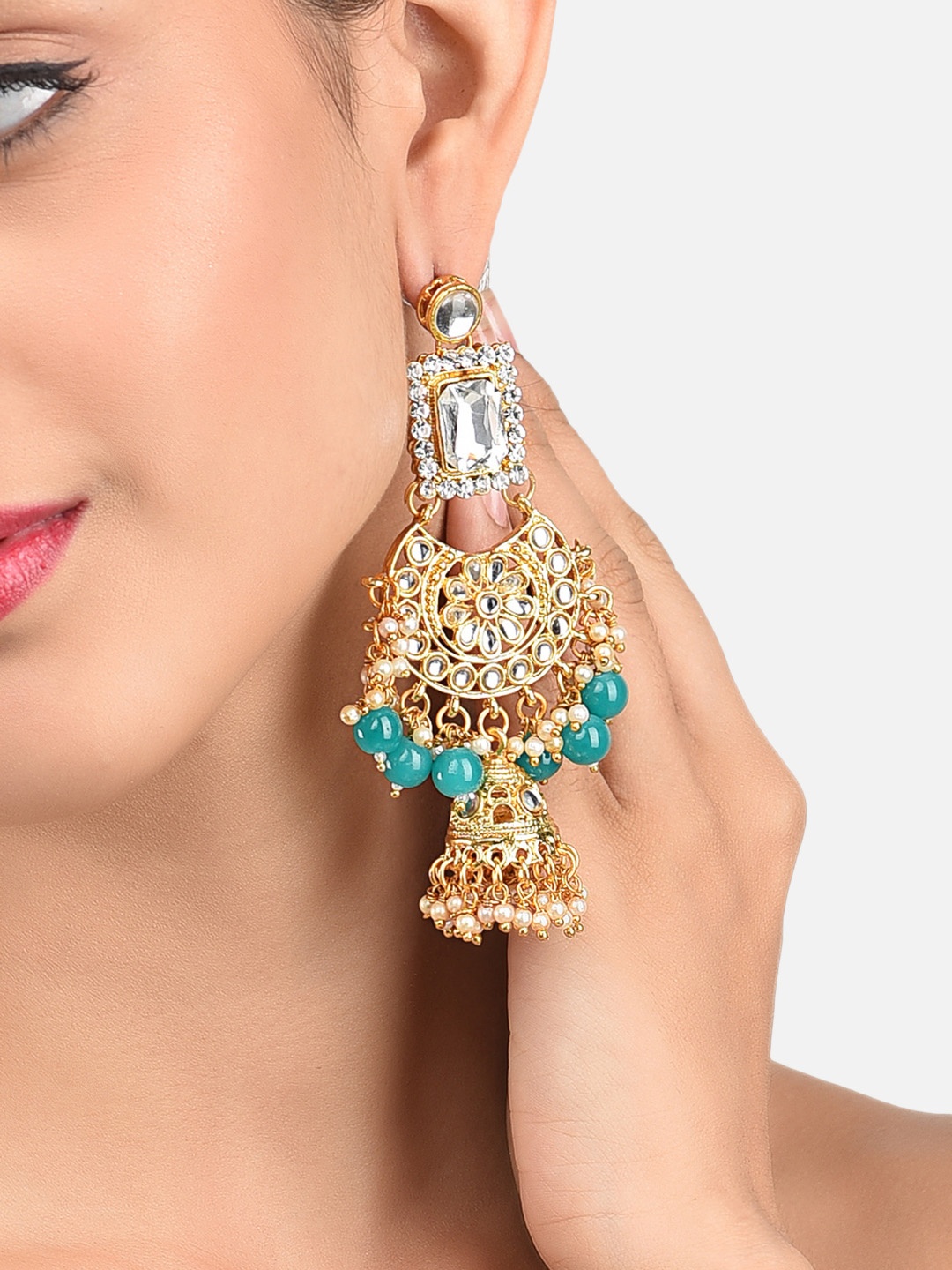
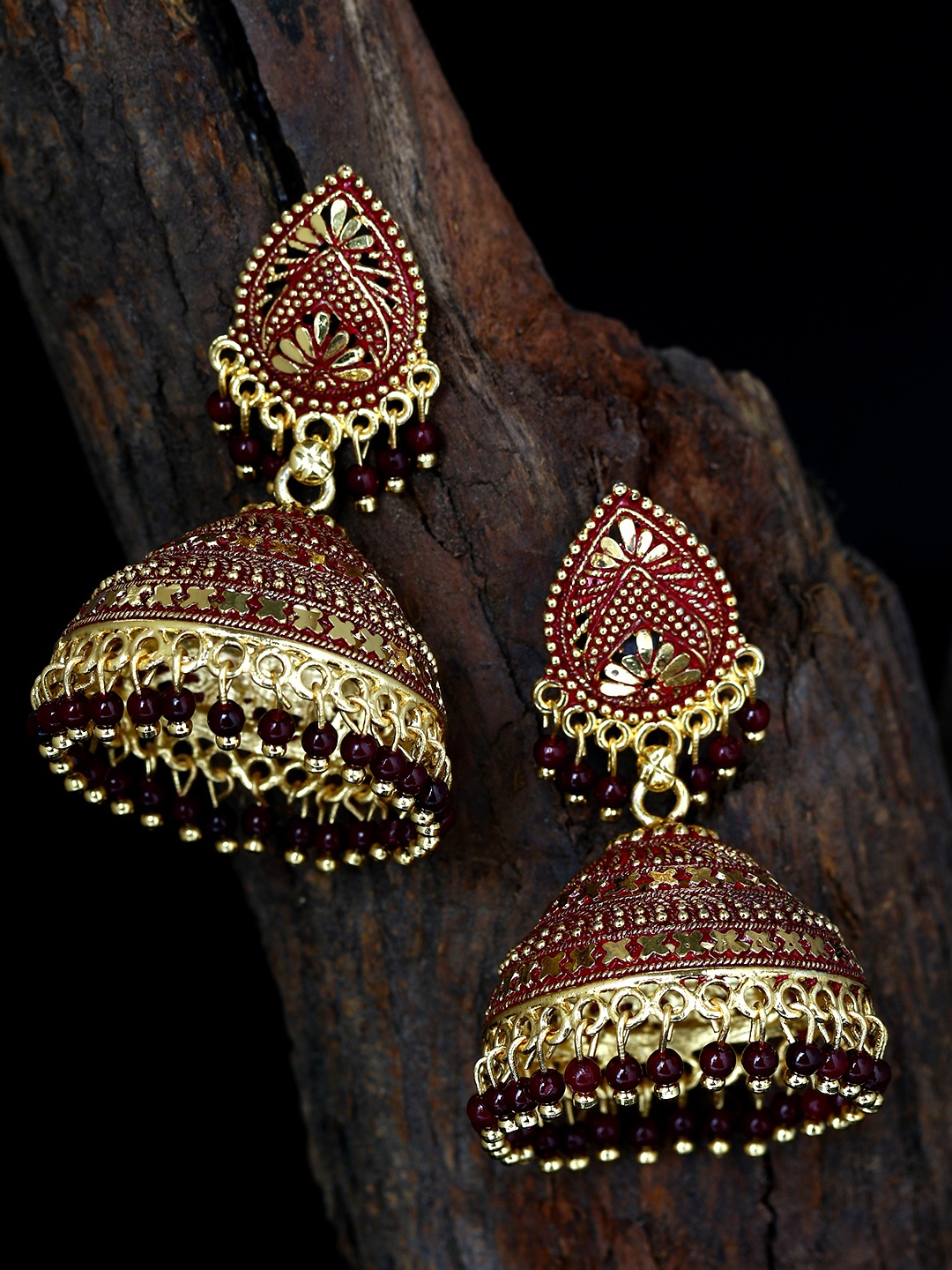
Earrings hold a special place in everyday fashion. From tiny studs worn to the office to dazzling jhumkas chosen for weddings, they add personality to any outfit. Jewellery counters across markets, from bustling bazaars to air-conditioned malls, display endless varieties at prices that range from ₹150 street finds to ₹15,000 designer pieces. Yet for many people, excitement fades quickly once irritation begins.
The familiar signs appear within hours. A slight itch turns into redness. A tiny burning sensation follows. Some people even notice swelling or flaky skin around the piercing. What should have been a stylish accessory becomes an uncomfortable nuisance.
Metal sensitivity sits behind most of these reactions. Certain metals used in jewellery interact with the skin in ways that trigger irritation. This reaction does not mean poor hygiene or faulty piercings. Instead, it reflects how the body responds to particular metal elements.
Thankfully, the jewellery world offers better solutions today. Hypoallergenic materials allow people with sensitive skin to wear earrings without fear of itching or rashes. These materials minimise the risk of reactions while maintaining elegance, durability, and style.
Understanding the science behind metal irritation and learning about safer alternatives can transform the jewellery experience. A little knowledge helps prevent discomfort and ensures that earrings remain a source of joy rather than frustration.
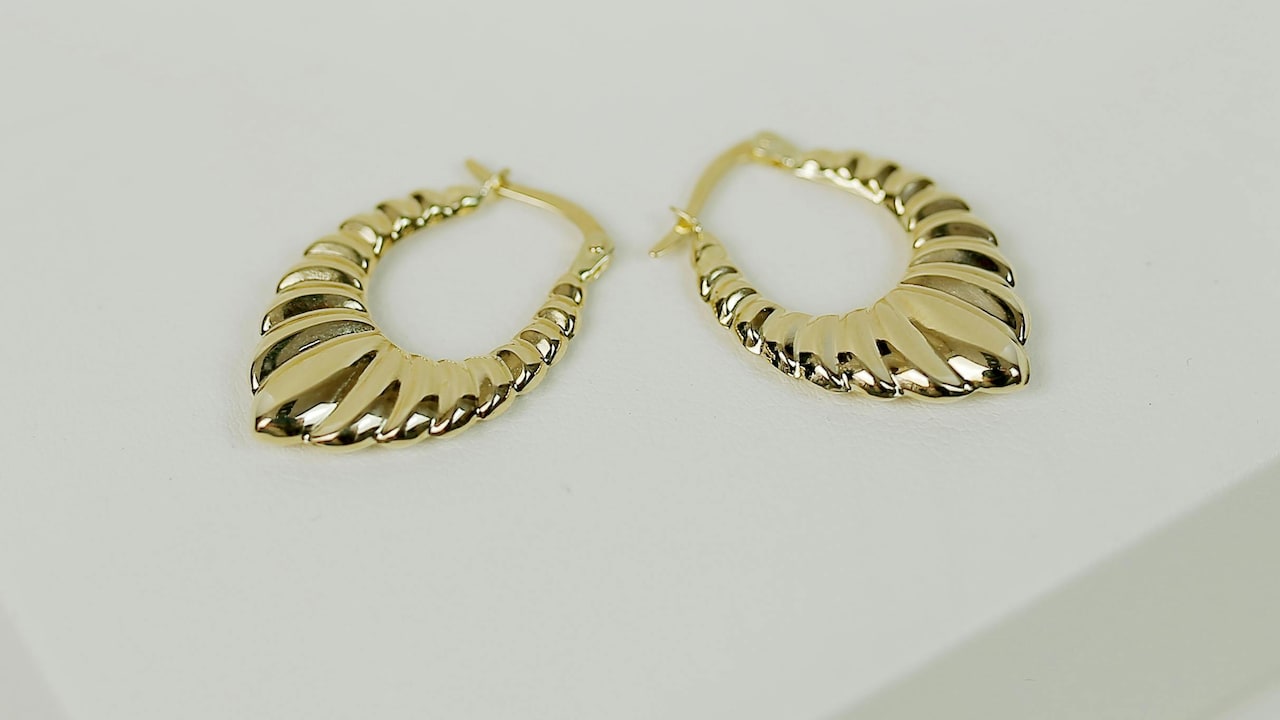
Metal Earrings Irritating Your Skin? Top Allergies And Solutions; Photo Credit: Pexels
Understanding The Causes Of Earring Irritation And The Role Of Hypoallergenic Materials
Nickel: The Most Common Culprit Behind Earring Irritation
Nickel sits at the centre of most jewellery-related skin irritation. This metal appears in many affordable earrings because manufacturers use it to strengthen alloys and reduce costs. Jewellery stalls often sell trendy pieces for ₹200 or ₹300 precisely because nickel-based alloys remain inexpensive and easy to shape.
The problem arises when nickel comes into direct contact with skin. For sensitive individuals, the body recognises nickel ions as irritants. The immune system reacts quickly, causing redness, itching, and sometimes tiny blisters around the piercing.
Many people discover this sensitivity only after wearing a new pair of earrings for a few hours. The irritation may feel mild at first, yet repeated exposure can worsen the reaction. Skin may become dry, inflamed, or even slightly painful.
Sweat and humidity intensify the problem. Warm weather encourages metal to release more nickel ions, especially when the earrings remain in contact with skin throughout the day.
Hypoallergenic materials eliminate or significantly reduce nickel content. Earrings made from safer metals avoid the chemical reaction that causes irritation. For individuals who love jewellery but dread the itch, choosing nickel-free designs makes a remarkable difference.
The Role Of Metal Alloys In Jewellery Reactions
Jewellery rarely consists of pure metal. Most earrings contain alloys, which combine several metals to create strength, durability, and shine. While these mixtures improve the appearance and lifespan of jewellery, they sometimes introduce elements that irritate the skin.
Manufacturers often mix metals such as copper, nickel, zinc, and brass to create affordable earrings. These alloys allow jewellers to produce intricate designs without the high cost of pure gold or platinum. However, the skin does not always respond kindly to these combinations.
Alloys break down slowly when exposed to sweat, moisture, and skin oils. Tiny metal particles can leach onto the surface and interact with the skin. For people with sensitive ears, this contact may trigger itching or inflammation.
Even earrings labelled as “gold-plated” sometimes contain irritating alloys underneath the thin gold coating. Once the outer layer wears off, the underlying metals start touching the skin.
Hypoallergenic jewellery focuses on metals known for stability and skin compatibility. Instead of unpredictable alloys, these materials resist corrosion and minimise chemical reactions. Choosing earrings made from reliable materials prevents irritation before it even begins.
Also Read: Top 6 Lightweight, Stylish Earrings That Stay Comfortable For All-Day, Pain-Free Wear
Sweat And Humidity Make Metal Reactions Worse
Warm weather and humidity often intensify jewellery irritation. Earrings that felt perfectly comfortable during cooler months suddenly cause itching once temperatures rise.
Sweat contains salt and moisture, which react with metals. This reaction accelerates the release of metal ions, particularly nickel and copper. Once these ions reach the skin, irritation may appear quickly.
Long days outdoors amplify the problem. Picture someone navigating crowded markets on a humid afternoon, hopping between shops and street stalls. Sweat accumulates around the ears while metal earrings remain pressed against the skin. By evening, discomfort becomes impossible to ignore.
Humidity also softens the skin slightly, making it more vulnerable to irritation. Even people who rarely experience jewellery reactions may notice redness during especially muggy weather.
Hypoallergenic materials handle moisture better. Metals such as titanium and surgical-grade stainless steel resist corrosion and do not release irritating particles when exposed to sweat. As a result, earrings remain comfortable even during sticky summer days or long festive celebrations.
Why Fresh Piercings Are More Sensitive To Metal
Fresh piercings require extra care, yet many people underestimate how delicate the healing process can be. During the first few weeks after a piercing, the skin remains tender and more reactive to foreign materials.
Introducing irritating metals at this stage can slow healing or cause infection. Earrings made from cheap alloys often trigger swelling, redness, or discharge around the piercing hole.
The body treats a new piercing as a small wound. Any irritant touching that wound may provoke an inflammatory response. Metals that release reactive particles increase this risk considerably.
Jewellery professionals often recommend hypoallergenic metals for newly pierced ears. Materials such as titanium or medical-grade stainless steel allow the piercing to heal without interference.
Many people recall childhood ear-piercing experiences in neighbourhood jewellery shops. A simple pair of starter studs often cost around ₹300 and remained in place for weeks. When those studs used skin-friendly metals, healing occurred smoothly.
Choosing hypoallergenic earrings during the healing stage protects sensitive skin and prevents unnecessary complications.
Metal Earrings Irritating Your Skin? Top Allergies And Solutions; Photo Credit: Pexels
Gold Isn't Always Completely Safe
Gold jewellery enjoys immense popularity, yet not all gold earrings suit sensitive ears. Pure gold rarely causes irritation, but most jewellery does not contain pure gold.
Gold requires mixing with other metals to increase durability. Without alloys, pure gold bends too easily and cannot hold intricate shapes. Jewellers therefore combine gold with metals such as nickel, copper, or silver.
Lower karat gold contains a higher percentage of these additional metals. For example, 14K or 18K gold jewellery often includes small amounts of nickel or copper. Sensitive individuals may react to these elements rather than the gold itself.
Plated jewellery presents another challenge. A thin gold coating covers a base metal underneath. Over time, regular wear rubs away the outer layer, exposing the underlying alloy to the skin.
Higher purity gold, such as 22K pieces commonly worn during weddings and festivals, usually causes fewer problems. However, even these pieces occasionally contain trace metals.
Hypoallergenic alternatives offer greater consistency. Materials designed specifically for sensitive skin provide peace of mind without sacrificing elegance or style.
Titanium: A Gentle Choice For Sensitive Skin
Titanium has earned a reputation as one of the safest metals for jewellery. This lightweight metal rarely triggers allergic reactions, making it a favourite among dermatologists and piercing professionals.
Unlike many alloys, titanium does not release irritating particles when exposed to sweat or moisture. Its stable structure prevents chemical interactions with the skin.
Another advantage lies in its strength. Titanium earrings remain durable despite their lightweight. Wearers often forget they even have earrings on, which proves particularly helpful for people who experience frequent irritation.
Many modern jewellery brands now offer titanium designs in various styles. From minimalist studs to elegant hoops, these pieces combine comfort with contemporary aesthetics.
Prices vary widely depending on craftsmanship. Simple titanium studs may cost around ₹800, while designer pieces reach several thousand rupees. Despite the price range, the comfort they provide often justifies the investment.
For anyone who loves earrings yet struggles with skin irritation, titanium presents an excellent solution.
Surgical Stainless Steel And Medical-Grade Jewellery
Surgical stainless steel often appears in high-quality hypoallergenic jewellery. Medical professionals use similar materials in surgical instruments because of their stability and resistance to corrosion.
This metal contains carefully balanced alloys that minimise the release of irritating particles. High-grade surgical steel significantly reduces the risk of allergic reactions compared with ordinary stainless steel jewellery.
Piercing studios frequently recommend surgical steel earrings as starter jewellery. The material supports healing while maintaining durability and shine.
Another appealing feature involves affordability. Surgical steel jewellery often costs less than precious metals while still offering excellent skin compatibility. A pair of polished surgical steel studs might cost around ₹500 to ₹1,200, depending on design.
Maintenance remains simple as well. The metal resists tarnishing and retains its appearance even with daily wear.
For people who want reliable earrings without stretching the jewellery budget too far, surgical stainless steel offers an ideal balance between comfort, durability, and style.
Metal Earrings Irritating Your Skin? Top Allergies And Solutions; Photo Credit: Pexels
Plastic, Silicone, And Other Non-Metal Alternatives
Some jewellery enthusiasts explore non-metal options when skin sensitivity becomes severe. Materials such as medical-grade plastic, acrylic, or silicone provide a completely different approach to earrings.
These materials contain no metal elements, eliminating the possibility of metal allergies. People with extreme sensitivity often find relief when switching to these alternatives.
Silicone earrings, for instance, feel soft and flexible. They adapt comfortably to the ear and rarely cause irritation. Acrylic earrings allow creative shapes and vibrant colours, making them popular among fashion-forward wearers.
Non-metal jewellery often appears at accessible prices. Stylish acrylic designs may cost between ₹150 and ₹600, making experimentation easy without spending heavily.
However, quality still matters. Low-grade plastics can irritate the skin or break easily. Choosing medical-grade materials ensures safety and durability.
While these options may not replace traditional gold or silver for formal occasions, they provide comfortable everyday choices for sensitive ears.
Proper Jewellery Care Reduces Skin Irritation
Material choice plays a major role in preventing irritation, yet proper care also matters greatly. Even hypoallergenic earrings may cause discomfort if hygiene practices remain poor.
Regular cleaning removes sweat, dirt, and cosmetic residue that accumulate on jewellery surfaces. A gentle wipe with mild soap and water keeps earrings fresh and safe for daily wear.
Skin care around the piercing also helps. Moisturised, healthy skin resists irritation better than dry or damaged skin. Removing earrings occasionally allows the skin to breathe and recover.
Another common mistake involves wearing the same earrings continuously for weeks. Rotating jewellery reduces prolonged contact with a single metal surface.
Storage matters too. Keeping earrings in clean, dry boxes prevents contamination and preserves their finish.
Small habits such as these transform the jewellery experience. Instead of dealing with itching or redness, wearers enjoy accessories that remain comfortable from morning meetings to late-night celebrations.
Products Related To This Article
1. Peora Men Silver-Toned Contemporary Hoop Earring
2. Peora Gold-Plated Stainless Steel Cubic Zirconia Contemporary Studs Earrings
3. Roadster The Lifestyle Co. Men Stainless Steel Gold-Plated Chandbali Hoop Earrings
4. MANGO Circular Shaped Hoop Earrings
5. PANASH Silver-Toned Contemporary Drop Earrings
Metal Earrings remain one of the simplest yet most expressive accessories in personal style. They brighten everyday outfits, complement festive attire, and often hold sentimental value. Yet skin irritation can quickly turn this joyful experience into an uncomfortable struggle.
Metal sensitivity, particularly reactions to nickel and unstable alloys, lies behind most jewellery-related irritation. Sweat, humidity, and fresh piercings often make these reactions more noticeable. Even beloved metals such as gold may cause trouble when mixed with irritating elements.
Hypoallergenic materials provide an effective solution. Metals like titanium and surgical stainless steel minimise allergic reactions while maintaining durability and elegance. Non-metal alternatives such as silicone or acrylic expand the range of comfortable options further.
Thoughtful jewellery choices, combined with proper care and hygiene, allow earrings to remain both stylish and skin-friendly. With the right materials, sensitive ears no longer need to avoid beautiful designs.
Instead of worrying about redness or itching, wearers can focus on what jewellery truly offers: confidence, self-expression, and a little sparkle that brightens even the busiest day.
(Disclaimer: This article may include references to or features of products and services made available through affiliate marketing campaigns. NDTV Convergence Limited (“NDTV”) strives to maintain editorial independence while participating in such campaigns. NDTV does not assume responsibility for the performance or claims of any featured products or services.)