Why Are Straight-Fit Jeans Quietly Replacing Skinny Styles In Everyday Fashion
Straight-fit jeans are replacing skinny styles because comfort, versatility and relaxed fashion now matter more than restrictive trends. From offices to weekend outings, easy silhouettes have become the new everyday essential.
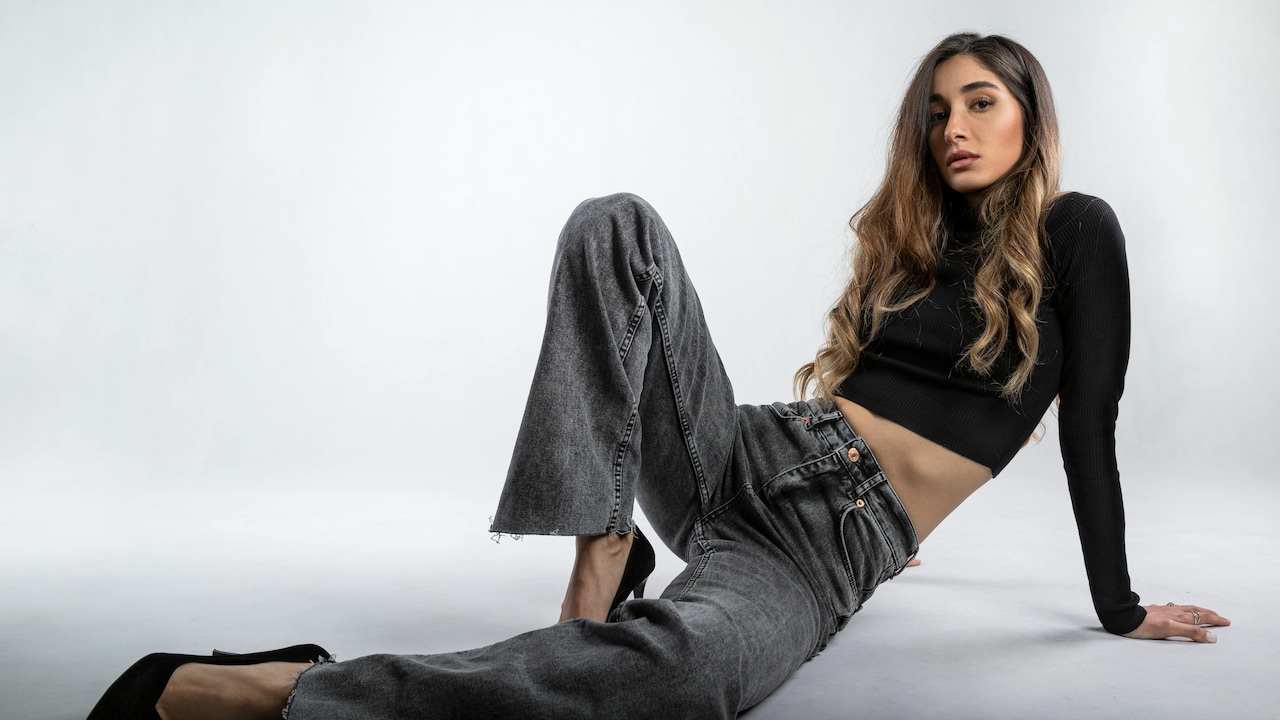
Why Straight-Fit Jeans Are Replacing Skinny Jeans In Everyday Fashion
A decade ago, skinny jeans felt unstoppable. They hugged every inch of the leg, paired easily with everything, and carried a certain polished sharpness. Shopping malls displayed endless racks of stretch denim, and social media practically declared slim silhouettes the only acceptable option. Yet fashion never stays loyal forever. These days, a quieter revolution walks through streets, offices, airports, and weekend hangouts. Straight-fit jeans have slowly become the default choice for many wardrobes. The shift feels subtle because nobody announced it with dramatic runway headlines. Instead, people simply started choosing comfort over restriction and ease over effort.
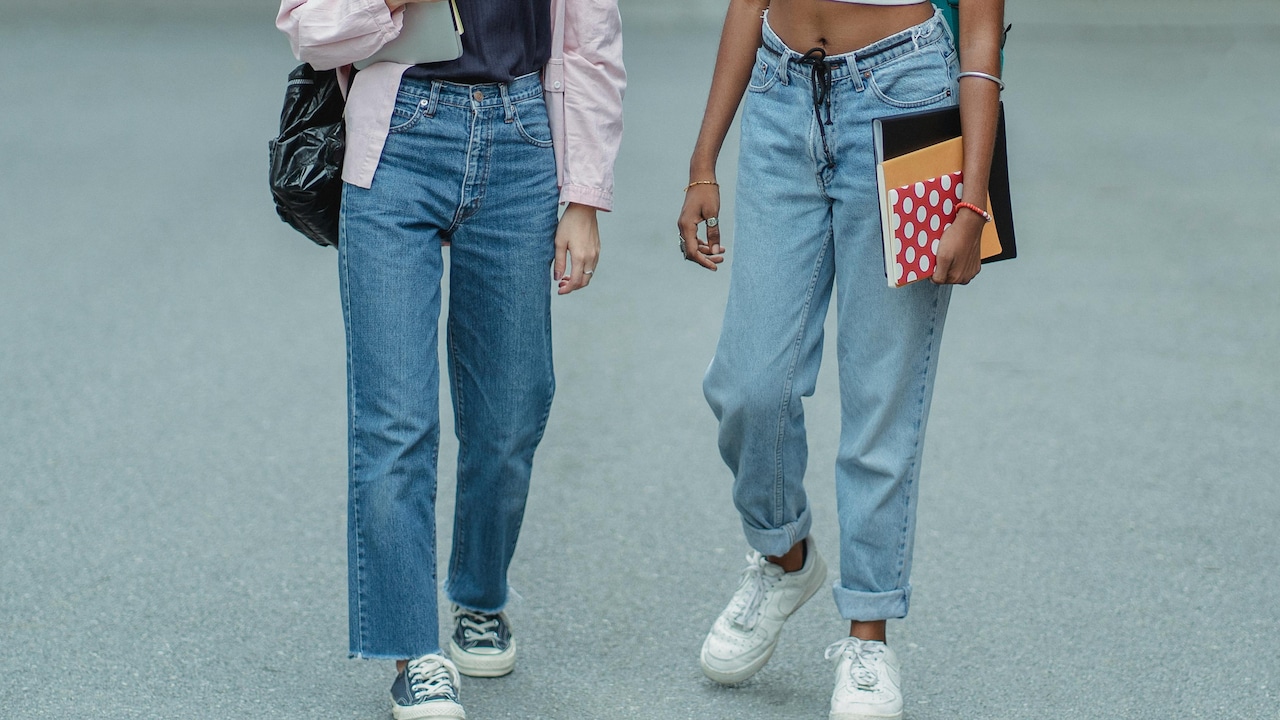
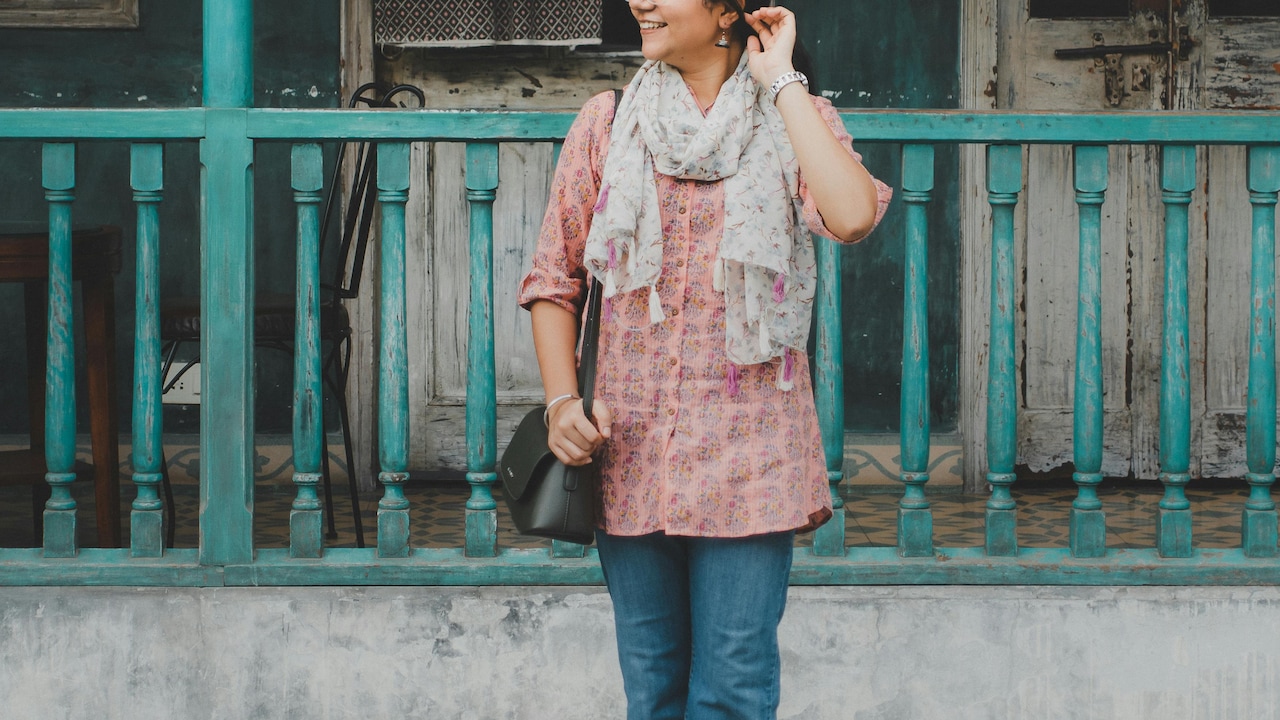
Why Straight-Fit Jeans Are Replacing Skinny Jeans In Everyday Fashion; Photo Credit: Pexels
The change reflects more than a denim trend. It mirrors changing lifestyles. Work routines look different now. Casual dressing dominates more spaces. People spend longer hours outdoors, travelling, commuting, and balancing packed schedules. Nobody wants denim that feels like a wrestling match after lunch at a wedding buffet. Straight-fit jeans solve several modern fashion problems at once. They flatter different body types, pair effortlessly with trainers or loafers, and suit both oversized shirts and fitted tops. Most importantly, they feel wearable for real life. Fashion today values authenticity, and straight-fit denim captures that perfectly.
Why Straight-Fit Jeans Are Becoming The Everyday Denim Choice
Comfort Has Finally Become Fashionable
For years, people tolerated discomfort because trends demanded it. Skinny jeans looked sharp in photographs, but reality often told another story. Sitting cross-legged during family gatherings, climbing bike seats, or surviving humid afternoons became unexpectedly exhausting. Anyone who has struggled to remove skinny jeans after a long summer day understands the silent frustration.
Straight-fit jeans arrived almost like a relief disguised as fashion. They allow movement without appearing sloppy. The fit skims the body instead of squeezing it. That small difference changes everything. Daily wear suddenly feels easier, especially during hectic schedules that involve commuting, shopping, or running errands.
Comfort no longer signals laziness. Fashion today embraces practicality. Sneakers dominate luxury collections, oversized shirts sell out quickly, and breathable fabrics gain popularity across brands. Straight-fit jeans fit naturally into this wider movement towards effortless dressing.
Many young professionals also prefer clothing that transitions smoothly throughout the day. Straight-fit denim works during office hours, evening dinners, and spontaneous plans without requiring a wardrobe change. Nobody wants to carry backup outfits anymore.
There is also something emotionally comforting about relaxed clothing. Tight garments often create self-consciousness, while straight-fit styles feel less demanding. They allow personality to stand out instead of forcing the body into rigid shapes. Fashion finally seems less about punishment and more about living comfortably while still looking stylish.
Also Read: Best Straight-Fit Jeans Under ₹1,500 That Fit Better Than A Custom Tailored Pair
The Y2K Revival Changed Denim Preferences
Fashion loves nostalgia almost as much as cinema loves dramatic plot twists. The return of early 2000s trends played a huge role in bringing straight-fit jeans back into everyday wardrobes. Suddenly, old paparazzi photographs, retro sitcom styles, and vintage streetwear started influencing modern dressing again.
Low-rise denim, relaxed silhouettes, cargo trousers, and straight-leg cuts quietly returned through social media platforms. Younger shoppers discovered styles that felt refreshingly different from the ultra-tight silhouettes dominating previous years. Meanwhile, older millennials looked at straight-fit jeans with the emotional warmth reserved for old playlists and childhood snacks.
Unlike dramatic runway trends, this revival felt accessible. Straight-fit jeans already existed in many wardrobes. Parents who once refused to throw away older denim suddenly looked surprisingly fashionable again. Somewhere in countless homes, somebody definitely said, “Wait, these are trendy now?”
The Y2K influence also brought a more playful attitude towards fashion. People started mixing oversized hoodies with classic denim, pairing trainers with loose shirts, and embracing relaxed styling choices. Straight-fit jeans became the perfect bridge between nostalgia and modern fashion.
Bollywood styling added fuel to the trend as well. Airport looks, casual paparazzi photographs, and off-duty celebrity outfits increasingly featured relaxed denim rather than painted-on skinnies. Fans noticed the shift quickly because celebrity fashion often shapes high-street buying habits more than runway collections ever could.
Fashion cycles always return eventually. This time, straight-fit denim returned stronger because people genuinely wanted it back.
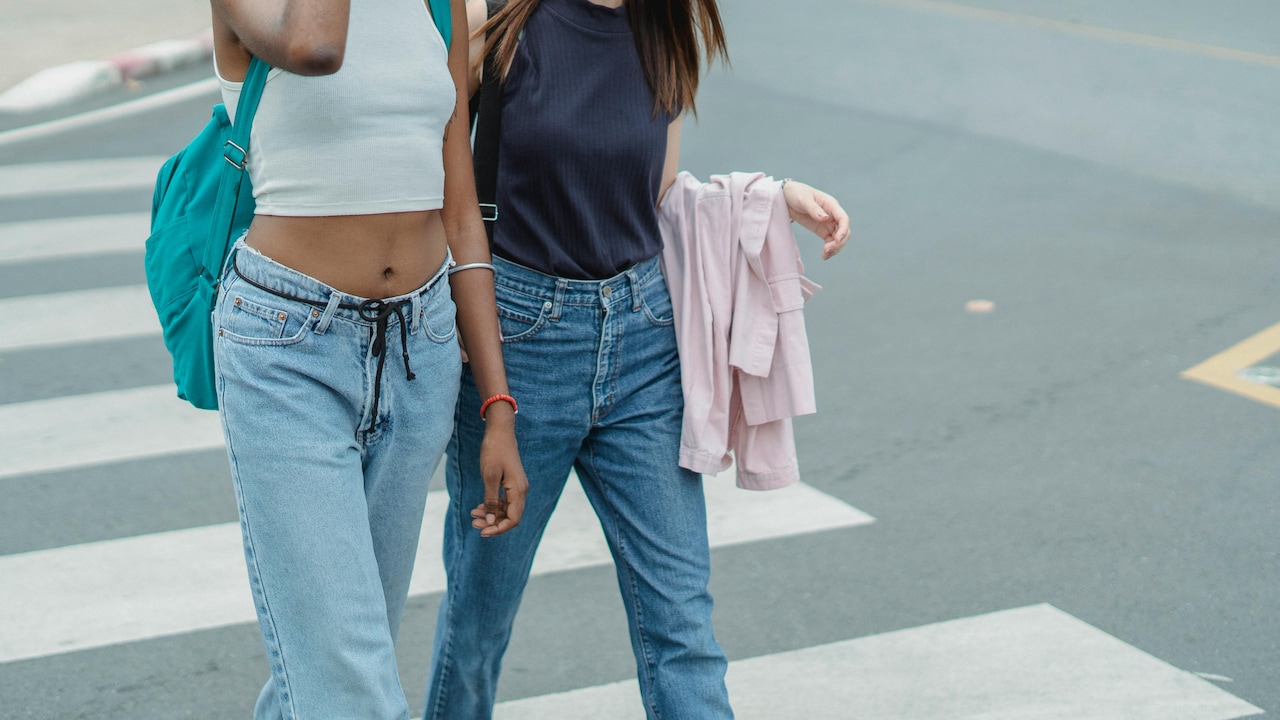
Why Straight-Fit Jeans Are Replacing Skinny Jeans In Everyday Fashion; Photo Credit: Pexels
Straight-Fit Jeans Suit More Body Types
One reason skinny jeans dominated for so long involved their sleek appearance. However, they often worked best for limited body shapes. Many people wore them despite discomfort simply because stores offered few alternatives. Straight-fit jeans changed that equation by creating a more balanced silhouette for different body types.
The beauty of straight-fit denim lies in proportion. It neither clings too tightly nor hangs excessively loose. Instead, it follows natural body lines without exaggerating them. That balance creates a flattering shape for taller frames, curvier builds, petite heights, and athletic figures alike.
Shopping, therefore, becomes less stressful. People no longer need extreme stretch fabrics or complicated sizing tricks just to feel comfortable. Straight-fit styles provide structure while still leaving room to breathe, move, and sit naturally. It sounds simple, yet that practicality matters enormously during everyday wear.
Social attitudes around body image also evolved. Fashion now celebrates individuality more openly than before. Consumers increasingly reject trends that force unrealistic standards. Straight-fit jeans support this cultural shift because they feel inclusive rather than demanding.
The rise of gender-fluid fashion also contributes to its popularity. Straight silhouettes often work across different styling preferences without feeling overly masculine or feminine. This versatility appeals strongly to younger shoppers who prefer flexible fashion choices.
Most importantly, straight-fit jeans rarely make people feel trapped inside trends. They adapt to personal style instead of overpowering it. Whether paired with kurtas, crop tops, linen shirts, or oversized blazers, they blend naturally into different wardrobes without forcing dramatic reinvention.
Modern Work Culture Favours Relaxed Dressing
Office fashion has changed dramatically over recent years. Formal dress codes weakened, hybrid work became common, and many workplaces adopted more casual styling norms. Straight-fit jeans slipped comfortably into this new professional landscape.
Skinny jeans often looked either too tight for formal settings or too trendy for conservative offices. Straight-fit denim solves that issue by appearing polished yet relaxed. A crisp shirt, loafers, and dark straight-fit jeans now create an acceptable office look in many creative and corporate spaces.
Workdays also became longer and more unpredictable. People attend meetings, grab coffee with clients, commute through traffic, and sometimes continue social plans afterwards. Clothing, therefore, needs flexibility. Nobody wants denim that feels unbearable by late afternoon.
Straight-fit jeans also pair well with layering, which matters inside heavily air-conditioned offices where temperatures often resemble winter despite scorching heat outside. Blazers, lightweight jackets, and structured shirts sit naturally over relaxed denim silhouettes.
Another interesting shift involves professional confidence. Earlier fashion trends rewarded extremely polished appearances, often at the expense of comfort. Today, confidence increasingly comes from authenticity and ease. Straight-fit denim supports that mood because it feels approachable rather than overly styled.
Even luxury fashion brands now emphasise wearable clothing over rigid glamour. The rise of quiet luxury aesthetics, neutral palettes, and understated dressing further pushed straight-fit jeans into mainstream fashion conversations. They represent effortless sophistication without appearing attention-seeking.
For many workers, denim now needs to survive both presentations and pani puri stops after office hours. Straight-fit styles handle both situations surprisingly well.
Social Media Changed How Trends Spread
Fashion trends once travelled slowly through magazines, films, and designer shows. Social media completely changed that process. Now trends spread through casual outfit videos, travel photographs, college fashion reels, and everyday influencers rather than only celebrity campaigns.
Straight-fit jeans benefited enormously from this shift because they photograph naturally in real-life situations. Skinny jeans often looked heavily styled, while straight-fit denim appears effortless. Audiences today prefer authenticity over perfection, especially online.
The rise of “Get Ready With Me” videos also influenced shopping behaviour. People noticed creators repeatedly reaching for relaxed denim because it looked comfortable and versatile. Straight-fit jeans appeared in airport outfits, grocery runs, coffee dates, and weekend styling videos. Their appeal grew quietly through repetition rather than aggressive advertising.
There is also growing fatigue around over-filtered fashion. Audiences increasingly distrust trends that look good only in edited photographs. Straight-fit jeans feel practical and believable. People can actually imagine wearing them through full days rather than posing briefly before changing clothes.
Thrift culture on social media further accelerated the trend. Vintage stores and resale apps often carry classic straight-leg denim from older decades. Younger shoppers embraced these styles because they felt unique and sustainable at the same time.
Fashion influencers now prioritise styling versatility instead of promoting extremely trend-driven pieces. Straight-fit jeans fit perfectly into capsule wardrobes and repeat-outfit culture. They encourage creativity without requiring endless shopping.
Ironically, the most powerful fashion trend today may involve looking like no effort happened at all.
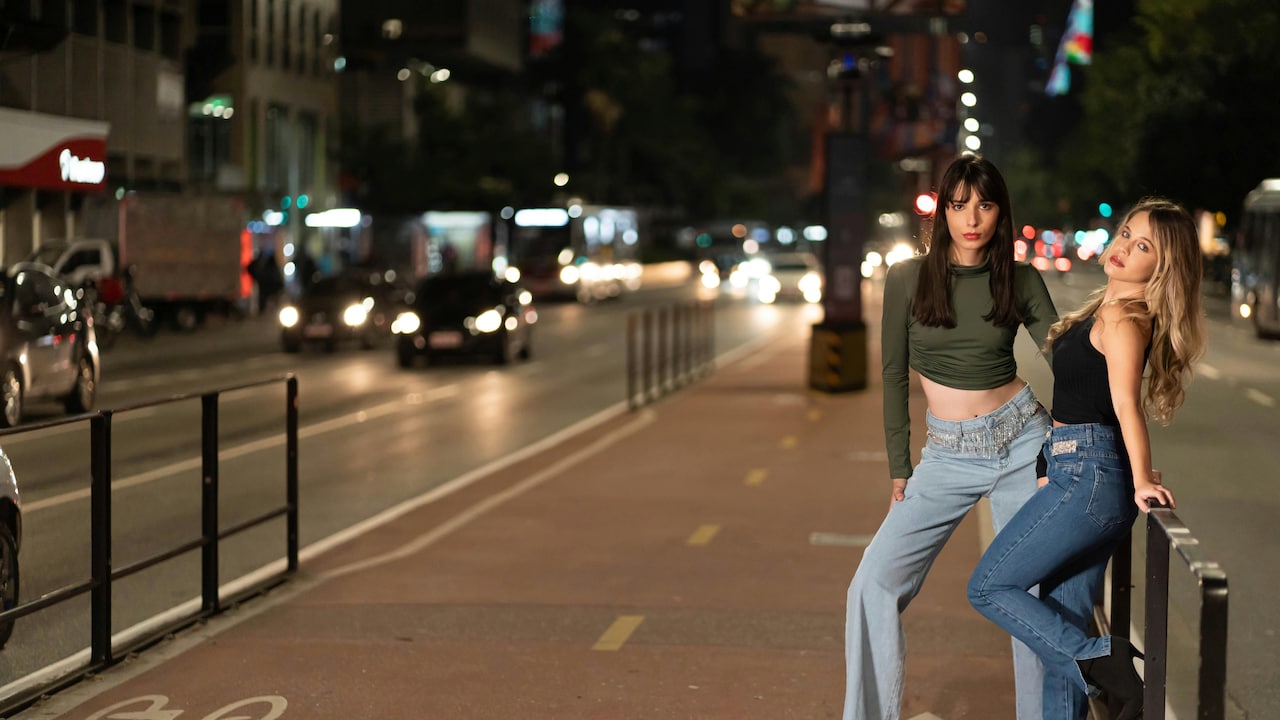
Why Straight-Fit Jeans Are Replacing Skinny Jeans In Everyday Fashion; Photo Credit: Pexels
Straight-Fit Jeans Work Across Seasons
One overlooked reason behind their popularity involves climate practicality. Skinny jeans often feel unbearable during humid summers, especially in crowded cities where heat and traffic create exhausting conditions. Straight-fit denim offers better airflow and comfort without sacrificing style.
During the monsoon season, extremely tight jeans can become irritating quickly. Damp fabric clinging to the legs feels uncomfortable after even short commutes. Straight-fit styles avoid that problem because they allow more movement and ventilation.
Winter styling also becomes easier. Straight-fit jeans layer naturally with boots, jackets, and knitwear. Their shape creates enough room for thermal layers without looking bulky. That adaptability makes them useful throughout the year rather than limited to specific seasons.
Travel wardrobes benefit greatly from this versatility, too. Straight-fit denim works during long flights, road trips, sightseeing days, and evening dinners. Travellers increasingly prioritise clothing that combines comfort with style, especially when luggage space remains limited.
Many people now prefer investing in fewer but more wearable pieces. Straight-fit jeans justify repeated use because they adapt easily to changing weather and occasions. A pair priced around ₹2,500 often delivers far more value than trend-driven denim worn only occasionally.
Fashion sustainability conversations also encourage timeless purchases over short-lived trends. Straight-fit silhouettes avoid looking outdated quickly because they remain classic across decades. That longevity appeals strongly to shoppers who are becoming more conscious about their buying habits.
Ultimately, clothing that survives heatwaves, rainstorms, office meetings, and dinner outings deserves serious wardrobe respect.
Celebrity Style Became More Relatable
Celebrity fashion once revolved around dramatic glamour and impossible styling standards. Every day, audiences admired those looks but rarely attempted to recreate them fully. Recently, however, celebrity fashion shifted towards relatability and practicality.
Actors, musicians, and influencers now appear regularly in oversized shirts, trainers, relaxed denim, and minimal styling. Straight-fit jeans became central to this off-duty aesthetic because they look polished without seeming overplanned.
Airport fashion especially influenced mainstream dressing. Paparazzi photographs frequently show celebrities pairing straight-fit jeans with hoodies, linen shirts, or plain white T-shirts. These combinations feel accessible. People can realistically recreate them without spending ₹50,000 on designer wardrobes.
Streaming culture also changed fashion influence. Viewers now consume endless interviews, behind-the-scenes clips, and candid videos where celebrities wear casual clothing more often than red-carpet outfits. Straight-fit denim appears repeatedly in these relaxed environments.
Interestingly, luxury brands also embraced understated fashion. Loud logos and ultra-tight silhouettes gradually lost appeal. Clean tailoring, relaxed fits, and timeless basics gained momentum instead. Straight-fit jeans naturally fit this “less but better” philosophy.
There is also a growing rejection of obviously uncomfortable fashion. Audiences now appreciate celebrities who prioritise wearability over dramatic styling. Nobody wants to admire outfits that look painful by lunchtime.
Fashion inspiration, therefore, feels less intimidating today. Straight-fit jeans contribute to that approachable mood because they belong naturally within everyday life rather than existing only for photographs or special occasions.
Gender-Neutral Fashion Influenced Denim Trends
Modern fashion increasingly moves beyond rigid gender categories. Clothing now focuses more on personal expression than traditional styling rules. Straight-fit jeans fit beautifully into this evolution because their silhouette feels universally wearable.
Skinny jeans often carried strong associations with specific aesthetics and gendered styling expectations. Straight-fit denim feels more flexible. It adapts easily across different wardrobes without forcing exaggerated shapes or styling choices.
Many younger consumers deliberately seek clothing that feels fluid rather than heavily categorised. Oversized shirts, relaxed trousers, neutral tones, and unstructured silhouettes dominate modern streetwear for exactly this reason. Straight-fit jeans complement these trends perfectly.
Retail brands also noticed changing shopping habits. Denim collections now feature broader cuts, relaxed tailoring, and more universal fits. Marketing campaigns increasingly highlight individuality rather than prescribing strict style rules.
This shift reflects wider cultural conversations around identity and self-expression. People increasingly dress according to comfort, mood, and personality instead of chasing rigid fashion expectations. Straight-fit denim allows experimentation without demanding complete commitment to one aesthetic.
Campus fashion especially demonstrates this transition clearly. Students mix vintage pieces, sportswear, traditional accessories, and oversized layers freely. Straight-fit jeans often become the neutral foundation connecting these varied influences together.
The popularity of thrift shopping further supports gender-neutral dressing because vintage stores naturally blur conventional clothing categories. Straight-fit denim frequently emerges as a favourite because it feels timeless and adaptable regardless of styling direction.
Fashion today celebrates individuality more than conformity. Straight-fit jeans quietly support that freedom.
People Want Timeless Fashion Again
Trends move faster than ever now. Social media introduces new aesthetics almost weekly, leaving many shoppers exhausted rather than excited. In response, people increasingly gravitate towards timeless fashion pieces that survive beyond temporary hype.
Straight-fit jeans represent stability within chaotic trend cycles. They looked stylish decades ago, still work today, and will likely remain relevant years from now. That consistency feels reassuring in a fashion landscape constantly chasing novelty.
Consumers also became smarter about spending. Instead of buying highly trend-driven items repeatedly, many prefer investing in versatile wardrobe staples. Straight-fit denim pairs with countless outfits, making repeated wear feel natural rather than repetitive.
Minimalist wardrobes gained popularity partly because modern life already feels cluttered enough. Nobody wants wardrobes filled with clothes that become outdated within months. Straight-fit jeans simplify dressing decisions while still allowing creativity through accessories and layering.
Classic silhouettes also age more gracefully. Old photographs featuring straight-fit denim rarely appear embarrassingly dated, unlike certain extreme fashion phases everyone quietly pretends never happened. Somewhere, old skinny jeans with excessive zips still hide at the back of wardrobes like forgotten reality-show contestants.
The return to timeless dressing reflects emotional fatigue with constant reinvention. People now value reliability, comfort, and authenticity more strongly than dramatic trend-chasing.
Straight-fit jeans, therefore, succeed not because they scream for attention, but because they quietly integrate into everyday life without demanding constant validation.
Products Related To This Article
1. Mast & Harbour Women Blue Skinny Fit High-Rise Clean Look Stretchable Frayed Hem Jeans
2. Kotty Women Jean Straight Fit High-Rise Stretchable Jeans
3. Chemistry Women Skinny Fit Stretchable Jeans
4. H&M Skinny High Jeans
5. all about you Women Straight Fit High-Rise Stretchable Jeans
6. STITCH FACTORY Women Straight Fit High-Rise Jeans
7. Levis Women's 711 Blue Skinny Fit Mid Rise Jeans
Straight-fit jeans did not storm into fashion with loud announcements or dramatic rebellions. Their rise happened quietly through everyday choices. People simply started prioritising comfort, versatility, and authenticity over restrictive trends.
The decline of skinny jeans reflects changing lifestyles as much as changing fashion tastes. Modern wardrobes now need flexibility. Clothes must survive commutes, office meetings, travel plans, late-night food stops, and unpredictable weather without causing discomfort.
Straight-fit denim succeeds because it understands real life. It flatters different body types, adapts across seasons, and blends naturally into modern styling preferences. Most importantly, it feels effortless without appearing careless.
Fashion often moves in circles, but some returns carry deeper meaning. Straight-fit jeans symbolise a broader cultural shift towards ease, individuality, and timeless dressing. People no longer want clothes that demand suffering for style. They want pieces that support daily life while still looking sharp.
Perhaps that explains why straight-fit jeans feel less like a passing trend and more like a permanent wardrobe reset.
(Disclaimer: This article may include references to or features of products and services made available through affiliate marketing campaigns. NDTV Convergence Limited (“NDTV”) strives to maintain editorial independence while participating in such campaigns. NDTV does not assume responsibility for the performance or claims of any featured products or services.)