Why New Shoes Cause Pain Even With Perfect Size: Break-In Issues Explained
New shoes can hurt even when the size is right. Stiff materials, rigid soles, unshaped insoles, and foot swelling during the day all contribute to discomfort until the shoes properly break in. Explore the common culprits behind the pain you get after wearing new shoes.
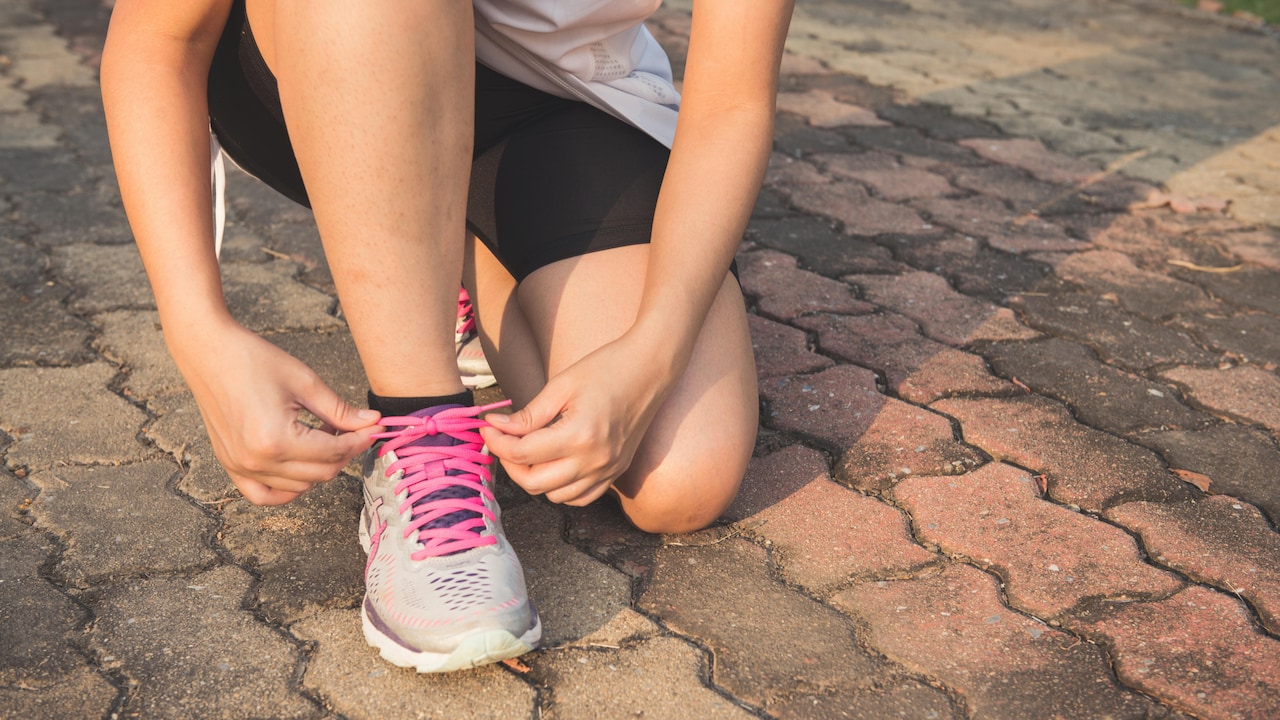
Are New, Perfectly-Fitting, Shoes Hurting Your Feet? This Is Why Size Isn't the Problem.
Buying new shoes ranks high among life's small pleasures. The shine, the stiffness, the promise of looking sharp at work or festive gatherings, it all feels right at the shop. The size matches perfectly, the toes do not feel cramped, and the heel seems secure. Yet, a few hours later, discomfort creeps in. Blisters appear. Ankles ache. Soles burn slightly. Confusion follows.
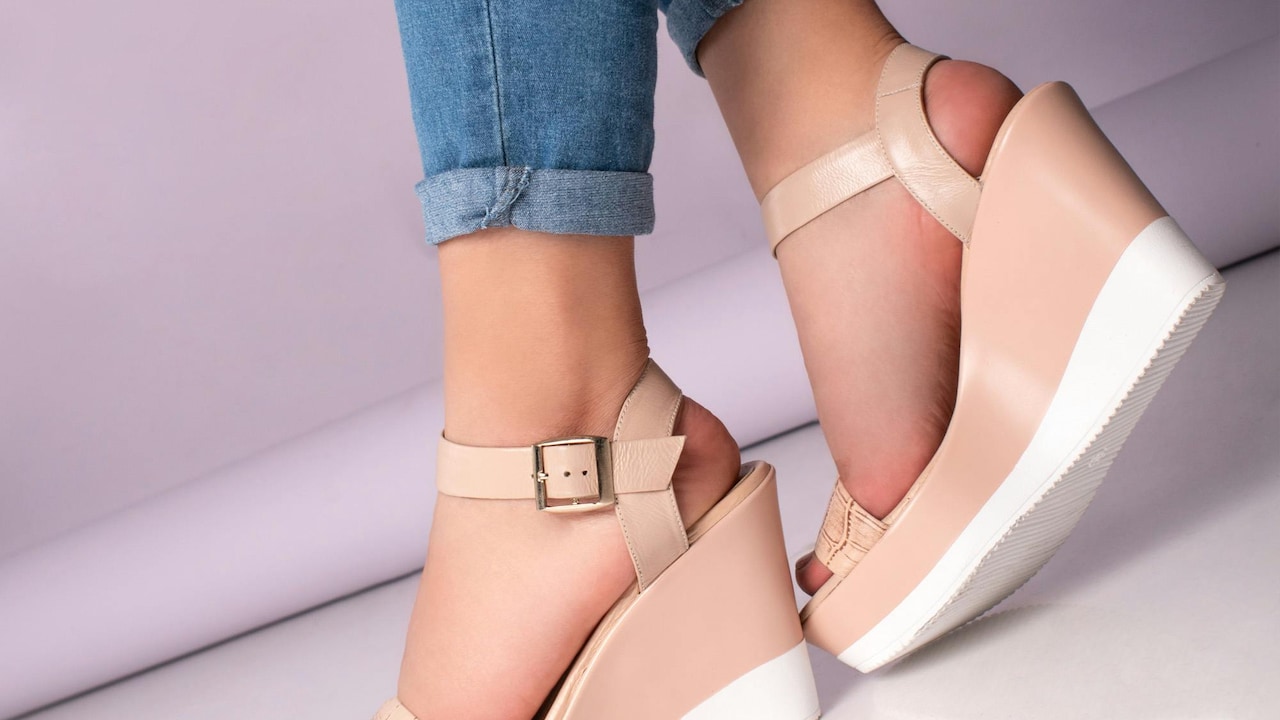
Explore what causes pain after wearing new shoes even if you get the size right; Photo Credit: Pexels
This pain rarely signals a bad purchase. More often, it points to the natural break-in process that most shoes demand. Feet remain complex structures with bones, tendons, arches, and pressure points. Shoes, on the other hand, start life as rigid products shaped by machines, not movement. The mismatch explains the soreness.
Understanding why this happens helps prevent regret, wasted money, and those dreaded shoe bites. From stiff leather to unfamiliar footbeds, several factors play a role. Exploring these reasons reveals why patience matters and how a little preparation saves both feet and mood.
Also Read: Comfortable Sports Shoes For Women With Flat Arches Under ₹3000: Expert Picks For Everyday Walking
The Real Reasons New Shoes Hurt Despite The Right Fit
1. Stiff Materials Need Time to Soften
New shoes often hurt because the materials have not yet relaxed. Leather, synthetic uppers, and even rubber soles feel firm straight out of the box. Manufacturers design them this way to ensure durability and shape retention. Unfortunately, stiffness and comfort rarely arrive together on day one.
Feet move constantly while walking. They expand slightly during the day due to heat and blood flow. Rigid materials resist this natural movement, creating friction and pressure. That pressure usually targets the heel, sides of the foot, and toes. Even a perfectly sized shoe can feel unforgiving when the upper refuses to bend.
Leather shoes show this issue clearly. A formal pair bought for ₹4,000 may look elegant but behave like armour initially. Over time, body heat and movement soften the leather, allowing it to mould around the foot. Until then, discomfort feels almost inevitable.
Patience helps here. Wearing new shoes for short periods indoors allows materials to loosen gradually. Expecting instant comfort from stiff footwear often leads to disappointment rather than relief.
2. Factory Shape Rarely Matches Real Feet
Shoes leave factories shaped around standardised moulds called lasts. These lasts represent average foot shapes, not individual quirks. Real feet differ wildly. Some curve inward, others spread wide at the front. Some have high arches, while others sit flat against the ground.
When a shoe matches length but not shape, pain follows. The size label only reflects length, not width, toe box shape, or arch height. A shoe may feel fine while standing still, but cause pain once walking begins. That pain often appears along the sides or under the arch.
Consider someone with slightly wider forefeet. A size-perfect shoe may squeeze the sides gently at first. After an hour, that gentle squeeze turns into soreness. The shoe did nothing wrong; it simply followed its factory mould.
Breaking in allows the upper to adapt slightly. However, shoes that feel painfully narrow from the start rarely improve enough. Recognising shape mismatch early saves both feet and money.
3. New Insoles Alter Pressure Distribution
Footbeds play a larger role in comfort than many realise. New shoes come with untouched insoles that have not adjusted to weight distribution. Old shoes feel comfortable partly because the insoles already reflect walking patterns.
Fresh insoles push the foot into unfamiliar positions. Pressure points shift. Muscles work differently. This adjustment phase can cause aching soles or tired arches. Even athletic shoes show this effect, especially when upgrading to a new model.
For example, switching from a soft, worn-out trainer to a firm new pair costing ₹6,500 can surprise the feet. The support feels helpful but strange. Muscles that stayed relaxed before now engage actively. Mild soreness follows until the feet adapt.
This type of pain usually fades within a few days. Wearing the shoes for shorter walks initially helps. Over time, the insole compresses slightly, creating a more personalised fit that feels natural and supportive.
4. Heel Counters Often Cause Early Discomfort
The heel counter, the stiff structure around the back of the shoe, aims to stabilise the foot. While essential for support, it also ranks among the top causes of shoe bites. New heel counters feel rigid and unyielding.
When walking, the heel lifts slightly with each step. A stiff counter resists this movement, leading to friction. Skin irritation follows, especially during warm weather or long walks. Socks provide limited protection when the shoe refuses to flex.
Many people experience this issue with school shoes, formal footwear, or new boots. A pair bought for ₹3,200 may look polished, but punish the heel mercilessly for the first week.
Gradual wear helps soften the heel area. Some use heel pads or thicker socks temporarily. Ignoring early signs, however, risks painful blisters that take longer to heal than the break-in period itself.
5. Sole Rigidity Affects Natural Foot Movement
Soles vary in flexibility. Some bend easily; others stay firm to offer structure and longevity. New shoes often feature stiff soles that resist natural foot roll. This resistance strains muscles and joints that expect smoother motion.
Walking involves heel strike, midfoot support, and toe-off. A rigid sole disrupts this sequence. The foot compensates by working harder, leading to fatigue and discomfort. Even casual shoes can cause this issue, not just formal or heavy footwear.
Breaking in softens the sole slightly, especially at flex points near the toes. Heat and movement encourage this change. Until then, feet may feel sore after short distances.
Testing sole flexibility before buying helps. Gently bending the shoe reveals how much resistance exists. Choosing a balance between support and flexibility often prevents unnecessary pain during the first few wears.
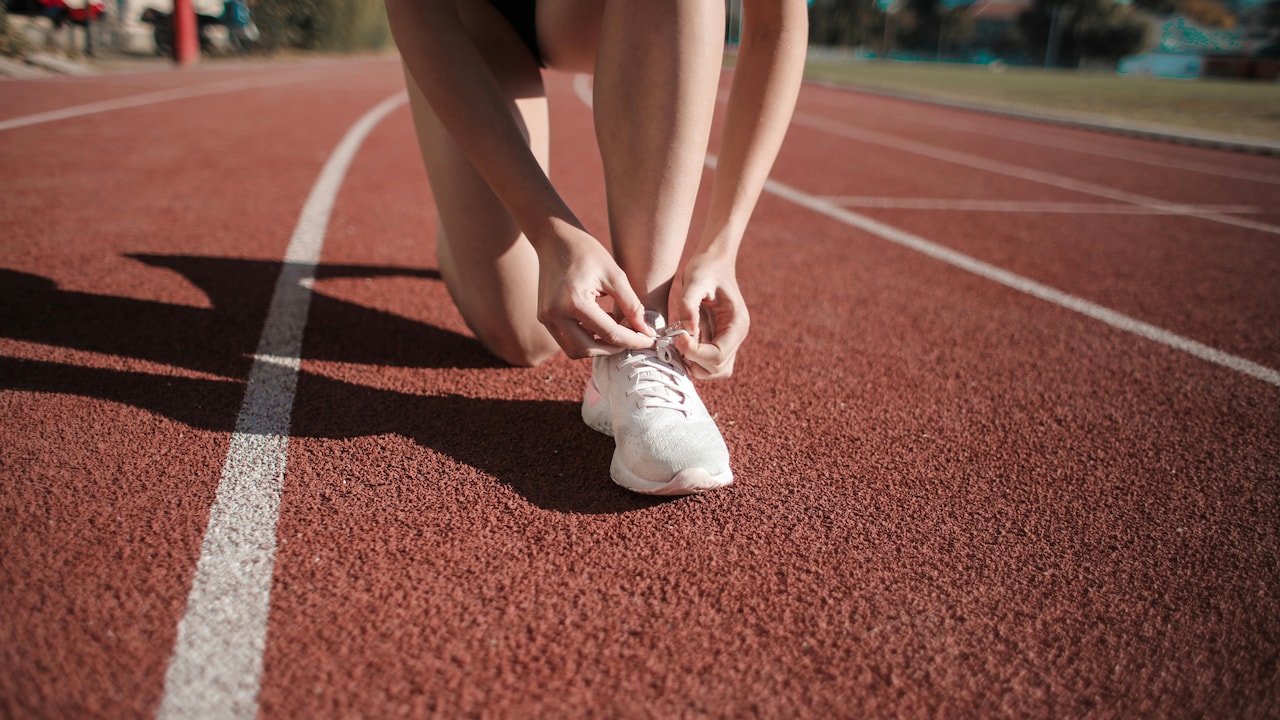
New shoes have stiff soles that take time to bend as per your natural foot curve; Photo Credit: Pexels
6. Foot Swelling Changes Fit Throughout the Day
Feet do not maintain a fixed size. They swell naturally as the day progresses due to activity and gravity. Shoes tried on in the morning may feel snug by evening, even when sized correctly.
New shoes leave less room for this swelling. Old shoes stretch slightly over time, accommodating changes. Fresh pairs resist expansion, making swelling more noticeable and uncomfortable.
This explains why new shoes feel fine at first but painful later. The size remains correct, yet the fit tightens. Long days, heat, and standing worsen this effect.
Shopping later in the day helps ensure a realistic fit. During the break-in phase, wearing new shoes for shorter durations reduces discomfort caused by swelling. Awareness of this natural process prevents unnecessary frustration with otherwise well-fitting footwear.
7. Different Shoes Demand Different Muscles
Every shoe style engages muscles differently. Switching from flats to heels, trainers to loafers, or sandals to boots introduces new demands. Even within the same size, the foot works differently.
New shoes often activate muscles that stayed relaxed before. This sudden engagement leads to mild soreness similar to starting a new exercise routine. The pain does not signal injury but adjustment.
For instance, shifting from cushioned running shoes to minimalist casual footwear can shock the feet. Calves, arches, and ankles feel the change quickly. Over time, muscles strengthen and adapt.
Gradual transition helps here. Alternating between old and new shoes allows muscles to adjust without strain. Expecting instant comfort from a style change often sets unrealistic expectations.
8. Socks and Skin Sensitivity Play a Role
Socks influence comfort more than many expect. Thin socks offer less cushioning and allow more friction. New shoes combined with thin socks often result in irritation.
Skin sensitivity also matters. Some people develop blisters easily due to sensitive skin or excessive moisture. New shoes increase friction before materials soften, making sensitive skin more vulnerable.
Choosing the right socks during the break-in period helps. Slightly thicker, breathable fabrics reduce friction and absorb sweat. This small change often prevents discomfort that gets wrongly blamed on shoe size.
Paying attention to foot care also matters. Moisturising heels and keeping feet dry reduces the risk of painful spots during the adjustment phase.
9. Psychological Expectations Influence Comfort
Expectations shape perception. New shoes often carry high hopes, especially after spending ₹5,000 or more. When discomfort appears, frustration amplifies the sensation of pain.
Feet also need time to trust new footwear. Familiar shoes feel comfortable partly due to habit. New ones feel foreign, even if they fit well. This unfamiliarity heightens awareness of every pressure point.
Approaching new shoes with patience changes the experience. Viewing the break-in phase as normal rather than a flaw reduces irritation. Many people find that discomfort fades faster when stress levels drop.
Comfort involves both physical fit and mental adjustment. Allowing time for both leads to better outcomes.
10. When Pain Signals a Real Problem
Not all pain deserves patience. Some discomfort signals a poor fit or an unsuitable design. Sharp pain, numbness, or persistent blisters indicate issues that breaking in will not fix.
Shoes that compress toes, dig into bones, or cause joint pain often remain problematic. No amount of wear transforms a fundamentally wrong shape into a good match. Recognising this distinction matters.
Trying shoes at home on clean floors helps identify red flags early. Walking around briefly reveals whether discomfort feels temporary or severe. Trusting these signals prevents long-term foot issues.
Choosing comfort over style ultimately pays off. Shoes should support daily life, not complicate it.
Products Related To This Article
1. HRX by Hrithik Roshan Unisex Colourblocked Running Non-Marking Shoes
2. Roadster The Lifestyle Co. Men Comfort Sandals
3. Red Tape Men Colourblocked Sneakers
4. Skechers Women SUMMITS Shoes
5. HRX by Hrithik Roshan Men Woven Design Sports Sandal
6. Stepee Women Comfort Sandals
7. Van Heusen Men Comfort Sandals With Buckle Detail
New shoes often cause pain not because of incorrect sizing but due to adjustment. Stiff materials, unfamiliar support, and individual foot shapes all contribute to early discomfort. Feet and shoes need time to learn each other's rhythms.
Understanding the break-in process removes confusion and frustration. Short wears, suitable socks, and realistic expectations make the transition smoother. Most importantly, recognising when discomfort signals a deeper problem prevents unnecessary suffering.
Comfort rarely arrives instantly. It grows step by step, just like trust. With patience and awareness, new shoes soon feel less like strangers and more like reliable companions on everyday journeys.
(Disclaimer: This article may include references to or features of products and services made available through affiliate marketing campaigns. NDTV Convergence Limited (“NDTV”) strives to maintain editorial independence while participating in such campaigns. NDTV does not assume responsibility for the performance or claims of any featured products or services.)