Why Office Trousers Look Awkward When Sitting And How To Choose Comfortable Formal Wear For Work
Office trousers can look sharp while standing, but awkward once you sit. The real reasons often lie in fit, rise, fabric, thigh room, waistband comfort, and tailoring, not just style.
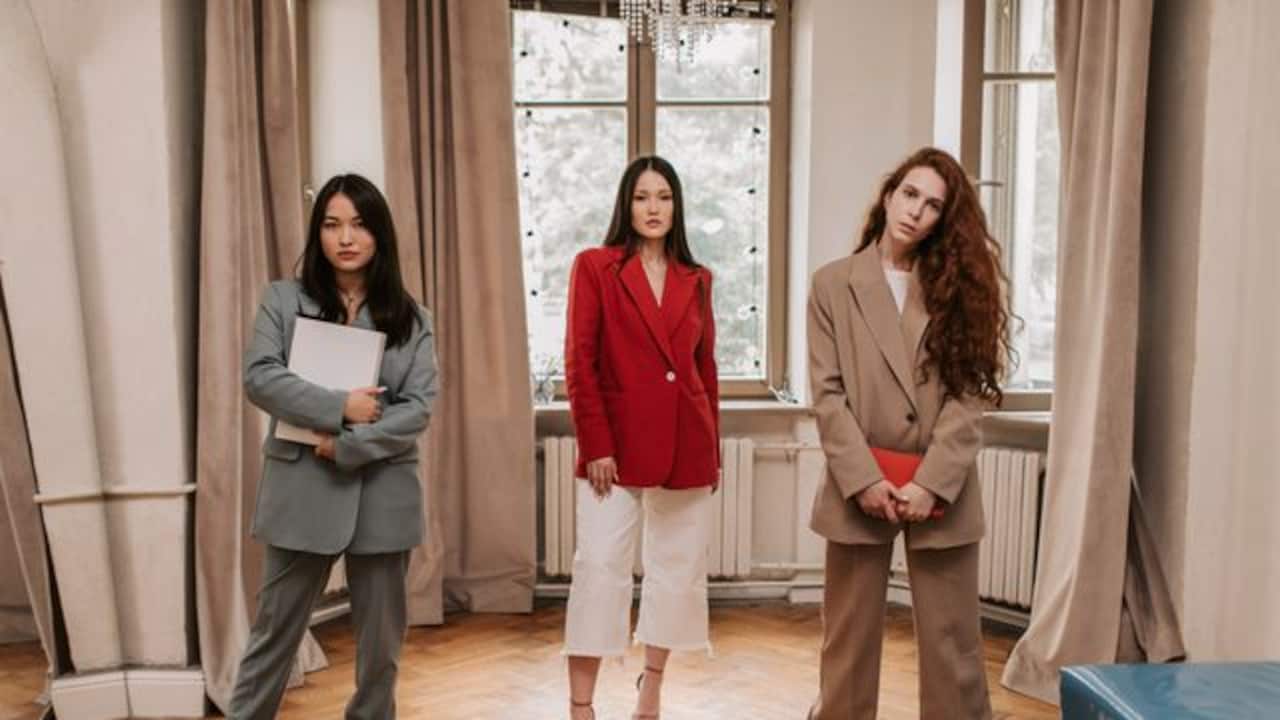
Read different reasons responsible for making your office trousers look odd
Few wardrobe betrayals feel as quietly irritating as office trousers that look perfect while standing but turn awkward the moment one sits. At home, under forgiving bedroom light, they fall neatly. The crease looks disciplined. The waist feels fine. The shoes match. Then comes the office chair, the laptop, the two-hour review meeting, and the trousers begin their rebellion. The knees tighten. The thighs wrinkle. The hem climbs. The waistband presses into the stomach after lunch. What looked like a formal outfit now looks uncomfortable, fussy, and slightly confused. Many people blame weight gain, poor ironing, or bad luck. Usually, the real culprit sits in the details.
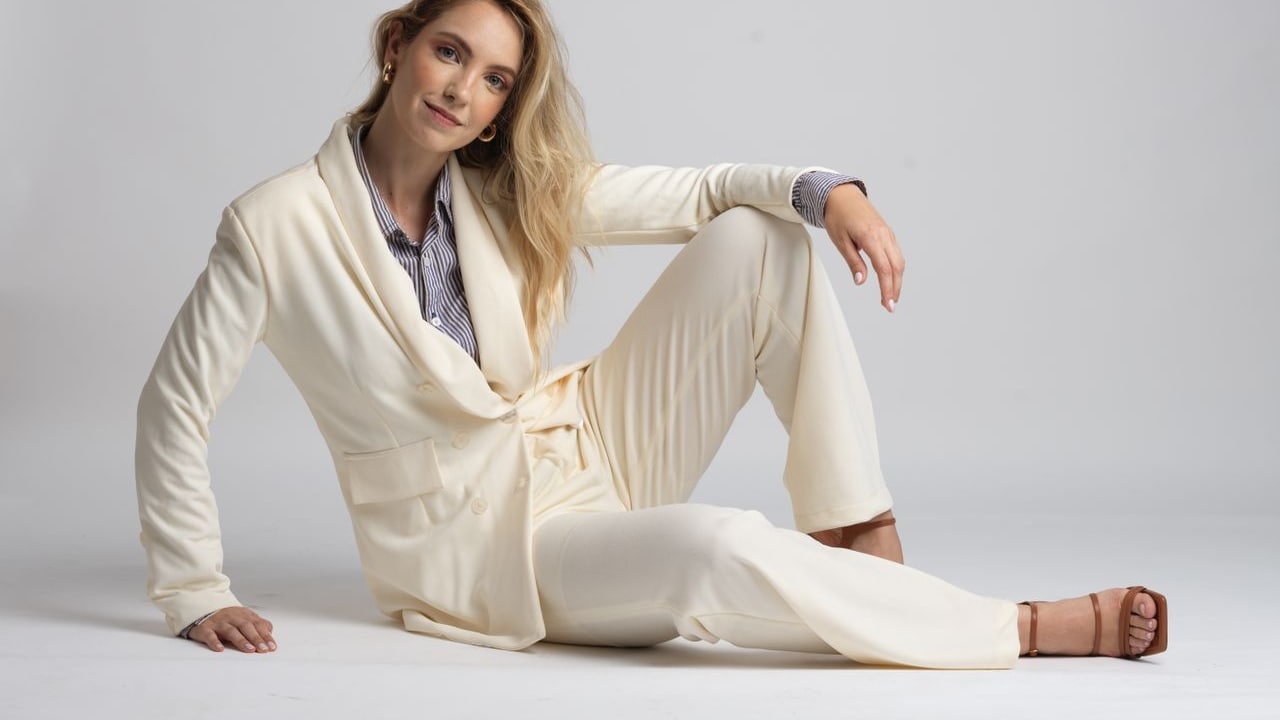
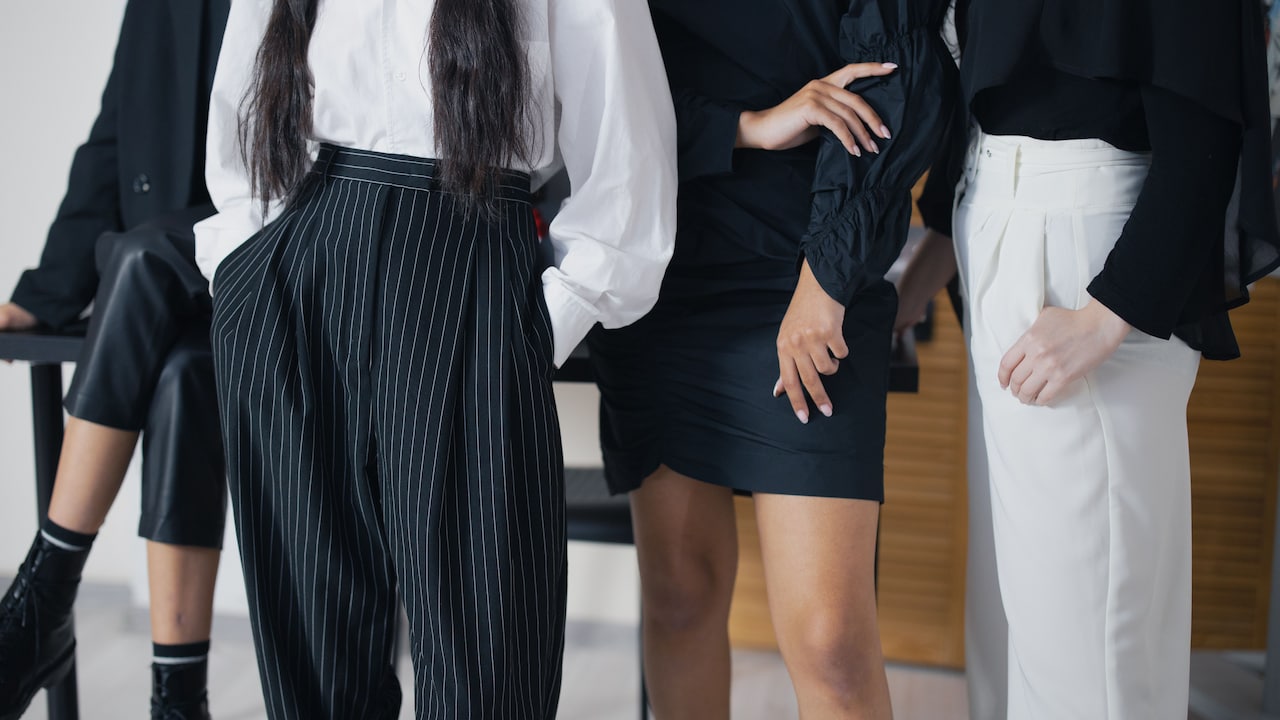
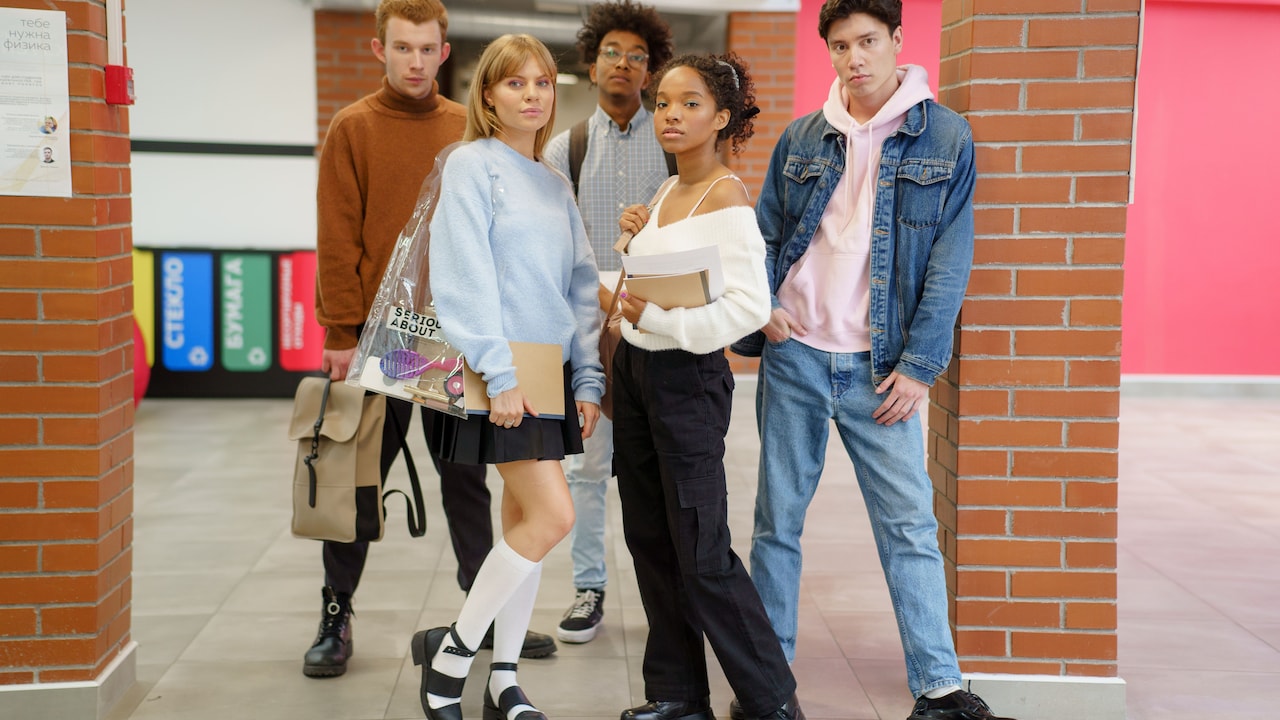
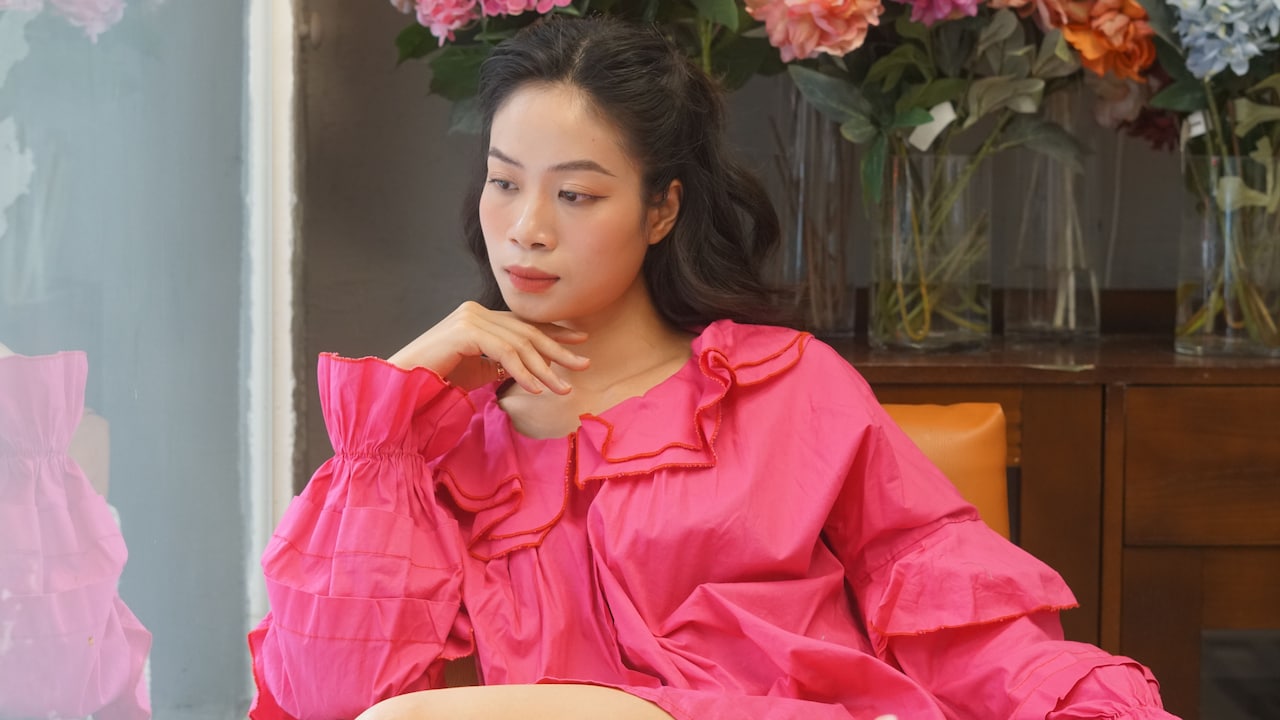
Common reasons that make formal trousers look weird when sitting; Photo Credit: Pexels
Formal trousers need movement space. They must handle walking, standing, sitting, bending, commuting, and the occasional dash for a lift. A pair that only looks good when it has not done its job. Good office trousers should not demand military posture all day. They should move with the body and still keep their shape.
Also Read: Top 5 Wide-Leg Trousers For Women That Feel Light Yet Look Office-Ready Under ₹1300
In cities where commutes involve autos, cabs, metros, bikes, office chairs, and cafeteria benches, trousers face more action than a showroom mirror reveals. The trick lies in understanding why the awkwardness happens and how to avoid it before spending ₹2,500 or ₹7,000 on a pair that disappoints by noon.
Why Sitting Changes The Way Office Trousers Look
The Standing Fit Tricks The Eye
A standing fit can lie beautifully. When someone stands straight in front of a mirror, trousers hang from the waist or hips without much pressure from the body. Gravity does most of the styling. The front looks flat, the crease sits in place, and the fabric flows cleanly. That moment feels reassuring, but it tells only half the story.
Sitting changes everything. The thighs spread, the hips shift, the knees bend, and the stomach naturally folds a little. The trousers now need extra room in places that looked fine while standing. A pair cut too close through the seat or thigh will pull sharply across the lap. A waistband that felt neat while standing may dig in after one plate of rajma chawal at lunch.
Trial rooms make this worse. Many people check trousers only from the front, while standing. They turn once, approve the length, and head to billing. The real test needs a chair. Sit, cross one ankle over the other, lean forward as if typing, and check the fabric. If the trouser complains during a thirty-second trial, it will throw a full tantrum during office hours.
The Rise Decides The Sitting Comfort
The rise of trousers means the distance between the crotch seam and the waistband. It sounds technical, but it controls comfort more than most people realise. A low-rise pair may look modern while standing, especially with a tucked shirt. Yet while sitting, it can slide down at the back, squeeze the lower stomach, or create awkward pulling near the zip.
Mid-rise trousers often work better for office wear because they sit closer to the natural waist. They give the body more room to fold when seated. They also keep the shirt tucked in more securely, which matters during long meetings where constant shirt adjustment can feel like a personal battle.
Too high a rise can also cause trouble. If the waistband sits too far above the natural waist, it may bunch under the shirt or press against the stomach. The goal is not to chase fashion blindly, but to find the rise that suits the body and workday. A good rise allows sitting without the waistband shifting like a stubborn train passenger fighting for space.
The next time trousers look smart in the mirror, sit and check the back waistband. If it gaps, dips, or bites, the rise has already given its verdict.
Tight Thighs Create The Meeting Room Pull
Slim-fit trousers dominate office racks because they look crisp on hangers and sharp in photos. The problem starts when slim becomes tight. Thighs need space while sitting. They expand outward and upward, and the fabric must follow without strain. When trousers lack that room, horizontal lines appear across the lap. The pockets flare, the crease disappears, and the entire outfit starts looking stressed.
This issue hits many desk workers because office life involves long hours spent seated. A pair that feels fine during a five-minute store trial may feel restrictive after a full day of calls, spreadsheets, and chai breaks. Tight thighs also make simple movements feel dramatic. Picking up a dropped pen should not feel like negotiating with fabric.
The solution does not always mean buying loose trousers. A well-cut straight fit or tapered fit can look formal without suffocating the thigh. The trousers should skim the leg, not cling to it. A small pinch of fabric at the thigh while standing usually helps comfort while sitting.
Think of office trousers like polite colleagues. They should support your day without demanding attention every ten minutes. If the thighs pull when seated, the trousers may look fashionable, but they are not working clothes.
Flat Fronts Can Look Clean But Feel Cruel
Flat-front trousers look sleek because they have no pleats near the waistband. They create a clean front, especially with tucked shirts and belts. For many people, they offer a neat, modern office look. Yet flat fronts can turn unforgiving when the body sits down.
Sitting needs expansion around the stomach, hips, and upper thighs. Pleats quietly provide that extra space. They open slightly when seated and close again when standing. Good pleats do not look old-fashioned when cut well. They look considered, especially with formal shirts, loafers, or polished lace-ups.
Flat fronts work best for people whose trousers have enough room through the seat and thigh. When the fit runs narrow, the front fabric has nowhere to go. It pulls across the zip, wrinkles near the pockets, and creates a tense look. After lunch, the discomfort grows.
Many shoppers avoid pleats because they remember baggy office trousers from old family albums. But tailoring has changed. A single pleat can look sharp and practical. In warm weather, during long commutes, and through full office days, that tiny fold of fabric can feel like mercy. Sometimes the most stylish detail is the one that lets you breathe.
Fabric With No Give Loses The Battle
Fabric decides whether trousers recover after sitting or look defeated by 3 pm. Some formal materials appear elegant while standing but crease aggressively once folded. Cheap polyester blends may shine under store lights yet trap heat and hold awkward wrinkles. Very stiff fabrics may keep a crease, but they can also create sharp folds at the crotch and knees.
Good office trousers need balance. Wool blends, cotton blends, viscose blends, and fabrics with a small amount of elastane often work well. That little stretch can make sitting, climbing stairs, and commuting far easier. The trousers still look formal, but they stop behaving like cardboard.
Climate matters too. In warm cities, heavy fabric can feel punishing. Sweat makes trousers cling, and cling makes every wrinkle more obvious. Lightweight fabric helps, but it should not become flimsy. Thin material may reveal pocket outlines, lose shape quickly, or crumple after one cab ride.
Before buying, crush a bit of the fabric gently in your hand for a few seconds. If it looks like a paper bag afterwards, think twice. Also, sit for a moment and stand again. If the knees and lap retain harsh folds immediately, the fabric may not survive a regular workday gracefully.
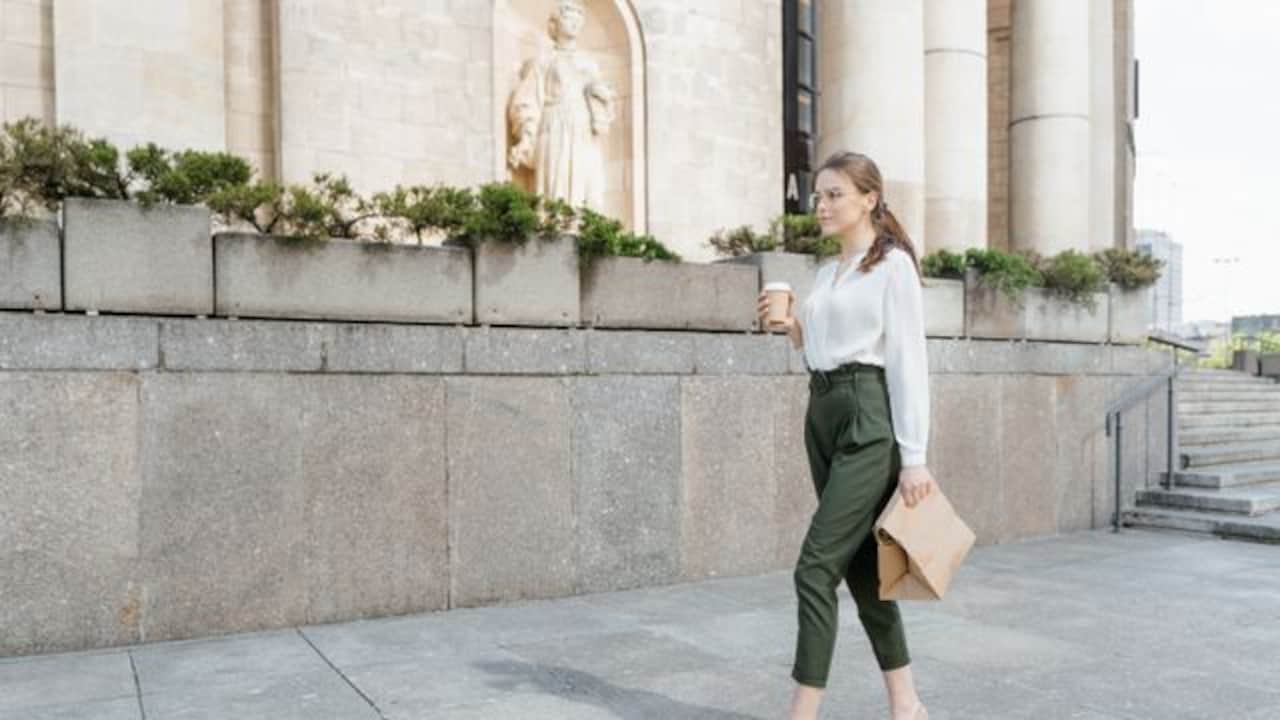
Fabrics that crease easily also give formal trousers a weird look when sitting; Photo Credit: Pexels
The Seat Fit Makes Or Breaks The Look
The seat area rarely gets enough attention, yet it controls how trousers behave from the back and side. A good seat fit gives enough room over the hips without sagging. Too tight, and the fabric pulls across the back, pockets open, and seams strain. Too loose, and the trousers look baggy when standing, then bunch under the body while sitting.
Many formal trousers fail because they focus on the front view. The mirror says yes, but the back says please reconsider. This becomes obvious while sitting. Tight seat fabric can drag the waistband down and create pressure near the crotch. Loose seat fabric can fold awkwardly, making the trousers look older than they are.
The chair test helps here too. Sit down and feel whether the back seam pulls. Stand up and check whether the fabric settles back smoothly. If it needs repeated tugging, the fit needs adjustment.
Tailoring can fix some seat issues. A tailor can take in extra fabric, adjust the waist, or clean up the back. But a seat that is much too tight has limited rescue options. When buying trousers, choose the pair that fits the widest part of the hips well. The waist can often come in later; strained seams cannot learn manners.
Length Looks Different Once Knees Bend
Trouser length can look perfect while standing and suddenly become awkward while sitting. When knees bend, fabric travels upward. The hem rises, socks show, and the trousers may appear shorter than expected. A little sock display can look stylish, but an accidental calf exhibition during a client meeting feels less charming.
This problem often comes from overly narrow legs or short hems. Slim trousers climb more because they grip the calf. Cropped styles may look fashionable at a café but feel risky in conservative offices. Traditional formal trousers usually need enough length to create a slight break over the shoe while standing. That extra fabric helps when seated.
The type of shoe matters too. Trousers measured with sneakers may look different with formal shoes. A pair worn with loafers may need a cleaner hem than one worn with Oxfords. Tailoring length without the usual office shoes can lead to regret.
There is also the sock question. Since socks will show while sitting, they should look intentional. Faded sports socks can ruin even expensive trousers. A ₹200 pair of decent socks can save a ₹4,000 pair of trousers from embarrassment. Small details often carry the whole outfit.
Waistbands Need Breathing Room After Lunch
Morning fittings can be misleading. The stomach changes during the day. Breakfast, water, tea, lunch, stress, and long sitting all affect how a waistband feels. Trousers that fit exactly at 9 am may feel like a legal notice by 2 pm.
A formal waistband should sit securely without squeezing. One finger should slide comfortably inside when standing. While sitting, the waistband should not cut into the stomach or force the shirt to puff out. If the hook strains or the button pulls, the trousers are too tight, no matter how smart it looks in the mirror.
Many people buy a smaller waist size because it appears sharper while standing. That choice often backfires at work. The body needs ease, especially during seated hours. A slightly comfortable waist, paired with proper tailoring, usually looks better than a tight waist pretending to be disciplined.
Side adjusters, hidden elastic panels, or a well-placed belt can help. However, a belt should not rescue a poor fit. If the waist gaps badly without one, tailoring makes sense. If it digs even without one, size up. Clothes should support the day, not punish the person for enjoying dosa, biryani, or an extra samosa during office celebrations.
Pockets And Pleats Reveal The Truth
Pockets have a habit of exposing poor fit. When trousers are too tight across the hips or thighs, side pockets flare open. This creates a small but noticeable wing-like shape that breaks the clean line of formal wear. The wearer may stand straight and still look untidy, without understanding why.
Sitting makes the pocket flare worse. The thighs push outward, the fabric pulls, and the pocket mouth opens further. Keeping a phone, keys, wallet, or office ID in the trouser pocket adds more distortion. Suddenly, one side looks bulkier than the other. Even premium trousers can look awkward when pockets carry half a desk drawer.
Pleats also speak honestly. If the pleats open completely while standing, the trousers are too tight. If they open slightly while sitting, they are doing their job. The difference matters. A pleat should offer movement, not wave a distress flag.
For cleaner office wear, keep trouser pockets light. Move bulky items to a bag, laptop sleeve, or desk drawer. Choose trousers with pockets that lie flat while standing and do not gape while sitting. This tiny detail changes the whole silhouette. Formal dressing often fails not through big mistakes, but through small signs of tension.
Chair Height Changes Everything
Office trousers do not exist in a fashion vacuum. Chairs affect how they look. A low chair bends the knees sharply and pushes fabric upward. A high chair may make the legs hang, pulling trousers at the thigh. A deep sofa in a reception area can turn even well-fitted trousers into a wrinkled puzzle.
Many workplaces now mix ergonomic chairs, cafeteria stools, meeting room sofas, and coworking benches. Trousers must survive all of them. That is why movement-friendly fit matters more than a perfect standing silhouette. A person rarely spends the entire workday posing like a catalogue model near a glass door.
Posture adds another layer. Leaning forward to type compresses the stomach and lap. Sitting with one leg crossed twists the fabric. Sliding low in a chair creates bunching near the crotch. None of this means posture must remain stiff. It simply means trousers need enough ease for real behaviour.
Before blaming the garment, notice the chair. If trousers look awkward only in one particular seat, furniture may share the blame. Still, a good pair handles ordinary movement with grace. Workwear must suit actual work, not just the lift mirror selfie before 10 am.
Tailoring Turns Decent Trousers Into Office Favourites
Ready-made trousers try to fit thousands of bodies with one pattern. No wonder they often come close but miss the mark. Tailoring bridges that gap. A simple waist adjustment, hem correction, seat cleanup, or taper can transform an average pair into a reliable office favourite.
The mistake lies in treating tailoring as a luxury. Spending ₹300 to ₹700 on alterations can save trousers worth ₹3,000 from sitting unused in the wardrobe. A tailor can shorten the length, reduce extra fabric, adjust the waist, or improve the fall. For formal trousers, these changes matter more than a flashy brand tag.
However, tailoring has limits. It cannot create large amounts of missing fabric. Trousers that are too tight at the thigh or seat may not have enough seam allowance to open. That is why buying slightly roomier trousers often makes sense. A tailor can remove excess fabric far more easily than invent comfort from nothing.
Take office shoes and a regular belt to the tailor. Sit during the fitting. Mention how the trousers feel during commuting and desk work. Clear instructions help. The best office trousers are rarely perfect straight off the rack. They become perfect after someone respects the body that must live in them.
Some Formal Trousers On Myntra You May Like
1. Albelie Women Relaxed Trousers
2. RAJOVATI Women Relaxed Fit Mid-Rise Trousers
3. Annabelle by Pantaloons Women High-Rise Trousers
4. Stylecast X Kotty Women High-Rise Wrinkle Free Pleated Trousers
5. RIVNIX Women Smart High-Rise Trousers
6. Honey Curvytude by Pantaloons Women Flared Trousers
7. Roadster The Life Co. Women Cotton Pleated Mid-Rise Trousers
Office trousers look awkward while sitting because sitting asks more from them than standing ever does. The body bends, spreads, folds, and moves. Fabric must respond. When the rise sits wrong, the thighs run tight, the seat strains, the waistband digs, or the length climbs, formal trousers lose their charm quickly.
The solution does not require a dramatic wardrobe overhaul. It starts with better trial habits. Sit before buying. Check the pockets. Notice the waistband. Look at the knees after standing again. Choose fabric that breathes and recovers. Give pleats a fair chance. Respect tailoring. Most importantly, stop judging trousers only by how they look in a mirror while standing still.
Good office wear should feel calm. It should survive the metro seat, the office chair, the lunch break, the long presentation, and the ride home. A polished look matters, but comfort gives polish its staying power. When trousers fit real life, not just a trial-room pose, they stop creating awkward moments and start doing what formal clothes should do: make the wearer feel quietly ready for the day.
(Disclaimer: This article may include references to or features of products and services made available through affiliate marketing campaigns. NDTV Convergence Limited (“NDTV”) strives to maintain editorial independence while participating in such campaigns. NDTV does not assume responsibility for the performance or claims of any featured products or services.)