Why Polo T-Shirt Collars Curl After Washing And How To Keep Them Sharp
Polo T-shirt collars often curl after washing due to fabric quality, heat, and poor care. This article explains the causes and shares simple, practical ways to keep collars flat, crisp and presentable.
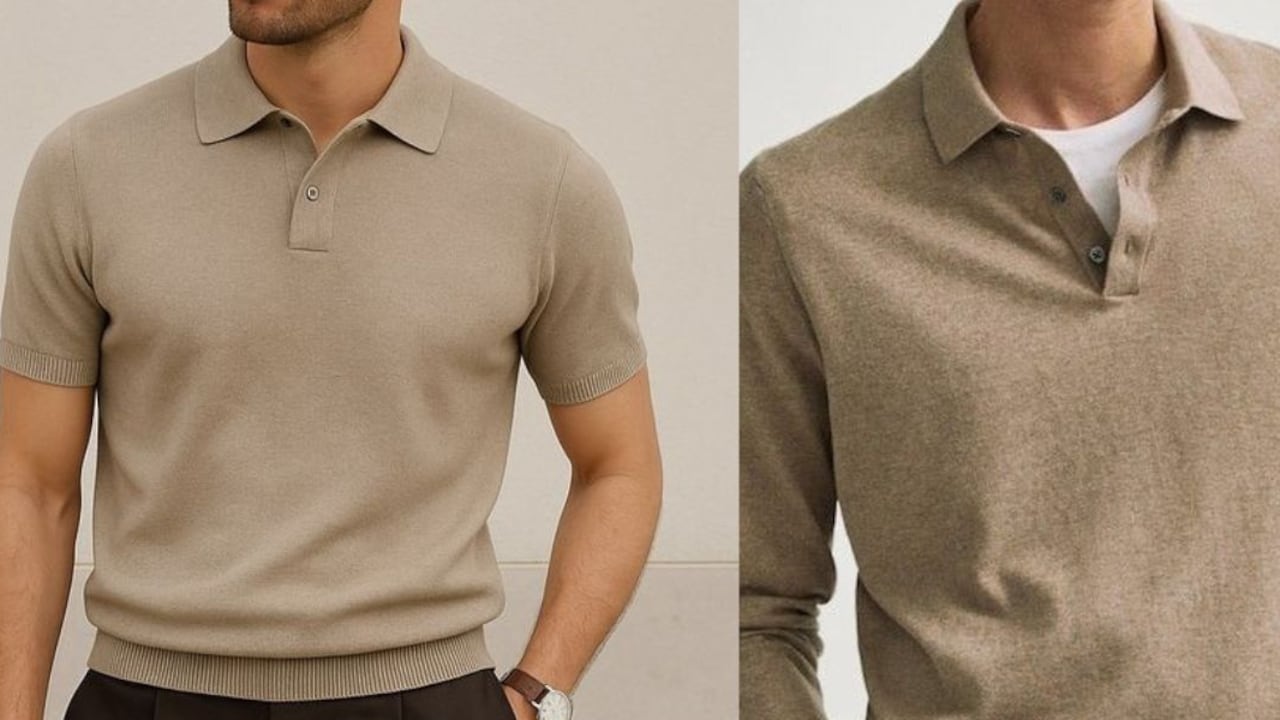
Polo T-Shirt Collar Curling Explained: Washing Mistakes And Care Tips That Work.
Polo T-shirts hold a special place in everyday wardrobes. They feel relaxed yet polished, simple yet dependable. A good polo can last years, but the collar often gives up early. After a few washes, the edges curl upwards, making even an expensive shirt look tired. Many assume age causes this problem, yet washing habits, fabric choices, and storage play a bigger role. The good news lies in the fix. Small changes in care can bring back that neat, structured look. Let's explore why Polo T-shirt collars misbehave and how to stop them from curling like a stubborn page in a paperback.
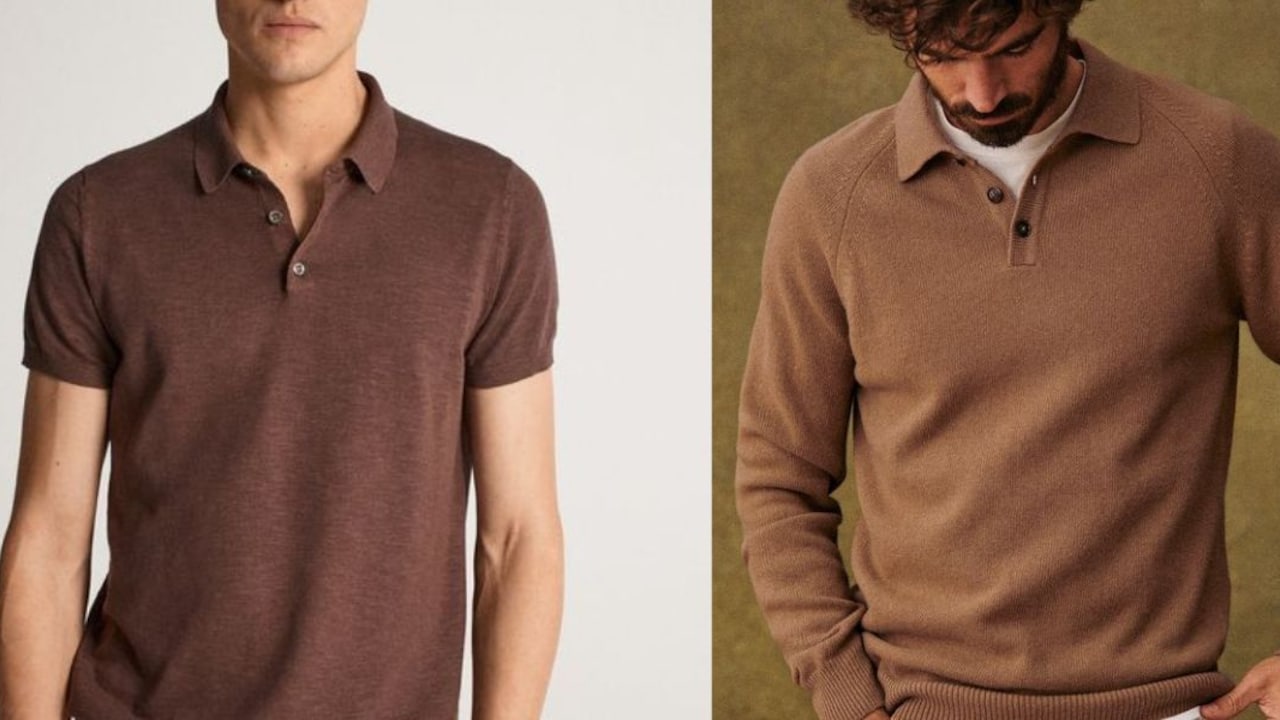
Polo T-Shirt Collar Curling Explained: Washing Mistakes And Care Tips That Work.; Photo Credit: Pexels
What Really Causes Polo Collars to Curl After Washing
1. Fabric Quality Sets the Tone
The journey to a curling collar often starts at the fabric stage. Polo collars rely on structure. Cheaper fabrics lack the yarn strength needed to hold shape after repeated washes. Low-grade cotton fibres stretch, shrink, and twist when exposed to water and heat. Once distorted, they rarely return to their original form.
Higher-quality cotton, such as combed or ring-spun varieties, offers longer fibres and tighter weaves. These resist warping. Blended fabrics with a touch of elastane can feel comfortable, yet too much stretch weakens the collar edge. Over time, the elastic relaxes and curls.
A simple test helps while shopping. Pinch the collar between fingers. A firm, slightly stiff feel suggests better structure. Soft and floppy collars may feel cosy but often curl faster. Spending an extra ₹300–₹500 upfront saves frustration later. Quality fabric does not guarantee perfection, yet it lays a strong foundation for long-lasting shape.
2. The Collar Construction Matters More Than Expected
Not all collars are built the same. Some polos feature double-layered collars with interlining, while others rely on a single fabric fold. Single-layer collars lack internal support. After washing, they bend easily and dry unevenly, leading to curling edges.
Interlining acts like a skeleton. It provides stiffness and helps the collar lie flat.
Cheaper brands skip this step to cut costs. The difference shows after a few washes. Double-stitched edges also help maintain shape by preventing fabric from rolling inwards.
Collar ribbing adds another layer of complexity. Rib-knit collars stretch more than flat-knit versions. Stretch feels comfortable around the neck, yet repeated pulling during wear and washing encourages curl.
Checking inside the collar reveals much. Visible stitching lines or a slight firmness hint at interlining. This detail rarely appears on tags, yet it separates a long-lasting polo from a short-lived one.
Also Read: Top 5 Polo T-shirts Under ₹500 For Men That Keep You Looking Sharp In The Heat
3. Washing Machines Can Be Rough Companions
Washing machines save time, but treat collars harshly. The spin cycle twists garments aggressively. Collars flip, fold, and rub against heavier items like jeans or towels. This friction weakens the edge and causes uneven drying.
Top-load machines, common in many homes, worsen the issue due to their central agitator. Collars wrap around it and stretch. Front-load machines handle clothes more gently but still pose risks during high-speed spins.
Overloading the machine compounds the problem. Clothes lack space to move freely. Collars remain crushed for long periods. Using a laundry bag helps protect delicate areas. Turning polo T-shirts inside out also reduces direct friction on the collar edge.
Gentle cycles exist for a reason. They reduce agitation and spin speed. Choosing them may add ten minutes to wash time, yet they preserve garment shape. That trade-off feels worth it when a favourite polo stays sharp.
4. Detergents and Softeners Play a Sneaky Role
Detergents do more than clean. Strong formulas strip natural oils from cotton fibres. Dry fibres lose flexibility and curl when stressed. Using more detergent than needed worsens this effect. Foam does not equal cleanliness.
Fabric softeners promise softness but often leave residue. This coating builds up along collar edges, making them heavier and prone to flipping. Over time, the collar develops a mind of its own.
Switching to mild, liquid detergents helps. These dissolve easily and rinse out fully. Measuring detergent accurately prevents residue build-up. Skipping fabric softener for polos also makes a difference. A splash of white vinegar in the rinse cycle softens fabric naturally without coating fibres.
This small change costs almost nothing. Vinegar costs under ₹50 per bottle and lasts months. The collar benefits quietly, staying flat and cooperative.
5. Water Temperature Can Make or Break Collars
Hot water feels satisfying. It removes stains and smells effectively. Yet it also causes cotton fibres to contract suddenly. This shrinkage rarely happens evenly. The collar, often thicker than the body, shrinks at a different rate. The result appears as curling or puckering along the edge.
Cold water cleans sufficiently for everyday wear. Modern detergents work well at lower temperatures. Washing polos in cold or lukewarm water preserves fibre integrity and colour vibrancy.
For stubborn stains, spot treatment works better than hot washes. Applying detergent directly to the stain and gently rubbing removes marks without exposing the entire garment to heat stress.
Temperature consistency matters too. Washing in hot water and rinsing in cold shocks the fibres. Keeping both cycles at similar temperatures reduces stress. This simple adjustment keeps collars calm and flat.
6. Drying Habits Often Cause the Final Curl
The tumble dryer delivers convenience, but often delivers curling too. High heat relaxes fibres, and tumbling twists collars into awkward shapes. Once dry, the curl sets firmly.
Air drying offers a safer route. Laying polos flat on a towel allows the collar to dry evenly. Hanging works too, but gravity pulls on wet fabric. This stretch encourages curling at the tips.
If a dryer feels unavoidable, using the lowest heat setting helps. Removing the polo while slightly damp and reshaping the collar by hand prevents set-in curls.
Shaping the collar takes seconds. Laying it flat, smoothing edges, and aligning seams guide fibres as they dry. This habit soon becomes second nature and pays off every time the polo comes out looking tidy.
7. Ironing Techniques Can Restore Order
Ironing feels like a chore, yet it rescues curled collars effectively. Many people iron the body and ignore the collar. That oversight allows curl to persist.
Ironing the collar first works best. Laying it flat and pressing from the points inward smooths edges. Using steam relaxes fibres gently. Too much pressure flattens texture, so a light touch matters.
A pressing cloth adds protection, especially for darker colours. It prevents shine and scorching. Spraying a light mist of water before ironing also helps reshape stubborn curls.
Starch divides opinion. Light starch adds crispness and structure. Overuse makes collars stiff and uncomfortable. Applying starch sparingly along the edge provides control without cardboard-like stiffness.
Regular ironing keeps collars trained. Skipping sessions allows curls to return stronger each time.
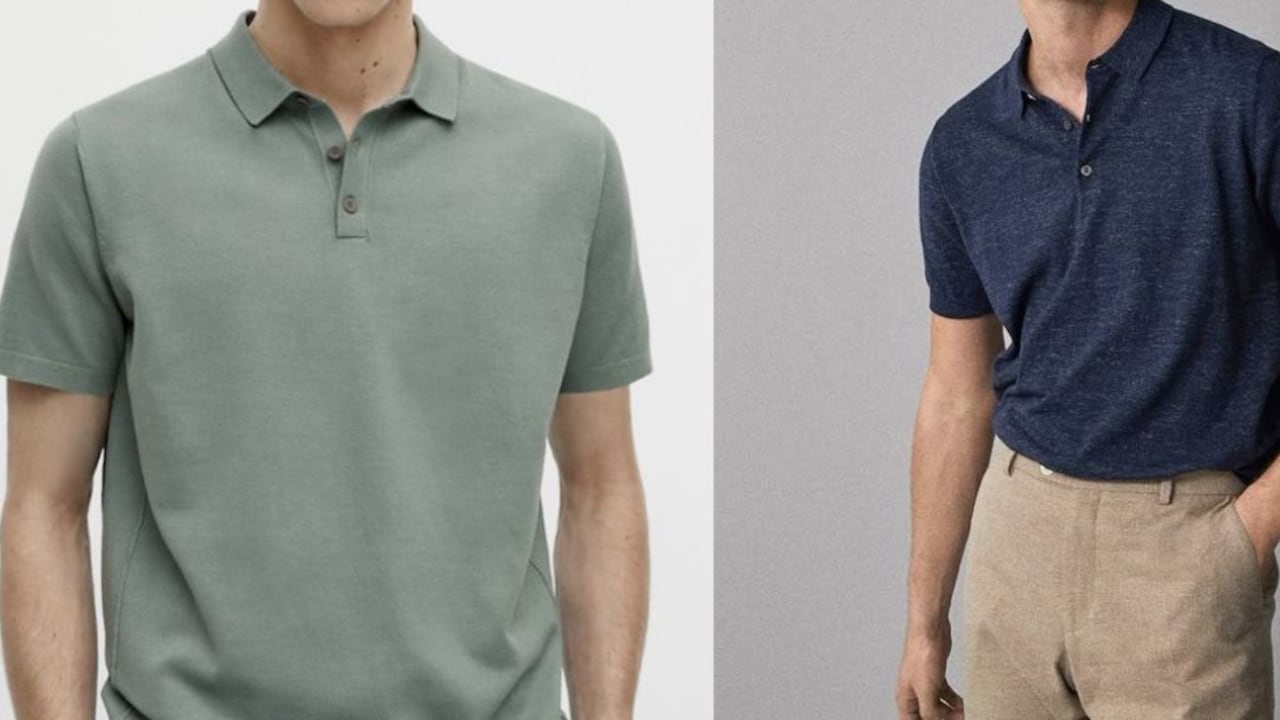
Polo T-Shirt Collar Curling Explained: Washing Mistakes And Care Tips That Work.; Photo Credit: Pexels
8. Storage Shapes Long-Term Behaviour
How polos rest between wears influences collar behaviour. Folding them carelessly bends collars at odd angles. Over time, these bends become permanent.
Storing polos flat in drawers works well. Folding the collar gently and placing tissue paper inside helps maintain shape. Hanging polos saves space but stretches collars under their own weight.
If hanging feels necessary, using wide, padded hangers reduces stress on the collar seam. Buttoning the top button before hanging also keeps the collar aligned.
Avoid overcrowding wardrobes. Compressed garments crease and distort. Leaving breathing space helps polos retain form.
Good storage habits require minimal effort yet protect investment. A polo costing ₹1,200 deserves better than being shoved between heavier clothes.
9. Wear Patterns Influence Curl Formation
Collars curl not only in the wash but during wear. Frequent tugging, popping collars, or pulling them while adjusting necklines weakens edges. Sweat and body heat soften fibres, making them more vulnerable to distortion.
Rotating polos reduces wear stress. Wearing the same shirt repeatedly without rest accelerates collar fatigue. Allowing a day between wears lets fibres recover.
Washing after every short wear also contributes to stress. If the polo remains fresh, airing it out extends the time between washes. This reduces fibre strain and prolongs collar life.
Being mindful while wearing polos helps. Small habits, like unbuttoning before removing the shirt, prevent unnecessary stretching. These habits feel minor yet protect collars quietly over time.
10. When to Let Go or Repair
Even with perfect care, collars eventually age. Recognising when repair works and when replacement makes sense saves effort. Minor curls respond well to ironing and reshaping. Severe warping may resist all tricks.
Tailors offer collar replacement services. Replacing just the collar costs around ₹300–₹500, far less than buying a new polo. This option suits sentimental favourites or high-quality shirts.
For everyday polos, replacement may feel simpler. Using old polos for home wear extends their life without frustration.
Learning from worn-out collars informs future purchases. Choosing better construction, gentler care, and mindful habits ensures new polos age gracefully. Curling collars teach patience and attention, even if reluctantly.
Products Related To This Article
1. XYXX Men's Nova 100% Combed Cotton Regular Fit Polo T-Shirt
2. Van Heusen Men's Cotton Solid Regular Fit Collar Polo T-Shirt
3. Amazon Brand - Symbol Men's Cotton Rich Solid Polo Tshirt
4. AMERICAN CREW Polo Collar T-Shirt for Men with Pocket
5. gauma Polo Tshirt for Men Regular Fit Cotton Melange Matte Tshirt
6. Lux Cozi Men's Half Sleeve Soild Casual Regular Fit T-Shirt with Chest Pocket
7. Peter England Men's Snug Fit Solid Polo T-Shirt with Coloured Collar Tipping
A curling polo collar feels like a small annoyance, yet it affects confidence and appearance. Understanding the causes transforms frustration into control. Fabric quality, construction, washing habits, and storage all play roles. None requires drastic change. Small, consistent adjustments make the difference.
Gentle washes, cooler water, mindful drying, and proper storage protect collars effectively. Ironing and occasional reshaping restore order when needed. These habits respect both the garment and the wallet. A well-kept polo speaks without shouting.
(Disclaimer: This article may include references to or features of products and services made available through affiliate marketing campaigns. NDTV Convergence Limited (“NDTV”) strives to maintain editorial independence while participating in such campaigns. NDTV does not assume responsibility for the performance or claims of any featured products or services.)