Why Some Sunglasses Distort Vision And How To Choose The Best UV-Protected Polarised Sunglasses Online
Cheap sunglasses can distort vision and strain the eyes. Discover why poor lenses cause this problem and learn how to choose UV-protected polarised sunglasses online for clearer, safer vision in bright sunlight.

Learn Why Some Sunglasses Distort Vision And The Best UV-Protected Polarised Sunglasses To Buy Online.
A sunny afternoon calls for a good pair of sunglasses. Whether it is a drive along Marine Drive, a long commute through traffic, or a relaxed weekend stroll through a bustling market, sunglasses often serve both style and comfort. Yet many people experience something odd when wearing certain pairs. The road appears slightly curved, objects seem stretched, or the surroundings feel mildly disorienting.
That uncomfortable sensation usually points to lens distortion. Cheap sunglasses may look fashionable on a shop shelf or in an online listing, yet poor lens quality can quietly affect vision. Over time, this distortion can lead to headaches, eye fatigue, and even unsafe driving conditions.
Sunglasses should do more than complement an outfit. They must protect their eyes from harsh sunlight and harmful ultraviolet radiation. Quality polarised lenses also reduce glare, allowing clearer and more comfortable vision.
With countless options available online today, choosing the right pair can feel overwhelming. However, once the reasons behind distorted vision become clear, selecting a reliable pair becomes far easier. A closer look at lens design, UV protection, and polarisation reveals why some sunglasses fail while others truly protect the eyes.
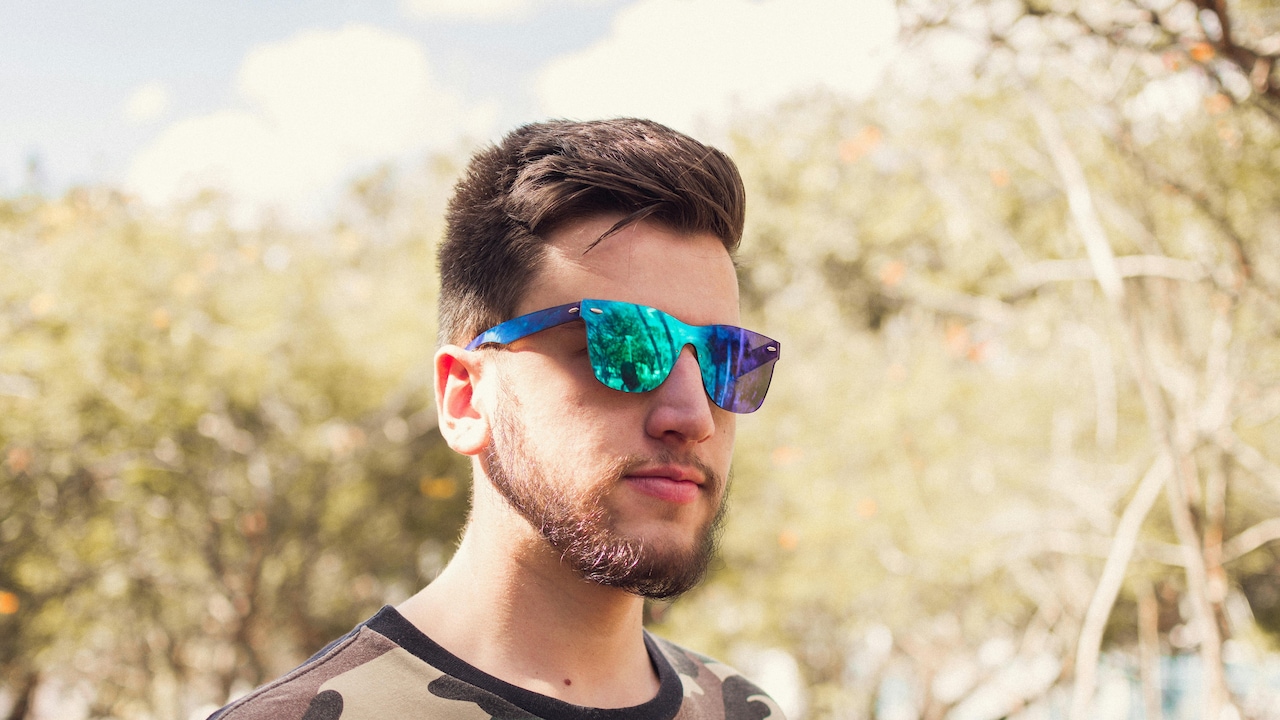
Why Some Sunglasses Distort Vision And UV-Protected Polarised Sunglasses; Photo Credit: Pexels
Poor Lens Manufacturing Often Causes Visual Distortion
The most common reason sunglasses distort vision lies in how their lenses are manufactured. High-quality lenses go through precise moulding and polishing processes to ensure an even optical surface. Cheap sunglasses rarely follow such standards. Instead, manufacturers cut costs by using inconsistent moulds and quick production methods.
When a lens surface becomes uneven, light entering the eye bends irregularly. The brain receives a slightly warped image, which leads to that strange “wavy” or stretched sensation. Some people feel dizzy after wearing such sunglasses for only a few minutes.
Street vendors and low-cost online listings often sell these poorly manufactured lenses. They may look perfectly fine at first glance, yet subtle distortions appear once someone starts walking or driving while wearing them.
Testing lens quality offers a simple solution. Hold sunglasses at arm's length and look through the lens while moving them slowly. If objects appear to shift or bend unnaturally, the lenses likely lack proper optical alignment.
Quality sunglasses maintain consistent lens curvature. As a result, objects remain stable and natural when viewed through them. This precision explains why investing in well-made sunglasses feels noticeably more comfortable for the eyes.
Incorrect Lens Curvature Affects Visual Clarity
Lens curvature plays a crucial role in maintaining natural vision. When curvature varies across the lens surface, images may appear slightly bent or stretched. This problem often appears in mass-produced sunglasses where optical accuracy receives little attention.
A good lens maintains uniform curvature from edge to edge. Light travels through the lens evenly, ensuring objects remain clear and correctly shaped. Poorly curved lenses disrupt this process and produce subtle visual distortions.
Many people notice this issue when turning their heads while wearing cheap sunglasses. The environment appears to “shift” momentarily. Road markings might look curved or tilted. Such distortions create discomfort and may even affect balance during long periods of wear.
This issue becomes especially dangerous while driving. A distorted perception of distance or shape can slow reaction time in heavy traffic or bright sunlight.
Reliable sunglasses undergo optical testing to ensure consistent curvature. Designers carefully calculate lens shape to match the natural movement of the eyes.
Buying sunglasses from trusted brands or certified sellers often guarantees better curvature control. The difference becomes immediately noticeable when switching from a cheap pair to a properly designed lens.
Also Read: 7 Best Polarised Sunglasses That Dramatically Reduce Glare And Enhance Driving Safety
Low-Quality Materials Can Disturb Light Transmission
The material used to produce a lens greatly influences visual clarity. Cheap sunglasses often use low-grade plastic that lacks proper transparency and optical stability. Such materials scatter light rather than allowing it to pass cleanly through the lens.
When light scatters inside a lens, the resulting image appears slightly hazy or distorted. The eyes struggle to focus, leading to fatigue after extended use. Many people assume this discomfort comes from bright sunlight, when the true cause lies within the lens material itself.
Higher-quality sunglasses use materials such as polycarbonate or optical-grade resin. These materials maintain clear light transmission while resisting scratches and minor impacts. They also allow manufacturers to apply protective coatings more effectively.
Premium lens materials ensure that light passes through evenly, reducing eye strain and preserving natural colour perception. The difference becomes particularly noticeable when walking under strong midday sunlight.
Although cheaper sunglasses may cost only a few hundred rupees, the hidden cost often appears as discomfort or headaches later. Spending a little more on better materials ensures long-term comfort and clearer vision.
Absence Of UV Protection Harms Eye Health
Distorted vision is not the only concern when wearing poor sunglasses. Many low-cost pairs lack proper ultraviolet protection, even when labels claim otherwise. This issue creates a hidden health risk for the eyes.
Ultraviolet radiation from sunlight can damage delicate eye tissues over time. Long exposure may increase the risk of cataracts, photokeratitis, and other eye conditions. Sunglasses should block harmful UV rays while allowing comfortable visible light to pass through.
Ironically, wearing dark sunglasses without UV protection can worsen the problem. The tinted lens causes pupils to widen, allowing more harmful rays to enter the eye.
Quality sunglasses block nearly 100 per cent of UVA and UVB radiation. This protection ensures eyes remain safe during daily activities under bright sunlight.
When shopping online, shoppers should check product descriptions carefully. Reliable brands clearly mention UV400 protection or certified UV-blocking standards.
Eyes remain one of the most sensitive organs in the body. Protecting them requires more than stylish frames or dark lenses. True protection begins with lenses designed to filter harmful radiation effectively.

Why Some Sunglasses Distort Vision And UV-Protected Polarised Sunglasses; Photo Credit: Pexels
Glare From Reflective Surfaces Creates Visual Stress
Glare often causes more discomfort than direct sunlight. Roads, water surfaces, glass buildings, and vehicle bonnets reflect intense light that overwhelms the eyes. Without proper lenses, this glare creates visual stress and momentary blindness.
Many drivers experience this issue during midday traffic or long highway journeys. The reflection from surrounding vehicles can feel almost blinding, forcing constant squinting.
Standard tinted sunglasses reduce brightness but do little to eliminate glare. As a result, reflections remain sharp and distracting.
Polarised lenses solve this problem by filtering horizontal light waves produced by reflective surfaces. These lenses allow vertical light to pass through while blocking glare-producing reflections.
The result feels surprisingly calm for the eyes. Roads appear clearer, colours look richer, and reflections from water or glass reduce dramatically.
This technology makes polarised sunglasses particularly valuable for driving, travelling, and outdoor activities. Even daily commuters notice the difference when sunlight reflects off wet roads during the monsoon.
Glare reduction not only improves comfort but also enhances safety. Clearer vision allows quicker reactions and better awareness of surroundings.
Polarised Lenses Improve Visual Comfort Dramatically
Polarised lenses remain one of the most significant innovations in modern eyewear. They contain a special chemical filter that blocks intense horizontal light waves responsible for glare.
When sunlight reflects off flat surfaces, it travels horizontally. These reflections create the harsh brightness people experience while driving or spending time near water. Polarised lenses intercept this light before it reaches the eyes.
The difference becomes obvious within seconds of wearing them. Colours appear deeper, contrast improves, and surfaces such as roads or lakes look clearer rather than blinding.
People who spend long hours outdoors often find polarised sunglasses far more comfortable than standard tinted lenses. The eyes remain relaxed even under strong sunlight.
Many online eyewear stores now offer polarised options at reasonable prices. Frames once reserved for expensive designer collections have become accessible at around ₹1,500 to ₹4,000.
Choosing polarised lenses proves especially useful for travellers, bikers, and outdoor enthusiasts. They reduce eye strain and create a calmer visual experience during bright conditions.
With growing awareness about eye health, polarised sunglasses continue to gain popularity among shoppers looking for both style and protection.
Frame Fit Also Influences Visual Experience
Lens quality often receives most of the attention, yet frame design also affects visual clarity. Poorly fitted frames can shift constantly on the face, altering the angle at which light enters the lenses.
When sunglasses sit unevenly, even high-quality lenses may produce slight distortion. The eyes constantly adjust to maintain focus, which leads to fatigue.
A comfortable pair should sit securely on the nose bridge and align evenly with both eyes. Frames that tilt forward or slide down frequently create unnecessary strain.
Face shape also plays an important role. Wider frames offer better side coverage, preventing sunlight from entering around the edges. Wraparound designs often perform well for outdoor activities and driving.
Many online retailers provide virtual try-on tools that help shoppers visualise frame fit before purchasing. Checking measurements such as lens width and bridge size also improves accuracy.
Comfortable frames allow lenses to perform exactly as designed. Once the frame sits properly, visual clarity improves, and eyes remain relaxed throughout the day.

Why Some Sunglasses Distort Vision And UV-Protected Polarised Sunglasses; Photo Credit: Pexels
Colour Tint Influences Vision And Comfort
Lens colour affects more than style. Different tints influence how eyes perceive brightness, contrast, and colour accuracy.
Grey lenses remain one of the most balanced options. They reduce brightness without altering natural colours, making them ideal for driving and everyday wear.
Brown or amber lenses enhance contrast and depth perception. These tints work particularly well during hazy or low-light conditions.
Green lenses balance brightness reduction with improved contrast, creating a comfortable viewing experience during outdoor activities.
Cheap sunglasses sometimes apply uneven tint coatings, which can cause inconsistent colour perception. This unevenness contributes to visual distortion and discomfort.
Quality sunglasses apply tint evenly across the lens surface. This consistency ensures smooth vision without strange colour shifts.
When shopping online, checking the lens tint description helps match sunglasses to lifestyle needs. A commuter navigating bright city roads may prefer neutral grey lenses, while outdoor enthusiasts may appreciate the contrast offered by brown or amber shades.
Online Shopping Requires Careful Product Verification
Buying sunglasses online offers convenience and variety. However, the digital marketplace also contains many poorly manufactured products that promise features they cannot deliver.
Careful product verification helps avoid disappointment. Reliable sellers provide detailed specifications, including lens material, UV protection level, and polarisation details.
Customer reviews often reveal valuable insights about lens clarity and durability. Shoppers frequently mention whether sunglasses feel comfortable during driving or long outdoor use.
Price also provides a rough indicator of quality. A pair priced below ₹300 rarely includes genuine polarised lenses or certified UV protection.
Trusted eyewear platforms and well-known brands maintain stricter quality standards. These sellers usually provide warranty policies and return options, giving buyers peace of mind.
Spending a little time reviewing product details ensures better long-term satisfaction. A thoughtfully chosen pair can last several years while protecting eyes effectively.
Investing In Quality Sunglasses Benefits Long-Term Eye Health
Many people treat sunglasses as fashion accessories rather than protective eyewear. Yet the right pair of functions is almost like sunscreen for the eyes.
Long-term exposure to strong sunlight gradually damages delicate eye tissues. Quality sunglasses reduce this risk by filtering harmful radiation and reducing glare.
Clear, distortion-free lenses also prevent unnecessary strain on eye muscles. This comfort becomes particularly important during long commutes or outdoor travel.
Although premium sunglasses may cost ₹2,000 or more, they often last significantly longer than cheaper alternatives. Scratch-resistant coatings and durable frames improve longevity.
Eye comfort should never become a compromise for style alone. Fortunately, modern eyewear combines both beautifully. Sleek frames now house advanced polarised lenses that offer clarity, safety, and comfort.
Choosing reliable sunglasses ultimately represents an investment in long-term visual health. The eyes work tirelessly every day and deserve proper protection from harsh sunlight.
Products Related To This Article
1. Stood Retro Square Sunglasses
2. Mahekaccessories Rectangular Sunglasses
3. Vincent Chase Lenskart Round Sunglasses
4. Fastrack Wayfarer Sunglasses
5. Sam Marshall Retro Square Sunglasses
Sunglasses fashion should enhance vision, not distort it. Yet many low-cost pairs fail to deliver proper clarity due to poor manufacturing, uneven curvature, and inferior materials. These flaws may seem minor at first, but they gradually lead to discomfort, headaches, and visual fatigue.
Understanding how lenses work makes choosing sunglasses far easier. Reliable UV protection shields the eyes from harmful radiation, while polarised lenses reduce glare and improve clarity. Proper frame fit and balanced lens tint further enhance comfort.
Online shopping has made stylish eyewear more accessible than ever. With careful product selection and attention to lens quality, shoppers can easily find sunglasses that combine protection with style.
A good pair does more than complete an outfit on a bright day. It protects vision, improves comfort, and makes every sunny journey far more enjoyable.
(Disclaimer: This article may include references to or features of products and services made available through affiliate marketing campaigns. NDTV Convergence Limited (“NDTV”) strives to maintain editorial independence while participating in such campaigns. NDTV does not assume responsibility for the performance or claims of any featured products or services.)